Dive slate · divesites.com.au · printed 8 Nov 2026
Eugenana (Melrose) Quarry
Tasmania North & North-West, Tasmania · near Devonport
| Depth | 5–13 m |
|---|---|
| Minimum level | Open Water |
| Difficulty | Beginner |
| Access | Shore |
| Entry | Shore entry at the flooded quarry edge |
| Current | None |
| Visibility | 2-8 m |
| Water | summer 14-18 °C, winter 7-10 °C |
| Suit | Drysuit or 7 mm wetsuit with hood, gloves and boots; water is colder than the sea in winter |
| Best season | Year-round - the fallback when the sea is rough |
| Bottom time | 40 min |
| Position | -41.24000, 146.31000 (approximate) |
| Permit | No marine reserve; normal Tasmanian fishing rules apply. No permit needed to dive. |
| Nearest chamber | Royal Hobart Hospital Hyperbaric Medicine Unit (Hobart) - the only chamber in Tasmania; Launceston has none. DAN emergency hotline 1800 088 200 |
| Emergency | 000 · DAN Asia-Pacific diving emergency 1800 088 200 |
Eugenana (Melrose) Quarry
Also known as Melrose Quarry, Eugenana Quarry
A flooded limestone quarry that is diveable in any weather - the north-west's training fallback.
Near Devonport · Tasmania North & North-West, Tasmania
- Depth
- 5–13 m
- Minimum level
- Open Water
- Access
- Shore
- Boat ride
- Shore entry
- Water
- 14-18 °C
- Visibility
- 2-8 m
Eugenana (Melrose) Quarry5–13 m · Open Water · Shore
Dive factsDepths, conditions, location & safety
Season
In season nowBest months: year-round.
Dive facts
- Depth
- 5–13 m
- Typical depth
- 8 m
- Certification
- Open Water
- Difficulty
- Beginner
- Depth tier
- Open Water (10–18 m)
- Access
- Shore
- Dive centre needed
- No – independently diveable
- Shore / independent
- Yes
- Current
- None
- Visibility
- 2-8 m
- Water temp (summer)
- 14-18 °C
- Water temp (winter)
- 7-10 °C
- Water
- Cold Freshwater
- Bottom time
- 40 min
- Dive traffic
- Moderate (occasional charters/club dives)
- Night dive
- No
- Snorkel friendly
- No
Exposure suit
Drysuit or 7 mm wetsuit with hood, gloves and boots; water is colder than the sea in winter
Location
Devonport hinterland · Tasmania North-West Coast
-41.24000, 146.31000
Approximate position — not for navigation.
Open in Google MapsPrimary source: levenscubaclub.com.auMarine park & permits
No marine reserve; normal Tasmanian fishing rules apply. No permit needed to dive.
Nearest recompression chamber
Royal Hobart Hospital Hyperbaric Medicine Unit (Hobart) - the only chamber in Tasmania; Launceston has none. DAN emergency hotline 1800 088 200
Diving emergency: call 000, then DAN AP 1800 088 200.
Trip planner
Build a trip around Eugenana (Melrose) Quarry →
A day-by-day plan for Tasmania North & North-West with this site locked in.
This guide is a planning aid. Conditions change daily — confirm with a local dive centre and dive within your training. Data & safety notes.
Dive profile
How this site rates
Scores are computed from the recorded data, not opinions. How?
At a glance
Eugenana (Melrose) Quarry is a freshwater lake / river shore dive you can do independently in Tasmania North & North-West, TAS, 5–13 m, suited to Open Water divers.
Rated beginner: sheltered, shallow and manageable for a newly certified diver on a normal day, though note an overhead environment and cold water.
Why dive here
- A flooded limestone quarry that is diveable in any weather - the north-west's training fallback.
Conditions to avoid
- Strong southerly or south-east swell and wind
- Afternoon north-easterlies
- Strong westerlies
- Outgoing tide or run-off after rain (poor visibility)
- Any time other than slack water
About Eugenana (Melrose) Quarry
The Leven Scuba Club describes Eugenana (Melrose) Quarry as the only all-year-round, all-weather dive site on the north-west coast: an old limestone quarry that has filled with silt and rainwater, 5-13 m deep, with freshwater eels, jellyfish and goldfish. It warns of old mine workings and car bodies. It is mainly used for training and as a fallback when Bass Strait is too rough. Visibility is limited by silt and suspended particles, and the bottom is easily stirred, so good buoyancy control makes a big difference to everyone's dive. The goldfish, presumably released pets, are an oddity that surprises most first-time visitors, and the quarry is an easy place to practise skills. Local knowledge from Leven Scuba Club members is the best way to get the most out of it, and first-time visitors should ideally dive it with someone who knows the site and the tide.
Freshwater diving in Tasmania is limited by cold, tannin-stained water, so quarries and a few clear lakes are the exceptions. Water temperature here drops well below the sea in winter, so a drysuit or thick wetsuit is needed. The quarry's value is as a training venue and a place to keep diving when northerly gales close the coast; it is not a scenic destination. Divers should confirm current access arrangements with local clubs, as quarries can be closed by owners without notice, and must avoid penetrating old workings, which are unstable and can silt out instantly. The nearest chamber is the Royal Hobart Hospital, about 3.5 hours away.
Getting there & entry
A flooded former limestone quarry at Eugenana/Melrose, south of Devonport - the only all-year, all-weather dive site on the north-west coast.
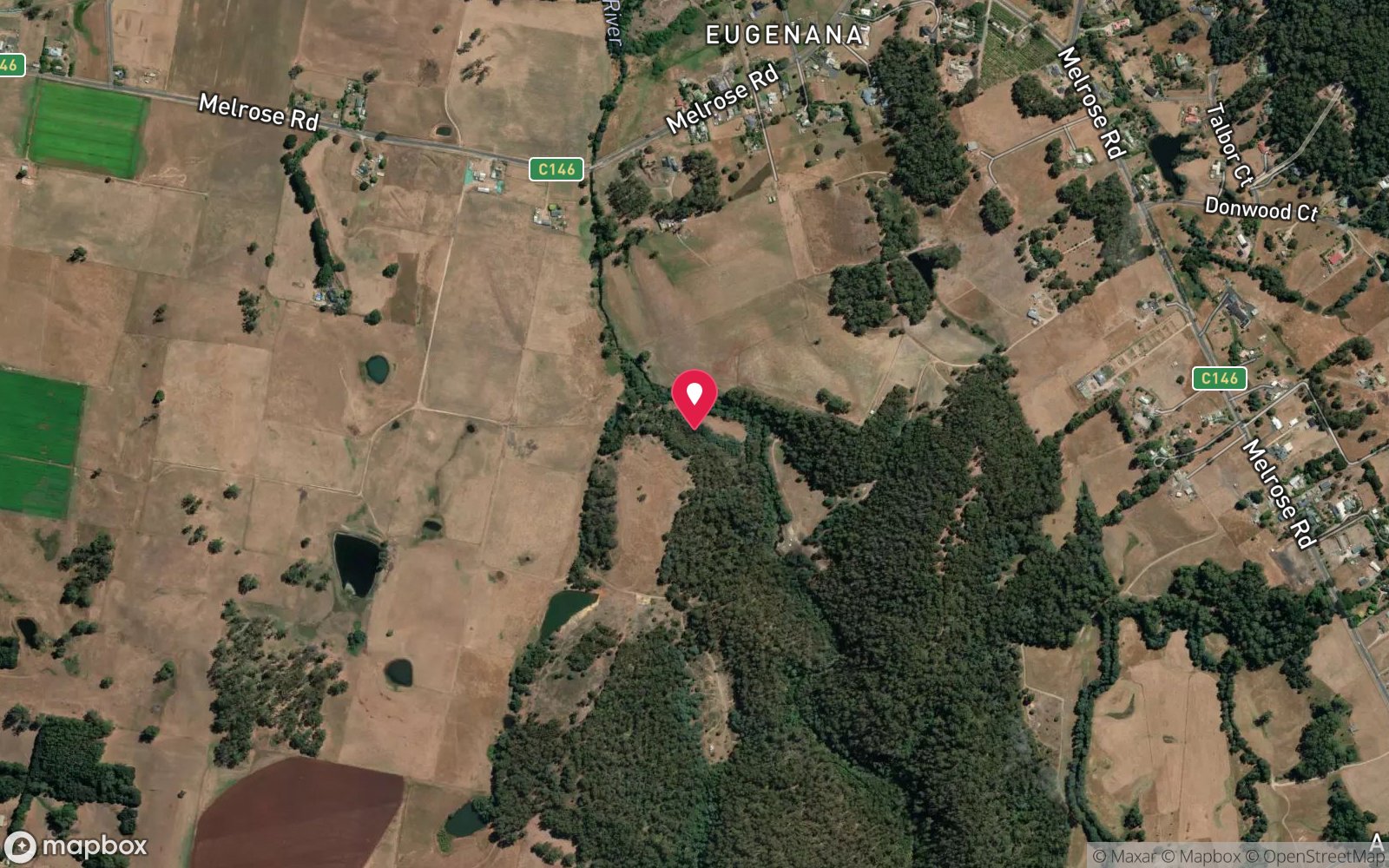
Eugenana is about 15 minutes south of Devonport. The quarry is on private or restricted land; check access arrangements with the Leven Scuba Club before visiting. Enter at the quarry edge.
From the Spirit of Tasmania terminal at Devonport, all central north-coast sites are within about an hour's drive along the Bass Highway. North-coast ramps are often shallow and weedy at low tide, so time launches for mid to high tide and carry a sounder, radio and tide tables.
Entry: Shore entry at the flooded quarry edge
Facilities: None on site; Devonport for services.
Weather, swell & tides
The north-west coast faces Bass Strait: north-westerly to north-easterly winds and westerly swell make it rough, while southerly winds blow offshore and give flat seas - light airs and sunny days are relatively common from January to April. Easterly gales are common in the warmer months and close the eastern faces of Rocky Cape and Sisters Island. Tidal streams run along the coast (eastward on the flood), and several boat sites are only comfortable around slack water.
Unaffected by sea conditions; visibility drops after heavy rain and in winter when surface water is coldest.
Best season: Year-round - the fallback when the sea is rough
If it's blown out
Sheltered or shore sites within 25 km that often work when Eugenana (Melrose) Quarry doesn't.
- Don Heads · 9 km · Max 9 m
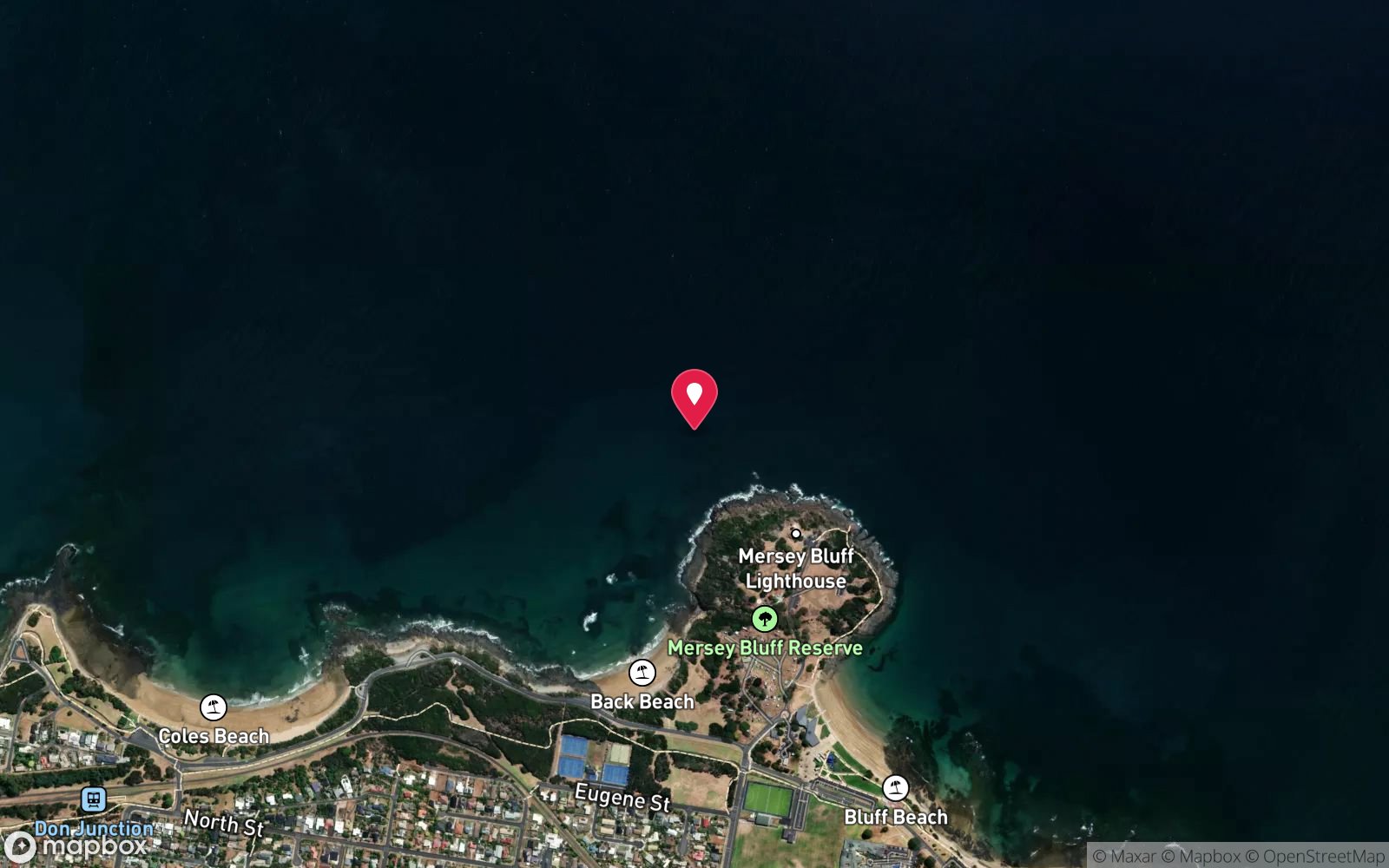
- Mersey Bluff (Devonport) · 10 km · Max 9 m
- Devonport Breakwater · 10 km · Max 4 m
How the dive is usually run
Descend at the edge, follow the quarry walls at 5-13 m, and avoid the old mine workings and submerged car bodies. Turn at a third of gas to allow for the swim back and a possibly harder exit, finish with a 3-minute safety stop at about 5 m if the depth allows, and exit where you entered unless an alternative exit has been checked beforehand.
Marine life
- Freshwater eels
- freshwater jellyfish
- goldfish
Linked species have their own page listing every site where they are recorded. All marine life →
Training required
Within the 18 m limit of an entry-level certification.
Courses that help here
- Drysuit Diver – Cold water; locals dive dry for much of the year.
- Peak Performance Buoyancy – Silt and low visibility punish poor trim.
Depth tiers: 0–10 m easy · to 18 m Open Water · 18–30 m Advanced (25 m+ is a deep dive) · 30–40 m Deep specialty · 40 m+ technical. All courses
Hazards & warnings
Old mine workings and car bodies (entanglement and overhead hazards); silt; cold; access permission.
Dive centres that go here
No confirmed commercial dive operator on the north-west coast as of 2026 (older guides mention dive services in Wynyard and Devonport - verify). Sites are dived mainly by the Leven Scuba Club (Ulverstone), other north-west club members and visiting divers with their own boats; Tasmanian Divers (Launceston) runs occasional northern trips.
Operators recorded for Eugenana (Melrose) Quarry
Tasmanian Divers North
ListedLaunceston · Tasmania North & North-West · TAS
A northern Tasmanian operation serving the Bass Strait coastline and local diving community.
tasdivers.com.au · (03) 6229 1020
Leven Scuba Club
Named by sitesDevonport · Tasmania North & North-West · TAS
Club, not a shop: website live and the club is listed for the Tasmanian Combined Clubs Weekend 2026; meets first Thursday monthly at Mersey Yacht Club.
levenscubaclub.com.au
Other dive centres in Tasmania North & North-West
Map
7 pinned sites. Pins marked approximate on their pages show the general area only; not for navigation.
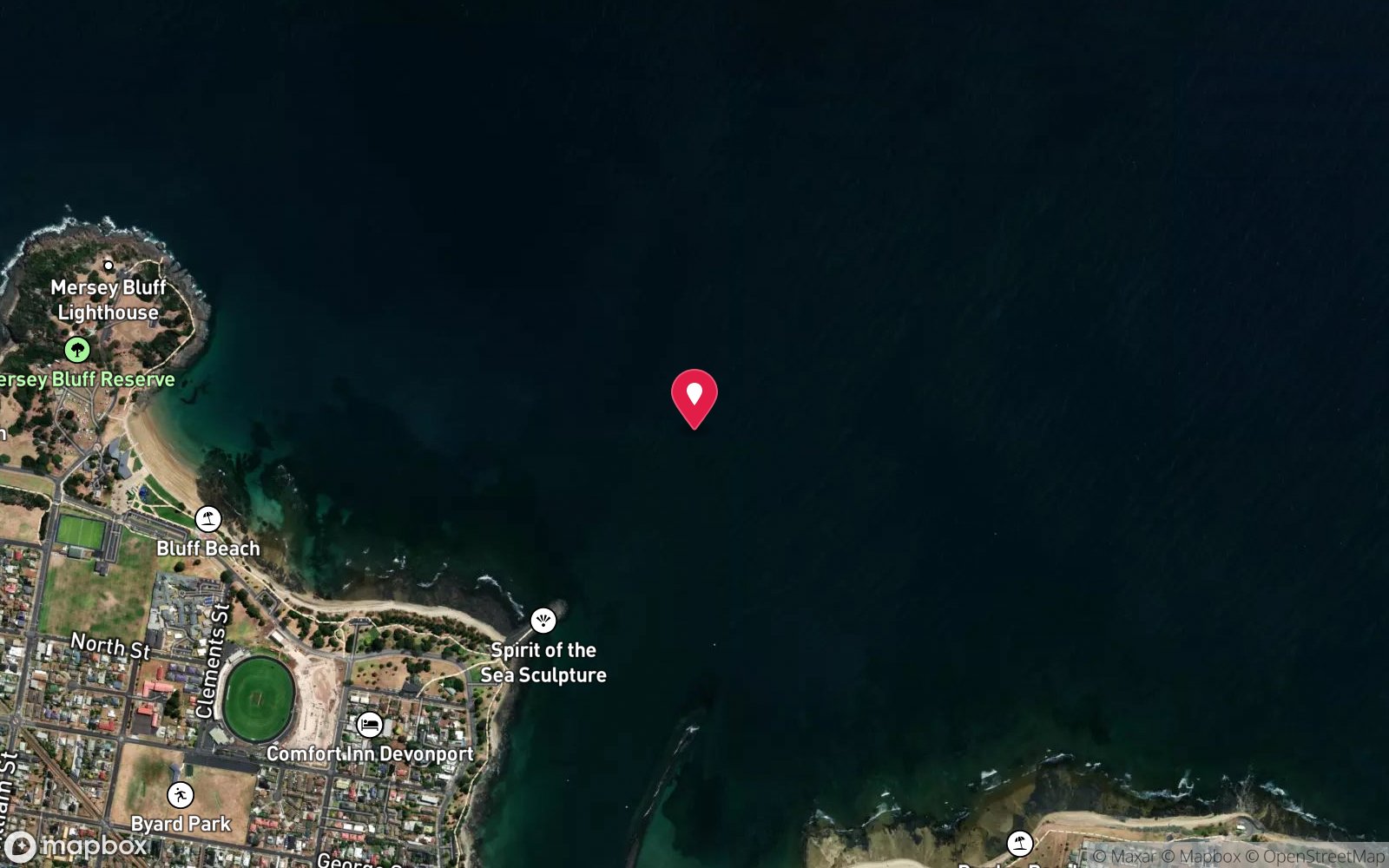
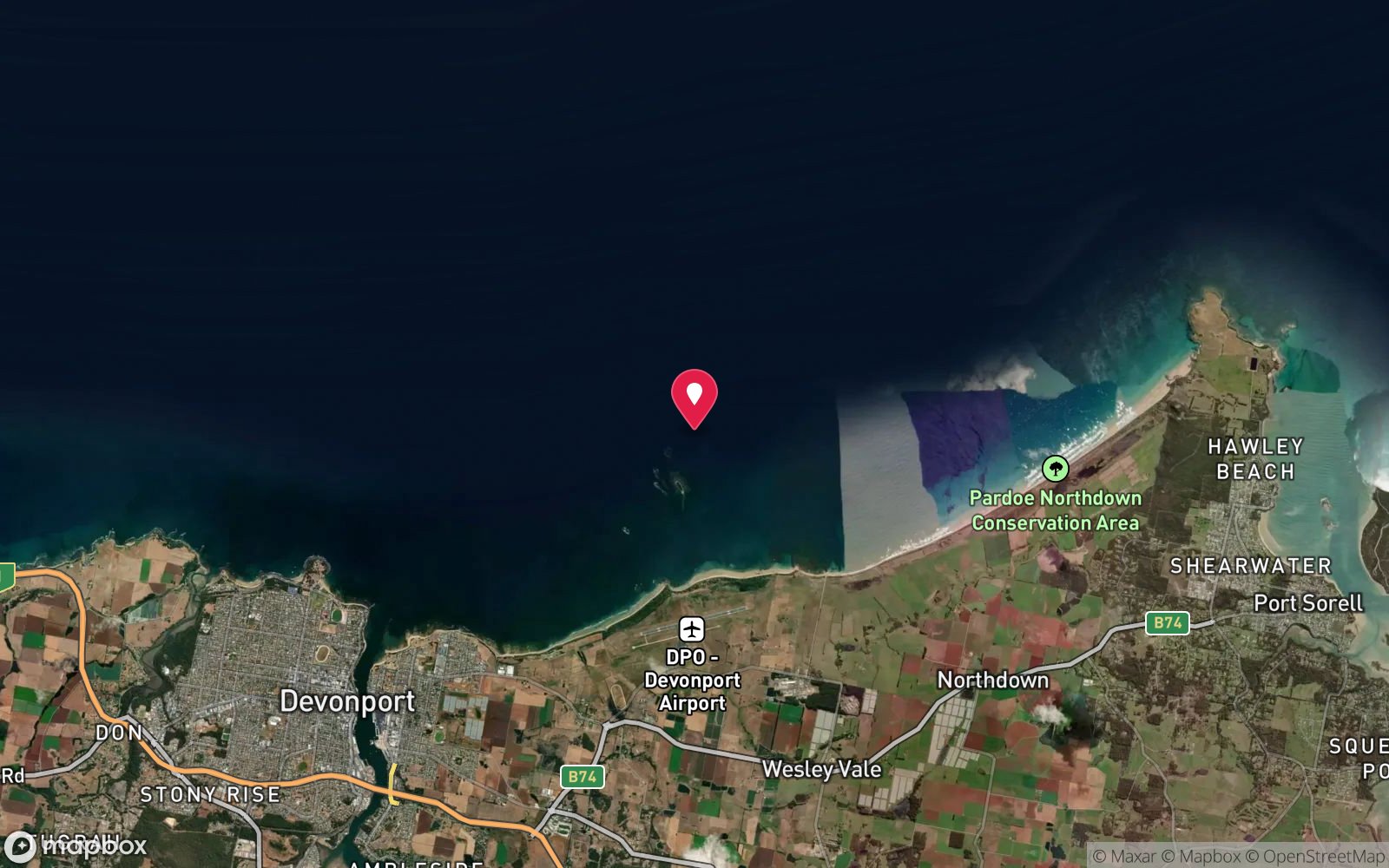
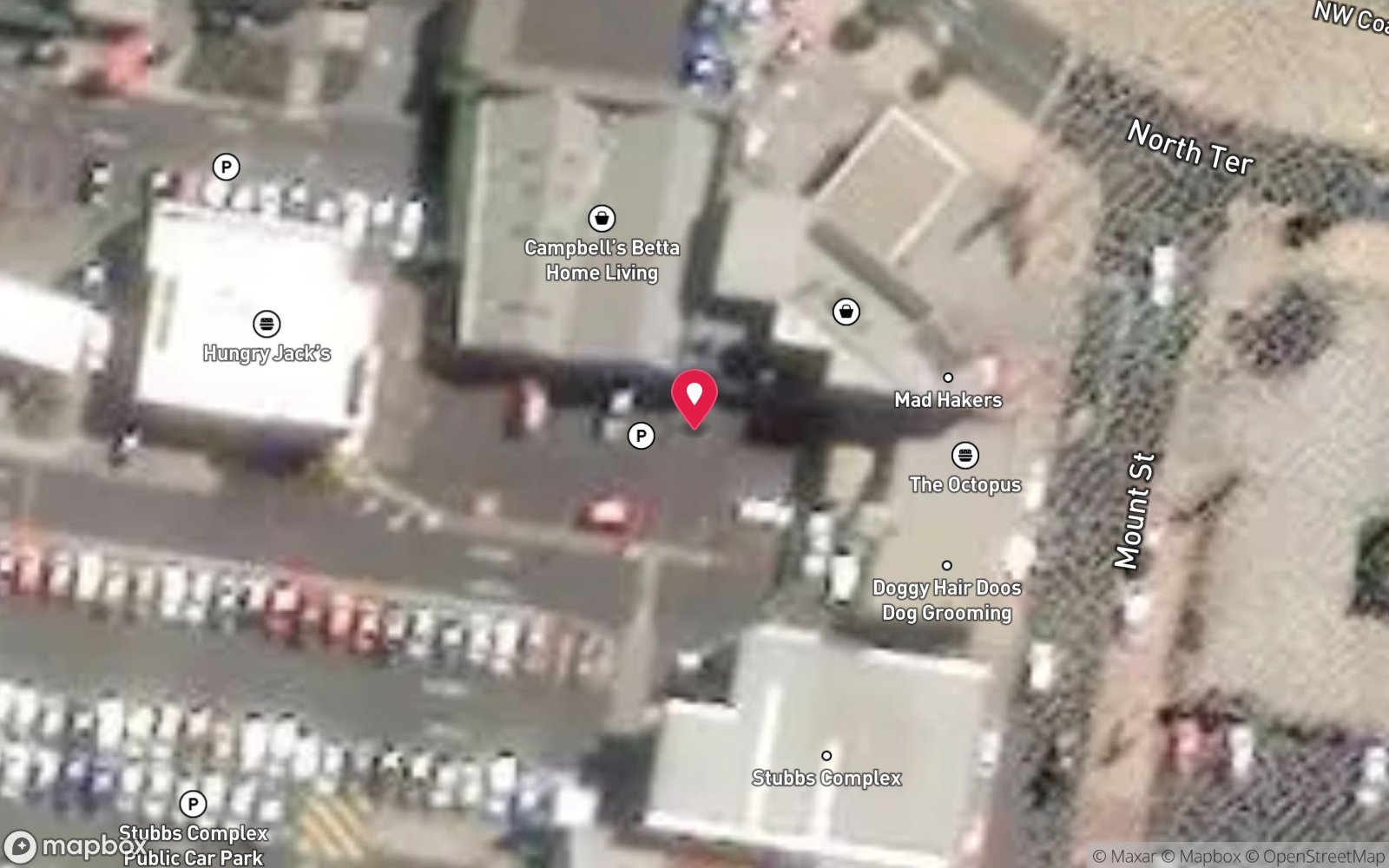
Satellite views
Eugenana (Melrose) Quarry: frequently asked questions
How deep is Eugenana (Melrose) Quarry?
Eugenana (Melrose) Quarry reaches a maximum depth of 13 m, with the shallowest part at about 5 m; most of the dive is spent around 8 m.
What certification do I need to dive Eugenana (Melrose) Quarry?
Open Water is the recommended minimum. Rated beginner: sheltered, shallow and manageable for a newly certified diver on a normal day, though note an overhead environment and cold water.
Can I shore dive Eugenana (Melrose) Quarry?
Yes. Eugenana (Melrose) Quarry is a shore dive that can be done independently: shore entry at the flooded quarry edge.
When is the best time to dive Eugenana (Melrose) Quarry?
Year-round - the fallback when the sea is rough.
What marine life will I see at Eugenana (Melrose) Quarry?
Regularly recorded: Freshwater eels, freshwater jellyfish, goldfish.
What wetsuit do I need at Eugenana (Melrose) Quarry?
Drysuit or 7 mm wetsuit with hood, gloves and boots; water is colder than the sea in winter.
How cold is the water at Eugenana (Melrose) Quarry?
Typically 14-18 °C in summer and 7-10 °C in winter.
What are the main hazards at Eugenana (Melrose) Quarry?
Old mine workings and car bodies (entanglement and overhead hazards); silt; cold; access permission. See the hazards section above for the full list.
Where is the nearest recompression chamber to Eugenana (Melrose) Quarry?
Royal Hobart Hospital Hyperbaric Medicine Unit (Hobart) - the only chamber in Tasmania; Launceston has none. DAN emergency hotline 1800 088 200. In an emergency call 000, then DAN Asia-Pacific on 1800 088 200.
Diving in Tasmania North & North-West
Bass Strait's Tasmanian shore from Devonport to Stanley and Rocky Cape is clear, cold and almost undived: sponge gardens, kelp and rock lobster around Wynyard, Boat Harbour and Sisters Beach, the Table Cape wall, and the Rocky Cape National Park reefs. Visibility of 20 m is common in settled weather.
Getting there: Fly into Devonport, Burnie or Launceston. Mostly shore dives with beach and rock entries; occasional club boat dives.
All Tasmania North & North-West dive sites and a suggested itinerary →
Sources
Data confidence: Low · Being verified: Current access status and exact location unverified.. Last updated September 2026. Know this site better? How to send a correction
Nearby dive sites
More shore dives in Tasmania
Explore more