Dive slate · divesites.com.au · printed 9 Nov 2026
Hanging Rock
Sunshine Coast, Queensland · near Mooloolaba
| Depth | 12–18 m |
|---|---|
| Minimum level | Open Water |
| Difficulty | Beginner |
| Access | Boat |
| Entry | Giant stride or backward roll from dive boat; descend the mooring or anchor line |
| Current | Mild |
| Visibility | 8-15 m |
| Water | summer 25-27 °C, winter 19-21 °C |
| Suit | 3 mm full suit in summer; 5-7 mm full suit and hood June-September |
| Best season | Year-round; June-October for visibility, grey nurse sharks and whales; November-May for warm water and leopard sharks |
| Bottom time | 50 min |
| Position | not published |
| Permit | Outside Moreton Bay Marine Park; no dive permit required (fisheries rules apply). |
| Nearest chamber | Royal Brisbane & Women's Hospital hyperbaric unit (Herston, Brisbane) — nearest chamber; Wesley Hospital hyperbaric unit (Auchenflower, Brisbane) is the alternative. Divers Emergency Service 1800 088 200. |
| Emergency | 000 · DAN Asia-Pacific diving emergency 1800 088 200 |
Hanging Rock
A 50 m overhanging wall carpeted in sun corals above a sandy trench, with some of the largest plate corals on the local reefs.
Near Mooloolaba · Sunshine Coast, Queensland
- Depth
- 12–18 m
- Minimum level
- Open Water
- Access
- Boat
- Boat ride
- ~15 min
- Water
- 25-27 °C
- Visibility
- 8-15 m
Hanging Rock12–18 m · Open Water
Dive factsDepths, conditions, location & safety
Season
In season nowBest months: year-round.
Year-round; June-October for visibility, grey nurse sharks and whales; November-May for warm water and leopard sharks
- Best months
- Now (November)
- Stinger suit Nov–May
Dive facts
- Depth
- 12–18 m
- Typical depth
- 15 m
- Certification
- Open Water
- Difficulty
- Beginner
- Depth tier
- Open Water (10–18 m)
- Access
- Boat
- Offshore
- 5 km
- Dive centre needed
- Yes – boat access only
- Shore / independent
- No
- Boat ride
- ~15 min
- Current
- Mild
- Visibility
- 8-15 m
- Water temp (summer)
- 25-27 °C
- Water temp (winter)
- 19-21 °C
- Water
- Subtropical
- Bottom time
- 50 min
- Dive traffic
- Very popular (dived daily)
- Night dive
- No
- Snorkel friendly
- No
Exposure suit
3 mm full suit in summer; 5-7 mm full suit and hood June-September
Location
Inner Gneering Shoals · Sunshine Coast – Mooloolaba
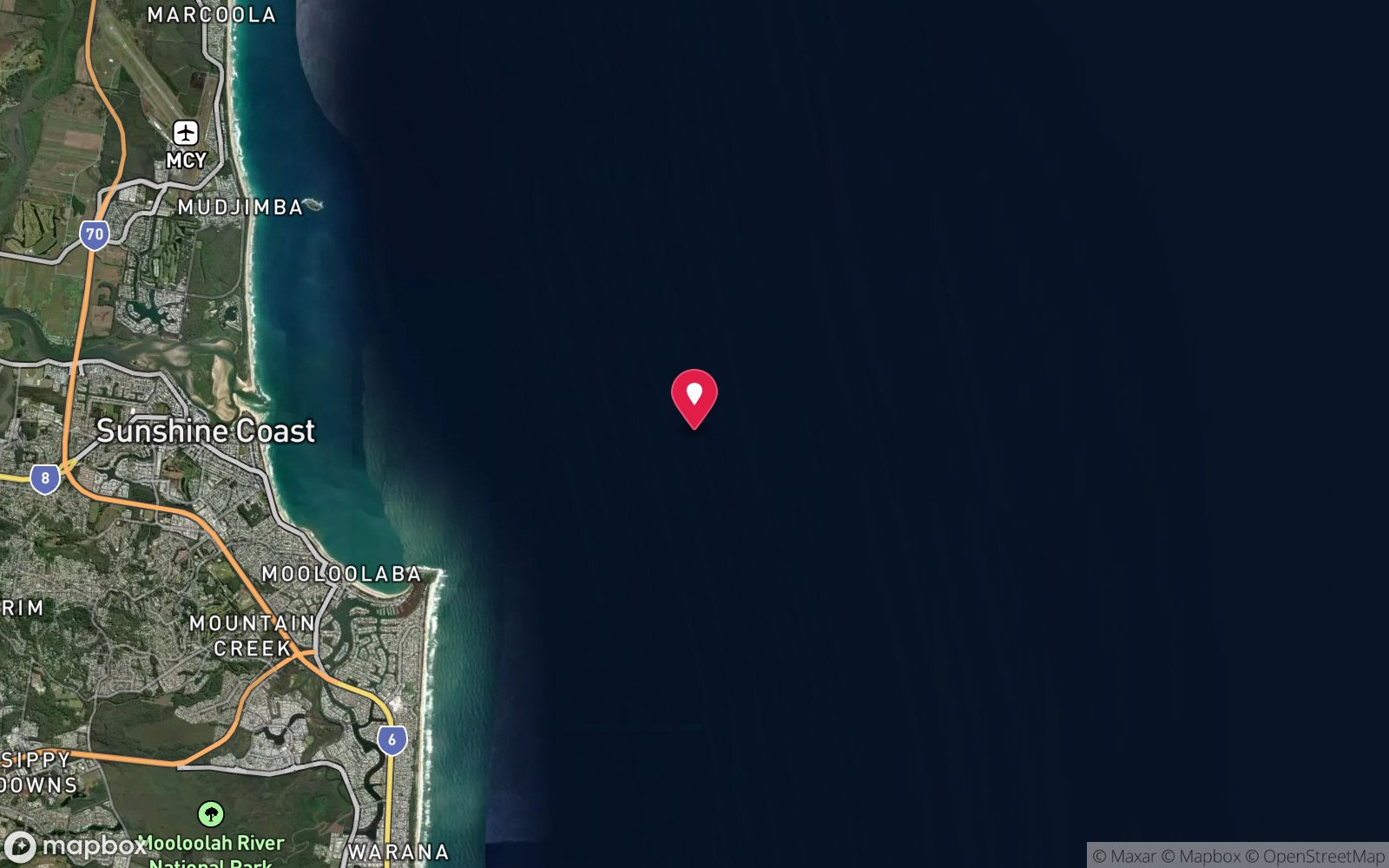
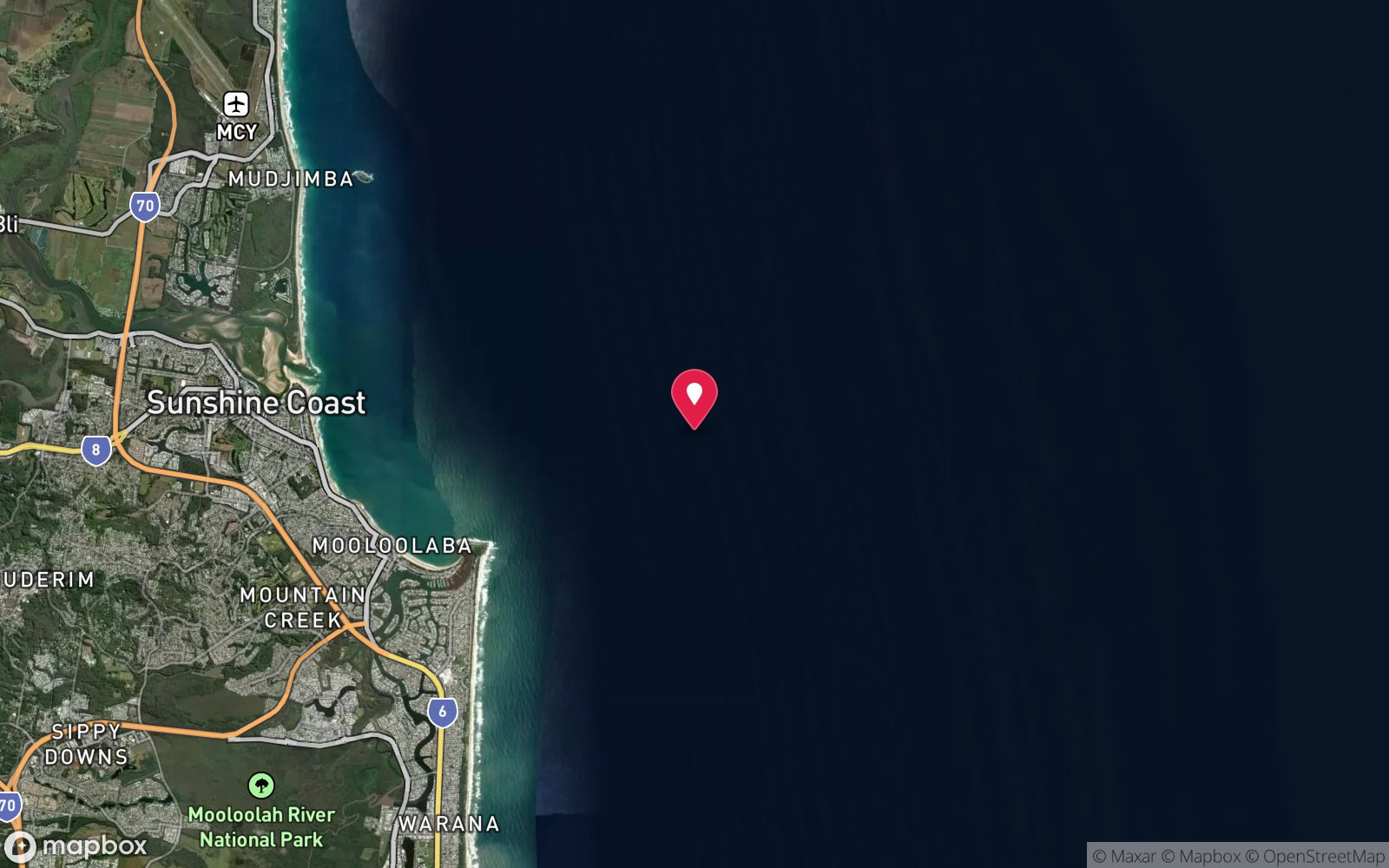
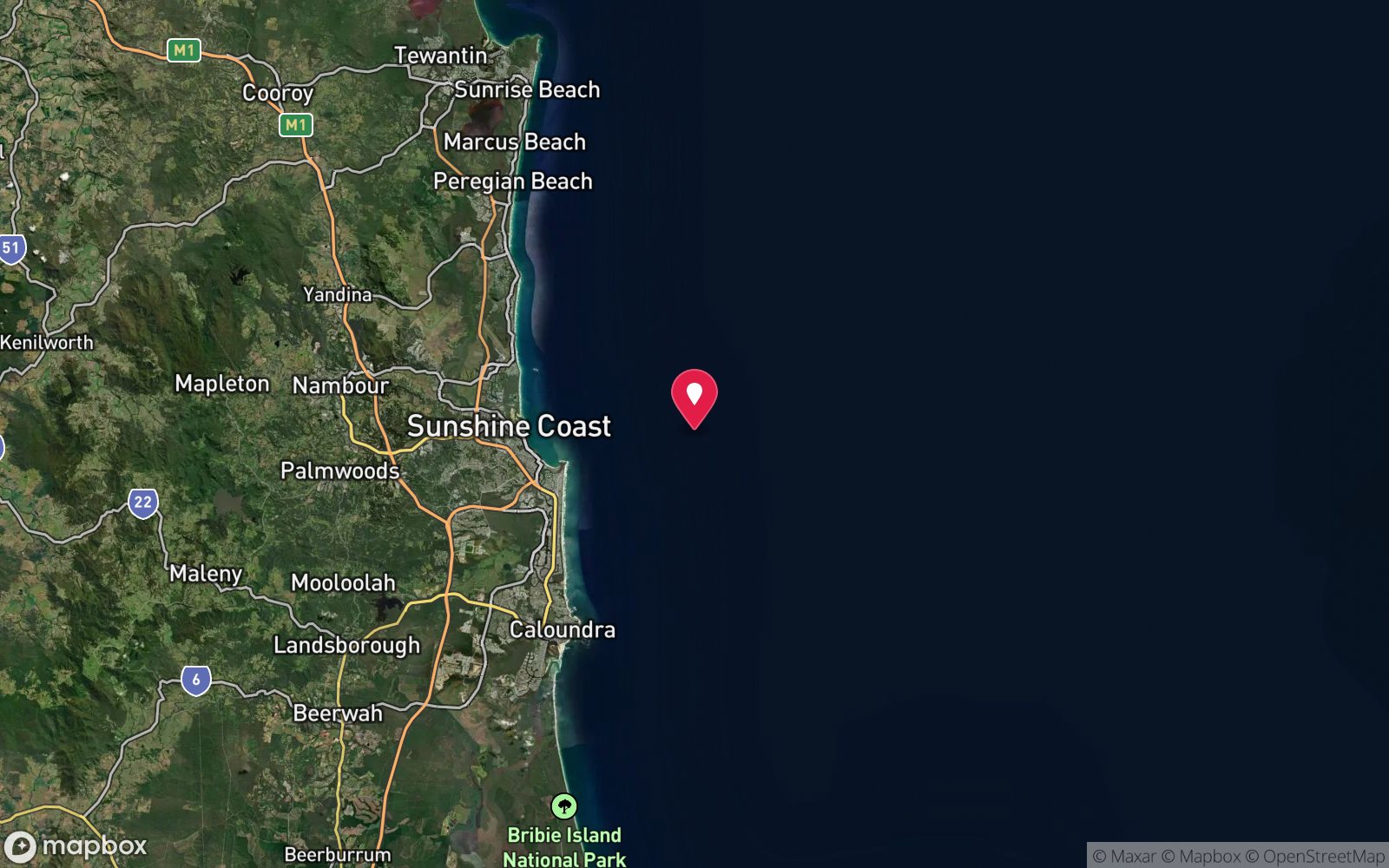
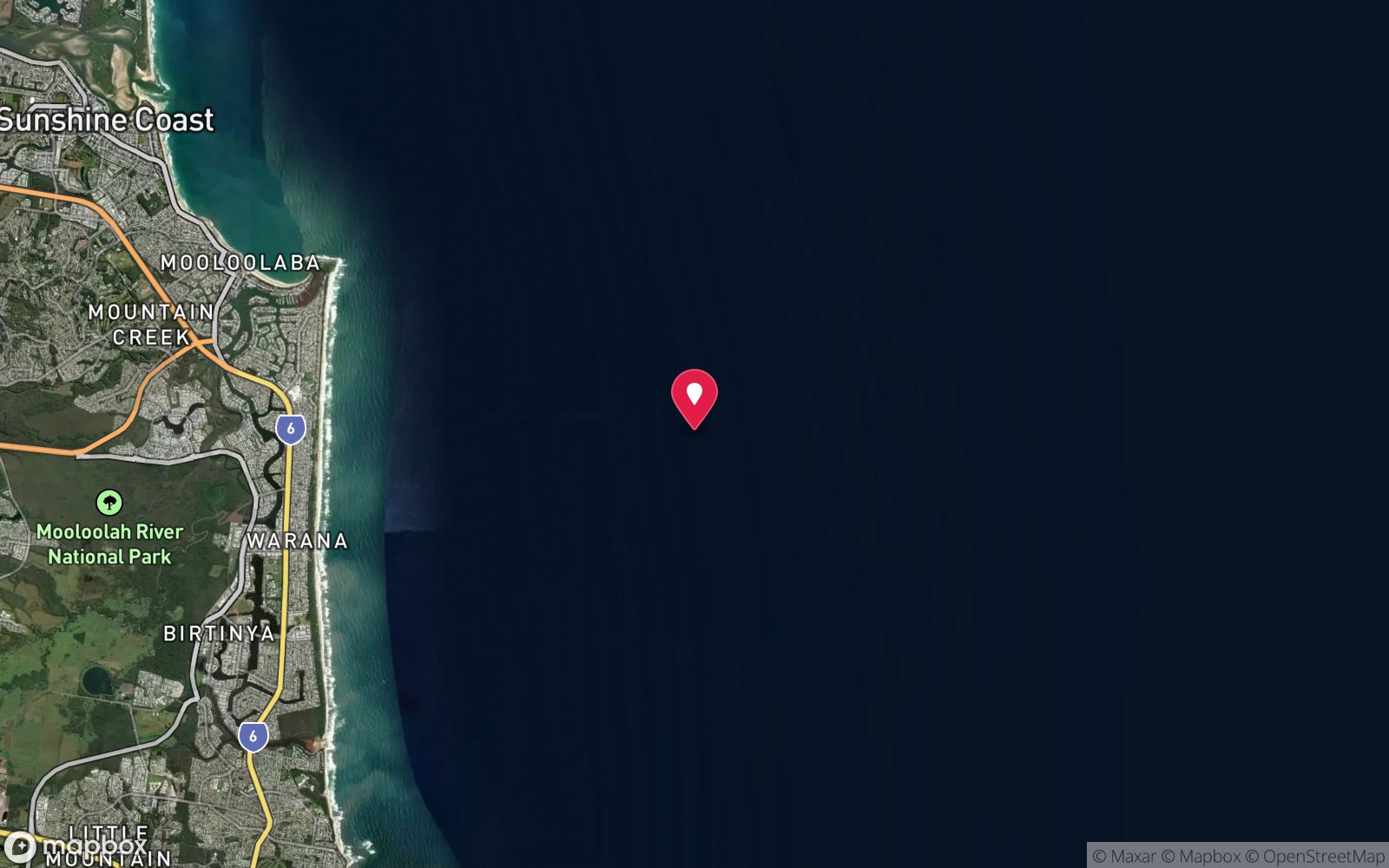
No published coordinates. The map above shows the general area, estimated from other documented sites near Mooloolaba.
Primary source: sunreef.com.auMarine park & permits
Outside Moreton Bay Marine Park; no dive permit required (fisheries rules apply).
Nearest recompression chamber
Royal Brisbane & Women's Hospital hyperbaric unit (Herston, Brisbane) — nearest chamber; Wesley Hospital hyperbaric unit (Auchenflower, Brisbane) is the alternative. Divers Emergency Service 1800 088 200.
Diving emergency: call 000, then DAN AP 1800 088 200.
Trip planner
Build a trip around Hanging Rock →
A day-by-day plan for Sunshine Coast with this site locked in.
This guide is a planning aid. Conditions change daily — confirm with a local dive centre and dive within your training. Data & safety notes.
Dive profile
How this site rates
Scores are computed from the recorded data, not opinions. How?
At a glance
Hanging Rock is a reef boat dive in Sunshine Coast, QLD, 12–18 m, suited to Open Water divers, about 15 minutes by boat.
Rated beginner: sheltered, shallow and manageable for a newly certified diver on a normal day, though note surge on the entry or in the shallows and boat traffic overhead.
Why dive here
- A 50 m overhanging wall carpeted in sun corals above a sandy trench, with some of the largest plate corals on the local reefs.
- A photographer's site: bring a macro lens or a wide-angle depending on the season.
Conditions to avoid
- Wind over about 20 knots
- Strong southerly or south-east swell and wind
- Strong northerlies
About Hanging Rock
Hanging Rock is regarded by Scuba World as one of the best sites on the Gneering Shoals and is a regular on Sunreef's rotation. Scuba World describes 'an enormous rocky outcrop which overhangs a sandy trench below', and Sunreef gives the dimensions: a lively 5 m wall about 50 m long, with its top at 12 m – shallow enough for all qualification levels, including divers in training.
The overhang is the feature. Its underside is carpeted with orange sun corals and shelters small moray eels, while the wall face carries what Sunreef calls some of the largest plate corals on the local reefs. Because the trench floor is sand, the structure stands out clearly even in modest visibility.
Fish life is abundant. Sunreef lists clownfish, many nudibranch species, eagle rays, moray eels, barracuda, turtles and reef fish, and Scuba World calls it 'a photographer's delight' with abundant tropical fish. The overhang offers some shelter from surge, which helps on days with a little swell.
Hanging Rock is short and easy to navigate – follow the wall one way, return the other – which makes it popular with newer divers and underwater photographers alike. Combine it with Nurse Rock or the Caves on a Sunreef double dive, or with the Brisbane when the wreck's conditions allow. The sandy trench is a good place to settle and look up at the overhang for photographs – with good buoyancy you can frame the sun corals against the surface light without touching the reef. Keep clear of the plate corals, which break easily under a careless fin.
Getting there & entry
Named site on the Inner Gneerings off Mooloolaba: an enormous rocky outcrop overhanging a sandy trench, with a 5 m wall 50 m long whose top is at 12 m.
Mooloolaba's dive boats leave from The Wharf on the Mooloolah River (Parkyn Parade, Mooloolaba), about 1.5 hours' drive north of Brisbane via the Bruce Highway and Sunshine Motorway. Scuba World's shop is about 40 m from its boat, with 100+ free all-day parking spaces nearby; Sunreef departs from the same precinct. Boats run down the calm river, cross the Mooloolah River mouth beside Point Cartwright and head north-east to the reefs – about 15 minutes to the Inner Gneerings and Mudjimba Island.
Private boats can launch at the Mooloolaba (Parkyn Parade/Lions Park) ramps. Operators choose between sites on the day according to swell and current.
Entry: Giant stride or backward roll from dive boat; descend the mooring or anchor line
Facilities: Departure: The Wharf, Mooloolaba
Weather, swell & tides
The Mooloolaba reefs are open-ocean sites with no shelter from the south-east trade winds or easterly swell. Operators generally cancel when winds exceed about 20 knots or swell makes the river-mouth crossing and moorings unsafe; they confirm trips by email and text around 3.30 pm the day before. Northerly winds (common on summer afternoons) also make the reefs choppy, so morning trips are more reliable.
Visibility averages about 12 m offshore (range 3-30 m) and is clearest after southerly winds and in winter; it drops after easterly blows and heavy rain. Winter (June-October) brings 19-21°C water, grey nurse sharks and humpback whales; summer (November-May) brings 25-27°C water, leopard sharks and lower visibility.
Best season: Year-round; June-October for visibility, grey nurse sharks and whales; November-May for warm water and leopard sharks
How the dive is usually run
Descend to the top of the wall at 12 m, drop into the sandy trench at about 17 m and swim the 50 m length of the overhang, looking up into the sun corals and plate corals and into the crevices for morays. Return along the top of the wall. Sunreef plans 50 minutes or 50 bar, whichever comes first.
Marine life
- Sun corals
- large plate corals
- clownfish
- nudibranchs →
- eagle rays
- small moray eels
- barracuda
- turtles →
- tropical reef fish
Linked species have their own page listing every site where they are recorded. All marine life →
Training required
Within the 18 m limit of an entry-level certification.
Depth tiers: 0–10 m easy · to 18 m Open Water · 18–30 m Advanced (25 m+ is a deep dive) · 30–40 m Deep specialty · 40 m+ technical. All courses
Hazards & warnings
Surge in swell; boat traffic; fishing line; stay off the fragile plate corals.
Dive centres that go here
Sunreef Mooloolaba – double reef dives most days, rotating between Mudjimba Island, Nurse Rock, Hanging Rock and Caves; Scuba World Mooloolaba – reef double dives rotating through the Gneering Shoals and Mudjimba sites; SubSurface Scuba – Sunshine Coast reef double dives.
Operators recorded for Hanging Rock
Scuba World Mooloolaba
ListedMooloolaba · Sunshine Coast · QLD
A Sunshine Coast business combining training, retail and local boat diving including the ex-HMAS Brisbane.
scubaworld.com.au · (07) 5444 8595
Sunreef Mooloolaba
ListedMooloolaba · Sunshine Coast · QLD
A Mooloolaba operation closely associated with the ex-HMAS Brisbane wreck alongside local reef diving and training.
sunreef.com.au · (07) 5444 5656
SubSurface Scuba
Named by sitesMooloolaba · Sunshine Coast · QLD
subsurfacescuba.com · (07) 5493 9097
Other dive centres in Sunshine Coast
General area
No position has been published for Hanging Rock. The circle shows where it is likely to be, worked out from other documented sites near Mooloolaba. Ask a local operator for the exact site.
Dashed circle: general area (about 9 km), from other documented sites near Mooloolaba. 6 pinned sites. Pins marked approximate on their pages show the general area only; not for navigation.
Hanging Rock: frequently asked questions
How deep is Hanging Rock?
Hanging Rock reaches a maximum depth of 18 m, with the shallowest part at about 12 m; most of the dive is spent around 15 m.
What certification do I need to dive Hanging Rock?
Open Water is the recommended minimum. Rated beginner: sheltered, shallow and manageable for a newly certified diver on a normal day, though note surge on the entry or in the shallows and boat traffic overhead.
Can I shore dive Hanging Rock?
No, it is reached by boat (about 15 minutes). A dive centre is required: boat access only.
When is the best time to dive Hanging Rock?
Year-round; June-October for visibility, grey nurse sharks and whales; November-May for warm water and leopard sharks.
What marine life will I see at Hanging Rock?
Regularly recorded: Sun corals, large plate corals, clownfish, nudibranchs, eagle rays, small moray eels, barracuda, turtles, tropical reef fish.
What wetsuit do I need at Hanging Rock?
3 mm full suit in summer; 5-7 mm full suit and hood June-September.
How cold is the water at Hanging Rock?
Typically 25-27 °C in summer and 19-21 °C in winter.
What are the main hazards at Hanging Rock?
Surge in swell; boat traffic; fishing line; stay off the fragile plate corals. See the hazards section above for the full list.
Where is the nearest recompression chamber to Hanging Rock?
Royal Brisbane & Women's Hospital hyperbaric unit (Herston, Brisbane) — nearest chamber; Wesley Hospital hyperbaric unit (Auchenflower, Brisbane) is the alternative. Divers Emergency Service 1800 088 200. In an emergency call 000, then DAN Asia-Pacific on 1800 088 200.
Diving in Sunshine Coast
The Sunshine Coast has one of the best wreck dives in Australia, the ex-HMAS Brisbane, scuttled off Mooloolaba in 2005 with access cut into every deck, plus the Gneerings and Murphys reefs with grey nurse sharks in winter and, further north, Wolf Rock's resident pregnant grey nurse sharks and Flinders Reef's coral gardens off Noosa's doorstep.
Getting there: Ninety minutes north of Brisbane. Charters from Mooloolaba run the Brisbane and the local reefs; Wolf Rock is reached from Rainbow Beach.
Sources
- sunreef.com.au/dive-sunshine-coast/sunshine-coast-reef-dives/hanging-rock
- scubaworld.com.au/dive-sites/mooloolaba-reef-diving
- divejourney.io/destinations/sunshine-coast-mooloolaba-australia
- scubadiverlife.com/diving-australias-sunshine-coast
- weekendnotes.com/dive-sites-sunshine-coast
Data confidence: High · Being verified: Position not published; max depth inferred from wall top (12 m) plus 5 m height.. Last updated September 2026. Know this site better? How to send a correction
Nearby dive sites
More reef dives in Queensland
Explore more
This region
Similar dives