Dive slate · divesites.com.au · printed 9 Nov 2026
Horn Island WWII sites
Far Northern Reef & Torres Strait, Queensland · near Thursday Island / Horn Island
| Depth | Depth not published |
|---|---|
| Minimum level | Open Water |
| Difficulty | Advanced |
| Access | Shore or Boat |
| Entry | Shore or small-boat entry in tidal shallows with a local guide |
| Current | Variable/Tidal |
| Visibility | 1-8 m |
| Water | summer 29-31 °C, winter 24-26 °C |
| Suit | 3 mm wetsuit or full-length stinger suit year-round (stinger protection essential November–May) |
| Best season | Neap tides in the October–December transition (lighter winds); avoid peak trade-wind months and big spring tides |
| Bottom time | 45 min |
| Position | -10.59000, 142.29000 (approximate) |
| Permit | Outside the Great Barrier Reef Marine Park (Torres Strait). Wrecks over 75 years old are protected under the Underwater Cultural Heritage Act 2018; islands and reefs are Torres Strait Islander land and sea country – seek permission from traditional owners/local councils. |
| Nearest chamber | Townsville University Hospital (Townsville) – about 1,000 km away; evacuation via Thursday Island Hospital and RFDS from Horn Island |
| Emergency | 000 · DAN Asia-Pacific diving emergency 1800 088 200 |
Horn Island WWII sites
Also known as Horn Island airfield wrecks, Horn Island B-17 debris
Scattered B-17 bomber debris in the tidal shallows off a WWII airfield – history rather than scenery.
Near Thursday Island / Horn Island · Far Northern Reef & Torres Strait, Queensland
- Depth
- Depth not published
- Minimum level
- Open Water
- Access
- Shore or Boat
- Boat ride
- —
- Water
- 29-31 °C
- Visibility
- 1-8 m
Horn Island WWII sitesDepth not published · Open Water · Shore
Dive factsDepths, conditions, location & safety
Season
In season nowBest months: September, October, November, December.
Neap tides in the October–December transition (lighter winds); avoid peak trade-wind months and big spring tides
- Best months
- Now (November)
- Stinger suit Nov–May
Dive facts
- Depth
- Depth not published
- Typical depth
- 4 m
- Certification
- Open Water
- Difficulty
- Advanced
- Access
- Shore or Boat
- Offshore
- 0 km
- Dive centre needed
- Yes – permit/guide required
- Shore / independent
- Possible (experienced only)
- Current
- Variable/Tidal
- Visibility
- 1-8 m
- Water temp (summer)
- 29-31 °C
- Water temp (winter)
- 24-26 °C
- Water
- Tropical
- Bottom time
- 45 min
- Dive traffic
- Rarely dived (private boat/club only)
- Night dive
- No
- Snorkel friendly
- No
Exposure suit
3 mm wetsuit or full-length stinger suit year-round (stinger protection essential November–May)
Location
Horn Island · Torres Strait
-10.59000, 142.29000
Approximate position — not for navigation.
Open in Google MapsPrimary source: marinelife.org.auMarine park & permits
Outside the Great Barrier Reef Marine Park (Torres Strait). Wrecks over 75 years old are protected under the Underwater Cultural Heritage Act 2018; islands and reefs are Torres Strait Islander land and sea country – seek permission from traditional owners/local councils.
Nearest recompression chamber
Townsville University Hospital (Townsville) – about 1,000 km away; evacuation via Thursday Island Hospital and RFDS from Horn Island
Diving emergency: call 000, then DAN AP 1800 088 200.
Trip planner
Build a trip around Horn Island WWII sites →
A day-by-day plan for Far Northern Reef & Torres Strait with this site locked in.
This guide is a planning aid. Conditions change daily — confirm with a local dive centre and dive within your training. Data & safety notes.
Dive profile
How this site rates
Scores are computed from the recorded data, not opinions. How?
At a glance
Horn Island WWII sites is a aircraft wreck shore dive for experienced divers in Far Northern Reef & Torres Strait, QLD, suited to Open Water divers, variable/tidal current.
Rated advanced because of tidal current that must be timed.
Why dive here
- Scattered B-17 bomber debris in the tidal shallows off a WWII airfield – history rather than scenery.
- Rarely dived: expect to have the site to yourself, and plan your own logistics.
Conditions to avoid
- Strong southerly or south-east swell and wind
- Outgoing tide or run-off after rain (poor visibility)
- Spring tides (strong current)
- Cyclone season (roughly December–April)
- Stinger season without a full suit (November–May)
About Horn Island WWII sites
Horn Island was one of the most important Allied bases in northern Australia during World War II. Its airfield, built in 1942, supported fighters and bombers operating against Japanese forces in New Guinea and was itself bombed repeatedly by Japanese aircraft – after Darwin, it was one of the most attacked places in Australia. Many of the island's WWII relics are on land: gun emplacements, slit trenches, and aircraft wrecks in the bush, including the wreck of a Beaufort and a DC-3 that can be visited on heritage tours.
Underwater, the remains are fragmentary. Marine Life Network's Torres Strait page describes pieces of a B-17 bomber scattered off the end of the runway in tidal water, with variable visibility and scattered sites that require extended local knowledge; it notes that the main recreational diving activity in the area is crayfishing. The debris lies in shallow, tidal water, where visibility is often poor and currents run with the tide.
Crocodiles are a serious hazard in Torres Strait, and diving here should only be done with local guidance. For divers already visiting Horn Island at the end of a far-northern liveaboard trip, the island's WWII history is best explored on land through the local heritage museum and tours, with the underwater debris as a niche add-on for enthusiasts. For a substantial WWII aircraft wreck dive in the region, the Japanese Zero off Hammond Island (listed separately) is the better-documented site.
The sites are part of Torres Strait Islander land and sea country; seek permission and local guidance before diving.
Wreck details
Boeing B-17 bomber (debris); details not published
Getting there & entry
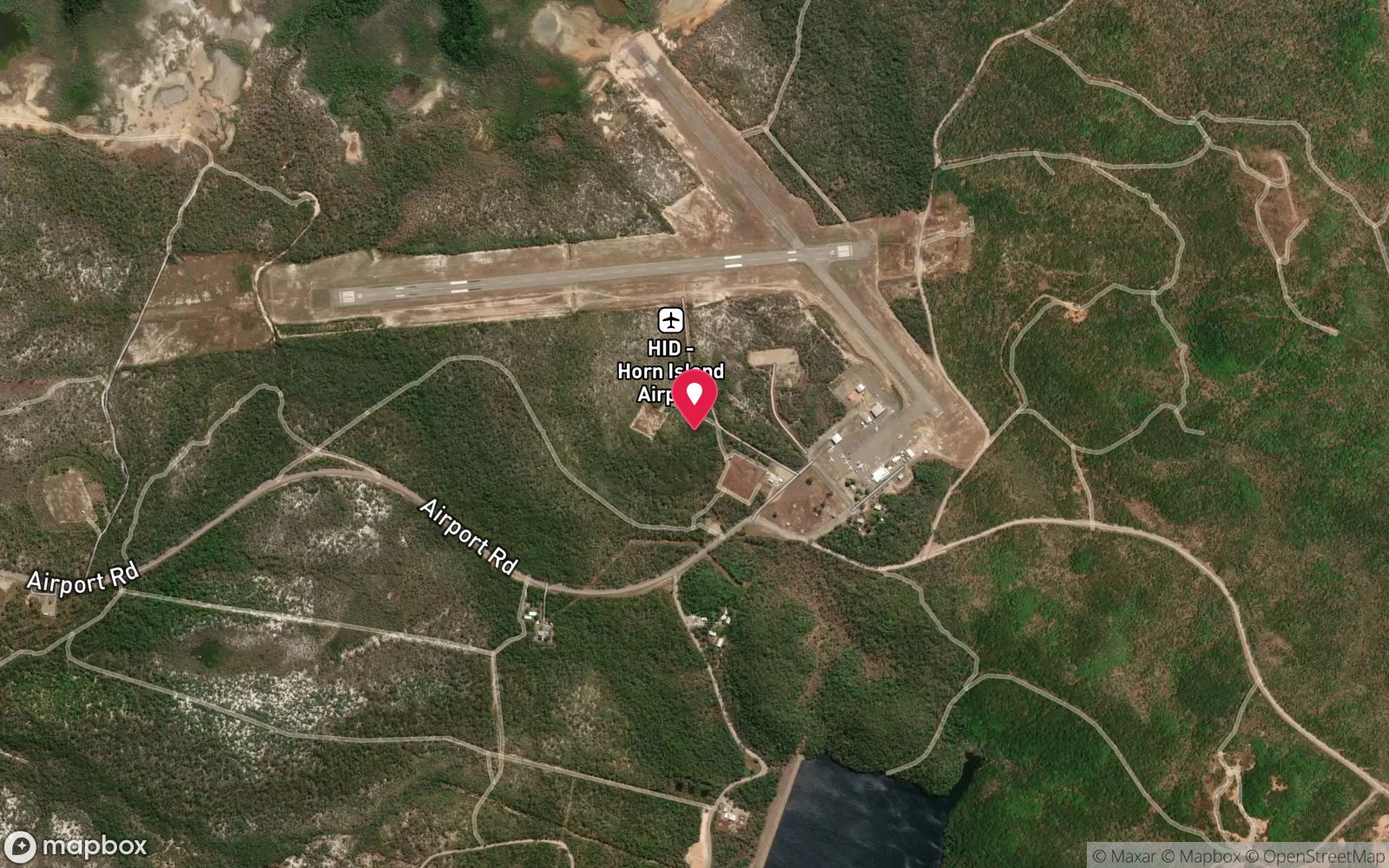
Scattered WWII aircraft debris – including pieces of a B-17 bomber – in tidal water off the end of the Horn Island airfield runway, Torres Strait.
Fly Cairns–Horn Island (daily Qantaslink/Regional Express services, about 1 hr 45 min); Horn Island airport links to Thursday Island by a 15–20 minute passenger ferry. There is no full-service dive shop in Torres Strait, so diving is arranged either on an expedition liveaboard (Mike Ball's Spoilsport ends or starts its November Northern Exposure trips at Horn Island Pier and has dived the Quetta; PDS's MV Kalinda has also finished trips there) or through local contacts and club divers on Thursday Island with a local boat. Bring all equipment; fills are limited and must be arranged in advance.
Entry: Shore or small-boat entry in tidal shallows with a local guide
Facilities: Thursday Island: accommodation, shops, fuel, hospital (no recompression chamber); Horn Island: airport, accommodation. No dive shop or reliable air fills – arrange in advance.
Weather, swell & tides
Torres Strait is a shallow, tide-dominated passage between the Coral Sea and the Arafura Sea, and the tides drive everything. Currents in channels such as the Adolphus, Prince of Wales and Endeavour channels regularly exceed 4 knots, and sites are only diveable for a short slack-water window – often once a day, and sometimes not at all on big spring tides. Plan around neap tides and consult local tide tables for the exact slack.
The south-east trades blow strongly from about April to November, raising steep wind-against-tide seas; the calmest period is the transition around November–December (when liveaboards visit), and the north-west monsoon season (December–April) brings storms, cyclone risk, stingers and reduced visibility from run-off. Visibility is variable, typically 5–15 m, and is best on the flood tide during neaps.
Best season: Neap tides in the October–December transition (lighter winds); avoid peak trade-wind months and big spring tides
How the dive is usually run
Only with a local guide on a neap-tide slack: enter from shore or a small boat at the runway end, search the shallow tidal flats for the scattered aircraft pieces in 1–5 m, and exit before the tide turns. Keep a spotter on the surface for crocodiles.
Marine life
- Crayfish (tropical rock lobster)
- reef fish around debris
- seagrass-flat species
Linked species have their own page listing every site where they are recorded. All marine life →
Training required
Courses that help here
- Peak Performance Buoyancy – Silt and low visibility punish poor trim.
Depth tiers: 0–10 m easy · to 18 m Open Water · 18–30 m Advanced (25 m+ is a deep dive) · 30–40 m Deep specialty · 40 m+ technical. All courses
Hazards & warnings
Estuarine (saltwater) crocodiles are common throughout Torres Strait and around Horn, Thursday, Hammond and Prince of Wales islands – dive only with local knowledge, avoid mangroves, creek mouths and dusk/night water entry; strong tidal currents; very poor visibility; sharp corroded aluminium; possible unexploded WWII ordnance; Marine stingers (box jellyfish and Irukandji) are present November–May – wear a full-length stinger suit
Technical notes
Aircraft debris is protected historic material – do not remove; UCH Act 2018 protects aircraft wrecks over 75 years old.
Dive centres that go here
No dive operator – sites are scattered and require extended local knowledge; arrange through local contacts or the Torres Strait Heritage Museum/tour operators on Horn Island. Main local recreational diving is crayfishing.
Operators recorded for Horn Island WWII sites
Mike Ball Dive Expeditions
ListedCairns · Cairns · QLD
A long-running expedition liveaboard operation associated with Ribbon Reefs and Coral Sea itineraries, including minke whale season trips.
mikeball.com · (07) 4053 0500
Professional Dive Services
Named by sitesBrisbane · Brisbane & Moreton Bay · QLD
Brisbane-based dive training business that runs Torres Strait / Ribbon Reef expeditions aboard MV Kalinda; not based in the Torres Strait.
professionaldiveservices.com.au · 0457 007 040
Other dive centres in Far Northern Reef & Torres Strait
Spirit of Freedom
ListedCairns · Cairns · QLD
An expedition liveaboard associated with Ribbon Reefs, Osprey Reef and Coral Sea itineraries.
spiritoffreedom.com.au · (07) 4047 9150
Cooktown Reef Charters
Named by sitesCooktown · Far Northern Reef & Torres Strait · QLD
Primarily a fishing and glass-bottom-boat charter; snorkelling only, no scuba advertised.
reefcharters.com.au · (07) 4069 5396
Map
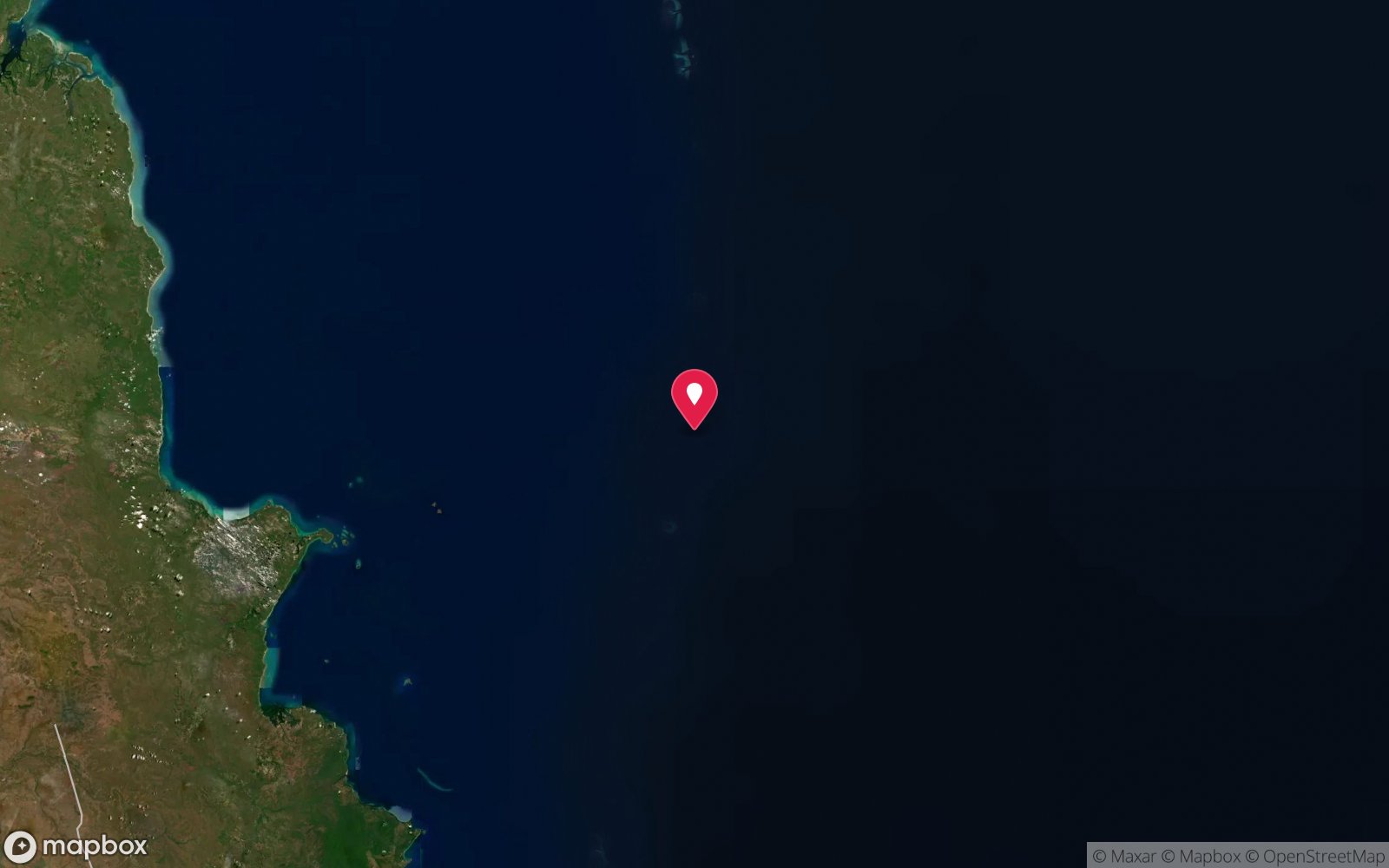
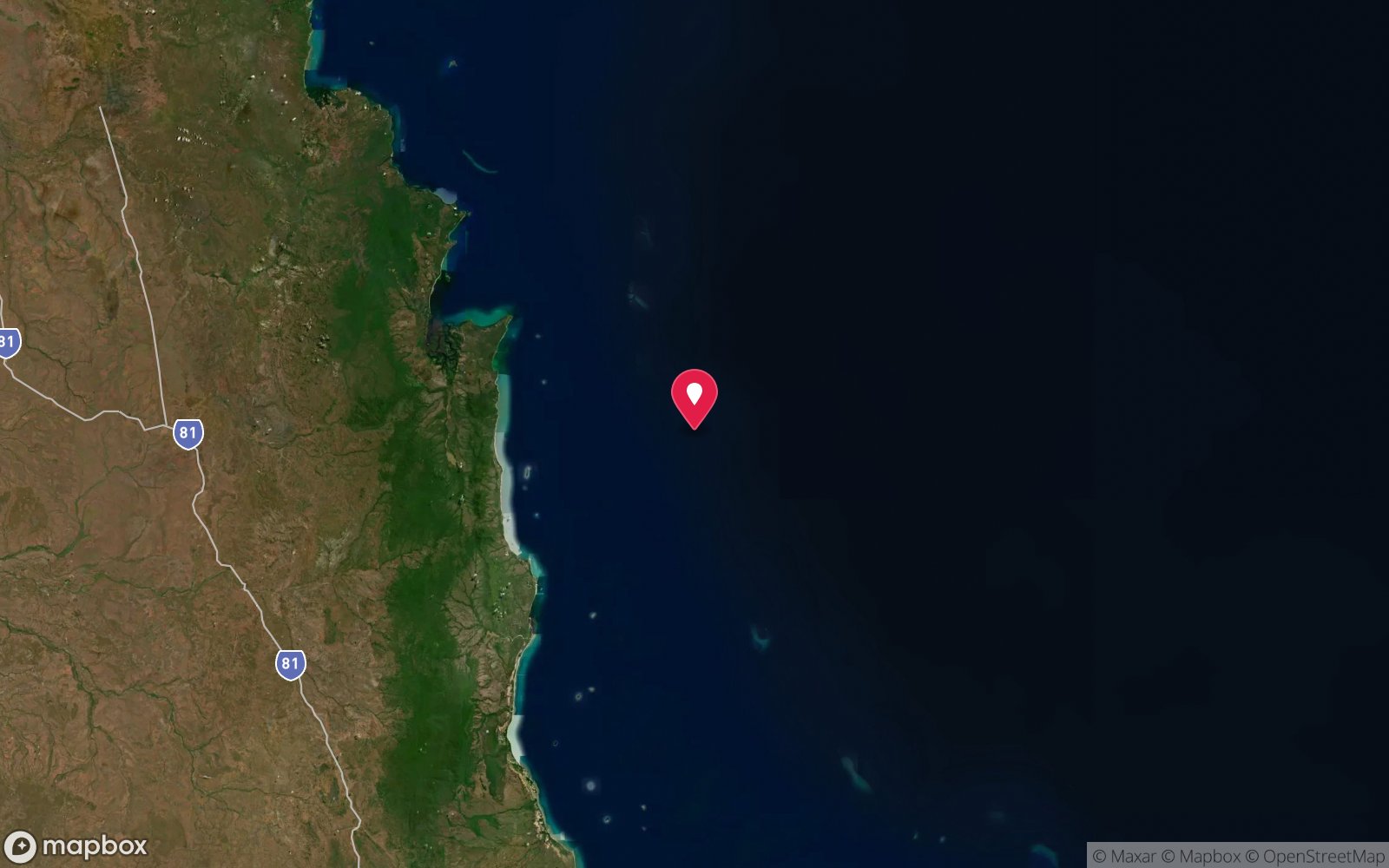
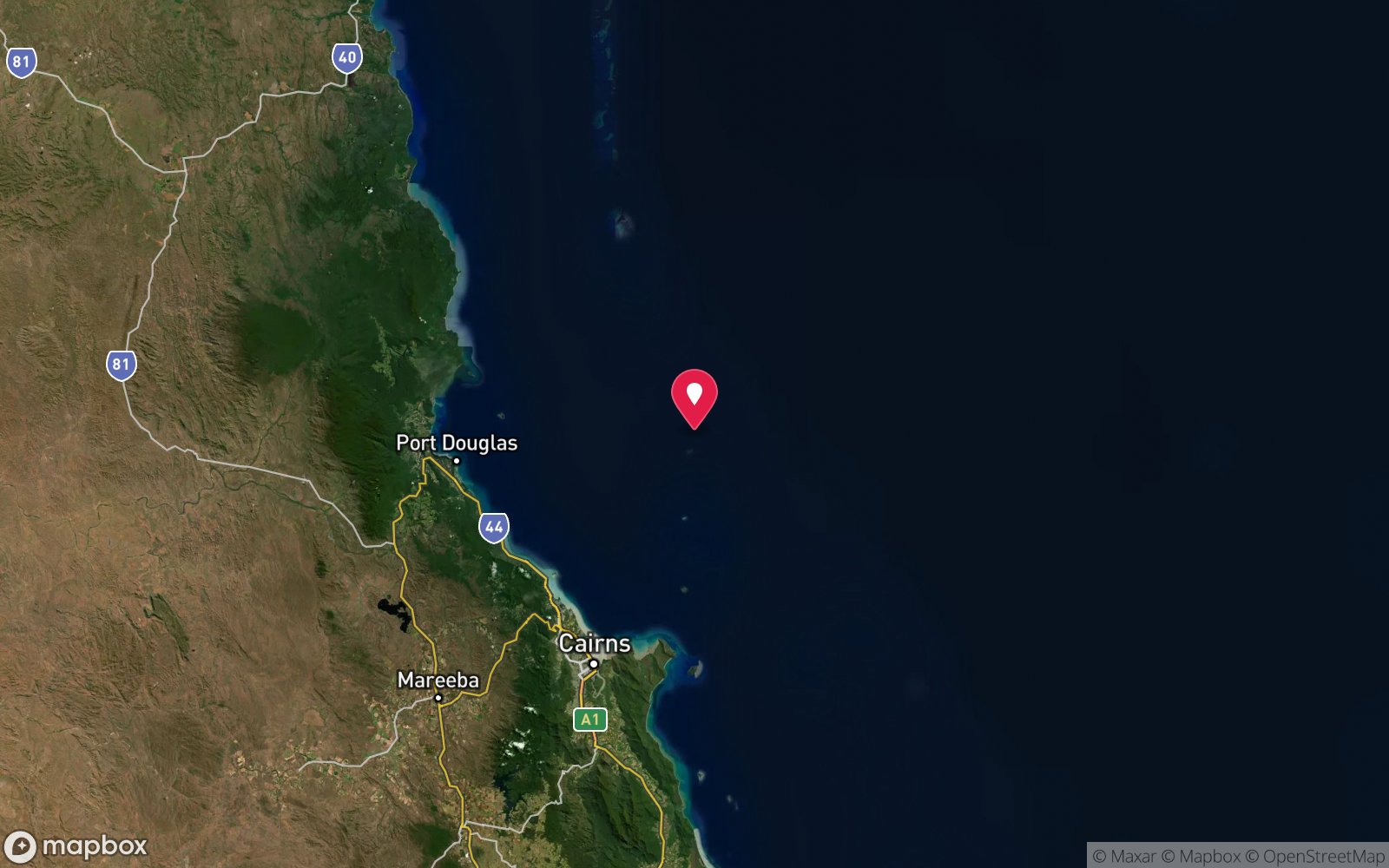
7 pinned sites. Pins marked approximate on their pages show the general area only; not for navigation.
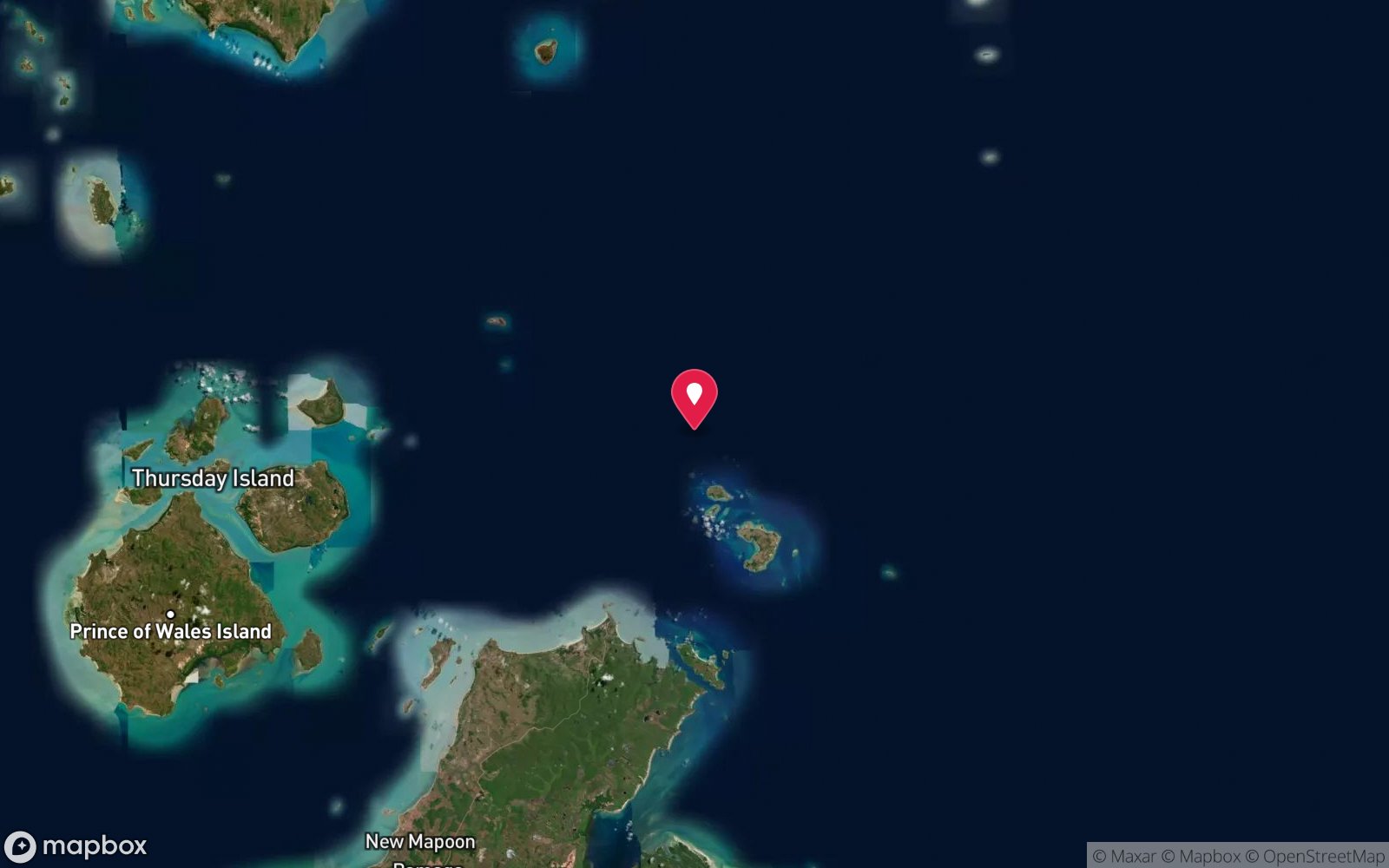
Satellite views
Horn Island WWII sites: frequently asked questions
What certification do I need to dive Horn Island WWII sites?
Open Water is the recommended minimum. Rated advanced because of tidal current that must be timed.
Can I shore dive Horn Island WWII sites?
Experienced divers do dive Horn Island WWII sites from the shore, but the entry or conditions make it unsuitable for newer divers without local guidance. Entry: Shore or small-boat entry in tidal shallows with a local guide.
When is the best time to dive Horn Island WWII sites?
Neap tides in the October–December transition (lighter winds); avoid peak trade-wind months and big spring tides.
What marine life will I see at Horn Island WWII sites?
Regularly recorded: Crayfish (tropical rock lobster), reef fish around debris, seagrass-flat species.
What wetsuit do I need at Horn Island WWII sites?
3 mm wetsuit or full-length stinger suit year-round (stinger protection essential November–May).
How cold is the water at Horn Island WWII sites?
Typically 29-31 °C in summer and 24-26 °C in winter.
What are the main hazards at Horn Island WWII sites?
Estuarine (saltwater) crocodiles are common throughout Torres Strait and around Horn, Thursday, Hammond and Prince of Wales islands – dive only with local knowledge, avoid mangroves, creek mouths and dusk/night water entry; strong tidal currents; very poor visibility; sharp corroded aluminium; possible unexploded WWII ordnance; Marine stingers (box jellyfish and Irukandji) are present November–May – wear a full-length stinger suit. See the hazards section above for the full list.
Where is the nearest recompression chamber to Horn Island WWII sites?
Townsville University Hospital (Townsville) – about 1,000 km away; evacuation via Thursday Island Hospital and RFDS from Horn Island. In an emergency call 000, then DAN Asia-Pacific on 1800 088 200.
Diving in Far Northern Reef & Torres Strait
North of Lizard Island the Great Barrier Reef is almost unvisited. Great Detached Reef, Raine Island (the world's largest green turtle rookery), Tijou Reef and the Cod Hole's remote northern equivalents are dived only by a few liveaboards each October and November, when the wind drops and the boats can make the long passage. Expect walls, big sharks, untouched coral and no other boats.
Getting there: Seven- to ten-night liveaboard expeditions from Cairns, sometimes ending with a flight from Lockhart River or Horn Island.
All Far Northern Reef & Torres Strait dive sites and a suggested itinerary →
Sources
Data confidence: Low · Being verified: Land-based WWII wrecks and bombing history from general knowledge; exact debris location and aircraft identity unverified.. Last updated September 2026. Know this site better? How to send a correction