Dive slate · divesites.com.au · printed 9 Nov 2026
Koonya Inlet (Temma)
Tasmania West Coast, Tasmania · near Arthur River
| Depth | 2–25 m |
|---|---|
| Minimum level | Advanced Open Water |
| Difficulty | Intermediate |
| Access | Shore |
| Entry | Shore entry in the sheltered inlet |
| Current | Mild |
| Visibility | 5-15 m |
| Water | summer 14-17 °C, winter 11-12 °C |
| Suit | 7 mm wetsuit with hood, gloves and boots (or semi-dry); drysuit common, especially May-October |
| Best season | Summer (January-March) during rare easterly spells |
| Bottom time | 45 min |
| Position | -41.26000, 144.68000 (approximate) |
| Permit | No permit required |
| Nearest chamber | Royal Hobart Hospital Hyperbaric Medicine Unit (Hobart) - the only chamber in Tasmania; Launceston has none. DAN emergency hotline 1800 088 200 |
| Emergency | 000 · DAN Asia-Pacific diving emergency 1800 088 200 |
Koonya Inlet (Temma)
Also known as Koonya Inlet
A sheltered wilderness inlet on the wild west coast, reached only by 4WD.
Near Arthur River · Tasmania West Coast, Tasmania
- Depth
- 2–25 m
- Minimum level
- Advanced Open Water
- Access
- Shore
- Boat ride
- —
- Water
- 14-17 °C
- Visibility
- 5-15 m
Koonya Inlet (Temma)2–25 m · Advanced Open Water · Shore
Dive factsDepths, conditions, location & safety
Season
Off-peak nowBest months: January, February, March, December.
Summer (January-March) during rare easterly spells
- Best months
- Now (November)
Dive facts
- Depth
- 2–25 m
- Typical depth
- 10 m
- Certification
- Advanced Open Water
- Difficulty
- Intermediate
- Depth tier
- Advanced Open Water (18–30 m)
- Access
- Shore
- Dive centre needed
- No – independently diveable
- Shore / independent
- Possible (experienced only)
- Current
- Mild
- Visibility
- 5-15 m
- Water temp (summer)
- 14-17 °C
- Water temp (winter)
- 11-12 °C
- Water
- Cold Temperate
- Bottom time
- 45 min
- Dive traffic
- Remote/expedition only
- Night dive
- No
- Snorkel friendly
- No
Exposure suit
7 mm wetsuit with hood, gloves and boots (or semi-dry); drysuit common, especially May-October
Location
Arthur River & far north-west coast
-41.26000, 144.68000
Approximate position — not for navigation.
Open in Google MapsPrimary source: marinelife.org.auMarine park & permits
No permit required
Nearest recompression chamber
Royal Hobart Hospital Hyperbaric Medicine Unit (Hobart) - the only chamber in Tasmania; Launceston has none. DAN emergency hotline 1800 088 200
Diving emergency: call 000, then DAN AP 1800 088 200.
Trip planner
Build a trip around Koonya Inlet (Temma) →
A day-by-day plan for Tasmania West Coast with this site locked in.
This guide is a planning aid. Conditions change daily — confirm with a local dive centre and dive within your training. Data & safety notes.
Dive profile
How this site rates
Scores are computed from the recorded data, not opinions. How?
At a glance
Koonya Inlet (Temma) is a shore / rock platform shore dive for experienced divers in Tasmania West Coast, TAS, 2–25 m, suited to Advanced Open Water divers.
Rated intermediate because of depth beyond 18 m, cold water.
Why dive here
- A sheltered wilderness inlet on the wild west coast, reached only by 4WD.
- Rarely dived: expect to have the site to yourself, and plan your own logistics.
Conditions to avoid
- Swell above about 2-3 m
- Outgoing tide or run-off after rain (poor visibility)
About Koonya Inlet (Temma)
Koonya Inlet, south of Temma, is rated 6.5 out of 10 by the Marine Life Network guide as a sheltered shore dive with a patchy sand and rocky reef base that deepens towards the inlet mouth (about 10 m), where a weed garden holds interesting marine life. The shallows from 2 m suit beginners, numerous large abalone and crayfish in rock cracks are recorded, and the deeper reefs to 25 m are highly exposed, smooth-sided and swept clean, needing experienced divers with reserve air and good navigation. Access by four-wheel drive from Temma makes it a camping-trip destination. The Marine Life Network guide also describes the nearby wrecks of the SS Yolla (1898) and the SS Koonya (1919) near Sandy Cape, the latter a category-5 site it does not recommend.
Tasmania's west coast faces the full Southern Ocean, and the Marine Life Network guide notes that most of it is diveable only after easterly winds have flattened the swell - an uncommon event largely confined to summer. Macquarie Harbour and Cape Sorell provide the only reliable shelter from south-westerly swell. Crayfish grow large here, abalone are common and fish life is thin on exposed reefs, which are battered by constant swell.
There is no dive shop, air station or chamber anywhere on the west coast; the nearest hyperbaric chamber is the Royal Hobart Hospital, about 4 hours from Strahan by road. Every west coast dive should be treated as remote: carry oxygen, a radio and an EPIRB, and have a realistic evacuation plan.
Getting there & entry
A sheltered inlet south of Temma on the northern west coast, reached by four-wheel drive, with patchy sand and reef deepening to a weed garden at the mouth.
Temma is about 45 km south of Arthur River on the gravel Western Explorer route. Koonya Inlet is reached by four-wheel drive from Temma - a major undertaking typically done as part of a camping trip. Enter in the sheltered inlet.
Roads south of Arthur River are gravel and there is no fuel between Arthur River and Zeehan, so carry spare fuel, water and a satellite communicator; mobile coverage is poor or absent on most of this coast.
Entry: Shore entry in the sheltered inlet
Facilities: None - remote bush camping; Arthur River for limited supplies.
Weather, swell & tides
The inlet is sheltered, but the deeper reefs outside are highly exposed to Southern Ocean swell. The prevailing westerly and south-westerly swell on this coast commonly exceeds 2-3 m; genuinely diveable days need several days of easterly or light winds and swell under about 1 m, which occur mostly from January to March. Rivers such as the Arthur and Pieman discharge dark tannin-stained water after rain, cutting visibility.
Best season: Summer (January-March) during rare easterly spells
How the dive is usually run
Dive the sheltered inlet from 2 m out to the weed garden at the mouth (about 10 m); only experienced divers with reserve air and navigation skills should head to the exposed outer reef. Turn at a third of gas to allow for the swim back and a possibly harder exit, finish with a 3-minute safety stop at about 5 m if the depth allows, and exit where you entered unless an alternative exit has been checked beforehand.
Marine life
- Large abalone
- crayfish
- weed garden
- reef fish
Linked species have their own page listing every site where they are recorded. All marine life →
Training required
Beyond 18 m an Advanced certification (which includes a deep dive to 30 m) is the accepted minimum. Anything past 25 m is a deep dive in practice.
Open Water divers can dive the shallower section (typical depth 10 m); the full site to 25 m needs Advanced Open Water. Operators often quote Open Water.
Operators' own listing: Open Water.
Courses that help here
- Drysuit Diver – Cold water; locals dive dry for much of the year.
- Underwater Navigation – Navigation is part of the dive plan.
Depth tiers: 0–10 m easy · to 18 m Open Water · 18–30 m Advanced (25 m+ is a deep dive) · 30–40 m Deep specialty · 40 m+ technical. All courses
Hazards & warnings
Very remote 4WD access; exposed outer reefs; no help nearby.
Dive centres that go here
No dive operator on the west coast. Air and gear must come from Launceston, Burnie/Devonport or Hobart (the regional guide notes locals sent tanks overnight to Burnie for fills). Sites are dived only by self-sufficient private boats and abalone divers.
Operators recorded for Koonya Inlet (Temma)
Map
7 pinned sites. Pins marked approximate on their pages show the general area only; not for navigation.
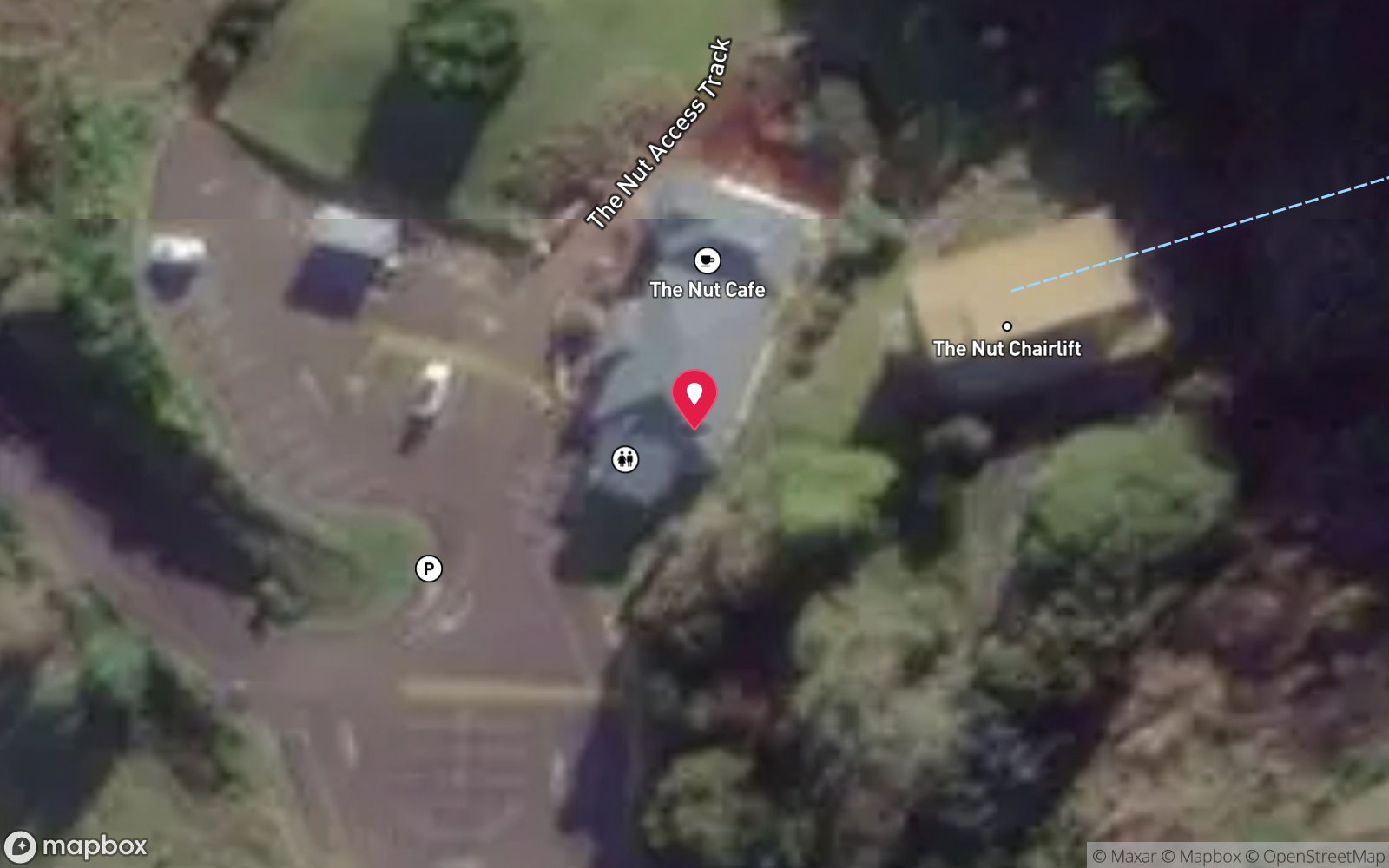
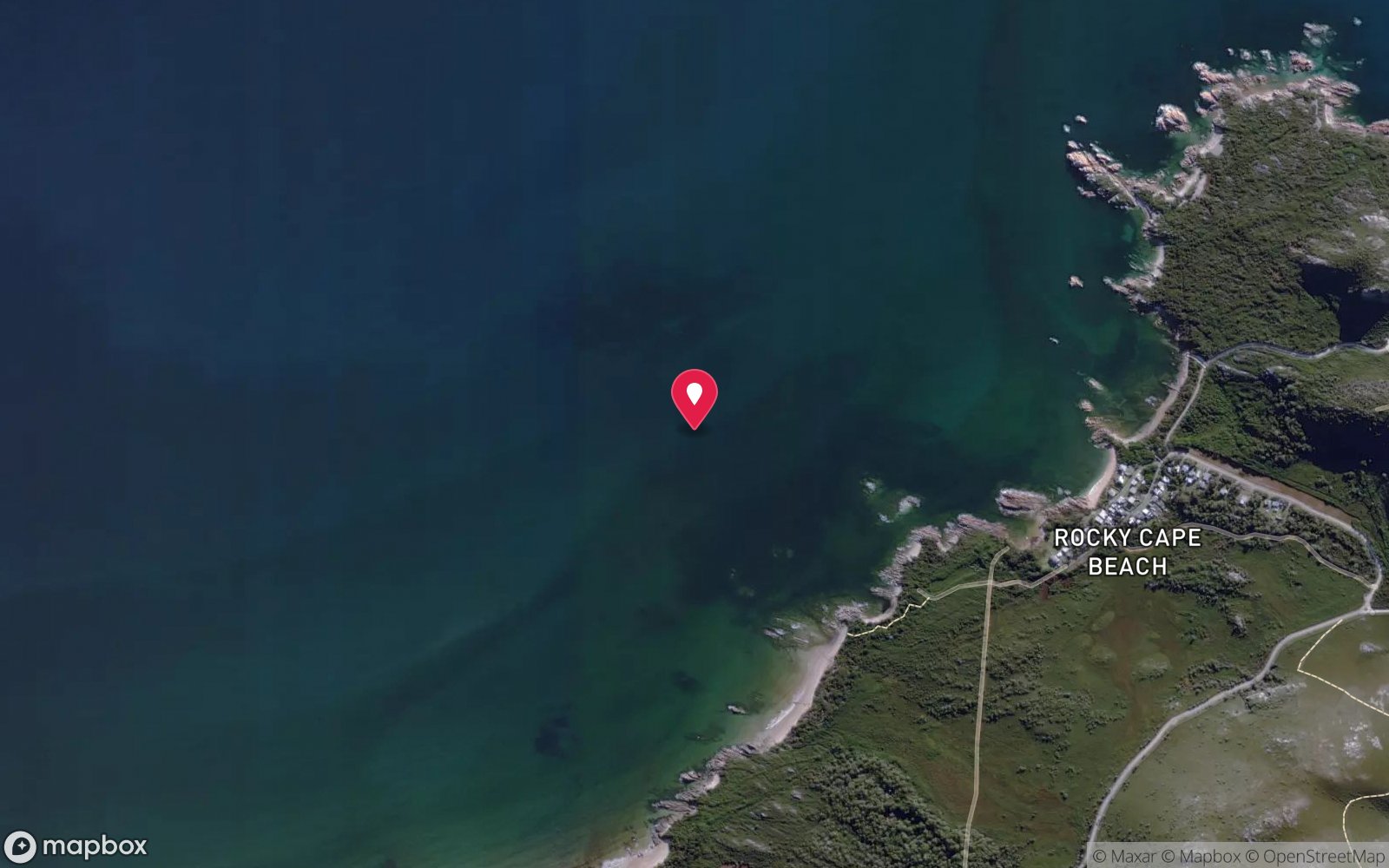
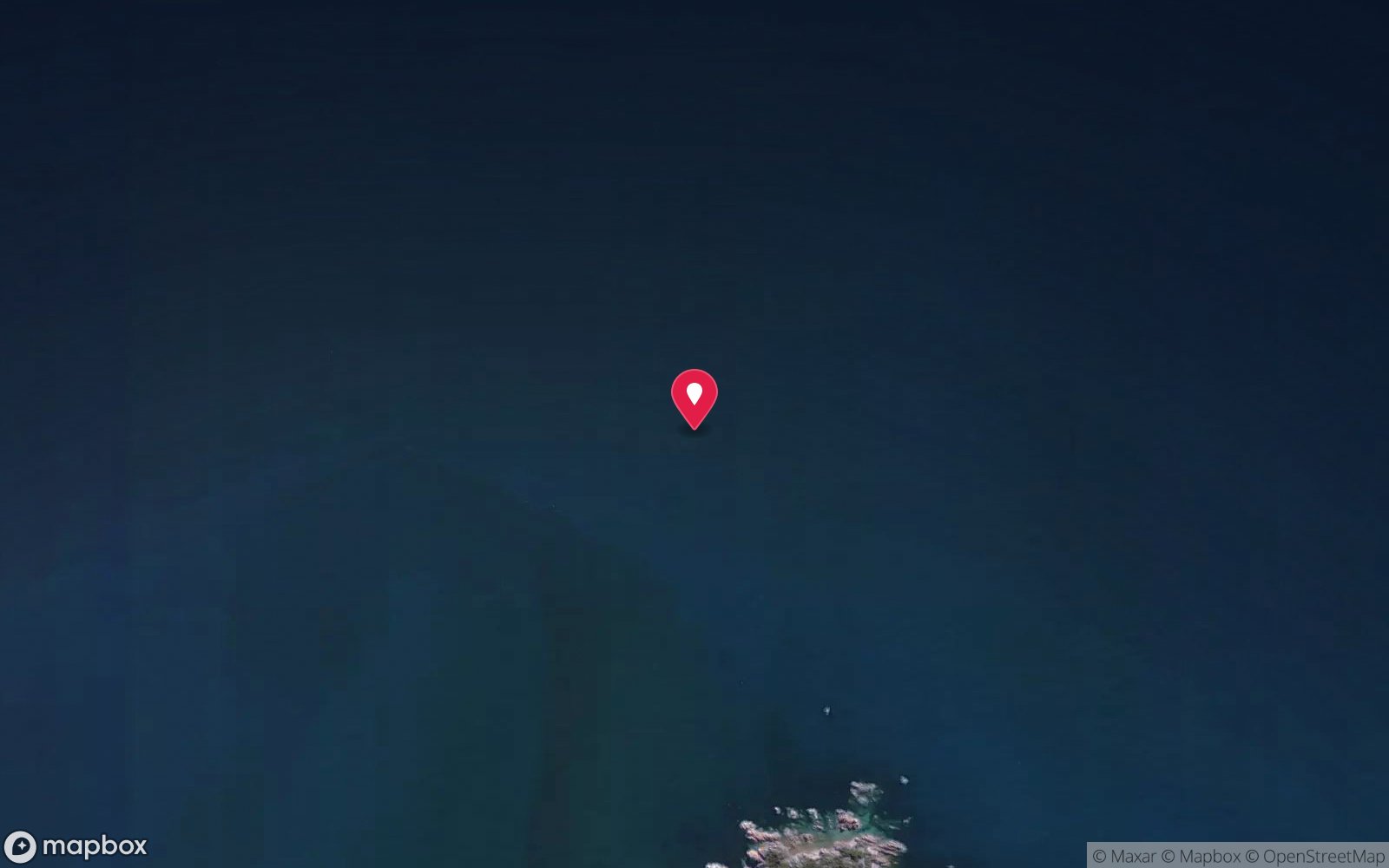
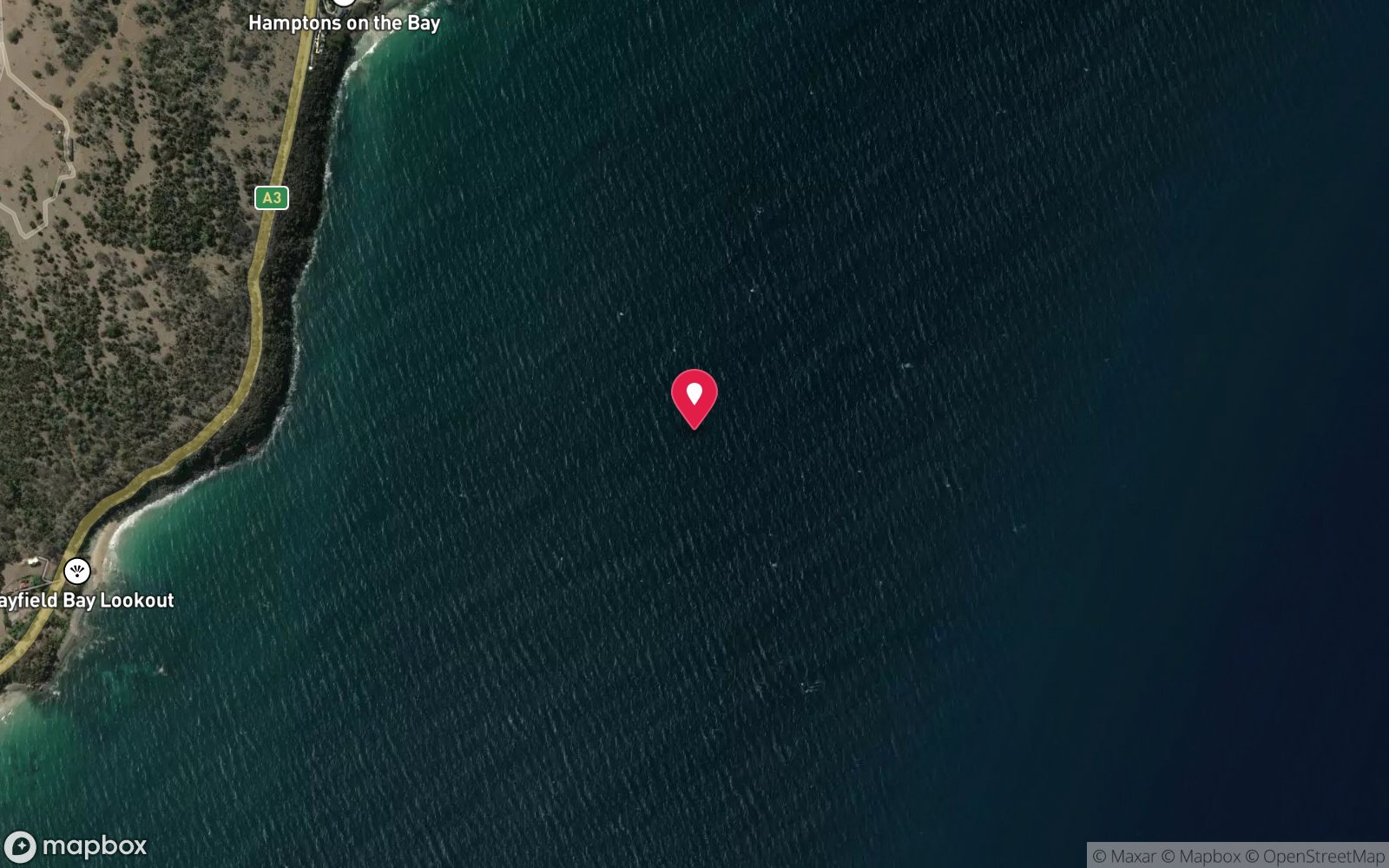
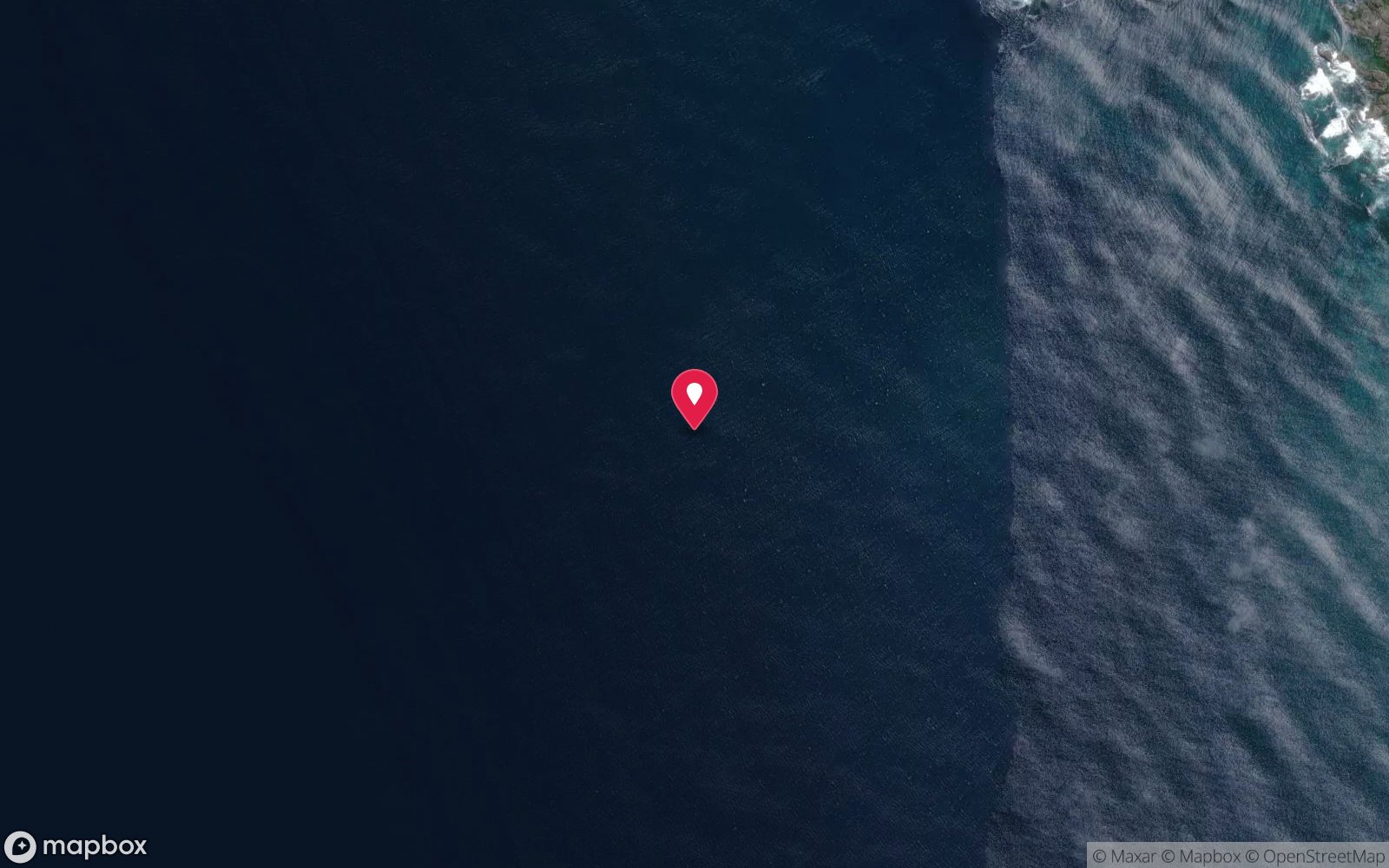
Satellite views
Koonya Inlet (Temma): frequently asked questions
How deep is Koonya Inlet (Temma)?
Koonya Inlet (Temma) reaches a maximum depth of 25 m, with the shallowest part at about 2 m; most of the dive is spent around 10 m.
What certification do I need to dive Koonya Inlet (Temma)?
Advanced Open Water is the recommended minimum. Open Water divers can dive the shallower section (typical depth 10 m); the full site to 25 m needs Advanced Open Water. Operators often quote Open Water. Rated intermediate because of depth beyond 18 m, cold water.
Can I shore dive Koonya Inlet (Temma)?
Experienced divers do dive Koonya Inlet (Temma) from the shore, but the entry or conditions make it unsuitable for newer divers without local guidance. Entry: Shore entry in the sheltered inlet.
When is the best time to dive Koonya Inlet (Temma)?
Summer (January-March) during rare easterly spells.
What marine life will I see at Koonya Inlet (Temma)?
Regularly recorded: Large abalone, crayfish, weed garden, reef fish.
What wetsuit do I need at Koonya Inlet (Temma)?
7 mm wetsuit with hood, gloves and boots (or semi-dry); drysuit common, especially May-October.
How cold is the water at Koonya Inlet (Temma)?
Typically 14-17 °C in summer and 11-12 °C in winter.
What are the main hazards at Koonya Inlet (Temma)?
Very remote 4WD access; exposed outer reefs; no help nearby. See the hazards section above for the full list.
Where is the nearest recompression chamber to Koonya Inlet (Temma)?
Royal Hobart Hospital Hyperbaric Medicine Unit (Hobart) - the only chamber in Tasmania; Launceston has none. DAN emergency hotline 1800 088 200. In an emergency call 000, then DAN Asia-Pacific on 1800 088 200.
Diving in Tasmania West Coast
The west coast around Strahan and Macquarie Harbour is dived by almost nobody. The harbour's tannin-stained water hides wrecks and kelp, and the ocean coast is diveable only in rare easterly weather.
Getting there: Strahan is four hours from Hobart; private boats only.
All Tasmania West Coast dive sites and a suggested itinerary →
Sources
Data confidence: Low · Being verified: Coordinates approximate; single older source.. Last updated September 2026. Know this site better? How to send a correction