Dive slate · divesites.com.au · printed 8 Nov 2026
Little Broadhurst Reef – Barra Bommie
Townsville & Magnetic Island, Queensland · near Townsville
| Depth | 3–20 m |
|---|---|
| Minimum level | Advanced Open Water |
| Difficulty | Intermediate |
| Access | Boat (multi-day/liveaboard) |
| Entry | Giant stride from charter vessel at anchor |
| Current | Mild |
| Visibility | 10-25 m |
| Water | summer 27-29 °C, winter 22-24 °C |
| Suit | 3 mm full suit or stinger suit in summer (lycra/stinger suit essential Nov–May); 5 mm full suit June–September |
| Best season | September–December |
| Bottom time | 45 min |
| Position | not published |
| Permit | Great Barrier Reef Marine Park – check GBRMPA zoning |
| Nearest chamber | Townsville University Hospital hyperbaric unit (Douglas, Townsville) |
| Emergency | 000 · DAN Asia-Pacific diving emergency 1800 088 200 |
Little Broadhurst Reef – Barra Bommie
Also known as Barra Bommie
A bommie rated an excellent night dive on Townsville overnight charters.
Near Townsville · Townsville & Magnetic Island, Queensland
- Depth
- 3–20 m
- Minimum level
- Advanced Open Water
- Access
- Boat (multi-day/liveaboard)
- Boat ride
- —
- Water
- 27-29 °C
- Visibility
- 10-25 m
Little Broadhurst Reef – Barra Bommie3–20 m · Advanced Open Water
Dive factsDepths, conditions, location & safety
Season
In season nowBest months: September, October, November, December.
Dive facts
- Depth
- 3–20 m
- Typical depth
- 12 m
- Certification
- Advanced Open Water
- Difficulty
- Intermediate
- Depth tier
- Advanced Open Water (18–30 m)
- Access
- Boat (multi-day/liveaboard)
- Dive centre needed
- Yes – boat access only
- Shore / independent
- No
- Current
- Mild
- Visibility
- 10-25 m
- Water temp (summer)
- 27-29 °C
- Water temp (winter)
- 22-24 °C
- Water
- Tropical
- Bottom time
- 45 min
- Dive traffic
- Remote/expedition only
- Night dive
- Yes
- Snorkel friendly
- No
Exposure suit
3 mm full suit or stinger suit in summer (lycra/stinger suit essential Nov–May); 5 mm full suit June–September
Location
Broadhurst Reefs · Central GBR – Townsville
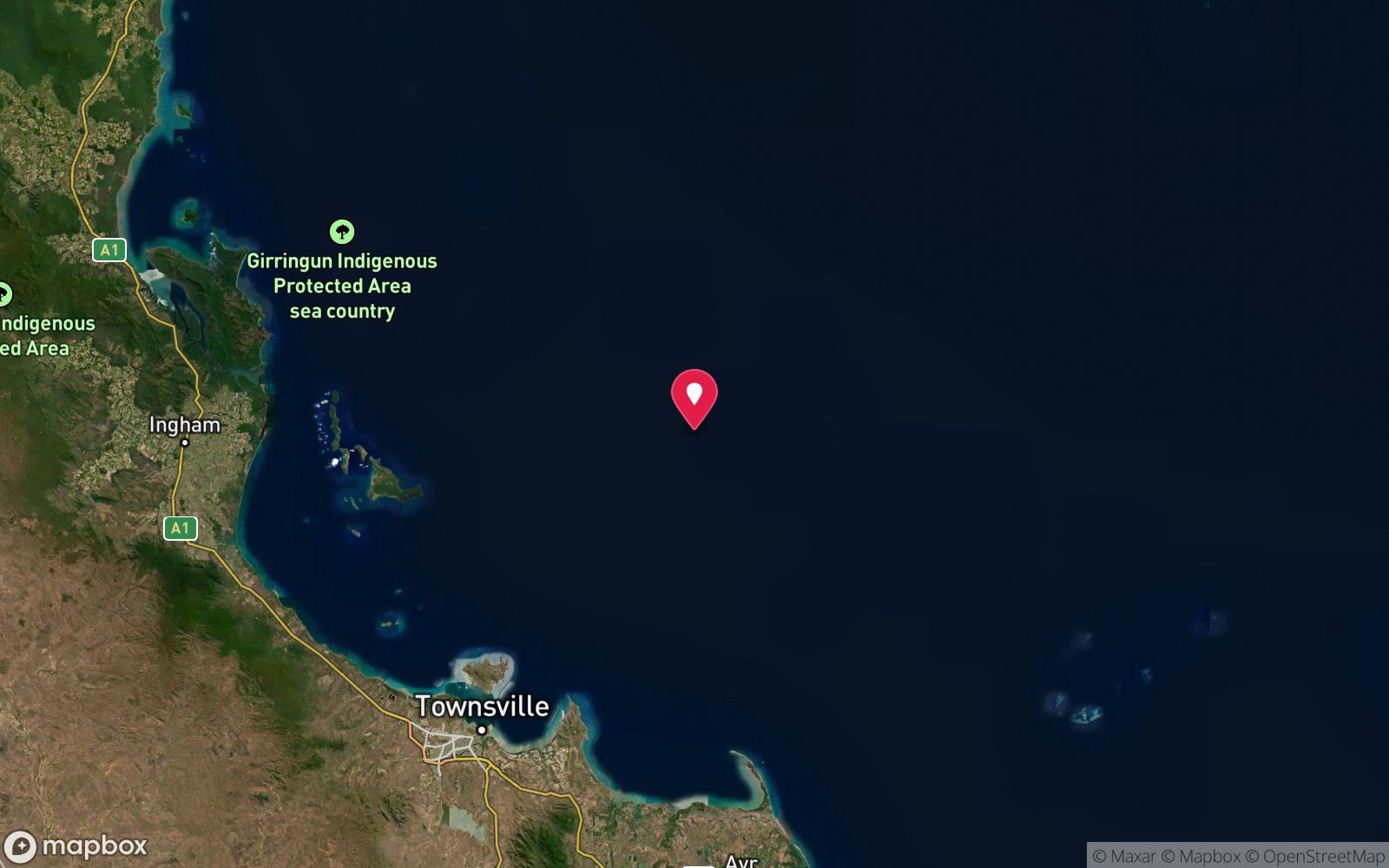
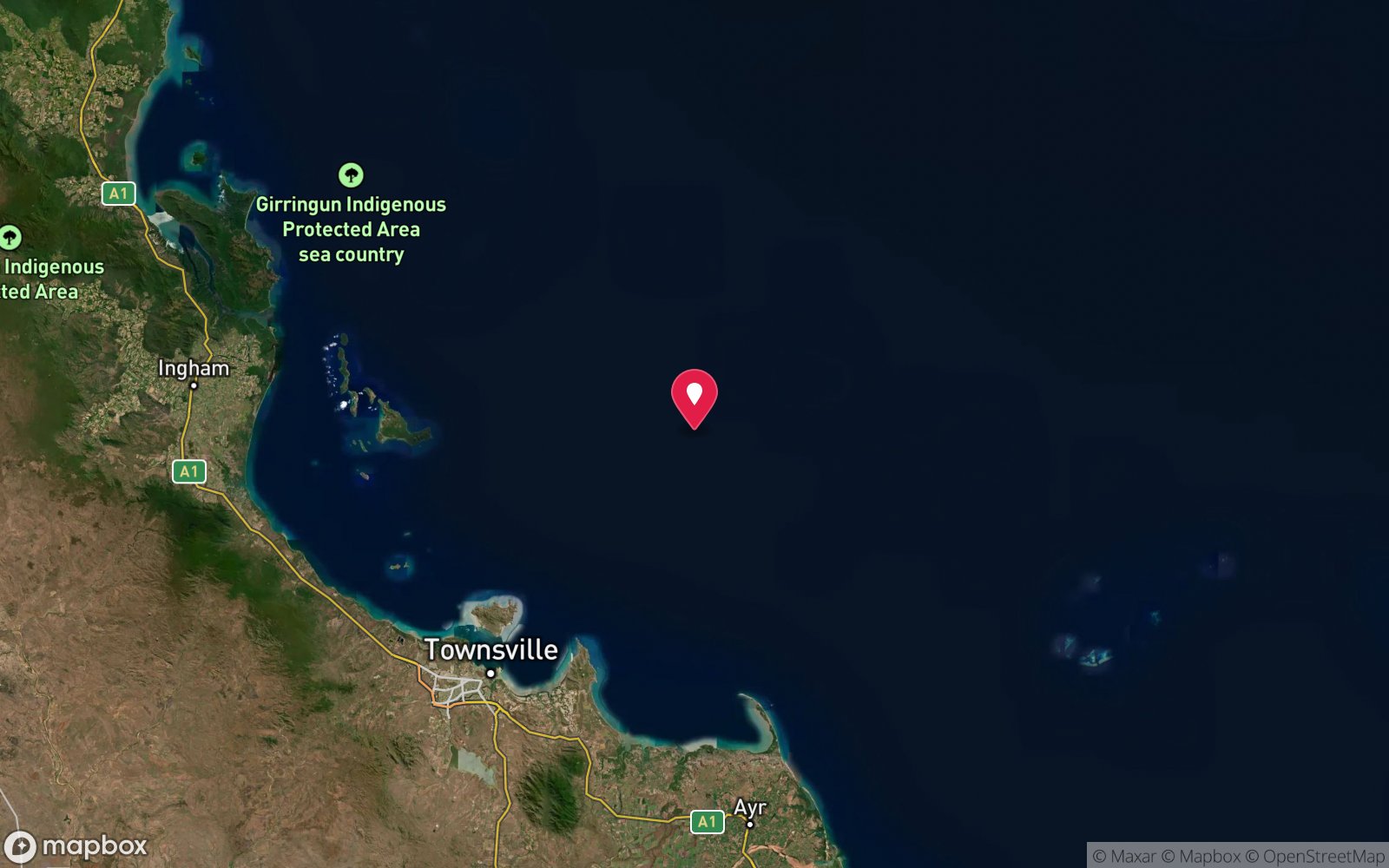
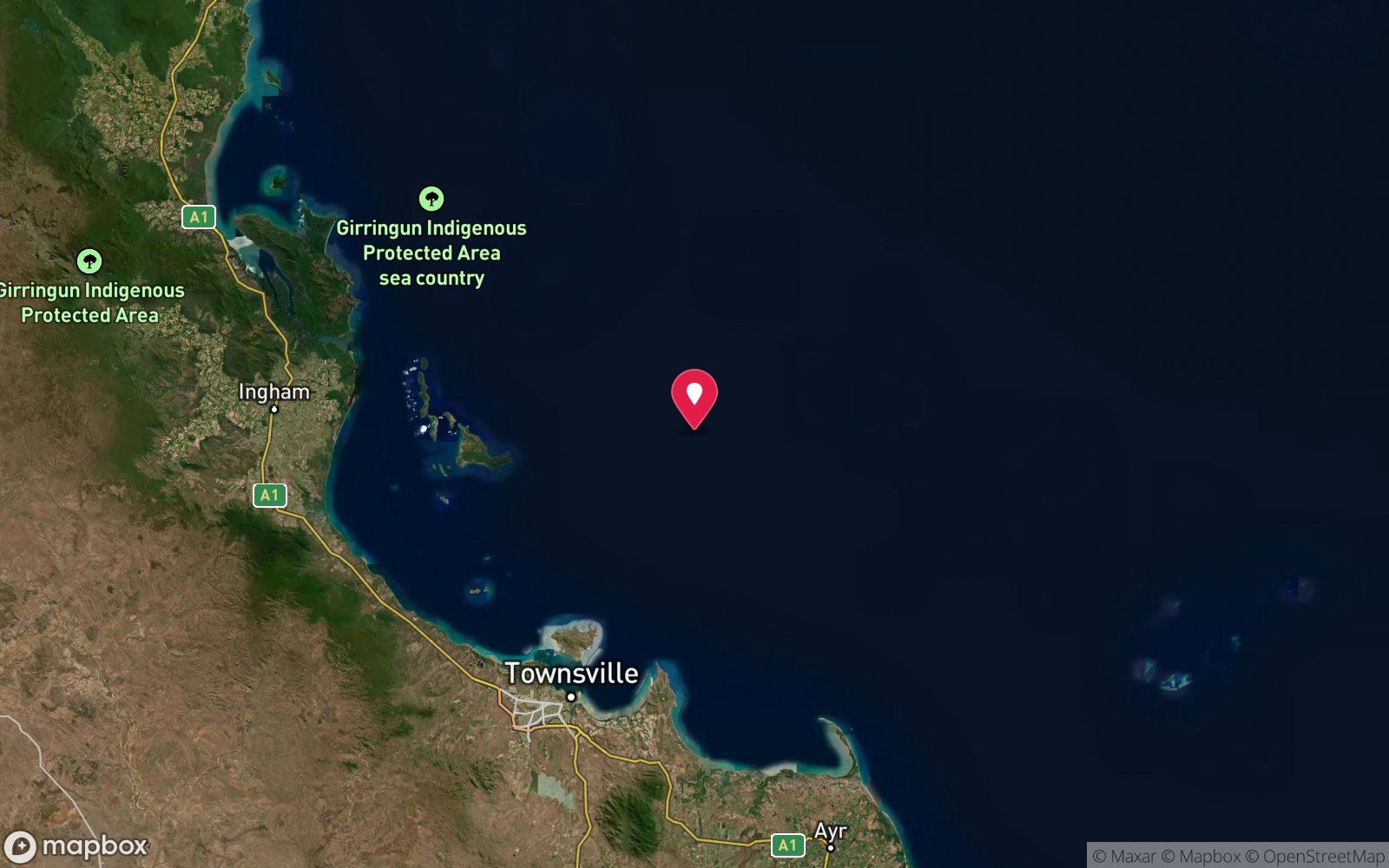
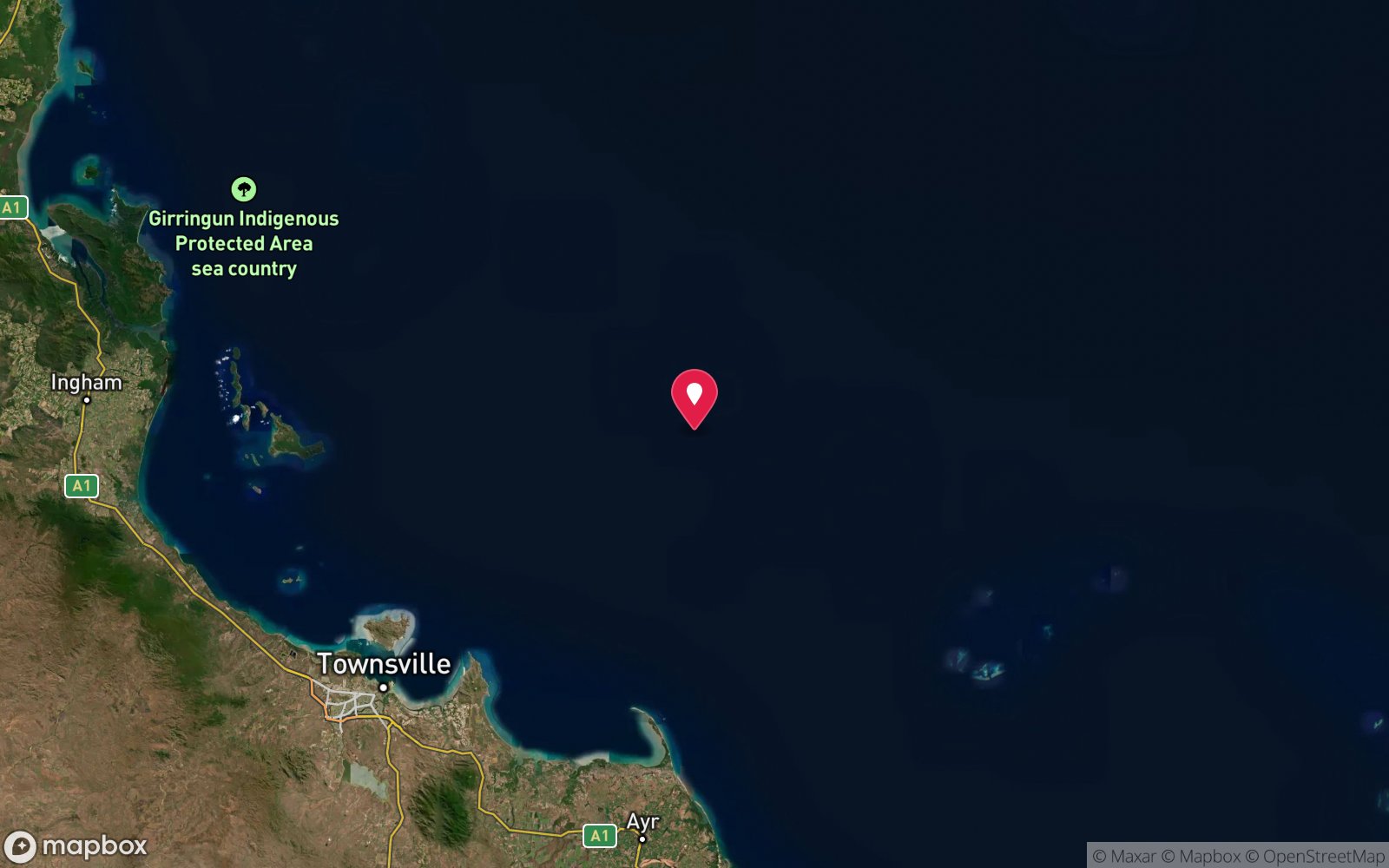
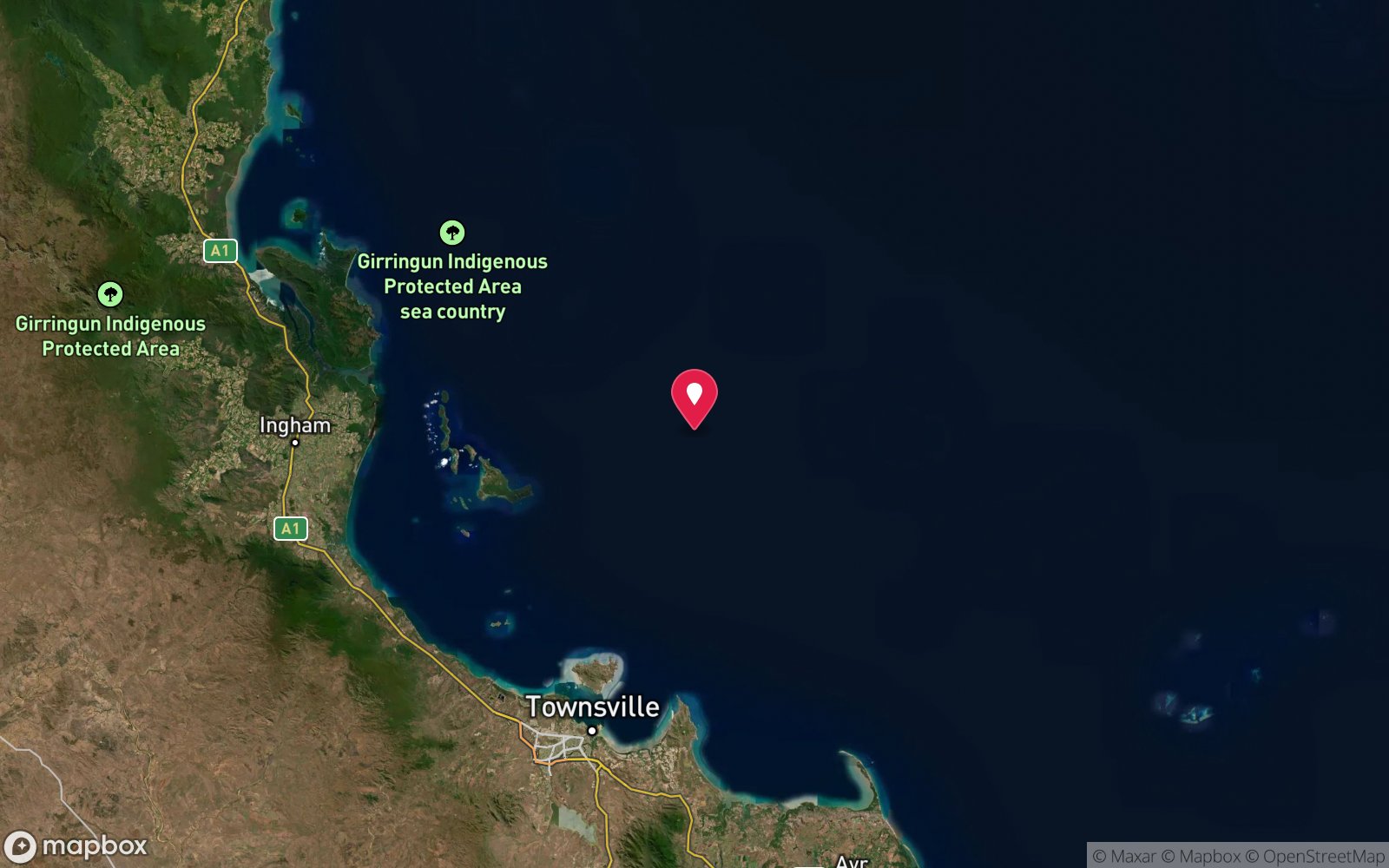
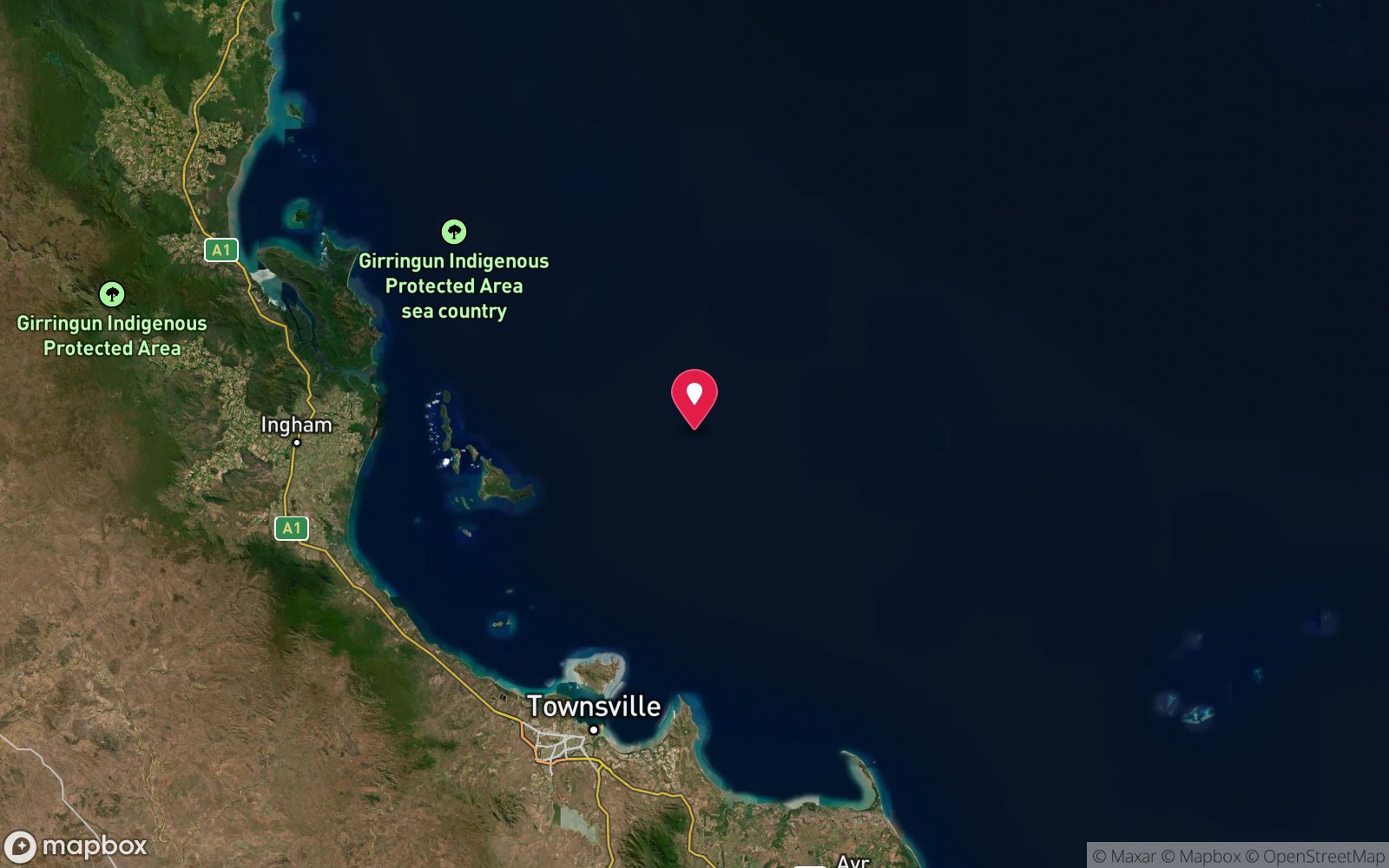
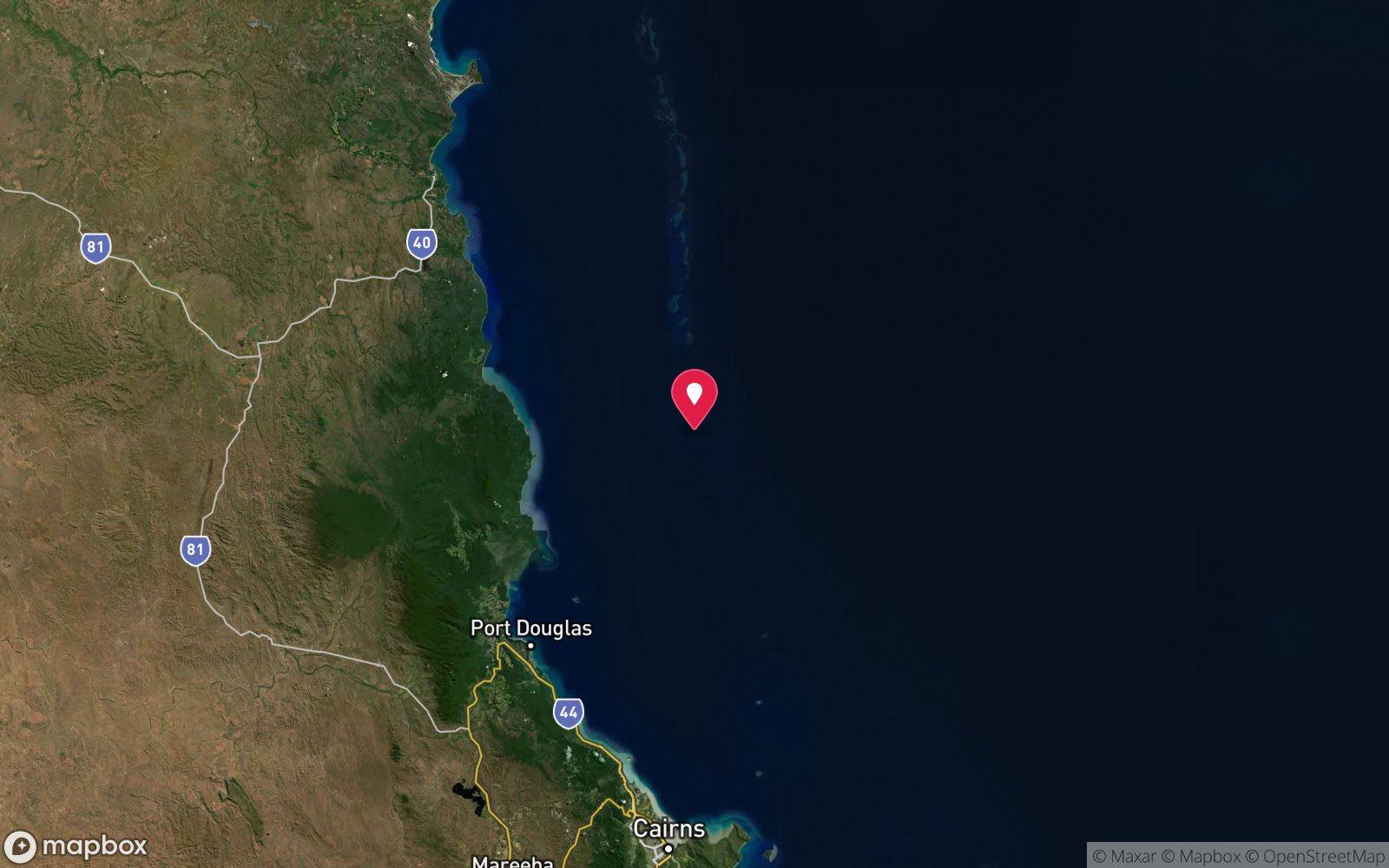
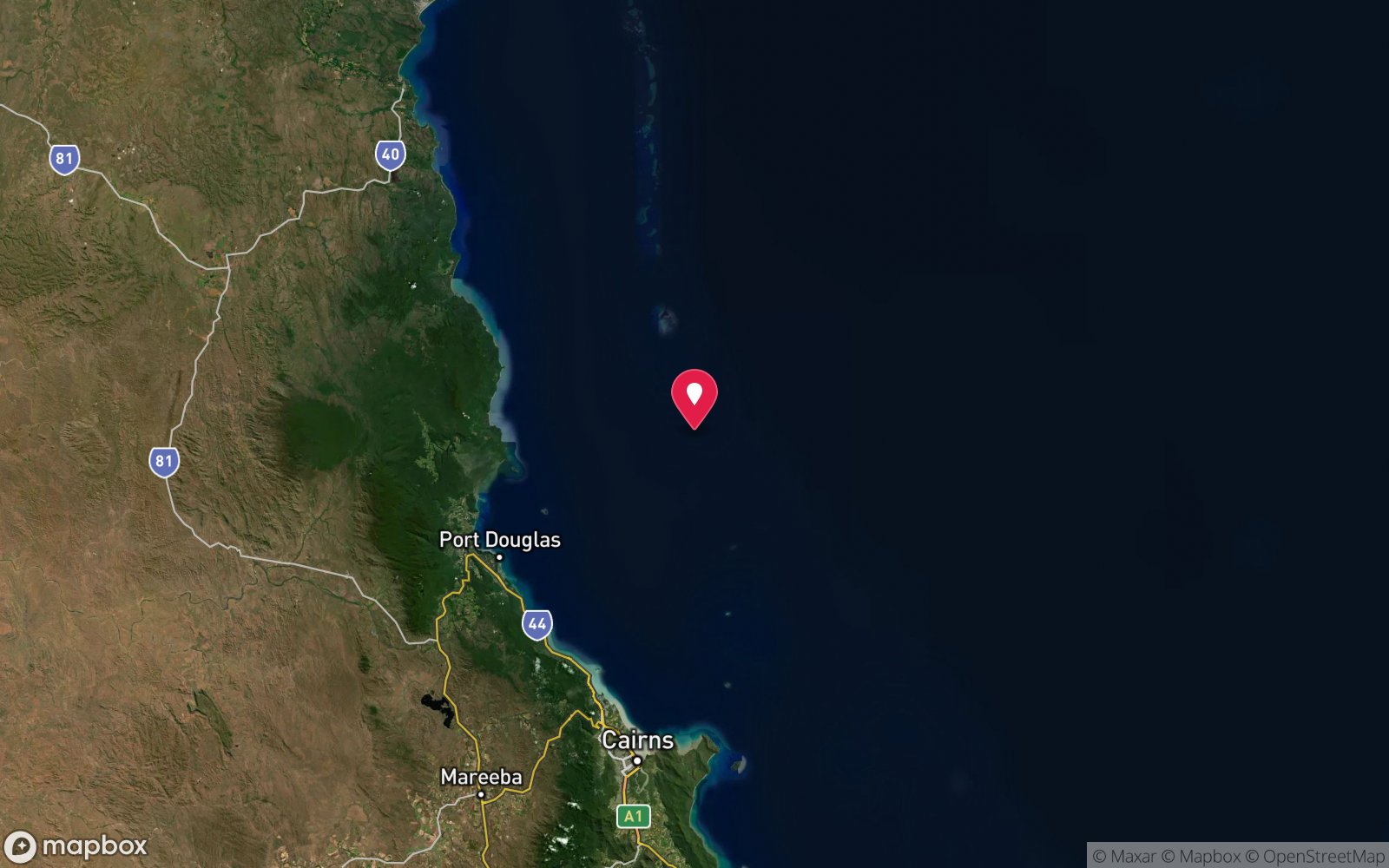
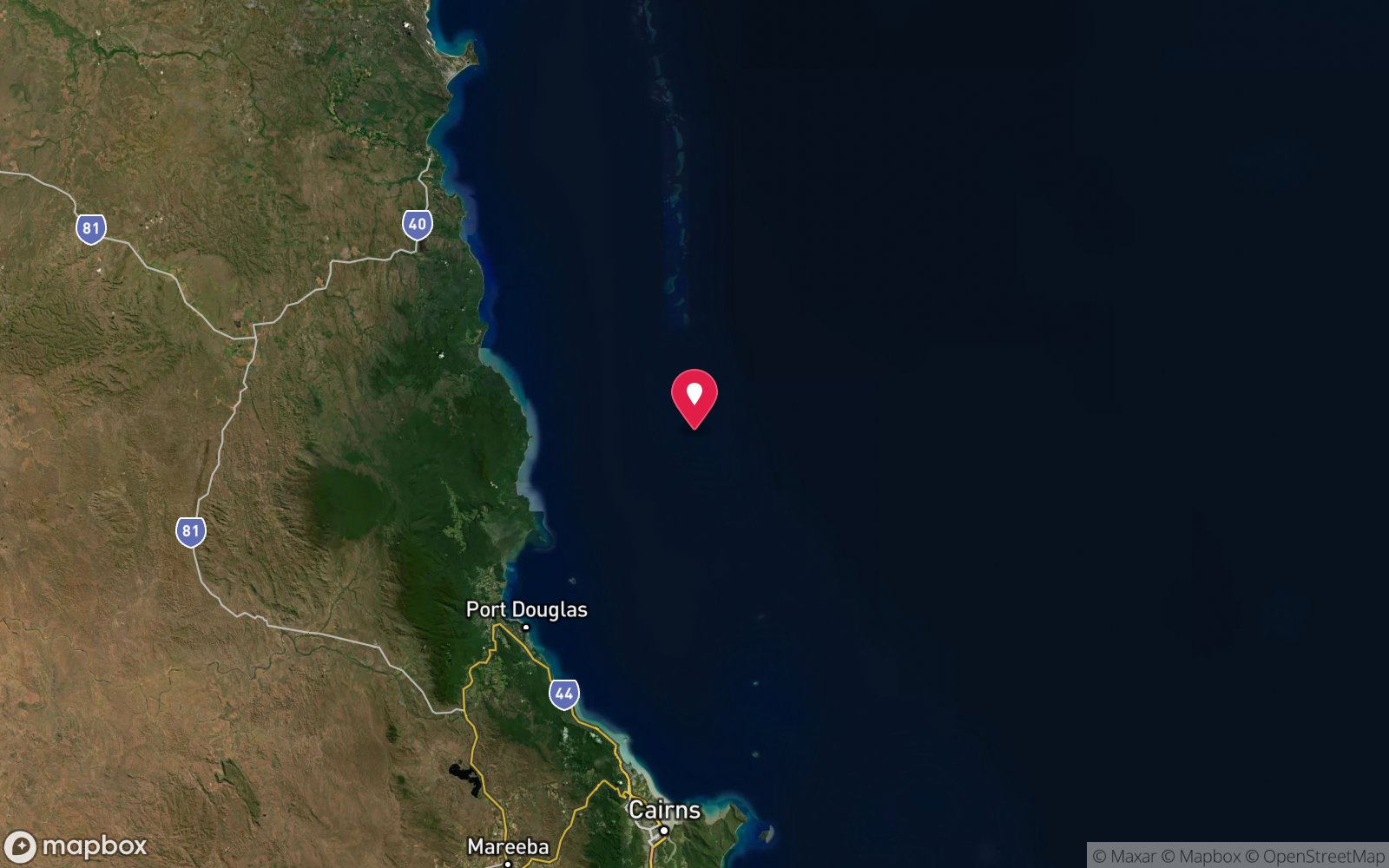
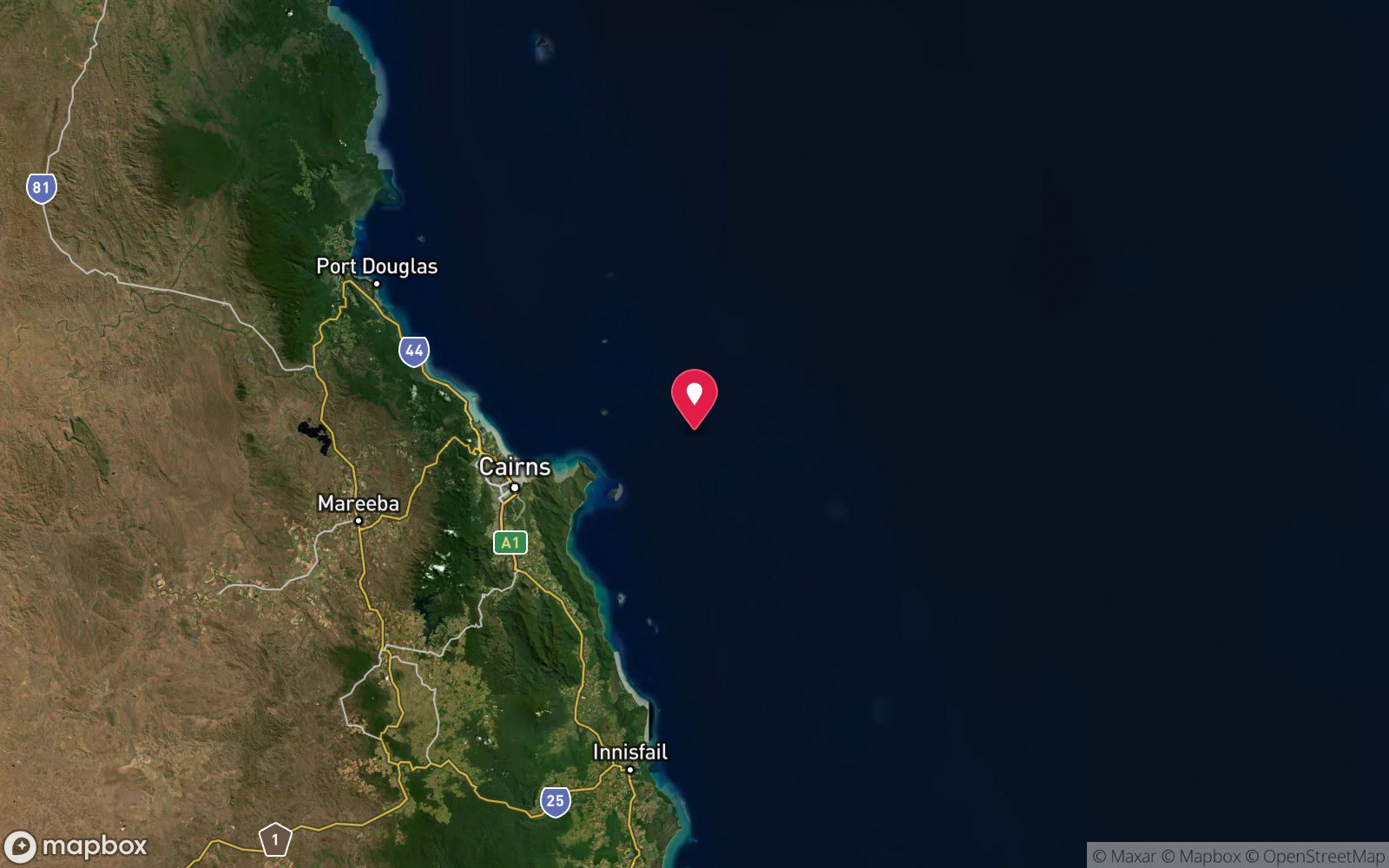
No published coordinates. The map above shows the general area, estimated from other documented sites near Townsville.
Primary source: marinelife.org.auMarine park & permits
Great Barrier Reef Marine Park – check GBRMPA zoning
Nearest recompression chamber
Townsville University Hospital hyperbaric unit (Douglas, Townsville)
Diving emergency: call 000, then DAN AP 1800 088 200.
Trip planner
Build a trip around Little Broadhurst Reef – Barra Bommie →
A day-by-day plan for Townsville & Magnetic Island with this site locked in.
This guide is a planning aid. Conditions change daily — confirm with a local dive centre and dive within your training. Data & safety notes.
Dive profile
How this site rates
Scores are computed from the recorded data, not opinions. How?
At a glance
Little Broadhurst Reef – Barra Bommie is a pinnacle / bommie liveaboard-only site in Townsville & Magnetic Island, QLD, 3–20 m, suited to Advanced Open Water divers.
Rated intermediate because of depth beyond 18 m.
Why dive here
- A bommie rated an excellent night dive on Townsville overnight charters.
- Commonly dived at night, when octopus, cuttlefish and crustaceans are out.
- Rarely dived: expect to have the site to yourself, and plan your own logistics.
- Visibility often reaches 10-25 m.
Conditions to avoid
- Wind over about 20 knots
- Strong southerly or south-east swell and wind
- Spring tides (strong current)
- Cyclone season (roughly December–April)
- Stinger season without a full suit (November–May)
About Little Broadhurst Reef – Barra Bommie
Little Broadhurst Reef lies in the Broadhurst group east of Townsville, and its best-known site is Barra Bommie, which the Marine Life Network singles out as an excellent night dive on overnight charter trips. The Broadhurst reefs are part of the mid-to-outer shelf band that Townsville liveaboards worked through the 1980s and 1990s. Neighbouring Broadhurst Reef is described as having pinnacles, cracks and crevices teeming with fish and covered with hard and soft corals, sea whips and gorgonians, and Barra Bommie is likely to share that character: a free-standing coral head rising from sand or rubble, with overhangs and crevices around its base and a shallow top.
At night, such bommies are ideal: sleeping parrotfish in mucus cocoons, hunting moray eels, painted crayfish and slipper lobsters, shrimps, crabs, feather stars open to feed and, if lucky, a Spanish dancer or cuttlefish. A bommie is also simple to navigate in the dark – down the anchor line, around the base and back up the sides – which is why charter skippers favour sites like this for the night dive. Access is only by overnight or multi-day charter; the reef is well outside day-trip range.
The name suggests past sightings of barramundi cod or barracuda but this is not documented. Before relying on this site, confirm its exact location and status with a charter operator. It is included here because it appears in regional site listings and is part of the documented Townsville reef system.
Getting there & entry
Bommie on Little Broadhurst Reef in the reef system east of Townsville, known as an excellent night dive on overnight charters.
Boat only, and beyond normal day-trip range. The outer Townsville reefs lie 90–130 km offshore; they are reached by liveaboard or extended charter from Breakwater Marina, Townsville (typically an overnight steam or 3–4+ hours by fast vessel), sometimes combined with the Yongala on multi-day itineraries. Private skippers need a capable offshore vessel, long-range fuel, EPIRB and a settled forecast, and should launch from the Townsville Breakwater or Ross River ramps.
There is no shelter on the passage and anchoring must be on sand, never coral.
Entry: Giant stride from charter vessel at anchor
Facilities: Charter departures from Breakwater Marina, Townsville.
Weather, swell & tides
The Townsville mid-shelf reefs sit fully exposed to the south-east trade winds, which blow 15–25 knots for long stretches from April to September. Operators generally cancel when winds exceed about 20 knots or a strong wind warning is current, and the 2–2.5 hour crossing is rough above 15 knots. The calmest windows are the late-spring and early-summer glassouts (October–December) and occasional winter high-pressure lulls.
Visibility is usually 12–25 m, dropping after big south-easterly blows and after wet-season floods from the Burdekin and Herbert rivers push turbid plumes offshore (January–April). Marine stinger season (box jellyfish and Irukandji) runs roughly November to May – wear a full-length stinger suit or wetsuit with hood and gloves, carry vinegar. Cyclone season November–April; tropical lows and cyclones can close sites and damage coral (TC Yasi 2011, TC Debbie 2017).
Tidal currents around reef edges and bommies are strongest on spring tides; plan wall and pass dives near slack.
Best season: September–December
How the dive is usually run
Night dive: descend the anchor line to the base of the bommie, spiral slowly up around it with torches, checking crevices for crustaceans and sleeping fish, and finish on the top in 3–5 m.
Marine life
- Night: painted crayfish
- slipper lobsters
- moray eels
- sleeping parrotfish
- crabs
- shrimps
- feather stars; day: reef fish
- hard and soft corals
- sea whips
- gorgonians
Linked species have their own page listing every site where they are recorded. All marine life →
Training required
Beyond 18 m an Advanced certification (which includes a deep dive to 30 m) is the accepted minimum. Anything past 25 m is a deep dive in practice.
Open Water divers can dive the shallower section (typical depth 12 m); the full site to 20 m needs Advanced Open Water. Operators often quote Open Water.
Operators' own listing: Open Water.
Courses that help here
- Night Diver – Commonly dived at night.
- Underwater Navigation – Navigation is part of the dive plan.
Depth tiers: 0–10 m easy · to 18 m Open Water · 18–30 m Advanced (25 m+ is a deep dive) · 30–40 m Deep specialty · 40 m+ technical. All courses
Hazards & warnings
Night diving in a remote location – torches, backup torch and strobe on boat; anchor-line navigation. Marine stinger season (box jellyfish and Irukandji) runs roughly November to May – wear a full-length stinger suit or wetsuit with hood and gloves, carry vinegar.
Dive centres that go here
Overnight charters out of Townsville only; no scheduled operator. No scheduled day trips. Visited on occasional liveaboard and long-range charters out of Townsville (e.g.
Adrenalin Snorkel & Dive liveaboard/charter departures, private and club charters). Historically on Townsville liveaboard circuits of the 1980s–2000s.
Operators recorded for Little Broadhurst Reef – Barra Bommie
Other dive centres in Townsville & Magnetic Island
Yongala Dive
ProfiledAlva Beach · Townsville & Magnetic Island · QLD
An Ayr-based operation specialising in the SS Yongala, with a shorter boat transit to the wreck than Townsville departures.
yongaladive.com.au · 0407 299 876
Pleasure Divers Magnetic Island
ListedArcadia, Magnetic Island · Townsville & Magnetic Island · QLD
A Magnetic Island training and guided-diving operation serving island-based visitors.
pleasuredivers.com.au · (07) 4778 5788
Pro Dive Magnetic Island
ListedNelly Bay, Magnetic Island · Townsville & Magnetic Island · QLD
A Magnetic Island operation offering training and local diving.
prodivemagnetic.com · (07) 4778 5506
Orpheus Island Lodge
Named by sitesOrpheus Island · Townsville & Magnetic Island · QLD
Luxury island resort (Morris Escapes) offering diving to guests, not a dive shop.
orpheus.com.au · (07) 4777 7377
Coral Expeditions
Named by sitesCairns · Townsville & Magnetic Island · QLD
Expedition cruise line (Cairns-based), not a dive shop; diving/snorkelling offered on Great Barrier Reef itineraries. Phone not extractable from site.
coralexpeditions.com
General area
No position has been published for Little Broadhurst Reef – Barra Bommie. The circle shows where it is likely to be, worked out from other documented sites near Townsville. Ask a local operator for the exact site.
Dashed circle: general area (about 42 km), from other documented sites near Townsville. 6 pinned sites. Pins marked approximate on their pages show the general area only; not for navigation.
Little Broadhurst Reef – Barra Bommie: frequently asked questions
How deep is Little Broadhurst Reef – Barra Bommie?
Little Broadhurst Reef – Barra Bommie reaches a maximum depth of 20 m, with the shallowest part at about 3 m; most of the dive is spent around 12 m.
What certification do I need to dive Little Broadhurst Reef – Barra Bommie?
Advanced Open Water is the recommended minimum. Open Water divers can dive the shallower section (typical depth 12 m); the full site to 20 m needs Advanced Open Water. Operators often quote Open Water. Rated intermediate because of depth beyond 18 m.
Can I shore dive Little Broadhurst Reef – Barra Bommie?
No, it is reached by boat. A dive centre is required: boat access only.
When is the best time to dive Little Broadhurst Reef – Barra Bommie?
September–December.
What marine life will I see at Little Broadhurst Reef – Barra Bommie?
Regularly recorded: Night: painted crayfish, slipper lobsters, moray eels, sleeping parrotfish, crabs, shrimps, feather stars; day: reef fish, hard and soft corals, sea whips, gorgonians.
What wetsuit do I need at Little Broadhurst Reef – Barra Bommie?
3 mm full suit or stinger suit in summer (lycra/stinger suit essential Nov–May); 5 mm full suit June–September.
How cold is the water at Little Broadhurst Reef – Barra Bommie?
Typically 27-29 °C in summer and 22-24 °C in winter.
What are the main hazards at Little Broadhurst Reef – Barra Bommie?
Night diving in a remote location – torches, backup torch and strobe on boat; anchor-line navigation. See the hazards section above for the full list.
Can you night dive Little Broadhurst Reef – Barra Bommie?
Yes, Little Broadhurst Reef – Barra Bommie is commonly dived at night.
Diving in Townsville & Magnetic Island
Townsville is the gateway to the SS Yongala, the 1911 passenger steamer that is Australia's most celebrated wreck dive, and to the John Brewer and Lodestone reefs offshore. Magnetic Island, 20 minutes away by ferry, has shore dives on the SS Moltke wreck in Geoffrey Bay, the Museum of Underwater Art sculptures and fringing coral around the bays.
Getting there: Fly into Townsville. Yongala trips run from Townsville (3 hours each way) or from Alva Beach near Ayr (30 minutes); the Ayr option is more reliable. Magnetic Island is a ferry ride.
All Townsville & Magnetic Island dive sites and a suggested itinerary →
Sources
Data confidence: Low · Being verified: Position and depths unverified; single-source site.. Last updated September 2026. Know this site better? How to send a correction