Dive slate · divesites.com.au · printed 7 Nov 2026
Little Island (Port Stephens)
Port Stephens, New South Wales · near Nelson Bay
| Depth | 15–35 m |
|---|---|
| Minimum level | Deep/Advanced + experience |
| Difficulty | Advanced |
| Access | Boat |
| Entry | Giant stride from charter boat onto a mooring |
| Current | Moderate |
| Visibility | 8-20 m |
| Water | summer 22-25 °C, winter 17-20 °C |
| Suit | 3-5 mm steamer summer; 5-7 mm full suit or semi-dry winter |
| Best season | Summer for eagle rays; year-round for the wall itself |
| Bottom time | 30 min |
| Position | -32.70500, 152.23500 (approximate) |
| Permit | None required |
| Nearest chamber | Prince of Wales Hospital (Randwick, Sydney) — John Hunter Hospital Newcastle has no recompression chamber |
| Emergency | 000 · DAN Asia-Pacific diving emergency 1800 088 200 |
Little Island (Port Stephens)
An exposed island wall with sponge-lined gutters known for cobia, snapper, whaler sharks and summer eagle rays.
Near Nelson Bay · Port Stephens, New South Wales
- Depth
- 15–35 m
- Minimum level
- Deep/Advanced + experience
- Access
- Boat
- Boat ride
- ~22 min
- Water
- 22-25 °C
- Visibility
- 8-20 m
Little Island (Port Stephens)15–35 m · Deep/Advanced + experience
Dive factsDepths, conditions, location & safety
Season
In season nowBest months: year-round.
Summer for eagle rays; year-round for the wall itself
- Best months
- Now (November)
- Stinger suit Nov–May
Dive facts
- Depth
- 15–35 m
- Typical depth
- 25 m
- Certification
- Deep/Advanced + experience
- Difficulty
- Advanced
- Depth tier
- Deep / Advanced + experience (30–40 m)
- Access
- Boat
- Offshore
- 9 km
- Dive centre needed
- Yes – boat access only
- Shore / independent
- No
- Boat ride
- ~22 min
- Current
- Moderate
- Visibility
- 8-20 m
- Water temp (summer)
- 22-25 °C
- Water temp (winter)
- 17-20 °C
- Water
- Subtropical
- Bottom time
- 30 min
- Dive traffic
- Moderate (occasional charters/club dives)
- Night dive
- No
- Snorkel friendly
- No
Exposure suit
3-5 mm steamer summer; 5-7 mm full suit or semi-dry winter
Location
Port Stephens islands · Hunter — Port Stephens/Nelson Bay
-32.70500, 152.23500
Approximate position — not for navigation.
Open in Google MapsPrimary source: mudgeediveandtravel.comMarine park & permits
None required
Nearest recompression chamber
Prince of Wales Hospital (Randwick, Sydney) — John Hunter Hospital Newcastle has no recompression chamber
Diving emergency: call 000, then DAN AP 1800 088 200.
Trip planner
Build a trip around Little Island (Port Stephens) →
A day-by-day plan for Port Stephens with this site locked in.
This guide is a planning aid. Conditions change daily — confirm with a local dive centre and dive within your training. Data & safety notes.
Dive profile
How this site rates
Scores are computed from the recorded data, not opinions. How?
At a glance
Little Island (Port Stephens) is a island boat dive in Port Stephens, NSW, 15–35 m, suited to Deep/Advanced + experience divers, moderate current, about 22 minutes by boat.
Rated advanced because of depth to 35 m.
Why dive here
- An exposed island wall with sponge-lined gutters known for cobia, snapper, whaler sharks and summer eagle rays.
- Visibility often reaches 8-20 m.
Conditions to avoid
- Outgoing tide or run-off after rain (poor visibility)
About Little Island (Port Stephens)
Little Island is one of the more exposed sites in the Port Stephens islands group, its sheer walls and sponge-lined gutters dropping to a genuine 35 metres and offering a noticeably more open-water, pelagic-focused character than the more sheltered training-friendly sites like Cabbage Tree Island. The exposure that makes it more challenging to dive is also what makes it productive: cobia, snapper and whaler sharks are all recorded here with some regularity, species that favour exactly this kind of current-swept, structurally complex drop-off, and in summer eagle rays add to the pelagic interest, often seen cruising along the wall face or over the adjacent sand. Because of its exposure and depth, Little Island is best suited to experienced divers comfortable with both a genuine wall profile and the possibility of whaler sharks in the water column — generally a non-issue for divers who remain calm and maintain normal diving behaviour, but worth being mentally prepared for given how regularly they are sighted here compared with the area's more sheltered sites.
The sponge growth lining the gutters provides good colour and structure for photography between pelagic sightings, and the site rewards a patient approach that balances time spent close to the wall looking for smaller life against time in mid-water scanning for the bigger fish passing through. Little Island is typically offered as an alternative to Cabbage Tree Island or Boondelbah when conditions and the group's experience level favour a more open, current-exposed dive over a sheltered training-style one. Divers who prefer scenery and pelagic activity over the more shark-centric island sites often rate this as their favourite stop in the group.
Getting there & entry
An exposed island site off Port Stephens with sheer walls and sponge-lined gutters, known for cobia, snapper, whalers and summer eagle rays.
Boats depart Nelson Bay marina and run out past the harbour heads to the islands scattered along the Port Stephens coast — Cabbage Tree Island, Boondelbah Island, Little Island and Fingal Island are all within roughly 15-30 minutes of Nelson Bay, considerably closer than the longer run out to Broughton Island. Exact site choice on the day depends on wind and swell direction, since the different islands and their different sides offer shelter from different conditions.
Entry: Giant stride from charter boat onto a mooring
Weather, swell & tides
The Port Stephens islands sit on the open coast just outside the harbour and are exposed to ocean swell, though generally less so than Broughton Island given their closer, more sheltered position relative to Tomaree Head and the harbour entrance. Operators choose the specific island and side to dive based on the day's wind and swell direction. Visibility is typically 8-20 m and best in settled autumn/winter weather; it drops after rain and in a strong onshore blow.
Best season: Summer for eagle rays; year-round for the wall itself
If it's blown out
Sheltered or shore sites within 25 km that often work when Little Island (Port Stephens) doesn't.
- Halifax Park (Nelson Bay) · 7 km · Max 26 m
- Fly Point · 8 km · Max 22 m
- Little Beach (Nelson Bay) · 6 km · Max 20 m
- The Pipeline (Nelson Bay) · 9 km · Max 18 m
How the dive is usually run
Descend onto the sheer wall and work its sponge-lined gutters at 15-35 m, watching the open water off the wall for cobia, snapper and whaler sharks, and, in summer, eagle rays cruising past the drop-off.
Marine life
- Cobia
- snapper
- whaler sharks
- eagle rays (summer)
- sponges
- general reef fish
Linked species have their own page listing every site where they are recorded. All marine life →
Training required
The recreational limit. Operators expect a Deep Diver specialty or Advanced plus a log of similar dives, and most recommend nitrox.
This is a deep dive: plan gas, bottom time and a safety stop accordingly, and consider nitrox.
Courses that help here
- Enriched Air Nitrox – Longer no-decompression time at 25 m and deeper.
- Deep Diver – The site reaches 35 m.
Depth tiers: 0–10 m easy · to 18 m Open Water · 18–30 m Advanced (25 m+ is a deep dive) · 30–40 m Deep specialty · 40 m+ technical. All courses
Hazards & warnings
Whaler sharks present with some regularity (generally passive — maintain calm, normal behaviour); moderate to strong current on the exposed wall; depth to 35 m.
Dive centres that go here
Let's Go Adventures (Nelson Bay) and Feet First Dive (Nelson Bay) both run regular boat trips to the Port Stephens islands group, weather permitting.
Operators recorded for Little Island (Port Stephens)
Feet First Dive
ProfiledNelson Bay · Port Stephens · NSW
A Nelson Bay SSI centre running Broughton Island boat dives and Port Stephens shore dives, with rebreather and Extended Range training.
feetfirstdive.com.au · (02) 4984 2092
Let's Go Adventures
Reported closedNelson Bay · Port Stephens · NSW
letsgoadventures.com.au is now a parked domain listed for sale.
Other dive centres in Port Stephens
Dive Newcastle
ProfiledBeresfield · Port Stephens · NSW
A Beresfield dive superstore teaching RAID courses, with air fills, servicing, rental and a large scuba, freediving and spearfishing range.
neptunesports.com.au · (02) 4966 4900
Grey Nurse Charters
ProfiledNelson Bay · Port Stephens · NSW
A PADI-registered dive boat running charters around Port Stephens, Newcastle and Swansea, with PADI courses to Divemaster and TecRec.
greynurse.com.au · 0408 633 793
Dive Swansea
ProfiledSwansea · Port Stephens · NSW
An SSI Instructor Training Center 60 metres from the Swansea Bridge shore dive, with boat trips to Moon Island and rebreather and Extended Range training.
diveswansea.com.au · (02) 4972 0940
Map
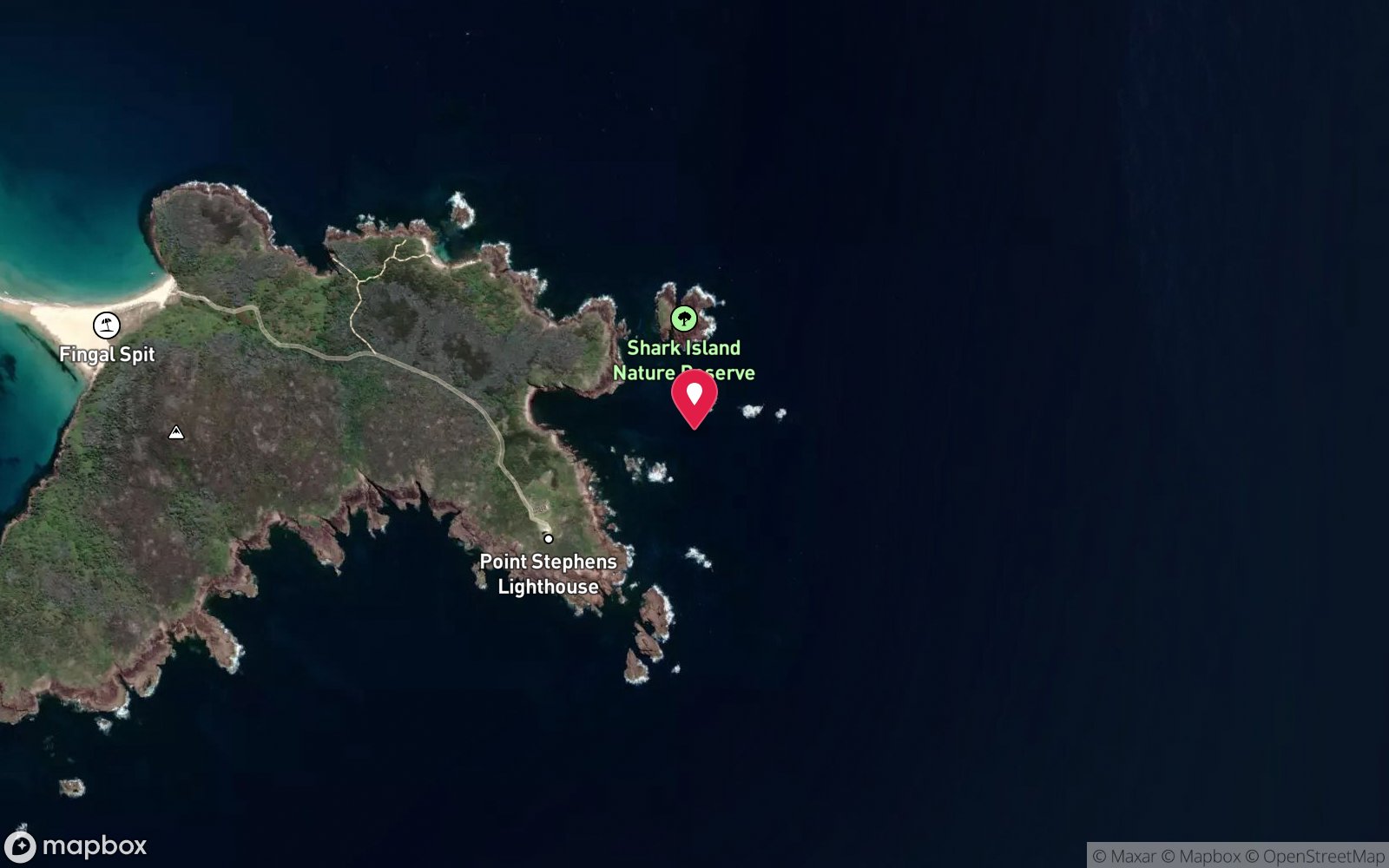
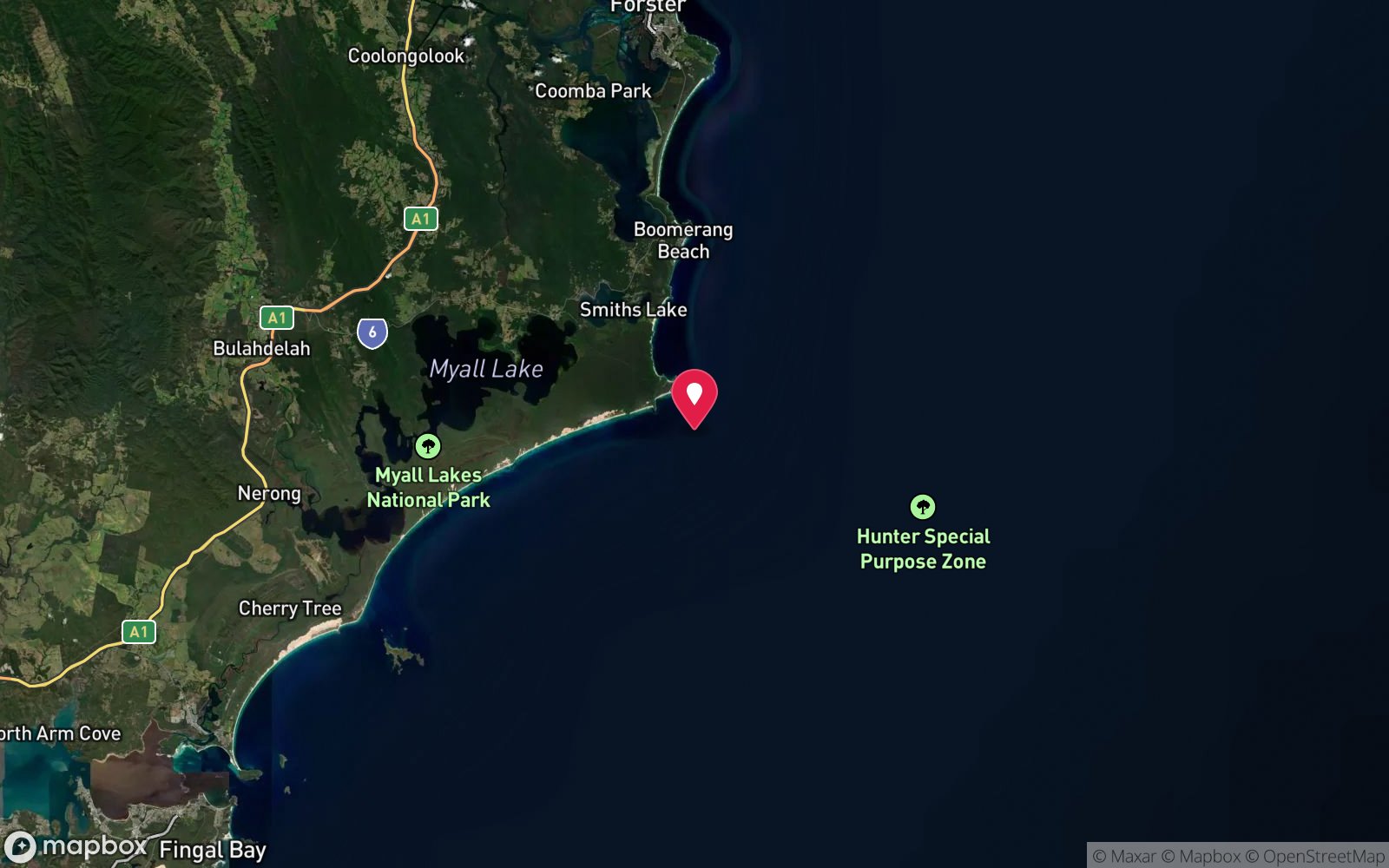
7 pinned sites. Pins marked approximate on their pages show the general area only; not for navigation.
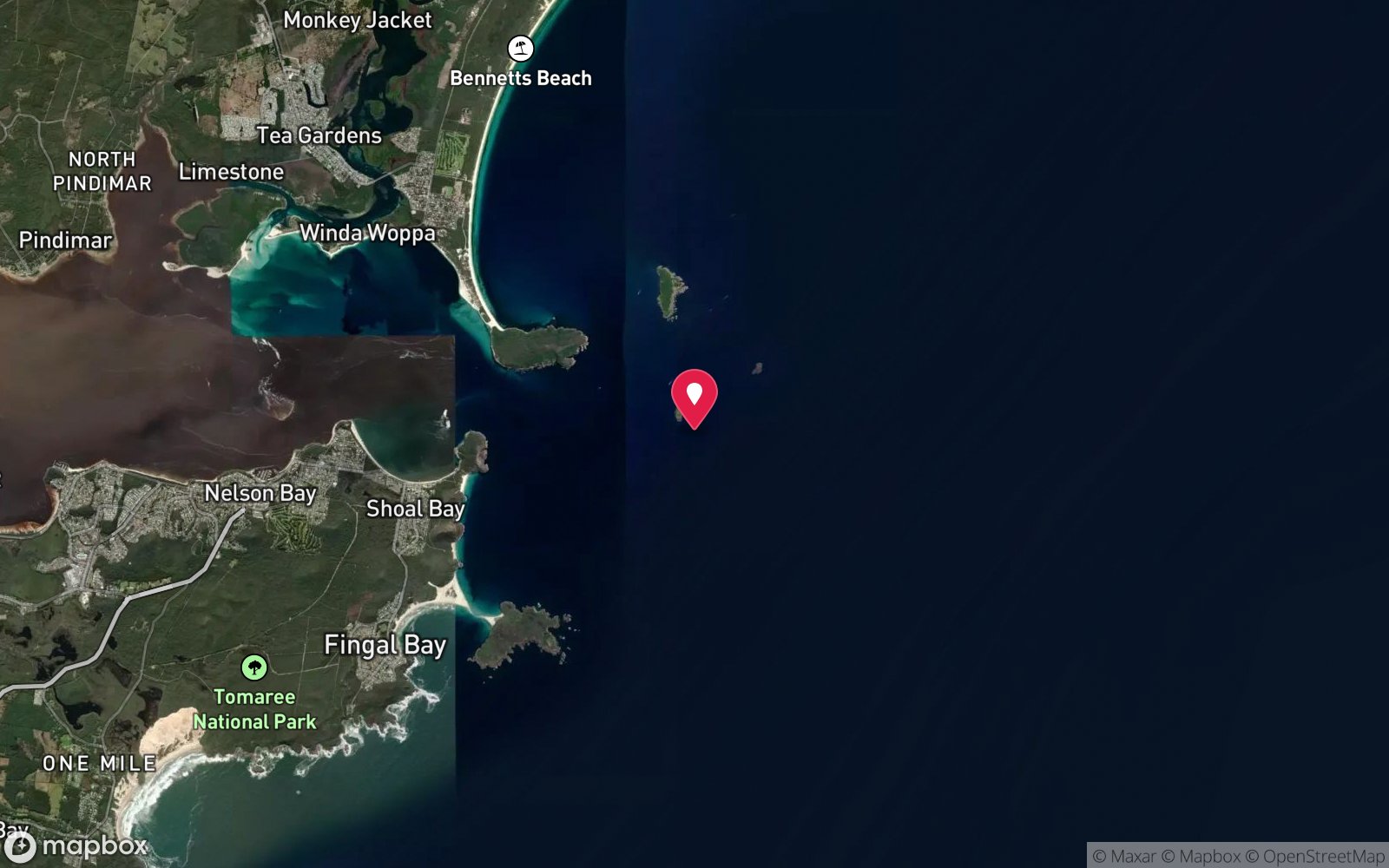
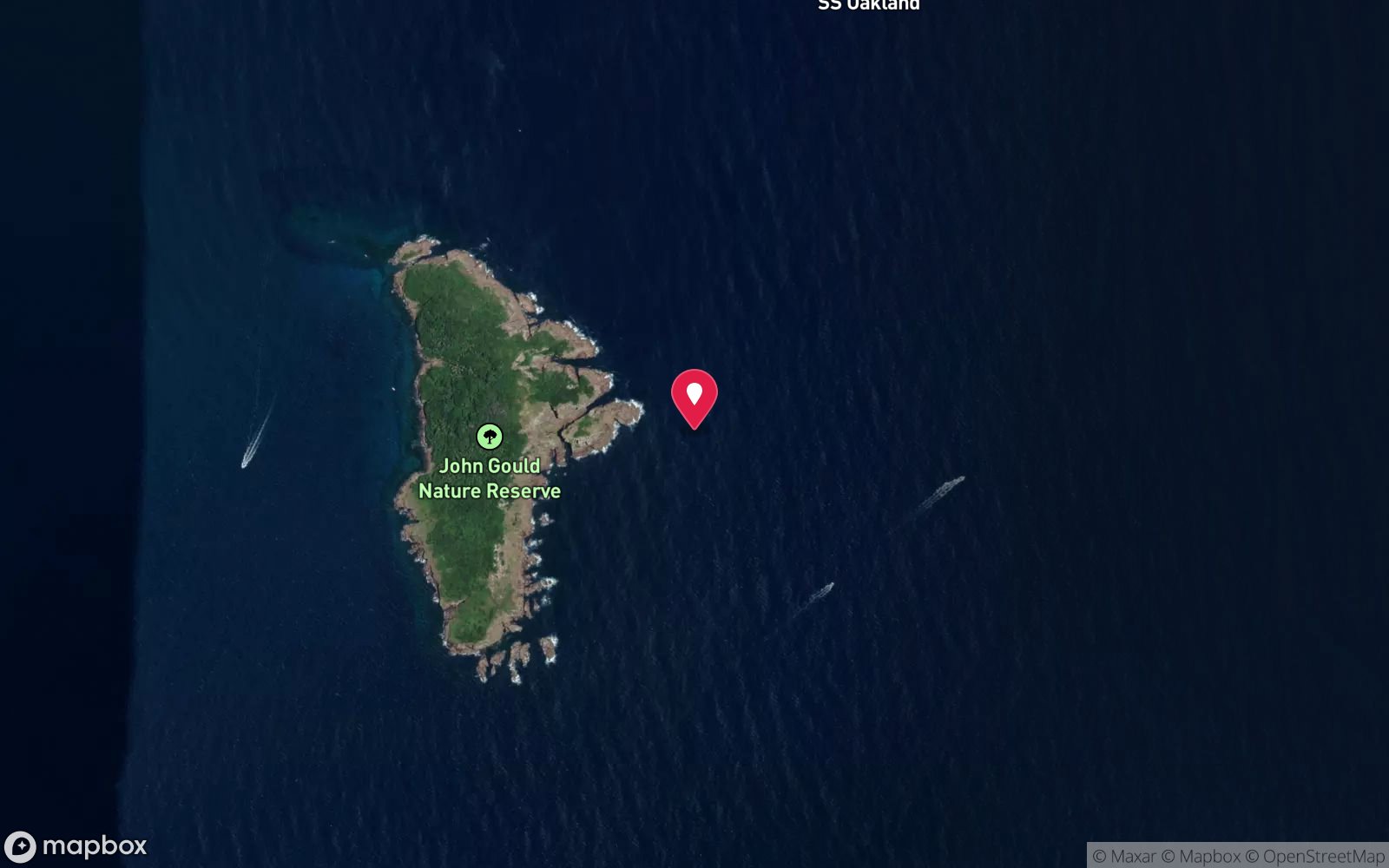
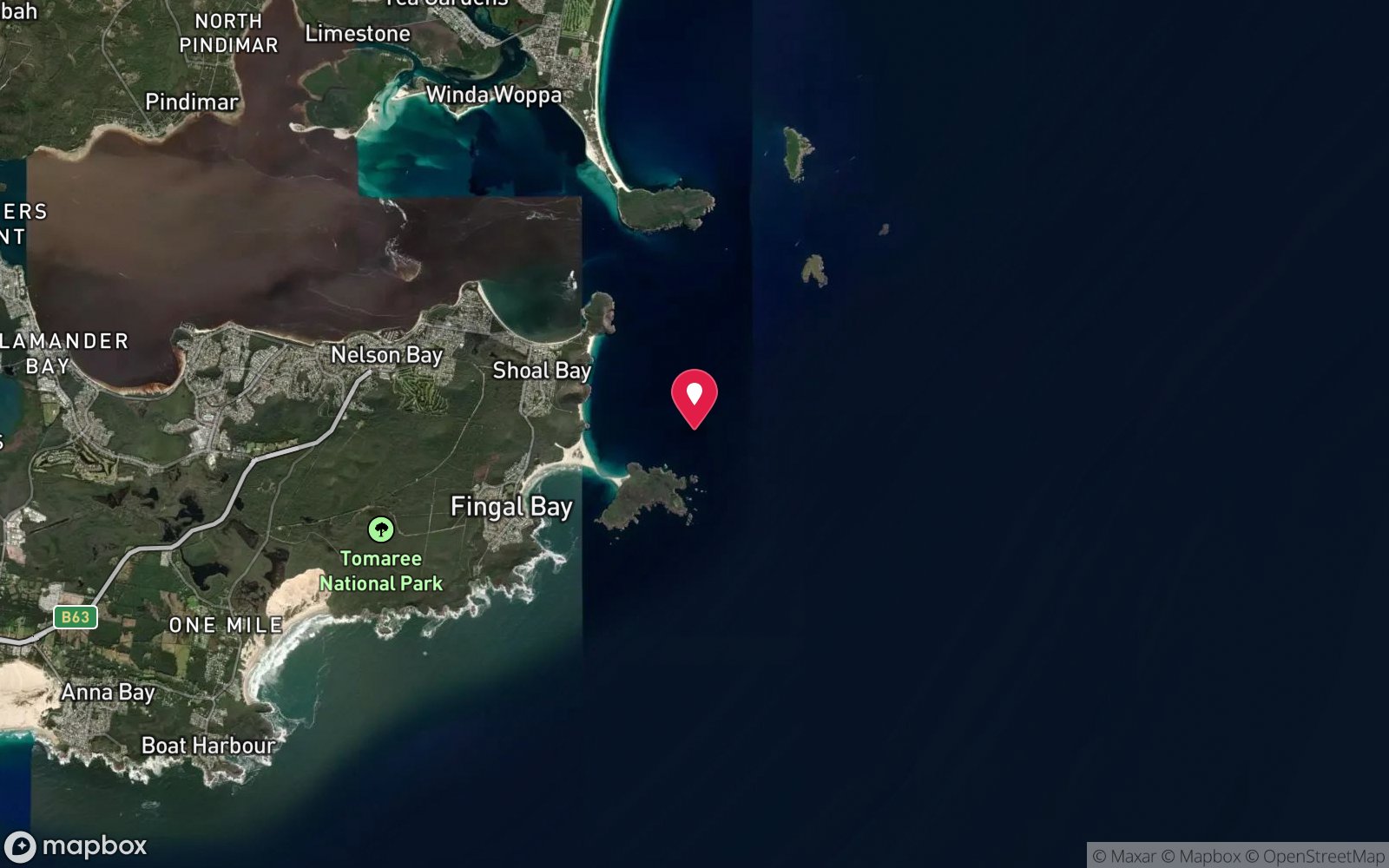
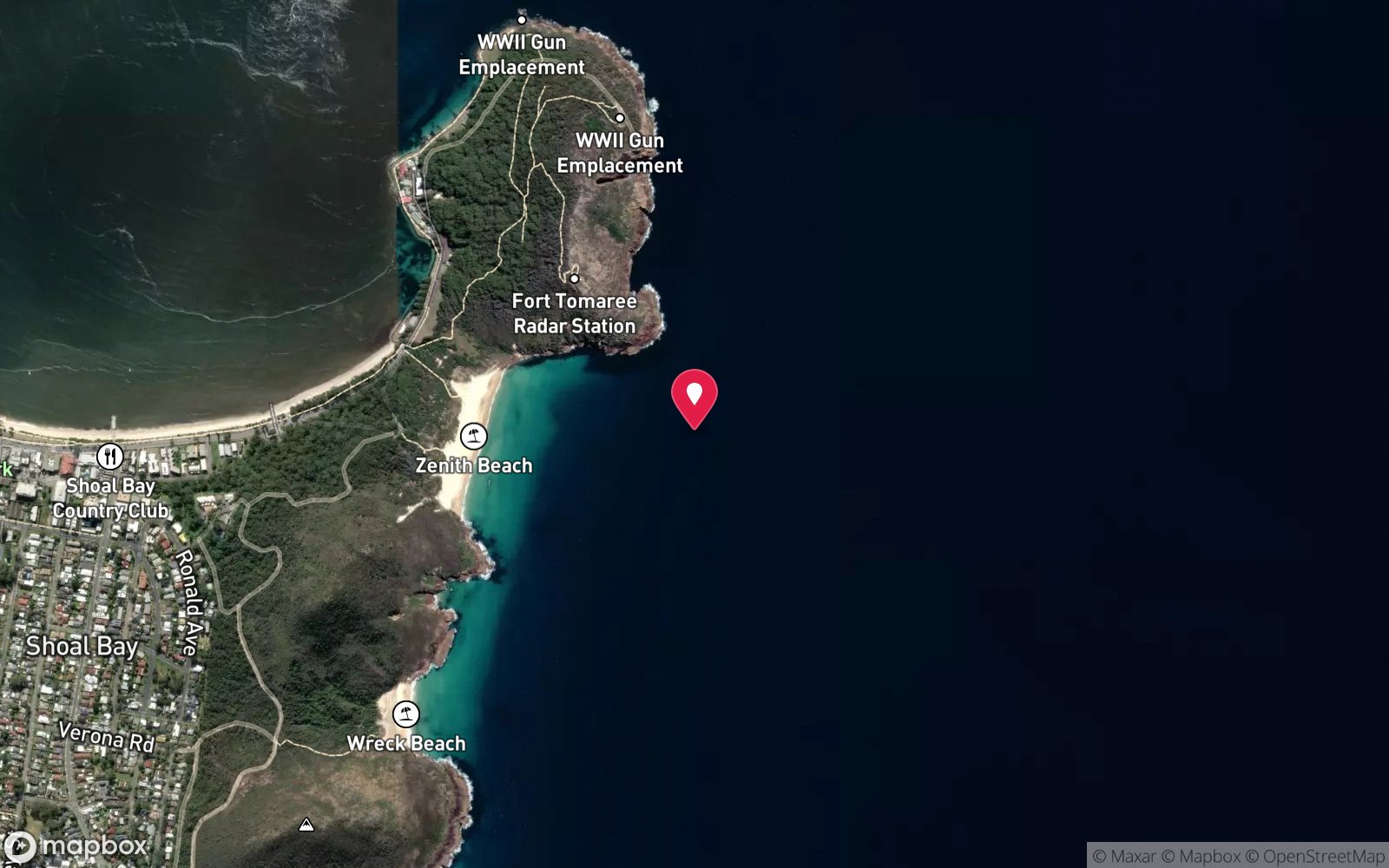
Satellite views
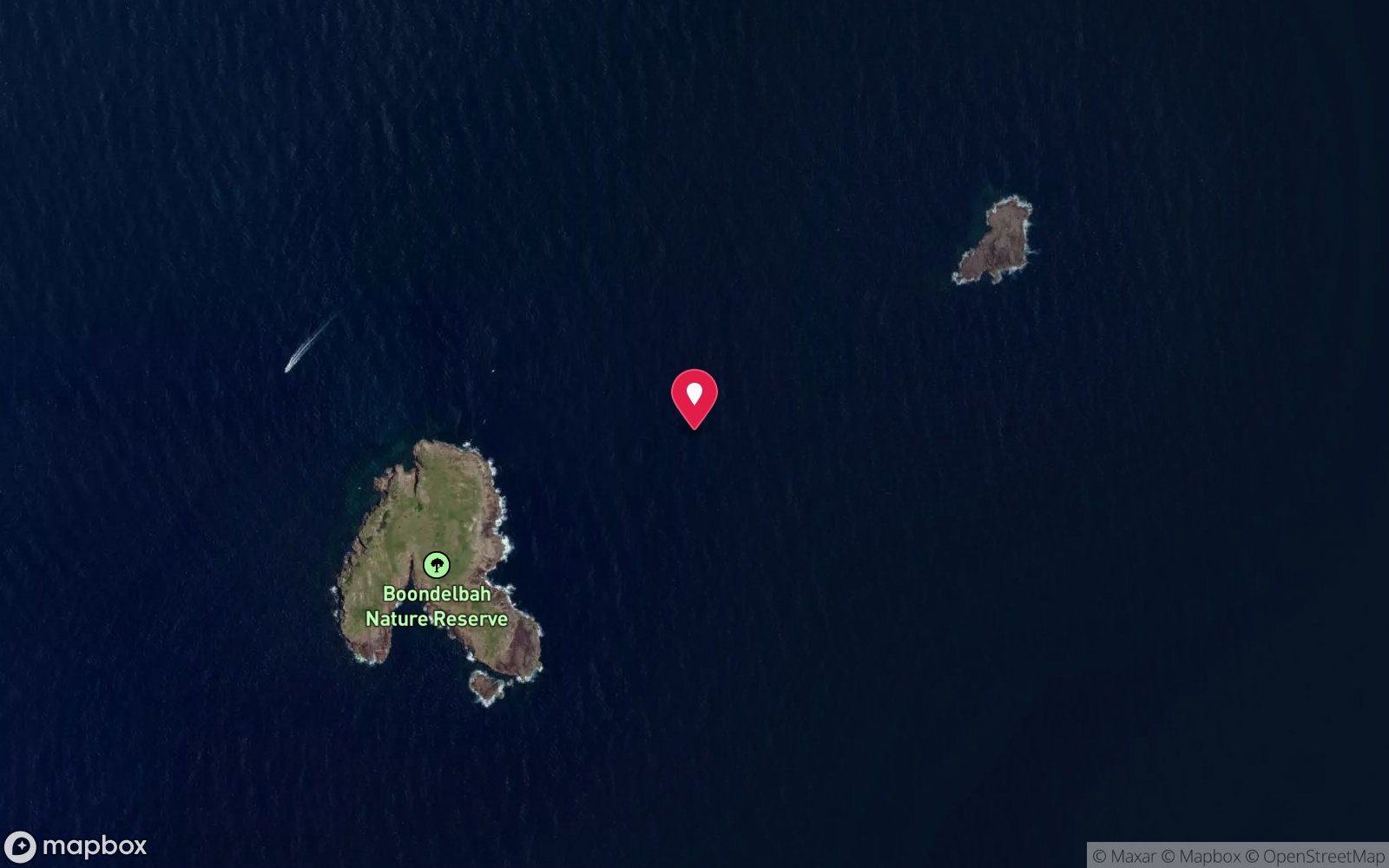
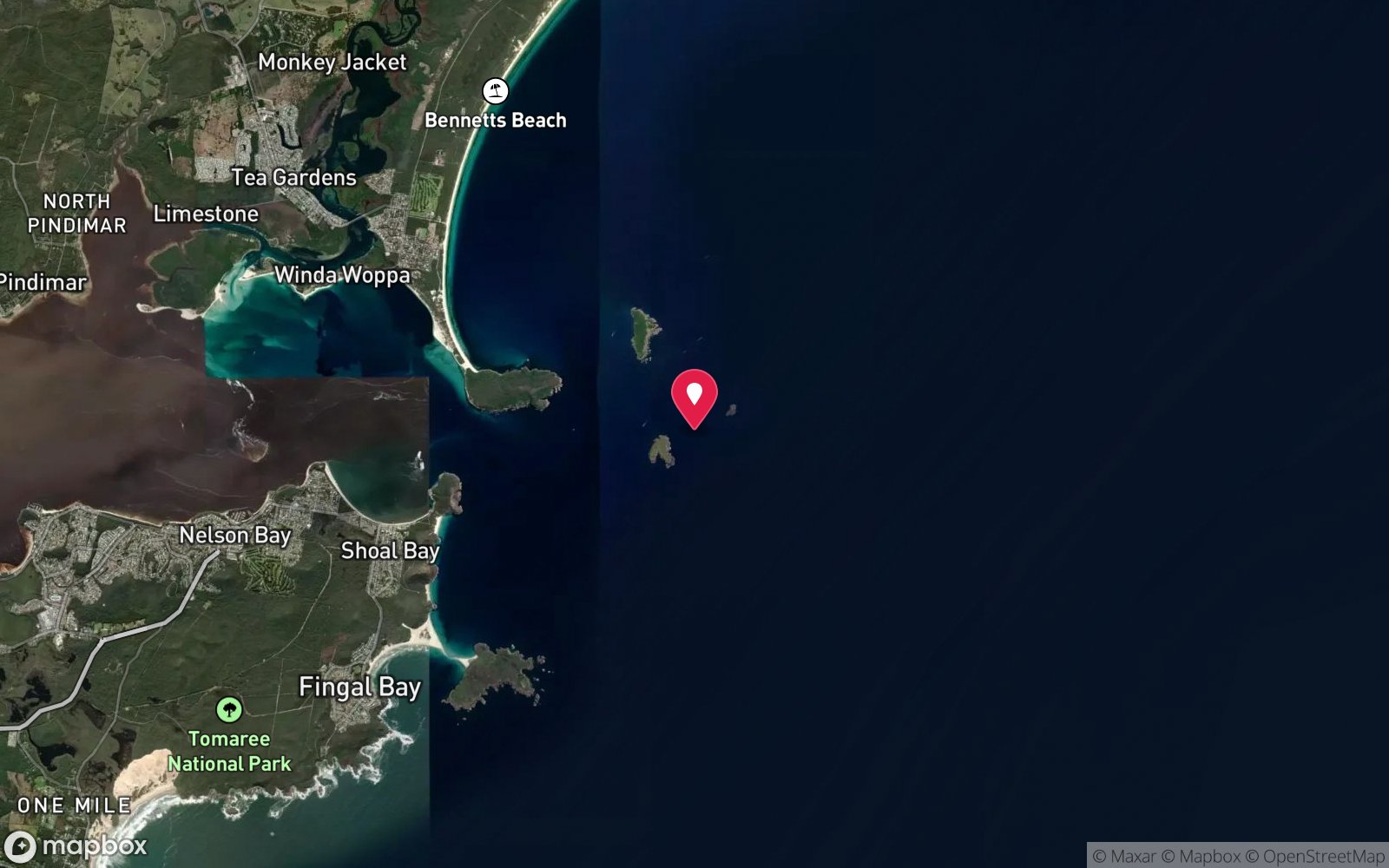
Little Island (Port Stephens): frequently asked questions
How deep is Little Island (Port Stephens)?
Little Island (Port Stephens) reaches a maximum depth of 35 m, with the shallowest part at about 15 m; most of the dive is spent around 25 m.
What certification do I need to dive Little Island (Port Stephens)?
Deep/Advanced + experience is the recommended minimum. This is a deep dive: plan gas, bottom time and a safety stop accordingly, and consider nitrox. Rated advanced because of depth to 35 m.
Can I shore dive Little Island (Port Stephens)?
No, it is reached by boat (about 22 minutes). A dive centre is required: boat access only.
When is the best time to dive Little Island (Port Stephens)?
Summer for eagle rays; year-round for the wall itself.
What marine life will I see at Little Island (Port Stephens)?
Regularly recorded: Cobia, snapper, whaler sharks, eagle rays (summer), sponges, general reef fish.
What wetsuit do I need at Little Island (Port Stephens)?
3-5 mm steamer summer; 5-7 mm full suit or semi-dry winter.
How cold is the water at Little Island (Port Stephens)?
Typically 22-25 °C in summer and 17-20 °C in winter.
What are the main hazards at Little Island (Port Stephens)?
Whaler sharks present with some regularity (generally passive — maintain calm, normal behaviour); moderate to strong current on the exposed wall; depth to 35 m. See the hazards section above for the full list.
Where is the nearest recompression chamber to Little Island (Port Stephens)?
Prince of Wales Hospital (Randwick, Sydney) — John Hunter Hospital Newcastle has no recompression chamber. In an emergency call 000, then DAN Asia-Pacific on 1800 088 200.
Diving in Port Stephens
Port Stephens has two personalities. Inside the port, Fly Point and Halifax Park at Nelson Bay are world-class shore dives on the slack tide, with sponge gardens, frogfish, seahorses and huge schools of fish under a shipping channel. Outside, Broughton Island and Cabbage Tree Island have grey nurse shark gutters, caves and seals.
Getting there: Two and a half hours north of Sydney. Nelson Bay has several dive shops; Fly Point and Halifax have car parks and stair entries. Broughton Island is 40 minutes by boat.
Sources
Data confidence: Medium · Being verified: GPS approximated.. Last updated September 2026. Know this site better? How to send a correction