Dive slate · divesites.com.au · printed 7 Nov 2026
Llewellyn Reef – The Catacombs
Lady Musgrave & Bunker Group, Queensland · near Bundaberg (Burnett Heads) / Town of 1770
| Depth | 12–30 m |
|---|---|
| Minimum level | Advanced Open Water |
| Difficulty | Advanced |
| Access | Boat (multi-day/liveaboard) |
| Entry | Giant stride from private boat, charter or liveaboard |
| Current | Moderate |
| Visibility | 15-30 m |
| Water | summer 25-28 °C, winter 20-22 °C |
| Suit | 3 mm full suit in summer; 5 mm full suit (hood optional) June-September |
| Best season | Year-round; May-October for the best visibility and manta rays, humpback whales July-October; turtle nesting November-March and hatching January-April |
| Bottom time | 35 min |
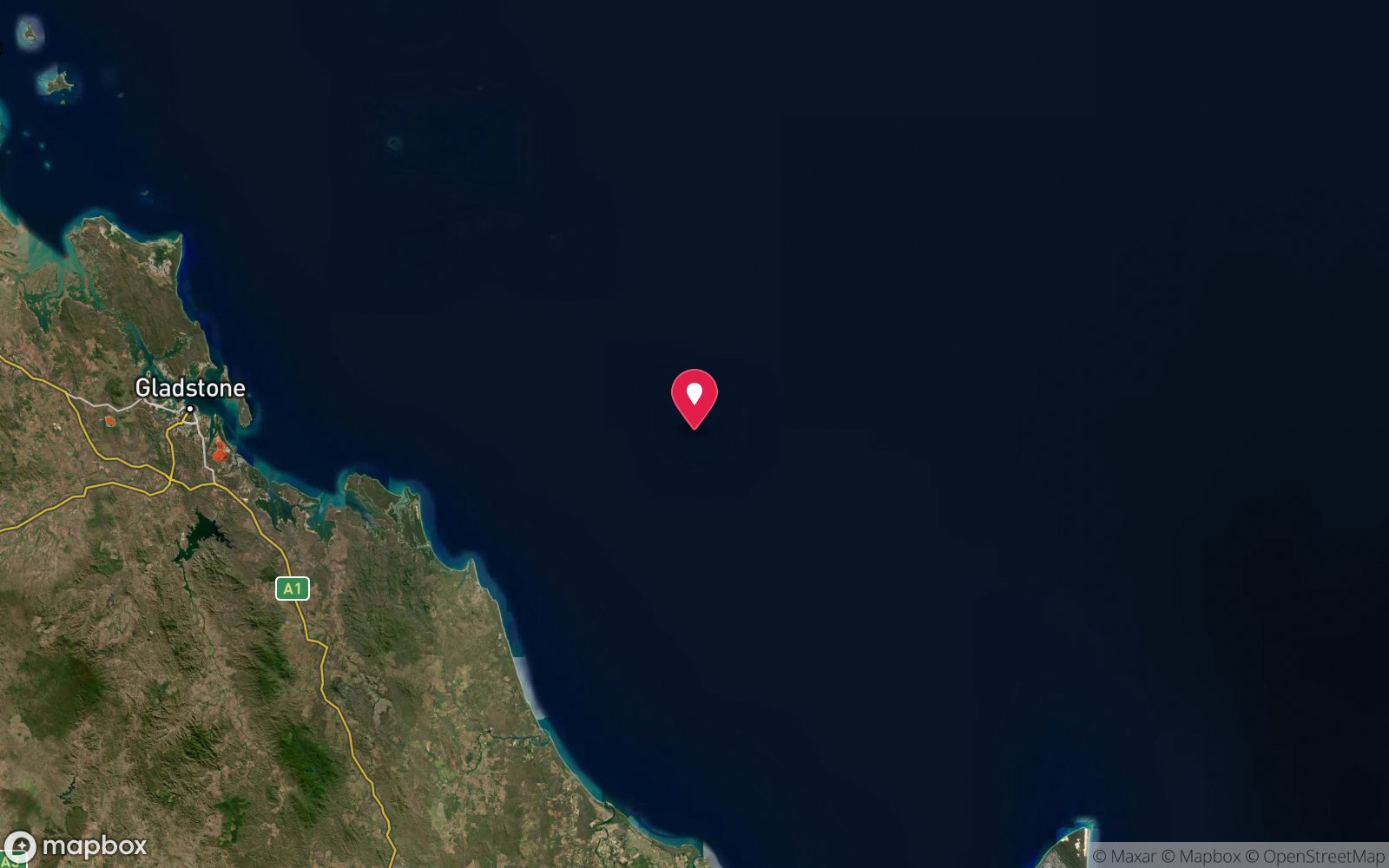
| Position | -23.69000, 152.28000 (approximate) |
| Permit | Great Barrier Reef Marine Park – check zoning for Llewellyn Reef on the GBRMPA map |
| Nearest chamber | Royal Brisbane and Women's Hospital (Brisbane) – nearest; evacuation by helicopter via Bundaberg Hospital |
| Emergency | 000 · DAN Asia-Pacific diving emergency 1800 088 200 |
Llewellyn Reef – The Catacombs
Also known as Llewellyn Reef, The Catacombs
A wall of caves, ledges and swim-throughs to 30 m, decorated with black coral, gorgonians and whips.
Near Bundaberg (Burnett Heads) / Town of 1770 · Lady Musgrave & Bunker Group, Queensland
- Depth
- 12–30 m
- Minimum level
- Advanced Open Water
- Access
- Boat (multi-day/liveaboard)
- Boat ride
- ~200 min
- Water
- 25-28 °C
- Visibility
- 15-30 m
Llewellyn Reef – The Catacombs12–30 m · Advanced Open Water
Dive factsDepths, conditions, location & safety
Season
In season nowBest months: year-round.
Year-round; May-October for the best visibility and manta rays, humpback whales July-October; turtle nesting November-March and hatching January-April
- Best months
- Now (November)
- Stinger suit Nov–May
Dive facts
- Depth
- 12–30 m
- Typical depth
- 20 m
- Certification
- Advanced Open Water
- Difficulty
- Advanced
- Depth tier
- Advanced Open Water (18–30 m)
- Access
- Boat (multi-day/liveaboard)
- Offshore
- 75 km
- Dive centre needed
- Yes – boat access only
- Shore / independent
- No
- Boat ride
- ~200 min
- Current
- Moderate
- Visibility
- 15-30 m
- Water temp (summer)
- 25-28 °C
- Water temp (winter)
- 20-22 °C
- Water
- Tropical
- Bottom time
- 35 min
- Dive traffic
- Rarely dived (private boat/club only)
- Night dive
- Possible
- Snorkel friendly
- No
Exposure suit
3 mm full suit in summer; 5 mm full suit (hood optional) June-September
Location
Bunker Group reefs · Southern GBR – Lady Musgrave & Bunker Group
-23.69000, 152.28000
Approximate position — not for navigation.
Open in Google MapsPrimary source: marinelife.org.auMarine park & permits
Great Barrier Reef Marine Park – check zoning for Llewellyn Reef on the GBRMPA map
Nearest recompression chamber
Royal Brisbane and Women's Hospital (Brisbane) – nearest; evacuation by helicopter via Bundaberg Hospital
Diving emergency: call 000, then DAN AP 1800 088 200.
Trip planner
Build a trip around Llewellyn Reef – The Catacombs →
A day-by-day plan for Lady Musgrave & Bunker Group with this site locked in.
This guide is a planning aid. Conditions change daily — confirm with a local dive centre and dive within your training. Data & safety notes.
Dive profile
How this site rates
Scores are computed from the recorded data, not opinions. How?
At a glance
Llewellyn Reef – The Catacombs is a wall liveaboard-only site in Lady Musgrave & Bunker Group, QLD, 12–30 m, suited to Advanced Open Water divers, moderate current, about 200 minutes by boat.
Rated advanced because of depth beyond 18 m, an overhead environment.
Why dive here
- A wall of caves, ledges and swim-throughs to 30 m, decorated with black coral, gorgonians and whips.
- Rarely dived: expect to have the site to yourself, and plan your own logistics.
- Visibility often reaches 15-30 m.
Conditions to avoid
- Cyclone season (roughly December–April)
- Spring plankton blooms
About Llewellyn Reef – The Catacombs
The Catacombs on Llewellyn Reef is described by marine life writers as a wall riddled with caves, ledges and swim-throughs, running from about 12 m to 30 m. It is one of the more dramatic sites in the northern Bunker Group and a reward for those with a boat capable of reaching it. The wall is richly decorated with soft corals, gorgonians, black coral trees and sea whips.
Angelfish, parrotfish, surgeonfish, butterflyfish and coral trout move along it, turtles and reef sharks are common, and pelagic fish and mobula rays pass in the blue. The swim-throughs and ledges add a sense of exploration, and a torch brings out the colour inside them. Because the site is remote and deep, it suits divers with Advanced certification and good buoyancy.
The swim-throughs should only be entered after checking that they are open and wide, and none should be treated as cave penetration without appropriate training. A shallower site on the same reef, Trout Spot, offers a coral garden suitable for a second or night dive, which makes Llewellyn a good overnight anchorage stop on a Bunker Group cruise. The reef should not be confused with the SS Llewellyn, a historic wreck off Mackay, which is a different site entirely.
Getting there & entry
A wall on Llewellyn Reef in the northern Bunker Group riddled with caves, ledges and swim-throughs at 12-30 m, with soft corals, gorgonians, black coral trees and sea whips.
The Bunker Group reefs lie 80-100 km north-east of Bundaberg and 50-90 km east of the Town of 1770. Private boats launch from the 1770 Marina or Round Hill Creek ramp (bar crossing – check tides), or from Burnett Heads (Bundaberg Port Marina); expect 1.5-4 hours depending on vessel and destination. Yachts commonly anchor overnight in the Lady Musgrave or Fitzroy Reef lagoons and dive the surrounding reefs by tender.
Llewellyn Reef lies in the northern Bunker Group between Fitzroy and Boult reefs; anchor in the lee in settled weather.
Entry: Giant stride from private boat, charter or liveaboard
Weather, swell & tides
The Bunker reefs are open ocean: south-east trades over about 20 knots make the crossing from 1770 or Bundaberg rough and limit diving to the lee (north-western) sides, while the Fitzroy and Lady Musgrave lagoons provide secure anchorages. The best windows are September-December and March-May calms. Tidal currents run strongly around reef edges and through lagoon entrances on springs.
Cyclone season November-April; summer plankton reduces visibility.
Best season: Year-round; May-October for the best visibility and manta rays, humpback whales July-October; turtle nesting November-March and hatching January-April
How the dive is usually run
Descend to the top of the wall at 12 m, then work down to 20-25 m along the wall, passing through the open swim-throughs only after checking them. Turn with ample margin, ascend along the wall and finish on the reef top.
Marine life
- Soft corals
- gorgonians
- black coral trees
- sea whips
- angelfish
- parrotfish
- surgeonfish
- butterflyfish
- coral trout
- turtles →
- reef sharks →
- pelagic fish
- mobula rays
Linked species have their own page listing every site where they are recorded. All marine life →
Training required
Beyond 18 m an Advanced certification (which includes a deep dive to 30 m) is the accepted minimum. Anything past 25 m is a deep dive in practice.
At more than 25 m this counts as a deep dive: watch no-decompression limits and gas.
Courses that help here
- Enriched Air Nitrox – Longer no-decompression time at 25 m and deeper.
- Cavern Diver – An overhead environment.
Depth tiers: 0–10 m easy · to 18 m Open Water · 18–30 m Advanced (25 m+ is a deep dive) · 30–40 m Deep specialty · 40 m+ technical. All courses
Hazards & warnings
Depth to 30 m; overhead environments in swim-throughs – check before entering, no cave penetration; remote; current along the wall.
Dive centres that go here
No scheduled day trips. Lady Musgrave Experience mentions the northern Bunker reefs (Boult, Llewellyn, Lamont and Fitzroy) as remote sites for special or extended trips, Heron Island Resort has historically run occasional long-range trips to the northern Bunker reefs, and most diving is from private yachts and occasional liveaboards.
Operators recorded for Llewellyn Reef – The Catacombs
Heron Island Resort
ListedHeron Island · Bundaberg & Agnes Water · QLD
A coral cay resort on the southern Great Barrier Reef with an on-island dive operation and sites a short boat ride from the jetty.
heronisland.com
Lady Musgrave Experience
ListedBurnett Heads · Bundaberg & Agnes Water · QLD
A Bundaberg-based operation providing day and overnight access to Lady Musgrave Island and its lagoon.
ladymusgraveexperience.com.au · (07) 4151 5225
1770 Reef
ListedSeventeen Seventy · Bundaberg & Agnes Water · QLD
An operation running trips from the Town of 1770 to Lady Musgrave Island and the southern Great Barrier Reef.
1770reef.com.au · (07) 4972 7222
Other dive centres in Lady Musgrave & Bunker Group
Bundaberg Aqua Scuba
ListedBundaberg · Bundaberg & Agnes Water · QLD
A Bundaberg-based training and equipment business serving the local diving community and southern reef access.
aquascuba.com.au · 0402 937 765
Lady Elliot Island Eco Resort
ListedLady Elliot Island · Bundaberg & Agnes Water · QLD
A coral cay resort at the southern tip of the Great Barrier Reef, strongly associated with manta ray encounters and accessed by light aircraft.
ladyelliot.com.au · 1800 072 200
Map
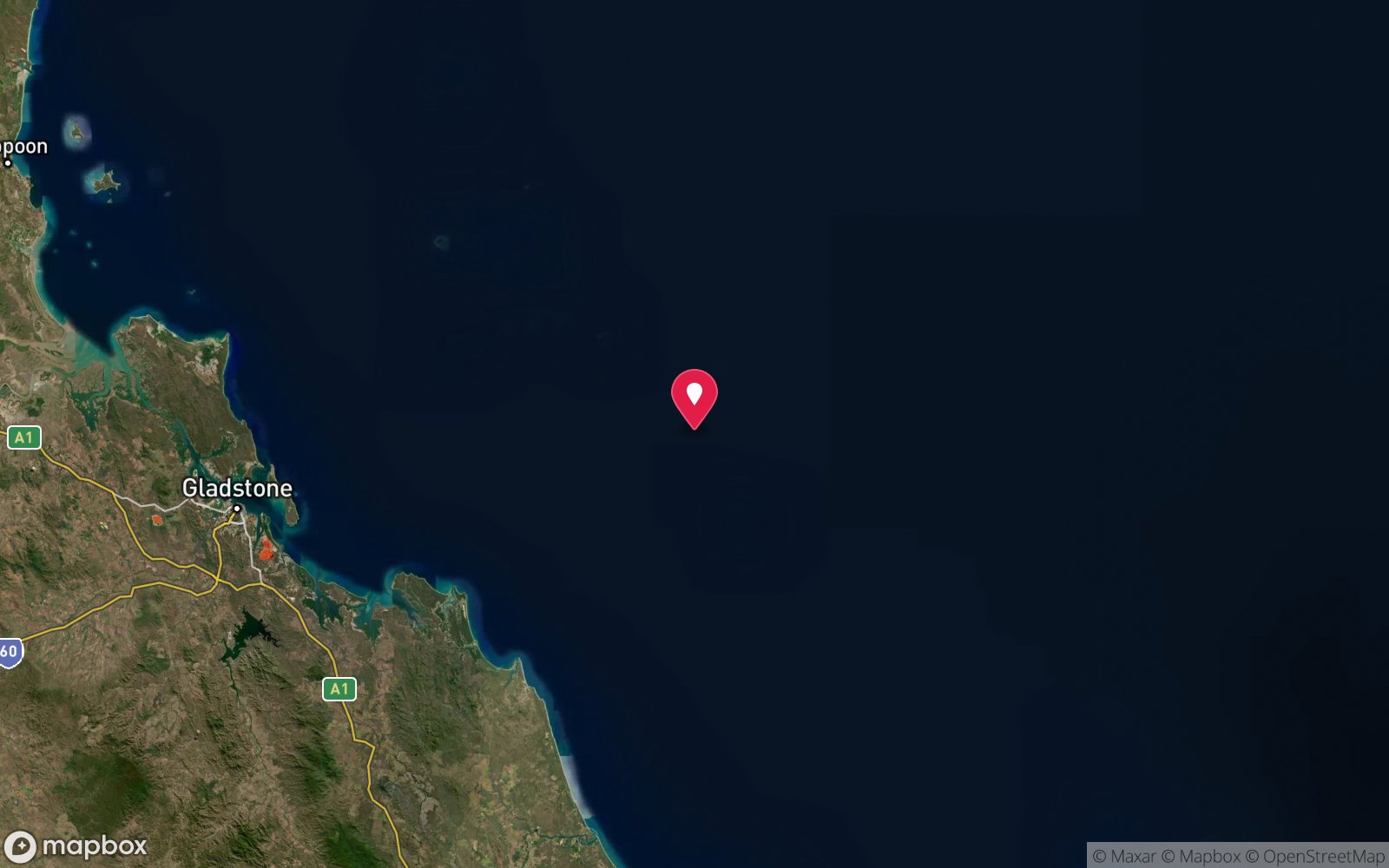
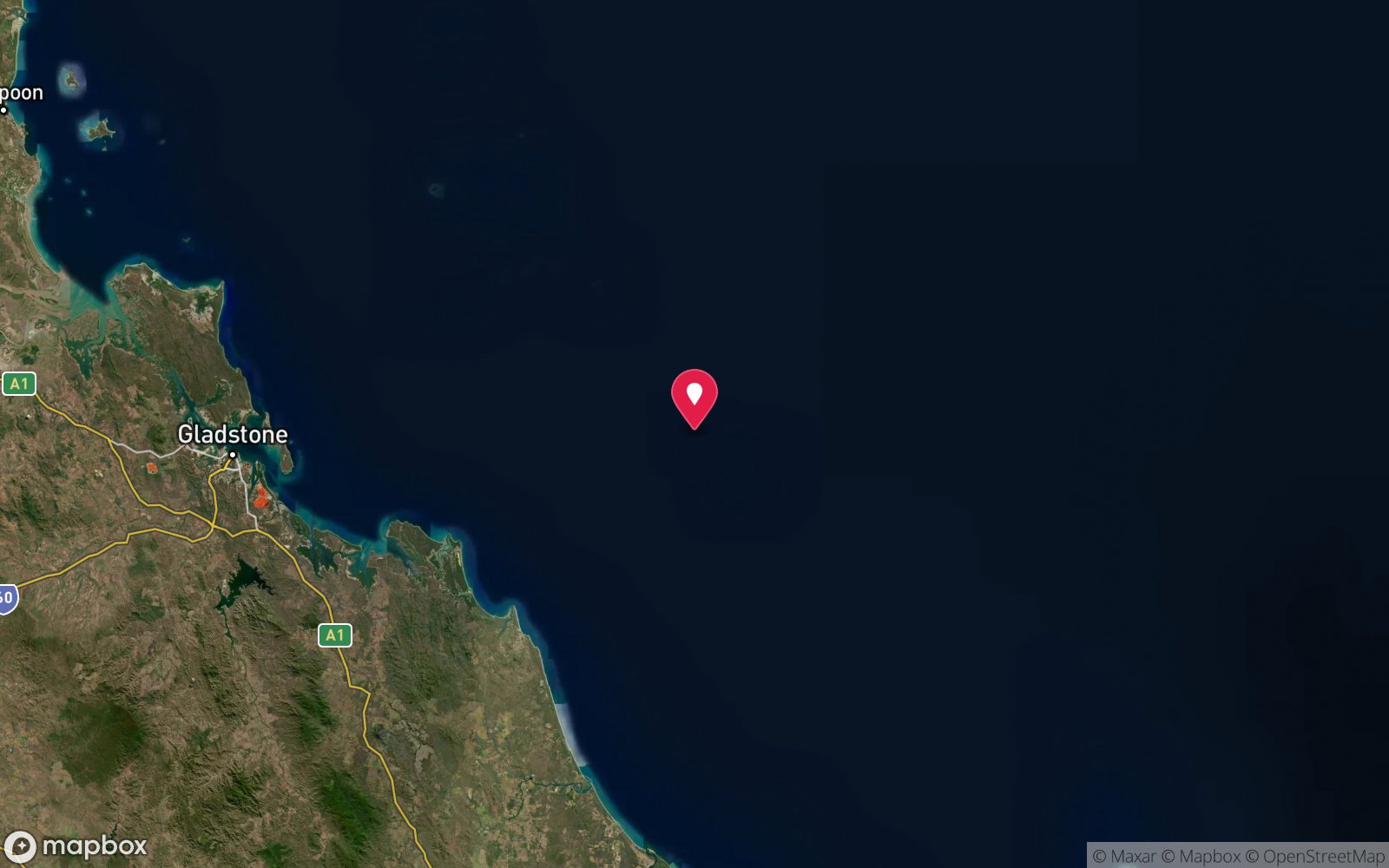
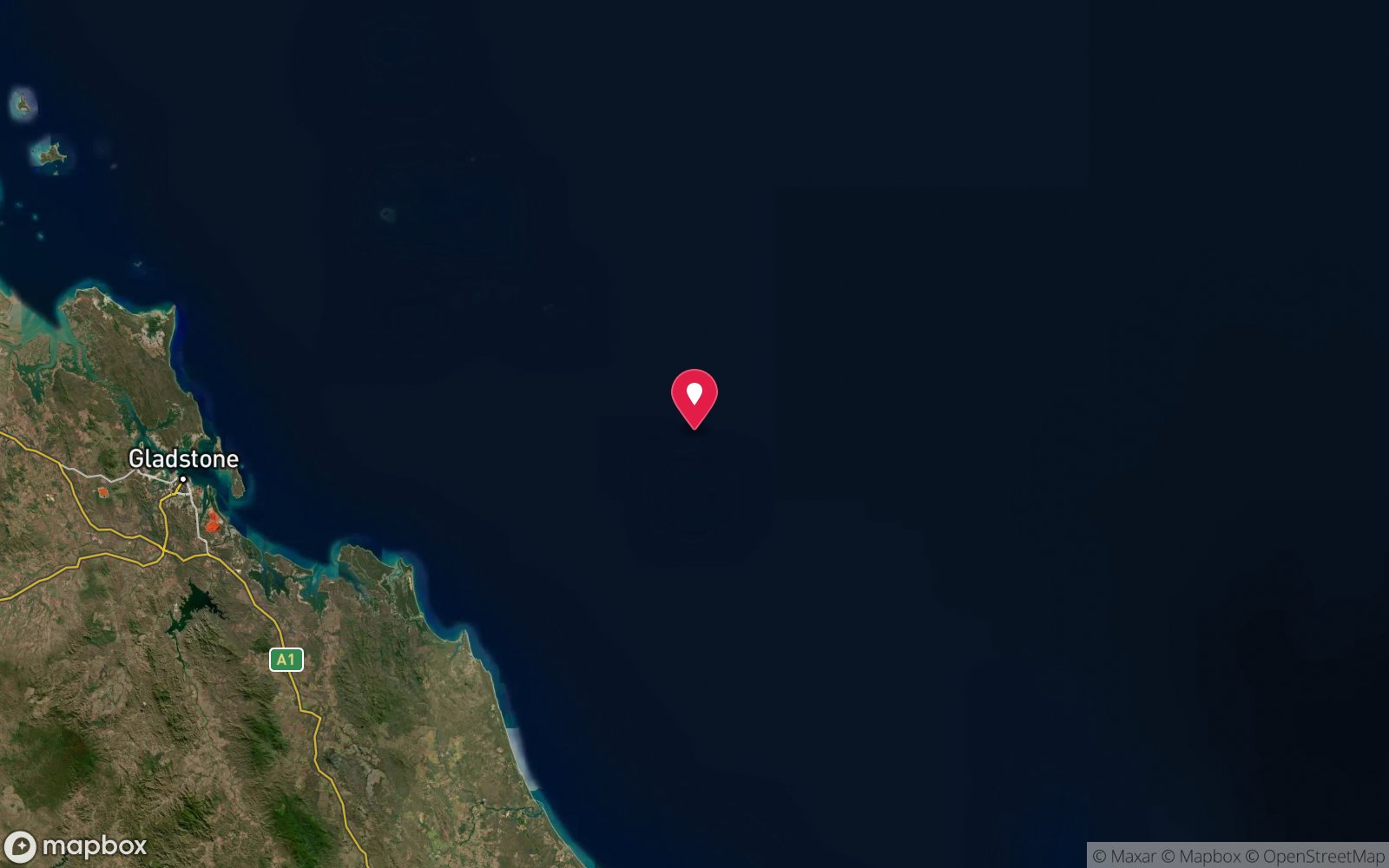
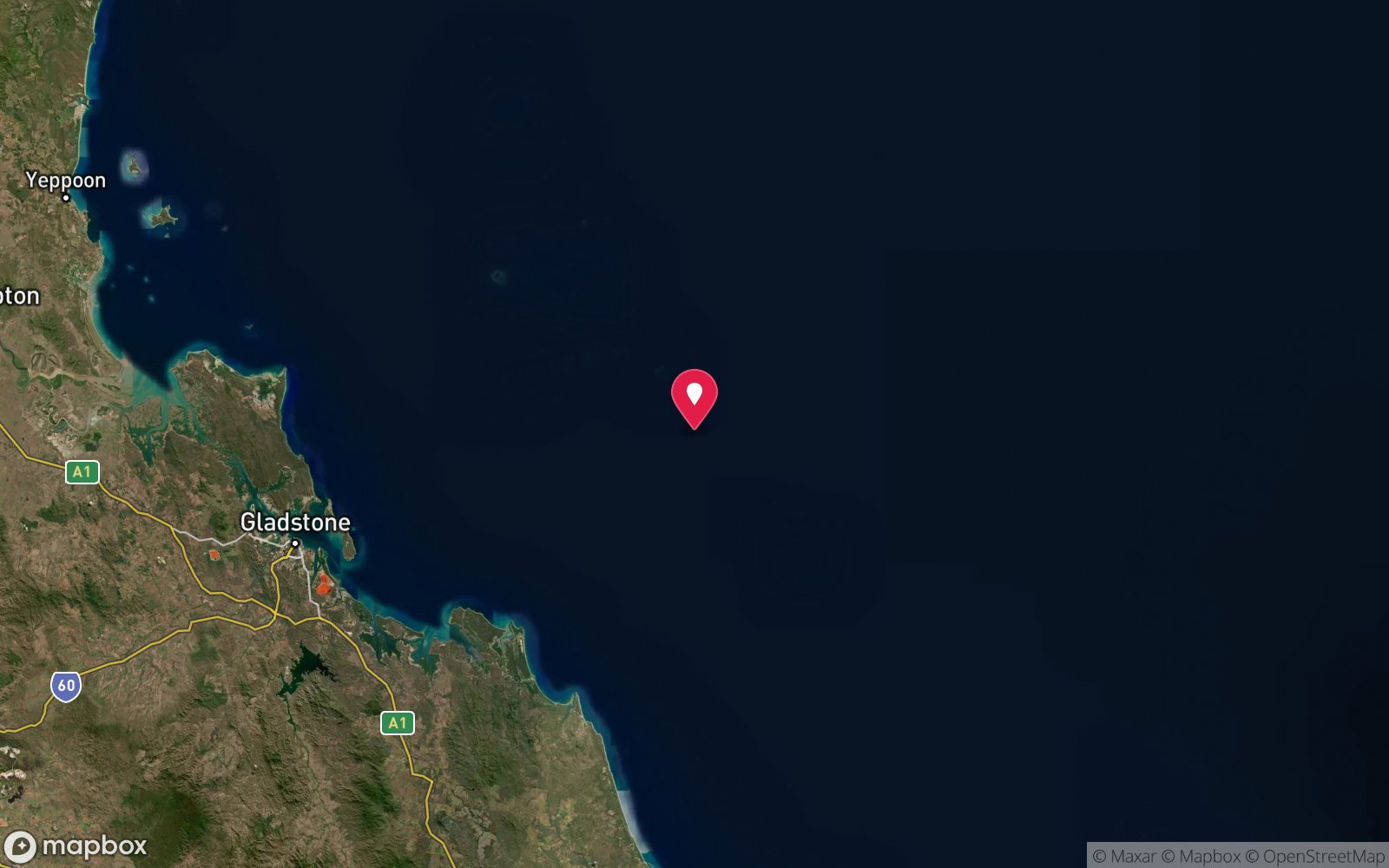
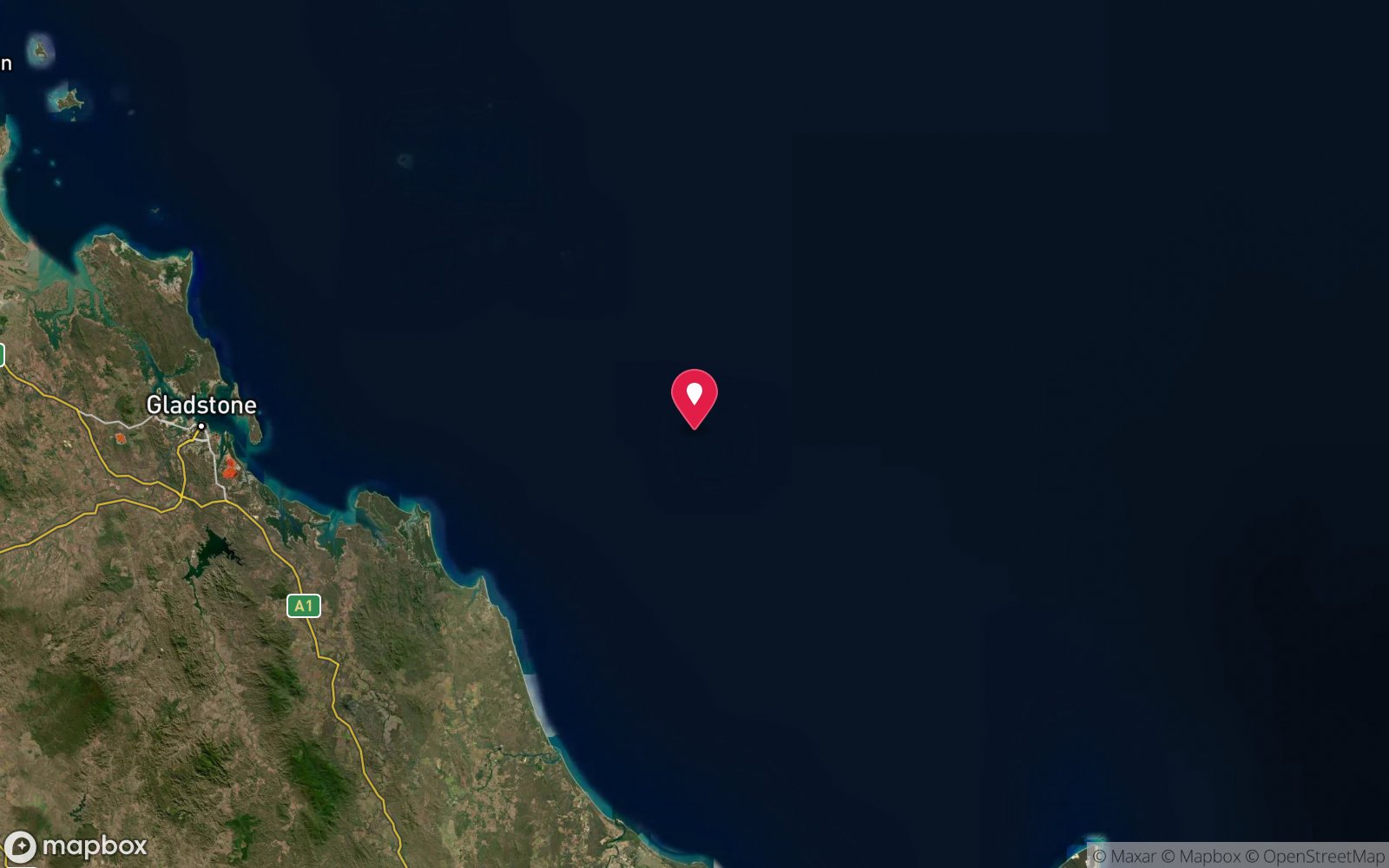
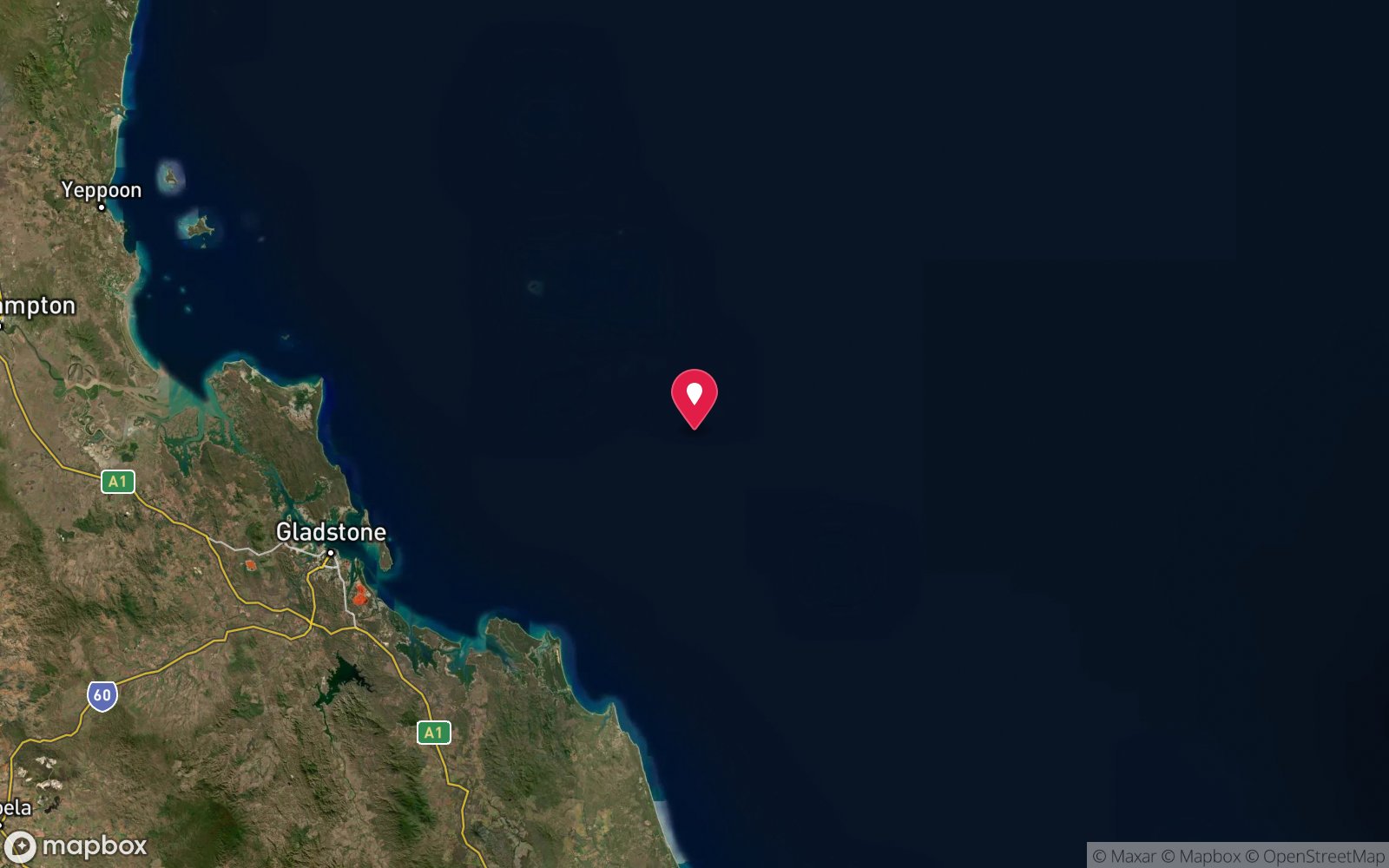
7 pinned sites. Pins marked approximate on their pages show the general area only; not for navigation.
Satellite views
Llewellyn Reef – The Catacombs: frequently asked questions
How deep is Llewellyn Reef – The Catacombs?
Llewellyn Reef – The Catacombs reaches a maximum depth of 30 m, with the shallowest part at about 12 m; most of the dive is spent around 20 m.
What certification do I need to dive Llewellyn Reef – The Catacombs?
Advanced Open Water is the recommended minimum. At more than 25 m this counts as a deep dive: watch no-decompression limits and gas. Rated advanced because of depth beyond 18 m, an overhead environment.
Can I shore dive Llewellyn Reef – The Catacombs?
No, it is reached by boat (about 200 minutes). A dive centre is required: boat access only.
When is the best time to dive Llewellyn Reef – The Catacombs?
Year-round; May-October for the best visibility and manta rays, humpback whales July-October; turtle nesting November-March and hatching January-April.
What marine life will I see at Llewellyn Reef – The Catacombs?
Regularly recorded: Soft corals, gorgonians, black coral trees, sea whips, angelfish, parrotfish, surgeonfish, butterflyfish, coral trout, turtles, reef sharks, pelagic fish and more.
What wetsuit do I need at Llewellyn Reef – The Catacombs?
3 mm full suit in summer; 5 mm full suit (hood optional) June-September.
How cold is the water at Llewellyn Reef – The Catacombs?
Typically 25-28 °C in summer and 20-22 °C in winter.
What are the main hazards at Llewellyn Reef – The Catacombs?
Depth to 30 m; overhead environments in swim-throughs – check before entering, no cave penetration; remote; current along the wall. See the hazards section above for the full list.
Where is the nearest recompression chamber to Llewellyn Reef – The Catacombs?
Royal Brisbane and Women's Hospital (Brisbane) – nearest; evacuation by helicopter via Bundaberg Hospital. In an emergency call 000, then DAN Asia-Pacific on 1800 088 200.
Diving in Lady Musgrave & Bunker Group
Lady Musgrave is a coral cay with a navigable lagoon in the Bunker Group, day-tripped from Bundaberg and 1770 and used by liveaboards and campers. The outer reef has manta cleaning stations, coral bommies, turtles and reef sharks in 20 m-plus visibility; the lagoon is a gentle snorkel and training site.
Getting there: Day boats from Bundaberg (Burnett Heads) and Town of 1770; overnight pontoon stays and camping on the island by permit.
All Lady Musgrave & Bunker Group dive sites and a suggested itinerary →
Sources
Data confidence: Low · Being verified: Coordinates from v1 need checking against a chart; no published site position.. Last updated September 2026. Know this site better? How to send a correction
Nearby dive sites
More wall dives in Queensland
Explore more
This region