Dive slate · divesites.com.au · printed 7 Nov 2026
Lorne Pier
Surf Coast & Great Ocean Road, Victoria · near Lorne
| Depth | 2–6 m |
|---|---|
| Minimum level | Open Water |
| Difficulty | Beginner |
| Access | Shore |
| Entry | Walk down the boat ramp/rock steps beside the pier at Point Grey and wade in; or giant stride from the lower landing and exit via the ramp |
| Current | Mild |
| Visibility | 3-8 m |
| Water | summer 16-19 °C, winter 11-14 °C |
| Suit | 7mm semi-dry with hood and gloves in summer; drysuit strongly preferred May–November |
| Best season | Year-round on calm days; autumn typically clearest; sheltered enough for winter northerlies |
| Bottom time | 45 min |
| Position | -38.54800, 143.98500 (approximate) |
| Permit | None; Victorian bag limits apply (pier area is popular with anglers) |
| Nearest chamber | The Alfred (Melbourne) |
| Emergency | 000 · DAN Asia-Pacific diving emergency 1800 088 200 |
Lorne Pier
Also known as Lorne Jetty, Point Grey pier
The only pier dive on the Otway coast: seahorses, cowfish, crabs and rays on the pylons and sand in a few metres of water, with a car park and cafe beside the entry.
Near Lorne · Surf Coast & Great Ocean Road, Victoria
- Depth
- 2–6 m
- Minimum level
- Open Water
- Access
- Shore
- Boat ride
- Shore entry
- Water
- 16-19 °C
- Visibility
- 3-8 m
Lorne Pier2–6 m · Open Water · Shore
Dive factsDepths, conditions, location & safety
Season
Off-peak nowBest months: March, April, May, June, July, August.
Year-round on calm days; autumn typically clearest; sheltered enough for winter northerlies
- Best months
- Now (November)
Dive facts
- Depth
- 2–6 m
- Typical depth
- 4 m
- Certification
- Open Water
- Difficulty
- Beginner
- Depth tier
- Easy (0–10 m)
- Access
- Shore
- Offshore
- 0 km
- Dive centre needed
- No – independently diveable
- Shore / independent
- Yes
- Current
- Mild
- Visibility
- 3-8 m
- Water temp (summer)
- 16-19 °C
- Water temp (winter)
- 11-14 °C
- Water
- Temperate
- Bottom time
- 45 min
- Dive traffic
- Moderate (occasional charters/club dives)
- Night dive
- Yes
- Snorkel friendly
- Yes
Exposure suit
7mm semi-dry with hood and gloves in summer; drysuit strongly preferred May–November
Location
Point Grey, Lorne · Great Ocean Road – Lorne
-38.54800, 143.98500
Approximate position — not for navigation.
Open in Google MapsPrimary source: peterfuller.com.auMarine park & permits
None; Victorian bag limits apply (pier area is popular with anglers)
Nearest recompression chamber
The Alfred (Melbourne)
Diving emergency: call 000, then DAN AP 1800 088 200.
Trip planner
Build a trip around Lorne Pier →
A day-by-day plan for Surf Coast & Great Ocean Road with this site locked in.
This guide is a planning aid. Conditions change daily — confirm with a local dive centre and dive within your training. Data & safety notes.
Dive profile
How this site rates
Scores are computed from the recorded data, not opinions. How?
At a glance
Lorne Pier is a jetty / pier shore dive you can do independently in Surf Coast & Great Ocean Road, VIC, 2–6 m, suited to Open Water divers.
Rated beginner: sheltered, shallow and manageable for a newly certified diver on a normal day, though note surge on the entry or in the shallows and cold water.
Why dive here
- The only pier dive on the Otway coast: seahorses, cowfish, crabs and rays on the pylons and sand in a few metres of water, with a car park and cafe beside the entry.
- Commonly dived at night, when octopus, cuttlefish and crustaceans are out.
- Snorkel-friendly, so non-diving companions can join at the surface.
Conditions to avoid
- Strong southerly or south-east swell and wind
- Outgoing tide or run-off after rain (poor visibility)
- Any time other than slack water
About Lorne Pier
Lorne Pier is the Otway coast's one pier dive, and while it is not on the scale of the Mornington Peninsula piers it has the same appeal: easy access, shallow depth and a surprising amount of life on the pylons and the sand. The current concrete pier at Point Grey replaced the old timber structure in 2007; it runs about 150 m out on the southern side of Loutit Bay next to the fishermen's co-op, in water that shallows from about 6 m at the end to 2 m near the ramp. The bottom is mostly clean sand with patches of low reef and weed close to the point, and the pylons carry a growth of kelp, sponges and ascidians that thickens toward the outer end.
What divers come for is the macro life. Big-belly seahorses are the regular find on the pylons and among the weed, along with decorator crabs, spider crabs and swimmer crabs on the sand, thornfish and blennies in the growth, and nudibranchs in season. Smooth rays and fiddler rays hunt over the sand, and there are usually herring, sweep and juvenile leatherjackets schooling under the deck; Shaw's cowfish, globefish and cuttlefish are regular, and weedy seadragons are occasionally seen in the weed toward the point. Water movement is the limiting factor: even on a calm day residual swell curls around Point Grey and sets the sand moving, so the dive is often described as surgy with visibility of 4–5 m in the clearer patches. It is nevertheless a comfortable Open Water dive of 40–50 minutes with no navigation to speak of and a ramp exit, and it is one of the few places on this coast where a night dive is practical. Fishing is heavy from the pier, so a line cutter is essential and it is polite to enter and exit well clear of the anglers.
Getting there & entry
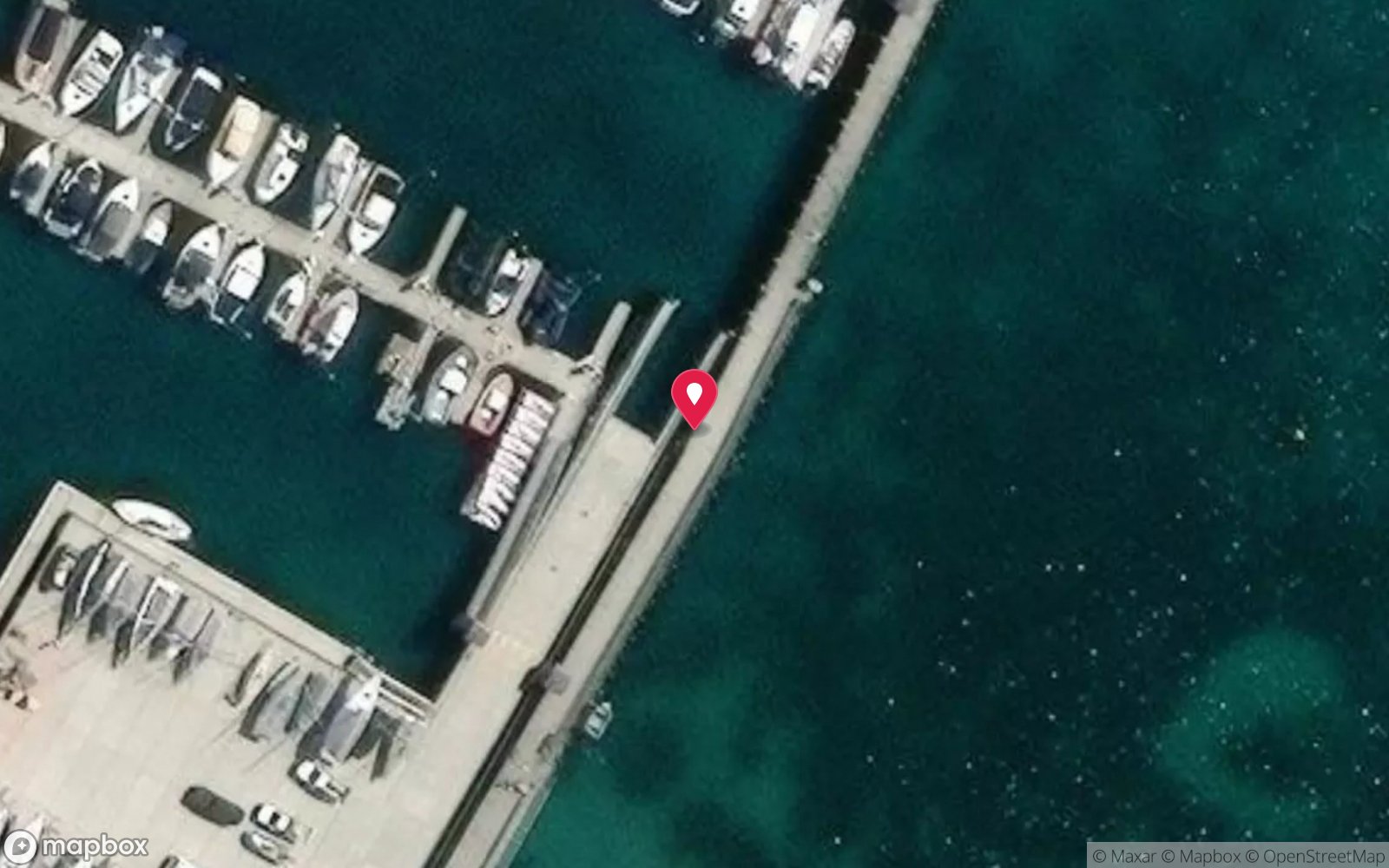
Concrete fishing pier at Point Grey on the southern side of Loutit Bay, Lorne, beside the fishermen's co-op and boat crane.
From the centre of Lorne follow Mountjoy Parade south for 1.5 km to Point Grey; the pier, the Lorne Aquatic and Angling Club and the fishermen's co-op restaurant share a large car park at the end of the road. Park as close to the pier as you can (busy in summer and on weekends), gear up at the car and walk 50–100 m to the small boat ramp on the bay side of the pier. Enter from the ramp or the rocks beside it and fin out along the pylons.
Exit the same way; the ramp is the only easy exit. Commercial fishing boats and the crane operate here, so stay clear of the working end.
Entry: Walk down the boat ramp/rock steps beside the pier at Point Grey and wade in; or giant stride from the lower landing and exit via the ramp
Facilities: Large car park, toilets and showers at Point Grey, the fishermen's co-op cafe and Lorne Aquatic Club on site, Lorne shops 1.5 km; nearest air fills Geelong or Torquay area.
Weather, swell & tides
Loutit Bay opens to the east and south-east, so the pier is sheltered from the prevailing south-west swell by Point Grey but takes any easterly or south-easterly sea straight in. Best on a north to west wind with swell under 1 m; even then residual swell wraps around the point and produces surge and moving sand along the bottom, which quickly cuts visibility to a few metres. Avoid onshore easterlies and the days after heavy rain when the Erskine River discolours the bay.
Slack water is not an issue; there is no tidal current. High tide gives more water under the inner pylons. Diveable on most calm days, which makes it the most reliable dive between Torquay and Apollo Bay.
Best season: Year-round on calm days; autumn typically clearest; sheltered enough for winter northerlies
If it's blown out
Sheltered or shore sites within 25 km that often work when Lorne Pier doesn't.
- Cathedral Rock, Lorne · 5 km · Max 8 m
- Eagle Rock, Aireys Inlet · 13 km · Max 10 m
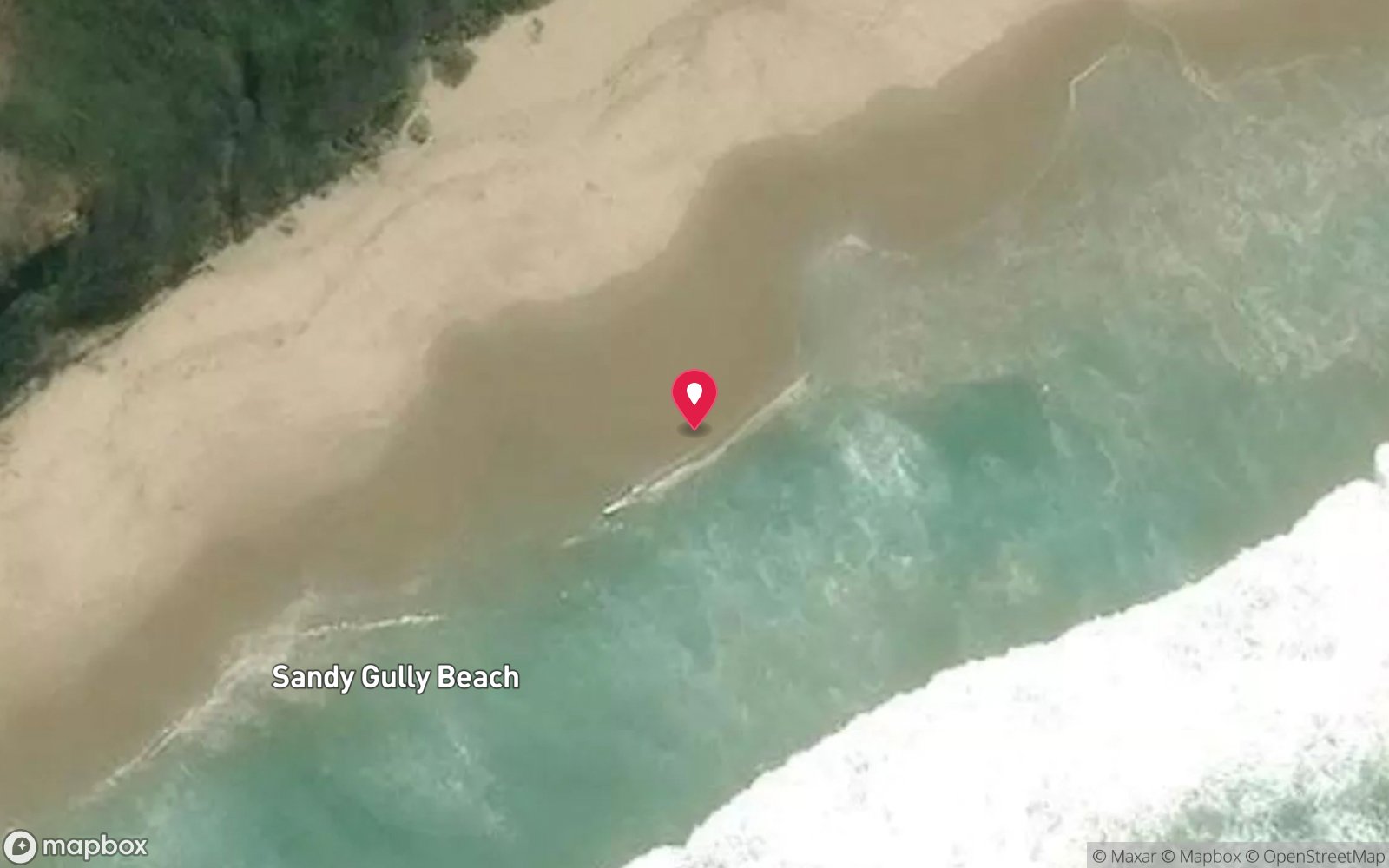
- Sandy Gully Beach, Aireys Inlet · 15 km · Max 10 m
- Eagle Nest Reef, Aireys Inlet · 16 km · Max 10 m
How the dive is usually run
Enter at the ramp, descend beside the first pylons in 2 m and work slowly out along one side of the pier to the end in 5–6 m, checking every pylon for seahorses, crabs and nudibranchs and the sand between for rays, flathead and cowfish. Cross under the end and return along the other side. Stay under the structure to keep clear of fishing lines and the crane, and surface at the ramp.
A torch is useful under the pier even by day.
Marine life
- Big-belly seahorses →
- decorator and spider crabs
- swimmer crabs
- Shaw's cowfish
- thornfish
- blennies
- nudibranchs →
- smooth and fiddler rays
- herring and sweep
- leatherjackets
- cuttlefish →
- occasional weedy seadragon →
Linked species have their own page listing every site where they are recorded. All marine life →
Training required
Shallow enough for snorkellers and for a first dive under supervision. Any certified diver can dive it.
Courses that help here
- Night Diver – Commonly dived at night.
- Drysuit Diver – Cold water; locals dive dry for much of the year.
Depth tiers: 0–10 m easy · to 18 m Open Water · 18–30 m Advanced (25 m+ is a deep dive) · 30–40 m Deep specialty · 40 m+ technical. All courses
Hazards & warnings
Fishing line and hooks on every pylon (carry a cutter); commercial boats and the crane at the working end; surge and moving sand; occasional easterly swell; summer crowds on the ramp. Exit only via the ramp.
Dive centres that go here
No regular operator. Popular with Geelong and Melbourne shore divers and underwater photographers as the only pier dive on the Otway coast; occasionally used by clubs for a weekend away.
Operators recorded for Lorne Pier
Other dive centres in Surf Coast & Great Ocean Road
The Scuba Doctor
ProfiledRye · Melbourne & Port Phillip Bay · VIC
A Victorian equipment and service business with an extensive retail presence, located to serve both Melbourne and Mornington Peninsula divers.
scubadoctor.com.au · (03) 5985 3322
Bay City Scuba
ListedEast Geelong · Melbourne & Port Phillip Bay · VIC
A Victorian business associated with recreational and technical training alongside equipment and gas services.
baycityscuba.com · (03) 5248 1488
Divein2Scuba (Geelong Dive Centre)
ListedGeelong · Geelong & Bellarine · VIC
A Geelong business providing training, equipment and local diving support.
divein2scuba.com · (03) 5221 3342
Warrnambool Diving
Named by sitesWarrnambool · Shipwreck Coast & Warrnambool · VIC
Trades as Warrnambool Diving & Firearms.
divingandfirearms.com.au · (03) 5562 1685
Red Boats
Reported closedPortsea · Port Phillip Heads · VIC
TripAdvisor marks RedBoats Portsea as permanently closed (last review November 2021) and the domain is now an unrelated boating blog.
Map
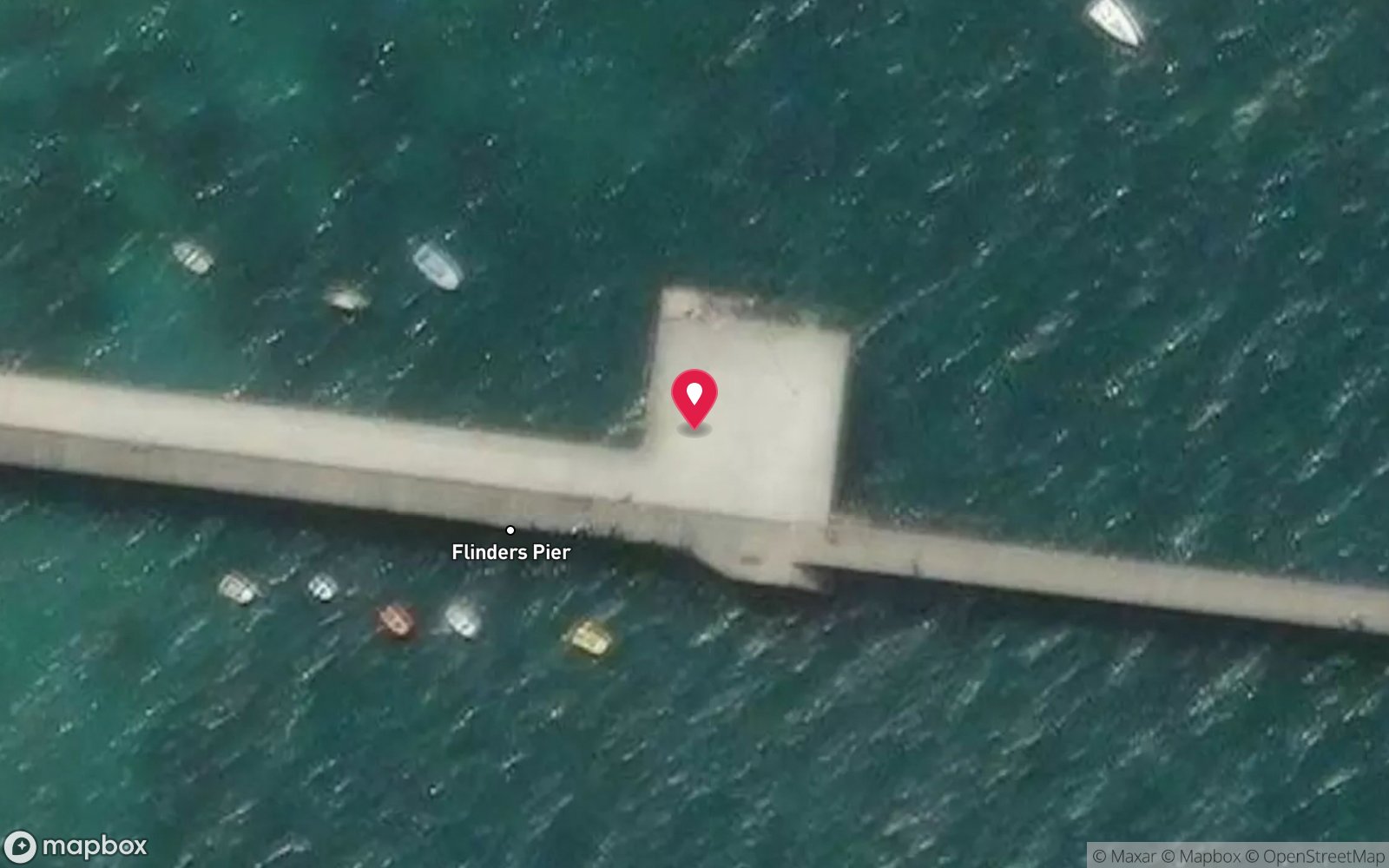
7 pinned sites. Pins marked approximate on their pages show the general area only; not for navigation.
Satellite views
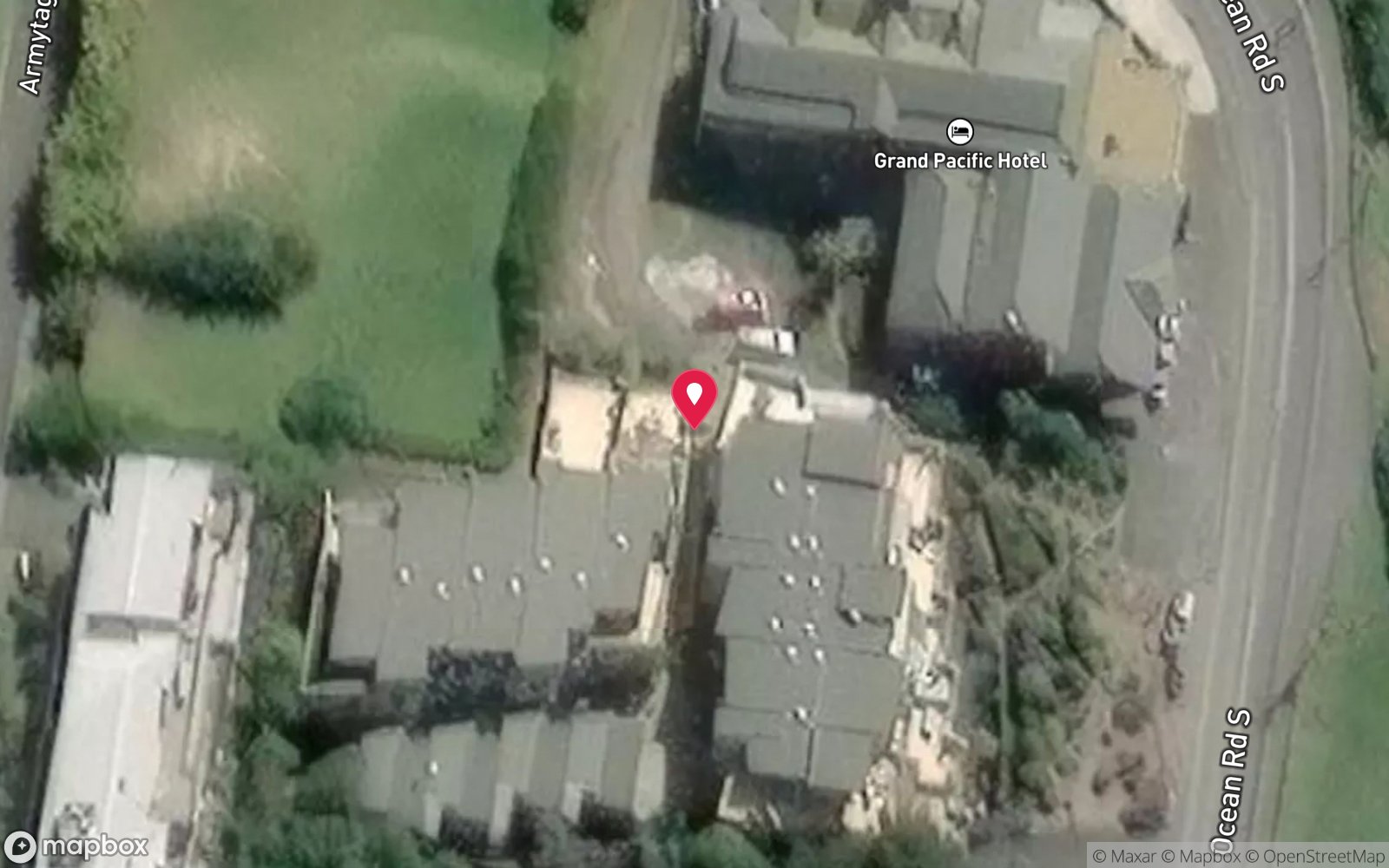
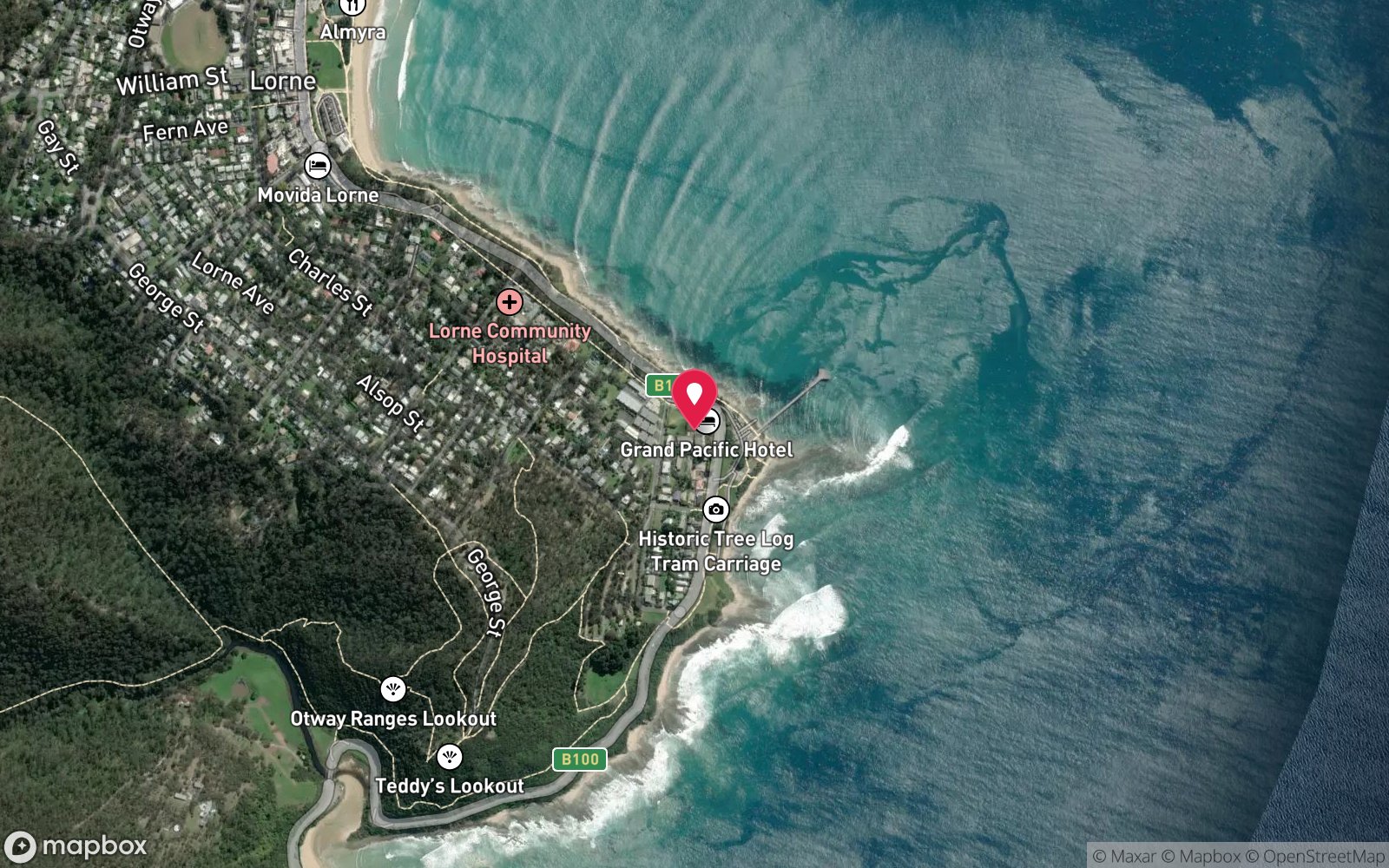
Lorne Pier: frequently asked questions
How deep is Lorne Pier?
Lorne Pier reaches a maximum depth of 6 m, with the shallowest part at about 2 m; most of the dive is spent around 4 m.
What certification do I need to dive Lorne Pier?
Open Water is the recommended minimum. Rated beginner: sheltered, shallow and manageable for a newly certified diver on a normal day, though note surge on the entry or in the shallows and cold water.
Can I shore dive Lorne Pier?
Yes. Lorne Pier is a shore dive that can be done independently: walk down the boat ramp/rock steps beside the pier at Point Grey and wade in; or giant stride from the lower landing and exit via the ramp.
When is the best time to dive Lorne Pier?
Year-round on calm days; autumn typically clearest; sheltered enough for winter northerlies.
What marine life will I see at Lorne Pier?
Regularly recorded: Big-belly seahorses, decorator and spider crabs, swimmer crabs, Shaw's cowfish, thornfish, blennies, nudibranchs, smooth and fiddler rays, herring and sweep, leatherjackets, cuttlefish, occasional weedy seadragon.
What wetsuit do I need at Lorne Pier?
7mm semi-dry with hood and gloves in summer; drysuit strongly preferred May–November.
How cold is the water at Lorne Pier?
Typically 16-19 °C in summer and 11-14 °C in winter.
What are the main hazards at Lorne Pier?
Fishing line and hooks on every pylon (carry a cutter); commercial boats and the crane at the working end; surge and moving sand; occasional easterly swell; summer crowds on the ramp. See the hazards section above for the full list.
Can you night dive Lorne Pier?
Yes, Lorne Pier is commonly dived at night.
Diving in Surf Coast & Great Ocean Road
Torquay, Anglesea, Lorne and Apollo Bay face the Southern Ocean, and diving is limited to flat days at the piers and reefs (Lorne Pier, Apollo Bay harbour, Point Addis). The deep offshore wrecks of the SS Casino and others suit technical divers with a boat.
Getting there: Ninety minutes to three hours from Melbourne along the Great Ocean Road. Pier and harbour shore dives; occasional charters from Apollo Bay.
All Surf Coast & Great Ocean Road dive sites and a suggested itinerary →
Sources
- peterfuller.com.au/blog/category/australiandivesites/victoria/shore-dives/lorne-pier
- scubadoctor.com.au/melbourne-pier-dives.htm
Data confidence: Medium · Being verified: Coordinates approximate; confirm maximum depth at the pier end and current pier length.. Last updated September 2026. Know this site better? How to send a correction
Nearby dive sites
More shore dives in Victoria
Explore more
This region
Marine life