Dive slate · divesites.com.au · printed 8 Nov 2026
Mandorah Jetty
Darwin Harbour, Northern Territory · near Darwin
| Depth | Depth not published |
|---|---|
| Minimum level | Open Water |
| Difficulty | Beginner |
| Access | Shore or Boat |
| Entry | From the shore beside the jetty or a boat moored clear of the ferry berth |
| Current | Variable/Tidal |
| Visibility | 1-5 m |
| Water | summer 29-32 °C, winter 24-26 °C |
| Suit | 3 mm wetsuit or skin in the dry season; full-length Lycra stinger suit (with hood and gloves) October-May |
| Best season | May-October (dry season), on neap tides only |
| Bottom time | 50 min |
| Position | -12.44350, 130.76050 (approximate) |
| Permit | No permit required |
| Nearest chamber | Royal Darwin Hospital hyperbaric medicine unit (Tiwi, Darwin) |
| Emergency | 000 · DAN Asia-Pacific diving emergency 1800 088 200 |
Mandorah Jetty
Also known as Mandorah Point Jetty, Mandorah ferry wharf
Encrusted ferry-jetty pylons and bottom rubbish with barramundi, groper and batfish - Darwin's best jetty dive.
Near Darwin · Darwin Harbour, Northern Territory
- Depth
- Depth not published
- Minimum level
- Open Water
- Access
- Shore or Boat
- Boat ride
- —
- Water
- 29-32 °C
- Visibility
- 1-5 m
Mandorah JettyDepth not published · Open Water · Shore
Dive factsDepths, conditions, location & safety
Season
Off-peak nowBest months: May, June, July, August, September, October.
May-October (dry season), on neap tides only
- Best months
- Now (November)
- Stinger suit Nov–May
Dive facts
- Depth
- Depth not published
- Certification
- Open Water
- Difficulty
- Beginner
- Access
- Shore or Boat
- Dive centre needed
- Recommended
- Shore / independent
- Possible (experienced only)
- Current
- Variable/Tidal
- Visibility
- 1-5 m
- Water temp (summer)
- 29-32 °C
- Water temp (winter)
- 24-26 °C
- Water
- Tropical
- Bottom time
- 50 min
- Dive traffic
- Rarely dived (private boat/club only)
- Night dive
- Possible
- Snorkel friendly
- No
Exposure suit
3 mm wetsuit or skin in the dry season; full-length Lycra stinger suit (with hood and gloves) October-May
Location
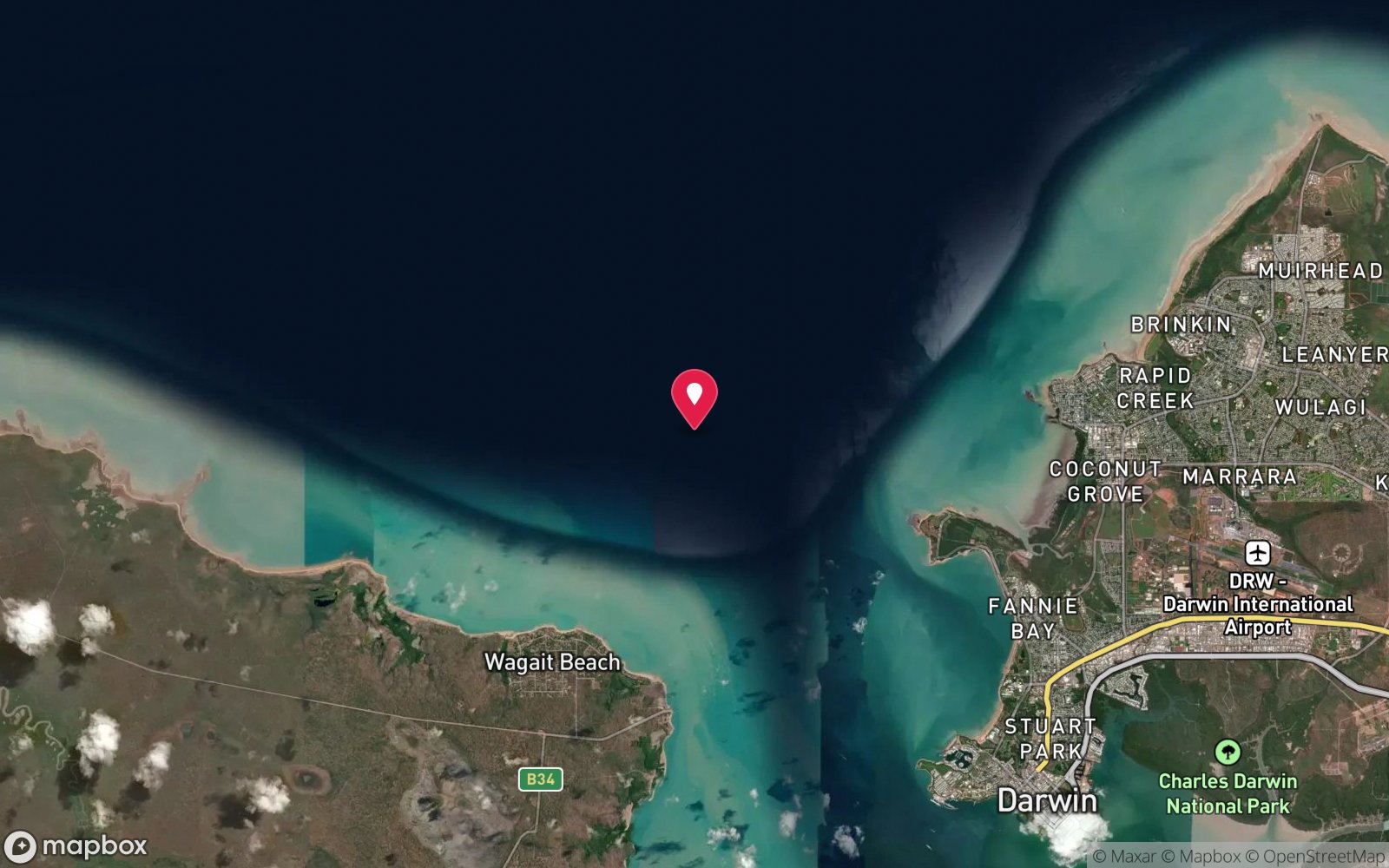
Western harbour - Mandorah
-12.44350, 130.76050
Approximate position — not for navigation.
Open in Google MapsDive site map (external) →Primary source: marinelife.org.auMarine park & permits
No permit required
Nearest recompression chamber
Royal Darwin Hospital hyperbaric medicine unit (Tiwi, Darwin)
Diving emergency: call 000, then DAN AP 1800 088 200.
Trip planner
Build a trip around Mandorah Jetty →
A day-by-day plan for Darwin Harbour with this site locked in.
This guide is a planning aid. Conditions change daily — confirm with a local dive centre and dive within your training. Data & safety notes.
Dive profile
How this site rates
Scores are computed from the recorded data, not opinions. How?
At a glance
Mandorah Jetty is a jetty / pier shore dive for experienced divers in Darwin Harbour, NT, suited to Open Water divers, variable/tidal current.
Rated beginner: sheltered, shallow and manageable for a newly certified diver on a normal day, though note tidal current that must be timed and boat traffic overhead.
Why dive here
- Encrusted ferry-jetty pylons and bottom rubbish with barramundi, groper and batfish - Darwin's best jetty dive.
- Rarely dived: expect to have the site to yourself, and plan your own logistics.
Conditions to avoid
- Strong southerly or south-east swell and wind
- Outgoing tide or run-off after rain (poor visibility)
- Spring tides (strong current)
- Any time other than slack water
- Cyclone season (roughly December–April)
About Mandorah Jetty
Mandorah Jetty is the ferry wharf at Mandorah on the Cox Peninsula, on the far side of the harbour from Darwin. marinelife.org.au describes it as a relatively easy dive. Its pylons are covered in sponges, soft corals, ascidians, tube worms and anemones, and larger fish - barramundi, trevally, batfish and groper - lurk among a tangle of long-forgotten rubbish on the bottom beneath the jetty. Darwin's natural reefs are not the clear-water coral gardens of the Great Barrier Reef. The harbour is a macro-tidal, turbid system, and its reefs are low rock platforms and bommies covered in sponges, soft corals, gorgonians, sea whips and hardy hard corals that tolerate silt and big tidal flows. What they lack in visibility they make up for in density of life and the chance of turtles, rays and big fish.
Jetty dives in the Top End are uncommon, and Mandorah is the best documented. The mix of encrusted pylons and junk makes for a good muck-style dive, and the chance of seeing a barramundi in the sea is a local speciality. Depths vary with the tide (the sources give no fixed figure), and the jetty is only practical at high water on a neap, when there is enough depth and the current is slack. Because it is a working ferry berth, diving needs planning to stay clear of ferry movements. The Cyclone Tracy trawler NR Diemen lies about 1.2 km away and the Mandorah Queen is nearby, so a boat trip to the Mandorah side can combine a wreck with the jetty. Mandorah beach is an easy place to wait out a surface interval between dives.
Getting there & entry
The ferry jetty at Mandorah on the Cox Peninsula, on the western side of Darwin Harbour opposite the city.
Mandorah is a 15-20 minute ferry ride from Cullen Bay (SeaLink passenger ferry) or about 130 km by road around the harbour via the Cox Peninsula Road. With gear, a private boat from Cullen Bay is most practical. The jetty is an active ferry berth: do not dive in the ferry's approach or while it is berthing, and confirm arrangements with the ferry operator and local authorities.
Enter from the beach beside the jetty or from a boat; keep well away from the berthing face.
Entry: From the shore beside the jetty or a boat moored clear of the ferry berth
Facilities: Mandorah: jetty, beach, limited parking; ferry to Cullen Bay. No air fills - bring filled cylinders.
Weather, swell & tides
Tide is everything in Darwin Harbour: the spring range is 7-8 m and tidal streams run hard through the harbour, so diving is generally only possible on neap tides (range under about 3-4 m), timed to the slack at high water when clearer ocean water sits over the site. Spring tides bring strong currents and silt-laden water with near-zero visibility. The dry season (May-October) gives the most consistent conditions; the south-east trade winds can chop up exposed water in the afternoon, so mornings are best.
In the wet season (November-April) run-off from the rivers and creeks drops visibility, afternoon storms build quickly, and the harbour is in cyclone season; box jellyfish are present October-May.
Best season: May-October (dry season), on neap tides only
If it's blown out
Sheltered or shore sites within 25 km that often work when Mandorah Jetty doesn't.
- NR Diemen · 0 km · Max 12 m
- East Point Reef · 7 km · Max 8 m
- Stokes Hill Wharf Artificial Reef · 10 km · Max 10 m
- MV Neptuna remnants · 10 km · Max 10 m
How the dive is usually run
Dive at high-water slack on a neap. Work along the pylons looking at the encrusting life, then check the rubbish and debris on the bottom under the jetty for bigger fish. Stay under the jetty away from the berthing face and surface at the shore end.
Marine life
- Barramundi
- trevally
- batfish
- groper (estuary cod)
- sponges
- soft corals
- ascidians
- tube worms
- anemones
Linked species have their own page listing every site where they are recorded. All marine life →
Training required
Courses that help here
- Peak Performance Buoyancy – Silt and low visibility punish poor trim.
Depth tiers: 0–10 m easy · to 18 m Open Water · 18–30 m Advanced (25 m+ is a deep dive) · 30–40 m Deep specialty · 40 m+ technical. All courses
Hazards & warnings
Darwin's tidal range reaches 7-8 m on springs: dive only on neap tides at slack water or currents become unswimmable and visibility collapses. Saltwater crocodiles live throughout the harbour - keep surface intervals short, no dangling legs, keep a lookout at entry and exit. Box jellyfish (Chironex) and Irukandji October-May - full-length stinger suit, hood and gloves, vinegar on board.
Silt is fine and easily stirred. Active ferry berth - no diving during ferry movements, stay away from the berthing face and propellers. Fishing line and hooks around the jetty.
Crocodiles are regularly seen on the Cox Peninsula coast.
Dive centres that go here
No regular operator; occasional local and club dives on high neap tides.
Operators recorded for Mandorah Jetty
Dive Darwin
ProfiledDarwin · Darwin Harbour · NT
The main verified dive operation in the Northern Territory, offering recreational training through professional level alongside technical diving and a large specialty range.
divedarwin.com.au · +61 401 751 651
Darwin Sub Aqua Club
Named by sitesDarwin · Darwin Harbour · NT
Club, not a shop: official site updated August 2026 with the 2026 AGM notice; meets Thursdays at Darwin Ski Club, Fannie Bay.
dsac.com.au
Map
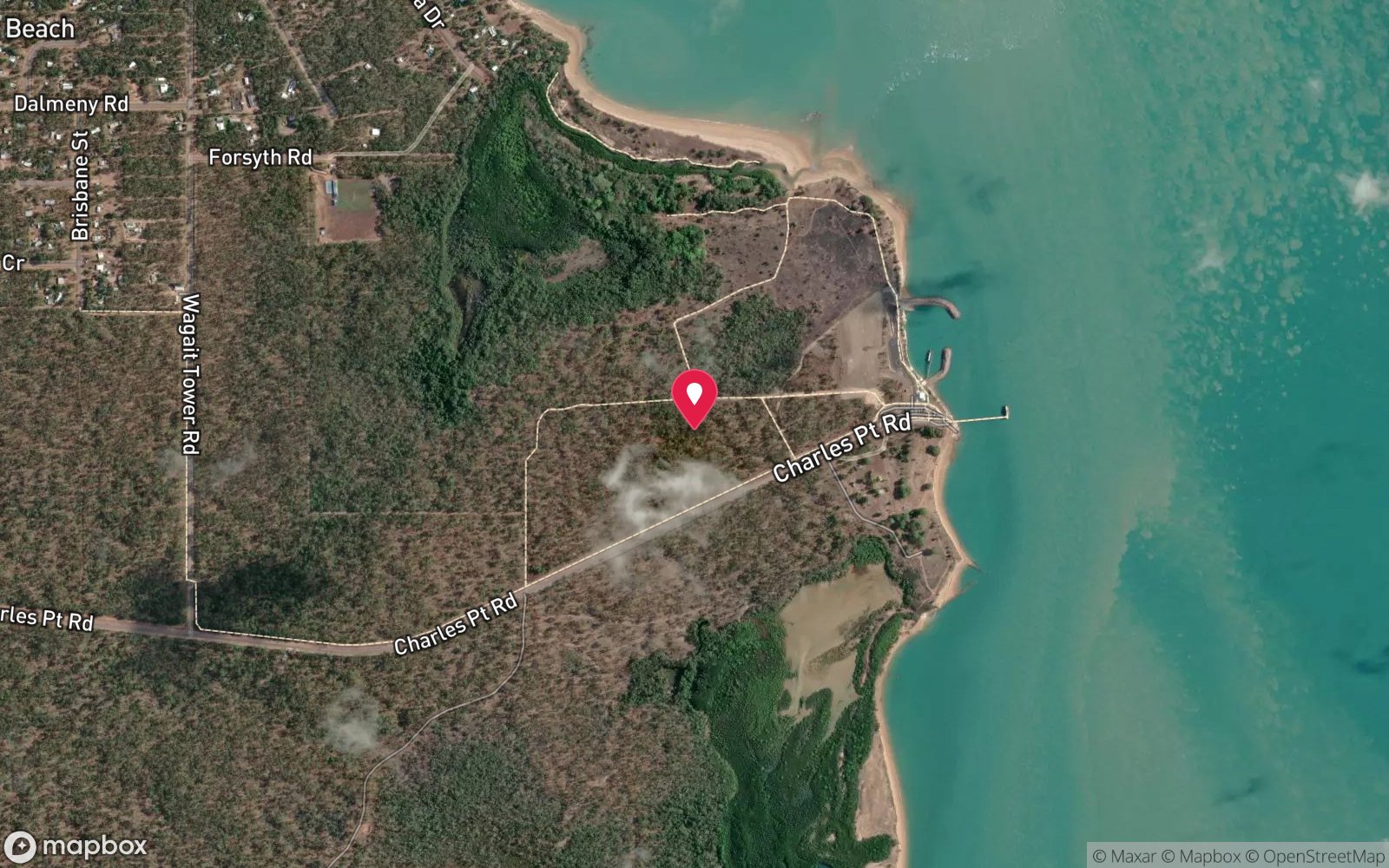
7 pinned sites. Pins marked approximate on their pages show the general area only; not for navigation.
Satellite views
Mandorah Jetty: frequently asked questions
What certification do I need to dive Mandorah Jetty?
Open Water is the recommended minimum. Rated beginner: sheltered, shallow and manageable for a newly certified diver on a normal day, though note tidal current that must be timed and boat traffic overhead.
Can I shore dive Mandorah Jetty?
Experienced divers do dive Mandorah Jetty from the shore, but the entry or conditions make it unsuitable for newer divers without local guidance. Entry: From the shore beside the jetty or a boat moored clear of the ferry berth.
When is the best time to dive Mandorah Jetty?
May-October (dry season), on neap tides only.
What marine life will I see at Mandorah Jetty?
Regularly recorded: Barramundi, trevally, batfish, groper (estuary cod), sponges, soft corals, ascidians, tube worms, anemones.
What wetsuit do I need at Mandorah Jetty?
3 mm wetsuit or skin in the dry season; full-length Lycra stinger suit (with hood and gloves) October-May.
How cold is the water at Mandorah Jetty?
Typically 29-32 °C in summer and 24-26 °C in winter.
What are the main hazards at Mandorah Jetty?
Darwin's tidal range reaches 7-8 m on springs: dive only on neap tides at slack water or currents become unswimmable and visibility collapses. See the hazards section above for the full list.
Where is the nearest recompression chamber to Mandorah Jetty?
Royal Darwin Hospital hyperbaric medicine unit (Tiwi, Darwin). In an emergency call 000, then DAN Asia-Pacific on 1800 088 200.
Diving in Darwin Harbour
Darwin Harbour is Australia's most historic wreck-diving location. The Japanese air raid of 19 February 1942 sank the USAT Meigs, SS Mauna Loa, British Motorist, Zealandia, Kelat and others, and they remain as protected war graves in 15–25 m, along with the Song Saigon refugee boat and a scatter of barges and aircraft. Visibility is low (3–8 m) and the tidal range reaches 8 m, so every dive is planned around slack water on the neap tides.
Getting there: Charters from Darwin, generally advertised weeks ahead for the neap-tide windows. No shore diving.
Sources
Data confidence: Low · Being verified: Depths not published. Current rules for diving at the ferry berth need confirming.. Last updated September 2026. Know this site better? How to send a correction
Nearby dive sites
More jetty/pier dives in Northern Territory
Explore more