Dive slate · divesites.com.au · printed 9 Nov 2026
Noosa National Park Headland (Tea Tree Bay – Granite Bay)
Sunshine Coast, Queensland · near Noosa Heads
| Depth | 1–6 m |
|---|---|
| Minimum level | Snorkel/Any |
| Difficulty | Beginner |
| Access | Shore |
| Entry | Walk the coastal track and enter from a sandy bay (e.g. Tea Tree Bay) on a calm day |
| Current | Mild |
| Visibility | 3-10 m |
| Water | summer 25-27 °C, winter 19-21 °C |
| Suit | 3 mm full suit in summer; 5-7 mm full suit and hood June-September |
| Best season | Winter mornings with south-easterly or westerly winds and small swell |
| Bottom time | 60 min |
| Position | not published |
| Permit | None required (national park foreshore); no collecting. |
| Nearest chamber | Royal Brisbane & Women's Hospital hyperbaric unit (Herston, Brisbane) — nearest chamber; Wesley Hospital hyperbaric unit (Auchenflower, Brisbane) is the alternative. Divers Emergency Service 1800 088 200. |
| Emergency | 000 · DAN Asia-Pacific diving emergency 1800 088 200 |
Noosa National Park Headland (Tea Tree Bay – Granite Bay)
Also known as Noosa Heads rocky headland snorkel, Noosa National Park snorkel
Snorkel the rocky bays of Noosa National Park on a calm day after a walk along the Coastal Track.
Near Noosa Heads · Sunshine Coast, Queensland
- Depth
- 1–6 m
- Minimum level
- Snorkel/Any
- Access
- Shore
- Boat ride
- —
- Water
- 25-27 °C
- Visibility
- 3-10 m
Noosa National Park Headland (Tea Tree Bay – Granite Bay)1–6 m · Snorkel/Any · Shore
Dive factsDepths, conditions, location & safety
Season
Off-peak nowBest months: June, July, August.
Winter mornings with south-easterly or westerly winds and small swell
- Best months
- Now (November)
- Stinger suit Nov–May
Dive facts
- Depth
- 1–6 m
- Typical depth
- 3 m
- Certification
- Snorkel/Any
- Difficulty
- Beginner
- Depth tier
- Easy (0–10 m)
- Access
- Shore
- Dive centre needed
- No – independently diveable
- Shore / independent
- Possible (experienced only)
- Current
- Mild
- Visibility
- 3-10 m
- Water temp (summer)
- 25-27 °C
- Water temp (winter)
- 19-21 °C
- Water
- Subtropical
- Bottom time
- 60 min
- Dive traffic
- Moderate (occasional charters/club dives)
- Night dive
- No
- Snorkel friendly
- Yes
Exposure suit
3 mm full suit in summer; 5-7 mm full suit and hood June-September
Location
Noosa National Park coast · Sunshine Coast – Noosa
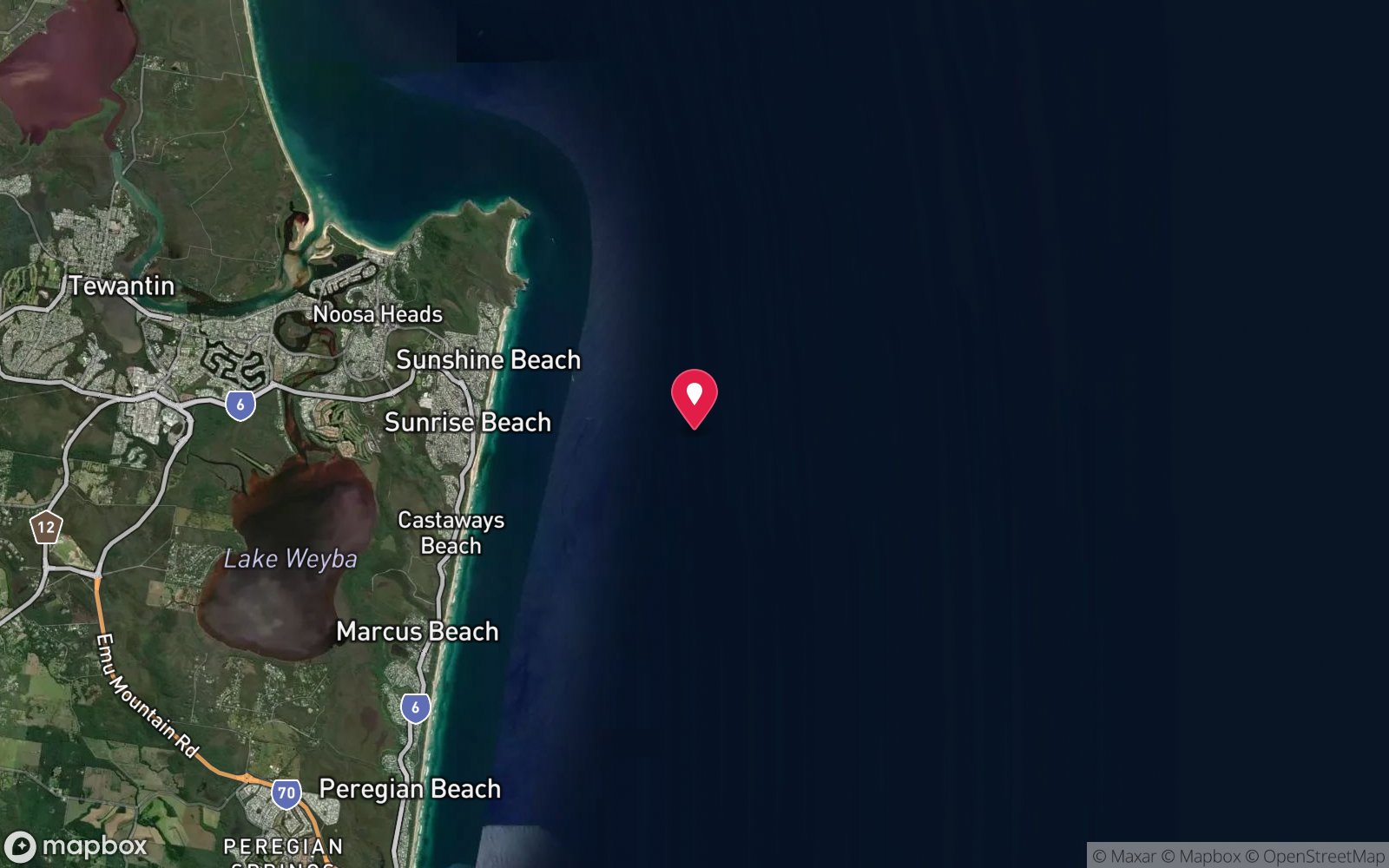
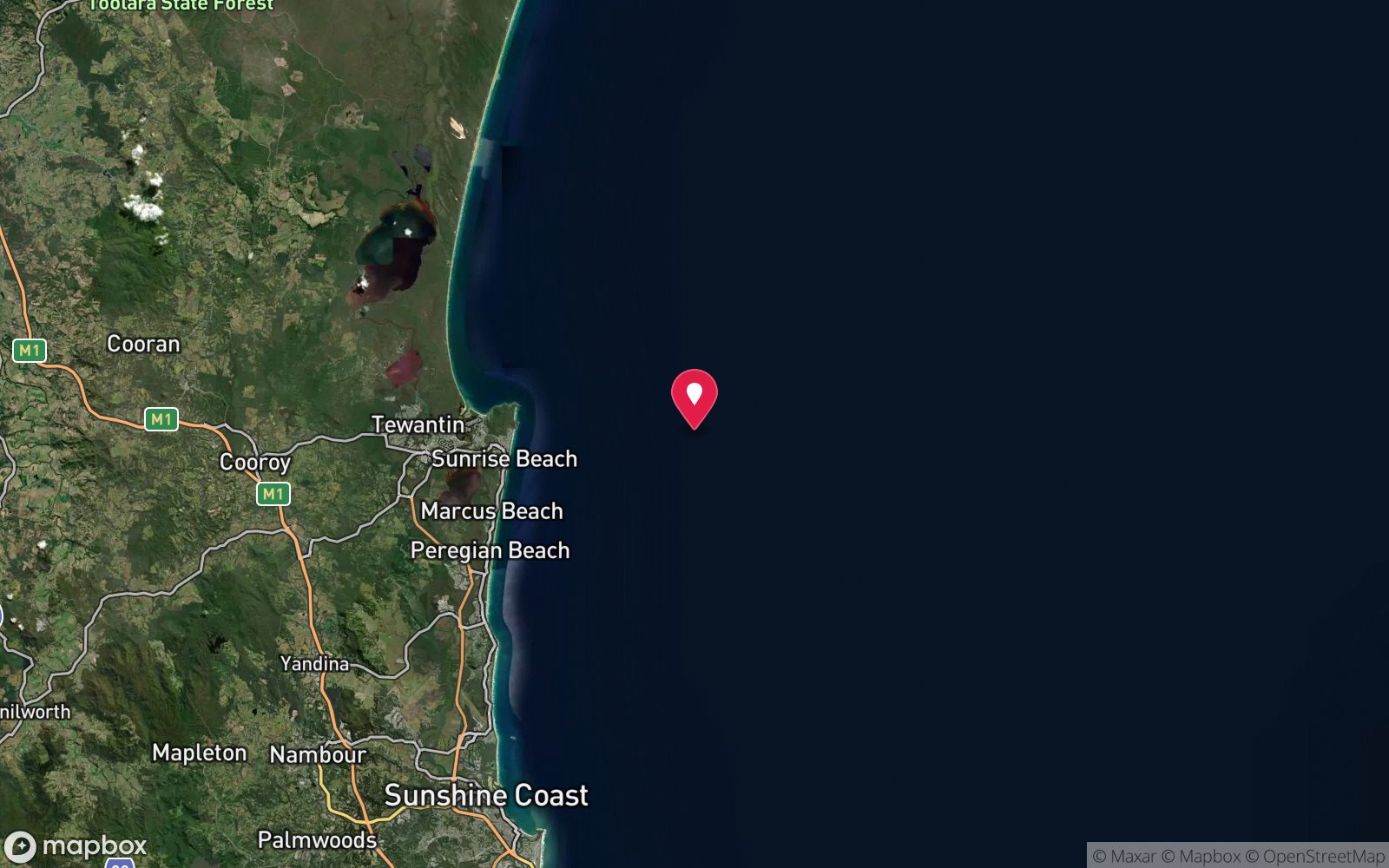
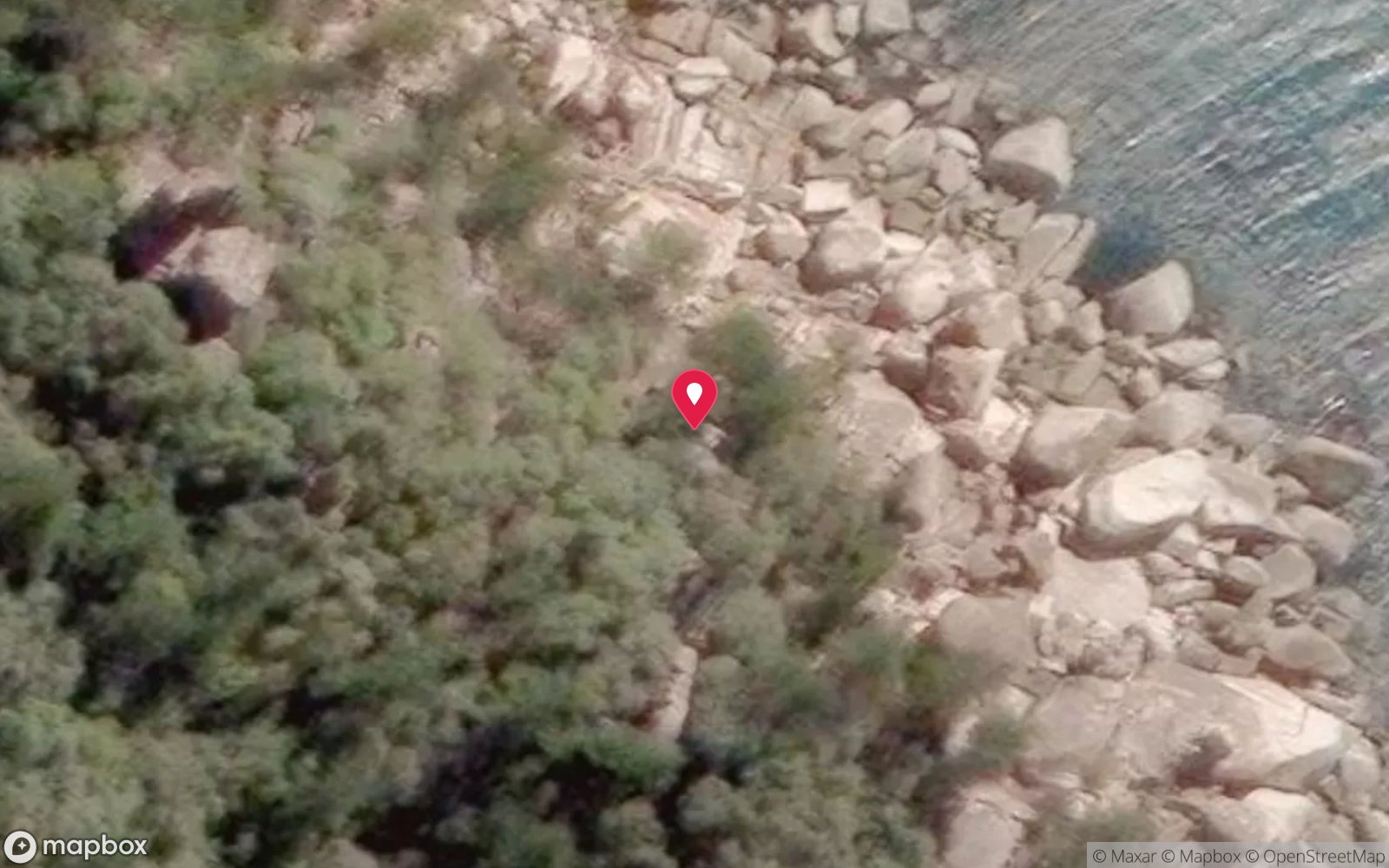
No published coordinates. The map above shows the general area, estimated from other documented sites near Noosa Heads.
Primary source: scubaworld.com.auMarine park & permits
None required (national park foreshore); no collecting.
Nearest recompression chamber
Royal Brisbane & Women's Hospital hyperbaric unit (Herston, Brisbane) — nearest chamber; Wesley Hospital hyperbaric unit (Auchenflower, Brisbane) is the alternative. Divers Emergency Service 1800 088 200.
Diving emergency: call 000, then DAN AP 1800 088 200.
Trip planner
Build a trip around Noosa National Park Headland (Tea Tree Bay – Granite Bay) →
A day-by-day plan for Sunshine Coast with this site locked in.
This guide is a planning aid. Conditions change daily — confirm with a local dive centre and dive within your training. Data & safety notes.
Dive profile
How this site rates
Scores are computed from the recorded data, not opinions. How?
At a glance
Noosa National Park Headland (Tea Tree Bay – Granite Bay) is a shore / rock platform shore dive for experienced divers in Sunshine Coast, QLD, 1–6 m, suitable for snorkellers and first-time divers.
Rated beginner: sheltered, shallow and manageable for a newly certified diver on a normal day, though note surge on the entry or in the shallows.
Why dive here
- Snorkel the rocky bays of Noosa National Park on a calm day after a walk along the Coastal Track.
- Snorkel-friendly, so non-diving companions can join at the surface.
Conditions to avoid
- Strong southerly or south-east swell and wind
- Afternoon north-easterlies
- Outgoing tide or run-off after rain (poor visibility)
About Noosa National Park Headland (Tea Tree Bay – Granite Bay)
Scuba World lists Noosa National Park among the Sunshine Coast's four rocky-headland snorkelling spots, alongside Point Cartwright, Point Arkwright and Kings Beach, while warning that sandy beaches dominate the coast and that headland sites are dangerous in swell or wind. The park's north-facing coastline, running east from Noosa Main Beach past Little Cove, Tea Tree Bay and Granite Bay, is the most accessible stretch: a series of small sandy bays between rocky points, reached on foot along the Coastal Track.
The attraction is the rocky shoreline itself. Boulders and rock platforms extend into the water, supporting algae, small soft corals and sponges, with subtropical reef fish, crabs and occasionally turtles. Laguna Bay's shelter from the south-east means the water is often calm here when other headlands are rough. There is no published dive guide for specific entry points, and the gear carry along the track makes full scuba impractical, so this is best treated as a snorkelling site or a very light shore dive.
This coast is also one of Australia's best-known point breaks, so surfers use the same water. On any day with swell the rocks are hazardous; on flat days, a snorkel here combines well with a walk through the national park, where koalas are often seen in the trees above Tea Tree Bay.
Wear booties for the rocks, carry fins on the walk, and always check the surf from the track before committing to an entry.
Getting there & entry
Rocky shoreline and small bays of Noosa National Park's north-facing coast between Noosa Main Beach and Granite Bay, listed by Scuba World as one of the Sunshine Coast's shore snorkelling headlands.
Park at the Noosa National Park headland car park at the end of Park Road, Noosa Heads (limited spaces – arrive early or walk from Hastings Street along the boardwalk, about 1 km). Follow the Coastal Track east; Tea Tree Bay is about 1 km from the car park and Granite Bay about 2.5 km, on a well-formed track with some steps. Gear must be carried the whole way, so this is realistically a snorkel or light shore-dive site.
Enter from the sand in the small bays.
Entry: Walk the coastal track and enter from a sandy bay (e.g. Tea Tree Bay) on a calm day
Facilities: National park car park (limited), toilets and picnic area at the park entrance; cafes on Hastings Street; no air fills on site
Weather, swell & tides
The national park's northern coast faces into Laguna Bay and is sheltered from the south-east trade winds, but it is a famous surf break: any north-easterly or easterly swell wrapping around the headland brings waves onto the rocks and makes entry and exit dangerous. Scuba World warns that the rocky headland sites are dangerous in swell or wind. Choose a flat day with small swell, ideally winter.
Visibility drops after rain and on the ebb tide when the Noosa River plume spreads along the shore.
Best season: Winter mornings with south-easterly or westerly winds and small swell
How the dive is usually run
Enter from the sand in a small bay, snorkel or fin along the rocky edge at 2-5 m, and return the same way well before tiring. Keep clear of surfers and the surf zone.
Marine life
- Subtropical reef fish
- crabs
- algae
- small soft corals
- sponges
- occasional turtles →
Linked species have their own page listing every site where they are recorded. All marine life →
Training required
Shallow enough for snorkellers and for a first dive under supervision. Any certified diver can dive it.
Depth tiers: 0–10 m easy · to 18 m Open Water · 18–30 m Advanced (25 m+ is a deep dive) · 30–40 m Deep specialty · 40 m+ technical. All courses
Hazards & warnings
Surf and surge on the rocks in any swell; surfers; long gear carry; unpatrolled bays; slippery rocks; limited parking.
Dive centres that go here
No operator – independent snorkel/shore dive. Hire gear in Noosa or from SubSurface Scuba.
Operators recorded for Noosa National Park Headland (Tea Tree Bay – Granite Bay)
Other dive centres in Sunshine Coast
Scuba World Mooloolaba
ListedMooloolaba · Sunshine Coast · QLD
A Sunshine Coast business combining training, retail and local boat diving including the ex-HMAS Brisbane.
scubaworld.com.au · (07) 5444 8595
Sunreef Mooloolaba
ListedMooloolaba · Sunshine Coast · QLD
A Mooloolaba operation closely associated with the ex-HMAS Brisbane wreck alongside local reef diving and training.
sunreef.com.au · (07) 5444 5656
Manta Lodge & Scuba Centre
ListedPoint Lookout · North Stradbroke Island · QLD
A North Stradbroke Island operation combining accommodation and diving, which makes it structurally different from a suburban Brisbane training centre.
mantalodge.com.au · (07) 3409 8888
General area
No position has been published for Noosa National Park Headland (Tea Tree Bay – Granite Bay). The circle shows where it is likely to be, worked out from other documented sites near Noosa Heads. Ask a local operator for the exact site.
Dashed circle: general area (about 6 km), from other documented sites near Noosa Heads. 6 pinned sites. Pins marked approximate on their pages show the general area only; not for navigation.
Noosa National Park Headland (Tea Tree Bay – Granite Bay): frequently asked questions
How deep is Noosa National Park Headland (Tea Tree Bay – Granite Bay)?
Noosa National Park Headland (Tea Tree Bay – Granite Bay) reaches a maximum depth of 6 m, with the shallowest part at about 1 m; most of the dive is spent around 3 m.
What certification do I need to dive Noosa National Park Headland (Tea Tree Bay – Granite Bay)?
No certification is needed to snorkel it, and it suits introductory dives. Rated beginner: sheltered, shallow and manageable for a newly certified diver on a normal day, though note surge on the entry or in the shallows.
Can I shore dive Noosa National Park Headland (Tea Tree Bay – Granite Bay)?
Experienced divers do dive Noosa National Park Headland (Tea Tree Bay – Granite Bay) from the shore, but the entry or conditions make it unsuitable for newer divers without local guidance. Entry: Walk the coastal track and enter from a sandy bay (e.g. Tea Tree Bay) on a calm day.
When is the best time to dive Noosa National Park Headland (Tea Tree Bay – Granite Bay)?
Winter mornings with south-easterly or westerly winds and small swell.
What marine life will I see at Noosa National Park Headland (Tea Tree Bay – Granite Bay)?
Regularly recorded: Subtropical reef fish, crabs, algae, small soft corals, sponges, occasional turtles.
What wetsuit do I need at Noosa National Park Headland (Tea Tree Bay – Granite Bay)?
3 mm full suit in summer; 5-7 mm full suit and hood June-September.
How cold is the water at Noosa National Park Headland (Tea Tree Bay – Granite Bay)?
Typically 25-27 °C in summer and 19-21 °C in winter.
What are the main hazards at Noosa National Park Headland (Tea Tree Bay – Granite Bay)?
Surf and surge on the rocks in any swell; surfers; long gear carry; unpatrolled bays; slippery rocks; limited parking. See the hazards section above for the full list.
Where is the nearest recompression chamber to Noosa National Park Headland (Tea Tree Bay – Granite Bay)?
Royal Brisbane & Women's Hospital hyperbaric unit (Herston, Brisbane) — nearest chamber; Wesley Hospital hyperbaric unit (Auchenflower, Brisbane) is the alternative. Divers Emergency Service 1800 088 200. In an emergency call 000, then DAN Asia-Pacific on 1800 088 200.
Diving in Sunshine Coast
The Sunshine Coast has one of the best wreck dives in Australia, the ex-HMAS Brisbane, scuttled off Mooloolaba in 2005 with access cut into every deck, plus the Gneerings and Murphys reefs with grey nurse sharks in winter and, further north, Wolf Rock's resident pregnant grey nurse sharks and Flinders Reef's coral gardens off Noosa's doorstep.
Getting there: Ninety minutes north of Brisbane. Charters from Mooloolaba run the Brisbane and the local reefs; Wolf Rock is reached from Rainbow Beach.
Sources
Data confidence: Low · Being verified: Specific entry points and depths not documented.. Last updated September 2026. Know this site better? How to send a correction
Nearby dive sites
More shore/rock platform dives in Queensland
Explore more
This region
Similar dives
Marine life