Dive slate · divesites.com.au · printed 9 Nov 2026
Otter Reef
Mission Beach & Cassowary Coast, Queensland · near Cardwell
| Depth | 3–22 m |
|---|---|
| Minimum level | Advanced Open Water |
| Difficulty | Beginner |
| Access | Boat (day trip) |
| Entry | Giant stride or back-roll from the dive deck; descend the mooring line or reef slope |
| Current | Mild |
| Visibility | 12-25 m |
| Water | summer 27-30 °C, winter 23-25 °C |
| Suit | 3 mm full wetsuit or shorty in summer (27-30 °C); 3-5 mm full wetsuit in winter (23-25 °C); full-length lycra or stinger suit strongly advised November-May and supplied free by most operators |
| Best season | Year-round. June-November gives the most reliable visibility and no box-jellyfish season, though the south-east trades can blow 20-25 knots in winter; September-December usually has the calmest seas; December-April is the warm, wet stinger and cyclone season |
| Bottom time | 45 min |
| Position | -18.15000, 146.60000 (approximate) |
| Permit | Great Barrier Reef Marine Park – no individual permit needed on a commercial trip (operators hold GBRMPA permits and pay the Environmental Management Charge, usually included in the fare); check the GBRMPA Cairns zoning map for the reef's zone before any private visit |
| Nearest chamber | Townsville University Hospital Hyperbaric Medicine Unit (Townsville) – Cairns Hospital has no recompression chamber; divers are evacuated by RFDS/air ambulance |
| Emergency | 000 · DAN Asia-Pacific diving emergency 1800 088 200 |
Otter Reef
Also known as Farquharson Reef
Rarely dived outer reefs off Hinchinbrook for self-sufficient boat divers.
Near Cardwell · Mission Beach & Cassowary Coast, Queensland
- Depth
- 3–22 m
- Minimum level
- Advanced Open Water
- Access
- Boat (day trip)
- Boat ride
- ~110 min
- Water
- 27-30 °C
- Visibility
- 12-25 m
Otter Reef3–22 m · Advanced Open Water
Dive factsDepths, conditions, location & safety
Season
In season nowBest months: January, February, March, April, June, July, August, September, October, November, December.
Year-round. June-November gives the most reliable visibility and no box-jellyfish season, though the south-east trades can blow 20-25 knots in winter; September-December usually has the calmest seas; December-April is the warm, wet stinger and cyclone season
- Best months
- Now (November)
- Stinger suit Nov–May
Dive facts
- Depth
- 3–22 m
- Typical depth
- 12 m
- Certification
- Advanced Open Water
- Difficulty
- Beginner
- Depth tier
- Advanced Open Water (18–30 m)
- Access
- Boat (day trip)
- Offshore
- 50 km
- Dive centre needed
- Recommended
- Shore / independent
- No
- Boat ride
- ~110 min
- Current
- Mild
- Visibility
- 12-25 m
- Water temp (summer)
- 27-30 °C
- Water temp (winter)
- 23-25 °C
- Water
- Tropical
- Bottom time
- 45 min
- Dive traffic
- Remote/expedition only
- Night dive
- No
- Snorkel friendly
- Partial
Exposure suit
3 mm full wetsuit or shorty in summer (27-30 °C); 3-5 mm full wetsuit in winter (23-25 °C); full-length lycra or stinger suit strongly advised November-May and supplied free by most operators
Location
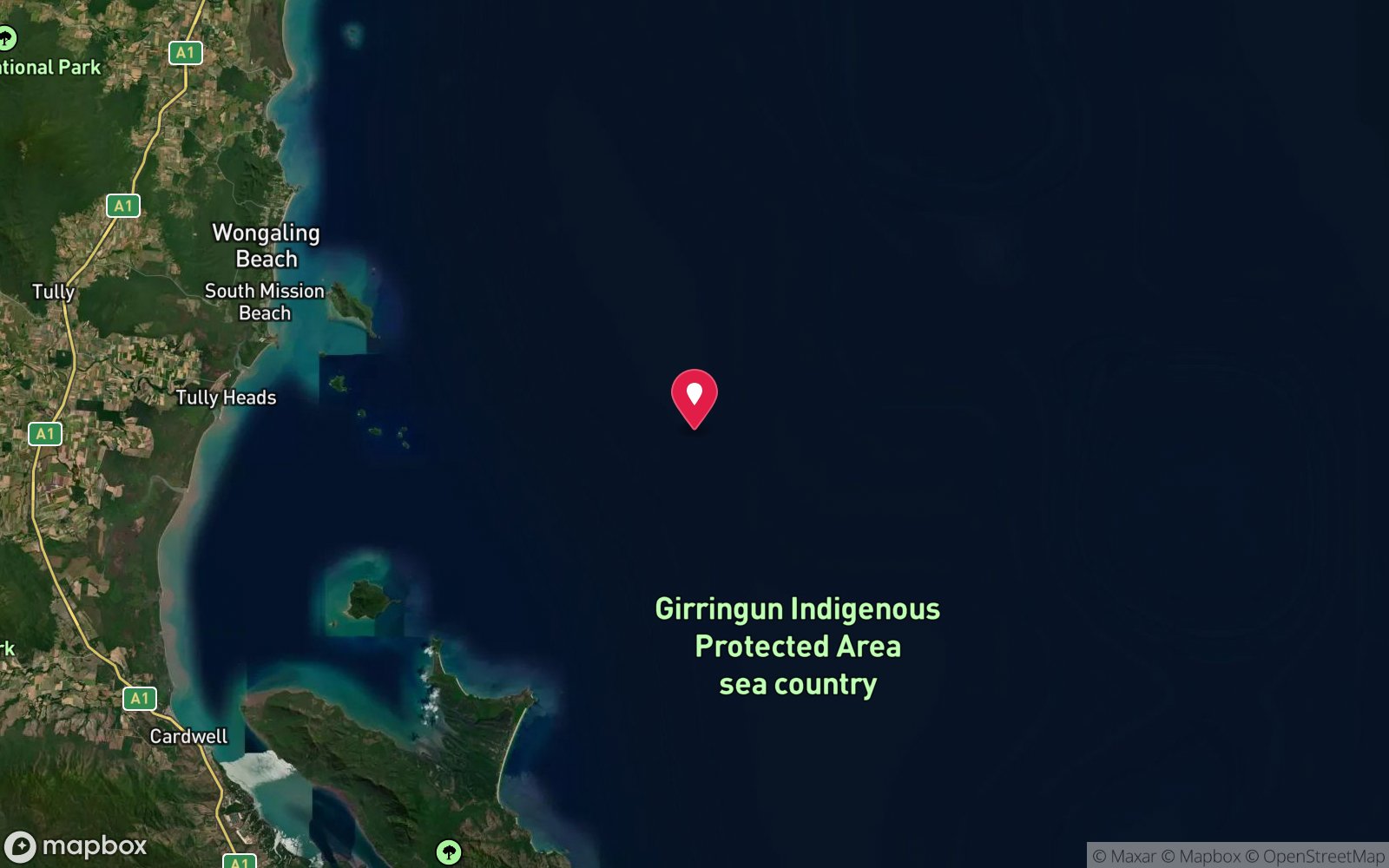
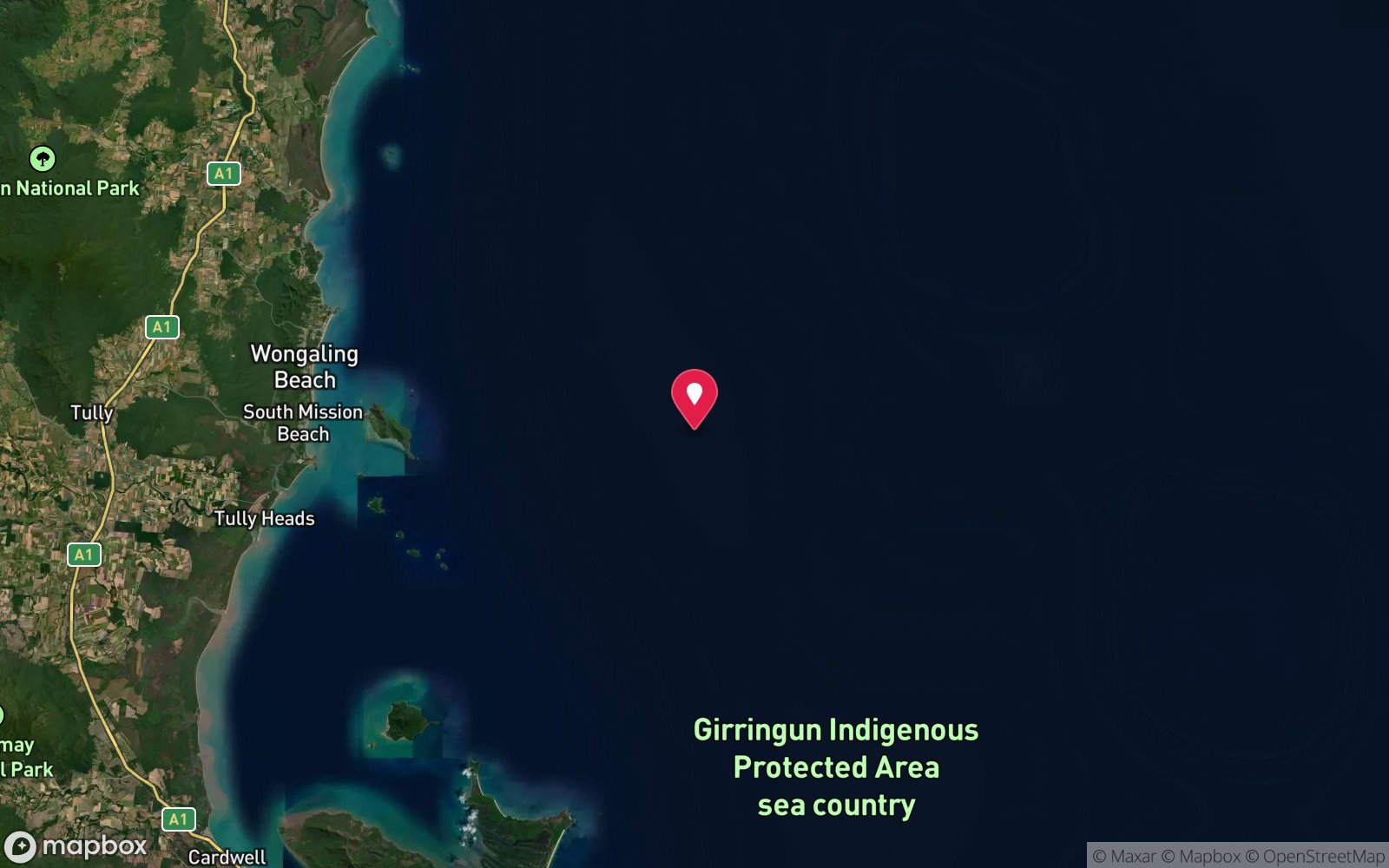
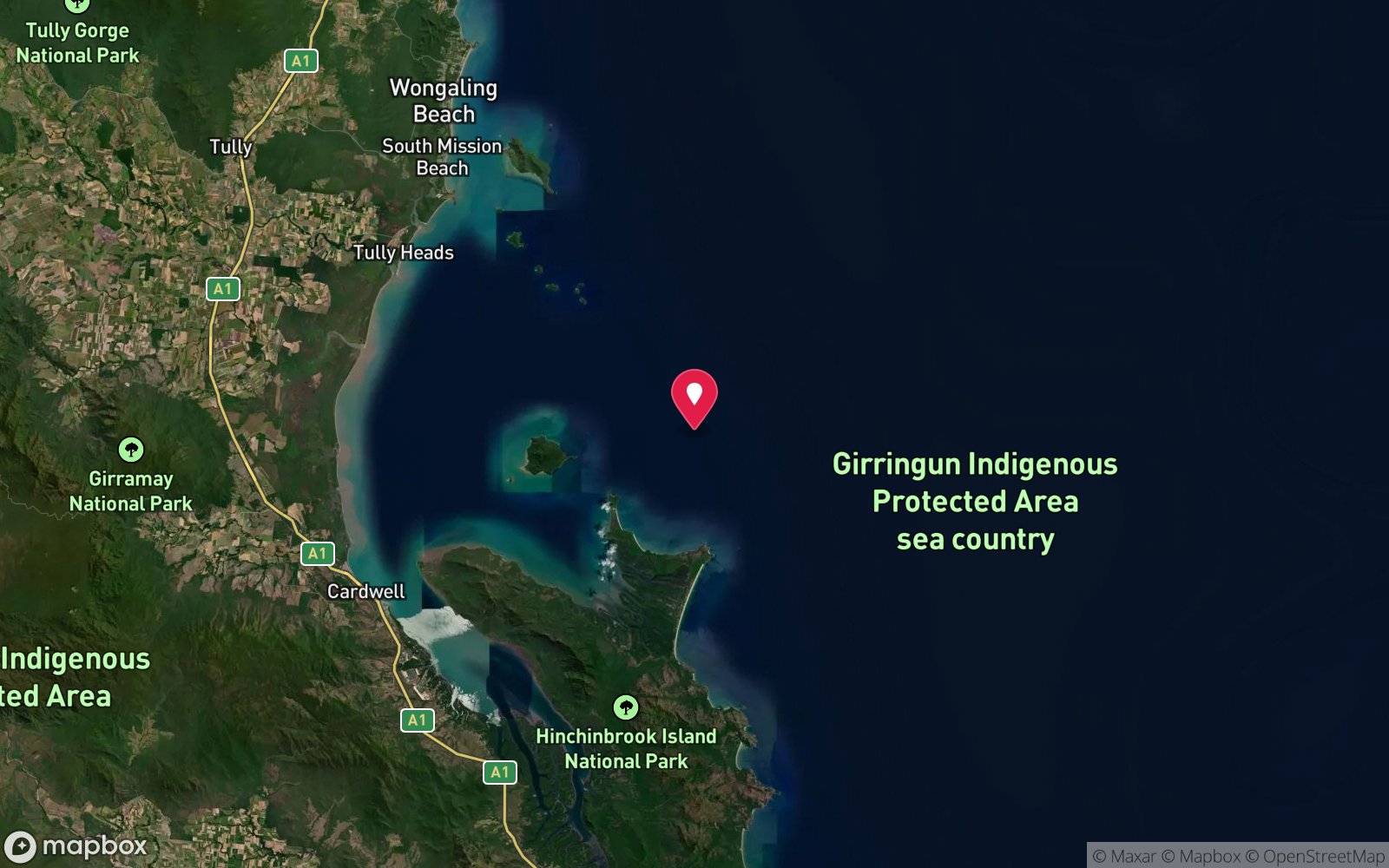
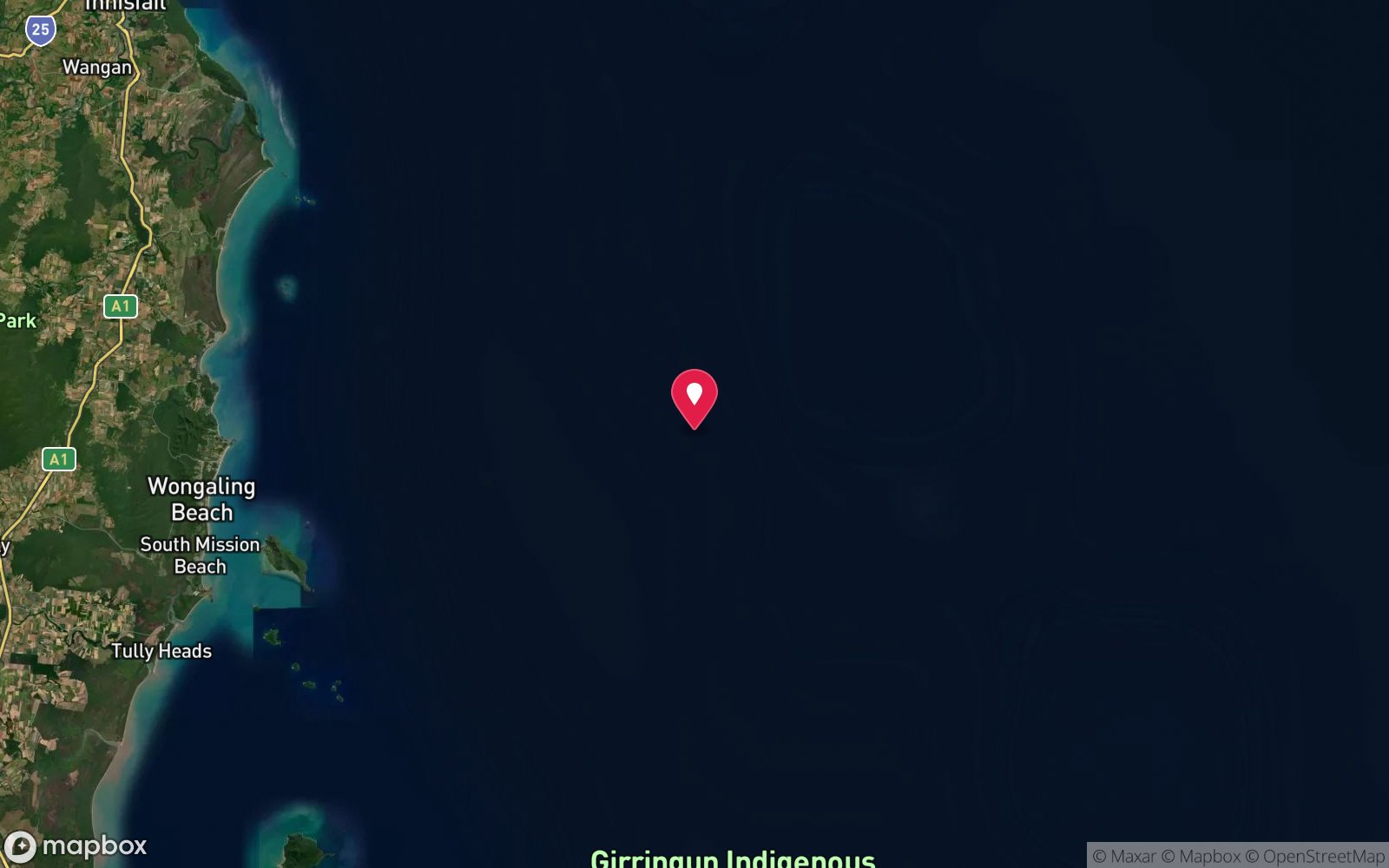
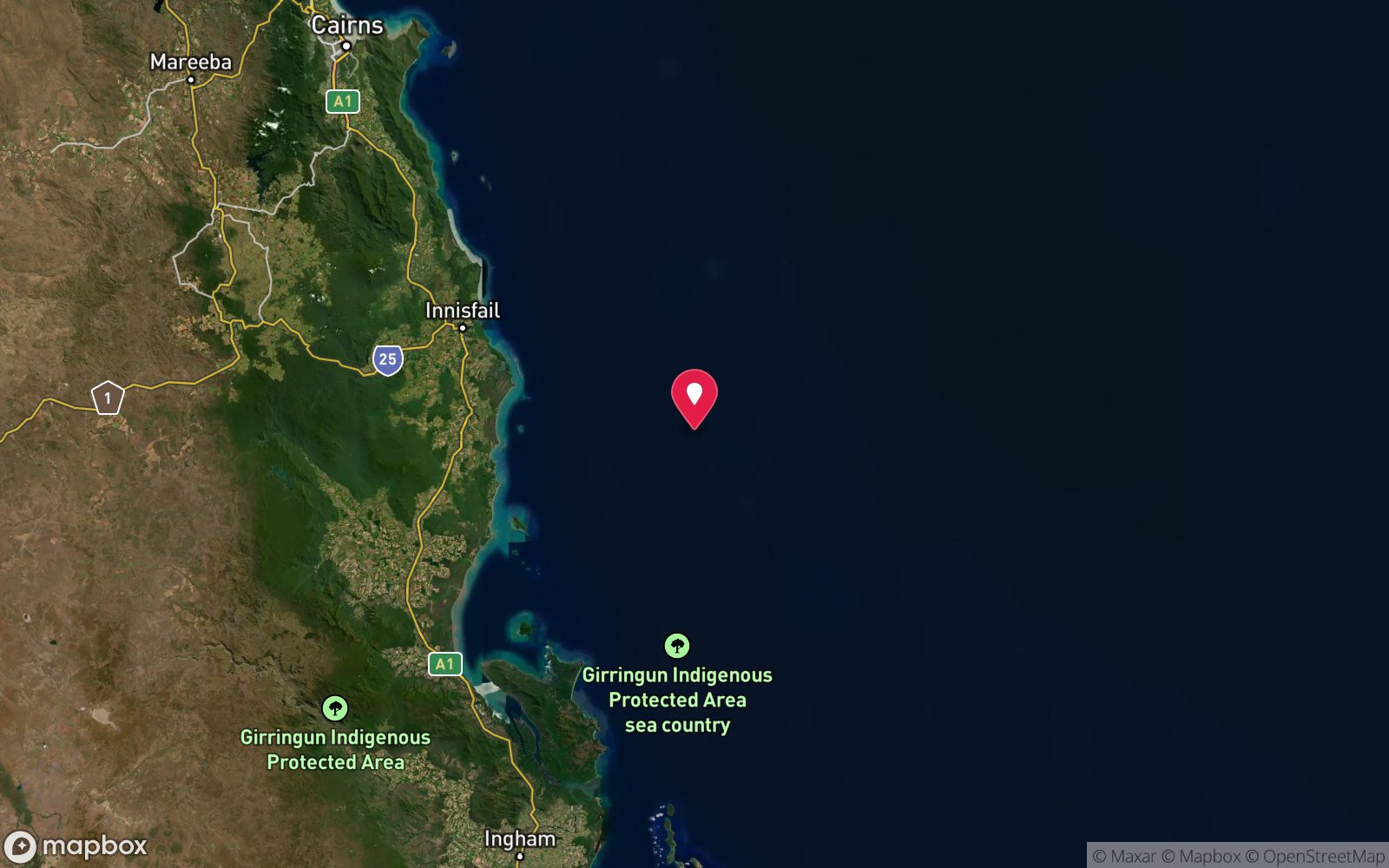
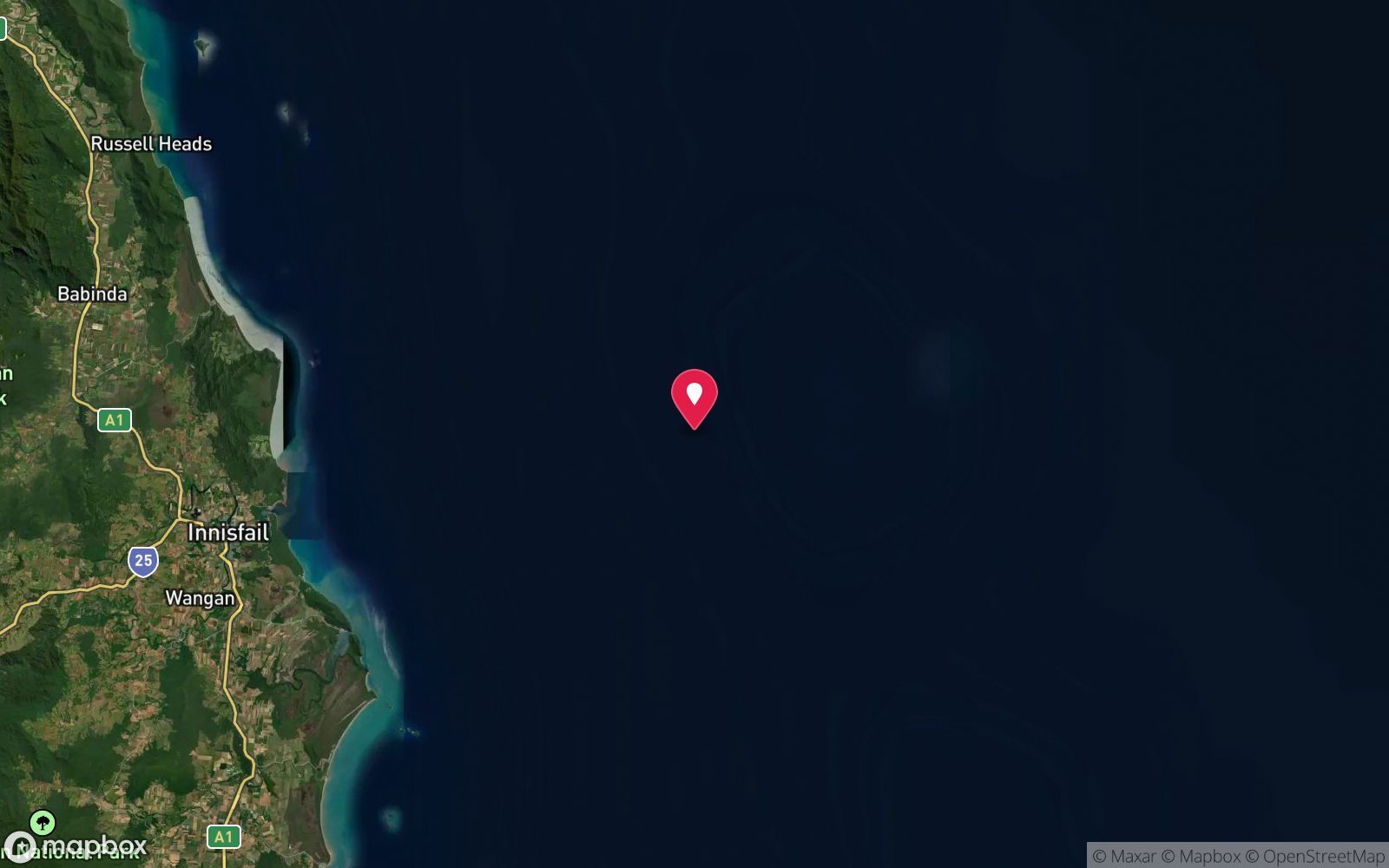
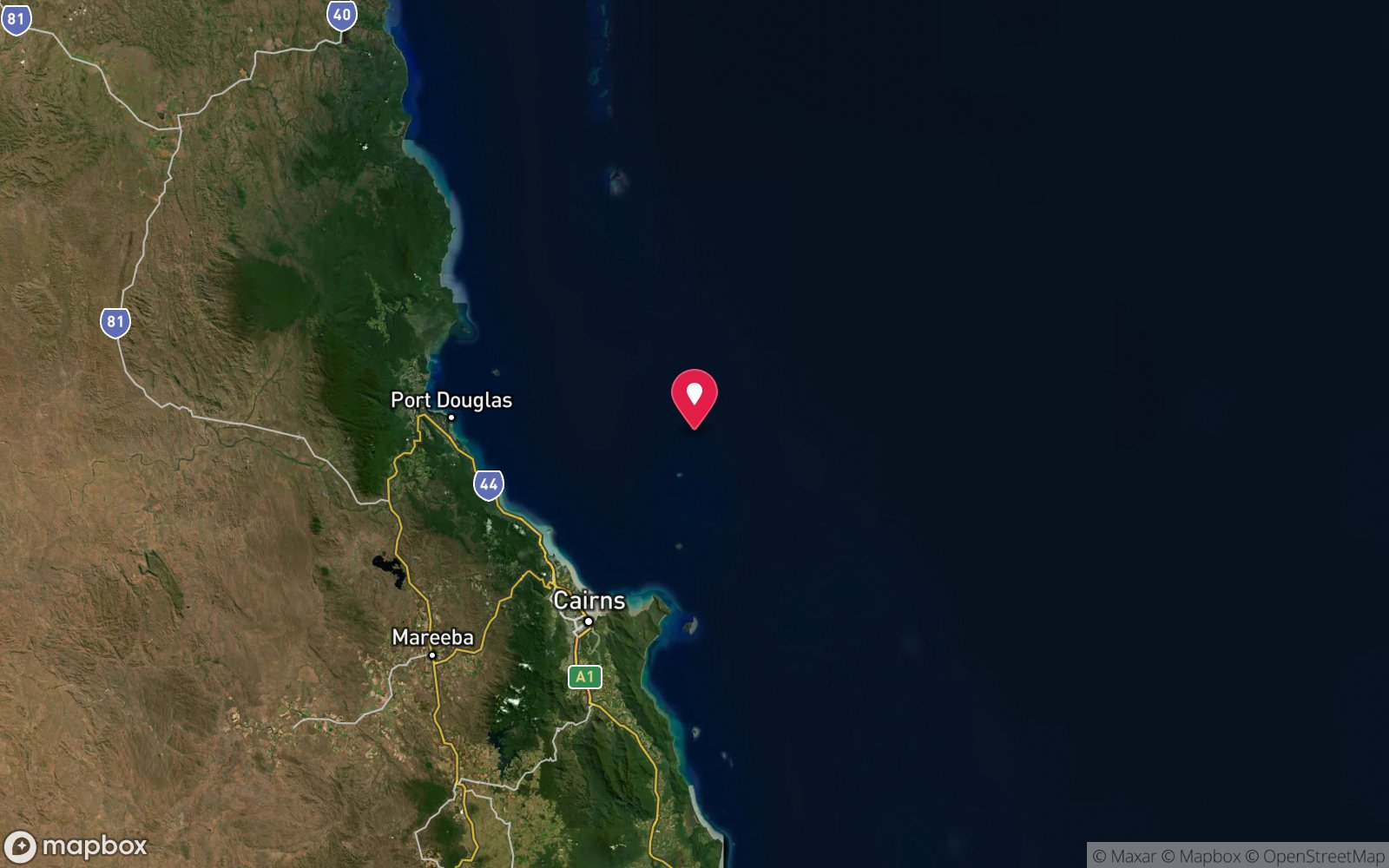
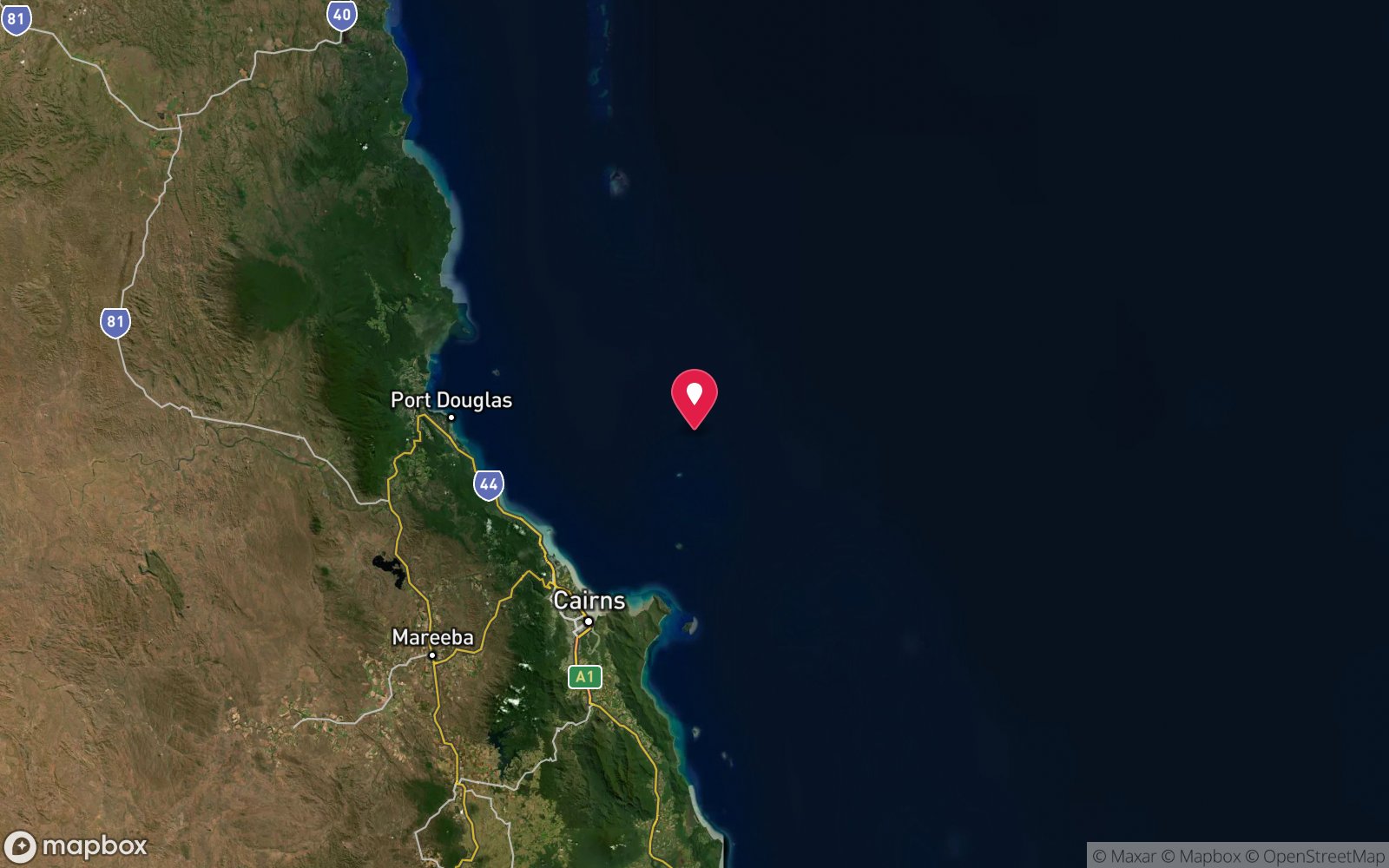
Hinchinbrook outer reefs · Cassowary Coast – Mission Beach, Innisfail & Hinchinbrook
-18.15000, 146.60000
Approximate position — not for navigation.
Open in Google MapsPrimary source: marinelife.org.auMarine park & permits
Great Barrier Reef Marine Park – no individual permit needed on a commercial trip (operators hold GBRMPA permits and pay the Environmental Management Charge, usually included in the fare); check the GBRMPA Cairns zoning map for the reef's zone before any private visit
Nearest recompression chamber
Townsville University Hospital Hyperbaric Medicine Unit (Townsville) – Cairns Hospital has no recompression chamber; divers are evacuated by RFDS/air ambulance
Diving emergency: call 000, then DAN AP 1800 088 200.
Trip planner
Build a trip around Otter Reef →
A day-by-day plan for Mission Beach & Cassowary Coast with this site locked in.
This guide is a planning aid. Conditions change daily — confirm with a local dive centre and dive within your training. Data & safety notes.
Dive profile
How this site rates
Scores are computed from the recorded data, not opinions. How?
At a glance
Otter Reef is a reef boat dive in Mission Beach & Cassowary Coast, QLD, 3–22 m, suited to Advanced Open Water divers, about 110 minutes by boat.
Rated beginner: sheltered, shallow and manageable for a newly certified diver on a normal day, though note depth beyond 18 m.
Why dive here
- Rarely dived outer reefs off Hinchinbrook for self-sufficient boat divers.
- Rarely dived: expect to have the site to yourself, and plan your own logistics.
- Visibility often reaches 12-25 m.
Conditions to avoid
- Strong southerly or south-east swell and wind
- Cyclone season (roughly December–April)
- Stinger season without a full suit (November–May)
About Otter Reef
Otter Reef is one of the outer reefs east of Hinchinbrook Island, beyond the Brook Islands and roughly level with Cardwell. It lies outside the day-trip range of the regular Mission Beach and Townsville operators, and no published dive description exists, so the account here is based on its position and on what is known of neighbouring outer reefs. It is sometimes grouped with Farquharson Reef, a nearby reef in the same area.
As mid-to-outer-shelf reefs away from the mainland river plumes, these reefs would be expected to have clearer water than the inshore islands, typically 12-25 m in calm weather, with healthy hard and soft coral, reef slopes and bommies, and a fish community typical of the central Great Barrier Reef: coral trout, sweetlips, emperors, parrotfish, fusiliers, reef sharks, turtles and giant clams. The area is popular with fishing charters out of Cardwell and Lucinda, so divers are most likely to reach it on a combined fishing and diving charter or in a private boat. Their remoteness means very few divers visit, which is attractive but also means that self-sufficiency, emergency oxygen, communications and a clear evacuation plan are essential, since the nearest chamber is in Townsville.
Zoning varies across these reefs, and some sections may be Marine National Park or Conservation Park zones. Farquharson Reef, sometimes listed alongside Otter Reef, lies in the same area. A calm-weather window, an early start and a well-found boat are the minimum requirements for a visit, and the trip is best planned for the calm spells of September to December.
Getting there & entry
Outer reefs east of Hinchinbrook Island and Cardwell, occasionally reached by charter from Cardwell, Lucinda or Mission Beach.
Otter Reef lies roughly 50 km east of Cardwell. There is no scheduled dive trip: access is by private boat or fishing/dive charter from the Cardwell ramp, Port Hinchinbrook marina, Lucinda or Clump Point (Mission Beach), a run of about 1.5-2 hours in fair weather. Boats must be equipped for offshore travel, and divers need to bring their own gear and fills from Mission Beach or Townsville.
Check the GBRMPA zoning map before fishing or anchoring.
Entry: Giant stride or back-roll from the dive deck; descend the mooring line or reef slope
Facilities: None; boat ramps at Cardwell, Port Hinchinbrook and Lucinda
Weather, swell & tides
The Mission Beach reefs are exposed to the south-east trade winds, which blow 15-25 knots for much of April-September and can cancel trips; the calmest months are usually September-December. Box jellyfish and Irukandji are present from about October-November to May, most dangerously close to the coast, so wear a full stinger suit. The cyclone season runs November-April, and Mission Beach has been hit hard by cyclones Larry (2006) and Yasi (2011).
Heavy wet-season rain and river flood plumes from the Tully and Johnstone rivers reduce visibility on the inner reefs. The outer reefs off Hinchinbrook have little shelter in fresh trade winds and are realistically dived only in calm spells, usually spring and early summer.
Best season: Year-round. June-November gives the most reliable visibility and no box-jellyfish season, though the south-east trades can blow 20-25 knots in winter; September-December usually has the calmest seas; December-April is the warm, wet stinger and cyclone season
How the dive is usually run
Anchor in sand or pick up a mooring in the lee of the reef, dive the reef edge at 8-18 m with the reef on one side, turning at a third of your gas, and return shallower for a safety stop near the boat.
Marine life
- Coral trout
- sweetlips
- emperors
- parrotfish
- fusiliers
- reef sharks →
- turtles →
- giant clams (expected; no published species list)
Linked species have their own page listing every site where they are recorded. All marine life →
Training required
Beyond 18 m an Advanced certification (which includes a deep dive to 30 m) is the accepted minimum. Anything past 25 m is a deep dive in practice.
Open Water divers can dive the shallower section (typical depth 12 m); the full site to 22 m needs Advanced Open Water. Operators often quote Open Water.
Operators' own listing: Open Water.
Depth tiers: 0–10 m easy · to 18 m Open Water · 18–30 m Advanced (25 m+ is a deep dive) · 30–40 m Deep specialty · 40 m+ technical. All courses
Hazards & warnings
Marine stingers (box jellyfish, Irukandji) October-May – full stinger suit essential; estuarine crocodiles along the Mission Beach coast, creeks and islands – do not swim near river mouths or mangroves; surface chop and current on the outer reefs in trade winds; coral cuts; nearest recompression chamber is Townsville University Hospital (about 3 hours by road; evacuation by air); remote – no operator, long run offshore, self-sufficiency and emergency plan essential
Dive centres that go here
No regular dive operator – private boats and occasional fishing/dive charters from Cardwell, Lucinda or Mission Beach; Cardwell and Lucinda fishing charters may accommodate divers by arrangement on calm days; the mooring used on any day is chosen by the skipper according to wind, tide and other boats
Other dive centres in Mission Beach & Cassowary Coast
All dive centres in Queensland →
Operators mentioned: None local
Map
7 pinned sites. Pins marked approximate on their pages show the general area only; not for navigation.
Satellite views
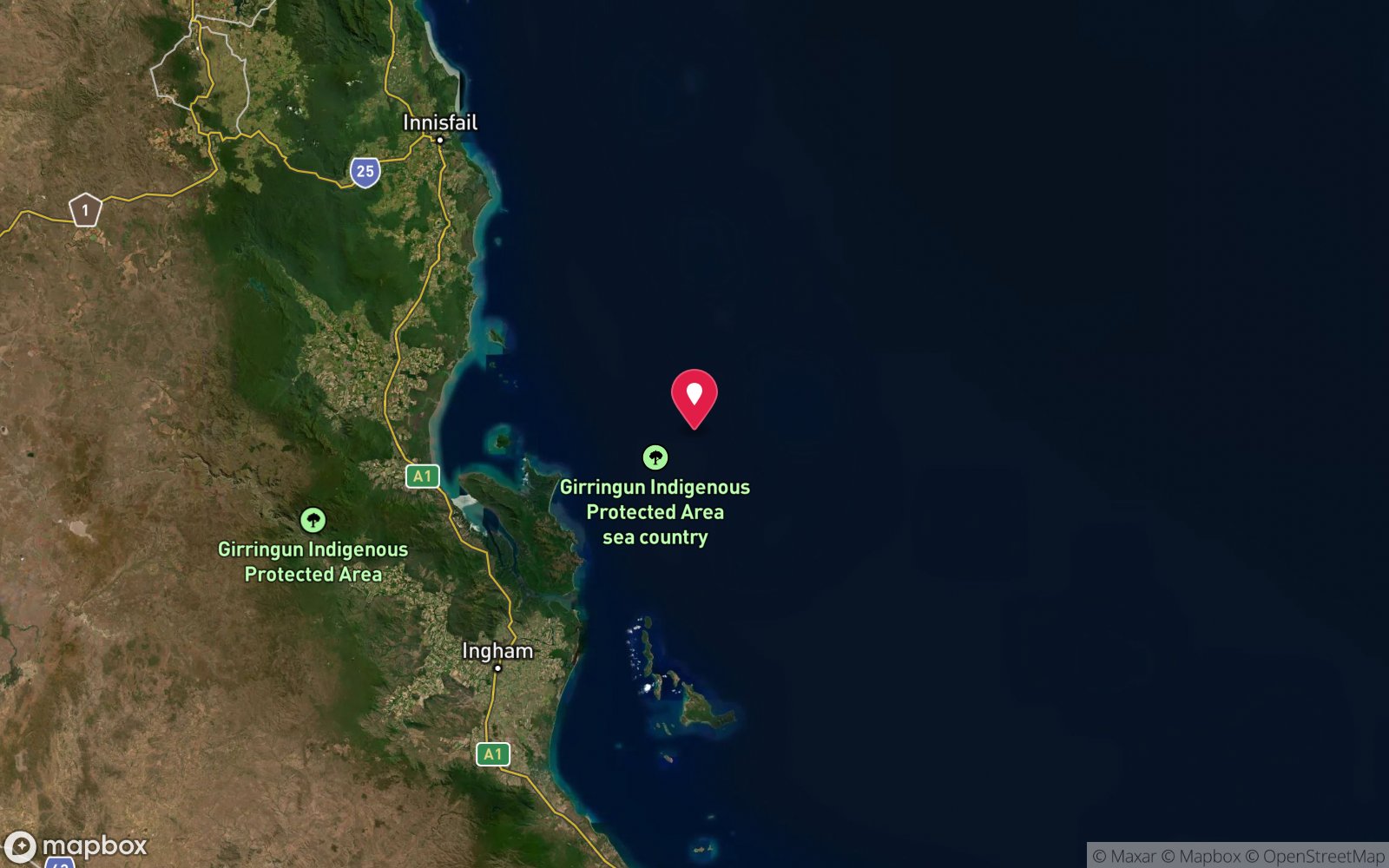
Otter Reef: frequently asked questions
How deep is Otter Reef?
Otter Reef reaches a maximum depth of 22 m, with the shallowest part at about 3 m; most of the dive is spent around 12 m.
What certification do I need to dive Otter Reef?
Advanced Open Water is the recommended minimum. Open Water divers can dive the shallower section (typical depth 12 m); the full site to 22 m needs Advanced Open Water. Operators often quote Open Water. Rated beginner: sheltered, shallow and manageable for a newly certified diver on a normal day, though note depth beyond 18 m.
Can I shore dive Otter Reef?
No, it is reached by boat (about 110 minutes).
When is the best time to dive Otter Reef?
Year-round. June-November gives the most reliable visibility and no box-jellyfish season, though the south-east trades can blow 20-25 knots in winter; September-December usually has the calmest seas; December-April is the warm, wet stinger and cyclone season.
What marine life will I see at Otter Reef?
Regularly recorded: Coral trout, sweetlips, emperors, parrotfish, fusiliers, reef sharks, turtles, giant clams (expected; no published species list).
What wetsuit do I need at Otter Reef?
3 mm full wetsuit or shorty in summer (27-30 °C); 3-5 mm full wetsuit in winter (23-25 °C); full-length lycra or stinger suit strongly advised November-May and supplied free by most operators.
How cold is the water at Otter Reef?
Typically 27-30 °C in summer and 23-25 °C in winter.
What are the main hazards at Otter Reef?
Marine stingers (box jellyfish, Irukandji) October-May – full stinger suit essential; estuarine crocodiles along the Mission Beach coast, creeks and islands – do not swim near river mouths or mangroves; surface chop and current on the outer reefs in trade winds; coral cuts; nearest recompression chamber is Townsville University Hospital (about 3 hours by road; evacuation by air); remote – no operator, long run offshore, self-sufficiency and emergency plan essential. See the hazards section above for the full list.
Where is the nearest recompression chamber to Otter Reef?
Townsville University Hospital Hyperbaric Medicine Unit (Townsville) – Cairns Hospital has no recompression chamber; divers are evacuated by RFDS/air ambulance. In an emergency call 000, then DAN Asia-Pacific on 1800 088 200.
Diving in Mission Beach & Cassowary Coast
Mission Beach is the closest mainland point to the Great Barrier Reef, and day boats reach Beaver Reef, Eddy Reef and the Dunk Island fringing reefs in under an hour. The diving is quiet coral gardens and bommies with turtles and reef fish, without the Cairns crowds.
Getting there: Two hours south of Cairns. Small operators run reef trips from Mission Beach and Dunk Island.
All Mission Beach & Cassowary Coast dive sites and a suggested itinerary →
Sources
Data confidence: Low · Being verified: No published dive information; coordinates approximate; v1 source (marinelife.org.au) does not actually mention Otter Reef; consider removing if unverifiable. Last updated September 2026. Know this site better? How to send a correction
Nearby dive sites
More reef dives in Queensland
Explore more
This region
Similar dives