Dive slate · divesites.com.au · printed 9 Nov 2026
Passage Rocks (Great Keppel Island)
Capricorn Coast & Keppel Islands, Queensland · near Yeppoon (Rosslyn Bay) / Great Keppel Island
| Depth | 2–15 m |
|---|---|
| Minimum level | Open Water |
| Difficulty | Intermediate |
| Access | Boat (day trip) |
| Entry | Giant stride from boat, or from a kayak in calm weather |
| Current | Variable/Tidal |
| Visibility | 8-15 m |
| Water | summer 25-28 °C, winter 19-22 °C |
| Suit | 3 mm full suit in summer; 5 mm full suit (hood optional) June-September |
| Best season | Year-round; July-October for the best visibility (15 m+) and humpback whales; summer (Dec-Mar) warmer but prone to northerlies, storms and Fitzroy River run-off |
| Bottom time | 45 min |
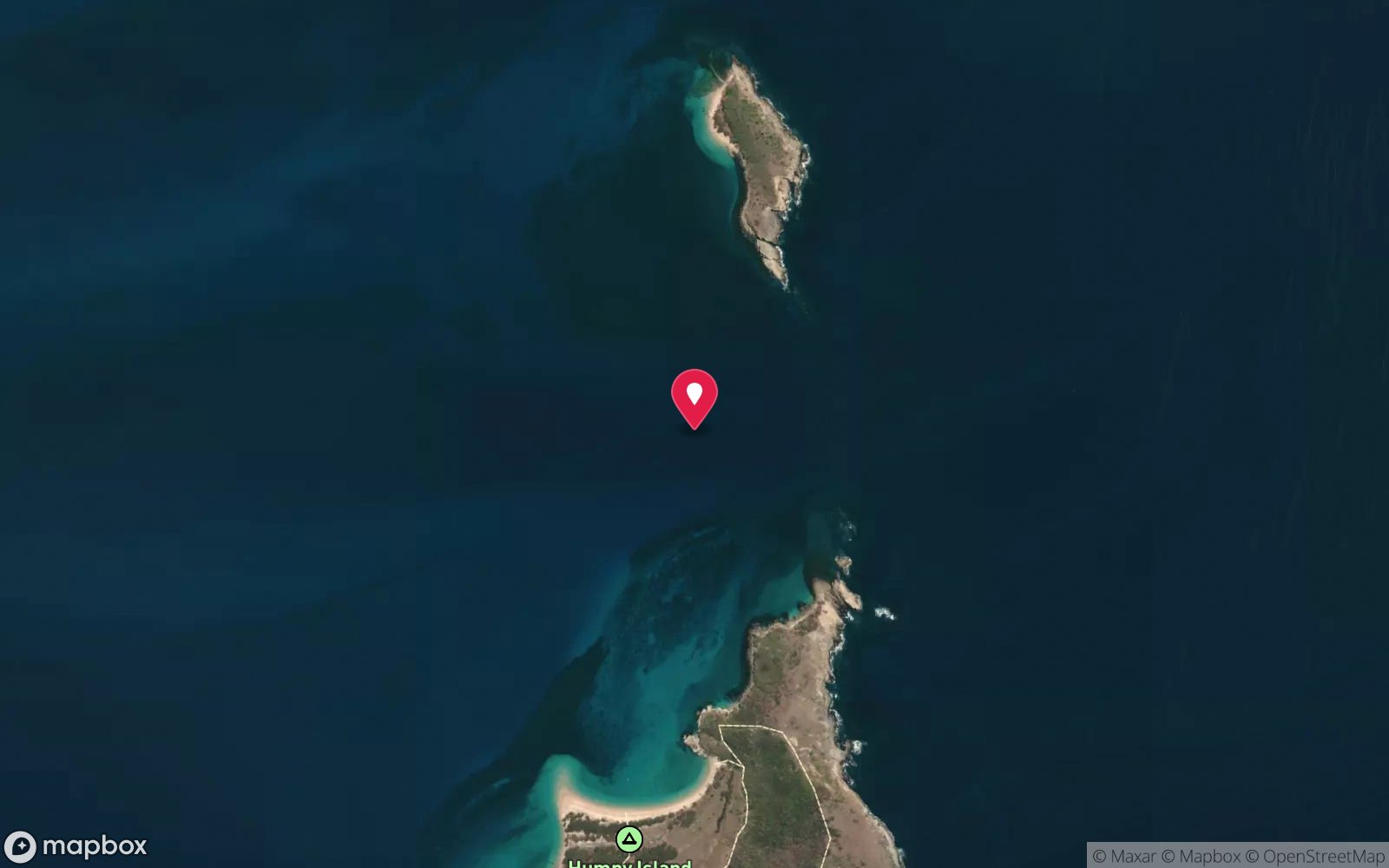
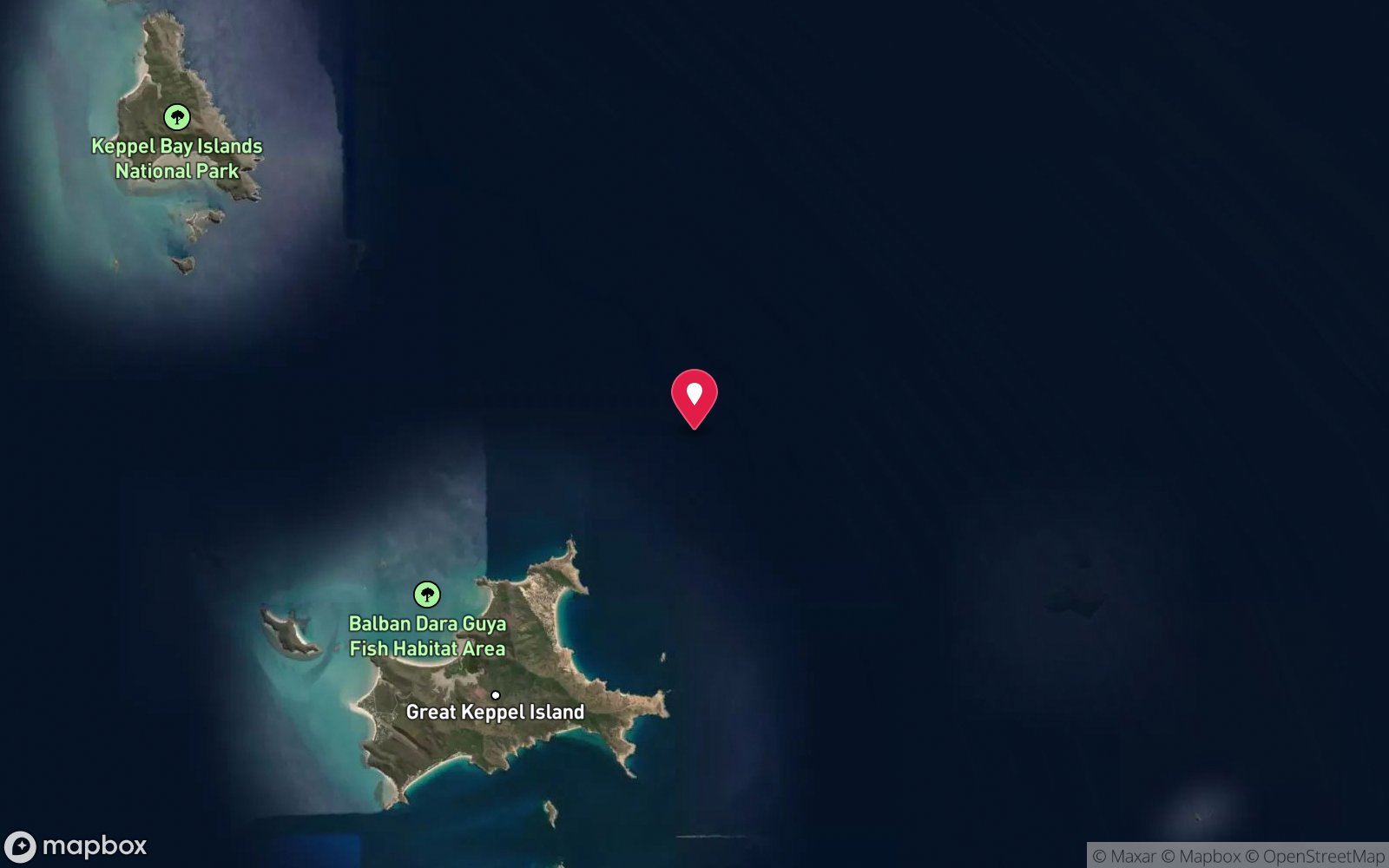
| Position | -23.14500, 150.94000 (approximate) |
| Permit | Great Barrier Reef Marine Park and Queensland Great Barrier Reef Coast Marine Park – check GBRMPA zoning map MPZ 11 (Keppel Bay); no permit needed for recreational diving |
| Nearest chamber | Royal Brisbane and Women's Hospital (Brisbane) – roughly equidistant with Townsville University Hospital (Townsville); evacuation via Rockhampton Hospital and RFDS/aeromedical retrieval |
| Emergency | 000 · DAN Asia-Pacific diving emergency 1800 088 200 |
Passage Rocks (Great Keppel Island)
Also known as Passage Rocks
A tidal channel site with the Keppels' greatest hard coral diversity.
Near Yeppoon (Rosslyn Bay) / Great Keppel Island · Capricorn Coast & Keppel Islands, Queensland
- Depth
- 2–15 m
- Minimum level
- Open Water
- Access
- Boat (day trip)
- Boat ride
- ~12 min
- Water
- 25-28 °C
- Visibility
- 8-15 m
Passage Rocks (Great Keppel Island)2–15 m · Open Water
Dive factsDepths, conditions, location & safety
Season
Off-peak nowBest months: January, February, March, July, August, September, October, December.
Year-round; July-October for the best visibility (15 m+) and humpback whales; summer (Dec-Mar) warmer but prone to northerlies, storms and Fitzroy River run-off
- Best months
- Now (November)
- Stinger suit Nov–May
Dive facts
- Depth
- 2–15 m
- Typical depth
- 8 m
- Certification
- Open Water
- Difficulty
- Intermediate
- Depth tier
- Open Water (10–18 m)
- Access
- Boat (day trip)
- Offshore
- 14 km
- Dive centre needed
- Yes – boat access only
- Shore / independent
- No
- Boat ride
- ~12 min
- Current
- Variable/Tidal
- Visibility
- 8-15 m
- Water temp (summer)
- 25-28 °C
- Water temp (winter)
- 19-22 °C
- Water
- Subtropical
- Bottom time
- 45 min
- Dive traffic
- Moderate (occasional charters/club dives)
- Night dive
- No
- Snorkel friendly
- Partial
Exposure suit
3 mm full suit in summer; 5 mm full suit (hood optional) June-September
Location
Great Keppel Island – north · Capricorn Coast – Keppel Islands & Yeppoon
-23.14500, 150.94000
Approximate position — not for navigation.
Open in Google MapsPrimary source: visitcapricorn.com.auMarine park & permits
Great Barrier Reef Marine Park and Queensland Great Barrier Reef Coast Marine Park – check GBRMPA zoning map MPZ 11 (Keppel Bay); no permit needed for recreational diving
Nearest recompression chamber
Royal Brisbane and Women's Hospital (Brisbane) – roughly equidistant with Townsville University Hospital (Townsville); evacuation via Rockhampton Hospital and RFDS/aeromedical retrieval
Diving emergency: call 000, then DAN AP 1800 088 200.
Trip planner
Build a trip around Passage Rocks (Great Keppel Island) →
A day-by-day plan for Capricorn Coast & Keppel Islands with this site locked in.
This guide is a planning aid. Conditions change daily — confirm with a local dive centre and dive within your training. Data & safety notes.
Dive profile
How this site rates
Scores are computed from the recorded data, not opinions. How?
At a glance
Passage Rocks (Great Keppel Island) is a reef boat dive in Capricorn Coast & Keppel Islands, QLD, 2–15 m, suited to Open Water divers, variable/tidal current, about 12 minutes by boat.
Rated intermediate because of tidal current that must be timed, boat traffic overhead.
Why dive here
- A tidal channel site with the Keppels' greatest hard coral diversity.
About Passage Rocks (Great Keppel Island)
Passage Rocks lies in a deep north-south channel on the northern side of Great Keppel Island, and it is described by the regional tourism body as having more hard coral species than any other site in the Keppels. The rocks provide a range of habitats, from exposed faces swept by current to sheltered pockets, which helps explain the diversity. Snorkellers and divers find hard corals of many types, including branching, plate, massive and encrusting forms, along with feather stars clinging to the rocks and a good abundance of fish.
The water movement through the channel brings food, and larger fish such as trevally and mackerel may pass through. Because the channel carries tidal flow, timing is important. Near slack water, the rocks can be explored comfortably; at mid tide, the current can be strong enough to make snorkelling hard work.
The channel itself is deeper, and divers should stay close to the rocks rather than drifting into mid-channel. Passage Rocks is less visited than Monkey Beach or the Middle Island sites, partly because of the tidal factor and partly because access is only by boat or kayak. For divers interested in coral diversity, however, it is one of the most rewarding shallow sites around Great Keppel.
It suits confident snorkellers and Open Water divers with some experience of current, and is best visited with local guidance on the day's tides.
Getting there & entry
Rocks in a deep north-south channel on Great Keppel's northern side, said to have more hard coral species than any other site in the Keppels; feather stars and abundant fish.
Drive 40 km (about 40 minutes) from Rockhampton to Yeppoon, then 7 km south along the Scenic Highway to Keppel Bay Marina at Rosslyn Bay Harbour, where there is free and paid parking. Freedom Fast Cats and Keppel Konnections ferries run to Great Keppel Island (Fisherman's Beach) in about 30 minutes; Keppel Dive & Water Sports picks up certified divers from the island. Passage Rocks is on the northern side of Great Keppel, reached by boat (about 10-15 minutes from Fisherman's Beach) or by experienced kayakers in calm weather.
Boats anchor on sand clear of the channel.
Entry: Giant stride from boat, or from a kayak in calm weather
Weather, swell & tides
Keppel Bay is exposed to the prevailing south-east trades (strongest April-September) and to summer northerlies. Passage Rocks sits in a deep north-south channel, so tidal flow is the main factor: dive or snorkel near slack water. The northern side of the island is sheltered from south-easterlies but exposed to northerlies.
Visibility 5-12 m.
Best season: Year-round; July-October for the best visibility (15 m+) and humpback whales; summer (Dec-Mar) warmer but prone to northerlies, storms and Fitzroy River run-off
If it's blown out
Sheltered or shore sites within 25 km that often work when Passage Rocks (Great Keppel Island) doesn't.
- Monkey Beach (Great Keppel Island) · 5 km · Max 6 m
- Shelving Beach (Great Keppel Island) · 5 km · Max 5 m
- Olive Point (Middle Island) · 2 km · Max 8 m
- Middle Island Underwater Observatory Site · 3 km · Max 10 m
How the dive is usually run
Enter near slack water on the sheltered side of the rocks and follow the rocky reef around, keeping out of the main channel flow. Explore the hard coral and feather stars at 4-10 m and return before the tide starts to run.
Marine life
- Diverse hard corals (highest coral species count in the Keppels)
- feather stars
- reef fish
- trevally
- mackerel
- turtles →
- nudibranchs →
Linked species have their own page listing every site where they are recorded. All marine life →
Training required
Within the 18 m limit of an entry-level certification.
Courses that help here
- Drift Diver – Current is a feature of the dive.
Depth tiers: 0–10 m easy · to 18 m Open Water · 18–30 m Advanced (25 m+ is a deep dive) · 30–40 m Deep specialty · 40 m+ technical. All courses
Hazards & warnings
Tidal current in the channel – slack water only; boat traffic through the passage; exposed to northerlies.
Dive centres that go here
Visited by private boats, kayakers and occasionally by Keppel Dive & Water Sports or Keppel snorkel cruises; no fixed schedule.
Operators recorded for Passage Rocks (Great Keppel Island)
Map
7 pinned sites. Pins marked approximate on their pages show the general area only; not for navigation.
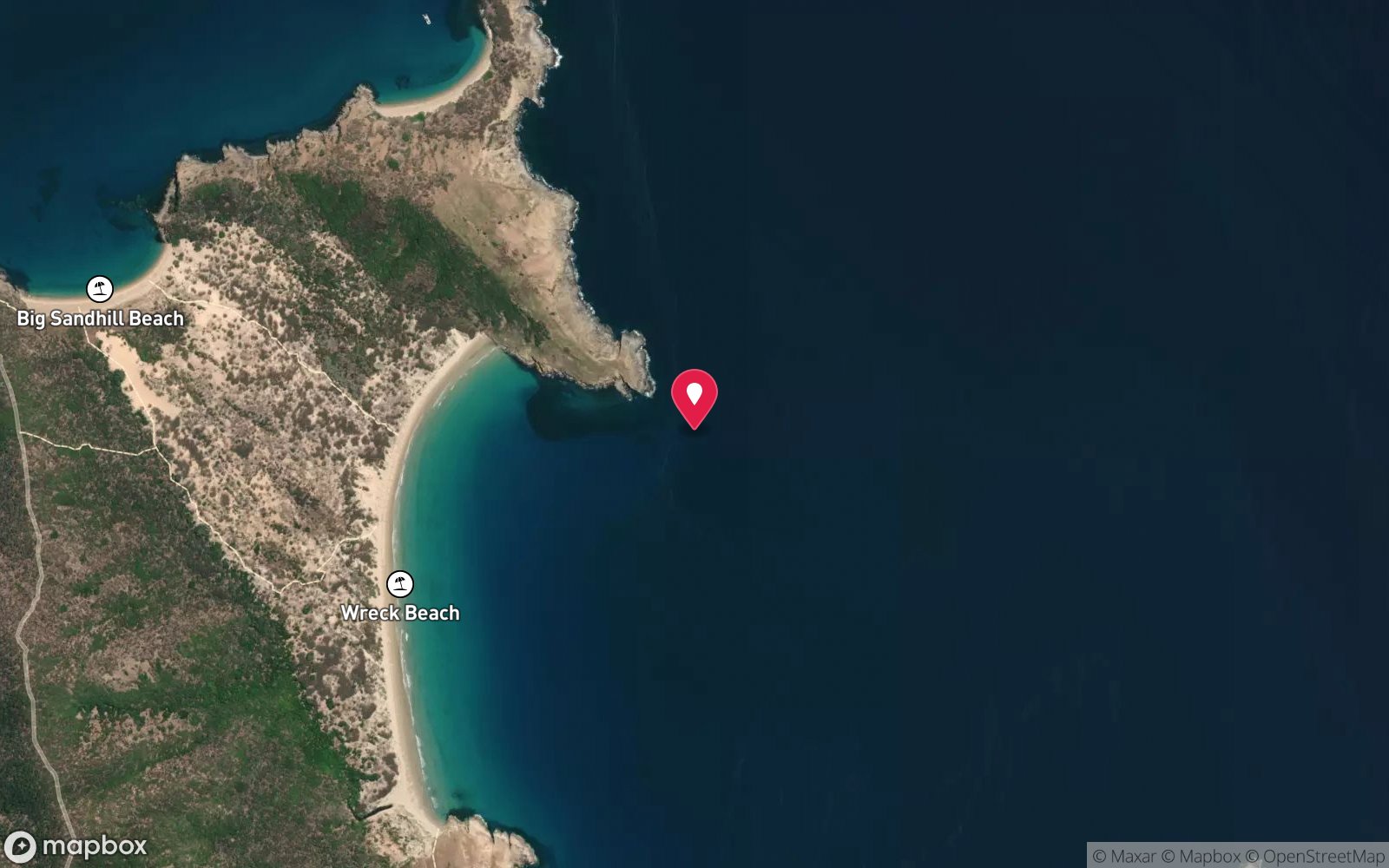
Satellite views
Passage Rocks (Great Keppel Island): frequently asked questions
How deep is Passage Rocks (Great Keppel Island)?
Passage Rocks (Great Keppel Island) reaches a maximum depth of 15 m, with the shallowest part at about 2 m; most of the dive is spent around 8 m.
What certification do I need to dive Passage Rocks (Great Keppel Island)?
Open Water is the recommended minimum. Rated intermediate because of tidal current that must be timed, boat traffic overhead.
Can I shore dive Passage Rocks (Great Keppel Island)?
No, it is reached by boat (about 12 minutes). A dive centre is required: boat access only.
When is the best time to dive Passage Rocks (Great Keppel Island)?
Year-round; July-October for the best visibility (15 m+) and humpback whales; summer (Dec-Mar) warmer but prone to northerlies, storms and Fitzroy River run-off.
What marine life will I see at Passage Rocks (Great Keppel Island)?
Regularly recorded: Diverse hard corals (highest coral species count in the Keppels), feather stars, reef fish, trevally, mackerel, turtles, nudibranchs.
What wetsuit do I need at Passage Rocks (Great Keppel Island)?
3 mm full suit in summer; 5 mm full suit (hood optional) June-September.
How cold is the water at Passage Rocks (Great Keppel Island)?
Typically 25-28 °C in summer and 19-22 °C in winter.
What are the main hazards at Passage Rocks (Great Keppel Island)?
Tidal current in the channel – slack water only; boat traffic through the passage; exposed to northerlies. See the hazards section above for the full list.
Where is the nearest recompression chamber to Passage Rocks (Great Keppel Island)?
Royal Brisbane and Women's Hospital (Brisbane) – roughly equidistant with Townsville University Hospital (Townsville); evacuation via Rockhampton Hospital and RFDS/aeromedical retrieval. In an emergency call 000, then DAN Asia-Pacific on 1800 088 200.
Diving in Capricorn Coast & Keppel Islands
Great Keppel Island and its neighbours off Yeppoon have fringing coral reefs, the Barren Island walls and Man and Wife Rocks in clearer water further out, and the artificial reef of the Cementco wreck. It is a laid-back, uncrowded alternative to the big reef towns.
Getting there: Yeppoon is 40 minutes from Rockhampton airport. Charters and the island ferry leave from Rosslyn Bay.
All Capricorn Coast & Keppel Islands dive sites and a suggested itinerary →
Sources
Data confidence: Low · Being verified: Depths and exact position estimated; limited published detail.. Last updated September 2026. Know this site better? How to send a correction
Nearby dive sites
More reef dives in Queensland
Explore more
This region