Dive slate · divesites.com.au · printed 7 Nov 2026
Monkey Beach (Great Keppel Island)
Capricorn Coast & Keppel Islands, Queensland · near Yeppoon (Rosslyn Bay) / Great Keppel Island
| Depth | 1–6 m |
|---|---|
| Minimum level | Snorkel/Any |
| Difficulty | Beginner |
| Access | Shore or Boat |
| Entry | Beach entry, or step off a boat anchored off the reef |
| Current | Mild |
| Visibility | 4-10 m |
| Water | summer 25-28 °C, winter 19-22 °C |
| Suit | 3 mm full suit in summer; 5 mm full suit (hood optional) June-September |
| Best season | Year-round; July-October for the best visibility (15 m+) and humpback whales; summer (Dec-Mar) warmer but prone to northerlies, storms and Fitzroy River run-off |
| Bottom time | 60 min |
| Position | -23.19000, 150.94000 (approximate) |
| Permit | Great Barrier Reef Marine Park and Queensland Great Barrier Reef Coast Marine Park – check GBRMPA zoning map MPZ 11 (Keppel Bay); no permit needed for recreational diving |
| Nearest chamber | Royal Brisbane and Women's Hospital (Brisbane) – roughly equidistant with Townsville University Hospital (Townsville); evacuation via Rockhampton Hospital and RFDS/aeromedical retrieval |
| Emergency | 000 · DAN Asia-Pacific diving emergency 1800 088 200 |
Monkey Beach (Great Keppel Island)
Also known as Monkey Beach Reef, Monkey Point
Great Keppel's best snorkelling reef: dense staghorn and plate coral in 1-6 m, hawksbill turtles and a sheltered beach reachable on foot.
Near Yeppoon (Rosslyn Bay) / Great Keppel Island · Capricorn Coast & Keppel Islands, Queensland
- Depth
- 1–6 m
- Minimum level
- Snorkel/Any
- Access
- Shore or Boat
- Boat ride
- ~10 min
- Water
- 25-28 °C
- Visibility
- 4-10 m
Monkey Beach (Great Keppel Island)1–6 m · Snorkel/Any · Shore
Dive factsDepths, conditions, location & safety
Season
Off-peak nowBest months: January, February, March, July, August, September, October, December.
Year-round; July-October for the best visibility (15 m+) and humpback whales; summer (Dec-Mar) warmer but prone to northerlies, storms and Fitzroy River run-off
- Best months
- Now (November)
- Stinger suit Nov–May
Dive facts
- Depth
- 1–6 m
- Typical depth
- 3 m
- Certification
- Snorkel/Any
- Difficulty
- Beginner
- Depth tier
- Easy (0–10 m)
- Access
- Shore or Boat
- Offshore
- 13 km
- Dive centre needed
- No – independently diveable
- Shore / independent
- Yes
- Boat ride
- ~10 min
- Current
- Mild
- Visibility
- 4-10 m
- Water temp (summer)
- 25-28 °C
- Water temp (winter)
- 19-22 °C
- Water
- Subtropical
- Bottom time
- 60 min
- Dive traffic
- Very popular (dived daily)
- Night dive
- Possible
- Snorkel friendly
- Yes
Exposure suit
3 mm full suit in summer; 5 mm full suit (hood optional) June-September
Location
Great Keppel Island – south-west · Capricorn Coast – Keppel Islands & Yeppoon
-23.19000, 150.94000
Approximate position — not for navigation.
Open in Google MapsPrimary source: visitcapricorn.com.auMarine park & permits
Great Barrier Reef Marine Park and Queensland Great Barrier Reef Coast Marine Park – check GBRMPA zoning map MPZ 11 (Keppel Bay); no permit needed for recreational diving
Nearest recompression chamber
Royal Brisbane and Women's Hospital (Brisbane) – roughly equidistant with Townsville University Hospital (Townsville); evacuation via Rockhampton Hospital and RFDS/aeromedical retrieval
Diving emergency: call 000, then DAN AP 1800 088 200.
Trip planner
Build a trip around Monkey Beach (Great Keppel Island) →
A day-by-day plan for Capricorn Coast & Keppel Islands with this site locked in.
This guide is a planning aid. Conditions change daily — confirm with a local dive centre and dive within your training. Data & safety notes.
Dive profile
How this site rates
Scores are computed from the recorded data, not opinions. How?
At a glance
Monkey Beach (Great Keppel Island) is a reef shore dive you can do independently in Capricorn Coast & Keppel Islands, QLD, 1–6 m, suitable for snorkellers and first-time divers, about 10 minutes by boat.
Rated beginner: sheltered, shallow and manageable for a newly certified diver on a normal day, though note boat traffic overhead.
Why dive here
- Great Keppel's best snorkelling reef: dense staghorn and plate coral in 1-6 m, hawksbill turtles and a sheltered beach reachable on foot.
- Snorkel-friendly, so non-diving companions can join at the surface.
Conditions to avoid
- Strong southerly or south-east swell and wind
- Strong westerlies
- Strong northerlies
- Outgoing tide or run-off after rain (poor visibility)
- Stinger season without a full suit (November–May)
About Monkey Beach (Great Keppel Island)
Monkey Beach is the reef most visitors to Great Keppel Island see first, and for good reason. The 550 m curved beach on the island's sheltered south-western side fronts a fringing reef with exceptionally high coral cover and around 38 recorded coral species, making it the Keppels' premier snorkelling spot and a pleasant, very shallow dive. Beyond the beach, sand flats run out in 1-2 m before giving way to thickets of branching staghorn coral and broad plate corals in the deeper areas, down to about 5-6 m.
The coral shelters large numbers of small fish: damsels, chromis, wrasse, parrotfish, butterflyfish and rabbitfish, with sweetlips and coral trout under the plates. Hawksbill turtles are regularly seen feeding, and stingrays rest on the sand at the edge. Because it is shallow, calm in south-easterlies and reachable on foot, Monkey Beach is used for snorkelling tours, training and Discover Scuba sessions.
Scuba divers will find the depth limiting, but the coral density and gentle conditions make it a good long, relaxed dive, particularly for photographers wanting natural light. The reef has been affected in the past by coral bleaching and flood plumes from the Fitzroy River, and it has recovered well, which is part of what makes it interesting: it is a textbook example of a resilient inshore fringing reef. The walk from Fisherman's Beach follows a coastal track past Shelving Beach, and many visitors combine both reefs.
It suits families, snorkellers of all abilities, new divers and anyone staying on Great Keppel who wants coral within walking distance.
Getting there & entry
A 550 m curved beach on Great Keppel's south-western side whose fringing reef has some of the highest coral cover in the Keppels (38 recorded coral species); the island's premier snorkel and easy shore dive.
Drive 40 km (about 40 minutes) from Rockhampton to Yeppoon, then 7 km south along the Scenic Highway to Keppel Bay Marina at Rosslyn Bay Harbour, where there is free and paid parking. Freedom Fast Cats and Keppel Konnections ferries run to Great Keppel Island (Fisherman's Beach) in about 30 minutes; Keppel Dive & Water Sports picks up certified divers from the island. From the ferry landing at Fisherman's Beach, follow the signed coastal walking track south past Shelving Beach to Monkey Beach, roughly 40 minutes each way over a small headland; carrying full scuba gear this far is hard work, so divers usually use the dive operator's boat transfer (about 10 minutes) and snorkellers walk.
Enter from the beach near the southern rocks and fin out over the sand flats to the coral.
Entry: Beach entry, or step off a boat anchored off the reef
Facilities: Great Keppel Island has no formal dive facilities at the beaches; the Keppel Dive & Water Sports hut on the Spit (near Great Keppel Island Hideaway, Fisherman's Beach) hires gear and fills tanks. Cafes, toilets and accommodation are around Fisherman's Beach; there is no fresh water or shade at the remote beaches.
Weather, swell & tides
Keppel Bay is exposed to the prevailing south-east trades (strongest April-September) and to summer northerlies. Monkey Beach faces south-west and is sheltered from the south-east trades, so it is snorkellable on most trade-wind days; strong westerly or northerly winds make it choppy and murky. Tide matters: at low water the shallow reef is close to the surface and easy to damage, so mid to high tide is best.
Visibility is usually 4-10 m and drops after rain, when Fitzroy River flood plumes can reach the island. Stingers are possible in summer; wear a stinger suit November-May.
Best season: Year-round; July-October for the best visibility (15 m+) and humpback whales; summer (Dec-Mar) warmer but prone to northerlies, storms and Fitzroy River run-off
If it's blown out
Sheltered or shore sites within 25 km that often work when Monkey Beach (Great Keppel Island) doesn't.
- Shelving Beach (Great Keppel Island) · 0 km · Max 5 m
- Halfway Island (Keppels) · 3 km · Max 10 m
- Middle Island Underwater Observatory Site · 4 km · Max 10 m
- Wreck Beach (Great Keppel Island) · 4 km · Max 12 m
How the dive is usually run
Enter from the beach and fin across the sand flats (1-2 m) to the start of the coral. Follow the reef edge along the bay where branching and plate corals are densest in 3-5 m, then turn at half air or two-thirds of your planned time and return along the shallower edge. Keep off the reef flat at low tide.
Marine life
- Staghorn and plate corals (38 species recorded)
- hawksbill turtles →
- stingrays
- damselfish
- chromis
- parrotfish
- butterflyfish
- rabbitfish
- sweetlips
- coral trout
- giant clams
Linked species have their own page listing every site where they are recorded. All marine life →
Training required
Shallow enough for snorkellers and for a first dive under supervision. Any certified diver can dive it.
Depth tiers: 0–10 m easy · to 18 m Open Water · 18–30 m Advanced (25 m+ is a deep dive) · 30–40 m Deep specialty · 40 m+ technical. All courses
Hazards & warnings
Very shallow – avoid standing on or kicking coral, especially at low tide; boat traffic and anchored tour boats; summer stingers (wear a stinger suit); long walk with no shade or water – carry both.
Dive centres that go here
Snorkellers walk in independently; Keppel Dive & Water Sports uses Monkey Beach for shallow shore-style dives, courses and Discover Scuba by boat transfer. Freedom Fast Cats and other Keppel cruise boats also bring snorkel groups.
Operators recorded for Monkey Beach (Great Keppel Island)
Map
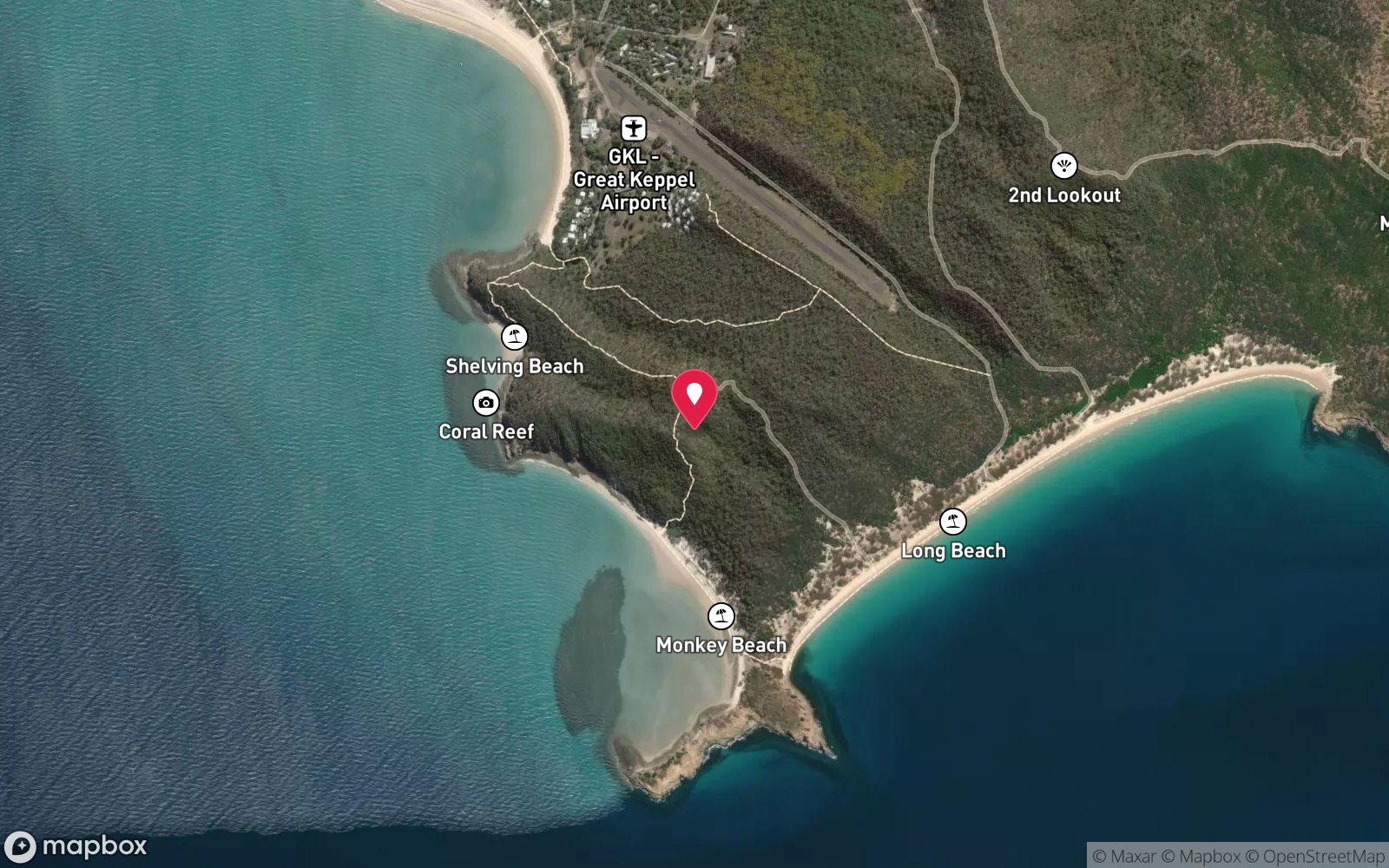
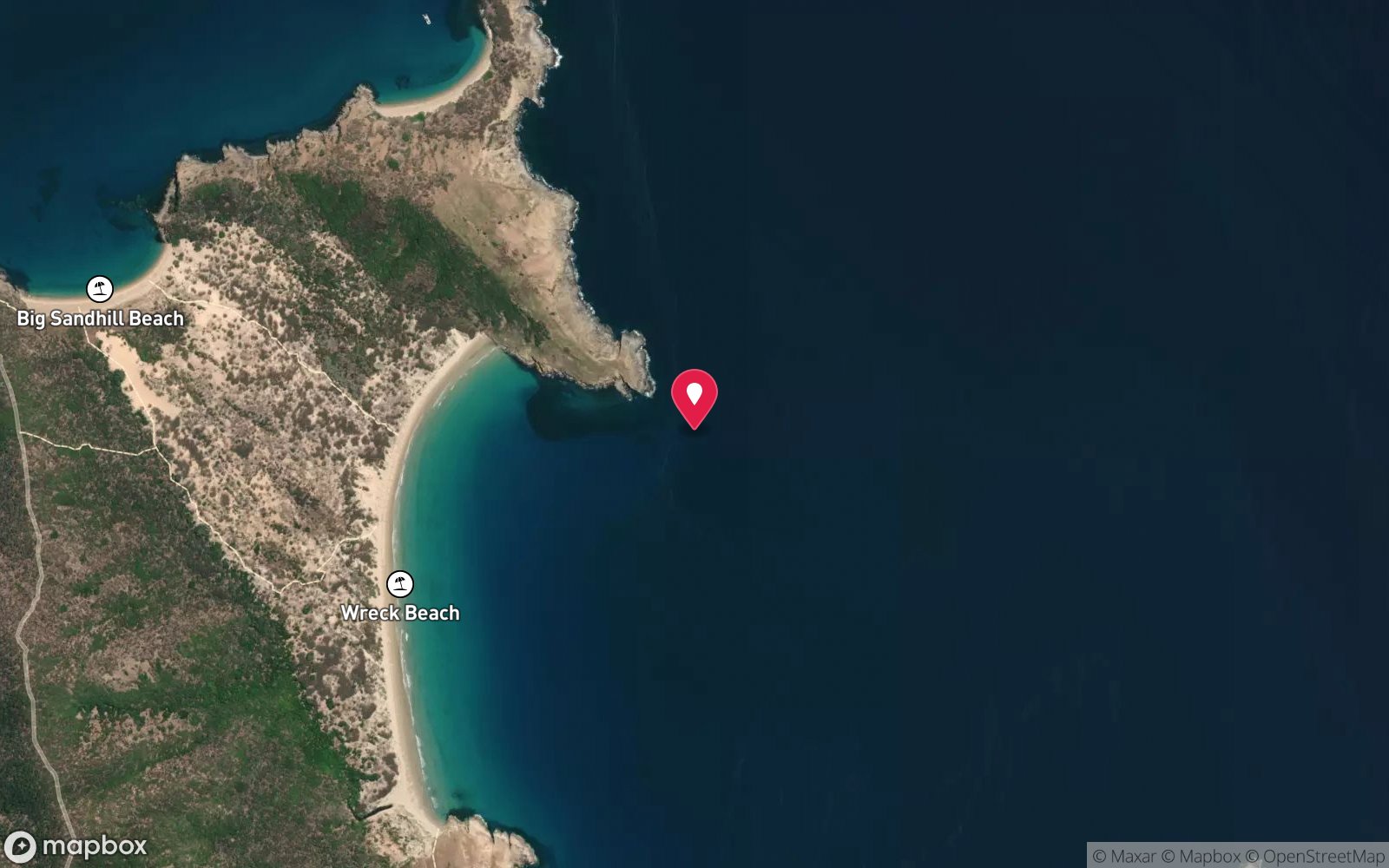
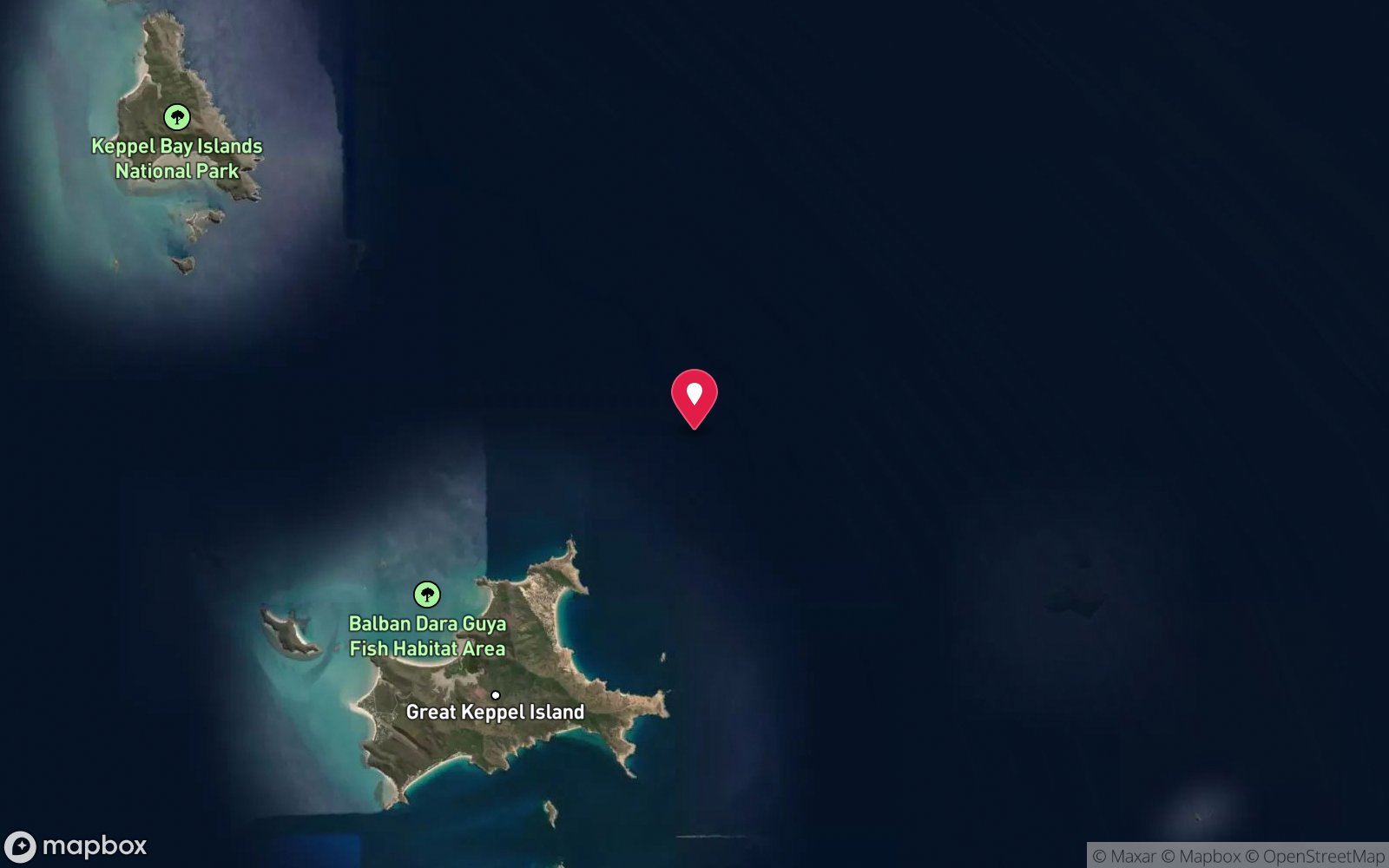
7 pinned sites. Pins marked approximate on their pages show the general area only; not for navigation.
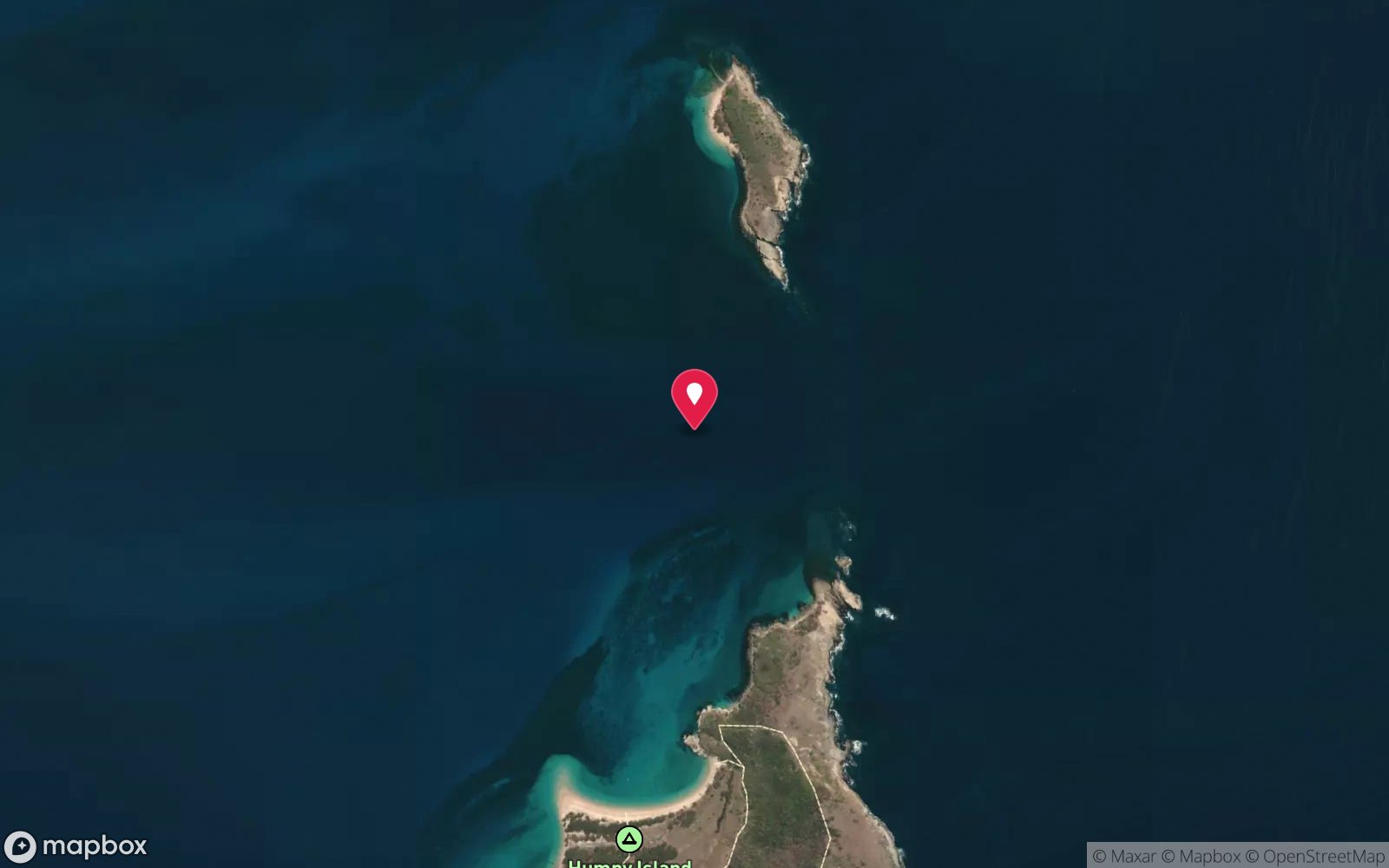
Satellite views
Monkey Beach (Great Keppel Island): frequently asked questions
How deep is Monkey Beach (Great Keppel Island)?
Monkey Beach (Great Keppel Island) reaches a maximum depth of 6 m, with the shallowest part at about 1 m; most of the dive is spent around 3 m.
What certification do I need to dive Monkey Beach (Great Keppel Island)?
No certification is needed to snorkel it, and it suits introductory dives. Rated beginner: sheltered, shallow and manageable for a newly certified diver on a normal day, though note boat traffic overhead.
Can I shore dive Monkey Beach (Great Keppel Island)?
Yes. Monkey Beach (Great Keppel Island) is a shore dive that can be done independently: beach entry, or step off a boat anchored off the reef.
When is the best time to dive Monkey Beach (Great Keppel Island)?
Year-round; July-October for the best visibility (15 m+) and humpback whales; summer (Dec-Mar) warmer but prone to northerlies, storms and Fitzroy River run-off.
What marine life will I see at Monkey Beach (Great Keppel Island)?
Regularly recorded: Staghorn and plate corals (38 species recorded), hawksbill turtles, stingrays, damselfish, chromis, parrotfish, butterflyfish, rabbitfish, sweetlips, coral trout, giant clams.
What wetsuit do I need at Monkey Beach (Great Keppel Island)?
3 mm full suit in summer; 5 mm full suit (hood optional) June-September.
How cold is the water at Monkey Beach (Great Keppel Island)?
Typically 25-28 °C in summer and 19-22 °C in winter.
What are the main hazards at Monkey Beach (Great Keppel Island)?
Very shallow – avoid standing on or kicking coral, especially at low tide; boat traffic and anchored tour boats; summer stingers (wear a stinger suit); long walk with no shade or water – carry both. See the hazards section above for the full list.
Where is the nearest recompression chamber to Monkey Beach (Great Keppel Island)?
Royal Brisbane and Women's Hospital (Brisbane) – roughly equidistant with Townsville University Hospital (Townsville); evacuation via Rockhampton Hospital and RFDS/aeromedical retrieval. In an emergency call 000, then DAN Asia-Pacific on 1800 088 200.
Diving in Capricorn Coast & Keppel Islands
Great Keppel Island and its neighbours off Yeppoon have fringing coral reefs, the Barren Island walls and Man and Wife Rocks in clearer water further out, and the artificial reef of the Cementco wreck. It is a laid-back, uncrowded alternative to the big reef towns.
Getting there: Yeppoon is 40 minutes from Rockhampton airport. Charters and the island ferry leave from Rosslyn Bay.
All Capricorn Coast & Keppel Islands dive sites and a suggested itinerary →
Sources
- visitcapricorn.com.au/8-snorkelling-spots-at-great-keppel-island
- marinelife.org.au/?page_id=1651
- barrierreefaustralia.com/blog/best-places-to-snorkel-and-dive-great-keppel-island.14
- myfavouriteescapes.com/scuba-diving-great-keppel-island
Data confidence: High. Last updated September 2026. Know this site better? How to send a correction
Nearby dive sites
More shore dives in Queensland
Explore more
This region
Marine life