Dive slate · divesites.com.au · printed 9 Nov 2026
Clam Bay (Great Keppel Island)
Capricorn Coast & Keppel Islands, Queensland · near Yeppoon (Rosslyn Bay) / Great Keppel Island
| Depth | 1–5 m |
|---|---|
| Minimum level | Snorkel/Any |
| Difficulty | Beginner |
| Access | Shore or Boat |
| Entry | Beach entry from a boat or water taxi landing |
| Current | Mild |
| Visibility | 3-8 m |
| Water | summer 25-28 °C, winter 19-22 °C |
| Suit | 3 mm full suit in summer; 5 mm full suit (hood optional) June-September |
| Best season | Year-round; July-October for the best visibility (15 m+) and humpback whales; summer (Dec-Mar) warmer but prone to northerlies, storms and Fitzroy River run-off |
| Bottom time | 60 min |
| Position | -23.20500, 150.95500 (approximate) |
| Permit | Great Barrier Reef Marine Park and Queensland Great Barrier Reef Coast Marine Park – check GBRMPA zoning map MPZ 11 (Keppel Bay); no permit needed for recreational diving |
| Nearest chamber | Royal Brisbane and Women's Hospital (Brisbane) – roughly equidistant with Townsville University Hospital (Townsville); evacuation via Rockhampton Hospital and RFDS/aeromedical retrieval |
| Emergency | 000 · DAN Asia-Pacific diving emergency 1800 088 200 |
Clam Bay (Great Keppel Island)
Also known as Clam Bay
A quiet southern bay with a broad reef flat and coral trout breeding ground, at its best when northerlies blow out the western beaches.
Near Yeppoon (Rosslyn Bay) / Great Keppel Island · Capricorn Coast & Keppel Islands, Queensland
- Depth
- 1–5 m
- Minimum level
- Snorkel/Any
- Access
- Shore or Boat
- Boat ride
- ~15 min
- Water
- 25-28 °C
- Visibility
- 3-8 m
Clam Bay (Great Keppel Island)1–5 m · Snorkel/Any · Shore
Dive factsDepths, conditions, location & safety
Season
Off-peak nowBest months: January, February, March, July, August, September, October, December.
Year-round; July-October for the best visibility (15 m+) and humpback whales; summer (Dec-Mar) warmer but prone to northerlies, storms and Fitzroy River run-off
- Best months
- Now (November)
- Stinger suit Nov–May
Dive facts
- Depth
- 1–5 m
- Typical depth
- 3 m
- Certification
- Snorkel/Any
- Difficulty
- Beginner
- Depth tier
- Easy (0–10 m)
- Access
- Shore or Boat
- Offshore
- 14 km
- Dive centre needed
- Recommended
- Shore / independent
- Possible (experienced only)
- Boat ride
- ~15 min
- Current
- Mild
- Visibility
- 3-8 m
- Water temp (summer)
- 25-28 °C
- Water temp (winter)
- 19-22 °C
- Water
- Subtropical
- Bottom time
- 60 min
- Dive traffic
- Moderate (occasional charters/club dives)
- Night dive
- No
- Snorkel friendly
- Yes
Exposure suit
3 mm full suit in summer; 5 mm full suit (hood optional) June-September
Location
Great Keppel Island – south coast · Capricorn Coast – Keppel Islands & Yeppoon
-23.20500, 150.95500
Approximate position — not for navigation.
Open in Google MapsPrimary source: marinelife.org.auMarine park & permits
Great Barrier Reef Marine Park and Queensland Great Barrier Reef Coast Marine Park – check GBRMPA zoning map MPZ 11 (Keppel Bay); no permit needed for recreational diving
Nearest recompression chamber
Royal Brisbane and Women's Hospital (Brisbane) – roughly equidistant with Townsville University Hospital (Townsville); evacuation via Rockhampton Hospital and RFDS/aeromedical retrieval
Diving emergency: call 000, then DAN AP 1800 088 200.
Trip planner
Build a trip around Clam Bay (Great Keppel Island) →
A day-by-day plan for Capricorn Coast & Keppel Islands with this site locked in.
This guide is a planning aid. Conditions change daily — confirm with a local dive centre and dive within your training. Data & safety notes.
Dive profile
How this site rates
Scores are computed from the recorded data, not opinions. How?
At a glance
Clam Bay (Great Keppel Island) is a reef shore dive for experienced divers in Capricorn Coast & Keppel Islands, QLD, 1–5 m, suitable for snorkellers and first-time divers, about 15 minutes by boat.
Rated beginner: sheltered, shallow and manageable for a newly certified diver on a normal day, though note boat traffic overhead.
Why dive here
- A quiet southern bay with a broad reef flat and coral trout breeding ground, at its best when northerlies blow out the western beaches.
- Snorkel-friendly, so non-diving companions can join at the surface.
Conditions to avoid
- Strong southerly or south-east swell and wind
- Strong northerlies
- Outgoing tide or run-off after rain (poor visibility)
- Stinger season without a full suit (November–May)
About Clam Bay (Great Keppel Island)
Clam Bay is a long, curving bay on Great Keppel Island's southern side, about 2 km from end to end and divided into four beaches. The first beach is about 200 m long and the main beach 550 m. In front of them a broad reef flat extends 100-150 m offshore before dropping to the reef edge, where most of the interest lies.
The reef is a known breeding ground for coral trout, and snorkellers report juvenile coral colonies, anemones with their fish, and turtles feeding on the flat. Giant clams, which gave the bay its name, can still be found among the coral. Depths at the reef edge are only a few metres, so this is primarily a snorkelling site, although it can be dived as a shallow, exploratory shore dive.
Unlike Monkey Beach, Clam Bay faces the prevailing south-easterly trade winds and is often windy; it comes into its own on northerly or easterly days when the western bays are rough. Timing with the tide is important, since the long reef flat must be crossed to reach the edge and it becomes very shallow at low water. Clam Bay is less visited than the reefs near Fisherman's Beach because access is mainly by boat, which gives it a quieter feel.
It suits snorkellers and new divers with a boat at their disposal, and those staying on the island who want to explore beyond the busy beaches. Treat the reef flat with care: much of the young coral growth is right at the surface on lower tides.
Getting there & entry
A 2 km bay on Great Keppel's southern coast with four beaches and a reef flat extending 100-150 m offshore; a coral trout breeding ground and sheltered snorkel in northerly and easterly winds.
Drive 40 km (about 40 minutes) from Rockhampton to Yeppoon, then 7 km south along the Scenic Highway to Keppel Bay Marina at Rosslyn Bay Harbour, where there is free and paid parking. Freedom Fast Cats and Keppel Konnections ferries run to Great Keppel Island (Fisherman's Beach) in about 30 minutes; Keppel Dive & Water Sports picks up certified divers from the island. Clam Bay is on Great Keppel's southern coast and is most easily reached by private boat, water taxi or the dive operator's boat, about 10-15 minutes from Fisherman's Beach; a walking track exists but is long.
Land on the main (550 m) beach and enter at mid to low tide, swimming out across the reef flat to the reef edge 100-150 m offshore.
Entry: Beach entry from a boat or water taxi landing
Facilities: No facilities; bring water and shade. Nearest gear hire and fills at Keppel Dive & Water Sports on the Spit.
Weather, swell & tides
Keppel Bay is exposed to the prevailing south-east trades (strongest April-September) and to summer northerlies. Clam Bay faces south and is best in northerly or easterly winds; the prevailing south-easterlies blow into the bay and make it windy and choppy, so it is less often suitable during the trade-wind season. Enter at mid to low tide when the reef edge can be reached; at dead low the reef flat is too shallow to cross without damage.
Visibility is modest and poor after rain. Summer stingers possible.
Best season: Year-round; July-October for the best visibility (15 m+) and humpback whales; summer (Dec-Mar) warmer but prone to northerlies, storms and Fitzroy River run-off
If it's blown out
Sheltered or shore sites within 25 km that often work when Clam Bay (Great Keppel Island) doesn't.
- Shelving Beach (Great Keppel Island) · 2 km · Max 5 m
- Monkey Beach (Great Keppel Island) · 2 km · Max 6 m
- Halfway Island (Keppels) · 2 km · Max 10 m
- Wreck Beach (Great Keppel Island) · 4 km · Max 12 m
How the dive is usually run
Cross the reef flat on the surface at mid tide to the reef edge, then snorkel or dive along the edge in 2-5 m, looking for juvenile corals, anemones and coral trout. Return to the beach before the tide drops too far to re-cross the flat.
Marine life
- Coral trout (breeding ground)
- juvenile coral colonies
- anemones and anemonefish
- turtles →
- giant clams
- reef-flat fish
- stingrays
Linked species have their own page listing every site where they are recorded. All marine life →
Training required
Shallow enough for snorkellers and for a first dive under supervision. Any certified diver can dive it.
Depth tiers: 0–10 m easy · to 18 m Open Water · 18–30 m Advanced (25 m+ is a deep dive) · 30–40 m Deep specialty · 40 m+ technical. All courses
Hazards & warnings
Exposed to south-easterly winds; long reef-flat crossing – watch the tide so you can get back; boat traffic near the beaches; summer stingers; remote – bring water and a way back.
Dive centres that go here
Visited by private boats, water taxis and occasionally Keppel Dive & Water Sports or Keppel cruise operators; no scheduled dive operation.
Operators recorded for Clam Bay (Great Keppel Island)
Map
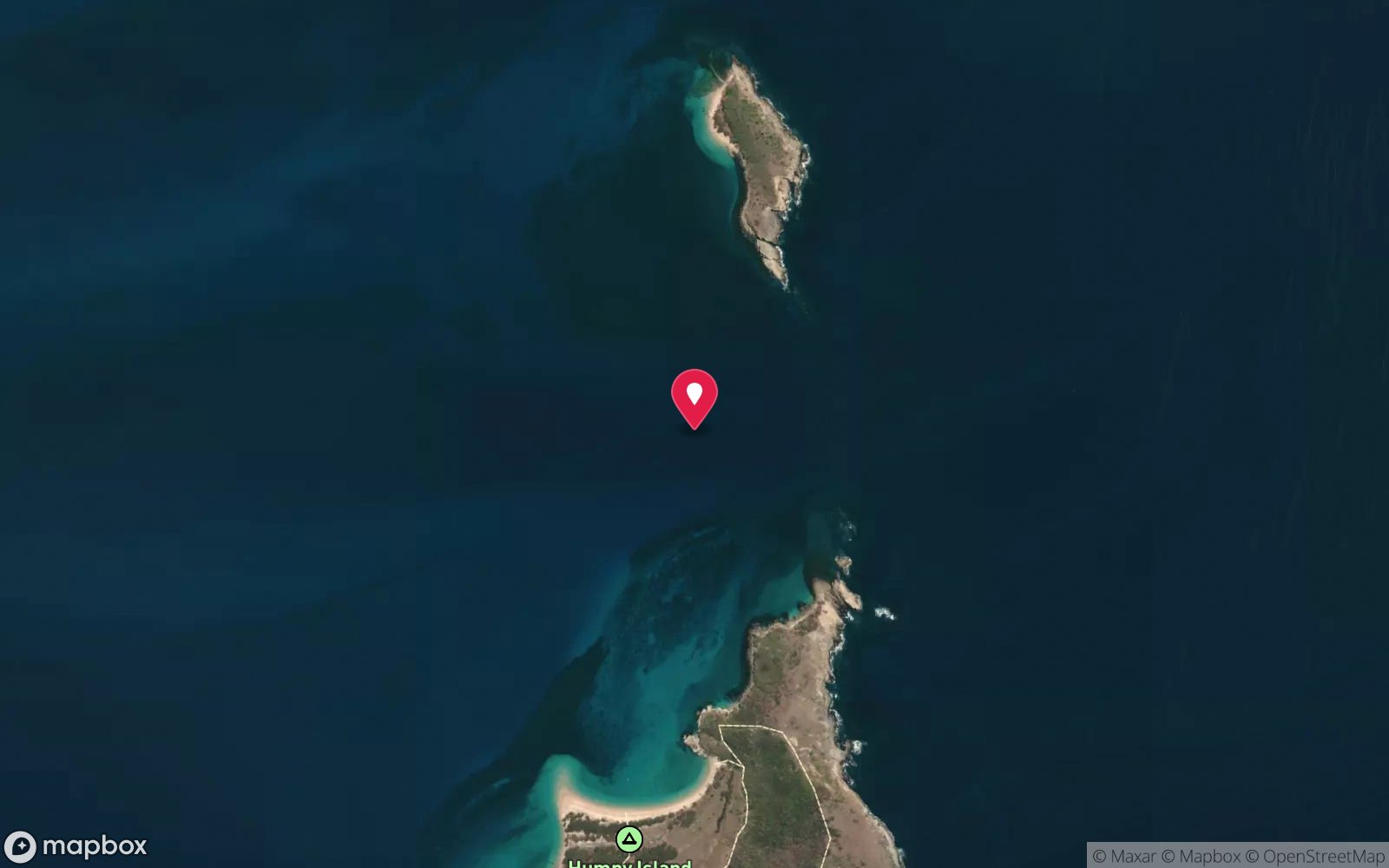
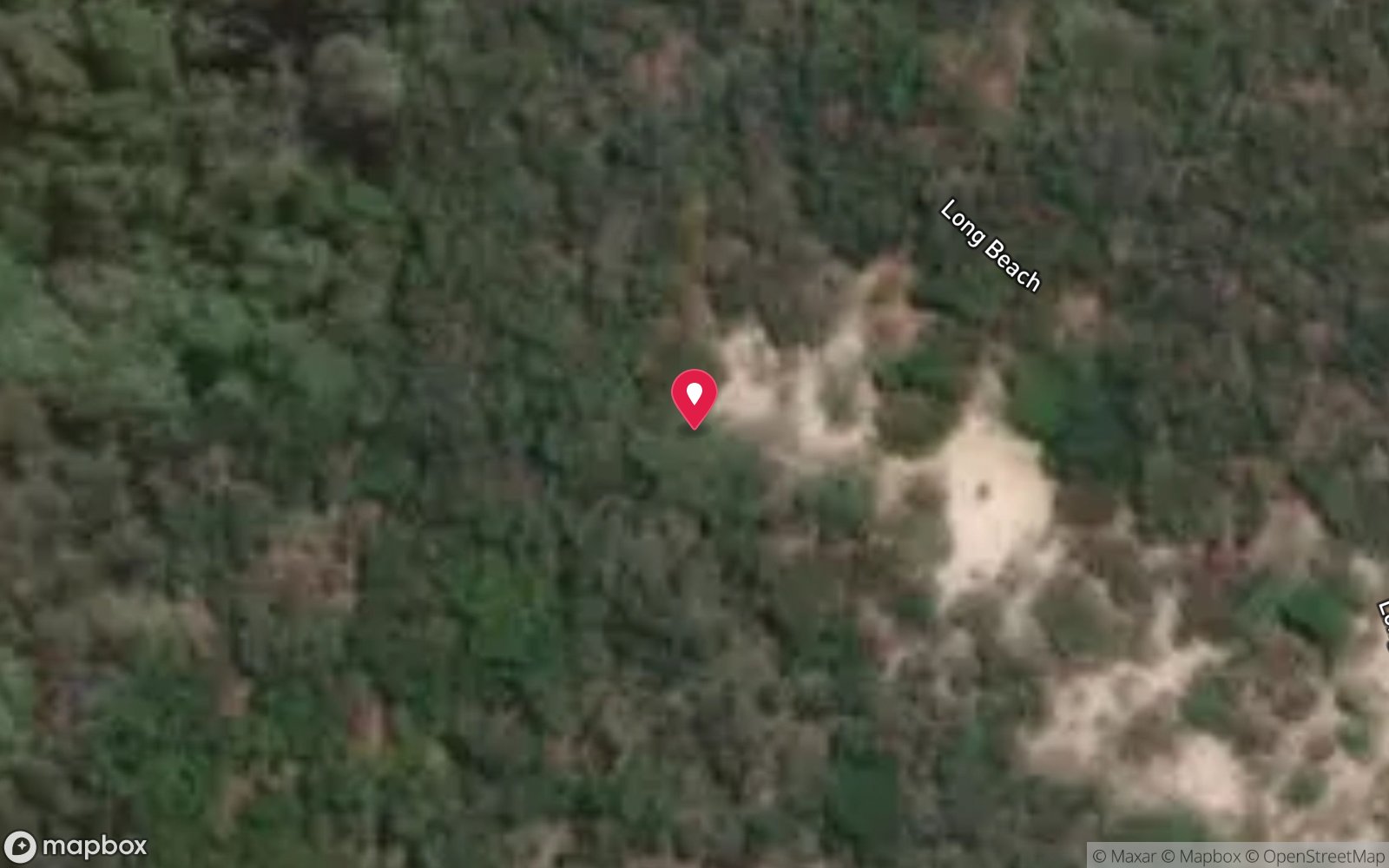
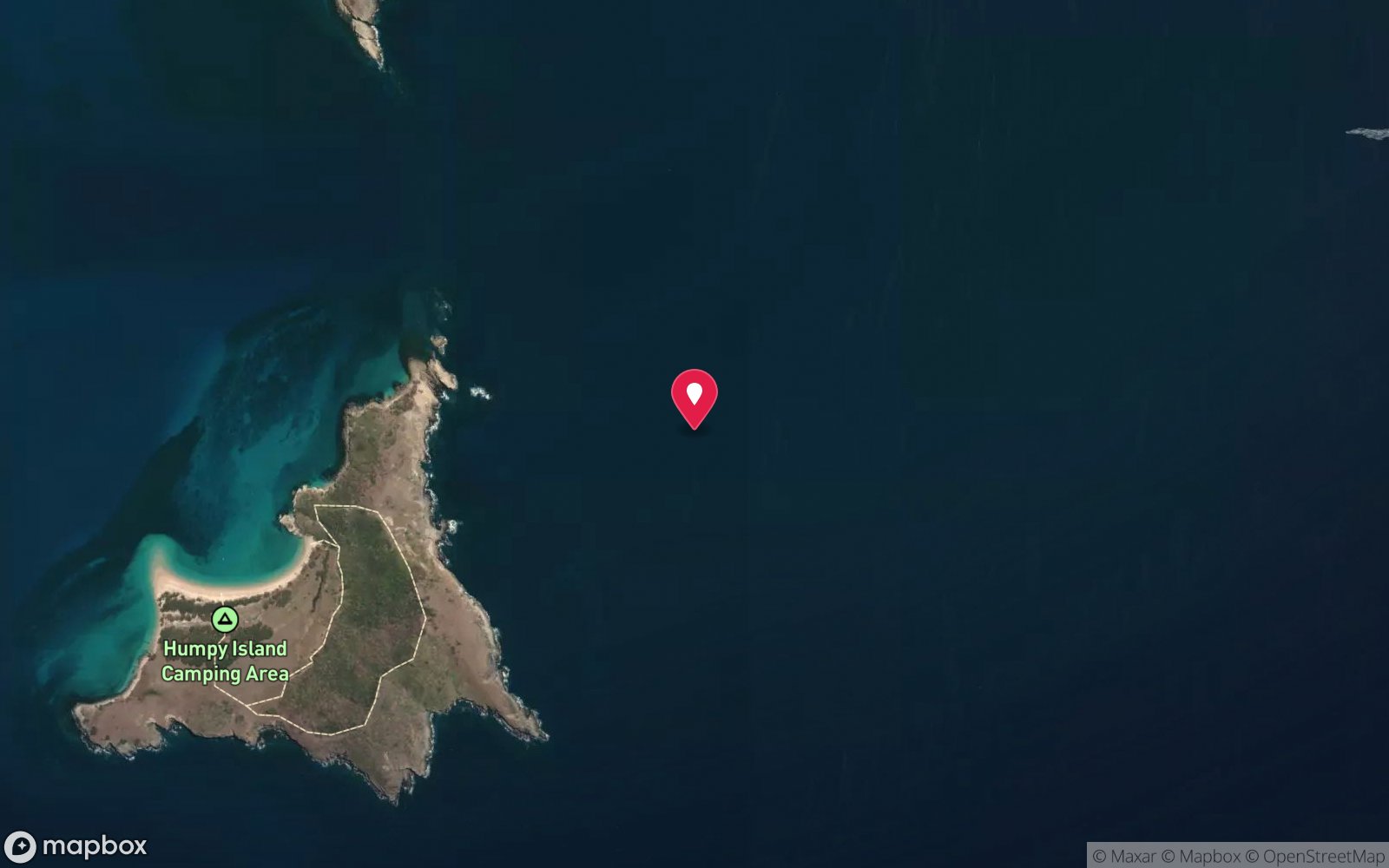
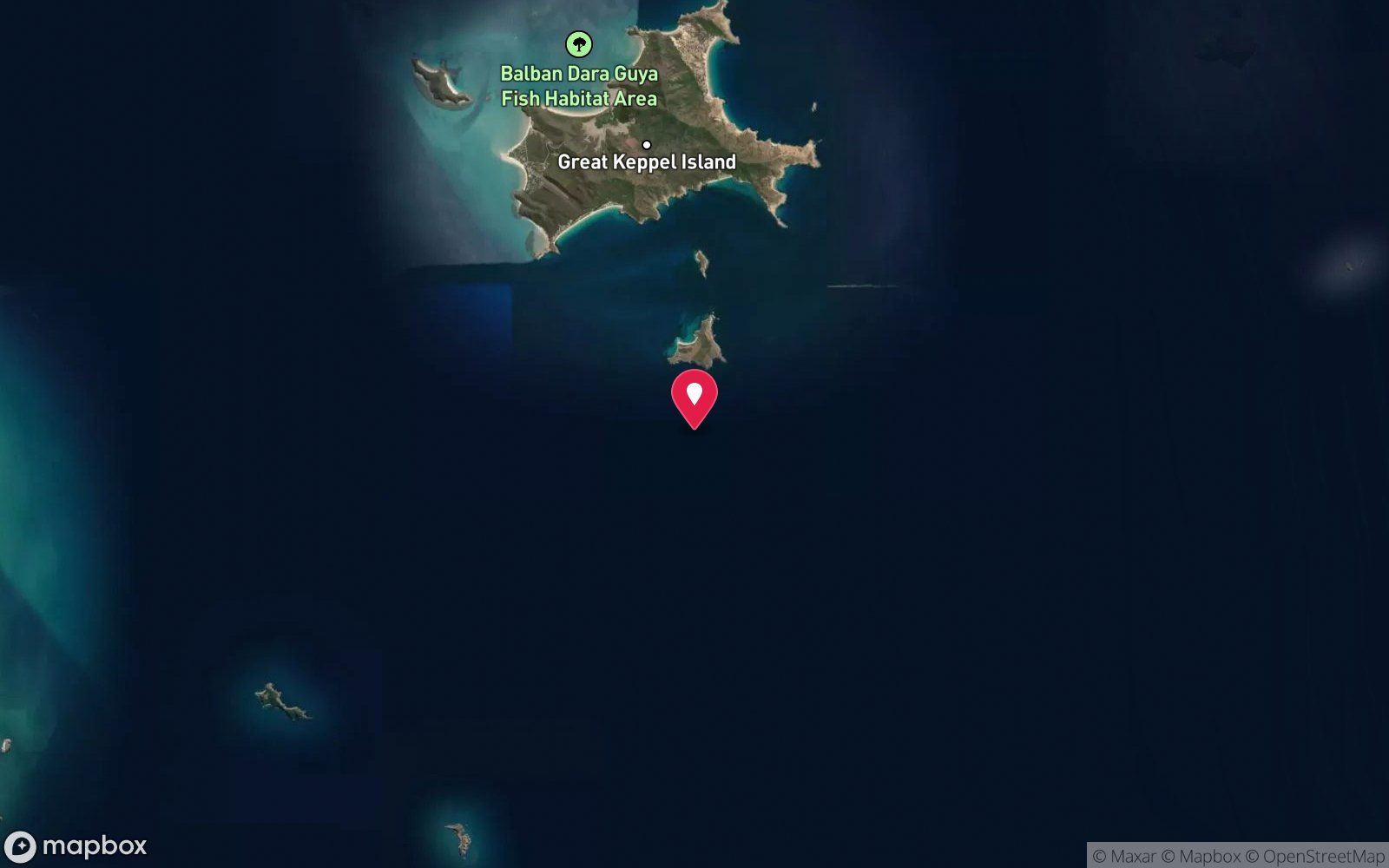
7 pinned sites. Pins marked approximate on their pages show the general area only; not for navigation.
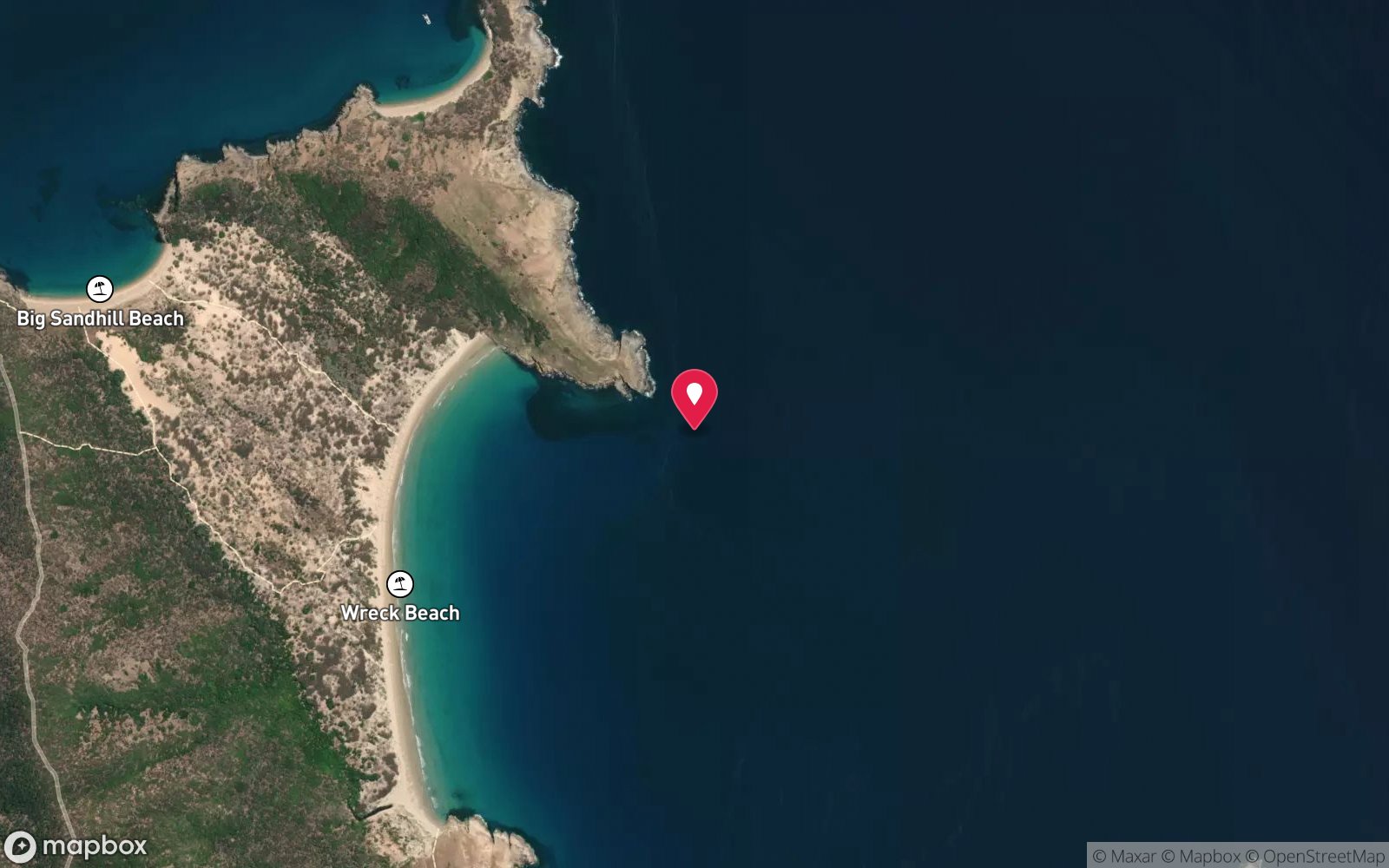
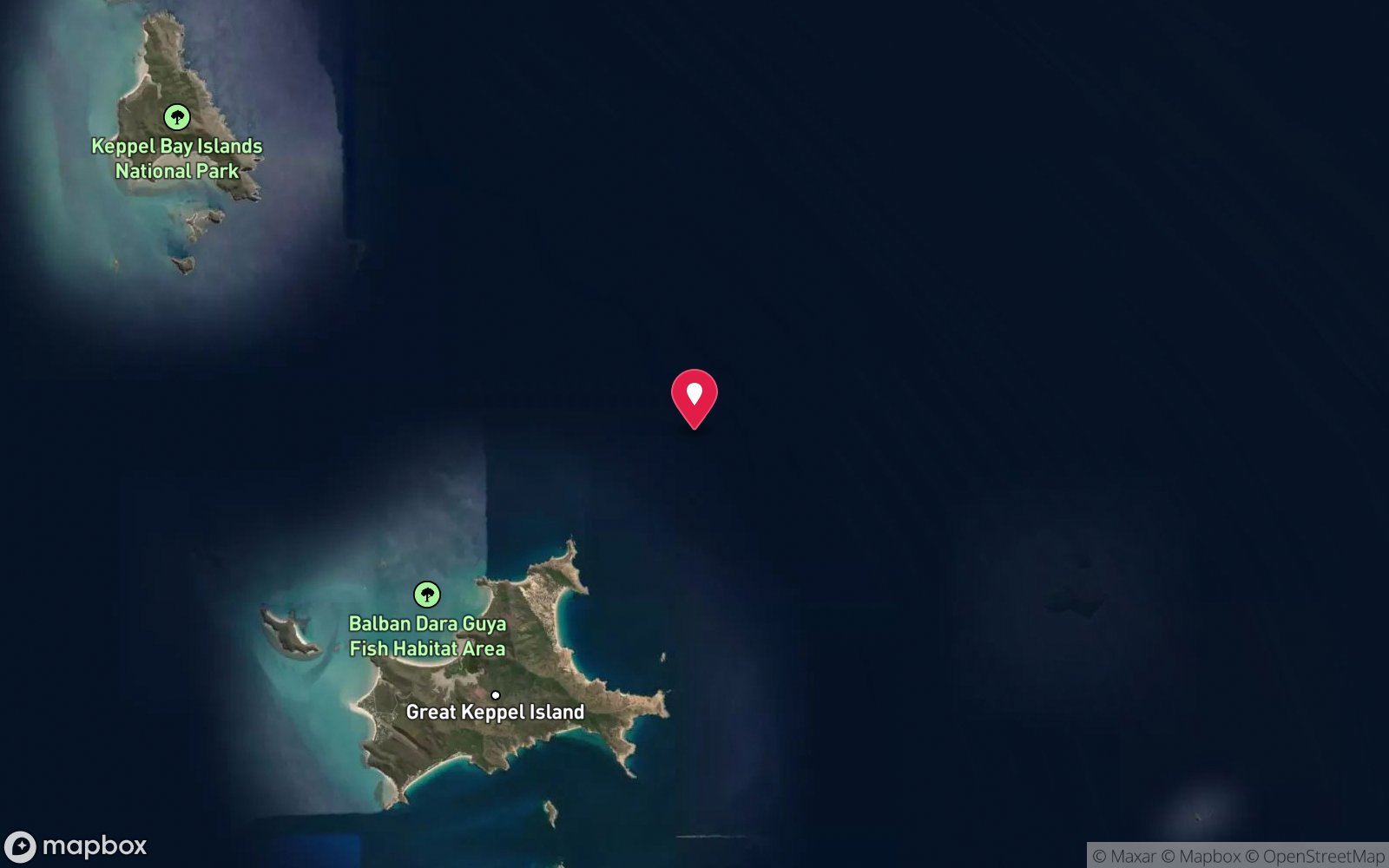
Satellite views
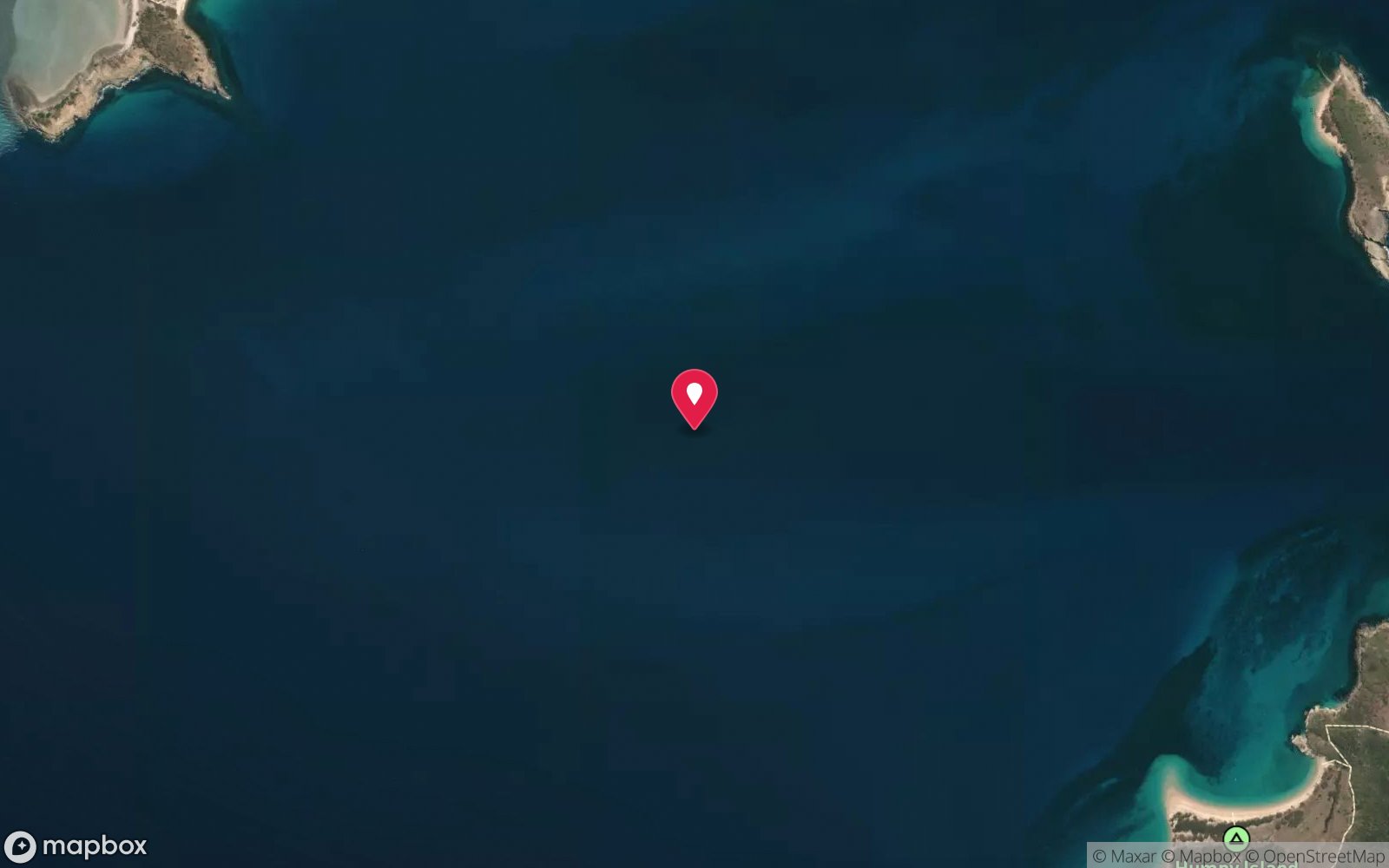
Clam Bay (Great Keppel Island): frequently asked questions
How deep is Clam Bay (Great Keppel Island)?
Clam Bay (Great Keppel Island) reaches a maximum depth of 5 m, with the shallowest part at about 1 m; most of the dive is spent around 3 m.
What certification do I need to dive Clam Bay (Great Keppel Island)?
No certification is needed to snorkel it, and it suits introductory dives. Rated beginner: sheltered, shallow and manageable for a newly certified diver on a normal day, though note boat traffic overhead.
Can I shore dive Clam Bay (Great Keppel Island)?
Experienced divers do dive Clam Bay (Great Keppel Island) from the shore, but the entry or conditions make it unsuitable for newer divers without local guidance. Entry: Beach entry from a boat or water taxi landing.
When is the best time to dive Clam Bay (Great Keppel Island)?
Year-round; July-October for the best visibility (15 m+) and humpback whales; summer (Dec-Mar) warmer but prone to northerlies, storms and Fitzroy River run-off.
What marine life will I see at Clam Bay (Great Keppel Island)?
Regularly recorded: Coral trout (breeding ground), juvenile coral colonies, anemones and anemonefish, turtles, giant clams, reef-flat fish, stingrays.
What wetsuit do I need at Clam Bay (Great Keppel Island)?
3 mm full suit in summer; 5 mm full suit (hood optional) June-September.
How cold is the water at Clam Bay (Great Keppel Island)?
Typically 25-28 °C in summer and 19-22 °C in winter.
What are the main hazards at Clam Bay (Great Keppel Island)?
Exposed to south-easterly winds; long reef-flat crossing – watch the tide so you can get back; boat traffic near the beaches; summer stingers; remote – bring water and a way back. See the hazards section above for the full list.
Where is the nearest recompression chamber to Clam Bay (Great Keppel Island)?
Royal Brisbane and Women's Hospital (Brisbane) – roughly equidistant with Townsville University Hospital (Townsville); evacuation via Rockhampton Hospital and RFDS/aeromedical retrieval. In an emergency call 000, then DAN Asia-Pacific on 1800 088 200.
Diving in Capricorn Coast & Keppel Islands
Great Keppel Island and its neighbours off Yeppoon have fringing coral reefs, the Barren Island walls and Man and Wife Rocks in clearer water further out, and the artificial reef of the Cementco wreck. It is a laid-back, uncrowded alternative to the big reef towns.
Getting there: Yeppoon is 40 minutes from Rockhampton airport. Charters and the island ferry leave from Rosslyn Bay.
All Capricorn Coast & Keppel Islands dive sites and a suggested itinerary →
Sources
Data confidence: Medium. Last updated September 2026. Know this site better? How to send a correction
Nearby dive sites
More reef dives in Queensland
Explore more
This region
Similar dives
Marine life