Dive slate · divesites.com.au · printed 9 Nov 2026
Wreck Beach (Great Keppel Island)
Capricorn Coast & Keppel Islands, Queensland · near Yeppoon (Rosslyn Bay) / Great Keppel Island
| Depth | 2–12 m |
|---|---|
| Minimum level | Open Water |
| Difficulty | Beginner |
| Access | Shore or Boat |
| Entry | Giant stride from boat, or beach entry after a long walk |
| Current | Mild |
| Visibility | 8-15 m |
| Water | summer 25-28 °C, winter 19-22 °C |
| Suit | 3 mm full suit in summer; 5 mm full suit (hood optional) June-September |
| Best season | Year-round; July-October for the best visibility (15 m+) and humpback whales; summer (Dec-Mar) warmer but prone to northerlies, storms and Fitzroy River run-off |
| Bottom time | 50 min |
| Position | -23.18000, 150.98000 (approximate) |
| Permit | Great Barrier Reef Marine Park and Queensland Great Barrier Reef Coast Marine Park – check GBRMPA zoning map MPZ 11 (Keppel Bay); no permit needed for recreational diving |
| Nearest chamber | Royal Brisbane and Women's Hospital (Brisbane) – roughly equidistant with Townsville University Hospital (Townsville); evacuation via Rockhampton Hospital and RFDS/aeromedical retrieval |
| Emergency | 000 · DAN Asia-Pacific diving emergency 1800 088 200 |
Wreck Beach (Great Keppel Island)
Also known as Wreck Beach reef
A quiet far-side bay with a 2 m-high brain coral thought to be around 420 years old.
Near Yeppoon (Rosslyn Bay) / Great Keppel Island · Capricorn Coast & Keppel Islands, Queensland
- Depth
- 2–12 m
- Minimum level
- Open Water
- Access
- Shore or Boat
- Boat ride
- ~20 min
- Water
- 25-28 °C
- Visibility
- 8-15 m
Wreck Beach (Great Keppel Island)2–12 m · Open Water · Shore
Dive factsDepths, conditions, location & safety
Season
Off-peak nowBest months: January, February, March, July, August, September, October, December.
Year-round; July-October for the best visibility (15 m+) and humpback whales; summer (Dec-Mar) warmer but prone to northerlies, storms and Fitzroy River run-off
- Best months
- Now (November)
- Stinger suit Nov–May
Dive facts
- Depth
- 2–12 m
- Typical depth
- 8 m
- Certification
- Open Water
- Difficulty
- Beginner
- Depth tier
- Open Water (10–18 m)
- Access
- Shore or Boat
- Offshore
- 15 km
- Dive centre needed
- Recommended
- Shore / independent
- Possible (experienced only)
- Boat ride
- ~20 min
- Current
- Mild
- Visibility
- 8-15 m
- Water temp (summer)
- 25-28 °C
- Water temp (winter)
- 19-22 °C
- Water
- Subtropical
- Bottom time
- 50 min
- Dive traffic
- Popular (weekly charters)
- Night dive
- Possible
- Snorkel friendly
- Yes
Exposure suit
3 mm full suit in summer; 5 mm full suit (hood optional) June-September
Location
Great Keppel Island – north/far side · Capricorn Coast – Keppel Islands & Yeppoon
-23.18000, 150.98000
Approximate position — not for navigation.
Open in Google MapsPrimary source: visitcapricorn.com.auMarine park & permits
Great Barrier Reef Marine Park and Queensland Great Barrier Reef Coast Marine Park – check GBRMPA zoning map MPZ 11 (Keppel Bay); no permit needed for recreational diving
Nearest recompression chamber
Royal Brisbane and Women's Hospital (Brisbane) – roughly equidistant with Townsville University Hospital (Townsville); evacuation via Rockhampton Hospital and RFDS/aeromedical retrieval
Diving emergency: call 000, then DAN AP 1800 088 200.
Trip planner
Build a trip around Wreck Beach (Great Keppel Island) →
A day-by-day plan for Capricorn Coast & Keppel Islands with this site locked in.
This guide is a planning aid. Conditions change daily — confirm with a local dive centre and dive within your training. Data & safety notes.
Dive profile
How this site rates
Scores are computed from the recorded data, not opinions. How?
At a glance
Wreck Beach (Great Keppel Island) is a reef shore dive for experienced divers in Capricorn Coast & Keppel Islands, QLD, 2–12 m, suited to Open Water divers, about 20 minutes by boat.
Rated beginner: sheltered, shallow and manageable for a newly certified diver on a normal day, though note boat traffic overhead.
Why dive here
- A quiet far-side bay with a 2 m-high brain coral thought to be around 420 years old.
- Snorkel-friendly, so non-diving companions can join at the surface.
About Wreck Beach (Great Keppel Island)
Wreck Beach is a remote-feeling bay on the far side of Great Keppel Island, and its fringing reef is best known for a single enormous brain coral, around 2 m high and estimated to be about 420 years old. The coral predates European settlement of Australia and is a striking example of how long individual colonies can survive in these inshore waters. The rest of the reef is a shallow fringing system sloping from the beach to 8-12 m, with plate and branching corals, giant clams and a busy population of reef fish.
Spotted rays and blue-spotted stingrays rest on the sand, wobbegongs shelter under coral overhangs, and turtles and even dolphins are reported in the bay. The site suits new divers and snorkellers well: it is shallow, easy to navigate and usually calm when the wind is southerly. Because walking access is long and hilly, most divers visit by boat with the island's dive operator, while snorkellers sometimes make the trek.
There is no shipwreck to dive here despite the name. What makes it worthwhile is the sense of remoteness, the healthy shallow reef and the chance to see one of the oldest known corals in Keppel Bay. Other fringing-reef bays around Great Keppel, such as Monkey Beach, Shelving Beach and Clam Bay, are closer to the resort area and more often visited, so Wreck Beach offers a quieter alternative with similar reef types.
The old brain coral lies in shallow water and is easily damaged by fins, so keep well above it and do not stand or rest on it; it is one of the oldest living things in Keppel Bay and a useful record of past floods and bleaching years for researchers.
Getting there & entry
A fringing reef off Wreck Beach on the far side of Great Keppel Island, known for a brain coral estimated at 420 years old and about 2 m high.
Drive 40 km (about 40 minutes) from Rockhampton to Yeppoon, then 7 km south along the Scenic Highway to Keppel Bay Marina at Rosslyn Bay Harbour, where there is free and paid parking. Freedom Fast Cats and Keppel Konnections ferries run to Great Keppel Island (Fisherman's Beach) in about 30 minutes; Keppel Dive & Water Sports picks up certified divers from the island. Wreck Beach is on the far side of Great Keppel from Fisherman's Beach.
The dive operator reaches it in about 15-25 minutes by boat. It can also be reached on foot by the island's bushwalking track, but it is a long, hilly trek that is impractical with scuba gear – snorkellers who walk should carry water and allow several hours return.
Entry: Giant stride from boat, or beach entry after a long walk
Weather, swell & tides
Keppel Bay is exposed to the prevailing south-east trades (strongest April-September) and to summer northerlies. The beach is on the opposite side of the island from the main settlement; it is best in light winds or when the wind is from the south, giving shelter. Northerly and north-easterly winds make it choppy and reduce visibility.
Currents are usually slight. Visibility is typically 5-12 m.
Best season: Year-round; July-October for the best visibility (15 m+) and humpback whales; summer (Dec-Mar) warmer but prone to northerlies, storms and Fitzroy River run-off
If it's blown out
Sheltered or shore sites within 25 km that often work when Wreck Beach (Great Keppel Island) doesn't.
- Shelving Beach (Great Keppel Island) · 4 km · Max 5 m
- Monkey Beach (Great Keppel Island) · 4 km · Max 6 m
- Halfway Island (Keppels) · 3 km · Max 10 m
- Middle Island Underwater Observatory Site · 7 km · Max 10 m
How the dive is usually run
Enter from the boat or beach, swim out over the reef flat to the reef edge at 4-6 m and follow it along the bay, dropping to 8-12 m at the base. Visit the giant brain coral, then return along the shallow edge and finish with a safety stop above the reef.
Marine life
- Giant brain coral (c. 420 years old)
- giant clams
- spotted rays
- blue-spotted stingrays
- wobbegongs →
- turtles →
- dolphins
- plate and branching corals
- reef fish
Linked species have their own page listing every site where they are recorded. All marine life →
Training required
Within the 18 m limit of an entry-level certification.
Depth tiers: 0–10 m easy · to 18 m Open Water · 18–30 m Advanced (25 m+ is a deep dive) · 30–40 m Deep specialty · 40 m+ technical. All courses
Hazards & warnings
Long walk to reach overland – boat access recommended; shallow reef flat at low tide; boat traffic; carry water and sun protection.
Dive centres that go here
Keppel Dive & Water Sports (PADI 5 Star, based on the Spit at Great Keppel Island next to Great Keppel Island Hideaway) runs guided boat dives to the Keppel sites most days, weather permitting, plus courses and Discover Scuba; site choice is made on the day according to wind. Private boats from Rosslyn Bay also dive here. Wreck Beach is among the shore-style sites the operator reaches by boat transfer.
Operators recorded for Wreck Beach (Great Keppel Island)
Map
7 pinned sites. Pins marked approximate on their pages show the general area only; not for navigation.
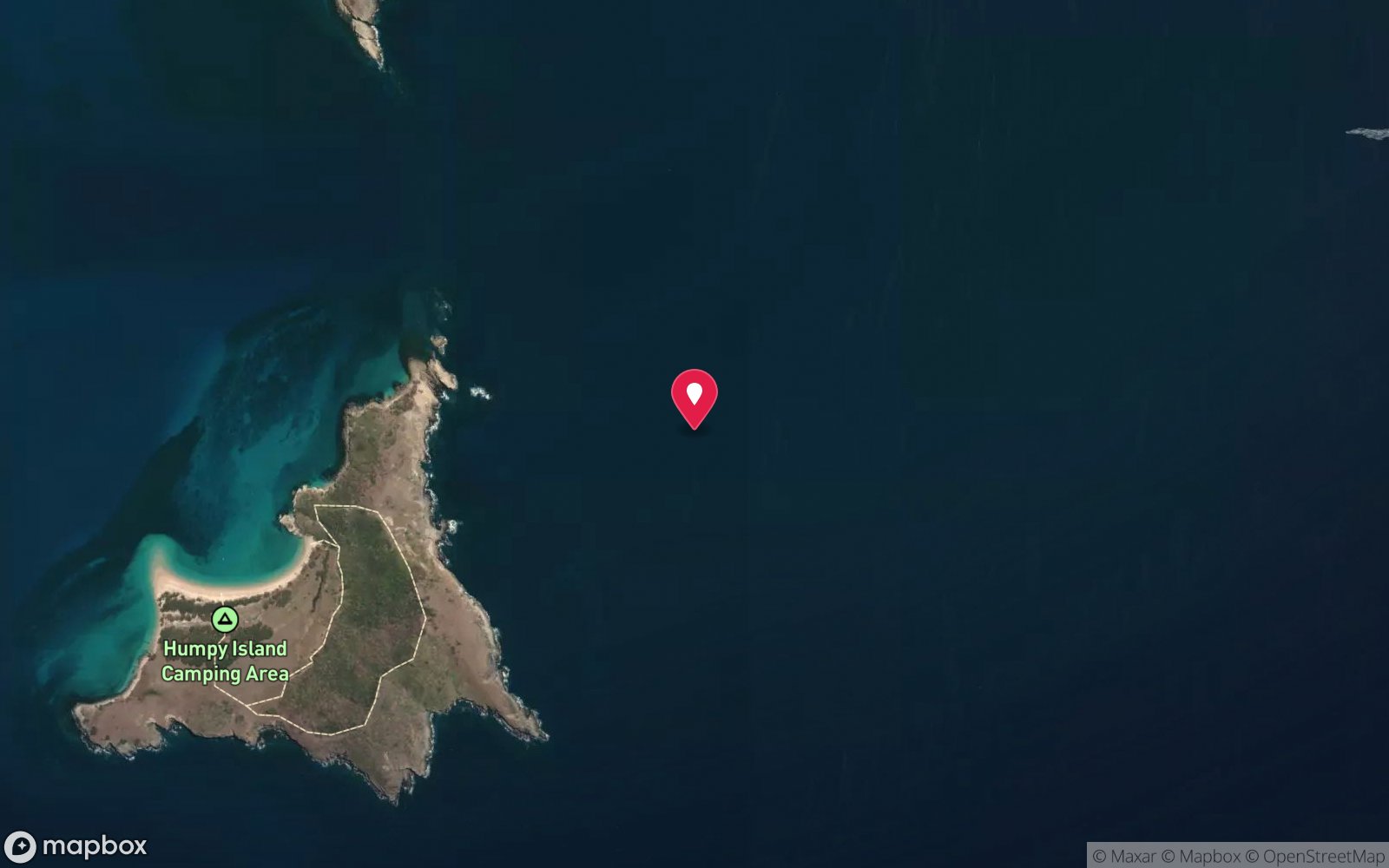
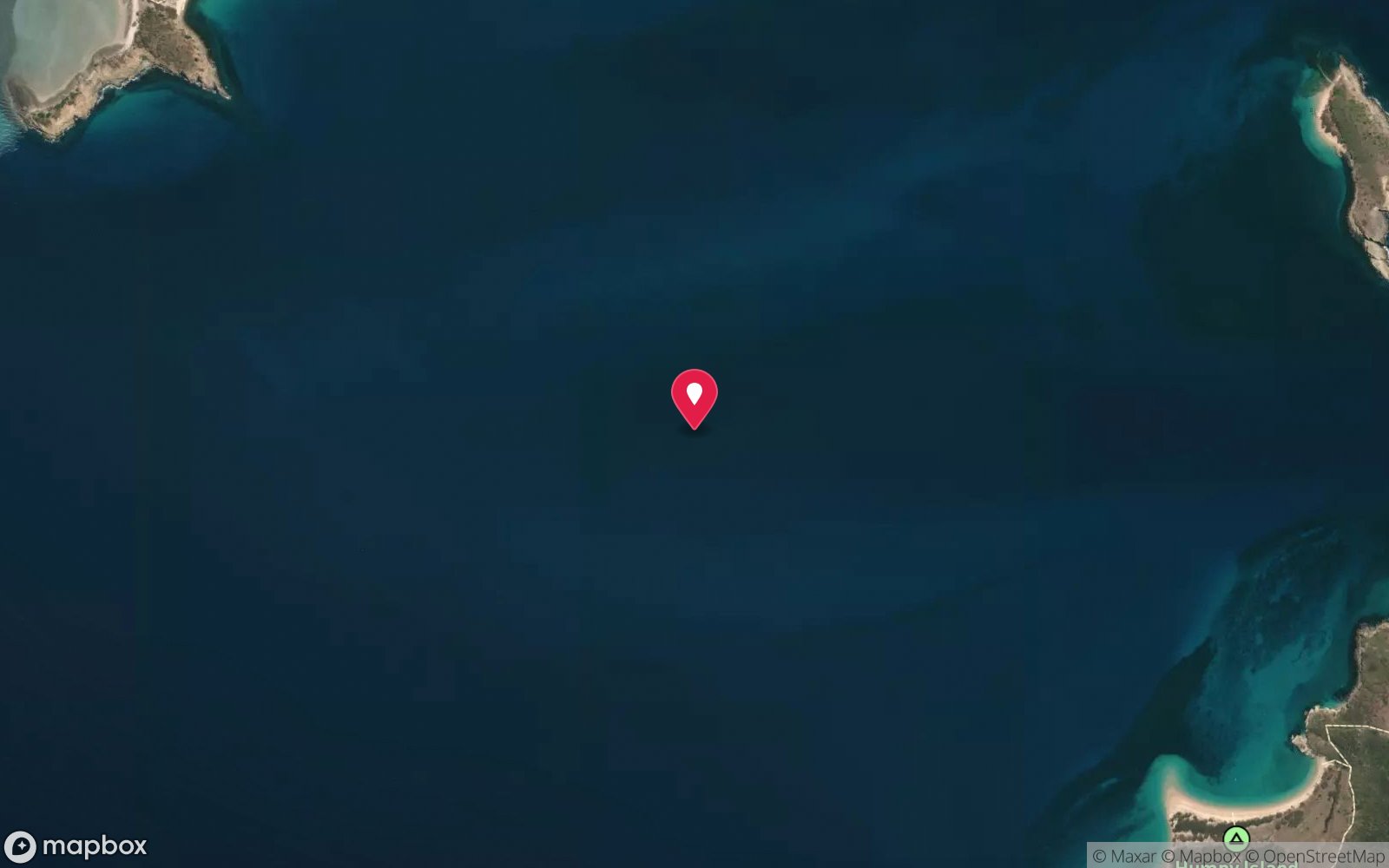
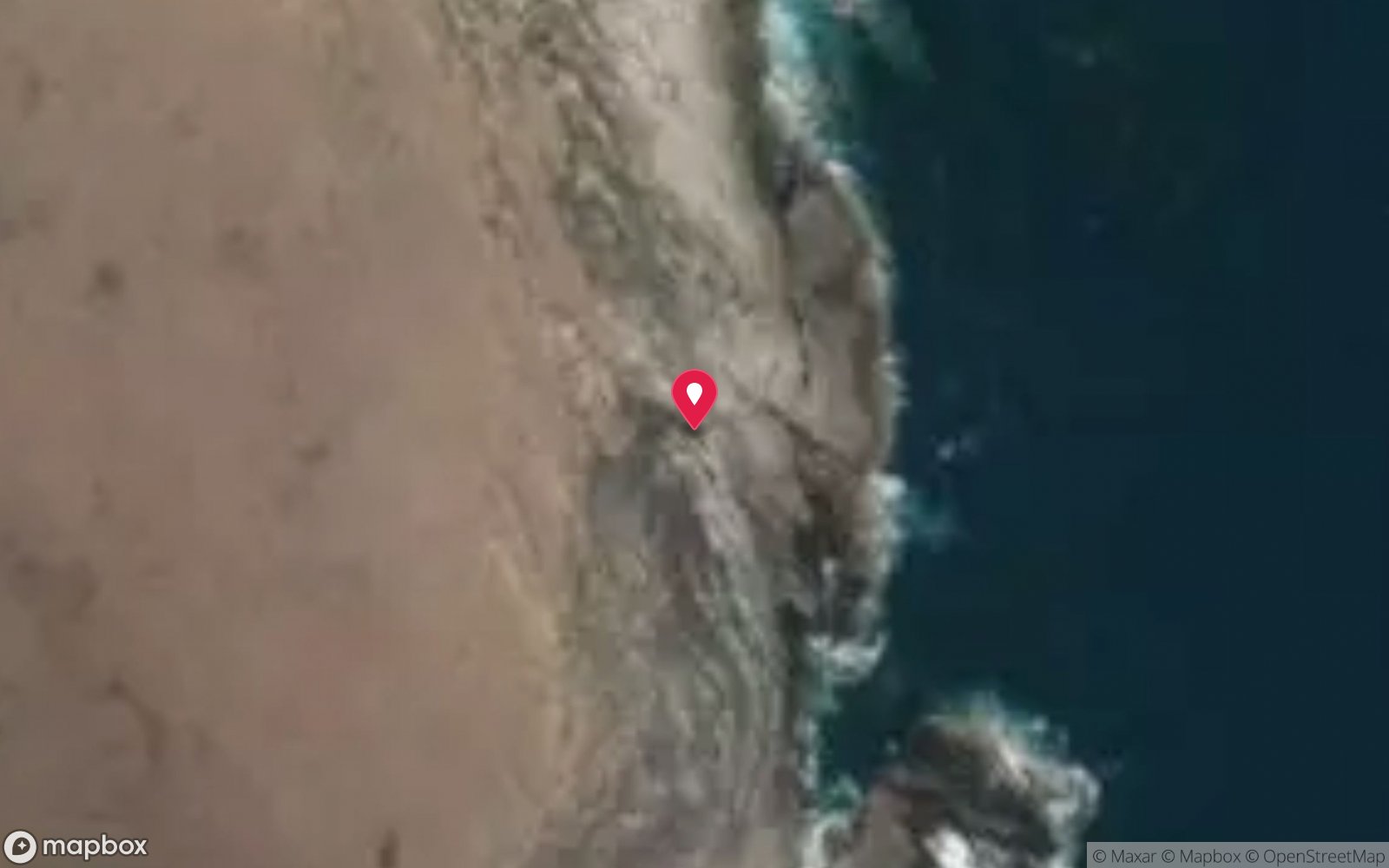
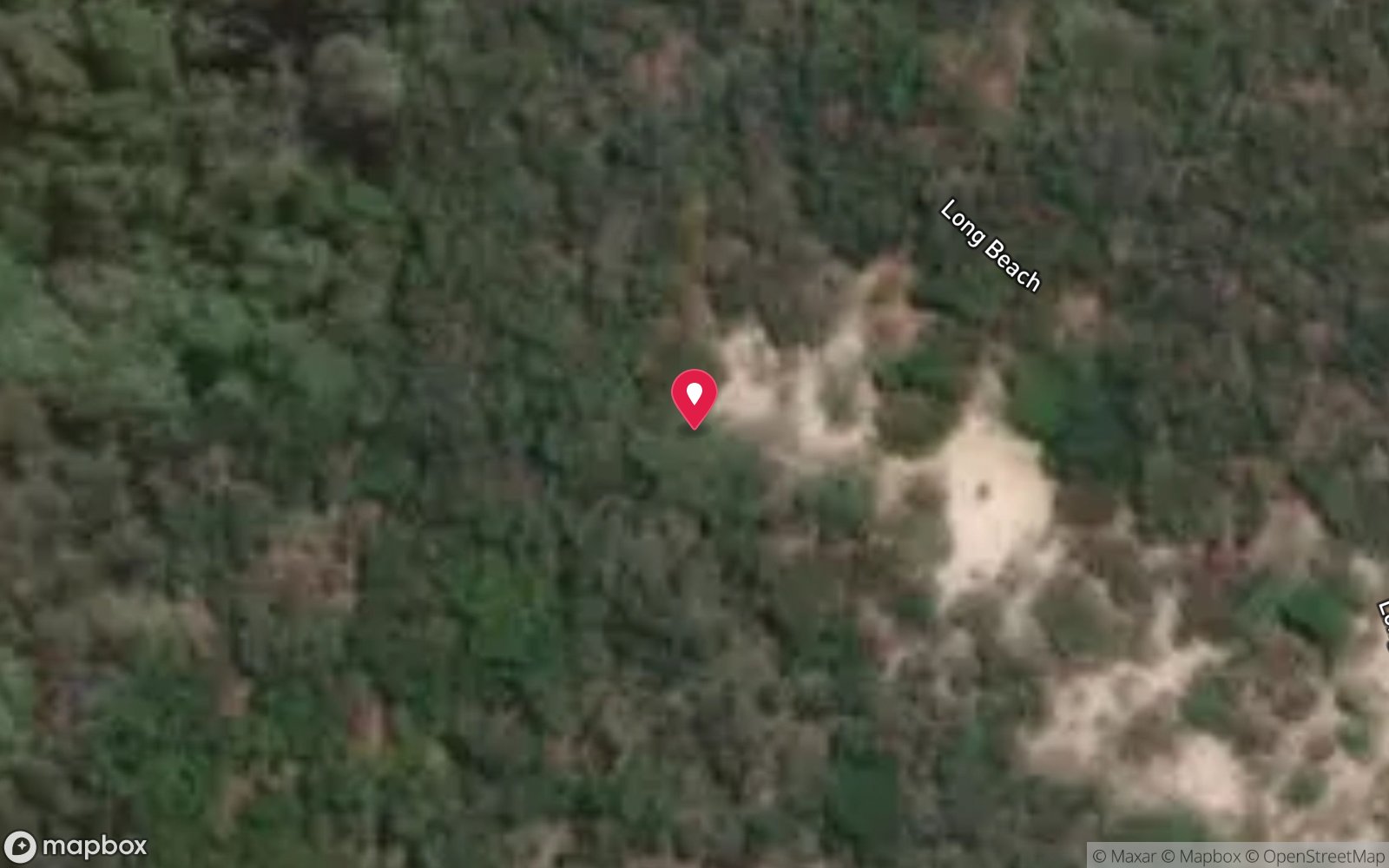
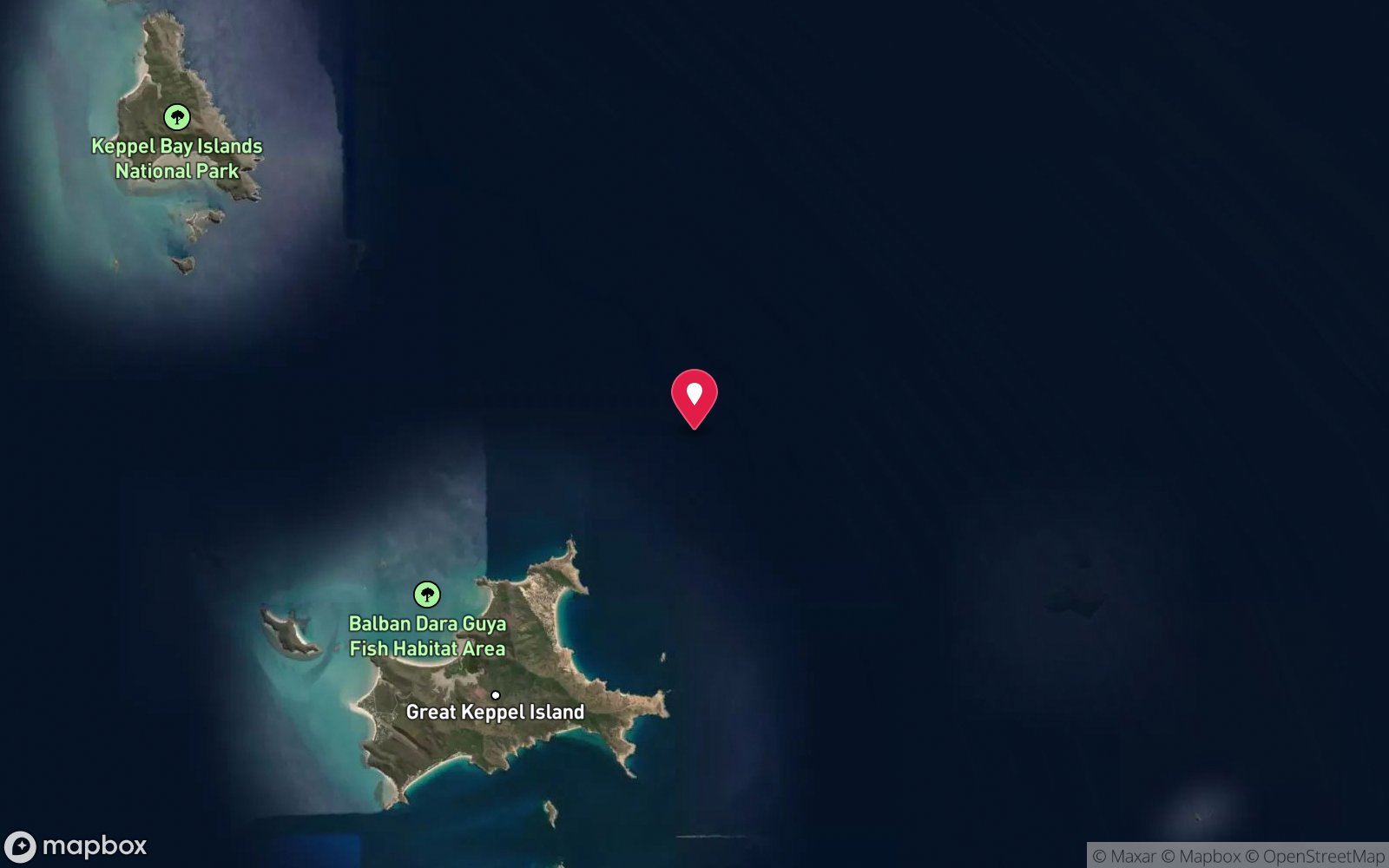
Satellite views
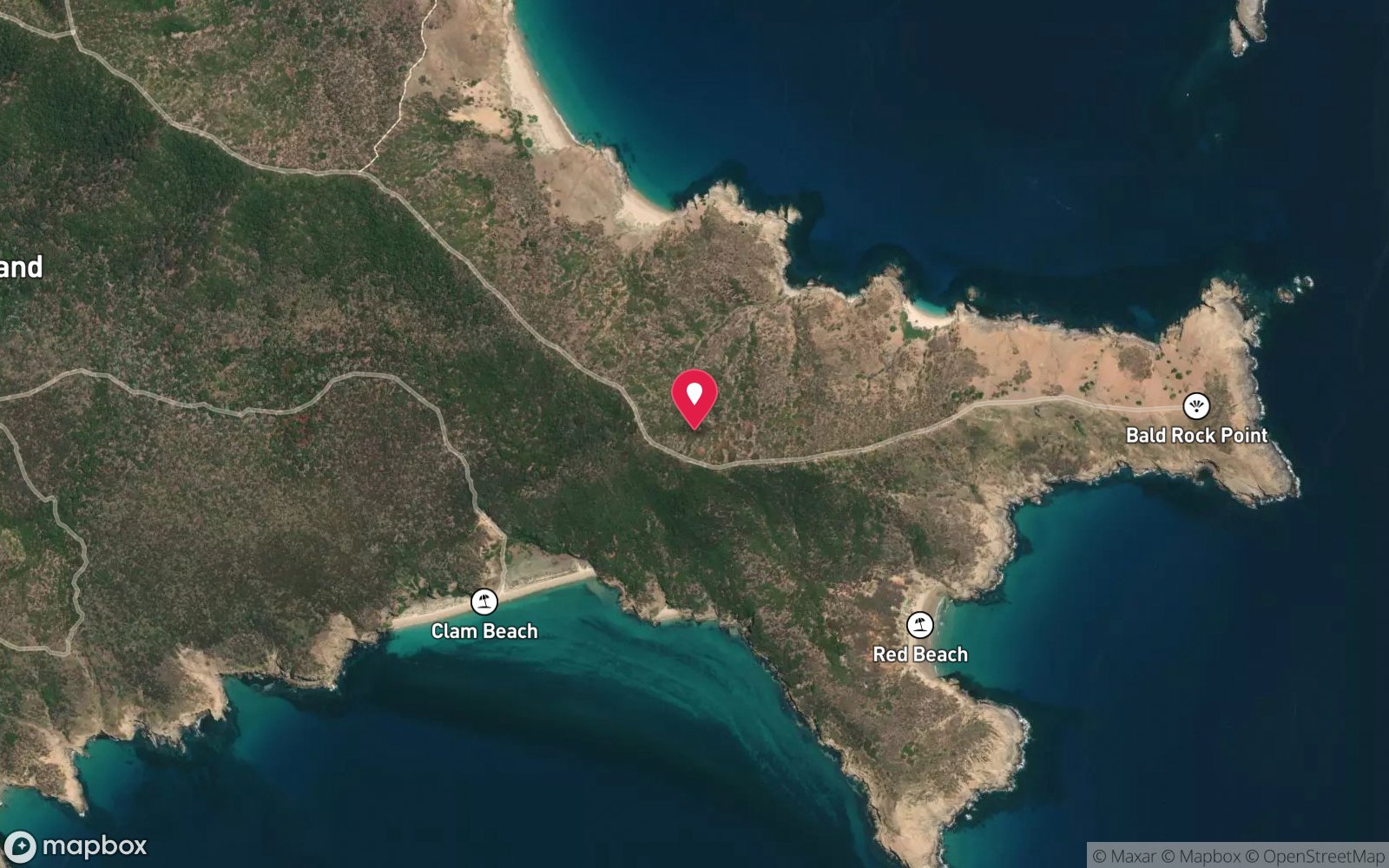
Wreck Beach (Great Keppel Island): frequently asked questions
How deep is Wreck Beach (Great Keppel Island)?
Wreck Beach (Great Keppel Island) reaches a maximum depth of 12 m, with the shallowest part at about 2 m; most of the dive is spent around 8 m.
What certification do I need to dive Wreck Beach (Great Keppel Island)?
Open Water is the recommended minimum. Rated beginner: sheltered, shallow and manageable for a newly certified diver on a normal day, though note boat traffic overhead.
Can I shore dive Wreck Beach (Great Keppel Island)?
Experienced divers do dive Wreck Beach (Great Keppel Island) from the shore, but the entry or conditions make it unsuitable for newer divers without local guidance. Entry: Giant stride from boat, or beach entry after a long walk.
When is the best time to dive Wreck Beach (Great Keppel Island)?
Year-round; July-October for the best visibility (15 m+) and humpback whales; summer (Dec-Mar) warmer but prone to northerlies, storms and Fitzroy River run-off.
What marine life will I see at Wreck Beach (Great Keppel Island)?
Regularly recorded: Giant brain coral (c. 420 years old), giant clams, spotted rays, blue-spotted stingrays, wobbegongs, turtles, dolphins, plate and branching corals, reef fish.
What wetsuit do I need at Wreck Beach (Great Keppel Island)?
3 mm full suit in summer; 5 mm full suit (hood optional) June-September.
How cold is the water at Wreck Beach (Great Keppel Island)?
Typically 25-28 °C in summer and 19-22 °C in winter.
What are the main hazards at Wreck Beach (Great Keppel Island)?
Long walk to reach overland – boat access recommended; shallow reef flat at low tide; boat traffic; carry water and sun protection. See the hazards section above for the full list.
Where is the nearest recompression chamber to Wreck Beach (Great Keppel Island)?
Royal Brisbane and Women's Hospital (Brisbane) – roughly equidistant with Townsville University Hospital (Townsville); evacuation via Rockhampton Hospital and RFDS/aeromedical retrieval. In an emergency call 000, then DAN Asia-Pacific on 1800 088 200.
Diving in Capricorn Coast & Keppel Islands
Great Keppel Island and its neighbours off Yeppoon have fringing coral reefs, the Barren Island walls and Man and Wife Rocks in clearer water further out, and the artificial reef of the Cementco wreck. It is a laid-back, uncrowded alternative to the big reef towns.
Getting there: Yeppoon is 40 minutes from Rockhampton airport. Charters and the island ferry leave from Rosslyn Bay.
All Capricorn Coast & Keppel Islands dive sites and a suggested itinerary →
Sources
- visitcapricorn.com.au/8-snorkelling-spots-at-great-keppel-island
- emptynestdiver.com/2023/08/28/diving-the-southern-great-barrier-reef-from-great-keppel-island
- myfavouriteescapes.com/scuba-diving-great-keppel-island
Data confidence: Medium · Being verified: No wreck at this site; name origin not documented.. Last updated September 2026. Know this site better? How to send a correction
Nearby dive sites
More reef dives in Queensland
Explore more
This region
Similar dives