Dive slate · divesites.com.au · printed 9 Nov 2026
Pelorus Island – Front Reef
Townsville & Magnetic Island, Queensland · near Lucinda / Ingham
| Depth | 2–10 m |
|---|---|
| Minimum level | Open Water |
| Difficulty | Beginner |
| Access | Shore or Boat |
| Entry | Beach entry near the creek on the north-western beach (easier gear donning), or from a boat anchored on sand |
| Current | Mild |
| Visibility | 6-12 m |
| Water | summer 27-29 °C, winter 22-24 °C |
| Suit | 3 mm full suit or stinger suit in summer (lycra/stinger suit essential Nov–May); 5 mm full suit June–September |
| Best season | May–December; winter for humpback whales |
| Bottom time | 55 min |
| Position | -18.54500, 146.49000 (approximate) |
| Permit | Great Barrier Reef Marine Park – Pelorus Island fringing reef is Habitat Protection (dark blue zone); fishing permitted, no trawling. |
| Nearest chamber | Townsville University Hospital hyperbaric unit (Douglas, Townsville) |
| Emergency | 000 · DAN Asia-Pacific diving emergency 1800 088 200 |
Pelorus Island – Front Reef
Also known as Pelorus front beach reef
Independent shore diving from a camping beach on an uninhabited reef island, with staghorn gardens, juvenile mantas and winter whale song.
Near Lucinda / Ingham · Townsville & Magnetic Island, Queensland
- Depth
- 2–10 m
- Minimum level
- Open Water
- Access
- Shore or Boat
- Boat ride
- ~40 min
- Water
- 27-29 °C
- Visibility
- 6-12 m
Pelorus Island – Front Reef2–10 m · Open Water · Shore
Dive factsDepths, conditions, location & safety
Season
In season nowBest months: May, June, July, August, September, October, November, December.
May–December; winter for humpback whales
- Best months
- Now (November)
- Stinger suit Nov–May
Dive facts
- Depth
- 2–10 m
- Typical depth
- 8 m
- Certification
- Open Water
- Difficulty
- Beginner
- Depth tier
- Easy (0–10 m)
- Access
- Shore or Boat
- Offshore
- 0 km
- Dive centre needed
- No – independently diveable
- Shore / independent
- Yes
- Boat ride
- ~40 min
- Current
- Mild
- Visibility
- 6-12 m
- Water temp (summer)
- 27-29 °C
- Water temp (winter)
- 22-24 °C
- Water
- Tropical
- Bottom time
- 55 min
- Dive traffic
- Rarely dived (private boat/club only)
- Night dive
- Yes
- Snorkel friendly
- Yes
Exposure suit
3 mm full suit or stinger suit in summer (lycra/stinger suit essential Nov–May); 5 mm full suit June–September
Location
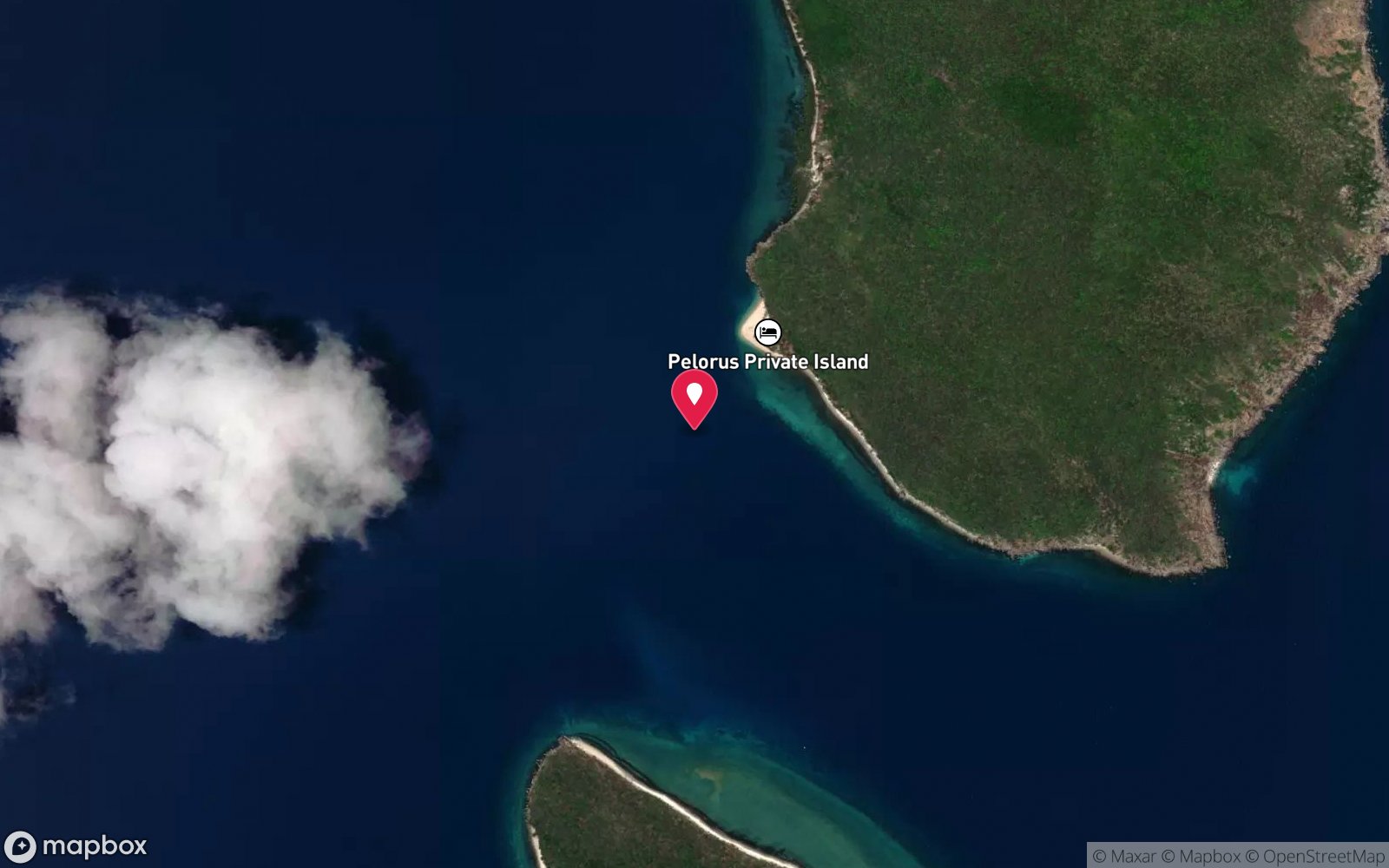
Pelorus Island · Central GBR – Palm Islands
-18.54500, 146.49000
Approximate position — not for navigation.
Open in Google MapsDive site map (external) →Primary source: nquec.org.auMarine park & permits
Great Barrier Reef Marine Park – Pelorus Island fringing reef is Habitat Protection (dark blue zone); fishing permitted, no trawling.
Nearest recompression chamber
Townsville University Hospital hyperbaric unit (Douglas, Townsville)
Diving emergency: call 000, then DAN AP 1800 088 200.
Trip planner
Build a trip around Pelorus Island – Front Reef →
A day-by-day plan for Townsville & Magnetic Island with this site locked in.
This guide is a planning aid. Conditions change daily — confirm with a local dive centre and dive within your training. Data & safety notes.
Dive profile
How this site rates
Scores are computed from the recorded data, not opinions. How?
At a glance
Pelorus Island – Front Reef is a shore / rock platform shore dive you can do independently in Townsville & Magnetic Island, QLD, 2–10 m, suited to Open Water divers, about 40 minutes by boat.
Rated beginner: sheltered, shallow and manageable for a newly certified diver on a normal day.
Why dive here
- Independent shore diving from a camping beach on an uninhabited reef island, with staghorn gardens, juvenile mantas and winter whale song.
- Commonly dived at night, when octopus, cuttlefish and crustaceans are out.
- Snorkel-friendly, so non-diving companions can join at the surface.
- Rarely dived: expect to have the site to yourself, and plan your own logistics.
Conditions to avoid
- Any time other than slack water
- Cyclone season (roughly December–April)
- Stinger season without a full suit (November–May)
About Pelorus Island – Front Reef
Pelorus Island is the northernmost of the Palm group's larger islands, a 2.9 by 1.7 km national park island managed by Hinchinbrook Shire Council where self-sufficient bush camping is allowed without booking. Its north-western beach is the base for the North Queensland Underwater Explorers Club's Pelorus trips, and the Front Reef directly off that beach is the easiest dive on the island. The club describes a gentle reef slope and shallow wall at 6–10 m with sand patches and colonies of staghorn coral, entered about 250 m above the southern end of the beach – near the creek, where gear donning is easiest.
Small reef sharks patrol the slope, juvenile manta rays come in on the high tide, and in winter humpback whales pass close enough to be heard underwater. Typical fringing-reef fish – damsels, parrotfish, wrasse, butterflyfish, rabbitfish and small groupers – are abundant, and the shallow wall hides nudibranchs and crustaceans. Front Reef is an excellent night dive.
The slope is simple to navigate, the entry is directly off camp, and the club uses a campfire on the beach as a navigation aid for returning divers. At night the staghorn thickets are full of sleeping fish, shrimps and crabs. The reef is zoned Habitat Protection, so it can be fished, and divers may meet some lost tackle.
Tidal current is mild here compared with the Northern Point further along the beach, and the beach faces away from the prevailing trades, giving a sheltered option in most weather. For campers and boaties willing to make the trip, Pelorus Front Reef offers genuinely independent shore diving on an uninhabited Great Barrier Reef island – rare in Queensland – with the bonus of winter whales and occasional mantas.
Getting there & entry
Fringing reef off the north-western beach of Pelorus Island, entered about 250 m above the southern end of the beach near the creek.
Boat only. The Palm Island group lies 20–25 km off the coast between Townsville and Ingham. The quickest access is from the Lucinda or Dungeness boat ramps near Ingham (about 1 hour 20 minutes' drive north of Townsville via the Bruce Highway), from which a small boat reaches Orpheus and Pelorus in about 30–45 minutes across Halifax Bay; Taylors Beach ramp is an alternative.
From Townsville the run is roughly 1.5–2 hours. Orpheus Island Lodge guests arrive by helicopter or seaplane and dive from the lodge's boats. Campers on Orpheus (QPWS permit) and Pelorus (self-sufficient, Hinchinbrook Shire Council) usually arrive by private boat or water taxi.
Use public moorings where available and check no-anchoring areas. On Pelorus, land on the north-western beach; the creek mouth gives the easiest spot to kit up and enter.
Entry: Beach entry near the creek on the north-western beach (easier gear donning), or from a boat anchored on sand
Facilities: No facilities on Pelorus (self-sufficient bush camping). Orpheus Island has three QPWS campgrounds (composting toilets, tables, gas BBQs), the luxury Orpheus Island Lodge (guests only) and the James Cook University research station (not open to the public). Nearest air fills in Townsville (Adrenalin, Pleasure Divers) or at the lodge for guests.
Weather, swell & tides
The Palms are high continental islands, so some shore always offers a lee, but the Orpheus–Pelorus channel and exposed points are hit by the south-east trades (15–25 knots, April–September) and by strong tidal streams – springs can produce currents that make the points undiveable except at slack water. Visibility is typically 6–10 m and reaches 15 m in the winter channel; it falls after strong winds and during the wet season (January–April) when the Herbert River floods discolour the water. The calmest, clearest conditions come in the October–December build-up.
Marine stinger season (box jellyfish and Irukandji) runs roughly November to May – wear a full-length stinger suit or wetsuit with hood and gloves, carry vinegar. Cyclone season November–April; tropical lows and cyclones can close sites and damage coral (TC Yasi 2011, TC Debbie 2017). The north-western beach is sheltered from the south-east trades.
Best season: May–December; winter for humpback whales
If it's blown out
Sheltered or shore sites within 25 km that often work when Pelorus Island – Front Reef doesn't.
- Pelorus Island – Southern Wall · 1 km · Max 16 m
- Pelorus Island – House Mooring · 2 km · Max 10 m
- Pioneer Bay Giant Clam Gardens (Orpheus Island) · 8 km · Max 6 m
- Yanks Jetty (Orpheus Island) · 10 km · Max 8 m
How the dive is usually run
Enter by the creek, swim out to the reef slope and follow it with the reef on one shoulder at 6–10 m, then return in the shallows. At night, NQUEC uses a campfire on the beach as a navigation aid.
Marine life
- Staghorn coral
- small reef sharks →
- juvenile manta rays (high tide) →
- humpback whales (winter) →
- damselfish
- parrotfish
- wrasse
- butterflyfish
- nudibranchs →
- shrimps and crabs (night)
Linked species have their own page listing every site where they are recorded. All marine life →
Training required
Shallow enough for snorkellers and for a first dive under supervision. Any certified diver can dive it.
Courses that help here
- Night Diver – Commonly dived at night.
- Underwater Navigation – Navigation is part of the dive plan.
Depth tiers: 0–10 m easy · to 18 m Open Water · 18–30 m Advanced (25 m+ is a deep dive) · 30–40 m Deep specialty · 40 m+ technical. All courses
Hazards & warnings
Remote – no facilities or assistance, carry oxygen and first aid; lost fishing tackle; stronger current towards the Northern Point on the ebb. Marine stinger season (box jellyfish and Irukandji) runs roughly November to May – wear a full-length stinger suit or wetsuit with hood and gloves, carry vinegar.
Dive centres that go here
Orpheus Island Lodge – private dive charters for guests to local reefs (minutes away) and the outer reef (~75 min), plus Discover Scuba shore dives; otherwise private boats from Lucinda/Taylors Beach, campers and NQUEC club trips. No scheduled public dive trips.
Operators recorded for Pelorus Island – Front Reef
Adrenalin Snorkel & Dive
ListedSouth Townsville · Townsville & Magnetic Island · QLD
A Townsville operation running SS Yongala trips alongside reef diving and training.
adrenalindive.com.au · (07) 4724 0600
Pleasure Divers Magnetic Island
ListedArcadia, Magnetic Island · Townsville & Magnetic Island · QLD
A Magnetic Island training and guided-diving operation serving island-based visitors.
pleasuredivers.com.au · (07) 4778 5788
Orpheus Island Lodge
Named by sitesOrpheus Island · Townsville & Magnetic Island · QLD
Luxury island resort (Morris Escapes) offering diving to guests, not a dive shop.
orpheus.com.au · (07) 4777 7377
Other dive centres in Townsville & Magnetic Island
Yongala Dive
ProfiledAlva Beach · Townsville & Magnetic Island · QLD
An Ayr-based operation specialising in the SS Yongala, with a shorter boat transit to the wreck than Townsville departures.
yongaladive.com.au · 0407 299 876
Pro Dive Magnetic Island
ListedNelly Bay, Magnetic Island · Townsville & Magnetic Island · QLD
A Magnetic Island operation offering training and local diving.
prodivemagnetic.com · (07) 4778 5506
Coral Expeditions
Named by sitesCairns · Townsville & Magnetic Island · QLD
Expedition cruise line (Cairns-based), not a dive shop; diving/snorkelling offered on Great Barrier Reef itineraries. Phone not extractable from site.
coralexpeditions.com
Map
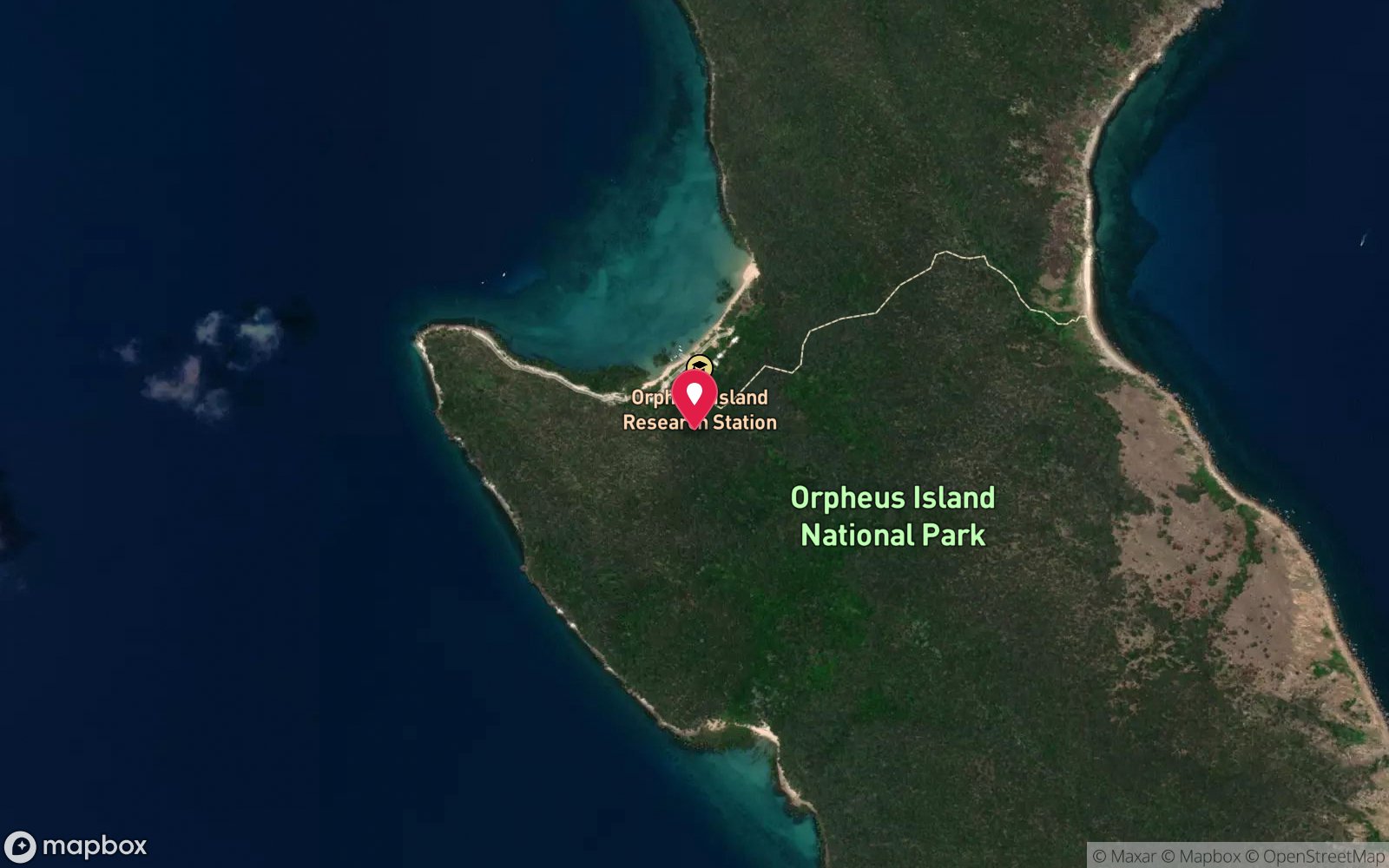
7 pinned sites. Pins marked approximate on their pages show the general area only; not for navigation.
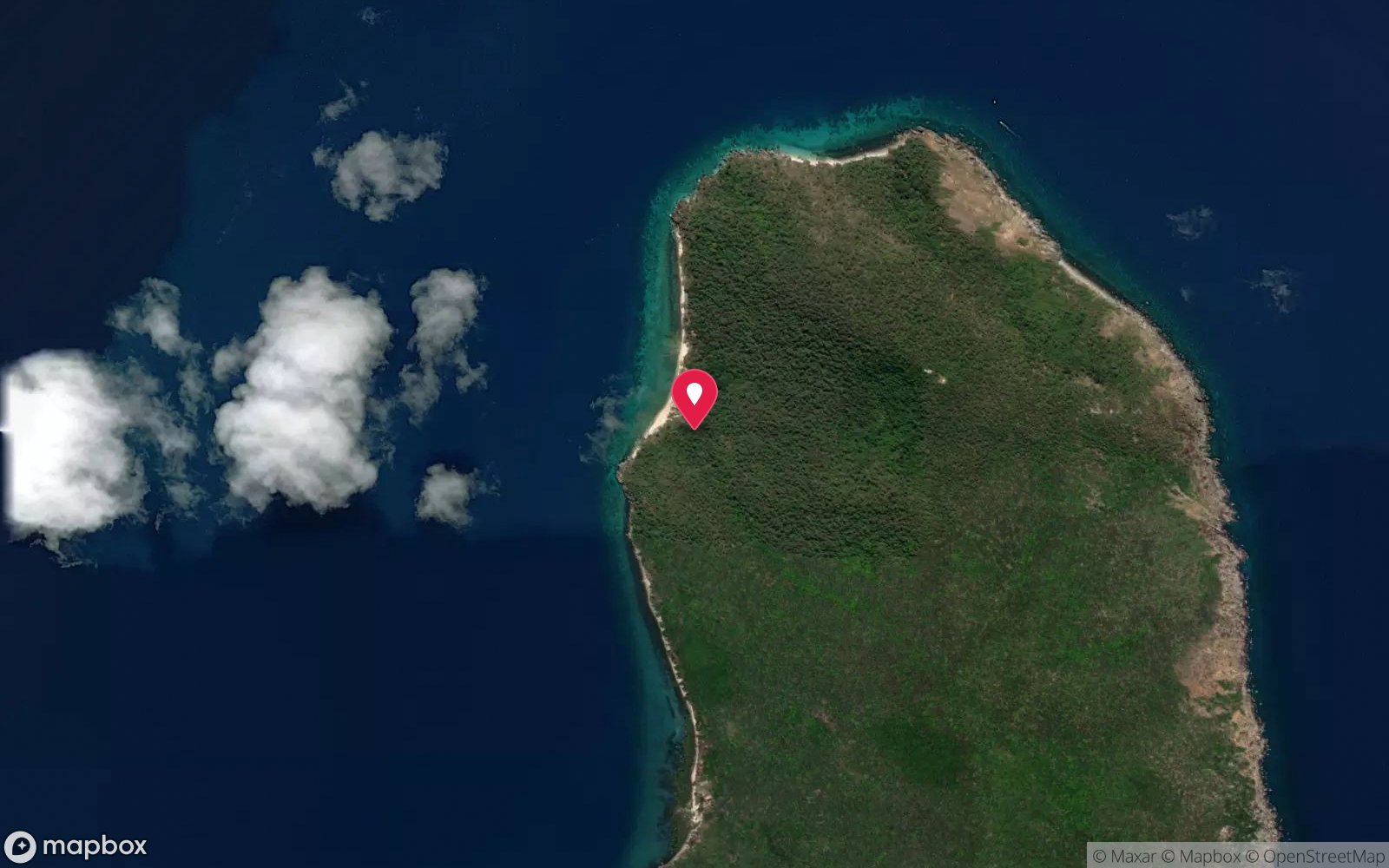
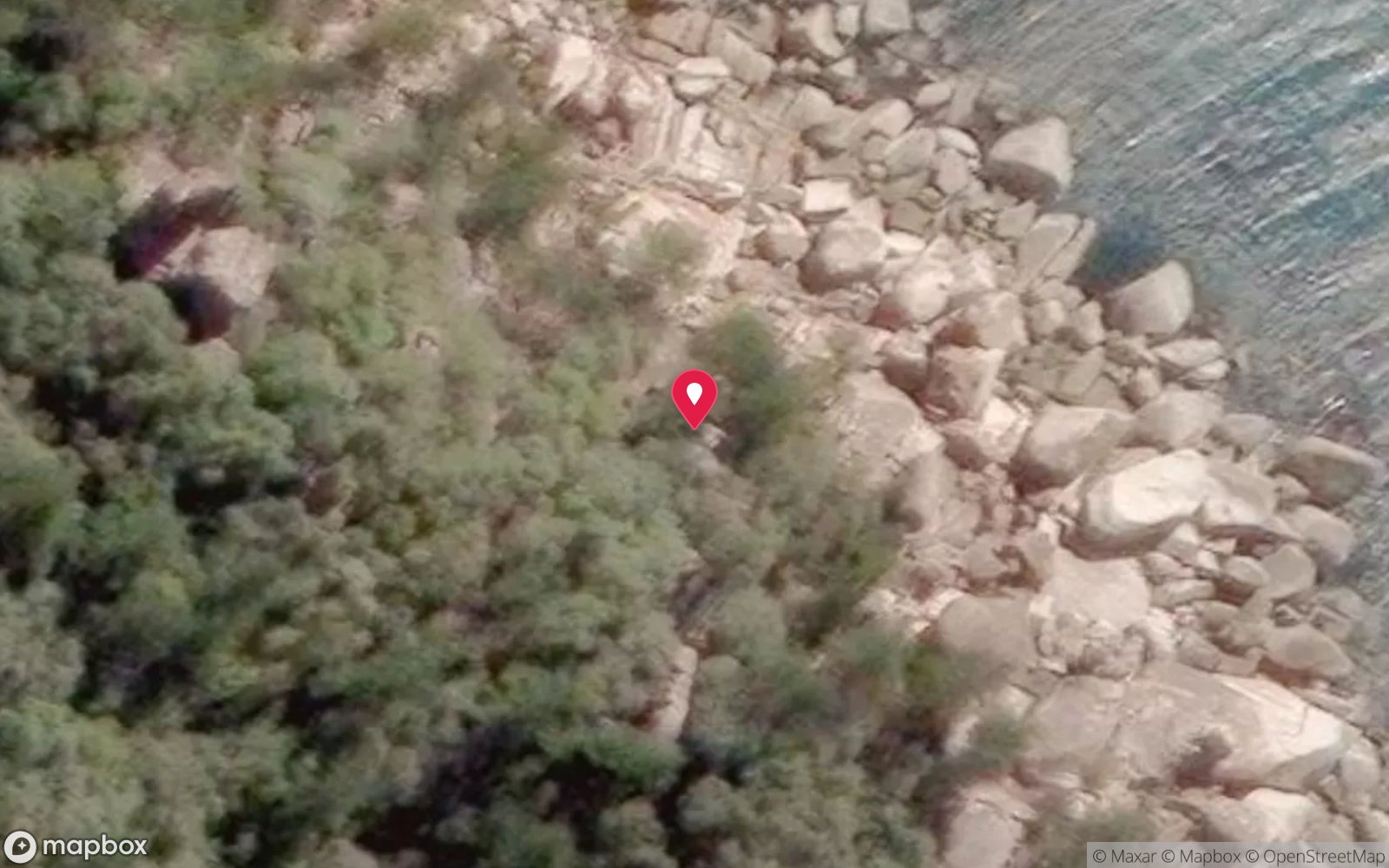
Satellite views
Pelorus Island – Front Reef: frequently asked questions
How deep is Pelorus Island – Front Reef?
Pelorus Island – Front Reef reaches a maximum depth of 10 m, with the shallowest part at about 2 m; most of the dive is spent around 8 m.
What certification do I need to dive Pelorus Island – Front Reef?
Open Water is the recommended minimum. Rated beginner: sheltered, shallow and manageable for a newly certified diver on a normal day.
Can I shore dive Pelorus Island – Front Reef?
Yes. Pelorus Island – Front Reef is a shore dive that can be done independently: beach entry near the creek on the north-western beach (easier gear donning), or from a boat anchored on sand.
When is the best time to dive Pelorus Island – Front Reef?
May–December; winter for humpback whales.
What marine life will I see at Pelorus Island – Front Reef?
Regularly recorded: Staghorn coral, small reef sharks, juvenile manta rays (high tide), humpback whales (winter), damselfish, parrotfish, wrasse, butterflyfish, nudibranchs, shrimps and crabs (night).
What wetsuit do I need at Pelorus Island – Front Reef?
3 mm full suit or stinger suit in summer (lycra/stinger suit essential Nov–May); 5 mm full suit June–September.
How cold is the water at Pelorus Island – Front Reef?
Typically 27-29 °C in summer and 22-24 °C in winter.
What are the main hazards at Pelorus Island – Front Reef?
Remote – no facilities or assistance, carry oxygen and first aid; lost fishing tackle; stronger current towards the Northern Point on the ebb. See the hazards section above for the full list.
Can you night dive Pelorus Island – Front Reef?
Yes, Pelorus Island – Front Reef is commonly dived at night.
Diving in Townsville & Magnetic Island
Townsville is the gateway to the SS Yongala, the 1911 passenger steamer that is Australia's most celebrated wreck dive, and to the John Brewer and Lodestone reefs offshore. Magnetic Island, 20 minutes away by ferry, has shore dives on the SS Moltke wreck in Geoffrey Bay, the Museum of Underwater Art sculptures and fringing coral around the bays.
Getting there: Fly into Townsville. Yongala trips run from Townsville (3 hours each way) or from Alva Beach near Ayr (30 minutes); the Ayr option is more reliable. Magnetic Island is a ferry ride.
All Townsville & Magnetic Island dive sites and a suggested itinerary →
Sources
Data confidence: Medium. Last updated September 2026. Know this site better? How to send a correction
Nearby dive sites
More shore dives in Queensland
Explore more
This region
Similar dives
Marine life