Dive slate · divesites.com.au · printed 7 Nov 2026
Pulu Keeling Outer Reef
Cocos (Keeling) Islands, External Territories · near West Island
| Depth | Depth not published |
|---|---|
| Minimum level | Advanced Open Water |
| Difficulty | Advanced |
| Access | Boat (day trip) |
| Entry | Back roll from drifting boat (no anchoring) |
| Current | Strong |
| Visibility | 30-40+ m |
| Water | summer 28-29 °C, winter 26-27 °C |
| Suit | 3 mm wetsuit or rash vest year-round |
| Best season | November–April (doldrum season), calm days only |
| Position | -11.83000, 96.82000 (approximate) |
| Permit | Pulu Keeling National Park (Parks Australia; established 1995, Ramsar site) – park and its surrounding waters (to about 1.5 km offshore) accessible by permit only; recreational diving, snorkelling and marine access require a Parks Australia/DCCEEW permit, and the Emden lies within a protected-wreck exclusion zone that only permit holders may enter. No anchoring except at designated points. |
| Nearest chamber | Fiona Stanley Hospital (Perth) – about 2,700 km away via aeromedical evacuation; there is no recompression chamber on Cocos or Christmas Island |
| Emergency | 000 · DAN Asia-Pacific diving emergency 1800 088 200 |
Pulu Keeling Outer Reef
Also known as North Keeling reef dives
Near-untouched national park reef with 40 m-plus visibility and plentiful sharks, dived by permit only on rare calm days.
Near West Island · Cocos (Keeling) Islands, External Territories
- Depth
- Depth not published
- Minimum level
- Advanced Open Water
- Access
- Boat (day trip)
- Boat ride
- ~90 min
- Water
- 28-29 °C
- Visibility
- 30-40+ m
Pulu Keeling Outer ReefDepth not published · Advanced Open Water
Dive factsDepths, conditions, location & safety
Season
In season nowBest months: January, February, March, April, November, December.
November–April (doldrum season), calm days only
- Best months
- Now (November)
- Stinger suit Nov–May
Dive facts
- Depth
- Depth not published
- Certification
- Advanced Open Water
- Difficulty
- Advanced
- Access
- Boat (day trip)
- Offshore
- 25 km
- Dive centre needed
- Yes – permit/guide required
- Shore / independent
- No
- Boat ride
- ~90 min
- Current
- Strong
- Visibility
- 30-40+ m
- Water temp (summer)
- 28-29 °C
- Water temp (winter)
- 26-27 °C
- Water
- Tropical
- Dive traffic
- Remote/expedition only
- Night dive
- No
- Snorkel friendly
- No
Exposure suit
3 mm wetsuit or rash vest year-round
Location
North Keeling Island (Pulu Keeling National Park) · Cocos (Keeling) Islands – Indian Ocean
-11.83000, 96.82000
Approximate position — not for navigation.
Open in Google MapsPrimary source: underwater.com.auMarine park & permits
Pulu Keeling National Park (Parks Australia; established 1995, Ramsar site) – park and its surrounding waters (to about 1.5 km offshore) accessible by permit only; recreational diving, snorkelling and marine access require a Parks Australia/DCCEEW permit, and the Emden lies within a protected-wreck exclusion zone that only permit holders may enter. No anchoring except at designated points.
Nearest recompression chamber
Fiona Stanley Hospital (Perth) – about 2,700 km away via aeromedical evacuation; there is no recompression chamber on Cocos or Christmas Island
Diving emergency: call 000, then DAN AP 1800 088 200.
Trip planner
Build a trip around Pulu Keeling Outer Reef →
A day-by-day plan for Cocos (Keeling) Islands with this site locked in.
This guide is a planning aid. Conditions change daily — confirm with a local dive centre and dive within your training. Data & safety notes.
Dive profile
How this site rates
Scores are computed from the recorded data, not opinions. How?
At a glance
Pulu Keeling Outer Reef is a reef boat dive in Cocos (Keeling) Islands, Australia's external territories, suited to Advanced Open Water divers, strong current, about 90 minutes by boat.
Rated advanced because of strong current.
Why dive here
- Near-untouched national park reef with 40 m-plus visibility and plentiful sharks, dived by permit only on rare calm days.
- Rarely dived: expect to have the site to yourself, and plan your own logistics.
- Visibility often reaches 30-40+ m.
About Pulu Keeling Outer Reef
The reefs around North Keeling Island are the least-dived in the Cocos group and among the least-dived anywhere in Australia. The island is a small, almost closed atoll 25 km north of the southern atoll, with a lagoon about 0.5 km² opening to the sea through a narrow channel on the east side, and since 1995 it has been protected as Pulu Keeling National Park, a Ramsar wetland of international importance. The park includes the surrounding waters, which are closed to fishing and accessible for recreational diving and snorkelling only by permit.
Underwater Australasia's account of a permitted expedition describes reef dives with visibility of over 40 m, abundant grey reef sharks, giant morays, trevally schools, parrotfish, surgeonfish, turtles, barracuda and dolphins, and healthy, vividly coloured coral. Because boats may not anchor except at designated landing points, all diving is done as drifts, and the currents running past this isolated island can be strong. The attraction is the sense of diving somewhere essentially untouched – a reef with no history of fishing, surrounded by open ocean and with a seabird colony overhead that includes perhaps the world's largest colony of red-footed boobies.
Divers who make the trip usually combine the reef dives with the SMS Emden wreck site on the island's reef. The practical reality is that such trips are very rare: Parks Australia currently limits landings to accompanied researchers and says no public tours operate, and weather cancels many planned crossings even in the doldrum season. Named individual dive sites around the island have not been published.
Anyone hoping to dive here should contact Parks Australia and Cocos Dive months ahead and treat it as a bonus rather than a certainty.
Getting there & entry
Fringing and outer reef around North Keeling Island, 25 km north of the southern atoll, within Pulu Keeling National Park.
North Keeling Island (Pulu Keeling) lies about 25 km north of Horsburgh Island and the southern atoll – roughly a 1.5-hour boat ride across open ocean, depending on conditions. There is no regular public trip: Parks Australia currently limits landings to researchers accompanied by park staff and states that no public tours operate, while recreational diving or snorkelling in park waters requires a permit applied for through DCCEEW. Any visit must be arranged well in advance with Parks Australia (Cocos office on West Island) and a licensed local boat – historically Cocos Dive has run occasional permitted trips in the doldrum season.
Boats depart from West Island.
Entry: Back roll from drifting boat (no anchoring)
Facilities: Departs West Island; no shops or fuel on the outer islands – Cocos Dive supplies lunch on day trips.
Weather, swell & tides
North Keeling sits in open ocean with no shelter, surrounded by a fringing reef with heavy surf. Parks Australia describes rough seas and a fringing reef that make getting ashore very difficult. The only realistic window is the doldrum season (November–April), and even then many planned trips are cancelled for wind or swell; during the south-east trades (April/May–October) crossings are generally not attempted.
The Emden lies in less than 8 m on the reef, where surge is the controlling factor – it can only be dived on flat days with minimal swell. Reef dives around the island can have strong currents and are run as drifts because anchoring is prohibited.
Best season: November–April (doldrum season), calm days only
If it's blown out
Sheltered or shore sites within 25 km that often work when Pulu Keeling Outer Reef doesn't.
- SMS Emden wreck site · 2 km · Max 8 m
How the dive is usually run
Drift dive: drop from the boat on the outer reef, descend to a comfortable depth on the slope and drift with the current along the reef, watching for sharks and schooling fish. Deploy a surface marker buoy before ascending for a live-boat pickup.
Marine life
- Grey reef sharks →
- giant morays
- trevally schools
- parrotfish
- surgeonfish
- turtles →
- barracuda
- dolphins
- hard corals
Linked species have their own page listing every site where they are recorded. All marine life →
Training required
Courses that help here
- Drift Diver – Current is a feature of the dive.
Depth tiers: 0–10 m easy · to 18 m Open Water · 18–30 m Advanced (25 m+ is a deep dive) · 30–40 m Deep specialty · 40 m+ technical. All courses
Hazards & warnings
Permit required; strong currents; open-ocean crossing; no anchoring (drift only); heavy surf on the fringing reef; extreme remoteness. No chamber on the islands (nearest Fiona Stanley Hospital, Perth).
Dive centres that go here
No regular operator. Access only by special arrangement with Parks Australia and a permitted boat; Cocos Dive has run occasional permitted trips in the doldrum season.
Operators recorded for Pulu Keeling Outer Reef
Other dive centres in Cocos (Keeling) Islands
Cocos Blue Charters
Named by sitesWest Island · Cocos (Keeling) Islands · External Territory
Charter boat operator (dive/fishing/snorkel charters).
cocosblue.com.au · (08) 9162 6579
Cocosday Tours
Named by sitesWest Island · Cocos (Keeling) Islands · External Territory
Boat tours, fishing, motorised canoe tours and boat hire; not a scuba dive shop.
cocosislandsboatandfishing.com · (08) 9162 7741
Map
7 pinned sites. Pins marked approximate on their pages show the general area only; not for navigation.
Satellite views
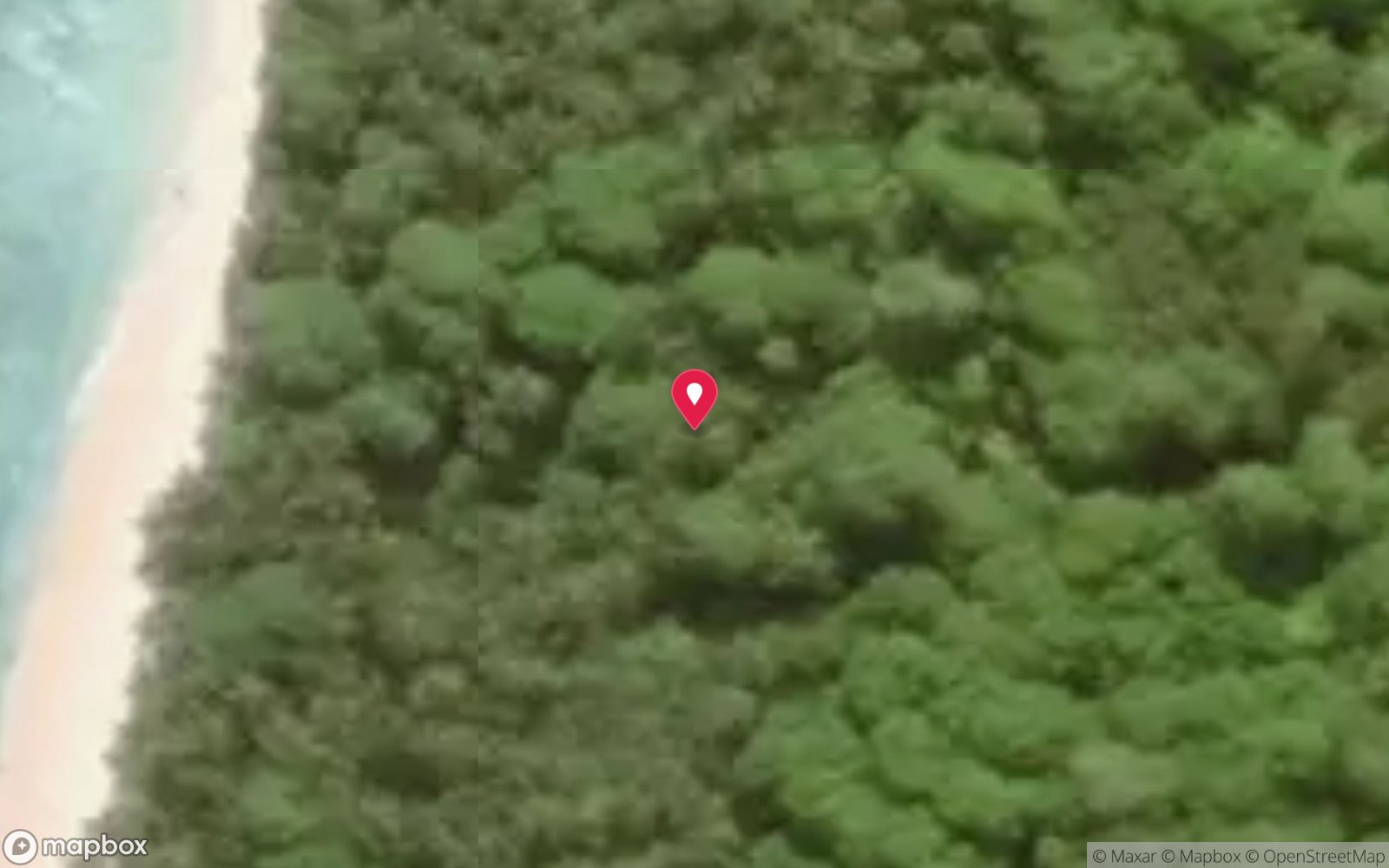
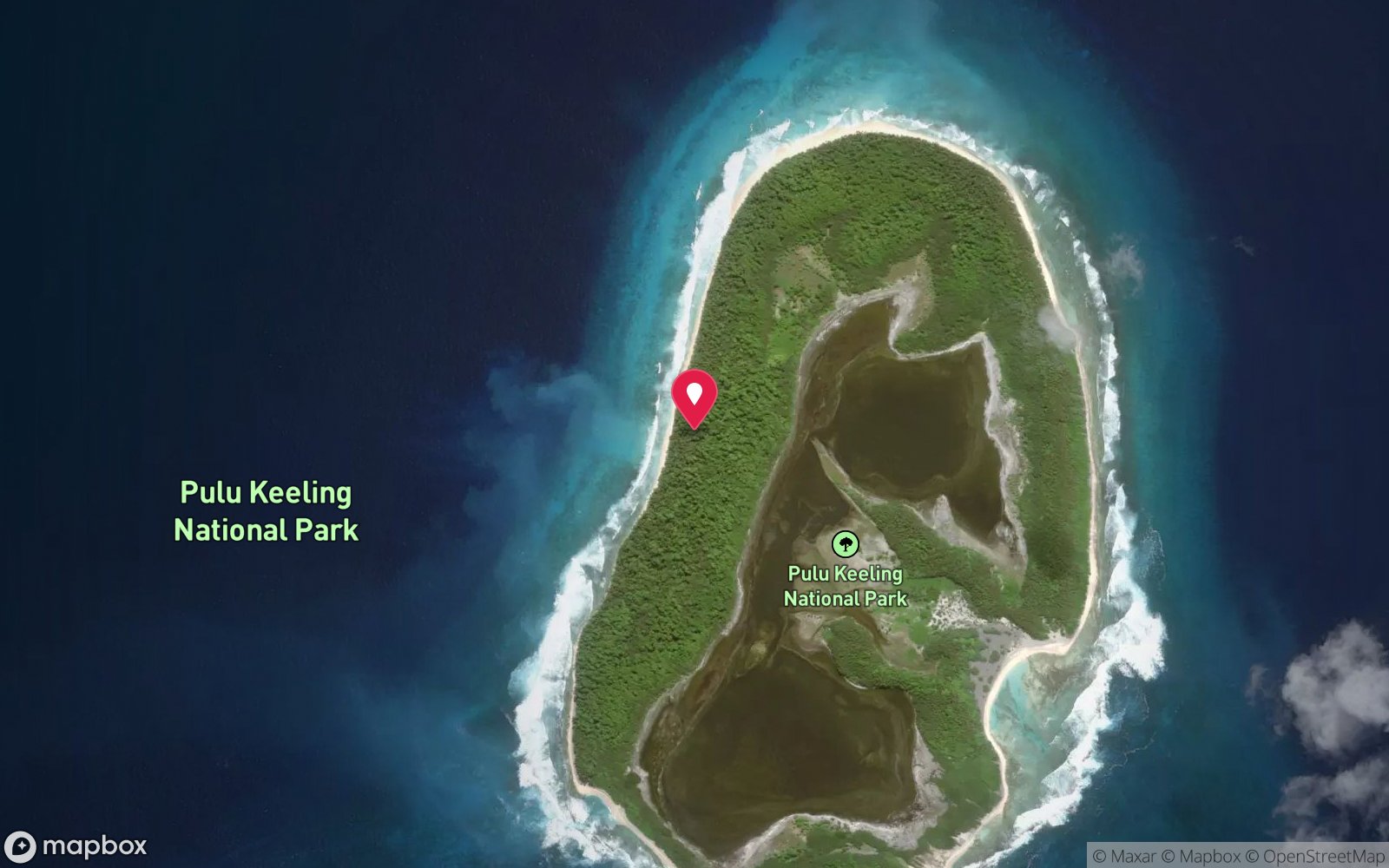
Pulu Keeling Outer Reef: frequently asked questions
What certification do I need to dive Pulu Keeling Outer Reef?
Advanced Open Water is the recommended minimum. Rated advanced because of strong current.
Can I shore dive Pulu Keeling Outer Reef?
No, it is reached by boat (about 90 minutes). A dive centre is required: permit/guide required.
When is the best time to dive Pulu Keeling Outer Reef?
November–April (doldrum season), calm days only.
What marine life will I see at Pulu Keeling Outer Reef?
Regularly recorded: Grey reef sharks, giant morays, trevally schools, parrotfish, surgeonfish, turtles, barracuda, dolphins, hard corals.
What wetsuit do I need at Pulu Keeling Outer Reef?
3 mm wetsuit or rash vest year-round.
How cold is the water at Pulu Keeling Outer Reef?
Typically 28-29 °C in summer and 26-27 °C in winter.
What are the main hazards at Pulu Keeling Outer Reef?
Permit required; strong currents; open-ocean crossing; no anchoring (drift only); heavy surf on the fringing reef; extreme remoteness. See the hazards section above for the full list.
Where is the nearest recompression chamber to Pulu Keeling Outer Reef?
Fiona Stanley Hospital (Perth) – about 2,700 km away via aeromedical evacuation; there is no recompression chamber on Cocos or Christmas Island. In an emergency call 000, then DAN Asia-Pacific on 1800 088 200.
Diving in Cocos (Keeling) Islands
Cocos is a true coral atoll 2,750 km north-west of Perth, with 27 islands around a shallow turquoise lagoon and an outer reef that drops to deep water. Manta rays feed in the channels, green turtles are everywhere, dolphins visit the boats, and the outer walls hold grey reef sharks, tuna and huge schools of fusiliers. Two sites, the Cabbage Patch and the Rip, are among the best drift dives in the Indian Ocean.
Getting there: Fly from Perth via Christmas Island. One operator on West Island runs boat dives on the outer reef and lagoon; some lagoon sites can be reached by kayak or a long swim.
All Cocos (Keeling) Islands dive sites and a suggested itinerary →
Sources
- underwater.com.au/article/id/1438-diving-pulu-keeling-national-park-and-the-emden
- en.wikipedia.org/wiki/North_Keeling
- pulukeelingnationalpark.gov.au/access/park-access
- pulukeelingnationalpark.gov.au/access/permits
Data confidence: Low · Being verified: No published named sites or depths; coordinates are island centre.. Last updated September 2026. Know this site better? How to send a correction
Nearby dive sites
More reef dives in External Territories
Explore more
This region