State guide · External territories
Scuba diving in External Territories
Christmas Island, Cocos (Keeling), Norfolk Island and the Coral Sea: Australia's remote oceanic diving.
- Dive sites
- 169
- Regions
- 5
- Wrecks
- 16
- Shore dives
- 13
- Beginner sites
- 48
Australia's external territories hold its most remote and, in places, its clearest diving. Christmas Island, 1,500 km north-west of Exmouth in the Indian Ocean, is an oceanic seamount with drop-offs that start metres from shore and plunge past 500 m; whale sharks visit during the red crab spawning (November to January), and the endemic dragon moray, the sea caves and the drift dives along the north coast are dived from Flying Fish Cove. Cocos (Keeling), a further 900 km west, is a coral atoll with manta rays, reef sharks, dolphins and a resident population of green turtles, dived from West Island in glassy lagoon water.
Norfolk Island, in the Tasman Sea between Australia and New Zealand, has subtropical reefs with endemic fish, arches and swim-throughs in 30 m visibility and almost no other divers. And the Coral Sea, reached by liveaboard from Cairns, is where the Great Barrier Reef ends and the open-ocean reefs begin: Osprey Reef with its North Horn shark site, Bougainville and Holmes Reefs, and the Flinders and Lihou reefs of the southern Coral Sea, all with vertical walls into abyssal water and visibility that regularly exceeds 40 m.
Getting there and seasons
Christmas and Cocos are served by weekly flights from Perth (and occasionally Kuala Lumpur); each has a single dive operator and calm-season windows that run opposite each other, so the two islands are often combined in one trip. Norfolk Island is a two-hour flight from Sydney or Brisbane with one operator diving year-round in settled weather. Coral Sea liveaboards depart Cairns and Port Douglas for 4–7 nights, mainly from September to December when the trade winds ease.
When to dive External Territories
April – November
Christmas Island's dry season: calm north coast, best visibility. Whale sharks November–January.
November – April
Cocos (Keeling) doldrum season with light winds; diveable year-round in the lagoon.
September – December
Coral Sea liveaboard window: lightest winds, best crossings to Osprey and the southern reefs.
The dives to do first
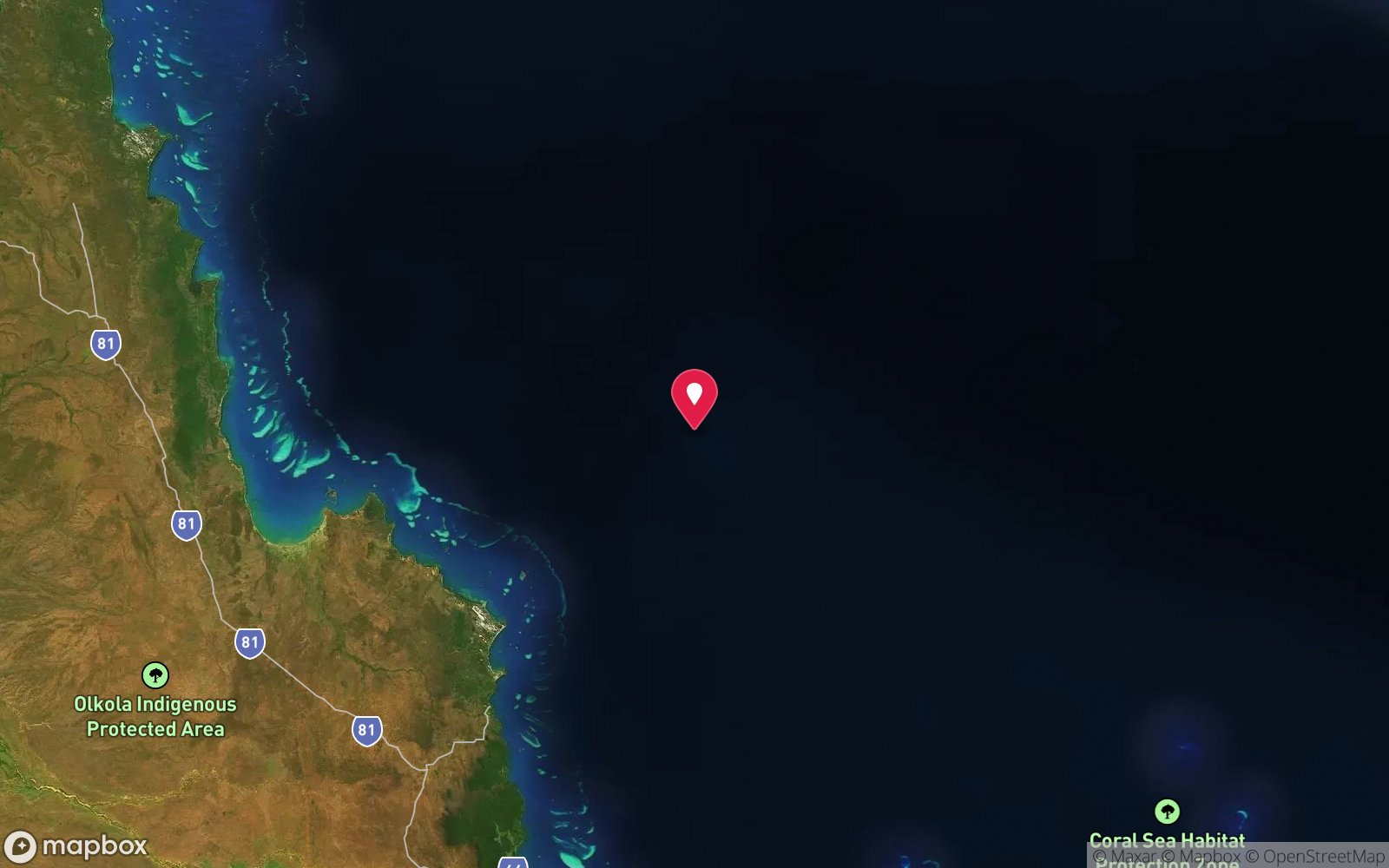
1. Coral Sea · External Territory
North Horn (Osprey Reef)
The Coral Sea's signature shark dive on a seamount wall.
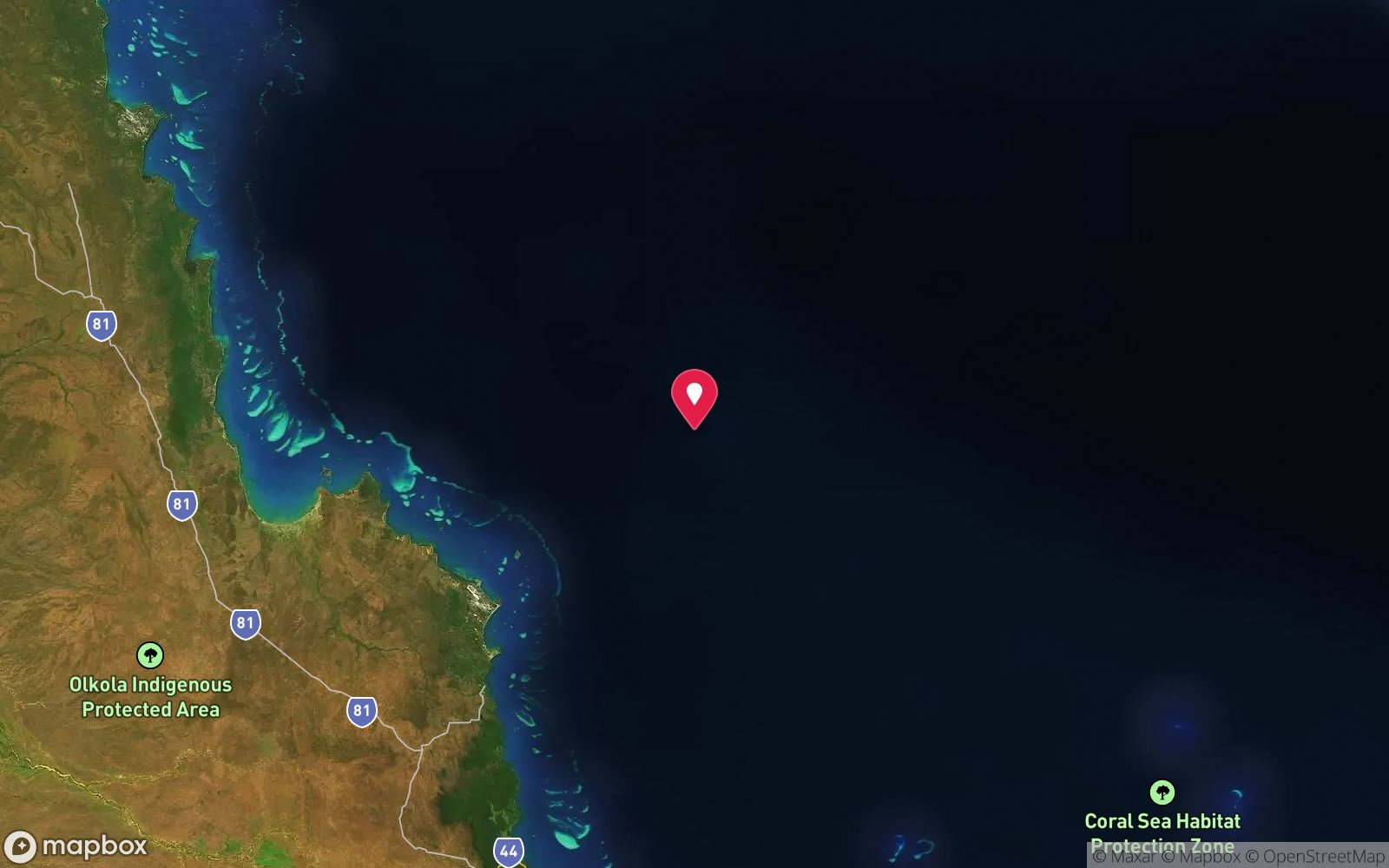
2. Coral Sea · External Territory
The Castles (Osprey Reef)
Coral towers on the Osprey drop-off with pelagics passing in blue water.
3. Coral Sea · External Territory
Cod Wall (Flinders Reef)
Flinders Reef's potato cod wall, far from the day-boat crowds.
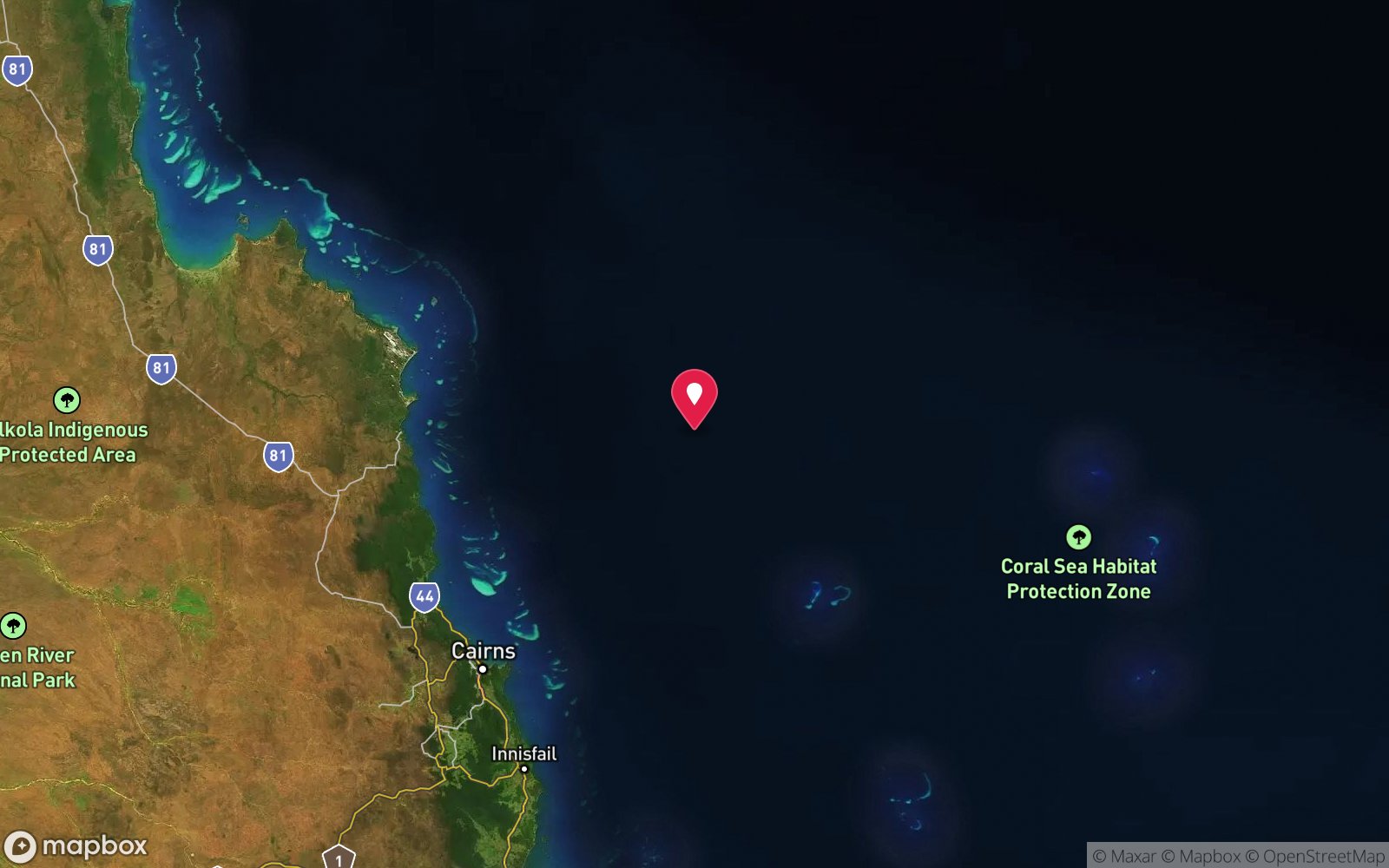
4. Coral Sea · External Territory
Wreck of the Atlas (Bougainville Reef)
A shallow wreck on a remote Coral Sea reef, dived by a handful of liveaboards a year.
Dive regions of External Territories
5 regions, 169 sites. Each region page has a written introduction, a suggested itinerary and every site with depth, level and access.
Beyond the outer Great Barrier Reef the continental shelf drops away and a scatter of isolated oceanic reefs rises from 1,000 m or more of…
Christmas Island is the top of a volcanic seamount, so the fringing reef gives way to a wall within 20–50 m of the shore and keeps falling…
Cocos is a true coral atoll 2,750 km north-west of Perth, with 27 islands around a shallow turquoise lagoon and an outer reef that drops to…
Norfolk Island sits on its own in the Tasman Sea, and its reefs feel like it: subtropical coral and kelp together, arches and swim-throughs…
Ashmore Reef is a marine park 320 km off the Kimberley coast, closer to Indonesia than to any Australian town, with seagrass, sand cays and…
Popular, well-documented dives in External Territories
External Territories diving FAQ
Which external territory is best for diving?
Christmas Island for drop-offs, whale sharks and endemic species; Cocos (Keeling) for mantas, turtles and calm lagoon diving; Osprey Reef for sharks and walls. Norfolk Island suits divers who want an uncrowded subtropical reef close to the east coast.