Dive slate · divesites.com.au · printed 7 Nov 2026
South Brig Rock (Grassy)
King Island, Tasmania · near Grassy
| Depth | 5–18 m |
|---|---|
| Minimum level | Open Water |
| Difficulty | Intermediate |
| Access | Boat (day trip) |
| Entry | Back roll or giant stride from a small boat (live-boat drop and pick-up is the local norm) |
| Current | Mild |
| Visibility | 10-20 m |
| Water | summer 16-18 °C, winter 12-13 °C |
| Suit | 7 mm wetsuit with hood, gloves and boots (or semi-dry); drysuit common, especially May-October |
| Best season | January-April; the east coast is diveable in westerly weather |
| Bottom time | 45 min |
| Position | -40.08000, 144.07000 (approximate) |
| Permit | No permit required |
| Nearest chamber | Royal Hobart Hospital Hyperbaric Medicine Unit (Hobart) via aeromedical retrieval; The Alfred (Melbourne) may be reached faster by air from King Island. DAN 1800 088 200 |
| Emergency | 000 · DAN Asia-Pacific diving emergency 1800 088 200 |
South Brig Rock (Grassy)
Also known as South Brig Rock
Sunken outcrops, swim-throughs and big crayfish off Grassy, diveable in westerlies.
Near Grassy · King Island, Tasmania
- Depth
- 5–18 m
- Minimum level
- Open Water
- Access
- Boat (day trip)
- Boat ride
- ~10 min
- Water
- 16-18 °C
- Visibility
- 10-20 m
South Brig Rock (Grassy)5–18 m · Open Water
Dive factsDepths, conditions, location & safety
Season
Off-peak nowBest months: January, February, March, April.
January-April; the east coast is diveable in westerly weather
- Best months
- Now (November)
Dive facts
- Depth
- 5–18 m
- Typical depth
- 12 m
- Certification
- Open Water
- Difficulty
- Intermediate
- Depth tier
- Open Water (10–18 m)
- Access
- Boat (day trip)
- Offshore
- 1.5 km
- Dive centre needed
- Yes – boat access only
- Shore / independent
- No
- Boat ride
- ~10 min
- Current
- Mild
- Visibility
- 10-20 m
- Water temp (summer)
- 16-18 °C
- Water temp (winter)
- 12-13 °C
- Water
- Cold Temperate
- Bottom time
- 45 min
- Dive traffic
- Rarely dived (private boat/club only)
- Night dive
- No
- Snorkel friendly
- No
Exposure suit
7 mm wetsuit with hood, gloves and boots (or semi-dry); drysuit common, especially May-October
Location
King Island - Grassy & east coast · Bass Strait Islands - King Island
-40.08000, 144.07000
Approximate position — not for navigation.
Open in Google MapsPrimary source: marinelife.org.auMarine park & permits
No permit required
Nearest recompression chamber
Royal Hobart Hospital Hyperbaric Medicine Unit (Hobart) via aeromedical retrieval; The Alfred (Melbourne) may be reached faster by air from King Island. DAN 1800 088 200
Diving emergency: call 000, then DAN AP 1800 088 200.
Trip planner
Build a trip around South Brig Rock (Grassy) →
A day-by-day plan for King Island with this site locked in.
This guide is a planning aid. Conditions change daily — confirm with a local dive centre and dive within your training. Data & safety notes.
Dive profile
How this site rates
Scores are computed from the recorded data, not opinions. How?
At a glance
South Brig Rock (Grassy) is a island boat dive in King Island, TAS, 5–18 m, suited to Open Water divers, about 10 minutes by boat.
Rated intermediate because of surge on the entry or in the shallows, cold water.
Why dive here
- Sunken outcrops, swim-throughs and big crayfish off Grassy, diveable in westerlies.
- Rarely dived: expect to have the site to yourself, and plan your own logistics.
- Visibility often reaches 10-20 m.
About South Brig Rock (Grassy)
South Brig Rock is a small island near Grassy that the Marine Life Network guide rates 7 out of 10. Its eastern side is surrounded by sunken outcrops, with shallow rocks at about 5 m that are good for crayfish, challenging swim-throughs close to the island and deeper, safer water further out on the rocks to 18 m. Cracks support gorgonian fans and small marine life, and the seaweed growth is luxuriant.
The guide describes very large crayfish of 3.5-4.5 kg and notes that they fight hard. Sea sweep, old wives and long-snouted boarfish are the common fish. The site is popular in westerly weather, but the exposed rocks pound in heavy swell.
King Island's reefs are best known to divers for their crayfish, which grow large in the cool, nutrient-rich Bass Strait water, and for sandstone and granite ledges covered in gorgonians, zoanthids and sponges. The Marine Life Network descriptions date from when King Island Dive Charters operated from Grassy; with no current operator, these sites are now visited only by divers who organise their own boat, and fishing pressure has reduced crayfish numbers since.
Recreational rock lobster and abalone fishing in Tasmanian waters needs a licence and is subject to seasons, size and bag limits. The east coast around Grassy is the reliable side of the island when westerly swell closes the west coast, and the island's lack of a chamber means aeromedical evacuation for any diving injury, so conservative dives are the rule.
This is a site for self-sufficient visiting divers with their own boat and a local contact; there is no one on the island currently guiding dives here, and the position given is an estimate from the published description.
Getting there & entry
A small island near Grassy Harbour whose eastern side is surrounded by sunken outcrops, with swim-throughs near the island and deeper rocks further out.
King Island is reached by air from Melbourne (about 50 minutes), Burnie/Wynyard or Launceston; there is no passenger ferry, so divers fly in and hire a vehicle at the airport near Currie. Currie, the main town, is on the west coast; Grassy (with its harbour and boat ramp) is on the south-east coast about 30 minutes' drive away. Roads to the coast are a mix of sealed and gravel.
South Brig Rock is a short run (about 10 minutes) from the Grassy Harbour ramp on the south-east coast. Divers anchor or drop on the eastern side.
Entry: Back roll or giant stride from a small boat (live-boat drop and pick-up is the local norm)
Facilities: Grassy: harbour, boat ramp, small shop/accommodation. Currie: supermarket, cafes, fuel, accommodation, King Island Historical Museum (lighthouse keeper's cottage), hospital (no chamber). Grassy: harbour and boat ramp. No confirmed public air-fill station - arrange locally.
Weather, swell & tides
King Island sits in the path of the Roaring Forties, and its west coast (Currie, Netherby, Cataraqui, Brahmin) takes the full force of the prevailing westerly and south-westerly swell; these sites are diveable only after long calm periods or in easterly weather, which is most common in late summer. The east coast around Grassy is sheltered in westerlies and becomes the fallback. Strong tidal streams run around the island's capes after gales.
South Brig Rock is popular in westerly weather; avoid the shallow rocks and swim-throughs in heavy swell.
Best season: January-April; the east coast is diveable in westerly weather
If it's blown out
Sheltered or shore sites within 25 km that often work when South Brig Rock (Grassy) doesn't.
- Sand Blow Gully (Grassy) · 3 km · Max 12 m
- Blowhole Reef (King Island) · 6 km · Max 6 m
- The Supermarket (King Island) · 7 km · Max 8 m
- Cataraqui · 17 km · Max 7 m
How the dive is usually run
Drop on the eastern side and explore the sunken outcrops from 5 m out to 18 m, visiting the swim-throughs near the island only in calm conditions; finish on the deeper, safer outer rocks if swell is running. Turn the dive at half gas (thirds where current or overhead sections are involved), deploy an SMB before surfacing for the live-boat pick-up, and complete a 3-minute safety stop at about 5 m where depth allows.
Marine life
- Crayfish (large)
- gorgonian fans
- sea sweep
- old wife
- long-snouted boarfish
- luxuriant seaweed
Linked species have their own page listing every site where they are recorded. All marine life →
Training required
Within the 18 m limit of an entry-level certification.
Courses that help here
- Cavern Diver – An overhead environment.
- Drysuit Diver – Cold water; locals dive dry for much of the year.
Depth tiers: 0–10 m easy · to 18 m Open Water · 18–30 m Advanced (25 m+ is a deep dive) · 30–40 m Deep specialty · 40 m+ technical. All courses
Hazards & warnings
Surge in swim-throughs and over shallow rocks in swell; remote; no chamber on island.
Dive centres that go here
No dive shop or charter currently listed on King Island (Underwater Australasia has no listings); the King Island Dive Charters/Dive Centre referred to in older guides no longer appears to trade. Visitors must bring their own gear and arrange cylinders and a boat locally (hire weights/tanks on the island where possible to reduce air freight). Verify any current operator before travelling.
All dive centres in Tasmania →
Operators mentioned: None on King Island (verify); nearest full services in Melbourne, Launceston or Burnie/Wynyard
Map
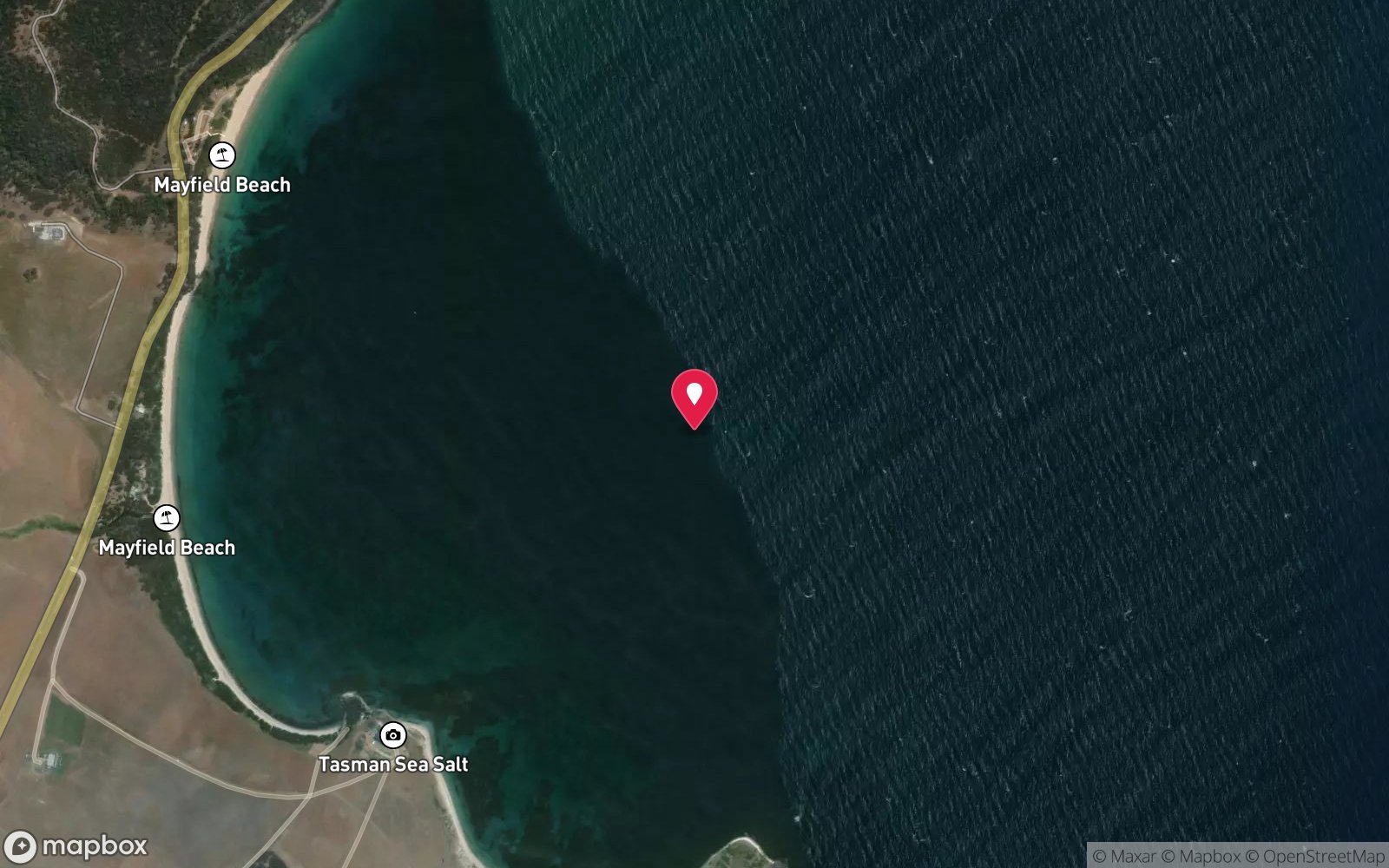
7 pinned sites. Pins marked approximate on their pages show the general area only; not for navigation.
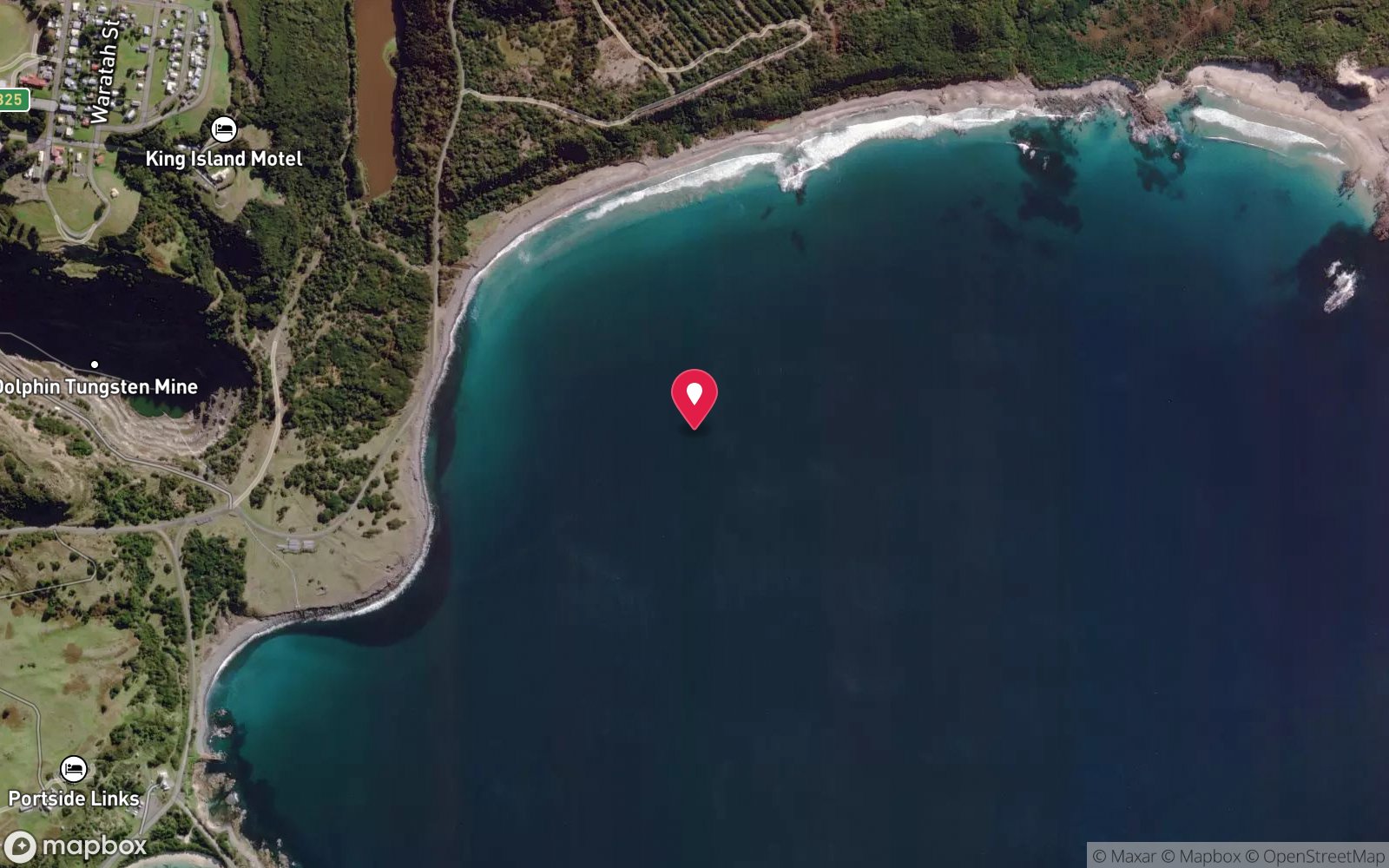
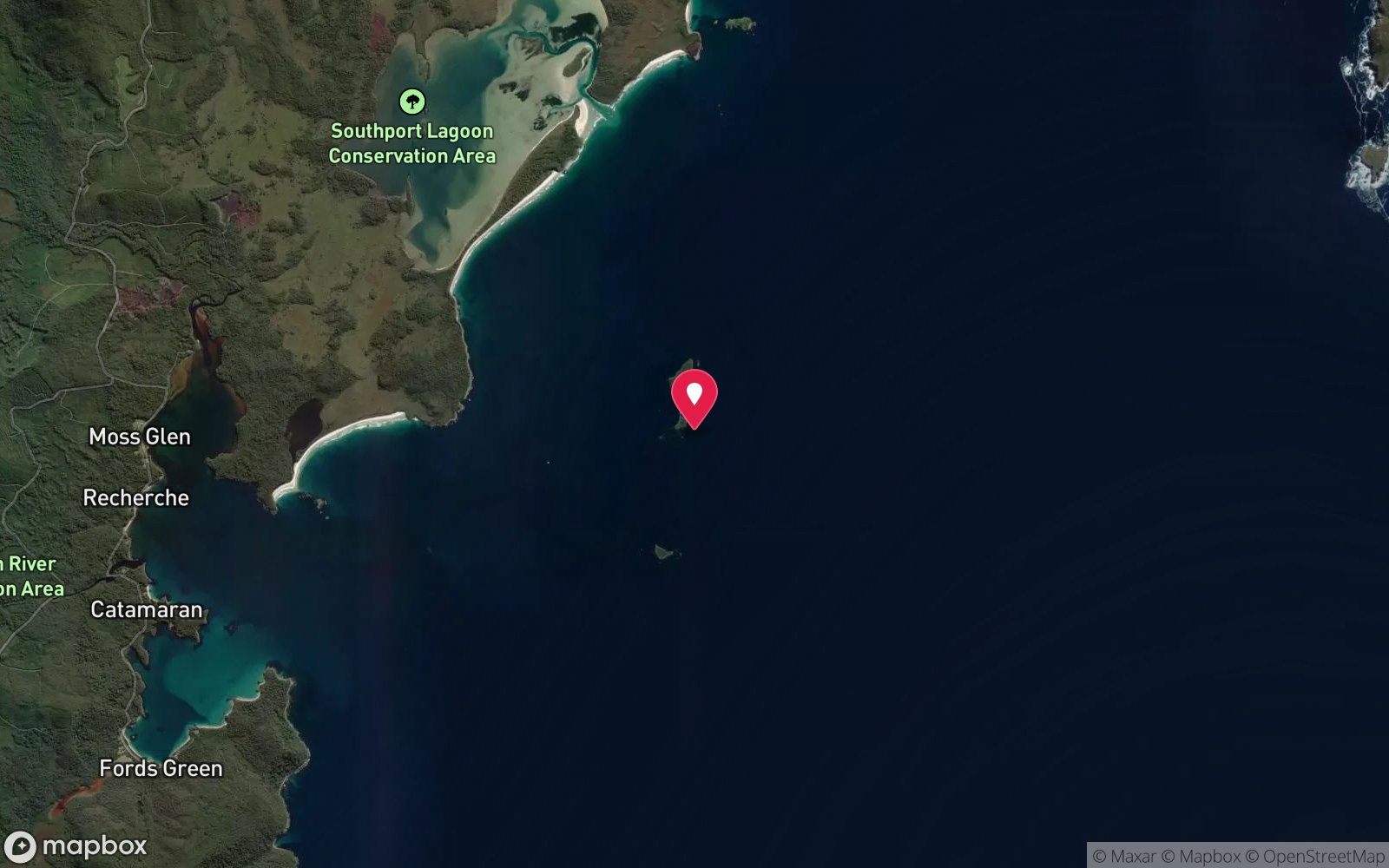
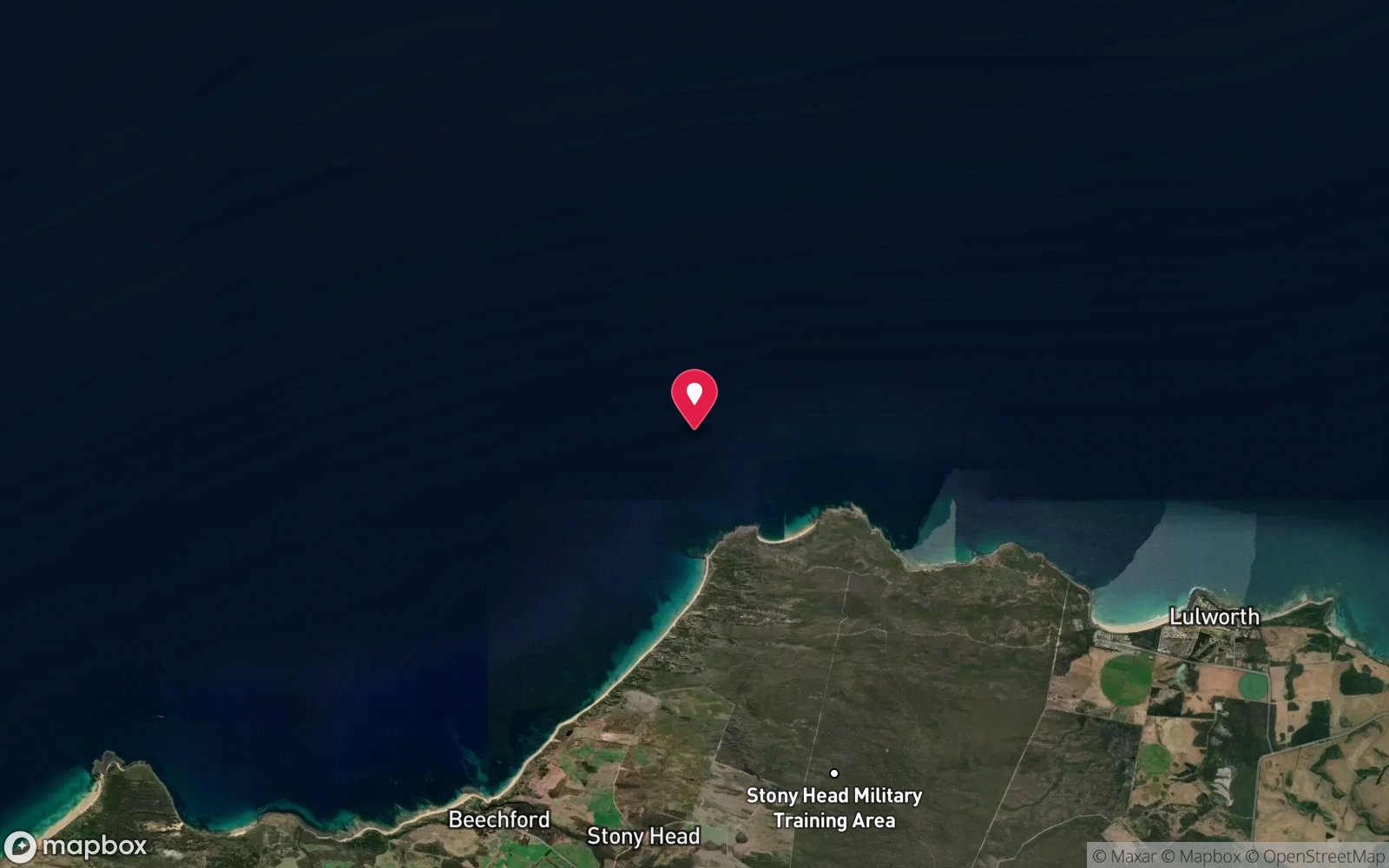
Satellite views
South Brig Rock (Grassy): frequently asked questions
How deep is South Brig Rock (Grassy)?
South Brig Rock (Grassy) reaches a maximum depth of 18 m, with the shallowest part at about 5 m; most of the dive is spent around 12 m.
What certification do I need to dive South Brig Rock (Grassy)?
Open Water is the recommended minimum. Rated intermediate because of surge on the entry or in the shallows, cold water.
Can I shore dive South Brig Rock (Grassy)?
No, it is reached by boat (about 10 minutes). A dive centre is required: boat access only.
When is the best time to dive South Brig Rock (Grassy)?
January-April; the east coast is diveable in westerly weather.
What marine life will I see at South Brig Rock (Grassy)?
Regularly recorded: Crayfish (large), gorgonian fans, sea sweep, old wife, long-snouted boarfish, luxuriant seaweed.
What wetsuit do I need at South Brig Rock (Grassy)?
7 mm wetsuit with hood, gloves and boots (or semi-dry); drysuit common, especially May-October.
How cold is the water at South Brig Rock (Grassy)?
Typically 16-18 °C in summer and 12-13 °C in winter.
What are the main hazards at South Brig Rock (Grassy)?
Surge in swim-throughs and over shallow rocks in swell; remote; no chamber on island. See the hazards section above for the full list.
Where is the nearest recompression chamber to South Brig Rock (Grassy)?
Royal Hobart Hospital Hyperbaric Medicine Unit (Hobart) via aeromedical retrieval; The Alfred (Melbourne) may be reached faster by air from King Island. DAN 1800 088 200. In an emergency call 000, then DAN Asia-Pacific on 1800 088 200.
Diving in King Island
King Island's reefs and its more than 60 recorded shipwrecks, including the Cataraqui (Australia's worst civilian maritime disaster) and the Loch Leven, sit in the path of the Roaring Forties, so diving is limited to calm easterly spells in summer. The reward is untouched kelp reef, crayfish and history.
Getting there: Fly from Melbourne or Launceston. No dive services on the island; private or club trips only.
Sources
Data confidence: Low · Being verified: Single older source; coordinates estimated.. Last updated September 2026. Know this site better? How to send a correction