Dive slate · divesites.com.au · printed 9 Nov 2026
Spot X
Tweed & Byron Bay, New South Wales · near Byron Bay
| Depth | 15–24 m |
|---|---|
| Minimum level | Advanced Open Water |
| Difficulty | Advanced |
| Access | Boat |
| Entry | Giant stride from boat; descend on anchor or shot line direct to the pinnacles |
| Current | Moderate |
| Visibility | 10-20 m |
| Water | summer 21-26 °C, winter 18-21 °C |
| Suit | 5 mm full suit summer, 5-7 mm or semi-dry winter |
| Best season | Winter (Jun-Sep) for grey nurse sharks and the calmest, clearest conditions of the year |
| Bottom time | 35 min |
| Position | not published |
| Permit | Cape Byron Marine Park / Solitary Islands Marine Park zoning applies – check current sanctuary/habitat protection zone boundaries before diving or spearfishing |
| Nearest chamber | Gold Coast University Hospital (Southport) hyperbaric unit; Wesley Hospital (Brisbane) for complex cases |
| Emergency | 000 · DAN Asia-Pacific diving emergency 1800 088 200 |
Spot X
Byron Bay's quiet offshore pinnacle system — good numbers of grey nurse sharks in winter with none of the diver traffic of Julian Rocks.
Near Byron Bay · Tweed & Byron Bay, New South Wales
- Depth
- 15–24 m
- Minimum level
- Advanced Open Water
- Access
- Boat
- Boat ride
- ~25 min
- Water
- 21-26 °C
- Visibility
- 10-20 m
Spot X15–24 m · Advanced Open Water
Dive factsDepths, conditions, location & safety
Season
Off-peak nowBest months: June, July, August, September.
Winter (Jun-Sep) for grey nurse sharks and the calmest, clearest conditions of the year
- Best months
- Now (November)
- Stinger suit Nov–May
Dive facts
- Depth
- 15–24 m
- Typical depth
- 21 m
- Certification
- Advanced Open Water
- Difficulty
- Advanced
- Depth tier
- Advanced Open Water (18–30 m)
- Access
- Boat
- Offshore
- 6 km
- Dive centre needed
- Yes – boat access only
- Shore / independent
- No
- Boat ride
- ~25 min
- Current
- Moderate
- Visibility
- 10-20 m
- Water temp (summer)
- 21-26 °C
- Water temp (winter)
- 18-21 °C
- Water
- Subtropical
- Bottom time
- 35 min
- Dive traffic
- Rarely dived (private boat/club only)
- Night dive
- No
- Snorkel friendly
- No
Exposure suit
5 mm full suit summer, 5-7 mm or semi-dry winter
Location
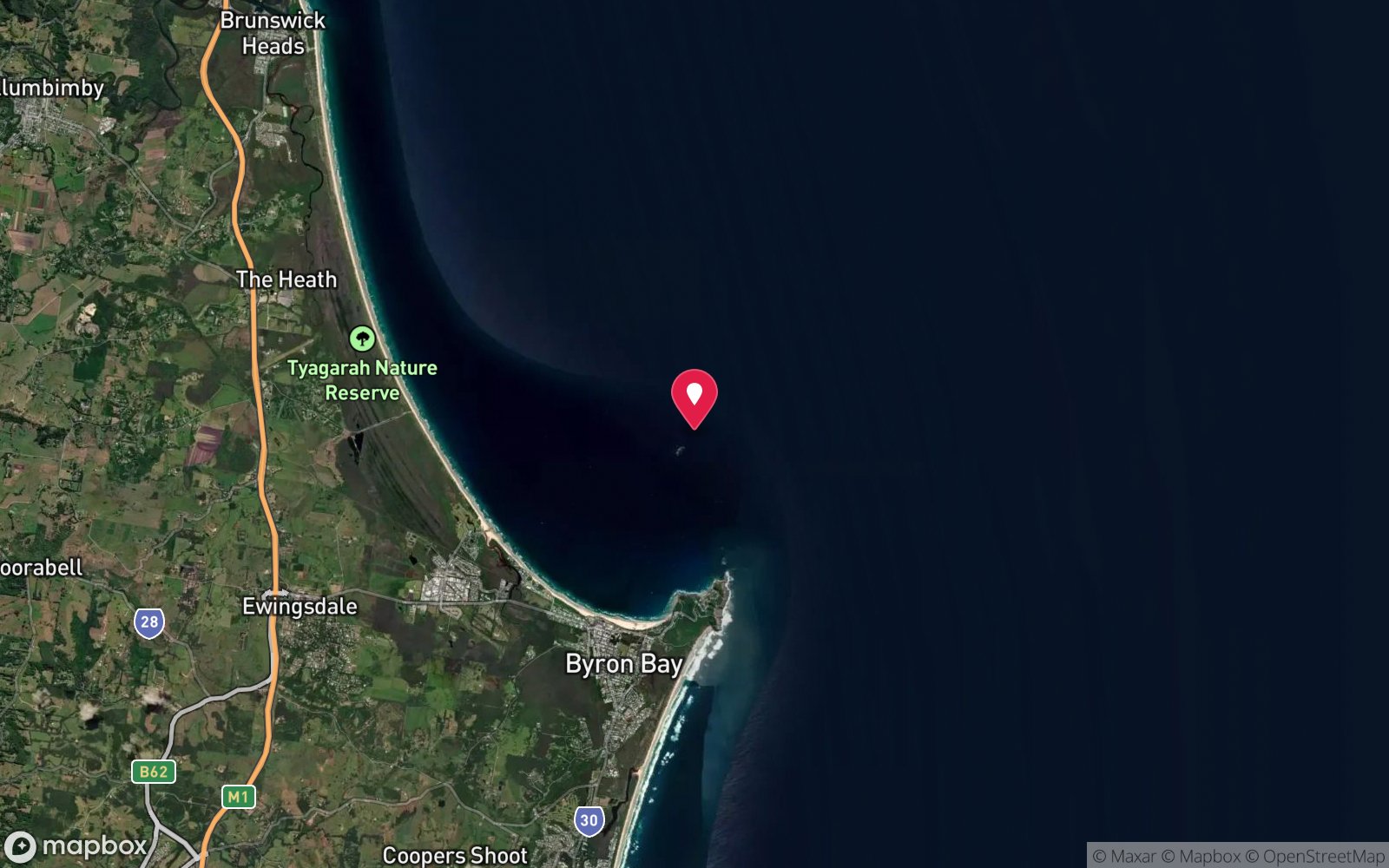
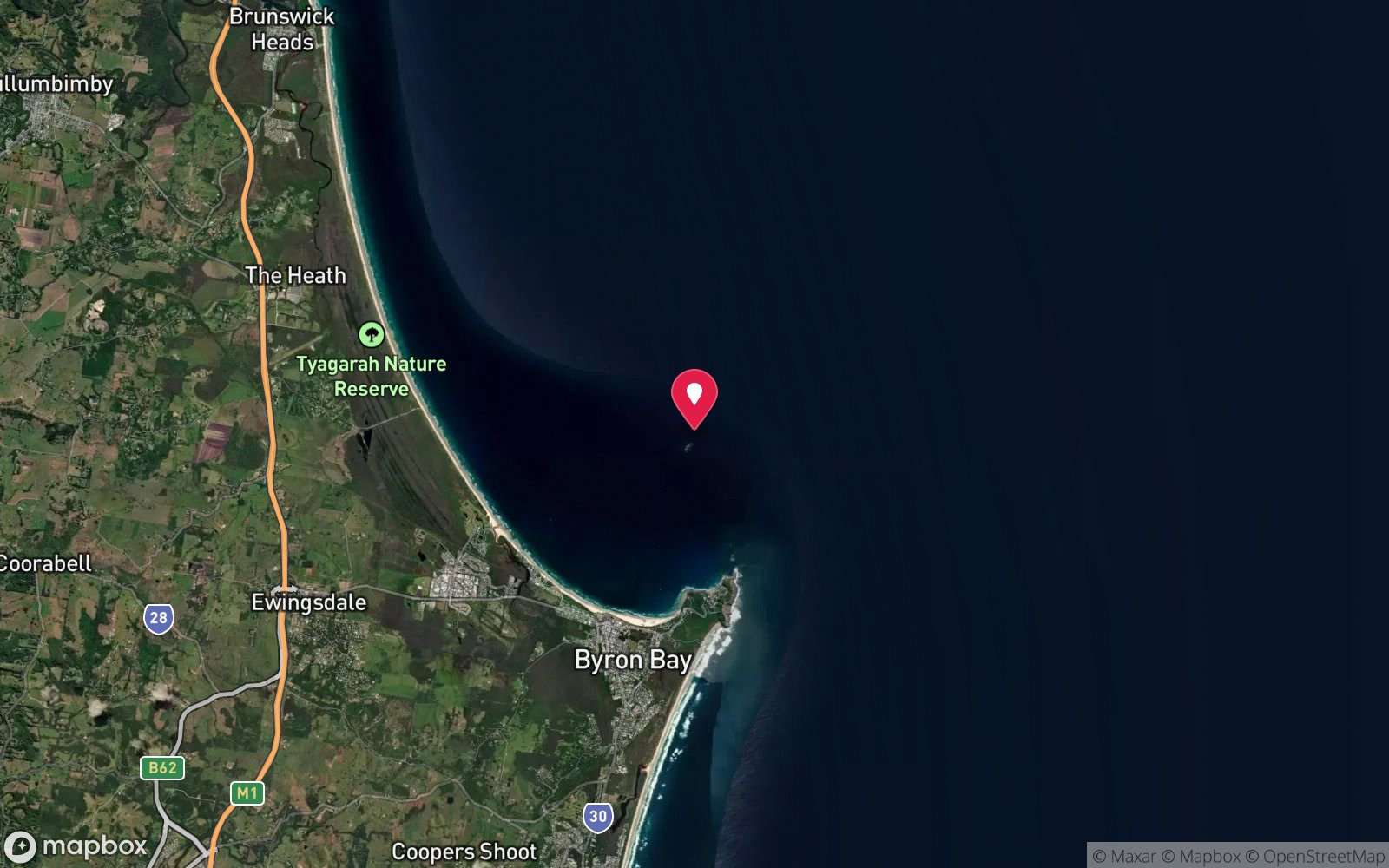
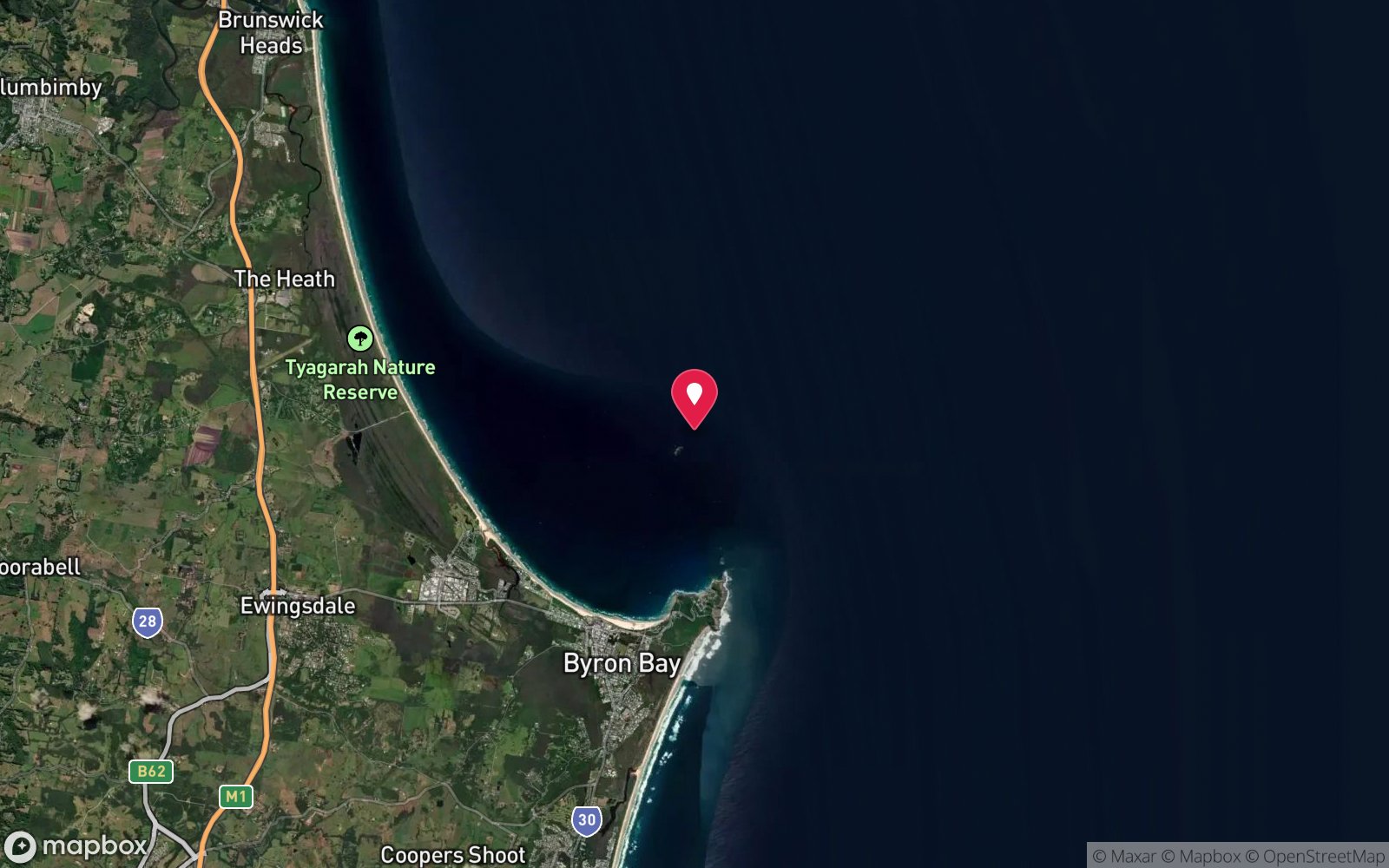
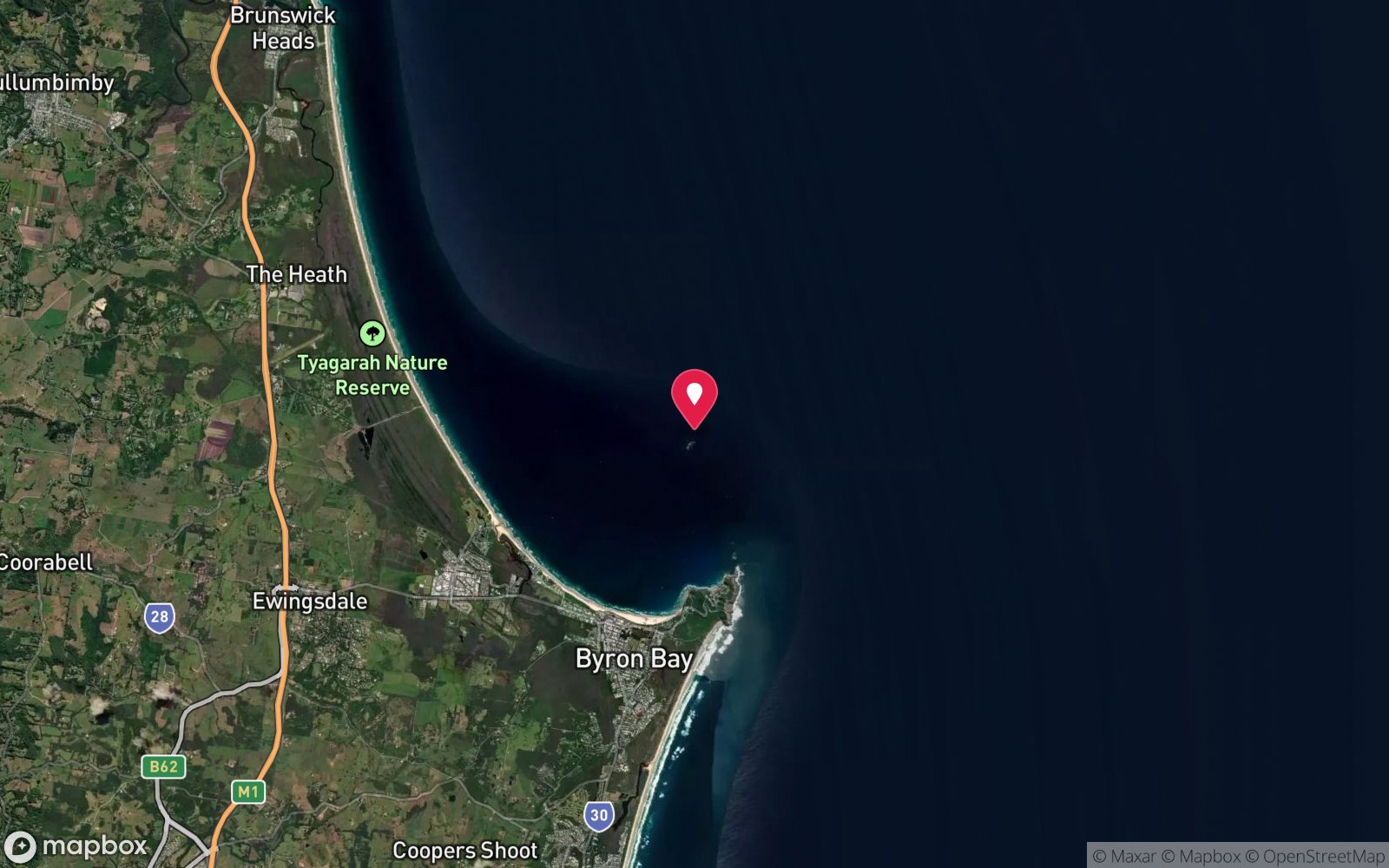
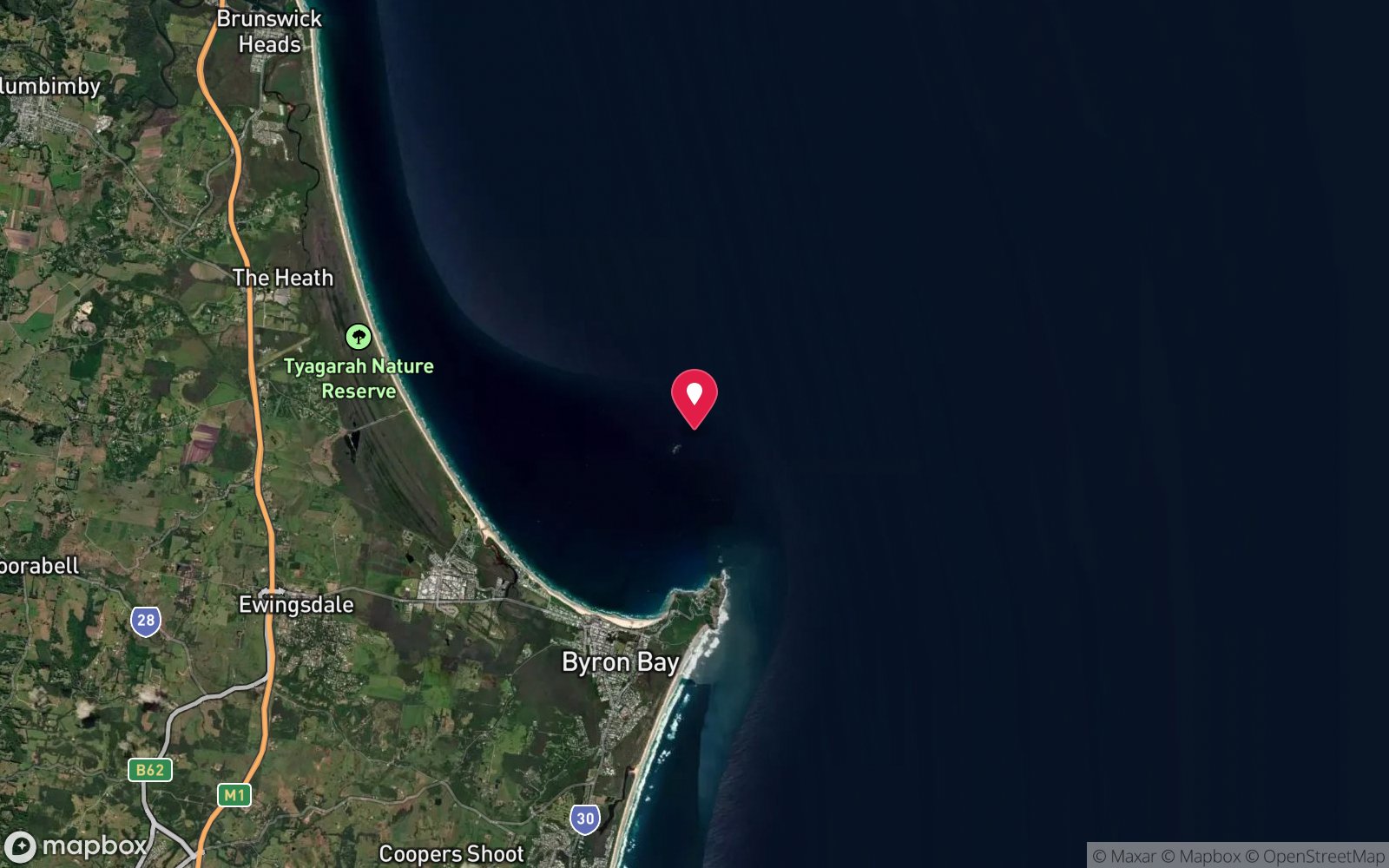
Spot X · NSW Far North Coast – Byron Bay
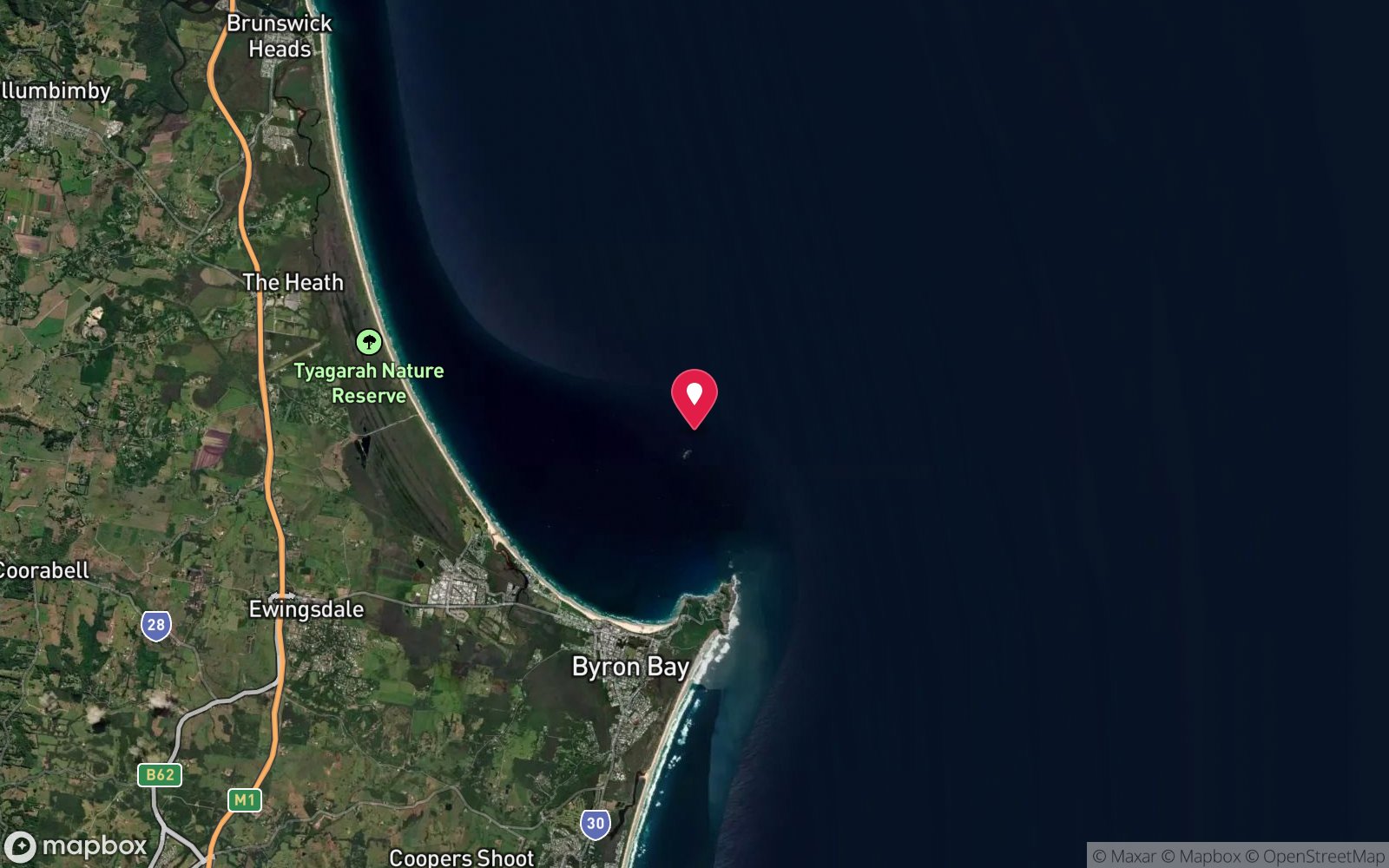
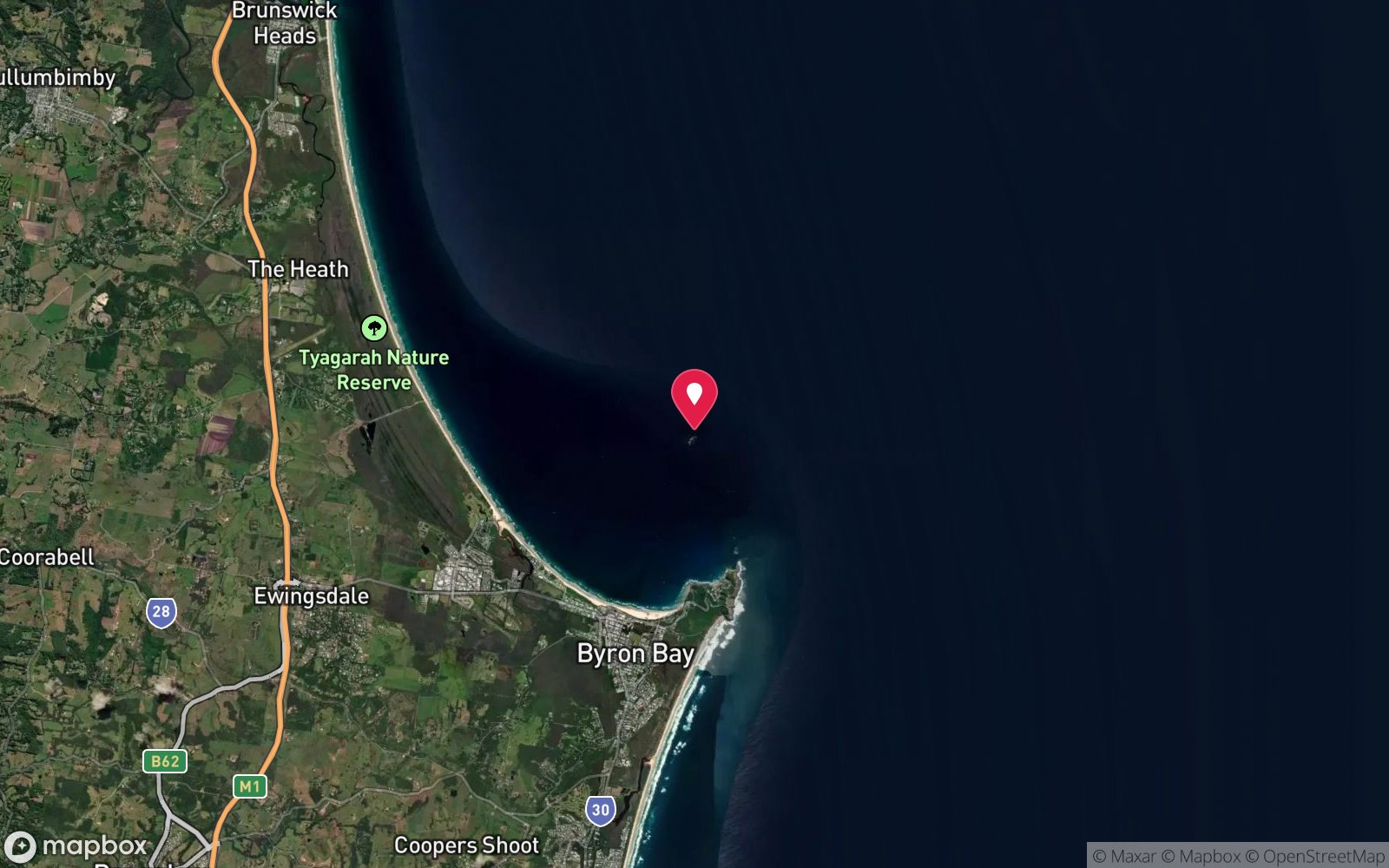
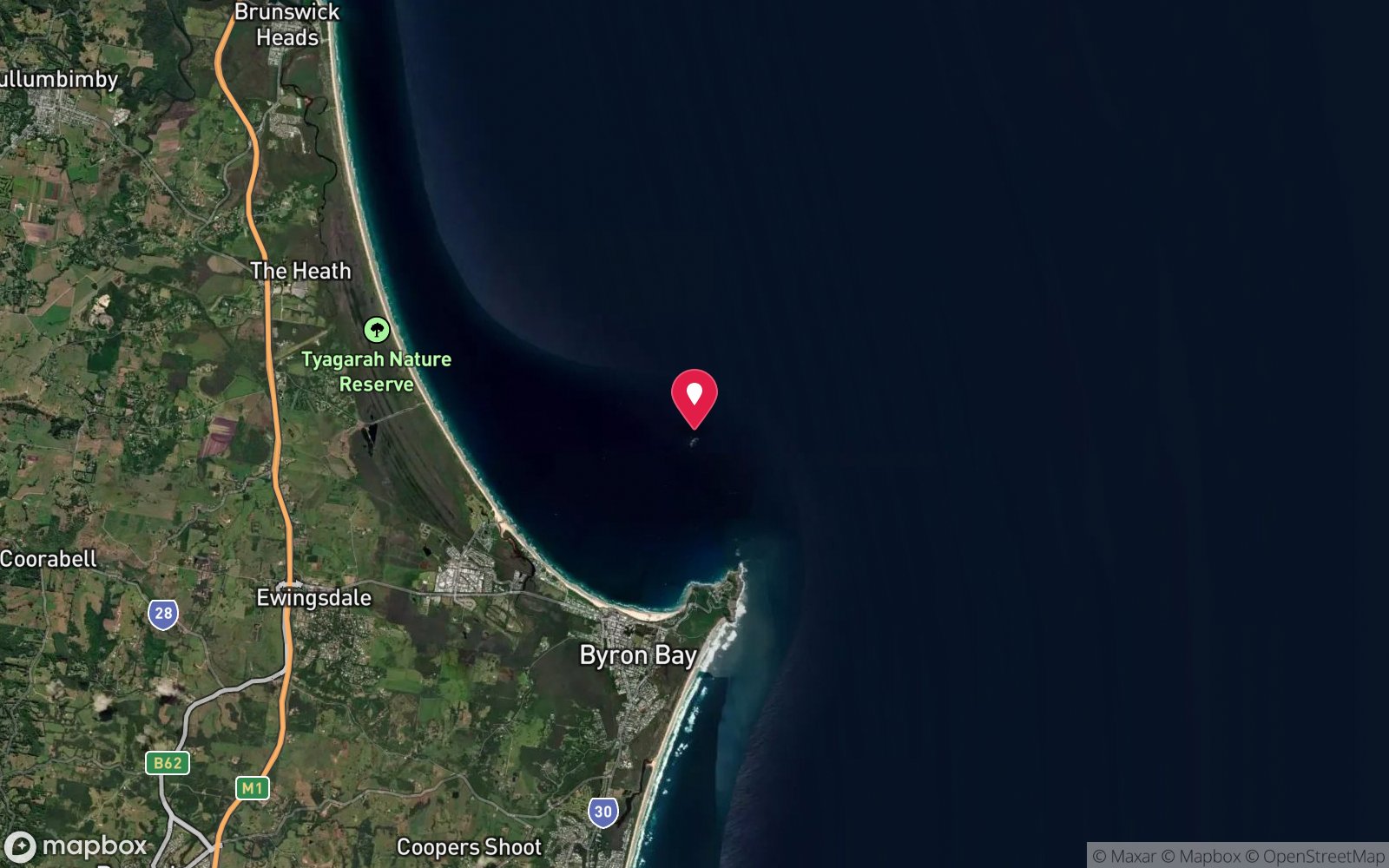
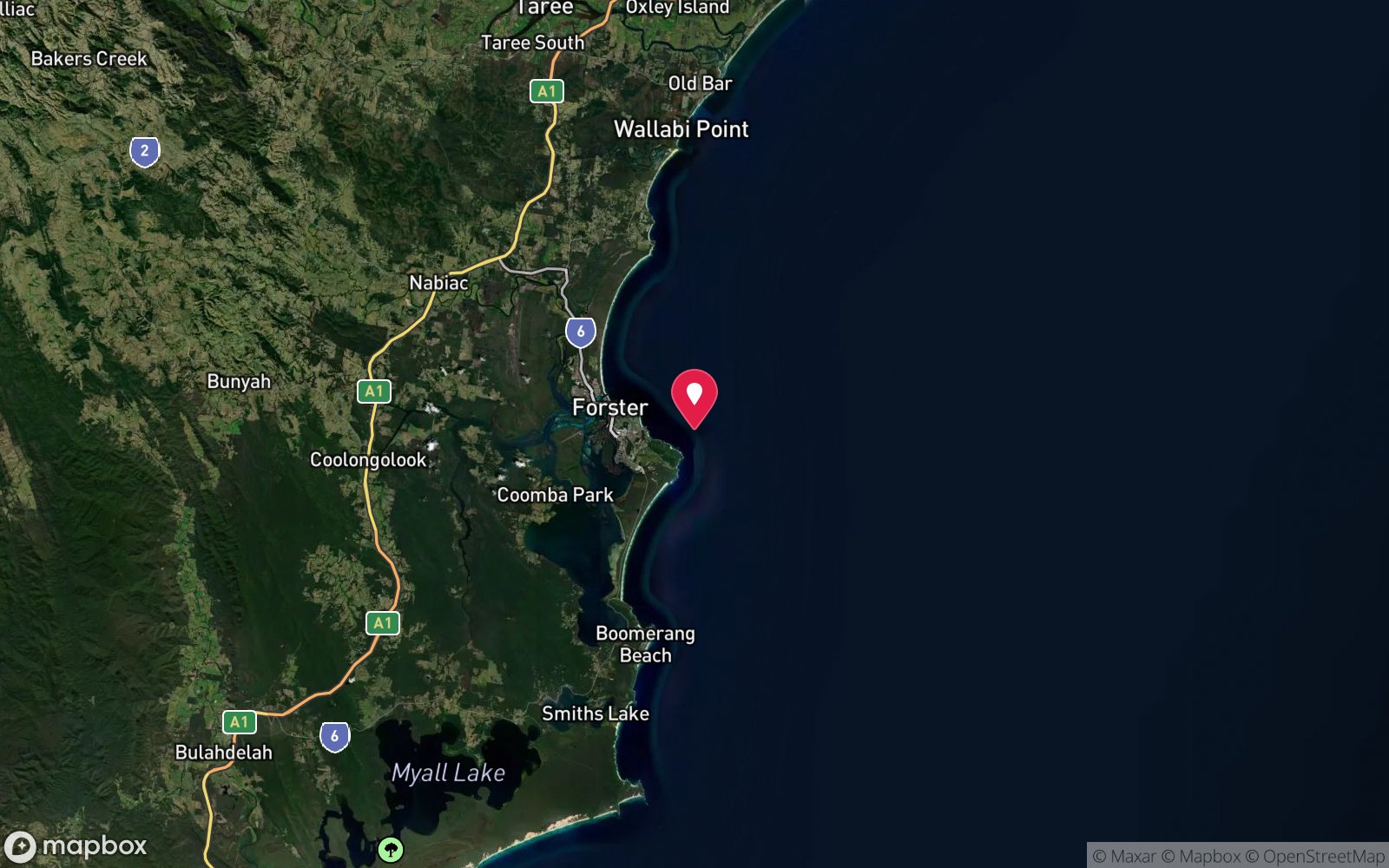
No published coordinates. The map above shows the general area, estimated from other documented sites near Byron Bay.
Primary source: adreno.com.auMarine park & permits
Cape Byron Marine Park / Solitary Islands Marine Park zoning applies – check current sanctuary/habitat protection zone boundaries before diving or spearfishing
Nearest recompression chamber
Gold Coast University Hospital (Southport) hyperbaric unit; Wesley Hospital (Brisbane) for complex cases
Diving emergency: call 000, then DAN AP 1800 088 200.
Trip planner
Build a trip around Spot X →
A day-by-day plan for Tweed & Byron Bay with this site locked in.
This guide is a planning aid. Conditions change daily — confirm with a local dive centre and dive within your training. Data & safety notes.
Dive profile
How this site rates
Scores are computed from the recorded data, not opinions. How?
At a glance
Spot X is a pinnacle / bommie boat dive in Tweed & Byron Bay, NSW, 15–24 m, suited to Advanced Open Water divers, moderate current, about 25 minutes by boat.
Rated advanced because of depth beyond 18 m.
Why dive here
- Byron Bay's quiet offshore pinnacle system — good numbers of grey nurse sharks in winter with none of the diver traffic of Julian Rocks.
- Rarely dived: expect to have the site to yourself, and plan your own logistics.
- Visibility often reaches 10-20 m.
About Spot X
Spot X is Byron Bay's least-visited notable dive site, a scatter of rocky pinnacles some 5 to 6 km north-east of Cape Byron that sees only a handful of trips a year, mostly through winter when a rare stretch of calm weather lines up with the local dive shops' interest in finding grey nurse sharks away from the crowds at Julian Rocks. Unlike Julian Rocks there is no permanent mooring here, so a visit depends on a skipper willing and able to relocate the pinnacles by GPS and echo sounder and drop a shot line directly onto the structure, which is one reason the site remains so lightly dived despite sitting only a short run from town. The topography is a series of rocky rises and ledges climbing from a sand bottom to around 15 m, generally comparable in scale to the deeper Julian Rocks sites but without any of the infrastructure — no mooring buoy, no regular boat traffic, and correspondingly none of the diver pressure that can make the sharks skittish elsewhere.
In winter this translates into good numbers of grey nurse sharks holding station in the current along the ledges, joined by wobbegongs, large schooling kingfish and mixed reef fish, with the occasional bronze whaler seen further out over the sand. What keeps Spot X off the regular charter list is exposure: sitting well offshore with no shelter from swell in any direction, it demands a longer settled weather window than the operators need for Julian Rocks itself, and a booking here is realistically at the mercy of a rare calm patch rather than a set schedule. Divers should also be comfortable descending on a shot line with some current running and ascending independently under a surface marker buoy, since without a fixed mooring the boat cannot simply be relocated to wherever a group happens to surface.
For experienced local divers chasing grey nurse sharks without the crowds of the more famous Tweed and Solitary Islands aggregation sites, Spot X is worth the wait for the right weather window, but it is not a site to book casually or expect to run on a set day.
Getting there & entry
A series of offshore rocky pinnacles roughly 5-6 km north-east of Cape Byron, an exposed, rarely dived site used mainly for winter grey nurse shark trips when conditions are unusually calm.
Boat access only, launched as a RIB off Byron Bay's Main Beach/The Pass by Sundive Byron Bay or Byron Bay Dive Centre on the rare days conditions allow; roughly a 20-25 minute run north-east from Cape Byron. There is no mooring, so the skipper must locate the pinnacles by GPS and sounder before divers descend.
Entry: Giant stride from boat; descend on anchor or shot line direct to the pinnacles
Weather, swell & tides
Byron Bay and the coast either side is exposed to easterly and south-easterly swell; the more remote sites away from the shelter of Cape Byron and Julian Rocks need under about 1.5 m swell and light winds to be diveable and are cancelled well before the rocks themselves. The East Australian Current runs strongly along this coast, especially November-May, and can add significant drift to any exposed pinnacle or headland site. Visibility improves after a run of settled offshore (westerly) winds and degrades for several days after the Brunswick River or Belongil Creek flood following heavy rain.
Winter (Jun-Sep) brings the clearest water, grey nurse sharks and migrating humpback whales; summer (Dec-Mar) is warmer with leopard sharks and more current. Because Spot X has no mooring and is fully exposed, it needs a longer, more settled weather window than Julian Rocks and is realistically diveable only a handful of days each winter.
Best season: Winter (Jun-Sep) for grey nurse sharks and the calmest, clearest conditions of the year
How the dive is usually run
Descend the shot line directly onto the pinnacle system at 15-18 m, work along the ledges and gutters checking for resting grey nurse sharks and large schooling fish, staying together as a tight group given the lack of a fixed mooring, and ascend on a lift bag/SMB rather than trying to relocate the anchor line in any current.
Marine life
- Grey nurse sharks (winter) →
- wobbegongs →
- kingfish
- large schooling reef fish
- bull rays
- occasional bronze whaler sharks
Linked species have their own page listing every site where they are recorded. All marine life →
Training required
Beyond 18 m an Advanced certification (which includes a deep dive to 30 m) is the accepted minimum. Anything past 25 m is a deep dive in practice.
Depth tiers: 0–10 m easy · to 18 m Open Water · 18–30 m Advanced (25 m+ is a deep dive) · 30–40 m Deep specialty · 40 m+ technical. All courses
Hazards & warnings
Fully open-ocean exposure with no shelter; no permanent mooring, descend/ascend on shot line or SMB; current; depth to 24 m; rarely run, requires an exceptional weather window.
Dive centres that go here
No scheduled charter — Sundive Byron Bay and Byron Bay Dive Centre will run a trip on request in exceptionally calm weather, mainly through winter for grey nurse sharks; otherwise dived by private boats and technical/spearfishing clubs.
Operators recorded for Spot X
Sundive Byron Bay
ProfiledByron Bay · Tweed & Byron Bay · NSW
Byron Bay's PADI 5 Star dive centre, running three daily departures to Nguthungulli Julian Rocks with training from Try Scuba to Divemaster.
sundive.com.au · (02) 6685 7755
Byron Bay Dive Centre
ProfiledByron Bay · Tweed & Byron Bay · NSW
Byron Bay's original dive centre, running daily Julian Rocks dive and snorkel trips from The Pass with PADI and SSI training and an onsite pool.
byronbaydivecentre.com.au · 0494 094 915
Other dive centres in Tweed & Byron Bay
Gold Coast Dive Adventures
ListedRunaway Bay · Gold Coast · QLD
A Gold Coast operation focused on guided local diving and charter access to offshore sites.
goldcoastdiveadventures.com.au · 0404 286 599
Gold Coast Dive Centre
ListedMiami · Gold Coast · QLD
A Gold Coast training and service business serving local divers and visitors.
goldcoastdivecentre.com.au · (07) 5572 0511
Kirra Dive
Named by sitesTweed Heads · Tweed & Byron Bay · NSW
Trades as Kirra Dive 'On the Tweed'.
kirradive.com · (07) 5536 6622
General area
No position has been published for Spot X. The circle shows where it is likely to be, worked out from other documented sites near Byron Bay. Ask a local operator for the exact site.
Dashed circle: general area (about 3 km), from other documented sites near Byron Bay. 6 pinned sites. Pins marked approximate on their pages show the general area only; not for navigation.
Spot X: frequently asked questions
How deep is Spot X?
Spot X reaches a maximum depth of 24 m, with the shallowest part at about 15 m; most of the dive is spent around 21 m.
What certification do I need to dive Spot X?
Advanced Open Water is the recommended minimum. Rated advanced because of depth beyond 18 m.
Can I shore dive Spot X?
No, it is reached by boat (about 25 minutes). A dive centre is required: boat access only.
When is the best time to dive Spot X?
Winter (Jun-Sep) for grey nurse sharks and the calmest, clearest conditions of the year.
What marine life will I see at Spot X?
Regularly recorded: Grey nurse sharks (winter), wobbegongs, kingfish, large schooling reef fish, bull rays, occasional bronze whaler sharks.
What wetsuit do I need at Spot X?
5 mm full suit summer, 5-7 mm or semi-dry winter.
How cold is the water at Spot X?
Typically 21-26 °C in summer and 18-21 °C in winter.
What are the main hazards at Spot X?
Fully open-ocean exposure with no shelter; no permanent mooring, descend/ascend on shot line or SMB; current; depth to 24 m; rarely run, requires an exceptional weather window. See the hazards section above for the full list.
Where is the nearest recompression chamber to Spot X?
Gold Coast University Hospital (Southport) hyperbaric unit; Wesley Hospital (Brisbane) for complex cases. In an emergency call 000, then DAN Asia-Pacific on 1800 088 200.
Diving in Tweed & Byron Bay
Julian Rocks, 2.5 km off Byron Bay, is the most biodiverse dive site in NSW: turtles by the dozen, wobbegongs stacked in the caves, grey nurse sharks in winter, leopard sharks and manta rays in summer, and more than 1,000 recorded species. The Cod Hole, the Nursery and Hugo's Trench are the classic circuits. Cook Island off Tweed Heads has similar life on a smaller scale.
Getting there: Byron Bay is two hours south of Brisbane or a short flight to Ballina. Dive shops in Byron run several trips a day to Julian Rocks, launched off the beach at the Pass; Tweed Heads shops cover Cook Island.
All Tweed & Byron Bay dive sites and a suggested itinerary →
Sources
Data confidence: Low · Being verified: Precise GPS position and current operator interest need confirmation directly with a Byron Bay dive shop.. Last updated September 2026. Know this site better? How to send a correction
Nearby dive sites
More pinnacle/bommie dives in New South Wales
Explore more
This region