Dive slate · divesites.com.au · printed 7 Nov 2026
The Chimney & Cathedral (Bait Reef)
Whitsundays & Bowen, Queensland · near Airlie Beach
| Depth | 5–22 m |
|---|---|
| Minimum level | Advanced Open Water |
| Difficulty | Advanced |
| Access | Boat (day trip) |
| Entry | From dive boat; drift pick-up on the outer slope |
| Current | Variable/Tidal |
| Visibility | 10-25 m |
| Water | summer 27-29 °C, winter 22-24 °C |
| Suit | 3 mm full suit or stinger suit in summer (lycra/stinger suit essential Nov–May); 5 mm full suit June–September |
| Best season | September–December; slack water |
| Bottom time | 40 min |
| Position | -19.81000, 149.06000 (approximate) |
| Permit | Great Barrier Reef Marine Park – Bait Reef is Marine National Park (green zone): no fishing or collecting; public moorings and no-anchoring areas. EMC collected by operators. |
| Nearest chamber | Townsville University Hospital hyperbaric unit (Douglas, Townsville) |
| Emergency | 000 · DAN Asia-Pacific diving emergency 1800 088 200 |
The Chimney & Cathedral (Bait Reef)
Also known as The Chimney, The Cathedral
A trench and 20 m tunnel through the reef wall onto the outer slope, and a light-filled chamber reached by swim-through.
Near Airlie Beach · Whitsundays & Bowen, Queensland
- Depth
- 5–22 m
- Minimum level
- Advanced Open Water
- Access
- Boat (day trip)
- Boat ride
- ~100 min
- Water
- 27-29 °C
- Visibility
- 10-25 m
The Chimney & Cathedral (Bait Reef)5–22 m · Advanced Open Water
Dive factsDepths, conditions, location & safety
Season
In season nowBest months: September, October, November, December.
September–December; slack water
- Best months
- Now (November)
- Stinger suit Nov–May
Dive facts
- Depth
- 5–22 m
- Typical depth
- 18 m
- Certification
- Advanced Open Water
- Difficulty
- Advanced
- Depth tier
- Advanced Open Water (18–30 m)
- Access
- Boat (day trip)
- Offshore
- 70 km
- Dive centre needed
- Yes – boat access only
- Shore / independent
- No
- Boat ride
- ~100 min
- Current
- Variable/Tidal
- Visibility
- 10-25 m
- Water temp (summer)
- 27-29 °C
- Water temp (winter)
- 22-24 °C
- Water
- Tropical
- Bottom time
- 40 min
- Dive traffic
- Moderate (occasional charters/club dives)
- Night dive
- No
- Snorkel friendly
- No
Exposure suit
3 mm full suit or stinger suit in summer (lycra/stinger suit essential Nov–May); 5 mm full suit June–September
Location
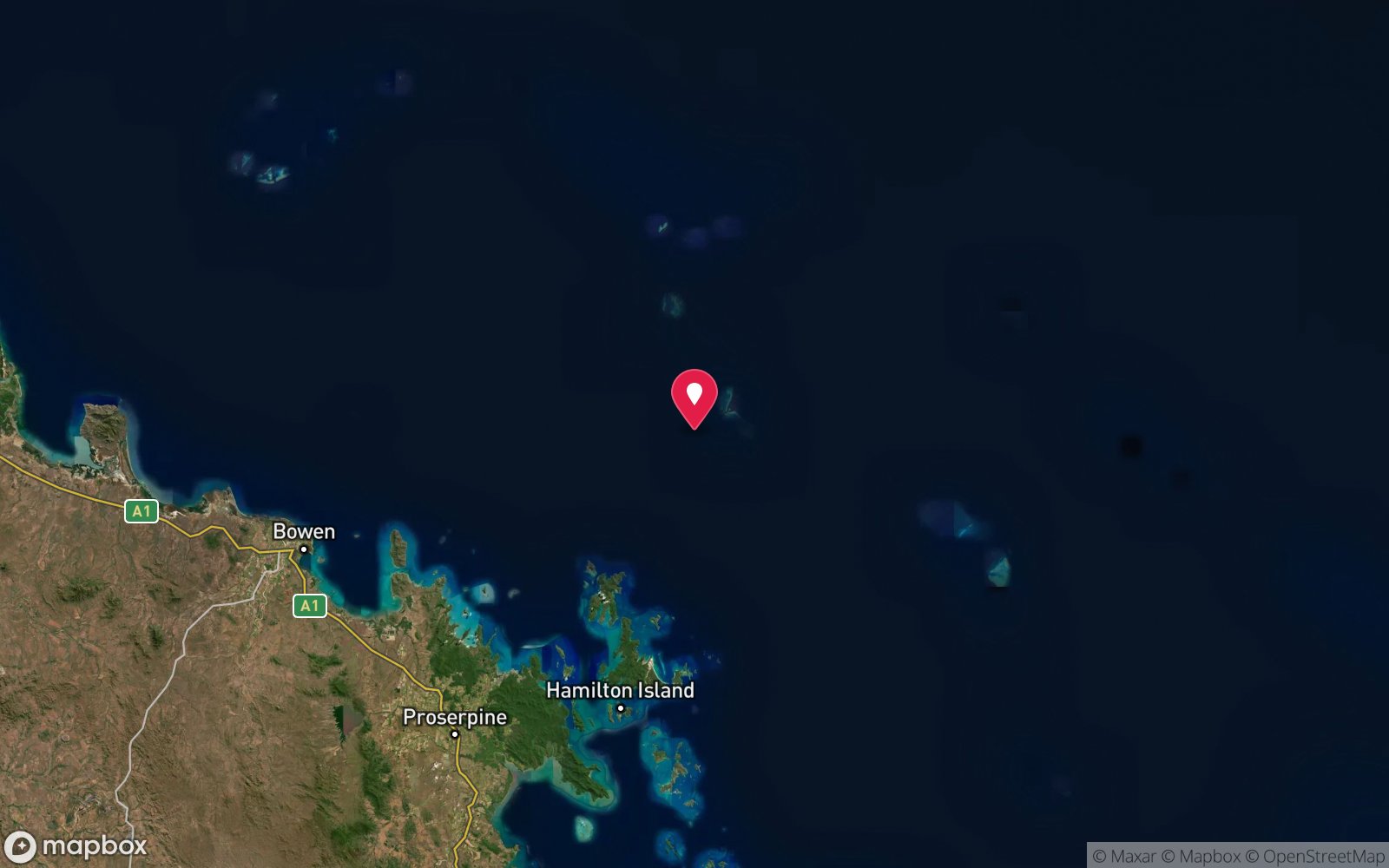
Bait Reef · Central GBR – Whitsunday outer reef
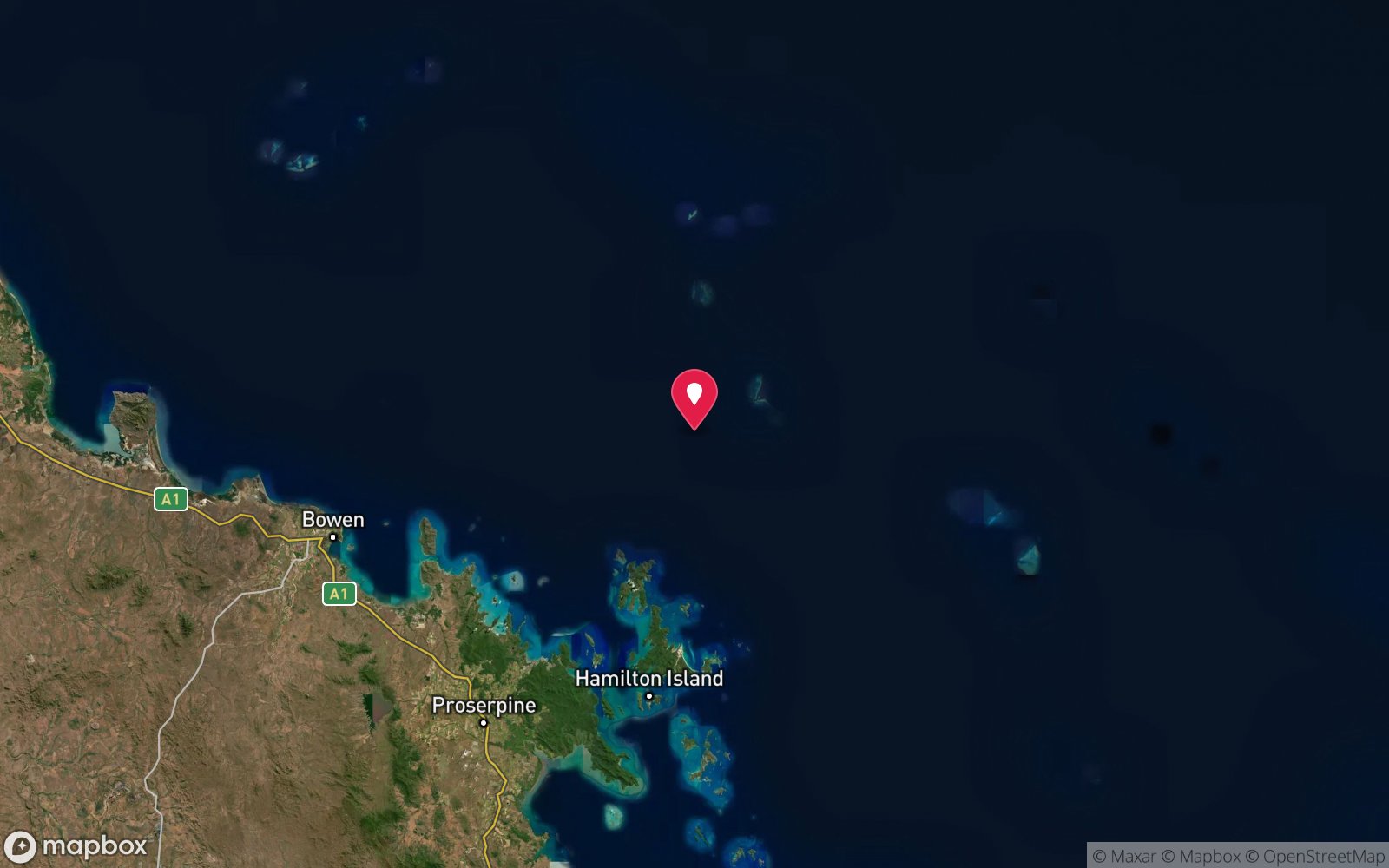
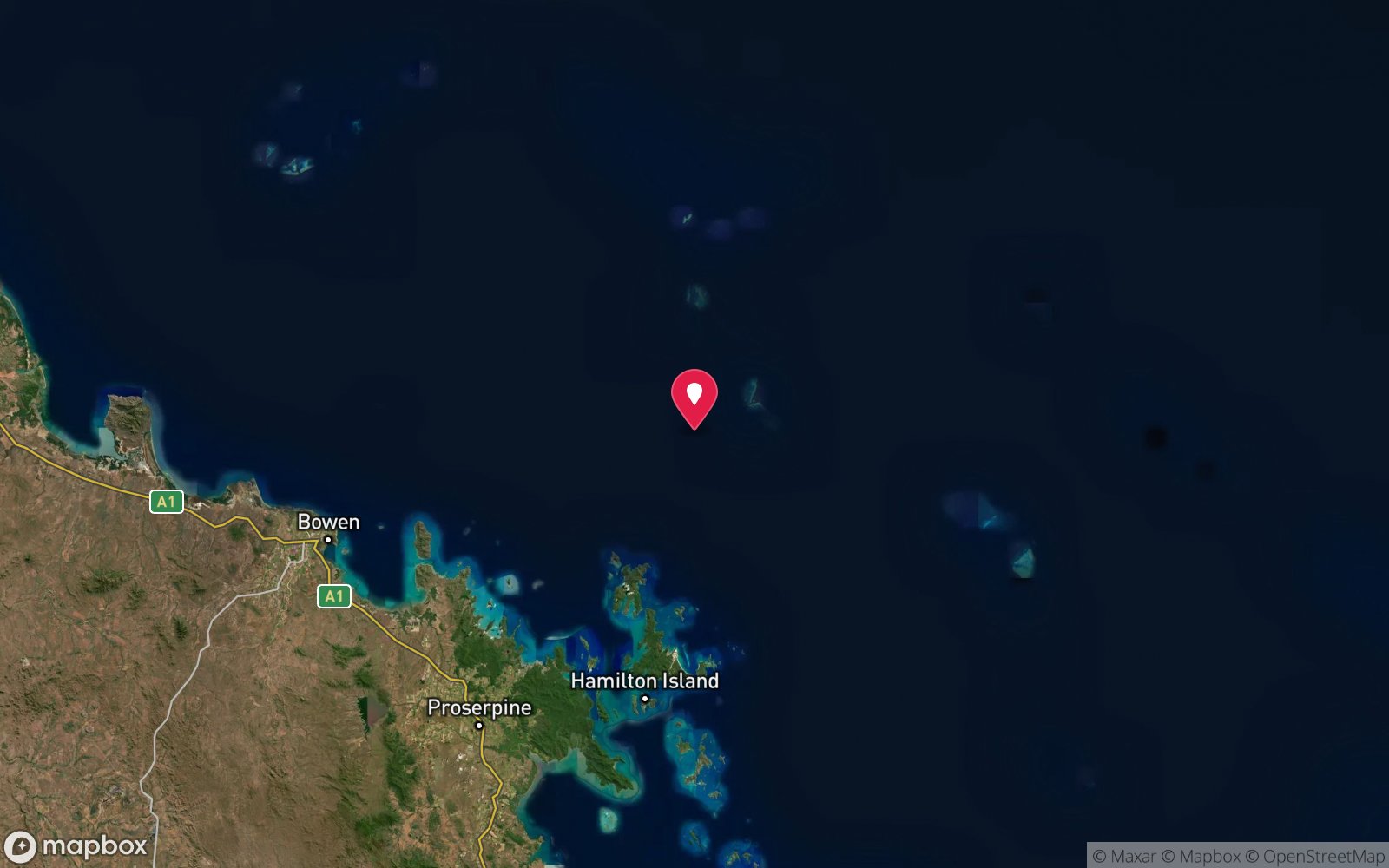
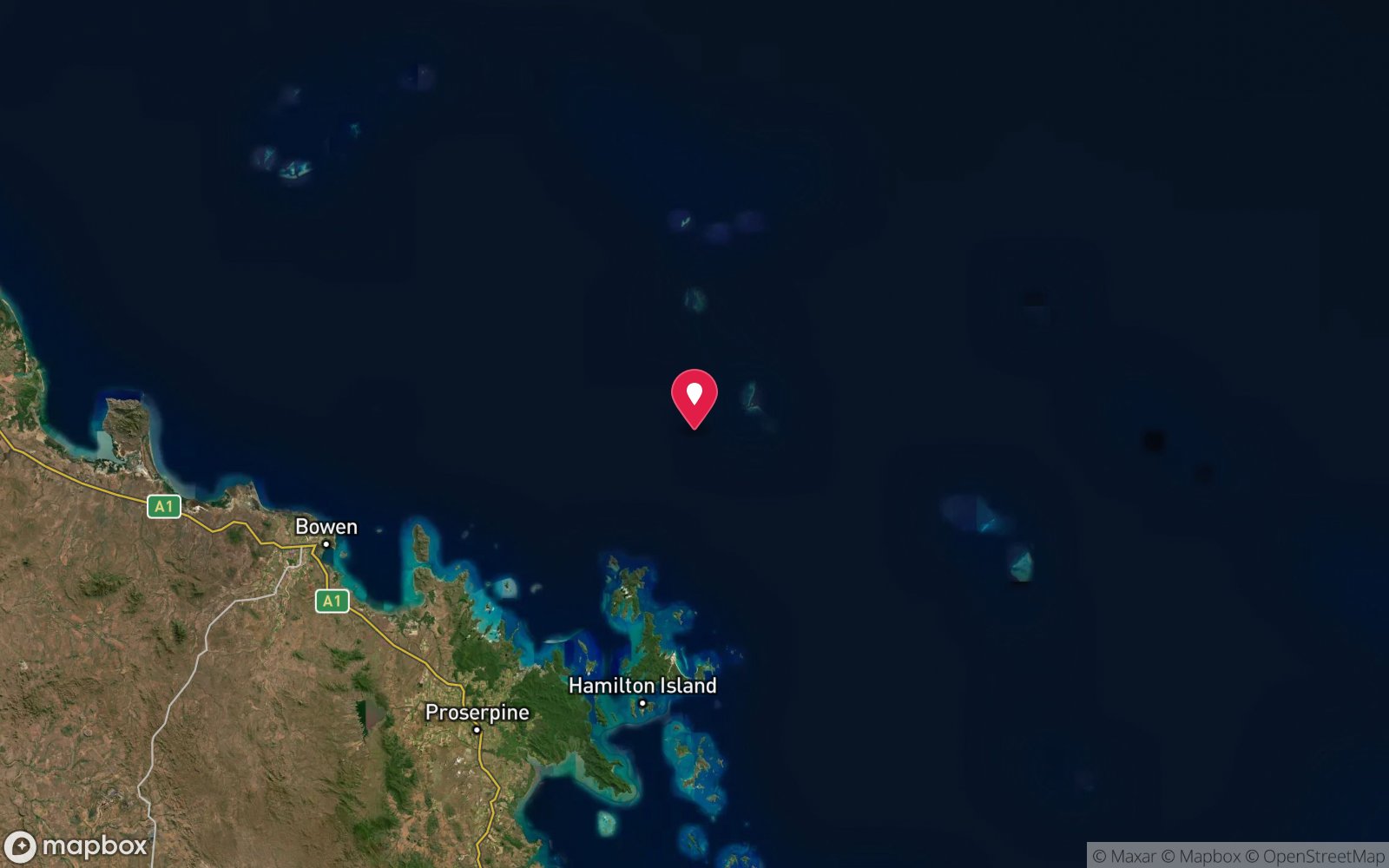
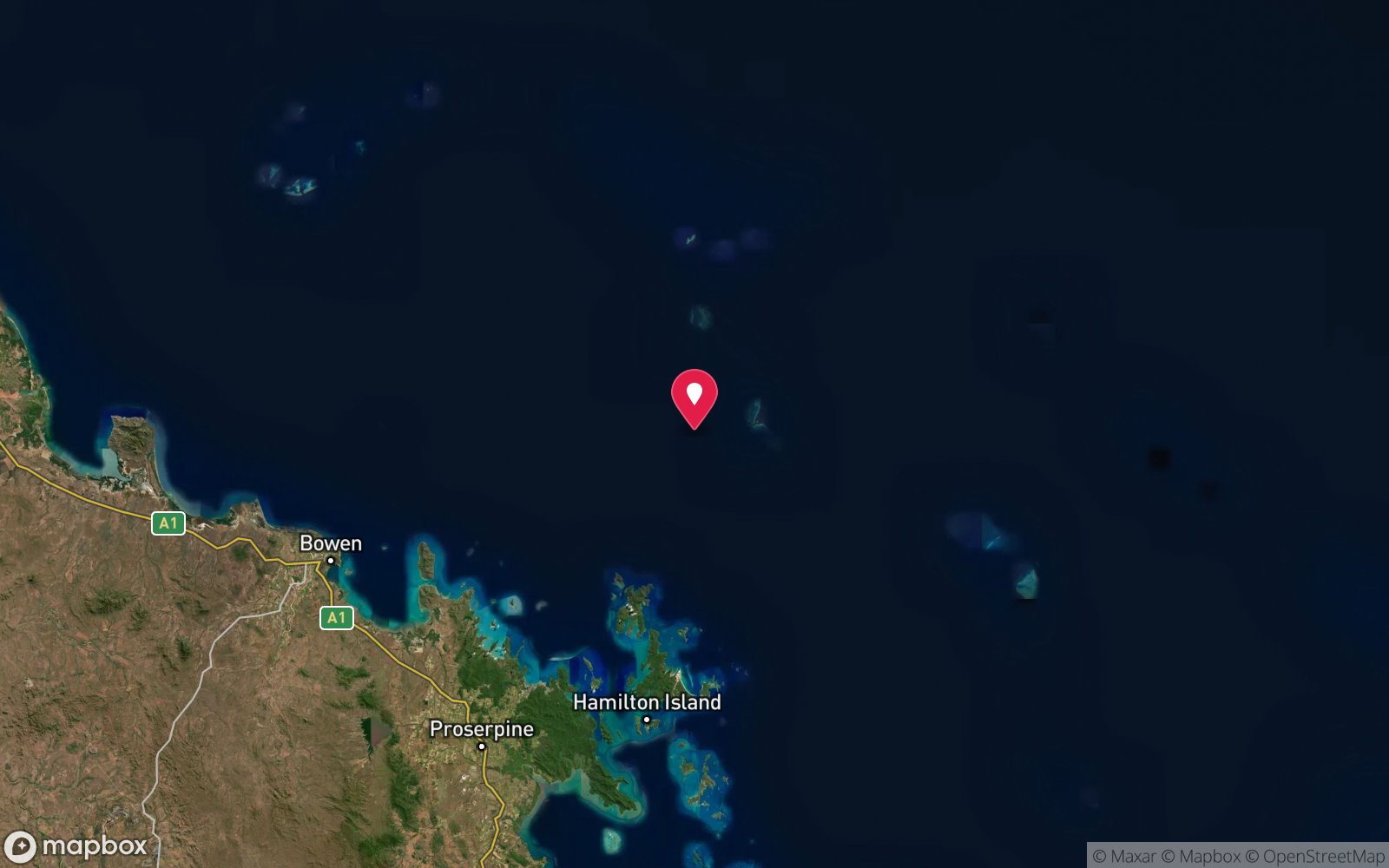
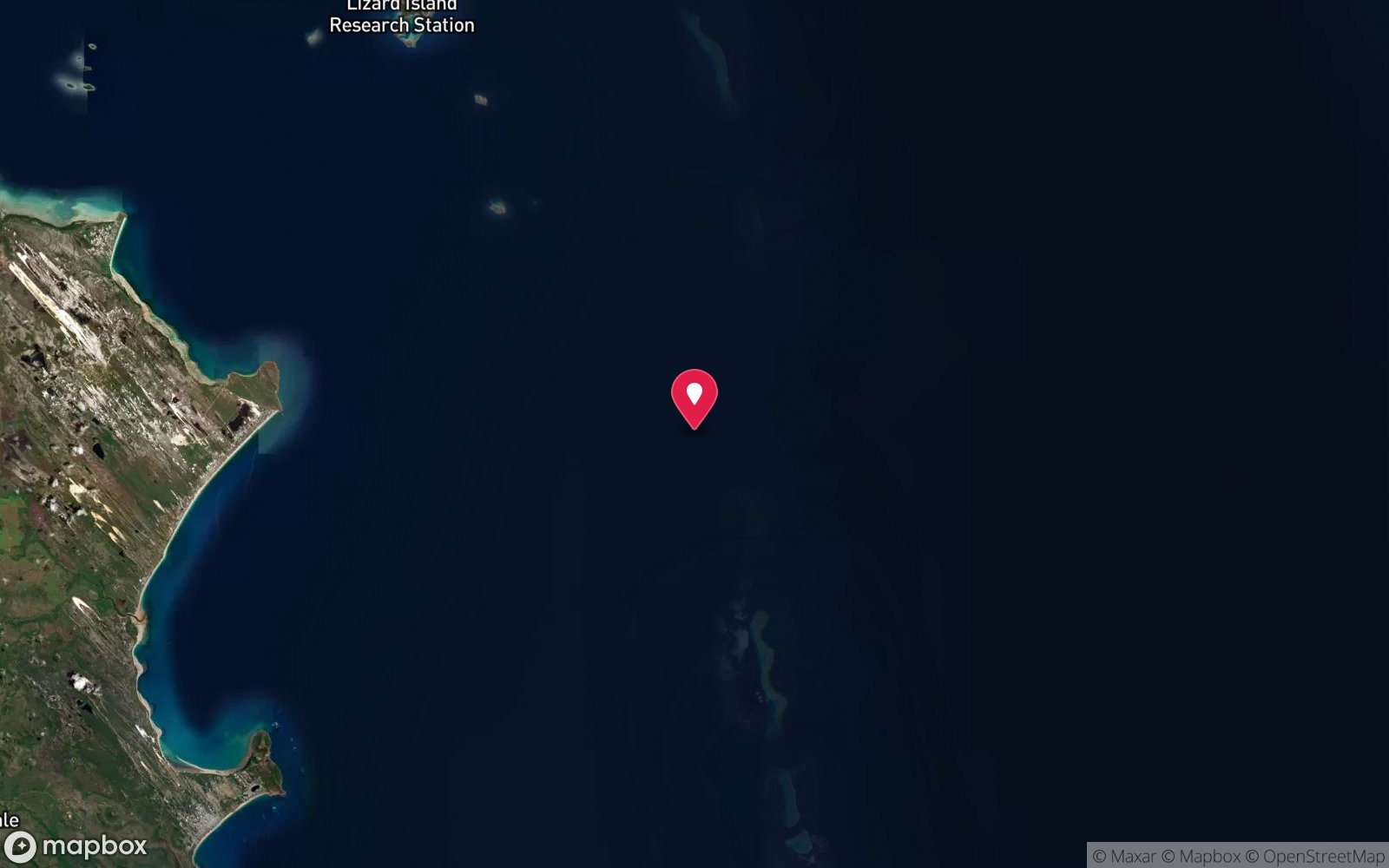
-19.81000, 149.06000
Approximate position — not for navigation.
Open in Google MapsPrimary source: nquec.org.auMarine park & permits
Great Barrier Reef Marine Park – Bait Reef is Marine National Park (green zone): no fishing or collecting; public moorings and no-anchoring areas. EMC collected by operators.
Nearest recompression chamber
Townsville University Hospital hyperbaric unit (Douglas, Townsville)
Diving emergency: call 000, then DAN AP 1800 088 200.
Trip planner
Build a trip around The Chimney & Cathedral (Bait Reef) →
A day-by-day plan for Whitsundays & Bowen with this site locked in.
This guide is a planning aid. Conditions change daily — confirm with a local dive centre and dive within your training. Data & safety notes.
Dive profile
How this site rates
Scores are computed from the recorded data, not opinions. How?
At a glance
The Chimney & Cathedral (Bait Reef) is a cave / cavern boat dive in Whitsundays & Bowen, QLD, 5–22 m, suited to Advanced Open Water divers, variable/tidal current, about 100 minutes by boat.
Rated advanced because of depth beyond 18 m, tidal current that must be timed, an overhead environment.
Why dive here
- A trench and 20 m tunnel through the reef wall onto the outer slope, and a light-filled chamber reached by swim-through.
- Visibility often reaches 10-25 m.
Conditions to avoid
- Wind over about 20 knots
- Strong southerly or south-east swell and wind
- Outgoing tide or run-off after rain (poor visibility)
- Spring tides (strong current)
- Any time other than slack water
About The Chimney & Cathedral (Bait Reef)
The Chimney and the Cathedral are Bait Reef's overhead-environment dives, described by the North Queensland Underwater Explorers Club as part of the reef's 'intricate structures'. They are separate features but often discussed together, and both reward divers with good buoyancy control. The Chimney begins as a trench in the reef, with a base at about 20 m, that leads into a tunnel roughly 20 m long running through the reef wall.
Divers emerge onto a dramatic outer slope at about 15 m. The club notes that it combines sinkhole, wall and drift diving in one dive – a descent into an enclosed space, a passage through the reef and an exit onto open wall where the current may carry divers along. The Cathedral is a partially closed chamber inside the reef, entered through a swim-through passage.
Light filters in from openings above and to the side, giving the effect that inspired the name, and fish shelter in the dim interior. Around both sites, the club lists turtles, barracuda, giant trevally, painted crayfish, anemones, coral trout and feather stars, typical of Bait Reef's rich green-zone life. These are advanced dives.
Although the tunnel is short and the chamber partly open, they are overhead environments: silt can be stirred, other divers can block the way, and the exit onto the outer slope may be into current. Divers should be comfortable with enclosed spaces, maintain excellent trim and follow a guide who knows the route. Bait Reef operators visit them when conditions and diver experience allow.
Getting there & entry
Bait Reef sites combining a trench leading to a tunnel through the reef wall (the Chimney) and a partially enclosed chamber reached by swim-through (the Cathedral).
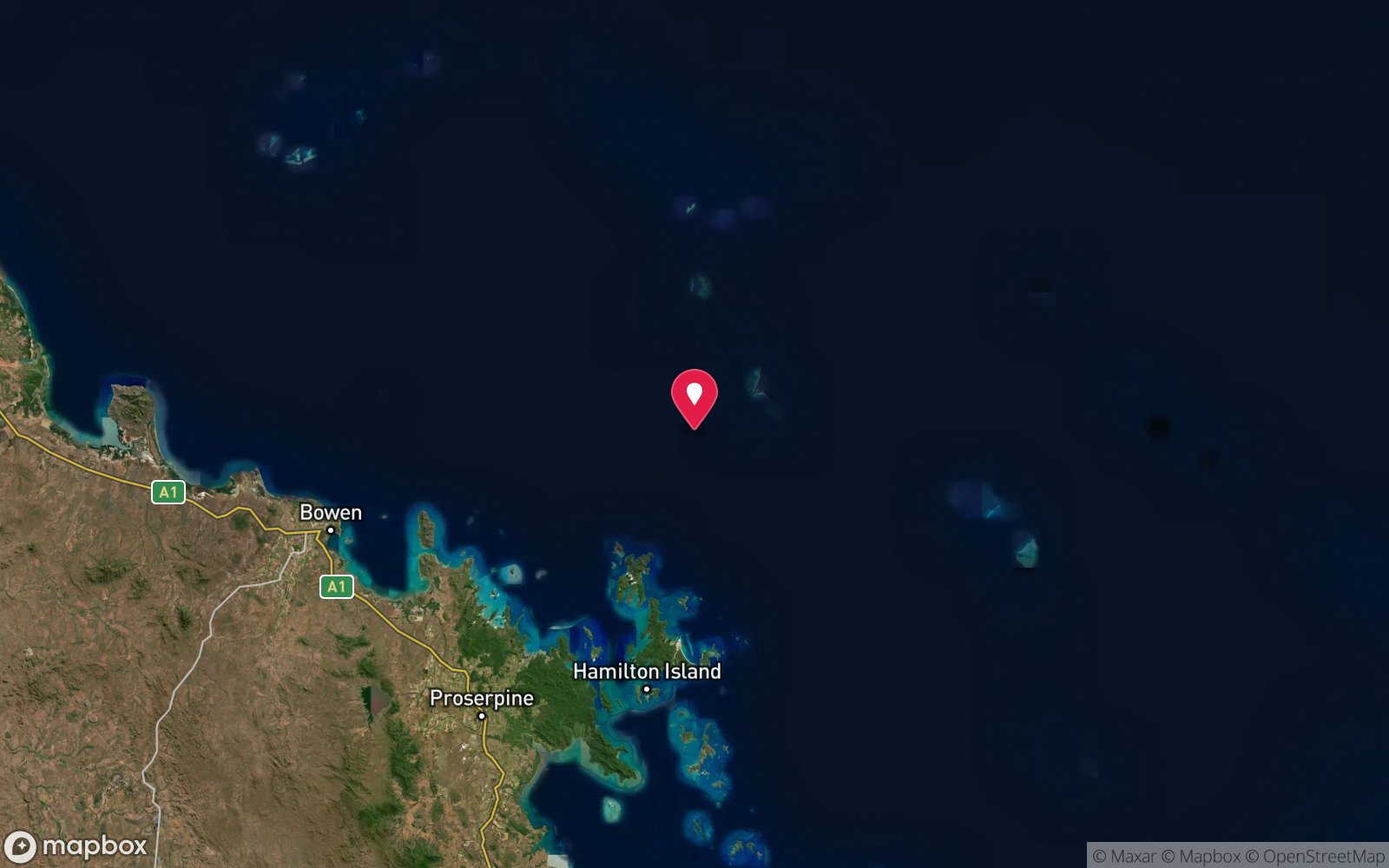
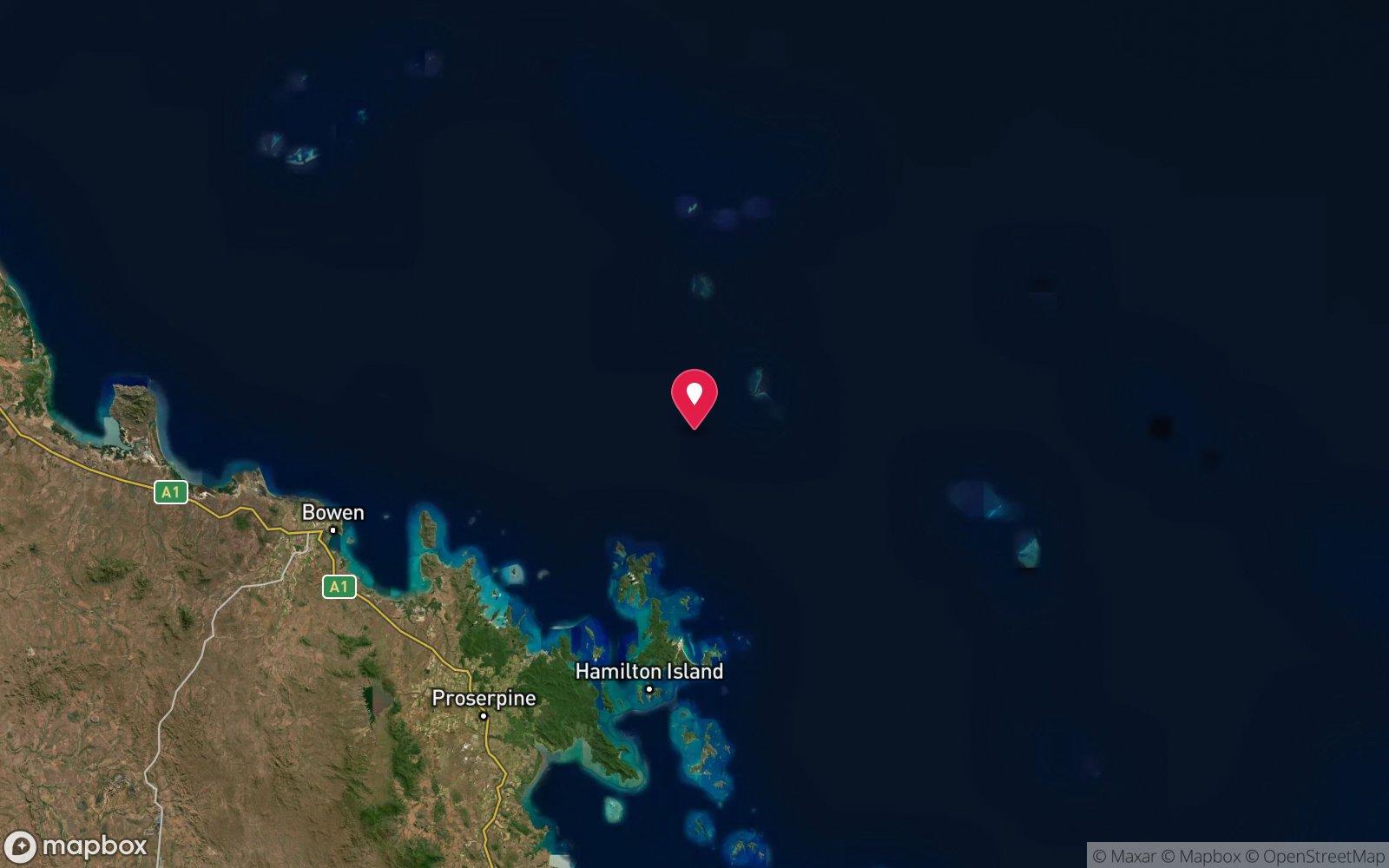
Boat only. Bait Reef lies on the outer Great Barrier Reef about 32 km north-east of Hayman Island and 11.5 km west of Hardy Reef – roughly 1.5–2 hours by fast dive boat from Airlie Beach (Coral Sea Marina/Port of Airlie) or from Hamilton Island marina. Explore Group runs Great Barrier Reef scuba day trips to Bait Reef from both Airlie Beach and Hamilton Island; Whitsunday Dive Adventures also lists Bait Reef, and overnight/liveaboard vessels from Airlie include it.
Parking at Airlie is available near the marinas. Private vessels must use public moorings (Bait Reef is a green zone with no-anchoring areas) and need a settled forecast for the open-water crossing.
Entry: From dive boat; drift pick-up on the outer slope
Facilities: Departures from Coral Sea Marina and Port of Airlie (Airlie Beach) and Hamilton Island marina; air fills, hire and courses at Airlie Beach dive centres. No facilities at the bays.
Weather, swell & tides
Bait Reef sits in open water on the outer shelf and is fully exposed to the south-east trades (15–25 knots April–September); day trips are cancelled or diverted to the islands in strong wind warnings, and the crossing is rough above about 20 knots. The calmest windows are September–December and the occasional winter high. Visibility is usually 10–25 m, often 30 m on calm neap days, and is little affected by coastal run-off.
Tidal currents run along the outer walls and through the gullies, strongest on spring tides; strong southerly winds create challenging currents on the southern face and Manta Ray Drop-off – plan for slack water and neap tides. Manta rays are most common May–September. Marine stinger season (box jellyfish and Irukandji) runs roughly November to May – wear a full-length stinger suit or wetsuit with hood and gloves, carry vinegar.
Cyclone season November–April; tropical lows and cyclones can close sites and damage coral (TC Yasi 2011, TC Debbie 2017).
Best season: September–December; slack water
How the dive is usually run
Chimney: descend into the trench to its base (~20 m), follow it into the ~20 m tunnel through the reef wall, exit onto the outer slope at ~15 m and drift along it before an SMB ascent. Cathedral: enter the chamber through the swim-through, look up at the light from its openings, and exit the way you came.
Marine life
- Turtles →
- barracuda
- giant trevally
- painted crayfish
- anemones
- coral trout
- feather stars
- reef fish
Linked species have their own page listing every site where they are recorded. All marine life →
Training required
Beyond 18 m an Advanced certification (which includes a deep dive to 30 m) is the accepted minimum. Anything past 25 m is a deep dive in practice.
Courses that help here
- Cavern Diver – An overhead environment.
- Drift Diver – Current is a feature of the dive.
- Peak Performance Buoyancy – Silt and low visibility punish poor trim.
Depth tiers: 0–10 m easy · to 18 m Open Water · 18–30 m Advanced (25 m+ is a deep dive) · 30–40 m Deep specialty · 40 m+ technical. All courses
Hazards & warnings
Overhead environments – no direct ascent in the tunnel and chamber; silt; possible current on exit; depth ~20 m. Follow a guide. Marine stinger season (box jellyfish and Irukandji) runs roughly November to May – wear a full-length stinger suit or wetsuit with hood and gloves, carry vinegar.
Technical notes
Short overhead sections within recreational limits; no penetration beyond the known route; good trim and buoyancy essential; torch recommended.
Dive centres that go here
Explore Group – Great Barrier Reef scuba diving day tours to Bait Reef from Airlie Beach and Hamilton Island (several times a week, conditions permitting); Whitsunday Dive Adventures (Bait Reef on selected trips); overnight and liveaboard vessels from Airlie Beach.
Operators recorded for The Chimney & Cathedral (Bait Reef)
Whitsunday Dive Adventures
ListedAirlie Beach · Whitsundays & Bowen · QLD
A Whitsundays diving operation offering trips and training.
whitsundaydiveadventures.com · 0477 694 061
Cruise Whitsundays
Named by sitesAirlie Beach · Whitsundays & Bowen · QLD
Reef cruise operator (Reefworld pontoon) offering introductory and certified dives; not a dive shop.
cruisewhitsundays.com · (07) 4846 7000
Explore Group
Named by sitesAirlie Beach · Whitsundays & Bowen · QLD
Tour company (Hamilton Island and Airlie Beach) offering snorkel and dive day trips from Shute Harbour; no Airlie Beach street address published.
exploregroup.com.au · (07) 4253 3340
Red Cat Adventures
Named by sitesAirlie Beach · Whitsundays & Bowen · QLD
Whitsundays day and sailing tours (Thundercat, Wildcat); also 1300 317 445.
redcatadventures.com.au · (07) 4946 4444
Other dive centres in Whitsundays & Bowen
Adrenalin Snorkel & Dive
ListedSouth Townsville · Townsville & Magnetic Island · QLD
A Townsville operation running SS Yongala trips alongside reef diving and training.
adrenalindive.com.au · (07) 4724 0600
Airlie Beach Dive Centre
ListedAirlie Beach · Whitsundays & Bowen · QLD
An Airlie Beach operation providing training and certified diving in the Whitsundays.
airliebeachdiving.com · 0404 677 400
OceanSense Freediving Airlie Beach
ListedAirlie Beach · Whitsundays & Bowen · QLD
A freediving-focused operation at Airlie Beach. This is a different discipline from scuba and should not be grouped with scuba training centres.
oceansense.com.au · 0426 440 491
Reef Safari Diving
ListedAirlie Beach · Whitsundays & Bowen · QLD
A Whitsundays operation providing diving in conjunction with sailing and reef tour products.
reefsafari.com · (07) 4946 4766
Whitsunday Diving Academy
ListedAirlie Beach · Whitsundays & Bowen · QLD
A Whitsundays training-focused operation. Course range and agency affiliation require verification.
whitsundaydivingacademy.com.au · (07) 4946 4449
Whitsunday Expeditions
ListedAirlie Beach · Whitsundays & Bowen · QLD
A Whitsundays multi-day trip operator. The proportion of scuba diving within its products requires verification.
whitsundayexpeditions.com · 0473 455 038
Map
7 pinned sites. Pins marked approximate on their pages show the general area only; not for navigation.
Satellite views
The Chimney & Cathedral (Bait Reef): frequently asked questions
How deep is The Chimney & Cathedral (Bait Reef)?
The Chimney & Cathedral (Bait Reef) reaches a maximum depth of 22 m, with the shallowest part at about 5 m; most of the dive is spent around 18 m.
What certification do I need to dive The Chimney & Cathedral (Bait Reef)?
Advanced Open Water is the recommended minimum. Rated advanced because of depth beyond 18 m, tidal current that must be timed, an overhead environment.
Can I shore dive The Chimney & Cathedral (Bait Reef)?
No, it is reached by boat (about 100 minutes). A dive centre is required: boat access only.
When is the best time to dive The Chimney & Cathedral (Bait Reef)?
September–December; slack water.
What marine life will I see at The Chimney & Cathedral (Bait Reef)?
Regularly recorded: Turtles, barracuda, giant trevally, painted crayfish, anemones, coral trout, feather stars, reef fish.
What wetsuit do I need at The Chimney & Cathedral (Bait Reef)?
3 mm full suit or stinger suit in summer (lycra/stinger suit essential Nov–May); 5 mm full suit June–September.
How cold is the water at The Chimney & Cathedral (Bait Reef)?
Typically 27-29 °C in summer and 22-24 °C in winter.
What are the main hazards at The Chimney & Cathedral (Bait Reef)?
Overhead environments – no direct ascent in the tunnel and chamber; silt; possible current on exit; depth ~20 m. See the hazards section above for the full list.
Where is the nearest recompression chamber to The Chimney & Cathedral (Bait Reef)?
Townsville University Hospital hyperbaric unit (Douglas, Townsville). In an emergency call 000, then DAN Asia-Pacific on 1800 088 200.
Diving in Whitsundays & Bowen
The Whitsundays are better known for sailing than diving, but Hook Island's northern bays (Manta Ray Bay, Pinnacle Point, Luncheon Bay) have good fringing coral, Maori wrasse and turtles, and Bait Reef and Hardy Reef on the outer barrier have the Stepping Stones and Hardy's coral walls. Bowen, to the north, has quiet shore snorkelling on the Horseshoe and Murray bay reefs.
Getting there: Fly to Hamilton Island or Proserpine, or drive to Airlie Beach. Day boats and overnight sailing trips include diving; outer-reef trips take 2–3 hours each way.
All Whitsundays & Bowen dive sites and a suggested itinerary →
Sources
Data confidence: Medium · Being verified: Positions of Chimney and Cathedral on Bait Reef not published.. Last updated September 2026. Know this site better? How to send a correction
Nearby dive sites
More cave/cavern dives in Queensland
Explore more
This region
Similar dives
Marine life