Dive slate · divesites.com.au · printed 9 Nov 2026
Turtle Caves (Flat Rock)
North Stradbroke Island, Queensland · near Point Lookout, North Stradbroke Island
| Depth | 5–30 m |
|---|---|
| Minimum level | Advanced Open Water |
| Difficulty | Intermediate |
| Access | Boat (day trip) |
| Entry | Giant stride or back roll from charter boat |
| Current | Moderate |
| Visibility | 10-30 m |
| Water | summer 24-27 °C, winter 19-21 °C |
| Suit | 3-5 mm full wetsuit in summer; 5-7 mm with hood in winter |
| Best season | Year-round; winter (May-October) usually brings the clearest water and calmest mornings |
| Bottom time | 40 min |
| Position | -27.39000, 153.54500 (approximate) |
| Permit | Moreton Bay Marine Park – Flat Rock protected (no-take) area |
| Nearest chamber | Royal Brisbane & Women's Hospital Hyperbaric Medicine Service (Herston, Brisbane); Wesley Centre for Hyperbaric Medicine (Auchenflower, Brisbane) as alternative |
| Emergency | 000 · DAN Asia-Pacific diving emergency 1800 088 200 |
Turtle Caves (Flat Rock)
Also known as Turtle Cave, Flat Rock
Turtles resting in caves and under ledges at Flat Rock, with bull rays and mobulas cruising past.
Near Point Lookout, North Stradbroke Island · North Stradbroke Island, Queensland
- Depth
- 5–30 m
- Minimum level
- Advanced Open Water
- Access
- Boat (day trip)
- Boat ride
- ~12 min
- Water
- 24-27 °C
- Visibility
- 10-30 m
Turtle Caves (Flat Rock)5–30 m · Advanced Open Water
Dive factsDepths, conditions, location & safety
Season
Off-peak nowBest months: May, June, July, August, September, October.
Year-round; winter (May-October) usually brings the clearest water and calmest mornings
- Best months
- Now (November)
- Stinger suit Nov–May
Dive facts
- Depth
- 5–30 m
- Typical depth
- 16 m
- Certification
- Advanced Open Water
- Difficulty
- Intermediate
- Depth tier
- Advanced Open Water (18–30 m)
- Access
- Boat (day trip)
- Offshore
- 4.6 km
- Dive centre needed
- Yes – boat access only
- Shore / independent
- No
- Boat ride
- ~12 min
- Current
- Moderate
- Visibility
- 10-30 m
- Water temp (summer)
- 24-27 °C
- Water temp (winter)
- 19-21 °C
- Water
- Subtropical
- Bottom time
- 40 min
- Dive traffic
- Popular (weekly charters)
- Night dive
- No
- Snorkel friendly
- No
Exposure suit
3-5 mm full wetsuit in summer; 5-7 mm with hood in winter
Location
Flat Rock · Brisbane – North Stradbroke Island (Minjerribah)
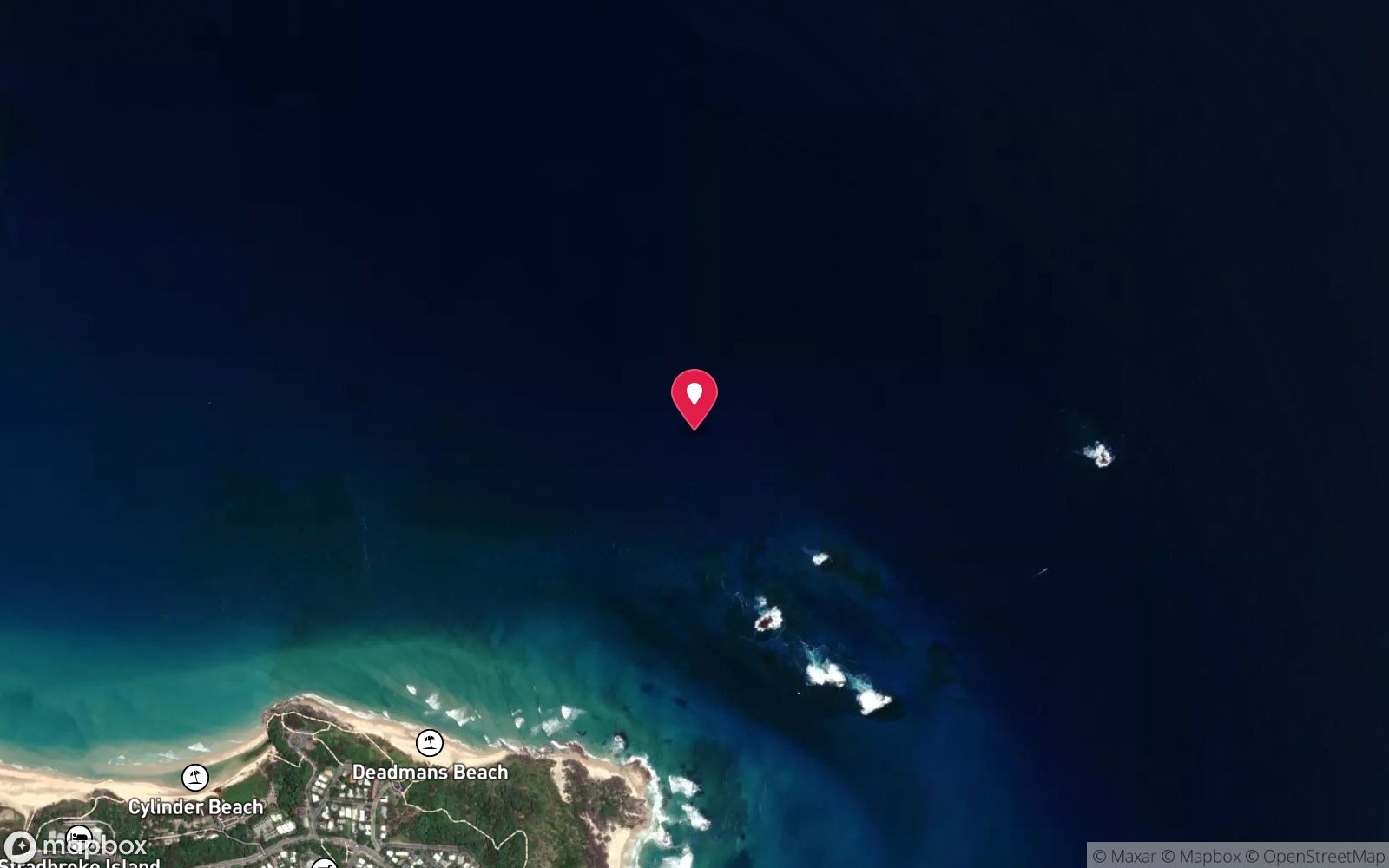
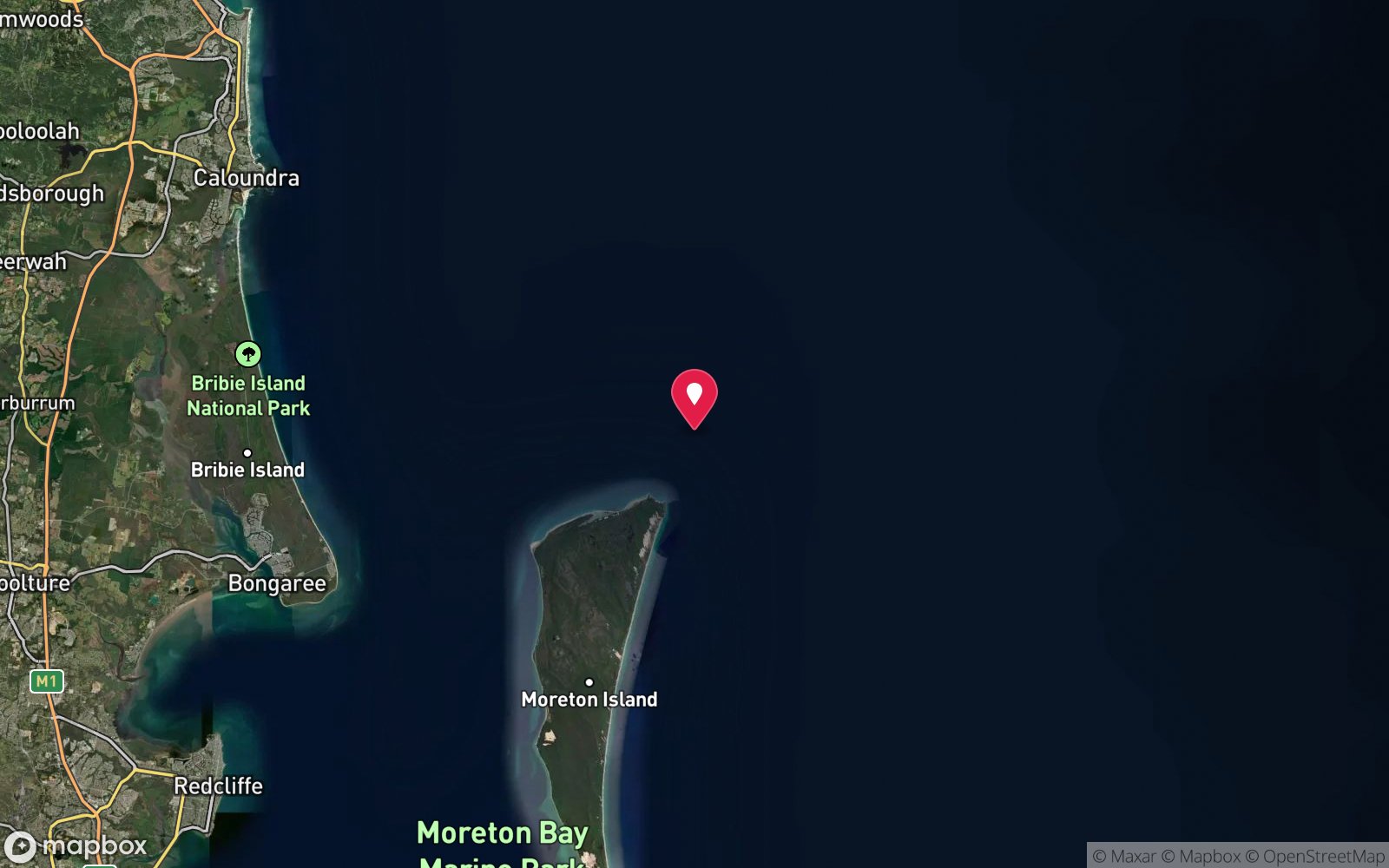
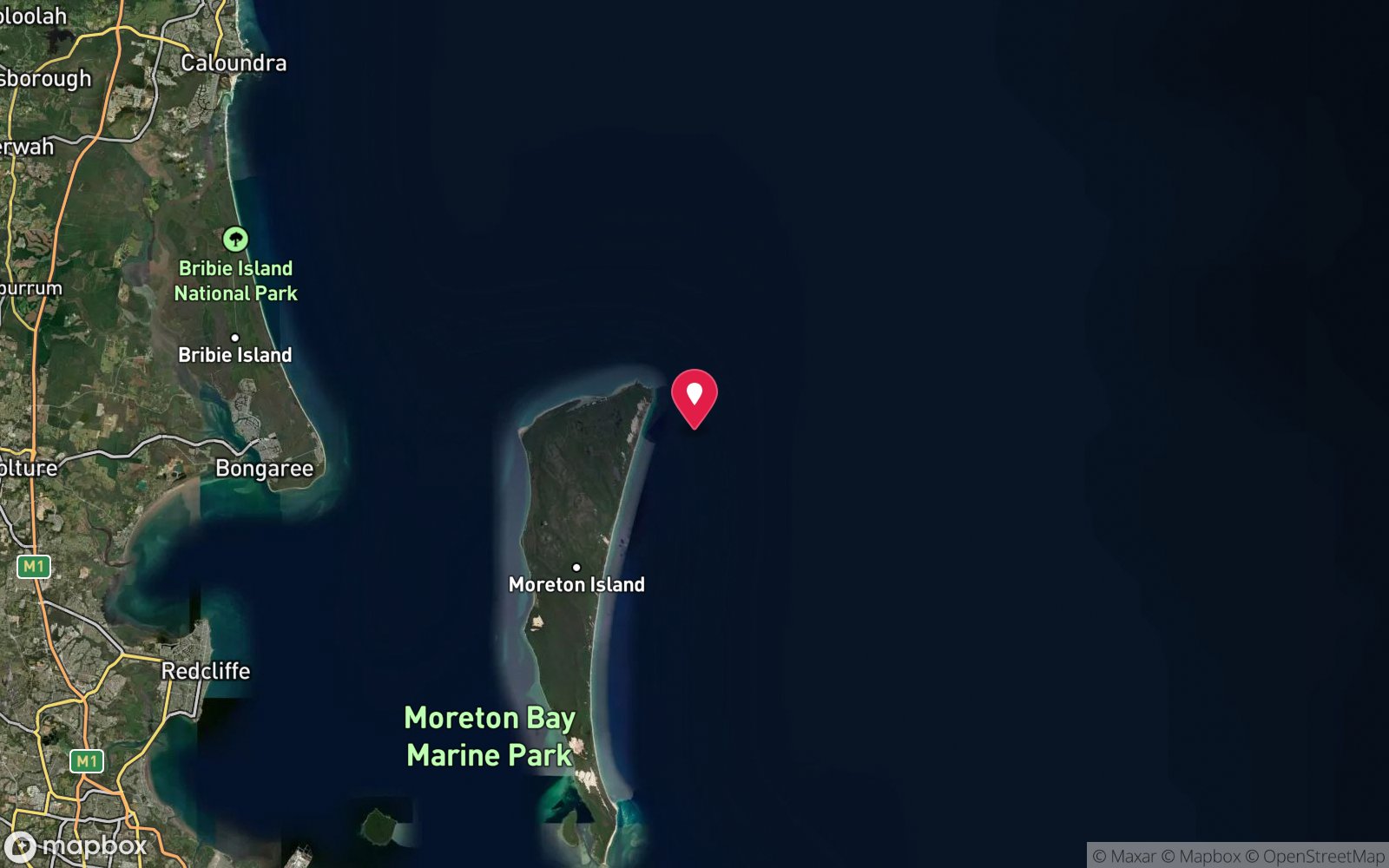
-27.39000, 153.54500
Approximate position — not for navigation.
Open in Google MapsPrimary source: goldcoastdiveadventures.com.auMarine park & permits
Moreton Bay Marine Park – Flat Rock protected (no-take) area
Nearest recompression chamber
Royal Brisbane & Women's Hospital Hyperbaric Medicine Service (Herston, Brisbane); Wesley Centre for Hyperbaric Medicine (Auchenflower, Brisbane) as alternative
Diving emergency: call 000, then DAN AP 1800 088 200.
Trip planner
Build a trip around Turtle Caves (Flat Rock) →
A day-by-day plan for North Stradbroke Island with this site locked in.
This guide is a planning aid. Conditions change daily — confirm with a local dive centre and dive within your training. Data & safety notes.
Dive profile
How this site rates
Scores are computed from the recorded data, not opinions. How?
At a glance
Turtle Caves (Flat Rock) is a cave / cavern boat dive in North Stradbroke Island, QLD, 5–30 m, suited to Advanced Open Water divers, moderate current, about 12 minutes by boat.
Rated intermediate because of depth beyond 18 m, an overhead environment, surge on the entry or in the shallows.
Why dive here
- Turtles resting in caves and under ledges at Flat Rock, with bull rays and mobulas cruising past.
- Visibility often reaches 10-30 m.
Conditions to avoid
- Swell above about 1.5-2 m
- Strong southerly or south-east swell and wind
- Strong northerlies
About Turtle Caves (Flat Rock)
Turtle Caves is the fourth of Flat Rock's named dive sites, and as the name suggests it is where turtles are most reliably found resting under ledges and in the mouths of the caves. Sources give different depth ranges – marinelife.org.au lists 5-16 m for the site's coral gardens, while Gold Coast Dive Adventures describes it as 12-30 m, with shallower sections suitable for beginners and currents in the deeper areas – which reflects a site that runs from shallow coral down a reef slope. The caves are the feature.
Undercuts and small caverns in the rock provide resting places for green and loggerhead turtles, and divers who approach slowly can watch them at close range. Around the caves, bull rays and pygmy devil (mobula) rays are recorded, wobbegongs rest on the sand, and in winter grey nurse sharks move through Flat Rock's deeper gutters. The shallower coral gardens hold tropical fish, octopus, moray eels and nudibranchs, and leopard sharks visit between November and April.
Australia Dive describes Turtle Caves as the deeper Flat Rock site for bull rays, pygmy mantas and wobbegongs. As with all Flat Rock sites, the protected no-take status keeps fish numbers high and animals relaxed. The caves are not a penetration dive; divers look in from the entrance and should not crowd resting turtles or block their exit, as turtles need to surface to breathe.
Turtle Caves suits a broad range of divers and is often chosen as an alternative to The Nursery when a little more depth and structure is wanted.
Getting there & entry
Caves and ledges at Flat Rock, north of Point Lookout, where turtles rest and rays and sharks patrol.
Drive to Cleveland (about 40 minutes from Brisbane) and take the SeaLink vehicle ferry or a passenger water taxi across to Dunwich on North Stradbroke Island, then drive about 20 km (25 minutes) east to Point Lookout. Manta Lodge & Scuba Centre at Point Lookout runs the dives, beach-launching its boats and reaching the Point Lookout sites in roughly 5-15 minutes. Brisbane operators (Brisbane Scuba from Manly, Gold Coast Dive Adventures from Runaway Bay) also run occasional day trips.
Turtle Caves is one of the four Flat Rock sites, 10-15 minutes from Point Lookout.
Entry: Giant stride or back roll from charter boat
Facilities: Manta Lodge & Scuba Centre (Point Lookout).
Weather, swell & tides
Flat Rock is exposed to the open ocean. South-easterly winds over about 15-20 knots and easterly swell over about 1.5-2 m make the moorings rough and create surge; summer northerlies also chop up the site. Visibility ranges from 10 to 30 m, best in winter, and drops to a few metres after summer storms and heavy rain.
Morning dives are usually calmer before the afternoon sea breeze. Shallower sections suit beginners, but the deeper areas can carry current.
Best season: Year-round; winter (May-October) usually brings the clearest water and calmest mornings
If it's blown out
Sheltered or shore sites within 25 km that often work when Turtle Caves (Flat Rock) doesn't.
- North Stradbroke Island Artificial Reef · 3 km · Max 12 m
- Rufus King Wreck · 9 km · Max 8 m
- Myora Reef · 16 km · Max 5 m
- Peel Island – Horseshoe Bay · 23 km · Max 4 m
How the dive is usually run
Descend to the reef, visit the caves at mid-depth looking for resting turtles without disturbing them, then explore the ledges and sand edges for rays and wobbegongs before returning up the reef to the mooring.
Marine life
- Green and loggerhead turtles →
- bull rays
- pygmy devil (mobula) rays
- wobbegongs →
- grey nurse sharks (winter) →
- leopard sharks (November-April) →
- octopus →
- moray eels
- nudibranchs →
- tropical fish
- corals
Linked species have their own page listing every site where they are recorded. All marine life →
Training required
Beyond 18 m an Advanced certification (which includes a deep dive to 30 m) is the accepted minimum. Anything past 25 m is a deep dive in practice.
Open Water divers can dive the shallower section (typical depth 16 m); the full site to 30 m needs Advanced Open Water. Operators often quote Open Water. At more than 25 m this counts as a deep dive: watch no-decompression limits and gas.
Operators' own listing: Open Water.
Courses that help here
- Enriched Air Nitrox – Longer no-decompression time at 25 m and deeper.
- Cavern Diver – An overhead environment.
Depth tiers: 0–10 m easy · to 18 m Open Water · 18–30 m Advanced (25 m+ is a deep dive) · 30–40 m Deep specialty · 40 m+ technical. All courses
Hazards & warnings
Do not crowd or block resting turtles; current in deeper sections; surge in swell; overhead ledges; protected zone.
Dive centres that go here
Manta Lodge & Scuba Centre – regular Flat Rock dives; Gold Coast Dive Adventures – Straddie trips.
Operators recorded for Turtle Caves (Flat Rock)
Gold Coast Dive Adventures
ListedRunaway Bay · Gold Coast · QLD
A Gold Coast operation focused on guided local diving and charter access to offshore sites.
goldcoastdiveadventures.com.au · 0404 286 599
Brisbane Scuba
ListedManly · Brisbane & Moreton Bay · QLD
A Brisbane training and service business supporting the local resident diving population.
brisbanescuba.au · 0418 736 738
Manta Lodge & Scuba Centre
ListedPoint Lookout · North Stradbroke Island · QLD
A North Stradbroke Island operation combining accommodation and diving, which makes it structurally different from a suburban Brisbane training centre.
mantalodge.com.au · (07) 3409 8888
Map
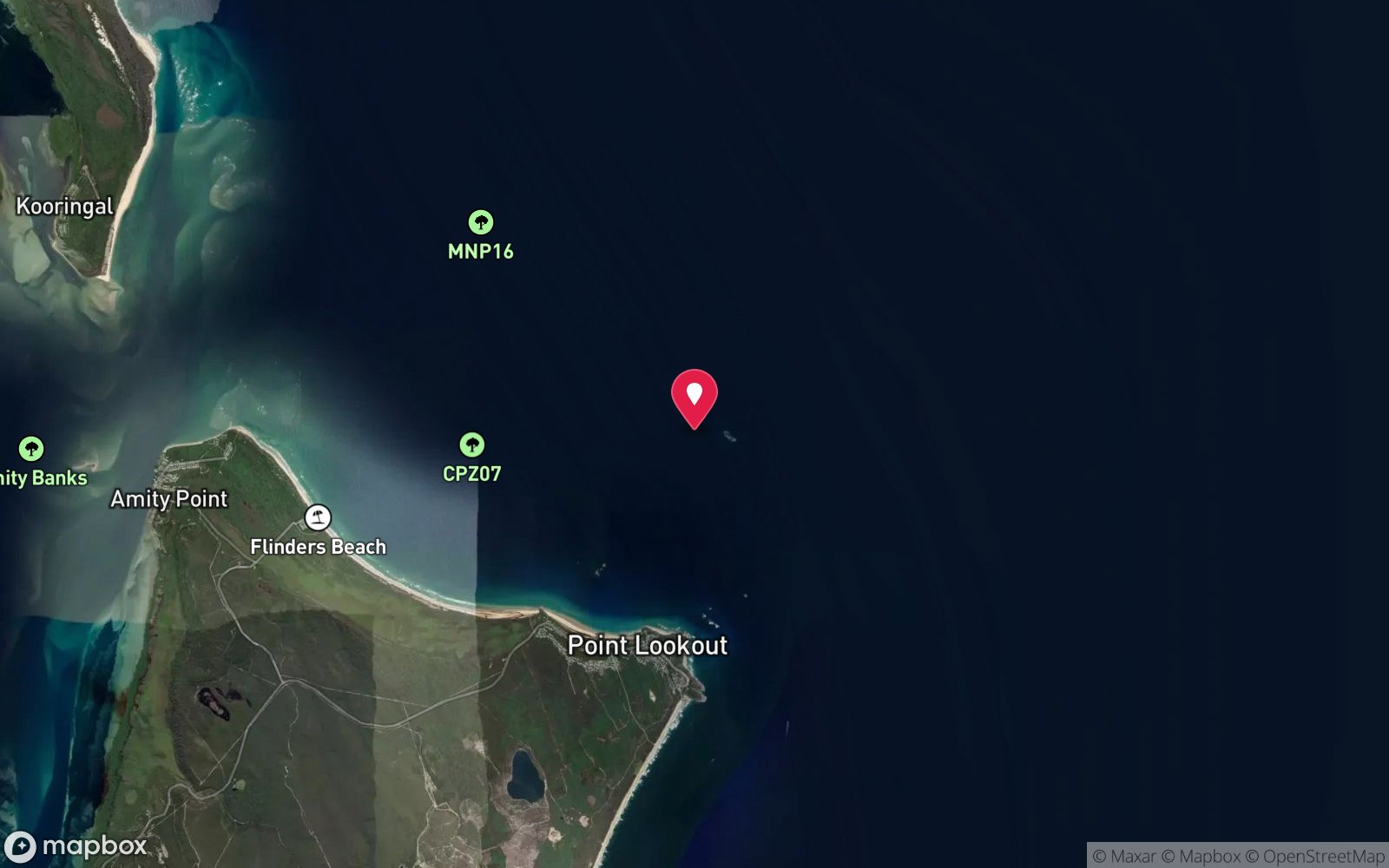
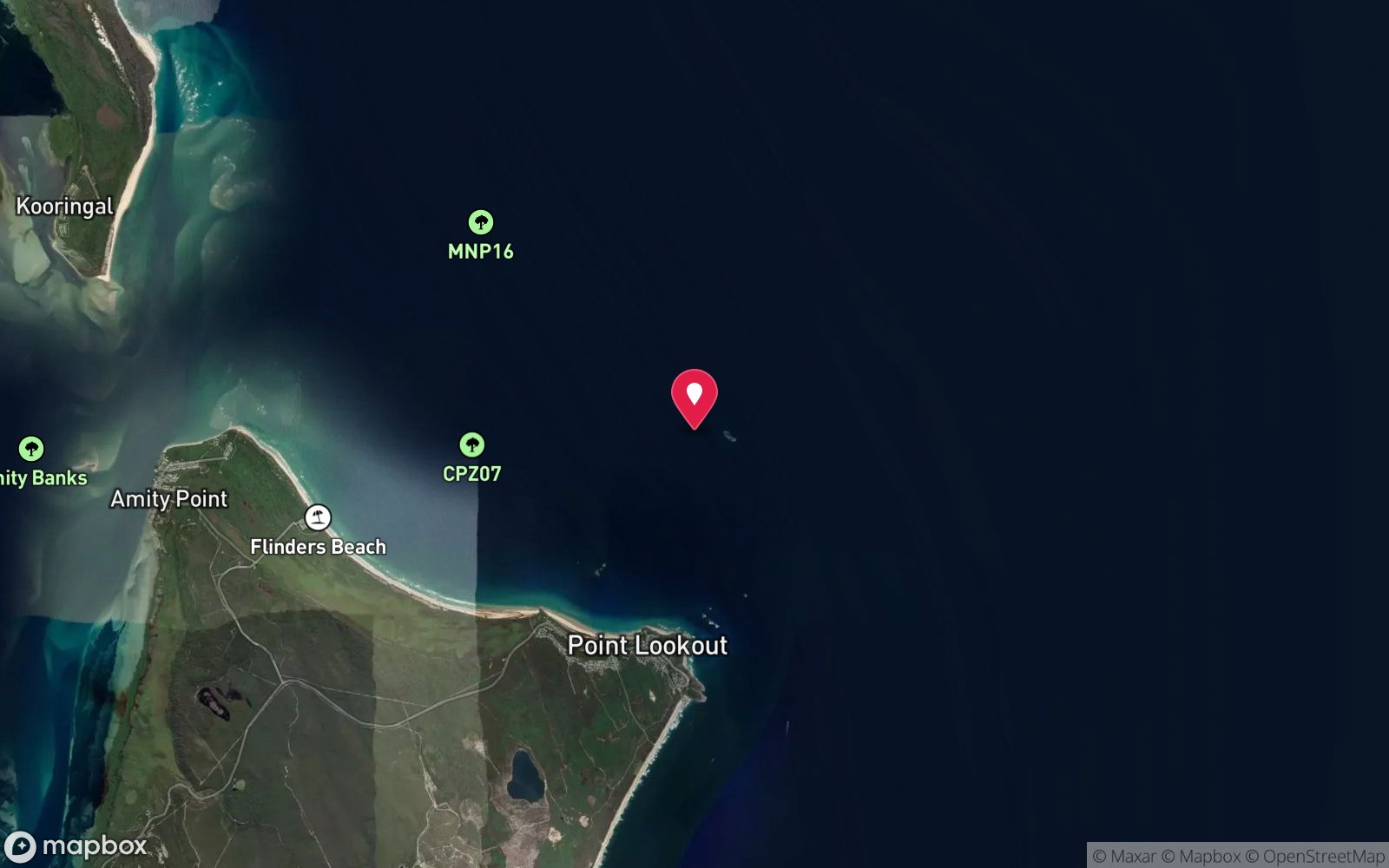
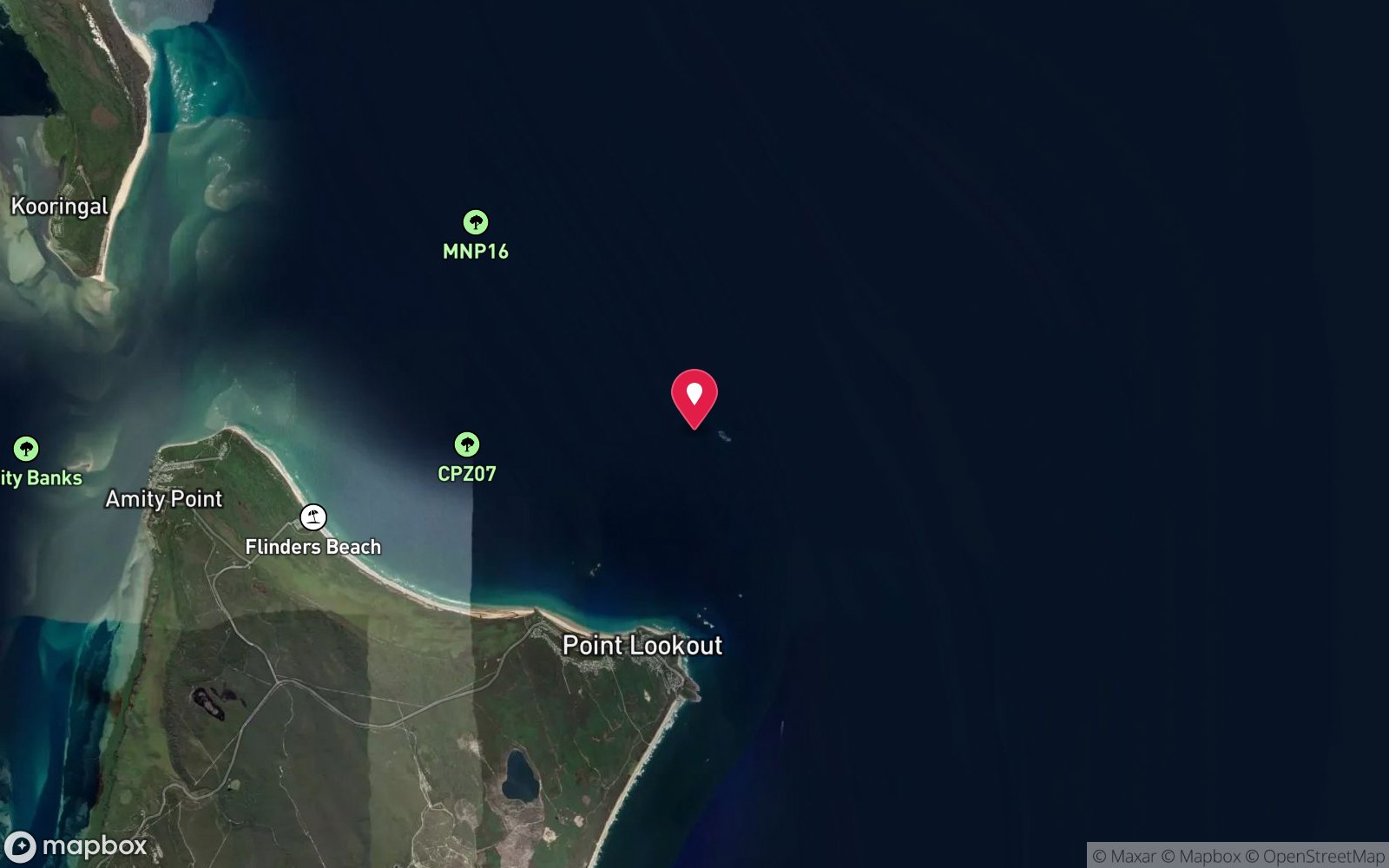
7 pinned sites. Pins marked approximate on their pages show the general area only; not for navigation.
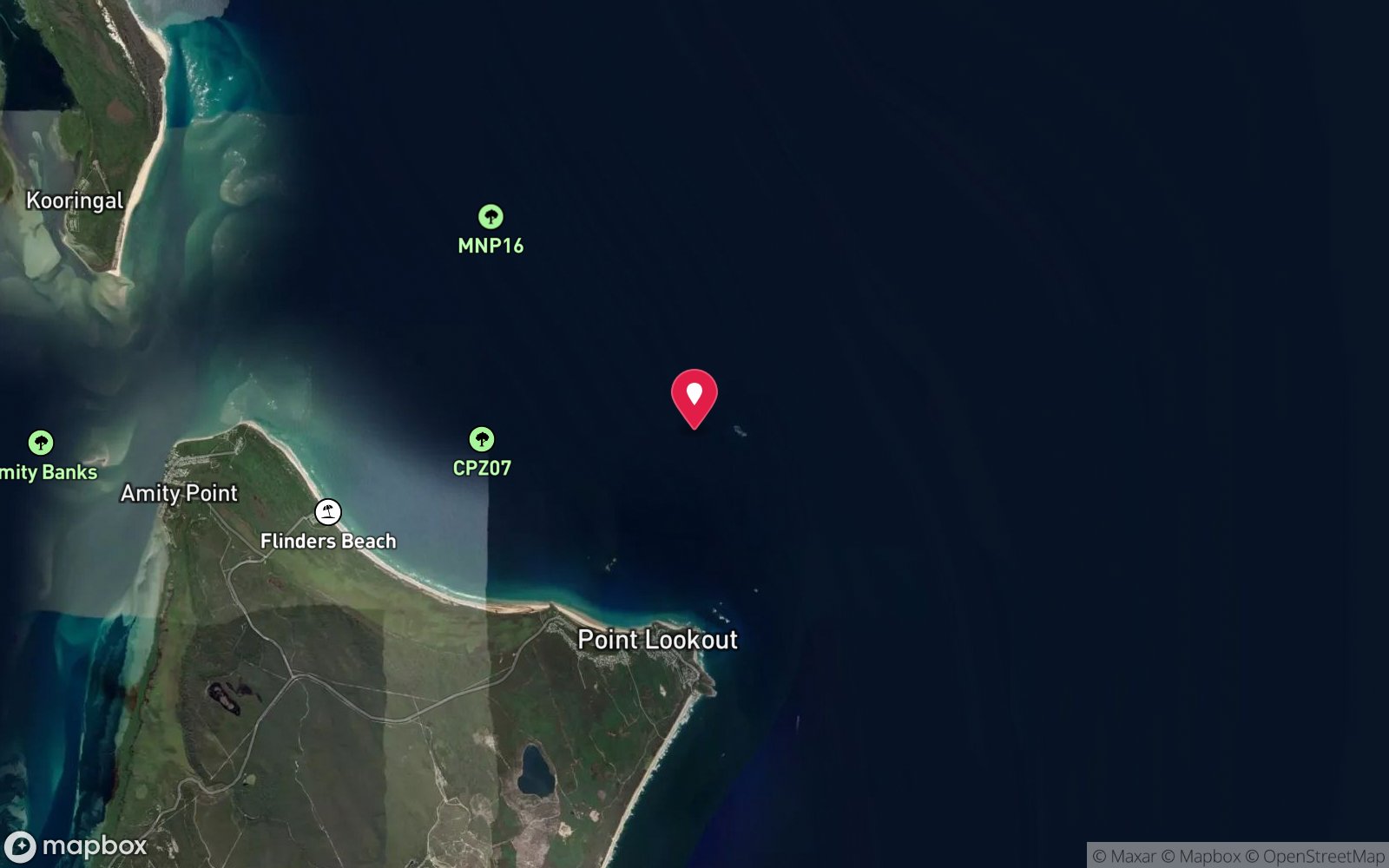
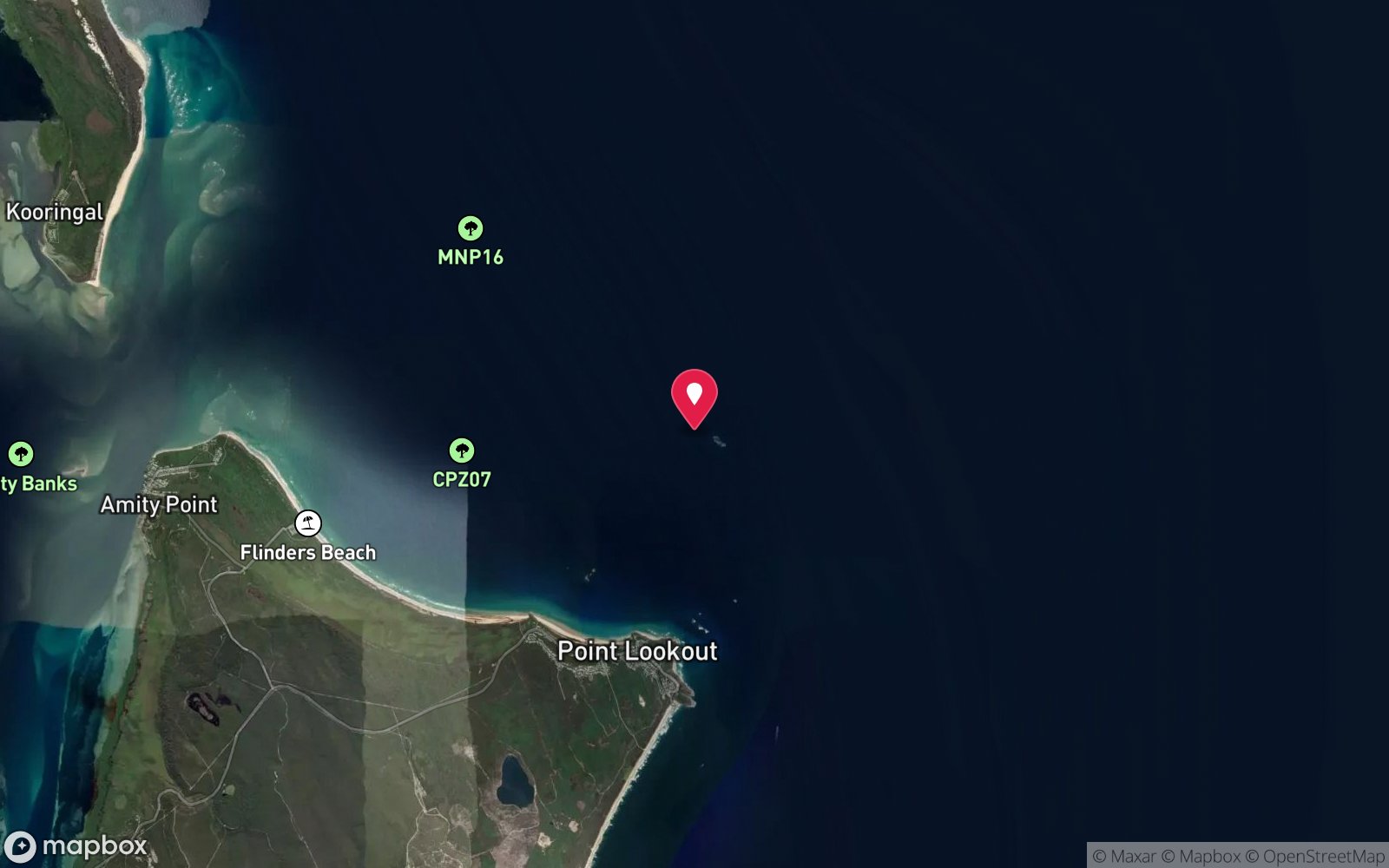
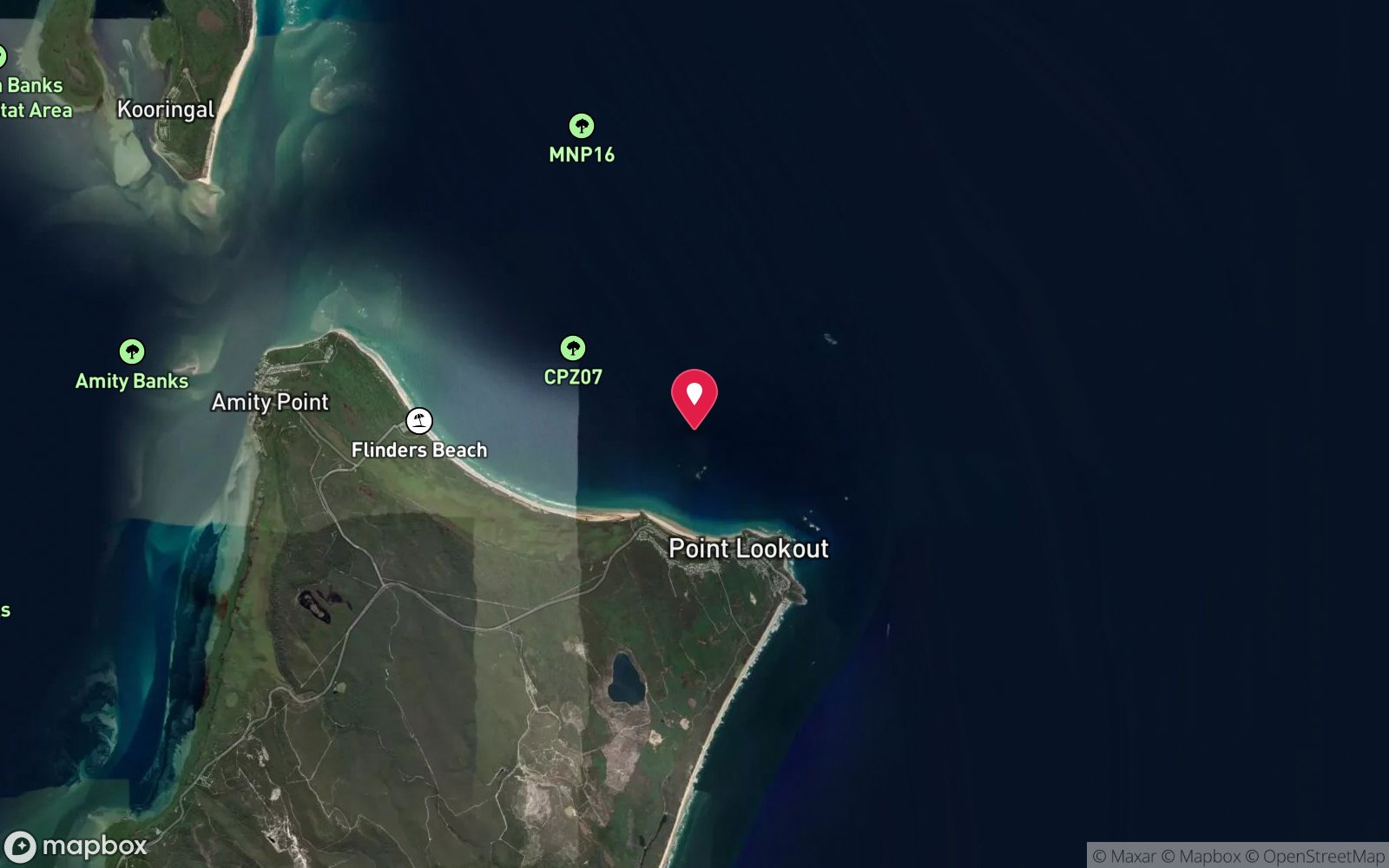
Satellite views
Turtle Caves (Flat Rock): frequently asked questions
How deep is Turtle Caves (Flat Rock)?
Turtle Caves (Flat Rock) reaches a maximum depth of 30 m, with the shallowest part at about 5 m; most of the dive is spent around 16 m.
What certification do I need to dive Turtle Caves (Flat Rock)?
Advanced Open Water is the recommended minimum. Open Water divers can dive the shallower section (typical depth 16 m); the full site to 30 m needs Advanced Open Water. Operators often quote Open Water. At more than 25 m this counts as a deep dive: watch no-decompression limits and gas. Rated intermediate because of depth beyond 18 m, an overhead environment, surge on the entry or in the shallows.
Can I shore dive Turtle Caves (Flat Rock)?
No, it is reached by boat (about 12 minutes). A dive centre is required: boat access only.
When is the best time to dive Turtle Caves (Flat Rock)?
Year-round; winter (May-October) usually brings the clearest water and calmest mornings.
What marine life will I see at Turtle Caves (Flat Rock)?
Regularly recorded: Green and loggerhead turtles, bull rays, pygmy devil (mobula) rays, wobbegongs, grey nurse sharks (winter), leopard sharks (November-April), octopus, moray eels, nudibranchs, tropical fish, corals.
What wetsuit do I need at Turtle Caves (Flat Rock)?
3-5 mm full wetsuit in summer; 5-7 mm with hood in winter.
How cold is the water at Turtle Caves (Flat Rock)?
Typically 24-27 °C in summer and 19-21 °C in winter.
What are the main hazards at Turtle Caves (Flat Rock)?
Do not crowd or block resting turtles; current in deeper sections; surge in swell; overhead ledges; protected zone. See the hazards section above for the full list.
Where is the nearest recompression chamber to Turtle Caves (Flat Rock)?
Royal Brisbane & Women's Hospital Hyperbaric Medicine Service (Herston, Brisbane); Wesley Centre for Hyperbaric Medicine (Auchenflower, Brisbane) as alternative. In an emergency call 000, then DAN Asia-Pacific on 1800 088 200.
Diving in North Stradbroke Island
Point Lookout on North Stradbroke has Manta Bommie, one of the best big-animal dives in southern Queensland, with manta rays from November to May, leopard sharks by the dozen in summer, wobbegongs, turtles and, in winter, grey nurse sharks at Shag Rock and Flat Rock. Humpbacks pass close inshore from June to October.
Getting there: Ferry from Cleveland (an hour from Brisbane) then a drive to Point Lookout, where the dive shop launches off the beach.
All North Stradbroke Island dive sites and a suggested itinerary →
Sources
- goldcoastdiveadventures.com.au/north-stradbroke-island-dive-sites
- marinelife.org.au/?page_id=1574
- australiadive.com.au/destinations/north-stradbroke-island
Data confidence: Medium · Being verified: Depth ranges differ between sources; coordinates approximate.. Last updated September 2026. Know this site better? How to send a correction
Nearby dive sites
More cave/cavern dives in Queensland
Explore more
This region
Similar dives
Marine life