Dive slate · divesites.com.au · printed 7 Nov 2026
Turtle Gully (Heron Island)
Heron Island & Capricorn Group, Queensland · near Heron Island (via Gladstone)
| Depth | 8–18 m |
|---|---|
| Minimum level | Open Water |
| Difficulty | Beginner |
| Access | Boat (day trip) |
| Entry | Giant stride or back-roll from the resort dive boat onto a mooring; exit by ladder |
| Current | Mild |
| Visibility | 10-25 m |
| Water | summer 25-28 °C, winter 20-22 °C |
| Suit | 3 mm full suit in summer; 5 mm full suit (hood optional) June-September |
| Best season | Year-round; June-October for the best visibility (often 20 m+), manta activity and humpback whales; November-March for turtle nesting (hatchlings January-May) and coral spawning |
| Bottom time | 50 min |
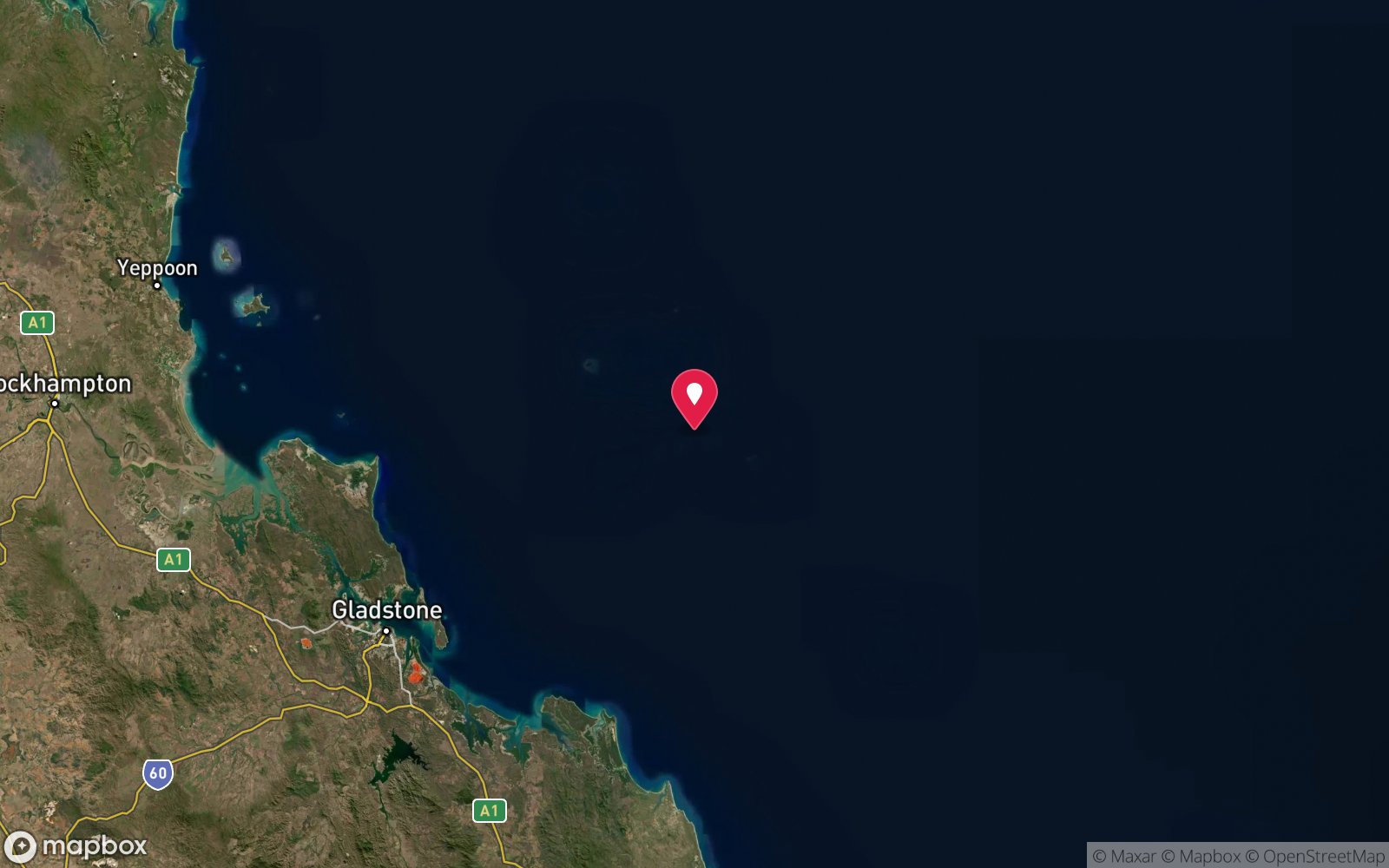
| Position | -23.45000, 151.93000 (approximate) |
| Permit | Great Barrier Reef Marine Park – Heron Reef is largely Marine National Park (Green) Zone, no take; no diver permit needed (access via resort dive centre) |
| Nearest chamber | Royal Brisbane and Women's Hospital (Brisbane) – nearest; Townsville University Hospital is the alternative. Evacuation by helicopter via Gladstone |
| Emergency | 000 · DAN Asia-Pacific diving emergency 1800 088 200 |
Turtle Gully (Heron Island)
Also known as Harry's House
A gully leading to a biodiverse coral wall, with schooling unicornfish and sweetlips and the odd great hammerhead.
Near Heron Island (via Gladstone) · Heron Island & Capricorn Group, Queensland
- Depth
- 8–18 m
- Minimum level
- Open Water
- Access
- Boat (day trip)
- Boat ride
- ~10 min
- Water
- 25-28 °C
- Visibility
- 10-25 m
Turtle Gully (Heron Island)8–18 m · Open Water
Dive factsDepths, conditions, location & safety
Season
In season nowBest months: year-round.
Year-round; June-October for the best visibility (often 20 m+), manta activity and humpback whales; November-March for turtle nesting (hatchlings January-May) and coral spawning
- Best months
- Now (November)
- Stinger suit Nov–May
Dive facts
- Depth
- 8–18 m
- Typical depth
- 12 m
- Certification
- Open Water
- Difficulty
- Beginner
- Depth tier
- Open Water (10–18 m)
- Access
- Boat (day trip)
- Offshore
- 72 km
- Dive centre needed
- Yes – boat access only
- Shore / independent
- No
- Boat ride
- ~10 min
- Current
- Mild
- Visibility
- 10-25 m
- Water temp (summer)
- 25-28 °C
- Water temp (winter)
- 20-22 °C
- Water
- Tropical
- Bottom time
- 50 min
- Dive traffic
- Very popular (dived daily)
- Night dive
- Possible
- Snorkel friendly
- Partial
Exposure suit
3 mm full suit in summer; 5 mm full suit (hood optional) June-September
Location
Heron Reef · Southern GBR – Heron Island & Capricorn Group
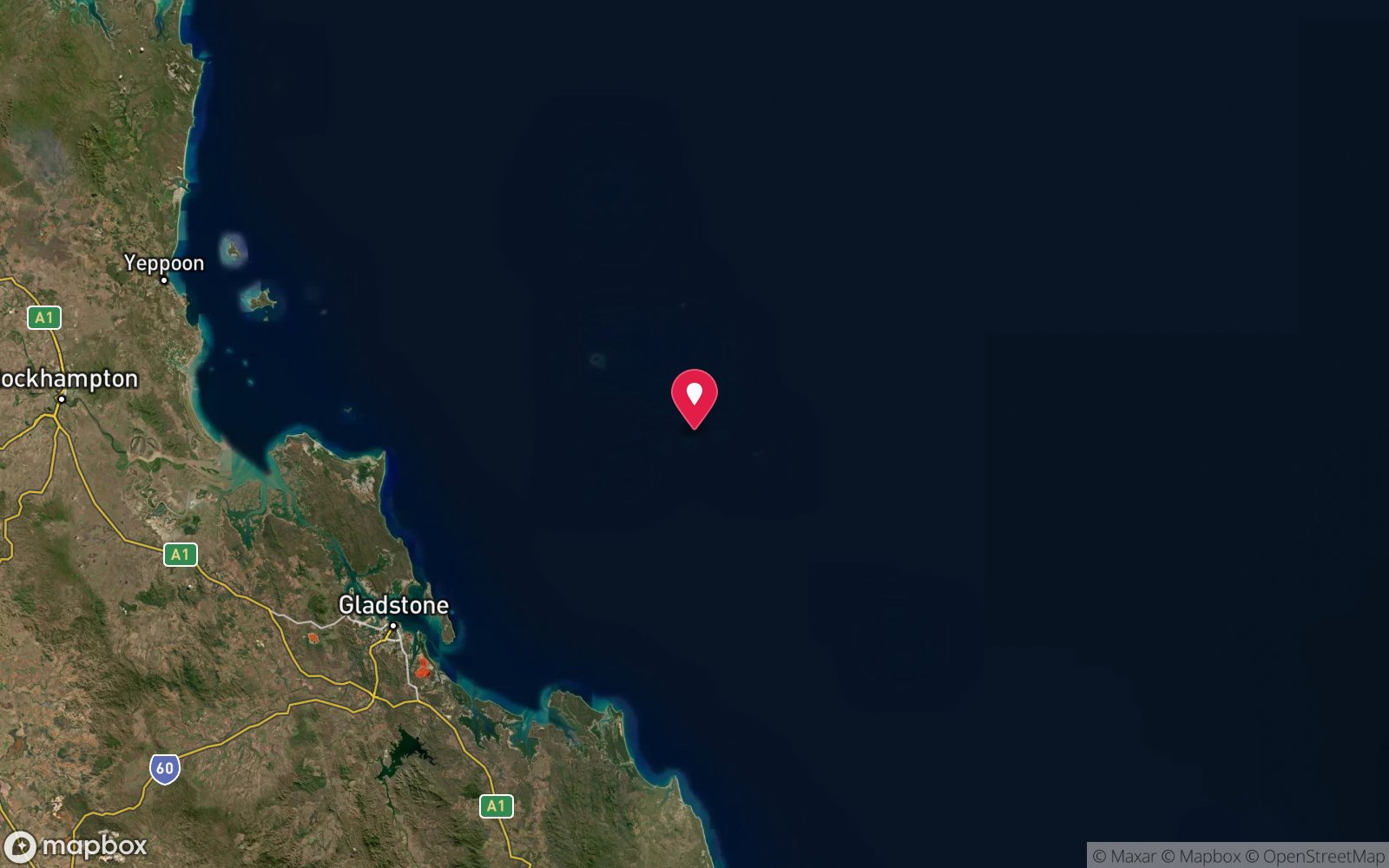
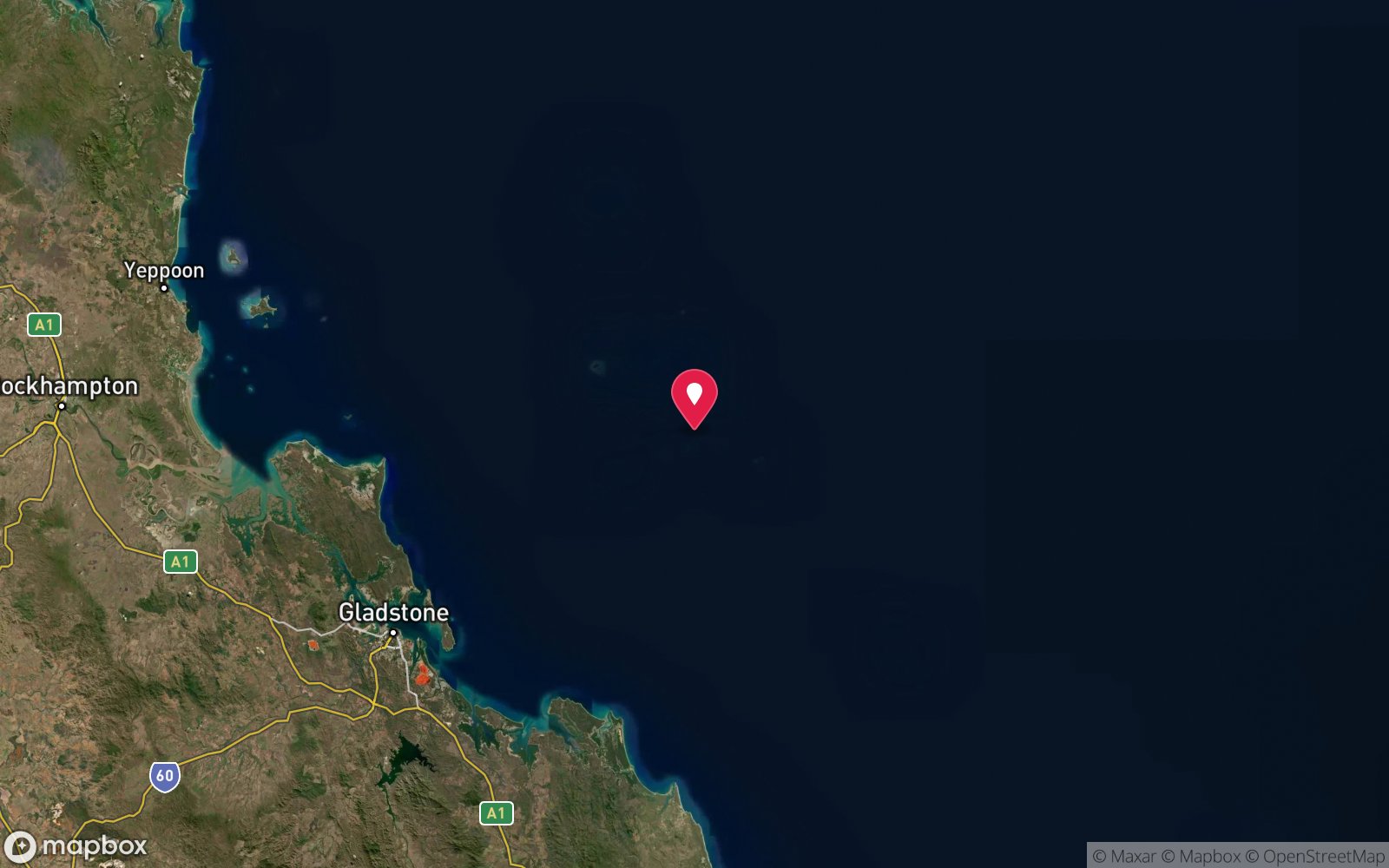
-23.45000, 151.93000
Approximate position — not for navigation.
Open in Google MapsDive site map (external) →Primary source: diversiondivetravel.com.auMarine park & permits
Great Barrier Reef Marine Park – Heron Reef is largely Marine National Park (Green) Zone, no take; no diver permit needed (access via resort dive centre)
Nearest recompression chamber
Royal Brisbane and Women's Hospital (Brisbane) – nearest; Townsville University Hospital is the alternative. Evacuation by helicopter via Gladstone
Diving emergency: call 000, then DAN AP 1800 088 200.
Trip planner
Build a trip around Turtle Gully (Heron Island) →
A day-by-day plan for Heron Island & Capricorn Group with this site locked in.
This guide is a planning aid. Conditions change daily — confirm with a local dive centre and dive within your training. Data & safety notes.
Dive profile
How this site rates
Scores are computed from the recorded data, not opinions. How?
At a glance
Turtle Gully (Heron Island) is a reef boat dive in Heron Island & Capricorn Group, QLD, 8–18 m, suited to Open Water divers, about 10 minutes by boat.
Rated beginner: sheltered, shallow and manageable for a newly certified diver on a normal day.
Why dive here
- A gully leading to a biodiverse coral wall, with schooling unicornfish and sweetlips and the odd great hammerhead.
- Visibility often reaches 10-25 m.
Conditions to avoid
- Strong southerly or south-east swell and wind
- Cyclone season (roughly December–April)
- Stinger season without a full suit (November–May)
- Spring plankton blooms
About Turtle Gully (Heron Island)
Turtle Gully is a Heron Reef site where a large gully leads out to a coral wall full of biodiversity, with scattered bommies at about 18 m beyond. The wall itself is best explored between 8 and 14 m, which keeps most of the dive at comfortable depth and makes the site suitable for all levels. Schooling unicornfish, spotted sweetlips and turtles are the regular highlights, and milkfish are often seen near the surface.
The wall is covered in hard and soft corals and hosts the full range of Heron's reef fish. The site has a local nickname, 'Harry's House', after a great hammerhead shark that has been known to approach divers here; sightings are occasional and not something to count on, but they are part of the site's reputation. Visibility is usually best on the incoming tide, and guides time the dive accordingly when they can.
The gully entry gives a sheltered start, and the wall provides easy navigation: out along it one way, back the other. Turtle Gully is in the resort's top ten, and it is a good all-round dive that combines wall scenery, fish schools and a chance of something big. Photographers will find it rewarding for both reef scenes and fish portraits.
It is also a good site for divers who are still building confidence, since the depth can be kept shallow while still enjoying the wall. Turtle numbers peak in the nesting season from November to March, when adult green and loggerhead turtles gather around Heron Reef before coming ashore to lay on the island's beaches.
Getting there & entry
A large gully leading out to a coral wall (best at 8-14 m) with scattered bommies at 18 m; schooling unicornfish, spotted sweetlips and occasional great hammerhead visits.
Heron Island is 72 km north-east of Gladstone. Fly or drive to Gladstone, then take the Heron Islander ferry from the Gladstone Marina terminal (72 Bryan Jordan Drive; check-in from 7:45 am, departs 9:30 am on scheduled days, about 2 hours), or transfer by seaplane or helicopter. Dive gear is carried on the ferry in addition to baggage.
On the island, the dive centre sits beside the harbour; boats leave the jetty for three dives daily and most Heron Reef sites are 5-15 minutes away. Turtle Gully is about 10 minutes from the jetty on Heron Reef, dived from a mooring.
Entry: Giant stride or back-roll from the resort dive boat onto a mooring; exit by ladder
Facilities: Heron Island Resort dive centre beside the harbour: gear hire, rinse tanks, lockers; resort restaurant and bar. Access is for resort guests only.
Weather, swell & tides
Heron Reef sites are chosen on the day by wind and tide. The prevailing south-east trade winds (strongest April-September, often 15-25 knots) make the southern and south-eastern reef edge rough, so the sheltered northern and western sites are dived most. Northerly winds in spring and summer reverse this.
The tidal range is up to 3-4 m and currents run strongly around the reef edge and through Wistari Channel on springs; visibility is usually best on the incoming tide. Cyclone season is November-April; summer storms and plankton blooms can drop visibility to 10 m. Stingers are uncommon this far south but present in summer.
Turtle Gully has its best visibility on the incoming tide.
Best season: Year-round; June-October for the best visibility (often 20 m+), manta activity and humpback whales; November-March for turtle nesting (hatchlings January-May) and coral spawning
If it's blown out
Sheltered or shore sites within 25 km that often work when Turtle Gully (Heron Island) doesn't.
- HMCS Protector Wreck (Heron Island) · 2 km · Max 4 m
How the dive is usually run
Descend and follow the large gully out to the coral wall, then turn and follow the wall at 8-14 m with it on one shoulder. Make a short excursion to the scattered bommies at 18 m if air allows, then return along the wall and back through the gully.
Marine life
- Schooling unicornfish
- spotted sweetlips
- milkfish
- turtles →
- great hammerhead (occasional) →
- reef sharks →
- hard and soft corals
- reef fish
Linked species have their own page listing every site where they are recorded. All marine life →
Training required
Within the 18 m limit of an entry-level certification.
Depth tiers: 0–10 m easy · to 18 m Open Water · 18–30 m Advanced (25 m+ is a deep dive) · 30–40 m Deep specialty · 40 m+ technical. All courses
Hazards & warnings
Mild current along the wall; do not approach or chase sharks; stay on the wall rather than drifting off into the blue.
Dive centres that go here
Heron Island Resort Dive Centre is the only operator: three guided boat dives a day (about 9 am, 11 am and 3 pm) plus scheduled night dives, from the resort jetty; sites are rotated by tide and wind. Access requires a stay at Heron Island Resort (or the University of Queensland research station).
Operators recorded for Turtle Gully (Heron Island)
Other dive centres in Heron Island & Capricorn Group
Bundaberg Aqua Scuba
ListedBundaberg · Bundaberg & Agnes Water · QLD
A Bundaberg-based training and equipment business serving the local diving community and southern reef access.
aquascuba.com.au · 0402 937 765
Lady Musgrave Experience
ListedBurnett Heads · Bundaberg & Agnes Water · QLD
A Bundaberg-based operation providing day and overnight access to Lady Musgrave Island and its lagoon.
ladymusgraveexperience.com.au · (07) 4151 5225
1770 Reef
ListedSeventeen Seventy · Bundaberg & Agnes Water · QLD
An operation running trips from the Town of 1770 to Lady Musgrave Island and the southern Great Barrier Reef.
1770reef.com.au · (07) 4972 7222
Lady Elliot Island Eco Resort
ListedLady Elliot Island · Bundaberg & Agnes Water · QLD
A coral cay resort at the southern tip of the Great Barrier Reef, strongly associated with manta ray encounters and accessed by light aircraft.
ladyelliot.com.au · 1800 072 200
MV Adori liveaboard
Named by sitesHeron Island & Capricorn Group · QLD
Most recent trips found were 2021 departures from Rosslyn Bay booked through Turtle Town Scuba; no 2025–26 schedule located.
Map
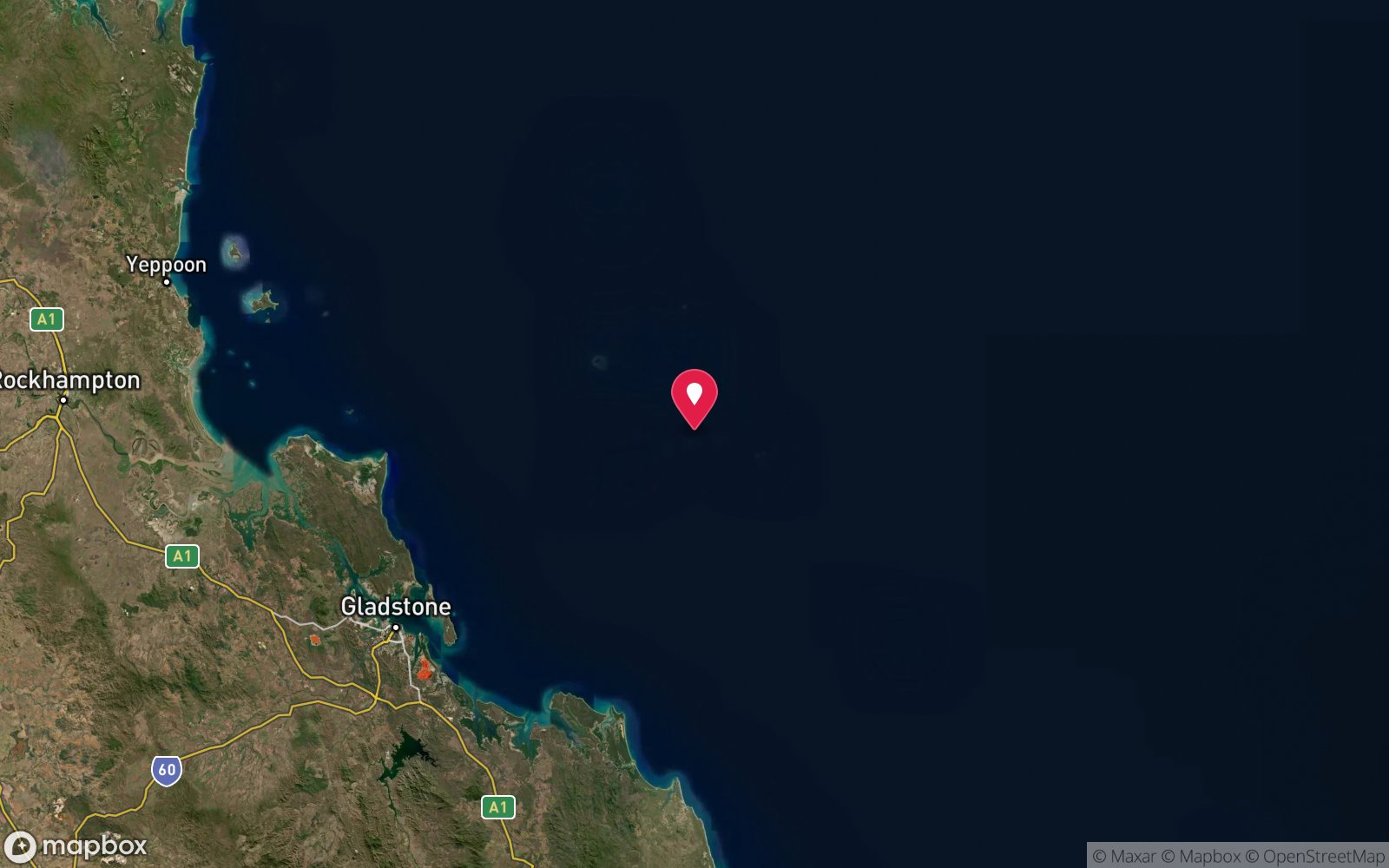
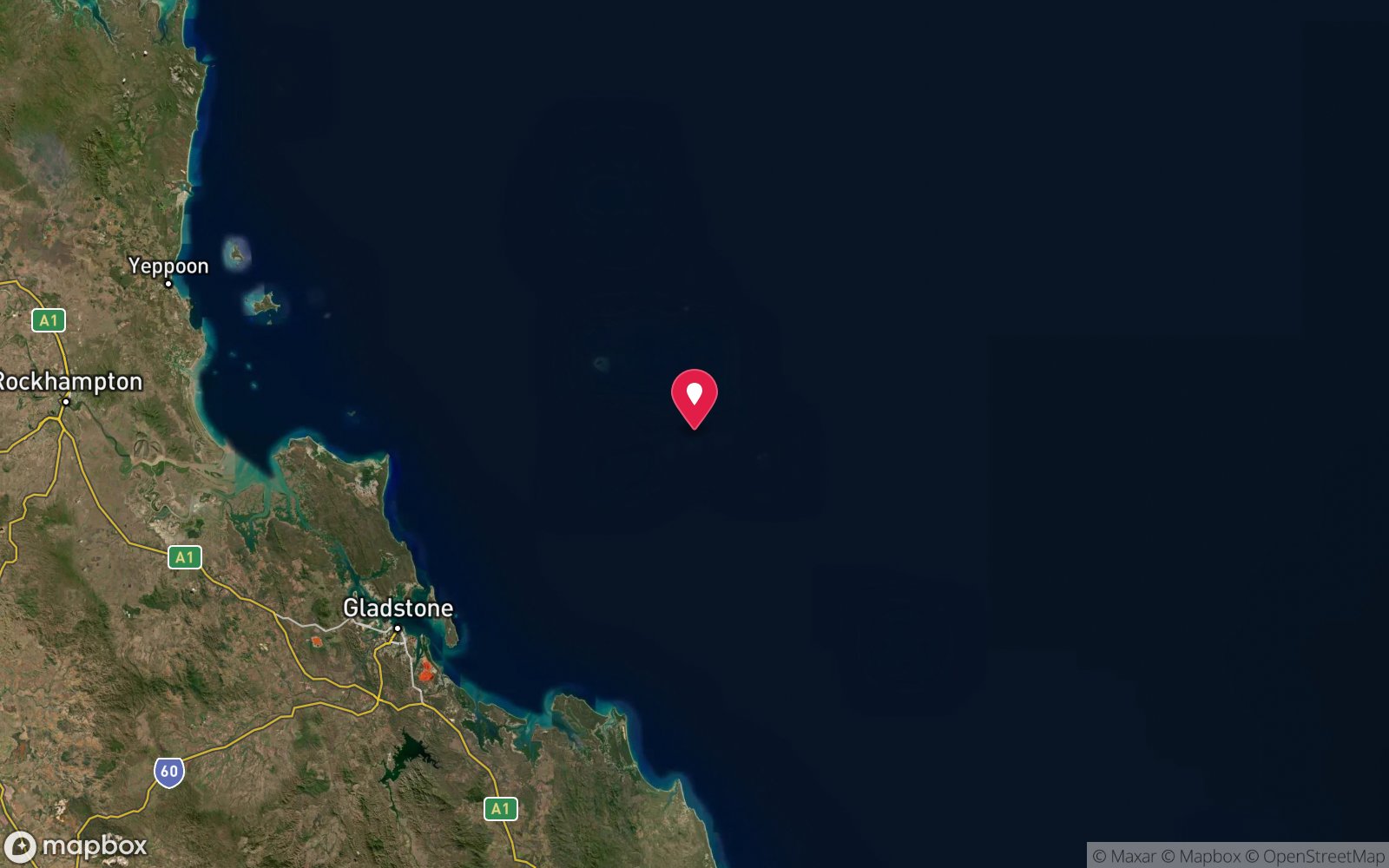
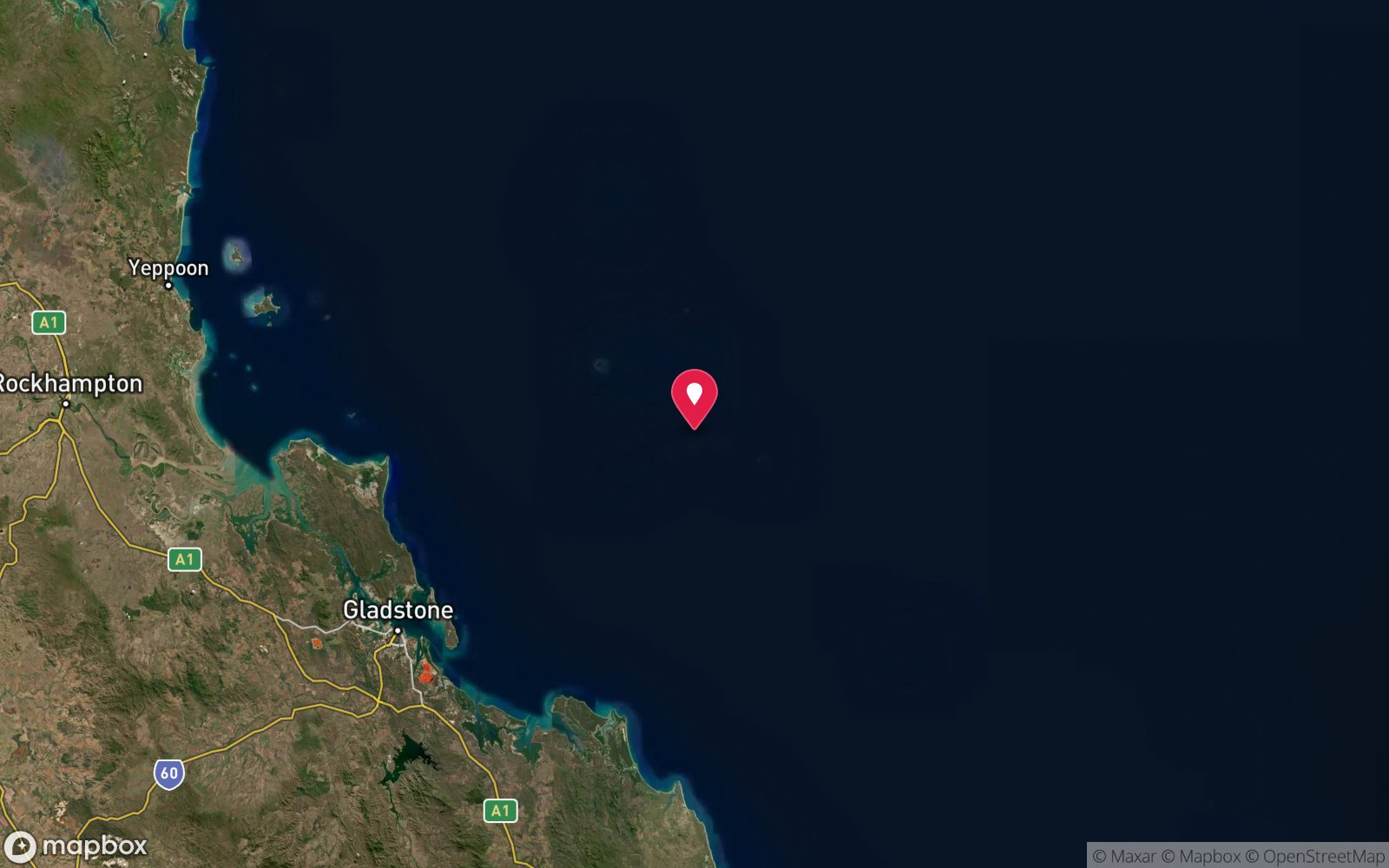
7 pinned sites. Pins marked approximate on their pages show the general area only; not for navigation.
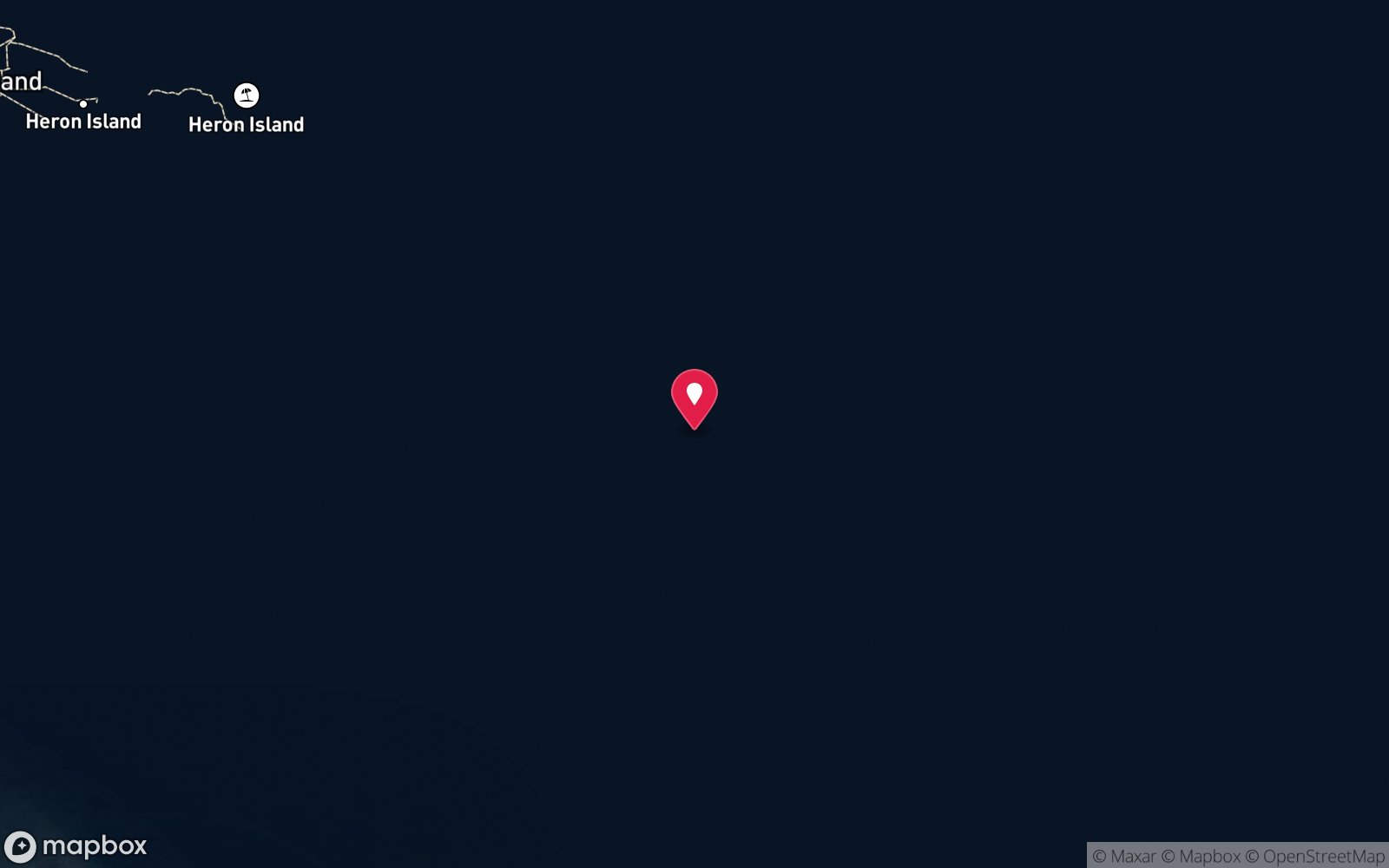
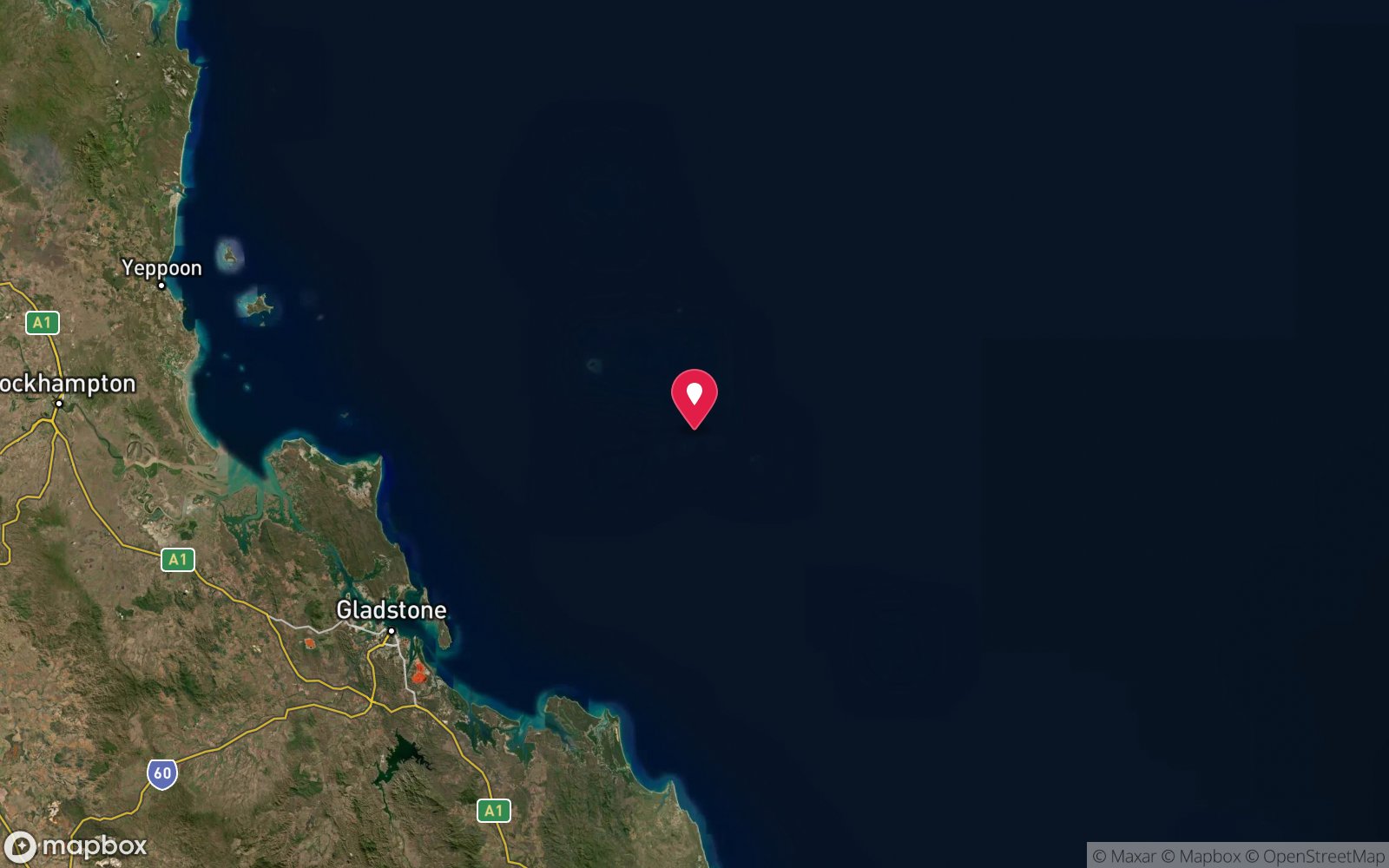
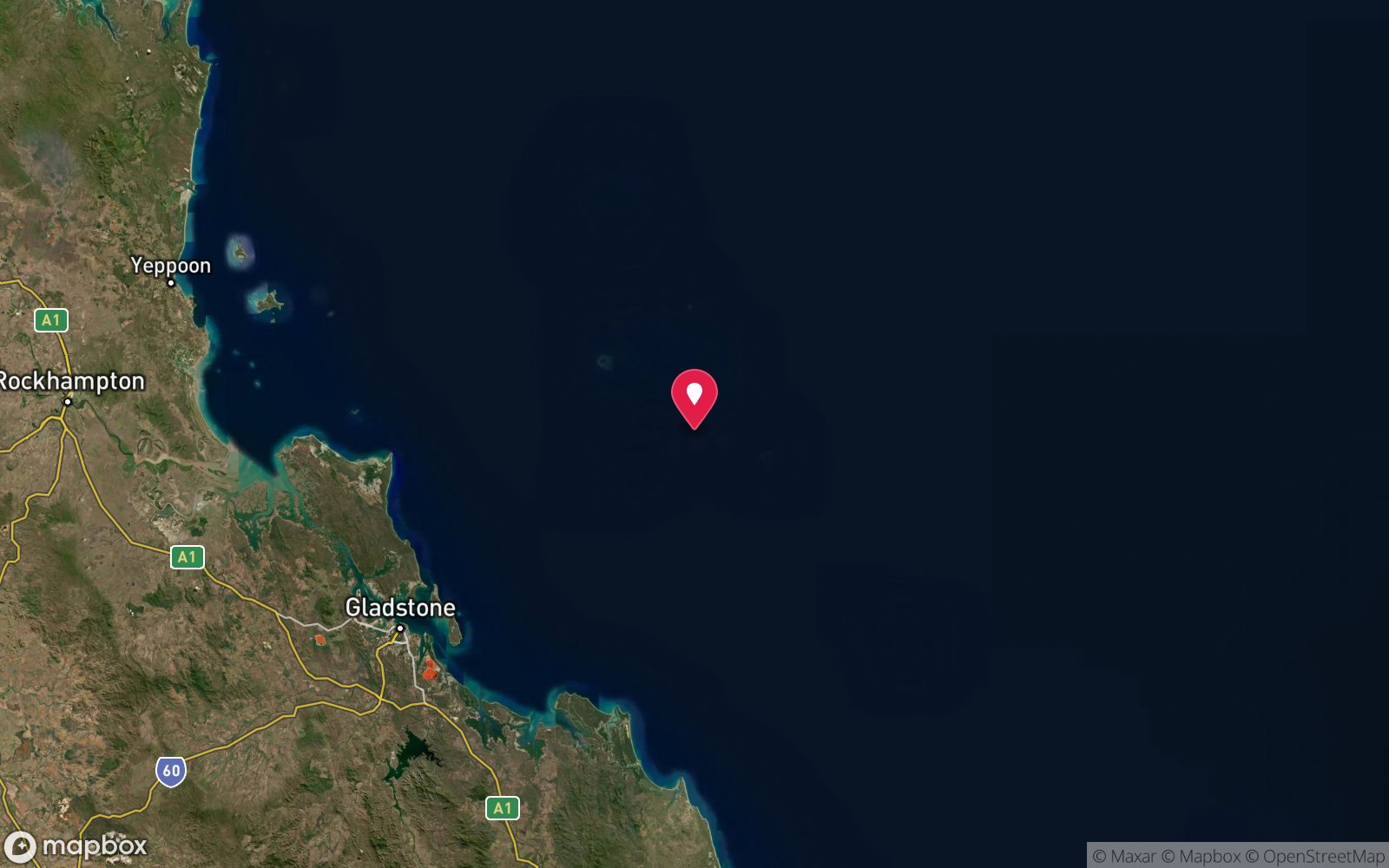
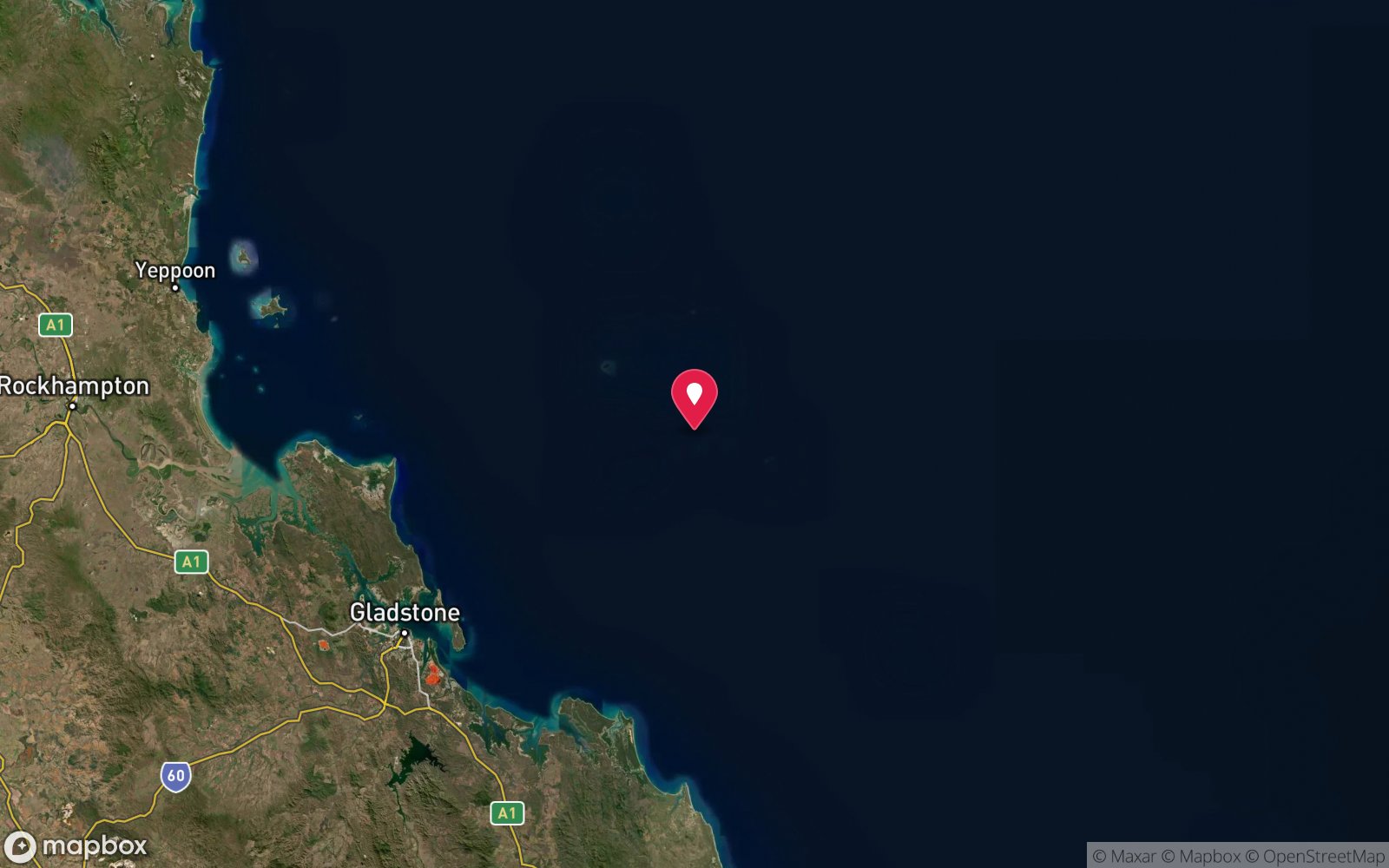
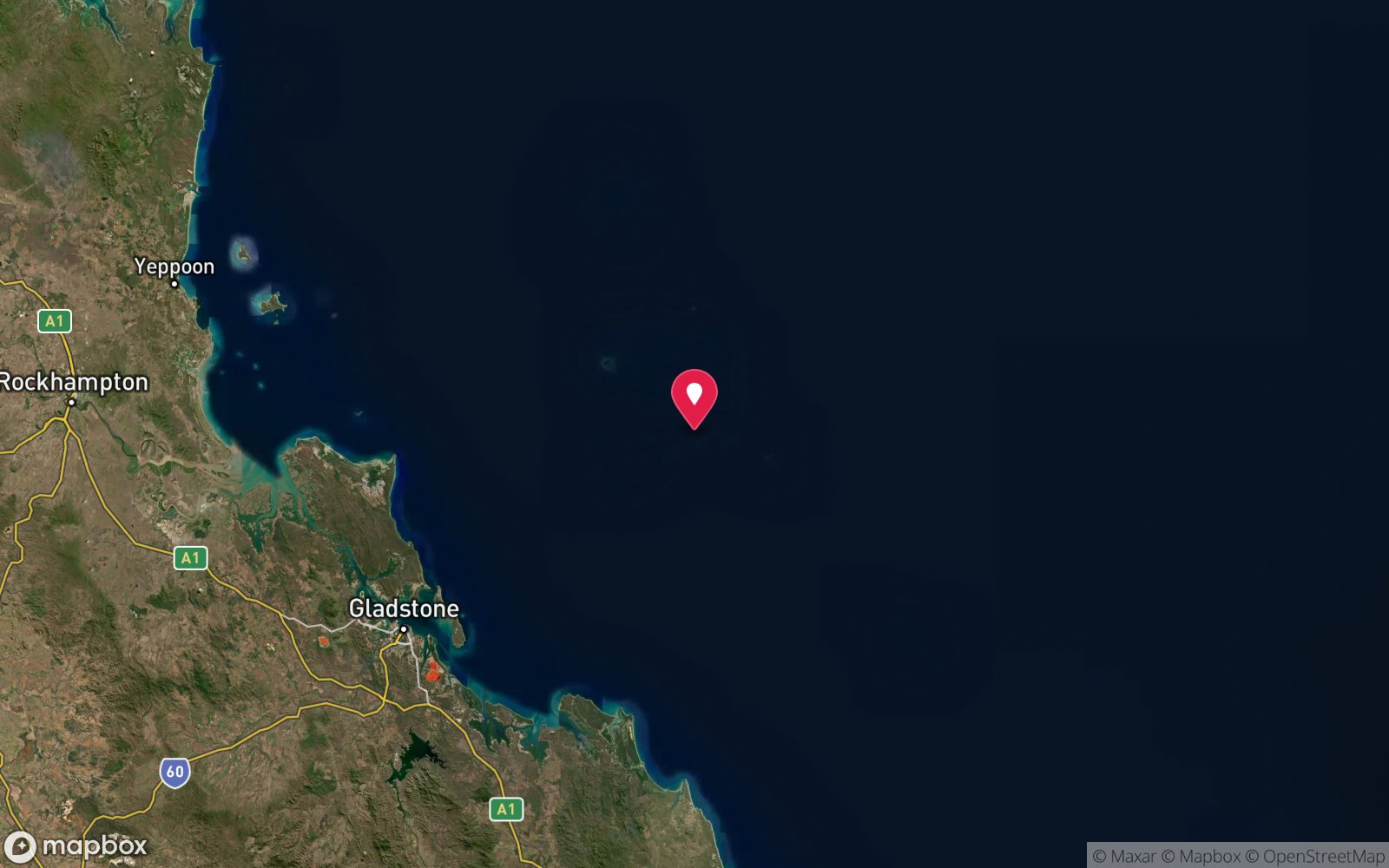
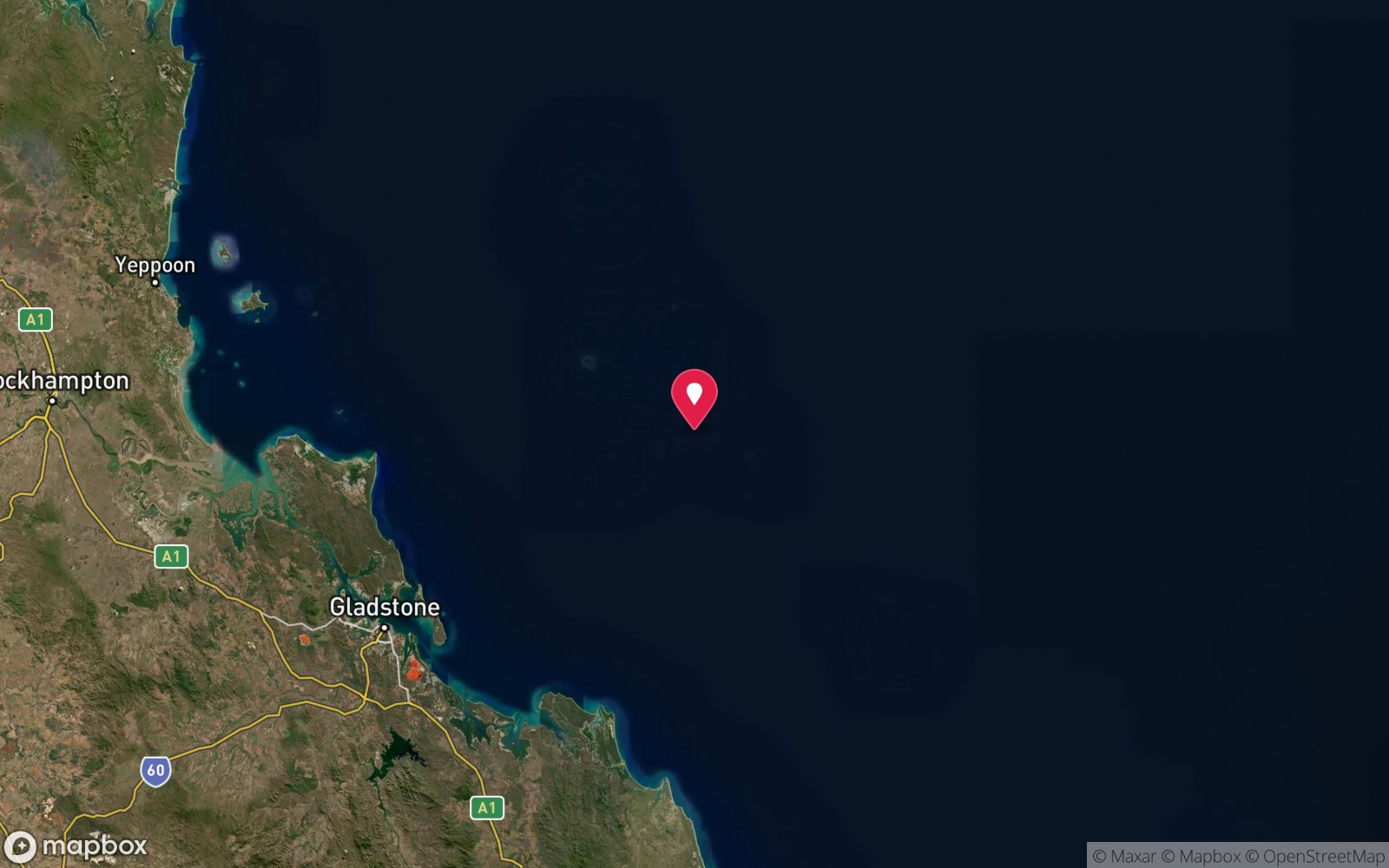
Satellite views
Turtle Gully (Heron Island): frequently asked questions
How deep is Turtle Gully (Heron Island)?
Turtle Gully (Heron Island) reaches a maximum depth of 18 m, with the shallowest part at about 8 m; most of the dive is spent around 12 m.
What certification do I need to dive Turtle Gully (Heron Island)?
Open Water is the recommended minimum. Rated beginner: sheltered, shallow and manageable for a newly certified diver on a normal day.
Can I shore dive Turtle Gully (Heron Island)?
No, it is reached by boat (about 10 minutes). A dive centre is required: boat access only.
When is the best time to dive Turtle Gully (Heron Island)?
Year-round; June-October for the best visibility (often 20 m+), manta activity and humpback whales; November-March for turtle nesting (hatchlings January-May) and coral spawning.
What marine life will I see at Turtle Gully (Heron Island)?
Regularly recorded: Schooling unicornfish, spotted sweetlips, milkfish, turtles, great hammerhead (occasional), reef sharks, hard and soft corals, reef fish.
What wetsuit do I need at Turtle Gully (Heron Island)?
3 mm full suit in summer; 5 mm full suit (hood optional) June-September.
How cold is the water at Turtle Gully (Heron Island)?
Typically 25-28 °C in summer and 20-22 °C in winter.
What are the main hazards at Turtle Gully (Heron Island)?
Mild current along the wall; do not approach or chase sharks; stay on the wall rather than drifting off into the blue. See the hazards section above for the full list.
Where is the nearest recompression chamber to Turtle Gully (Heron Island)?
Royal Brisbane and Women's Hospital (Brisbane) – nearest; Townsville University Hospital is the alternative. Evacuation by helicopter via Gladstone. In an emergency call 000, then DAN Asia-Pacific on 1800 088 200.
Diving in Heron Island & Capricorn Group
Heron Island is a coral cay on the southern Great Barrier Reef where you walk off the beach into a reef, and the Heron Bommie, Gorgonia Hole and the Coral Cascades are a few minutes by boat. Turtles nest on the beach from November to March, reef sharks and rays patrol the harbour, and mantas visit the cleaning stations in winter. Wilson, Wistari and One Tree islands are nearby.
Getting there: Fly to Gladstone then a two-hour ferry or a helicopter transfer to Heron Island. The resort's dive centre runs two or three boat dives a day.
All Heron Island & Capricorn Group dive sites and a suggested itinerary →
Sources
- diversiondivetravel.com.au/g2623/diving_turtle_gully.html
- heronisland.com/experience/diving/Top10
- marinelife.org.au/?page_id=1586
Data confidence: High. Last updated September 2026. Know this site better? How to send a correction
Nearby dive sites
More reef dives in Queensland
Explore more
This region
Similar dives
Marine life