Seahorses & pygmy pipehorses in Western Australia
White's, big-belly and pot-bellied seahorses on nets and pylons, and thumbnail-sized pygmy pipehorses in the weed of Sydney and the south.
Hippocampus spp., Idiotropiscis spp.
Australia has more than 20 seahorse species and the temperate coast is one of the best places in the world to photograph them. White's seahorse (Hippocampus whitei), endangered and endemic to NSW, lives on the swimming nets and wharf pylons of Sydney Harbour and Port Stephens; big-belly and pot-bellied seahorses hang on jetty pylons across Victoria, Tasmania and South Australia; and Sydney's pygmy pipehorse, a 5 cm master of camouflage, is a macro-photography quest at Bare Island, Kurnell and Clifton Gardens. Seahorse hotels (artificial habitats) installed at Clifton Gardens and Nelson Bay have become reliable sites.
Field notes
How to find seahorses & pygmy pipehorses on the dive
- Depth
- 2–15 m.
- Habitat
- Pier pylons, shark nets, swimming enclosures, sponges and seagrass in sheltered bays: Chowder Bay and Clifton Gardens in Sydney, the Mornington Peninsula piers, Nelson Bay, the SA jetties.
- The tell
- Go slowly along a pylon or net and look for a tail wrapped around something. Seahorses match the colour of what they hold; the White's seahorse in Sydney is often on the net floats and the pot-bellied seahorse in Victoria on the pier weed. Pipefish lie along the seagrass and sand.
- Behaviour
- Sedentary, monogamous pairs; the male carries the eggs. They turn their back on a light and will hold still for long periods, which is why they are so photographed and so vulnerable to being handled.
- Etiquette
- No touching, no moving them to a better background, no prolonged strobe at close range. The White's seahorse is endangered; artificial 'seahorse hotels' in Sydney Harbour should be left alone.
- Photographing them
- Macro, low strobe power, and patience; shoot the eye and the profile.
Season heat map
When seahorses & pygmy pipehorses sites are in season
Share of the 11 seahorses & pygmy pipehorses sites in Western Australia with a stated best season that includes each month.
Stated season: Year-round.
Seahorses & pygmy pipehorses sites in Western Australia17 sites
Ordered by how regularly the site is dived and how well it is documented. The species is listed in each site's recorded marine life; sightings are never guaranteed.
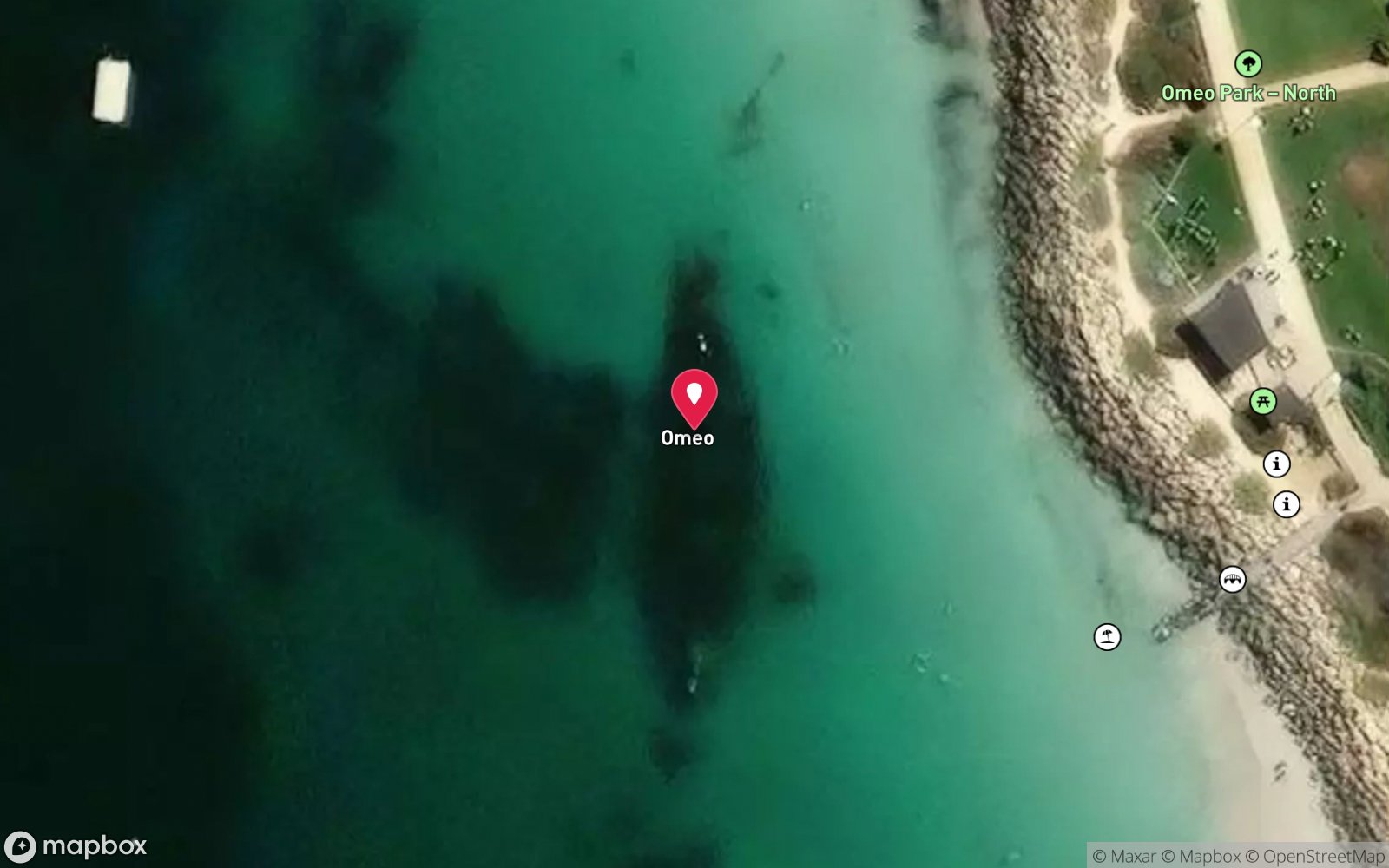
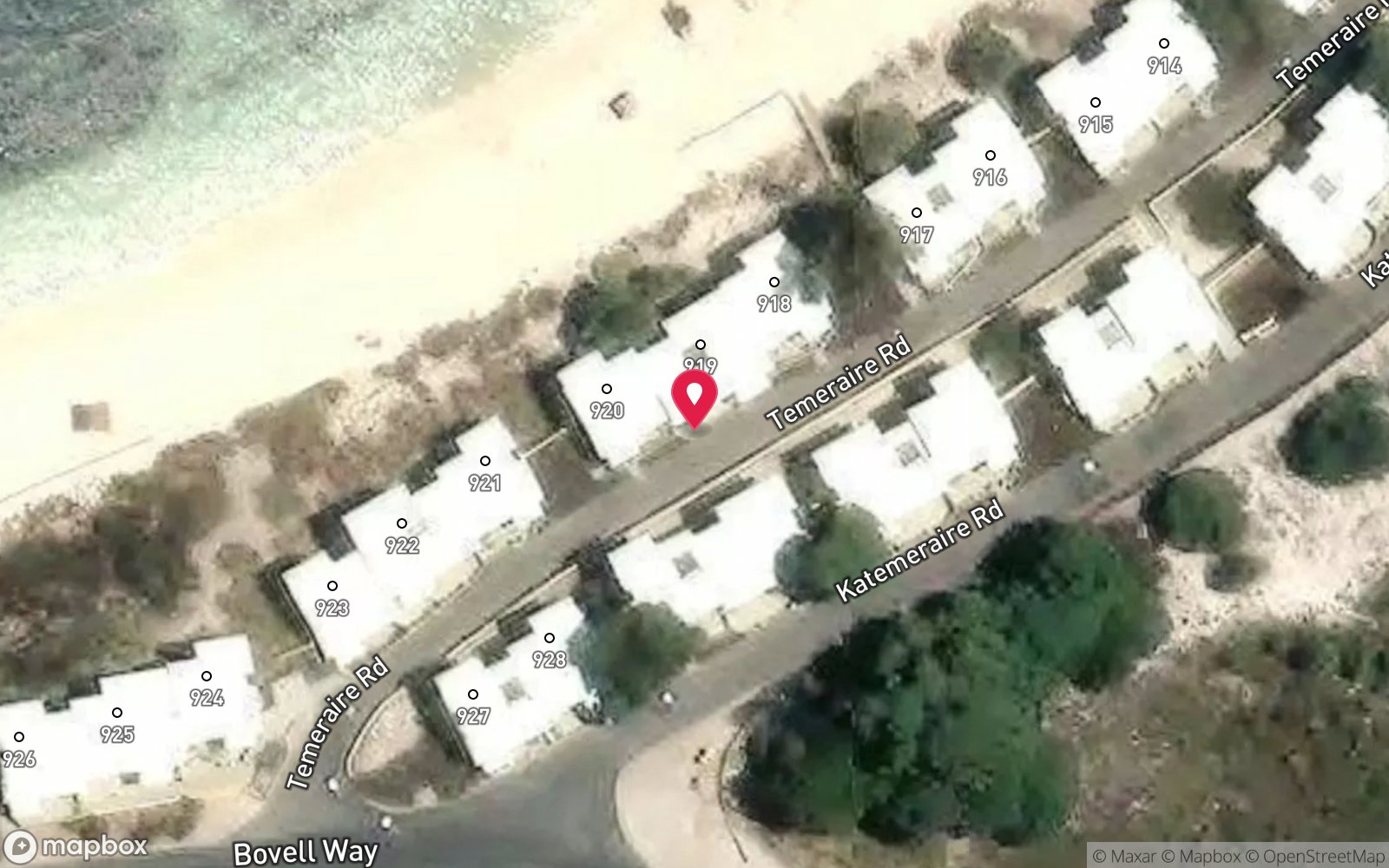
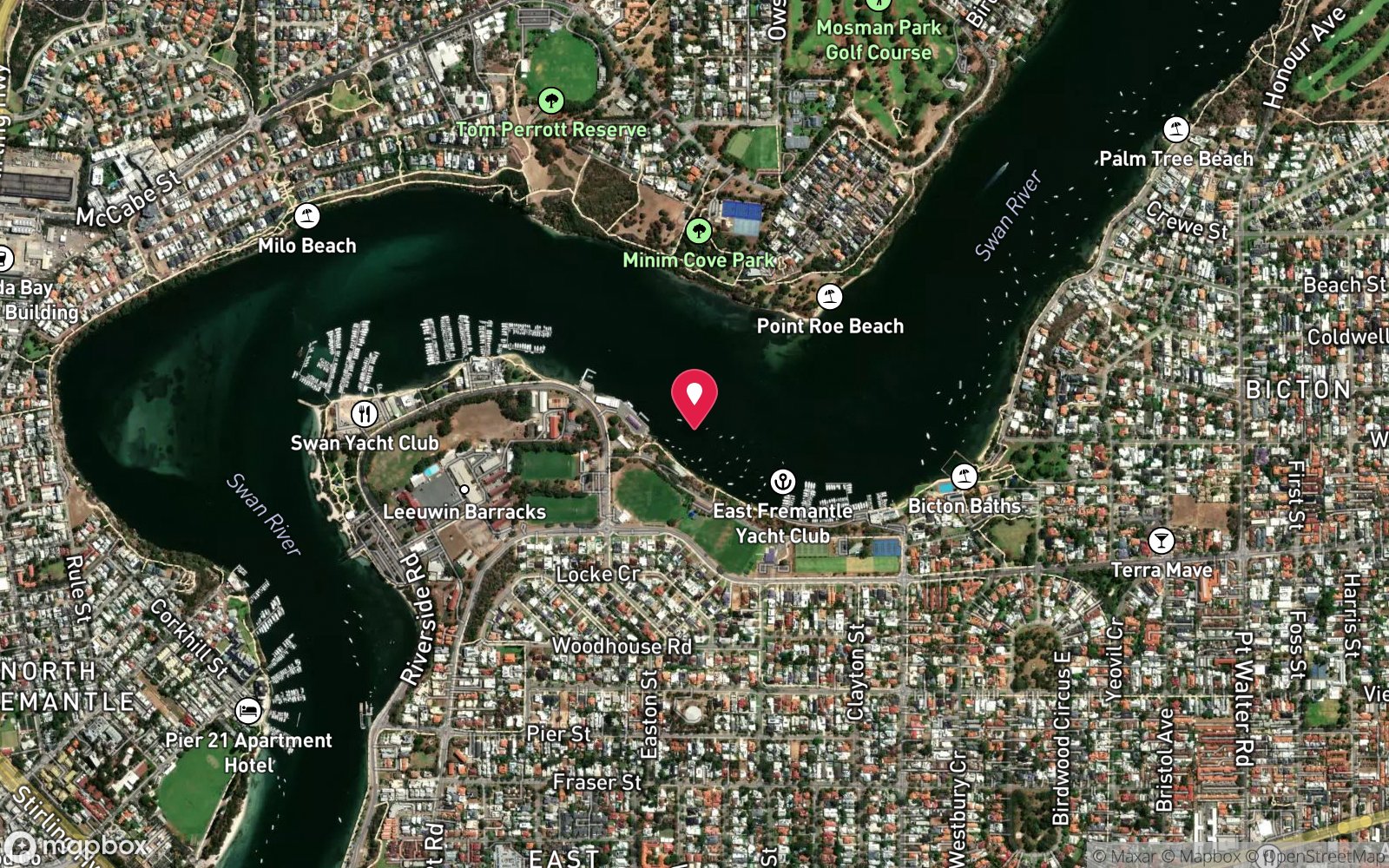
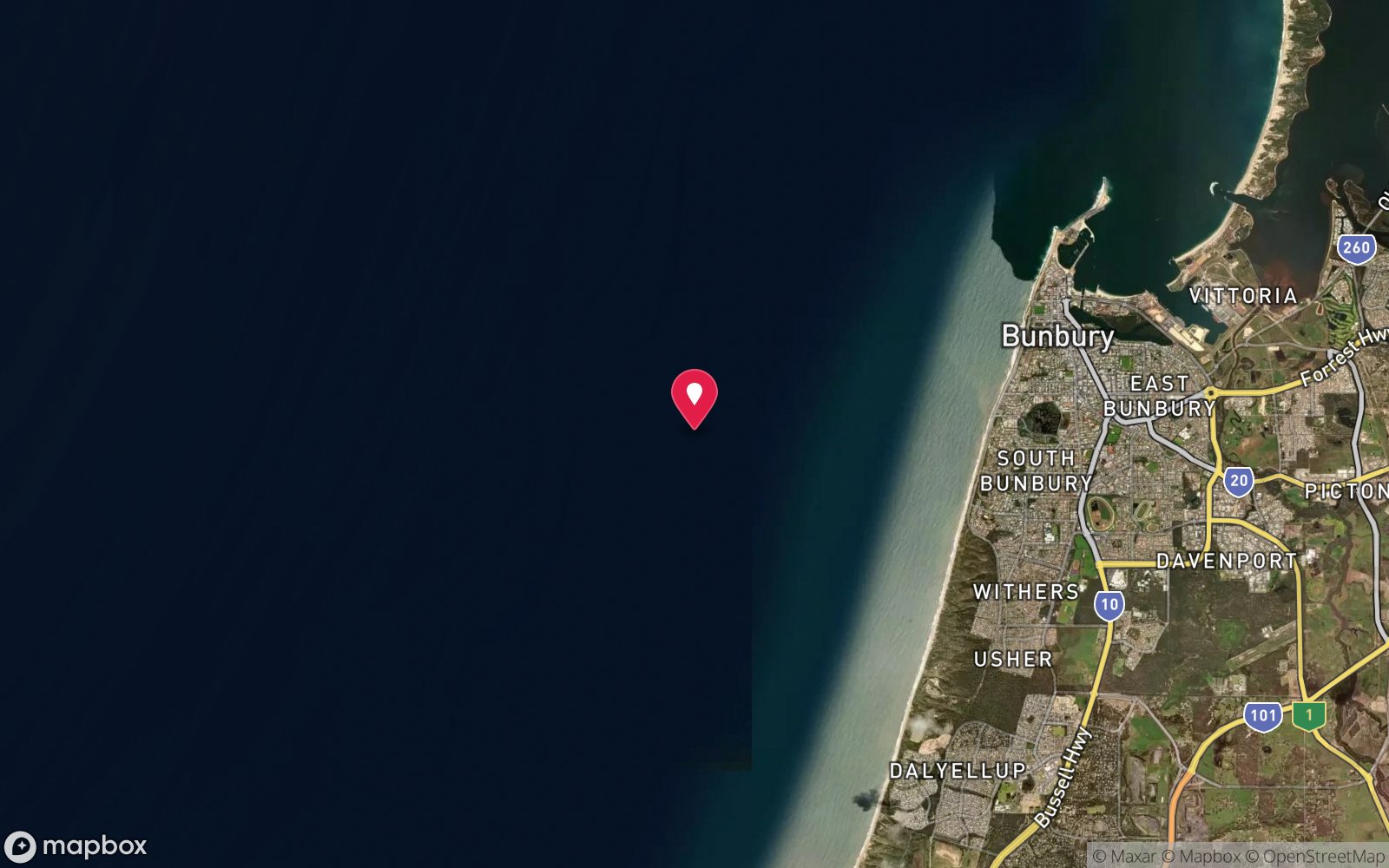
All other sites recording seahorses & pygmy pipehorses
- Seal Island (Shoalwater) · Max 6 m · Perth
- Blackwall Reach (Swan River) · Max 18 m · Perth
- The Coombe Shallow Wrecks (Swan River) · Max 12 m · Perth
- Woodman Point Groyne · Max 9 m · Perth
- Mermaid Passage (Dampier) · Max 18 m · Pilbara & Dampier
- Rocky Bay (Swan River) · Max 8.5 m · Perth
- Waikiki Beach Artificial Reef Remnants · Max 15 m · Perth
- Palm Beach Jetty (Rockingham) · Max 15 m · Perth
Frequently asked questions
How do I find seahorses & pygmy pipehorses on a dive?
Pier pylons, shark nets, swimming enclosures, sponges and seagrass in sheltered bays: Chowder Bay and Clifton Gardens in Sydney, the Mornington Peninsula piers, Nelson Bay, the SA jetties. Go slowly along a pylon or net and look for a tail wrapped around something. Seahorses match the colour of what they hold; the White's seahorse in Sydney is often on the net floats and the pot-bellied seahorse in Victoria on the pier weed. Pipefish lie along the seagrass and sand.
Where is the best place to see seahorses & pygmy pipehorses in Australia?
Clifton Gardens; Fly Point and the Pipeline (Nelson Bay); Bare Island and the Steps (Kurnell); Blairgowrie, Rye and Portsea piers; Edithburgh; Tinderbox.
When is the best time to see seahorses & pygmy pipehorses?
Year-round.
How should I approach seahorses & pygmy pipehorses?
Search nets, pylons and sea tulips. Do not move them for a photo; they are slow to re-anchor.