Dive slate · divesites.com.au · printed 8 Nov 2026
Bannister Head
Ulladulla, New South Wales · near Mollymook
| Depth | 6–20 m |
|---|---|
| Minimum level | Advanced Open Water |
| Difficulty | Intermediate |
| Access | Shore or Boat |
| Entry | Rock entry from the southern side of the headland in calm seas; or giant stride from boat |
| Current | Mild |
| Visibility | 6–12 m m |
| Water | summer 19–22 °C °C, winter 13–16 °C °C |
| Suit | 7 mm wetsuit with hood most of the year (5 mm adequate Feb–Apr); semi-dry or drysuit and gloves Jul–Oct |
| Best season | Summer and autumn when northerly and north-easterly winds prevail |
| Bottom time | 50 min |
| Position | -35.32300, 150.48400 (approximate) |
| Permit | None required – not in a NSW marine park |
| Nearest chamber | Prince of Wales Hospital Hyperbaric Unit (Randwick, Sydney) |
| Emergency | 000 · DAN Asia-Pacific diving emergency 1800 088 200 |
Bannister Head
Also known as Bannisters Point, Southern Bannister Head
Summer-friendly shore dive sheltered from north-easterlies, close to Mollymook.
Near Mollymook · Ulladulla, New South Wales
- Depth
- 6–20 m
- Minimum level
- Advanced Open Water
- Access
- Shore or Boat
- Boat ride
- —
- Water
- 19–22 °C
- Visibility
- 6–12 m
Bannister Head6–20 m · Advanced Open Water · Shore
Dive factsDepths, conditions, location & safety
Season
Off-peak nowBest months: January, February, March, April, May, December.
Summer and autumn when northerly and north-easterly winds prevail
- Best months
- Now (November)
Dive facts
- Depth
- 6–20 m
- Typical depth
- 12 m
- Certification
- Advanced Open Water
- Difficulty
- Intermediate
- Depth tier
- Advanced Open Water (18–30 m)
- Access
- Shore or Boat
- Dive centre needed
- Recommended
- Shore / independent
- Possible (experienced only)
- Current
- Mild
- Visibility
- 6–12 m
- Water temp (summer)
- 19–22 °C
- Water temp (winter)
- 13–16 °C
- Water
- Temperate
- Bottom time
- 50 min
- Dive traffic
- Moderate (occasional charters/club dives)
- Night dive
- Possible
- Snorkel friendly
- Partial
Exposure suit
7 mm wetsuit with hood most of the year (5 mm adequate Feb–Apr); semi-dry or drysuit and gloves Jul–Oct
Location
Mollymook – Narrawallee · Ulladulla – Mollymook & Bawley Point
-35.32300, 150.48400
Approximate position — not for navigation.
Open in Google MapsPrimary source: marinelife.org.auMarine park & permits
None required – not in a NSW marine park
Nearest recompression chamber
Prince of Wales Hospital Hyperbaric Unit (Randwick, Sydney)
Diving emergency: call 000, then DAN AP 1800 088 200.
Trip planner
Build a trip around Bannister Head →
A day-by-day plan for Ulladulla with this site locked in.
This guide is a planning aid. Conditions change daily — confirm with a local dive centre and dive within your training. Data & safety notes.
Dive profile
How this site rates
Scores are computed from the recorded data, not opinions. How?
At a glance
Bannister Head is a shore / rock platform shore dive for experienced divers in Ulladulla, NSW, 6–20 m, suited to Advanced Open Water divers.
Rated intermediate because of depth beyond 18 m, boat traffic overhead, cold water.
Why dive here
- Summer-friendly shore dive sheltered from north-easterlies, close to Mollymook.
Conditions to avoid
- Swell above about 1 m
- Strong southerly or south-east swell and wind
- Afternoon north-easterlies
- Strong northerlies
- Outgoing tide or run-off after rain (poor visibility)
About Bannister Head
Bannister Head (often called Bannisters Point) is the headland at the northern end of Mollymook Beach, a few minutes' drive north of Ulladulla. The Marine Life Network lists Southern Bannister Head as a shore dive of 6–20 m that is protected from northerly winds and has a good representation of temperate reef fish. The southern side of the headland drops from a rock platform into shallow kelp-covered reef, which gives way to boulders and ledges before meeting sand in the mid-teens to about 20 m.
The reef is typical of the Ulladulla coast: crayweed and kelp in the shallows, urchin barrens and boulder fields deeper, and sponges and sea squirts on shaded rock. Fish life includes eastern blue groper, red morwong, eastern rock blackfish, luderick, silver sweep, leatherjackets and schools of yellowtail, with wobbegongs, eastern blue devilfish and occasional weedy sea dragons among the boulders. Summer sometimes brings tropical juveniles.
This is a practical option for local shore divers and visitors. It is close to Mollymook's accommodation and cafes and useful in the north-easterly weather that is common in summer. The rock entry means it suits divers who are confident on a platform and can judge swell, rather than beginners. There is little detailed published description, so depth and layout information here is indicative, and divers should inspect the entry and reef from the headland first. A boat approach from Ulladulla Harbour avoids the rock scramble, and on a calm day the outer reef off the headland can be reached in a few minutes from the harbour mouth. Keep clear of anglers on the platform.
Getting there & entry
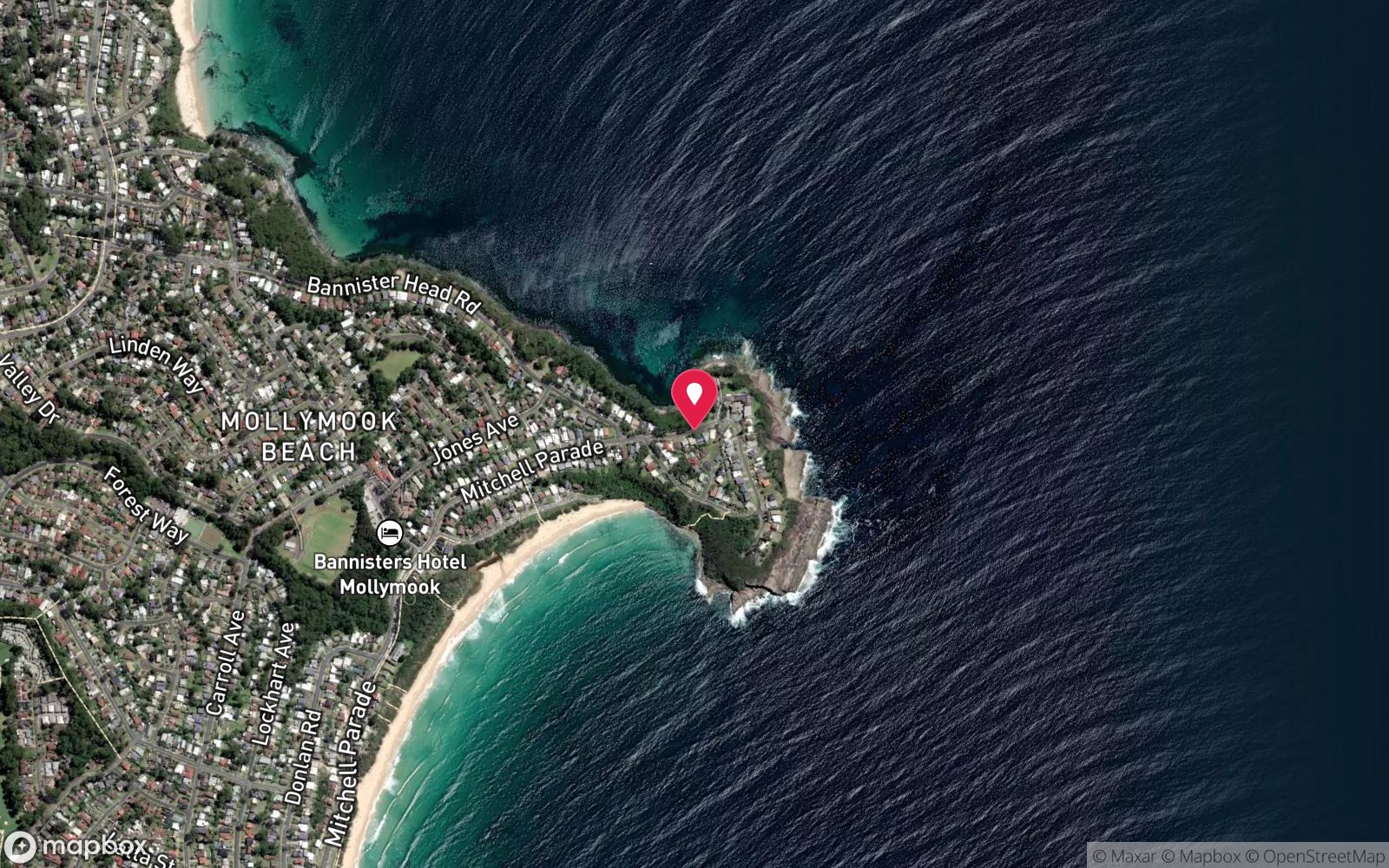
Headland at the northern end of Mollymook Beach, 2–3 km north of Ulladulla; the reef on its southern side is protected from northerly winds and dived from shore or boat.
From Ulladulla drive north on the Princes Highway and turn right to Mollymook, following Mitchell Parade north along the beach towards Bannisters Head. Park near the headland (Bannisters Point Lodge area or the end of Mitchell Parade) and walk down to the rock platform on the southern side. Choose a sheltered entry gully and only enter when the swell is small.
Boats reach it in five to ten minutes north from Ulladulla Harbour.
Entry: Rock entry from the southern side of the headland in calm seas; or giant stride from boat
Facilities: Street parking near the headland; toilets, cafes and accommodation at Mollymook; air fills at Dive Adventures Ulladulla.
Weather, swell & tides
The southern side of the headland is sheltered from northerly and north-easterly winds, which makes it a summer option when sea breezes blow out other sites. It is fully exposed to southerly and south-easterly swell and should be avoided in any southerly change or swell above about 1 m, when entry and exit from the rocks becomes dangerous. Check the platform for surge before gearing up.
Visibility falls after rain.
Best season: Summer and autumn when northerly and north-easterly winds prevail
If it's blown out
Sheltered or shore sites within 25 km that often work when Bannister Head doesn't.
- Narrawallee Beach and Inlet · 2 km · Max 8 m
- Ulladulla Harbour · 4 km · Max 8 m
- Dolphin Point · 10 km · Max 12 m
- Hive Wreck Site · 22 km · Max 2 m
How the dive is usually run
Enter from a sheltered gully on the southern side, swim out over the shallow kelp and descend on the reef, following it seaward to the sand edge at 15–20 m. Turn at half gas and return along a shallower contour, surfacing near the entry point to check the exit before swimming in.
Marine life
- Eastern blue groper →
- red morwong
- eastern rock blackfish
- luderick
- silver sweep
- yellowtail
- leatherjackets
- wobbegongs →
- eastern blue devilfish →
- weedy sea dragons →
- kelp
- sponges
Linked species have their own page listing every site where they are recorded. All marine life →
Training required
Beyond 18 m an Advanced certification (which includes a deep dive to 30 m) is the accepted minimum. Anything past 25 m is a deep dive in practice.
Open Water divers can dive the shallower section (typical depth 12 m); the full site to 20 m needs Advanced Open Water. Operators often quote Open Water.
Operators' own listing: Open Water.
Courses that help here
- Drysuit Diver – Cold water; locals dive dry for much of the year.
Depth tiers: 0–10 m easy · to 18 m Open Water · 18–30 m Advanced (25 m+ is a deep dive) · 30–40 m Deep specialty · 40 m+ technical. All courses
Hazards & warnings
Rock-platform entry and exit dangerous in southerly or large swell; watch for freak sets. Fishing line on the headland. Boat traffic off Mollymook.
Nearest recompression in Sydney.
Dive centres that go here
Listed by the Marine Life Network as an Ulladulla shore dive; Dive Adventures Ulladulla can guide shore dives in the area on request. No scheduled boat trips.
Operators recorded for Bannister Head
Other dive centres in Ulladulla
Map
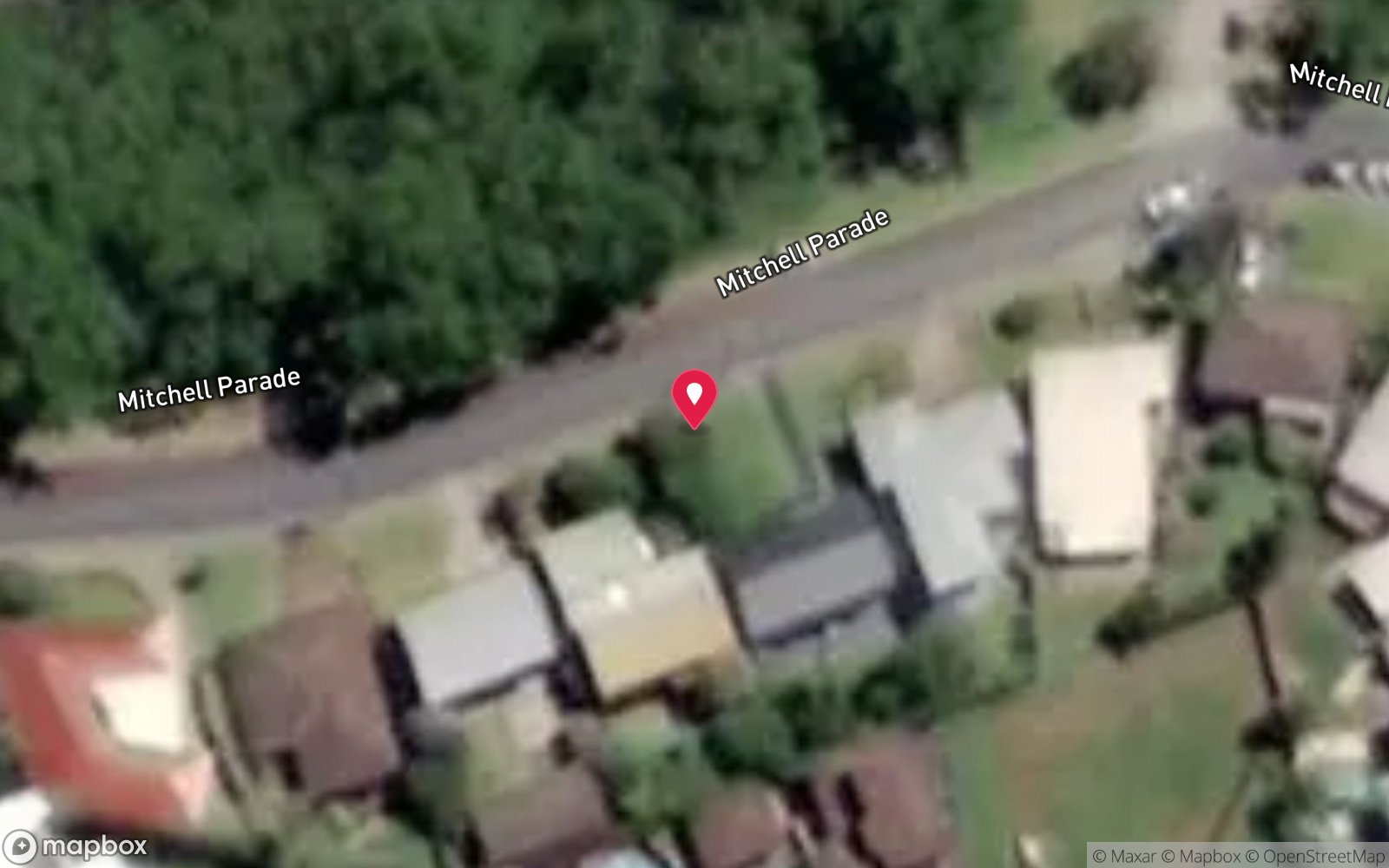
7 pinned sites. Pins marked approximate on their pages show the general area only; not for navigation.
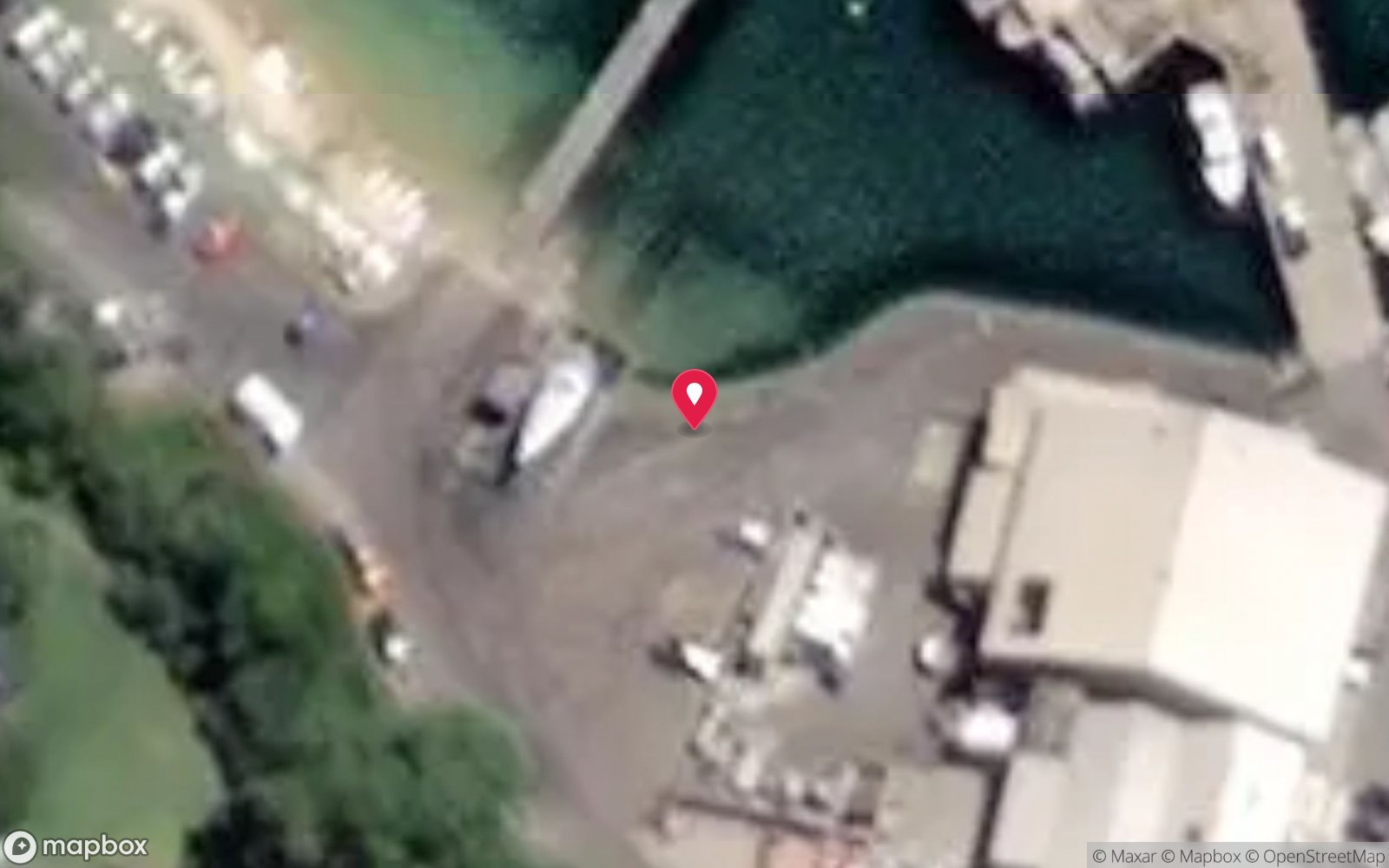
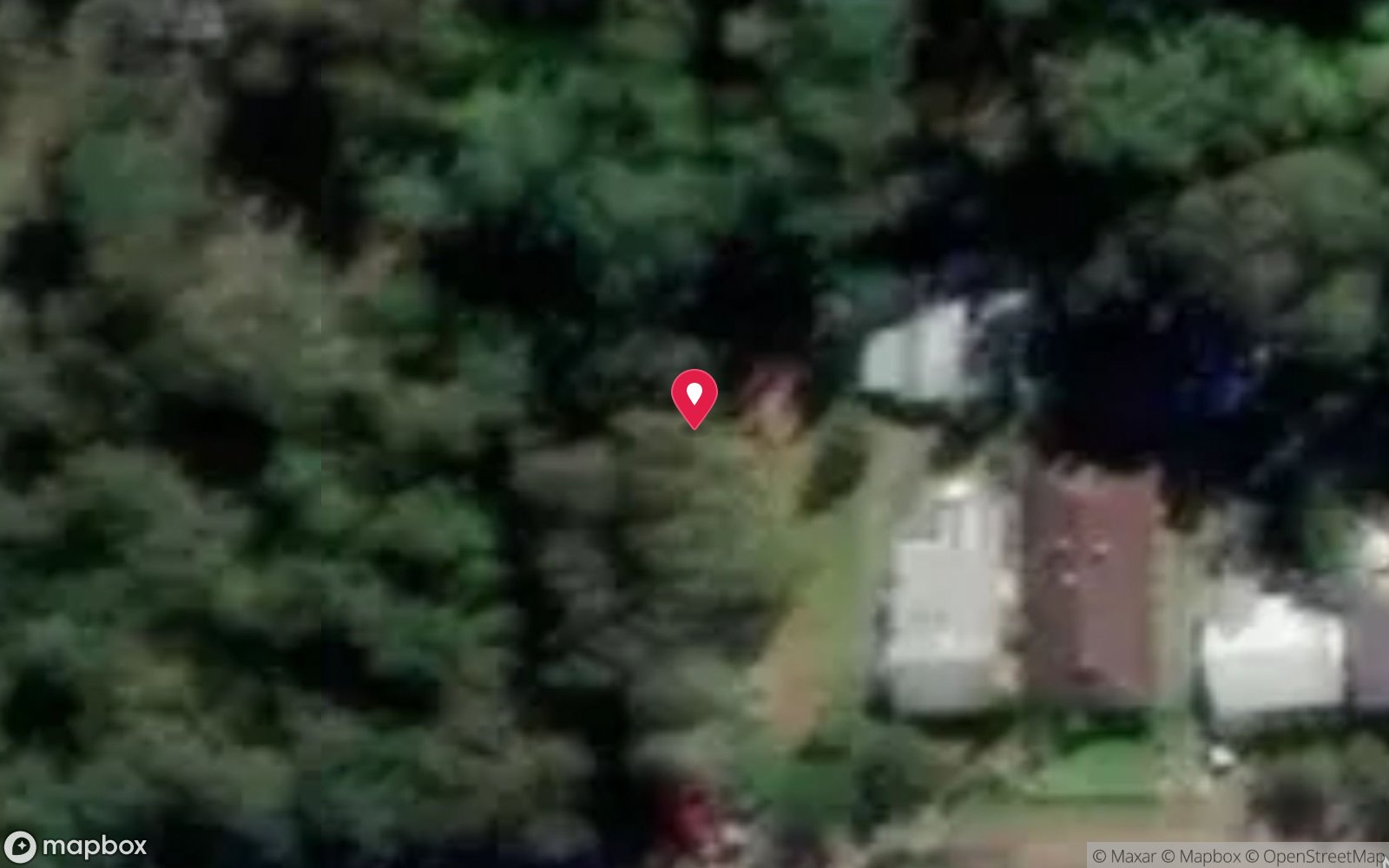
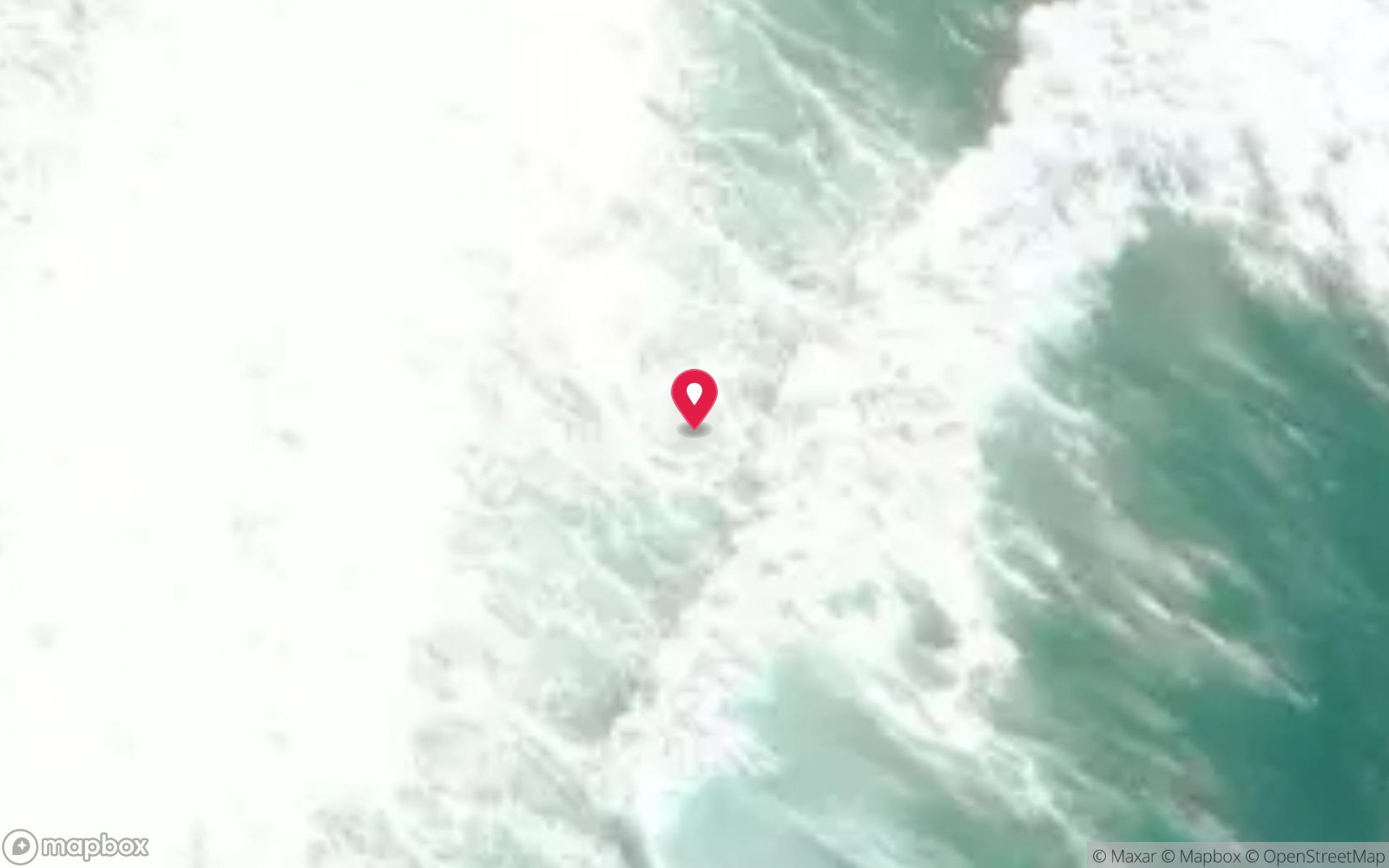
Satellite views
Bannister Head: frequently asked questions
How deep is Bannister Head?
Bannister Head reaches a maximum depth of 20 m, with the shallowest part at about 6 m; most of the dive is spent around 12 m.
What certification do I need to dive Bannister Head?
Advanced Open Water is the recommended minimum. Open Water divers can dive the shallower section (typical depth 12 m); the full site to 20 m needs Advanced Open Water. Operators often quote Open Water. Rated intermediate because of depth beyond 18 m, boat traffic overhead, cold water.
Can I shore dive Bannister Head?
Experienced divers do dive Bannister Head from the shore, but the entry or conditions make it unsuitable for newer divers without local guidance. Entry: Rock entry from the southern side of the headland in calm seas; or giant stride from boat.
When is the best time to dive Bannister Head?
Summer and autumn when northerly and north-easterly winds prevail.
What marine life will I see at Bannister Head?
Regularly recorded: Eastern blue groper, red morwong, eastern rock blackfish, luderick, silver sweep, yellowtail, leatherjackets, wobbegongs, eastern blue devilfish, weedy sea dragons, kelp, sponges.
What wetsuit do I need at Bannister Head?
7 mm wetsuit with hood most of the year (5 mm adequate Feb–Apr); semi-dry or drysuit and gloves Jul–Oct.
How cold is the water at Bannister Head?
Typically 19–22 °C in summer and 13–16 °C in winter.
What are the main hazards at Bannister Head?
Rock-platform entry and exit dangerous in southerly or large swell; watch for freak sets. See the hazards section above for the full list.
Where is the nearest recompression chamber to Bannister Head?
Prince of Wales Hospital Hyperbaric Unit (Randwick, Sydney). In an emergency call 000, then DAN Asia-Pacific on 1800 088 200.
Diving in Ulladulla
Ulladulla is the quiet middle of the south coast, with the Lighthouse Reef and the Bommie off Warden Head, the Burrill Rocks, and a series of gutters and caves that hold grey nurse sharks and eastern blue devils. It is dived mainly by locals and Canberra clubs.
Getting there: Three hours south of Sydney. A local dive shop runs charters from the harbour; the Ulladulla harbour breakwall is a sheltered shore dive.
Sources
Data confidence: Low · Being verified: Entry point and depth range need local confirmation; coordinates approximate.. Last updated September 2026. Know this site better? How to send a correction
Nearby dive sites
More shore/rock platform dives in New South Wales
Explore more
This region
Marine life