Dive slate · divesites.com.au · printed 9 Nov 2026
Ulladulla Harbour
Ulladulla, New South Wales · near Ulladulla
| Depth | 2–8 m |
|---|---|
| Minimum level | Open Water |
| Difficulty | Beginner |
| Access | Shore |
| Entry | Walk-in from the harbour beach or steps near the breakwall |
| Current | None |
| Visibility | 3–8 m m |
| Water | summer 19–22 °C °C, winter 13–16 °C °C |
| Suit | 7 mm wetsuit with hood most of the year (5 mm adequate Feb–Apr); semi-dry or drysuit and gloves Jul–Oct |
| Best season | Year round; the fall-back when the open coast is blown out |
| Bottom time | 60 min |
| Position | -35.35800, 150.47600 (approximate) |
| Permit | None required – harbour rules apply; check with harbour/port authority |
| Nearest chamber | Prince of Wales Hospital Hyperbaric Unit (Randwick, Sydney) |
| Emergency | 000 · DAN Asia-Pacific diving emergency 1800 088 200 |
Ulladulla Harbour
Also known as Ulladulla Harbour breakwall, Ulladulla wharf
Sheltered harbour for training and night dives when the open coast is rough.
Near Ulladulla · Ulladulla, New South Wales
- Depth
- 2–8 m
- Minimum level
- Open Water
- Access
- Shore
- Boat ride
- —
- Water
- 19–22 °C
- Visibility
- 3–8 m
Ulladulla Harbour2–8 m · Open Water · Shore
Dive factsDepths, conditions, location & safety
Season
In season nowBest months: year-round.
Year round; the fall-back when the open coast is blown out
- Best months
- Now (November)
Dive facts
- Depth
- 2–8 m
- Typical depth
- 5 m
- Certification
- Open Water
- Difficulty
- Beginner
- Depth tier
- Easy (0–10 m)
- Access
- Shore
- Dive centre needed
- Recommended
- Shore / independent
- Possible (experienced only)
- Current
- None
- Visibility
- 3–8 m
- Water temp (summer)
- 19–22 °C
- Water temp (winter)
- 13–16 °C
- Water
- Temperate
- Bottom time
- 60 min
- Dive traffic
- Moderate (occasional charters/club dives)
- Night dive
- Yes
- Snorkel friendly
- Partial
Exposure suit
7 mm wetsuit with hood most of the year (5 mm adequate Feb–Apr); semi-dry or drysuit and gloves Jul–Oct
Location
Ulladulla town · Ulladulla – Mollymook & Bawley Point
-35.35800, 150.47600
Approximate position — not for navigation.
Open in Google MapsPrimary source: diveadventuresulladulla.com.auMarine park & permits
None required – harbour rules apply; check with harbour/port authority
Nearest recompression chamber
Prince of Wales Hospital Hyperbaric Unit (Randwick, Sydney)
Diving emergency: call 000, then DAN AP 1800 088 200.
Trip planner
Build a trip around Ulladulla Harbour →
A day-by-day plan for Ulladulla with this site locked in.
This guide is a planning aid. Conditions change daily — confirm with a local dive centre and dive within your training. Data & safety notes.
Dive profile
How this site rates
Scores are computed from the recorded data, not opinions. How?
At a glance
Ulladulla Harbour is a shore / rock platform shore dive for experienced divers in Ulladulla, NSW, 2–8 m, suited to Open Water divers.
Rated beginner: sheltered, shallow and manageable for a newly certified diver on a normal day, though note boat traffic overhead and cold water.
Why dive here
- Sheltered harbour for training and night dives when the open coast is rough.
- Commonly dived at night, when octopus, cuttlefish and crustaceans are out.
Conditions to avoid
- Outgoing tide or run-off after rain (poor visibility)
About Ulladulla Harbour
Ulladulla Harbour is the working fishing port at the centre of the town, enclosed by a rock breakwall that protects the boat ramp and fishing fleet. It is not a destination dive in its own right, but local divers and the dive shop use it as a sheltered training and night-dive site when the open coast is too rough. The water is shallow, typically 2–8 m, with sand, rubble and the rock face of the breakwall, as well as wharf pylons and moorings.
The harbour and breakwall support a surprising amount of life for a port. Octopus, cuttlefish and a variety of nudibranchs live in the rocks and rubble; stingrays, fiddler rays and flathead are found on the sand; and bream, luderick, leatherjackets and schools of small baitfish gather around the wharf structures. At night there are shrimps, crabs, squid and sleeping fish. The fishing fleet also attracts rays and occasionally seals looking for scraps.
The harbour is an active port, so boat traffic is the main issue. Divers need to keep well away from the boat ramp and channel, use a dive flag, and ideally dive with the local shop, which knows the accepted entry points and quieter times. Visibility is usually poor, so this is best seen as a sheltered option for training, skills and macro rather than scenery. Detailed published information on the harbour as a dive site is limited. Its value is as a place to get wet when the ocean is closed, to practise skills in calm water, or to see octopus and squid on a night dive a few minutes from the dive shop.
Getting there & entry
Sheltered harbour in the centre of Ulladulla enclosed by a rock breakwall; shallow sand, rock and wharf structures used for training and night dives.
The harbour is in the middle of Ulladulla, directly off the Princes Highway; turn east at the harbour and park near the boat ramp or the grassed foreshore. Divers enter from the small harbour beach or the rocks at the inner end of the breakwall, well away from the ramp and the working fishing wharf. Harbour use and entry points should be checked with the dive shop and harbour authorities first, as the wharves are active.
Entry: Walk-in from the harbour beach or steps near the breakwall
Facilities: Parking, toilets, boat ramp, cafes and fish co-op at the harbour; dive shop in town.
Weather, swell & tides
The breakwall shelters the harbour from most swell, so it can be used when everything outside is too rough, although a strong easterly swell can wrap into the entrance. Visibility is often poor, especially after rain, in strong winds or after heavy boat traffic, and is best on an incoming tide after calm weather. Night dives are best on calm nights in the inner harbour away from the channel.
Best season: Year round; the fall-back when the open coast is blown out
If it's blown out
Sheltered or shore sites within 25 km that often work when Ulladulla Harbour doesn't.
- Narrawallee Beach and Inlet · 5 km · Max 8 m
- Dolphin Point · 6 km · Max 12 m
- Bawley Point · 19 km · Max 13 m
How the dive is usually run
Enter from the inner harbour, follow the base of the breakwall rocks at 3–6 m and work slowly along the rock–sand edge looking for macro life, staying well clear of the boat channel and ramp. Turn at half gas and retrace.
Marine life
- Octopus →
- cuttlefish →
- nudibranchs →
- stingrays
- fiddler rays
- flathead
- bream
- luderick
- leatherjackets
- baitfish
- shrimps
- crabs
- squid →
Linked species have their own page listing every site where they are recorded. All marine life →
Training required
Shallow enough for snorkellers and for a first dive under supervision. Any certified diver can dive it.
Courses that help here
- Night Diver – Commonly dived at night.
- Drysuit Diver – Cold water; locals dive dry for much of the year.
- Peak Performance Buoyancy – Silt and low visibility punish poor trim.
Depth tiers: 0–10 m easy · to 18 m Open Water · 18–30 m Advanced (25 m+ is a deep dive) · 30–40 m Deep specialty · 40 m+ technical. All courses
Hazards & warnings
Active port: boat traffic, launching boats and fishing vessels – stay clear of the channel and ramp, use a dive flag. Fishing line and hooks. Poor visibility.
Check local rules before diving.
Dive centres that go here
Used by Dive Adventures Ulladulla for training and guided shore/night dives when the open coast is rough. No scheduled independent diving; check with the shop and harbour authorities.
Operators recorded for Ulladulla Harbour
Other dive centres in Ulladulla
Map
7 pinned sites. Pins marked approximate on their pages show the general area only; not for navigation.
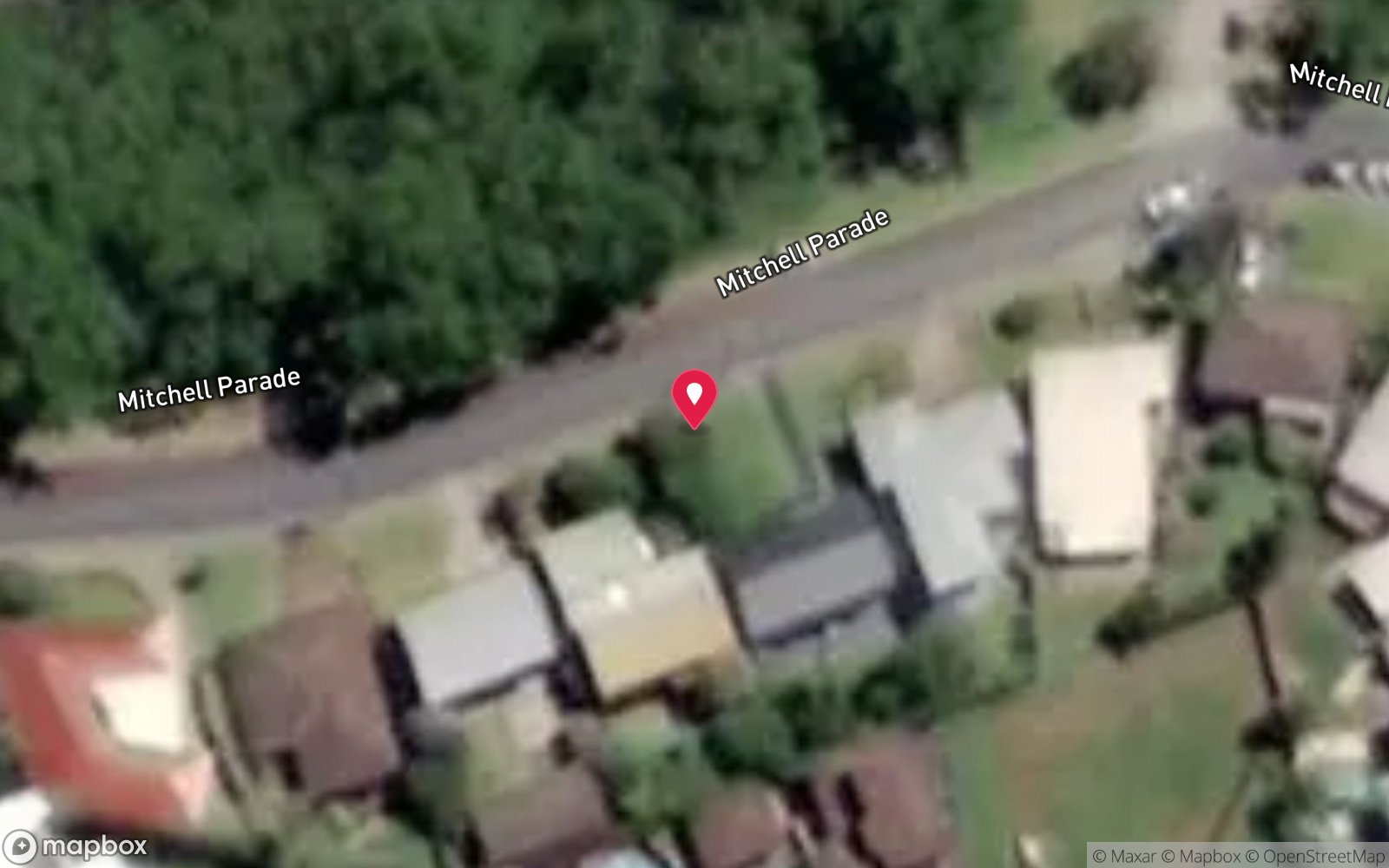
Satellite views
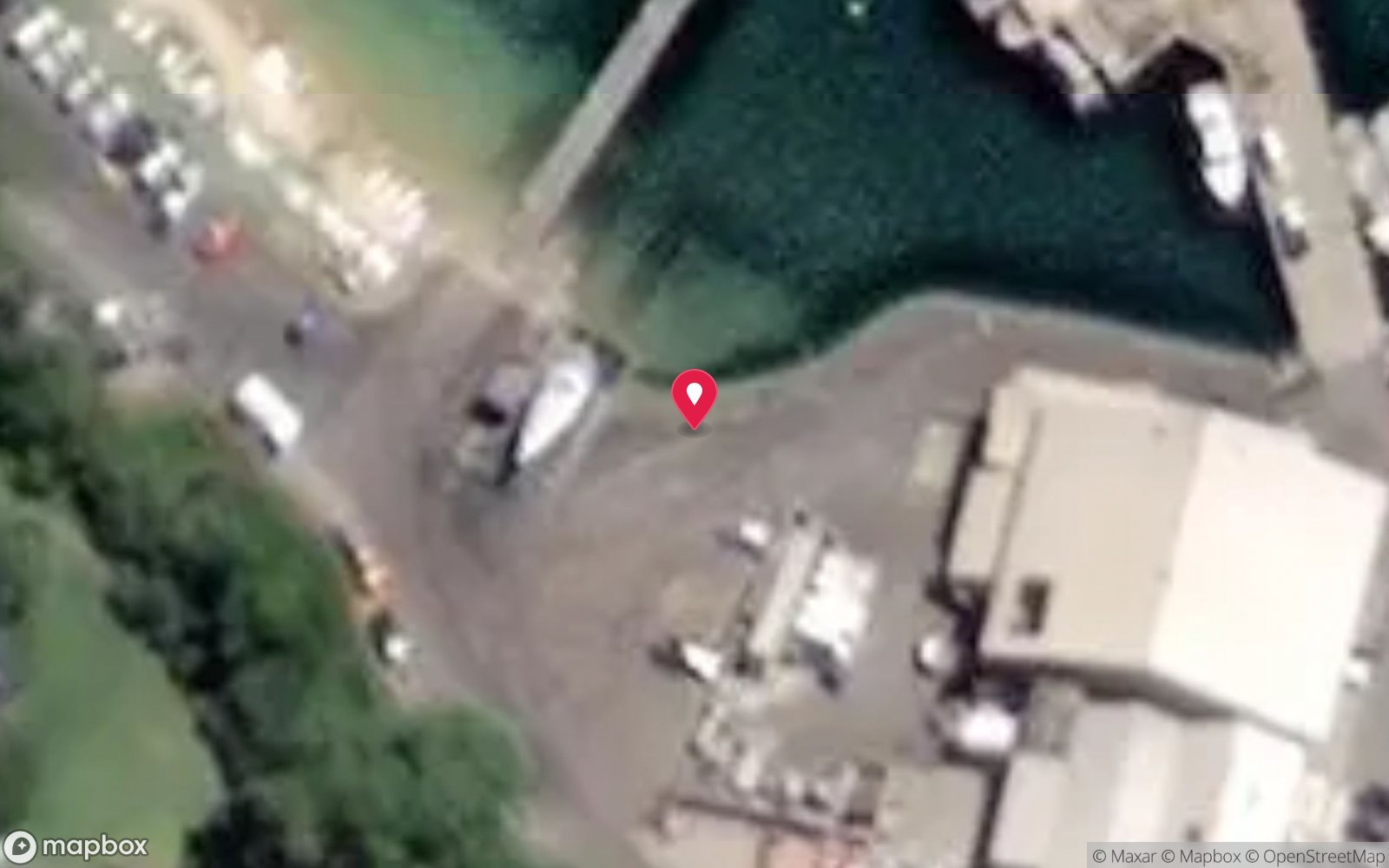
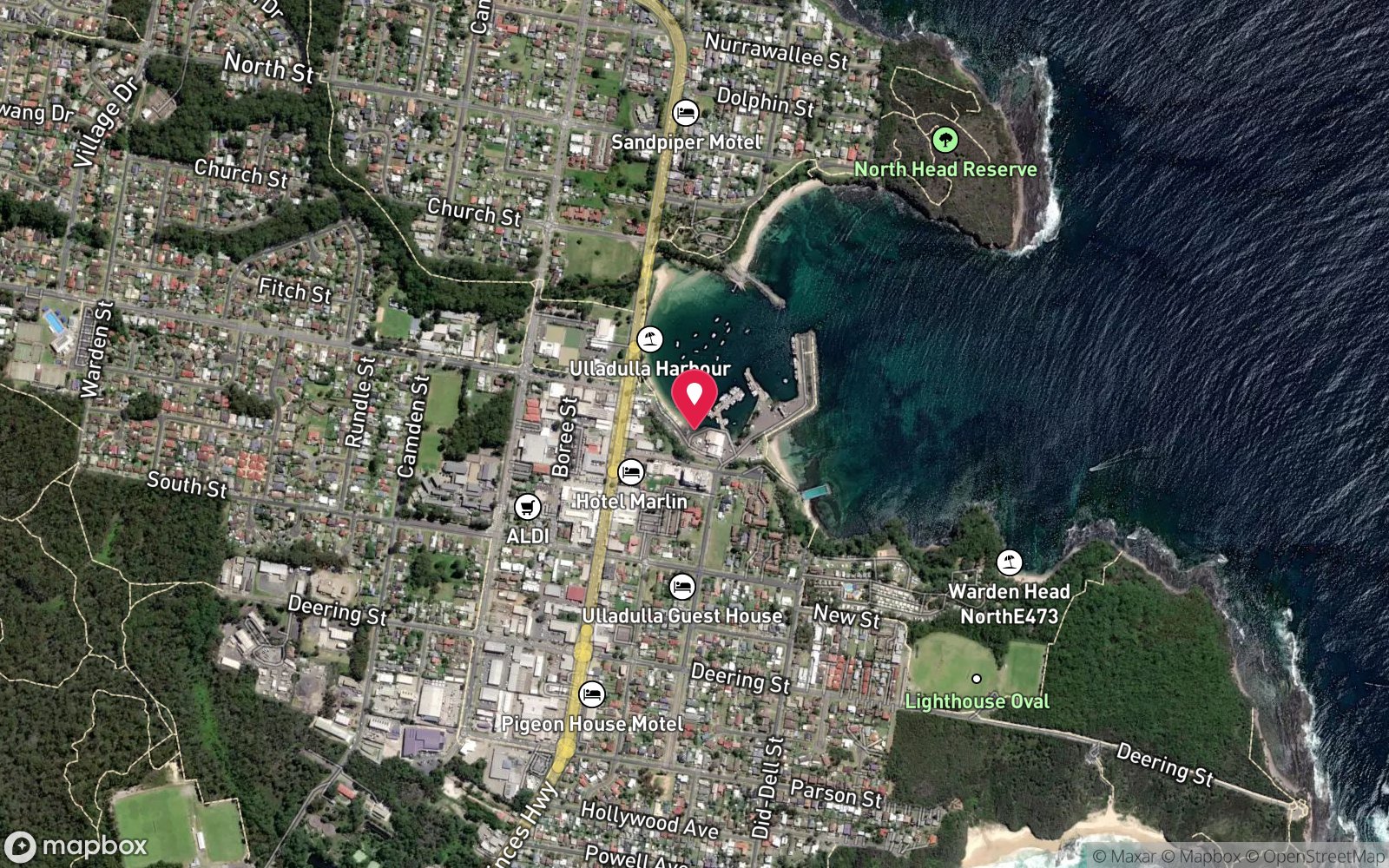
Ulladulla Harbour: frequently asked questions
How deep is Ulladulla Harbour?
Ulladulla Harbour reaches a maximum depth of 8 m, with the shallowest part at about 2 m; most of the dive is spent around 5 m.
What certification do I need to dive Ulladulla Harbour?
Open Water is the recommended minimum. Rated beginner: sheltered, shallow and manageable for a newly certified diver on a normal day, though note boat traffic overhead and cold water.
Can I shore dive Ulladulla Harbour?
Experienced divers do dive Ulladulla Harbour from the shore, but the entry or conditions make it unsuitable for newer divers without local guidance. Entry: Walk-in from the harbour beach or steps near the breakwall.
When is the best time to dive Ulladulla Harbour?
Year round; the fall-back when the open coast is blown out.
What marine life will I see at Ulladulla Harbour?
Regularly recorded: Octopus, cuttlefish, nudibranchs, stingrays, fiddler rays, flathead, bream, luderick, leatherjackets, baitfish, shrimps, crabs and more.
What wetsuit do I need at Ulladulla Harbour?
7 mm wetsuit with hood most of the year (5 mm adequate Feb–Apr); semi-dry or drysuit and gloves Jul–Oct.
How cold is the water at Ulladulla Harbour?
Typically 19–22 °C in summer and 13–16 °C in winter.
What are the main hazards at Ulladulla Harbour?
Active port: boat traffic, launching boats and fishing vessels – stay clear of the channel and ramp, use a dive flag. See the hazards section above for the full list.
Can you night dive Ulladulla Harbour?
Yes, Ulladulla Harbour is commonly dived at night.
Diving in Ulladulla
Ulladulla is the quiet middle of the south coast, with the Lighthouse Reef and the Bommie off Warden Head, the Burrill Rocks, and a series of gutters and caves that hold grey nurse sharks and eastern blue devils. It is dived mainly by locals and Canberra clubs.
Getting there: Three hours south of Sydney. A local dive shop runs charters from the harbour; the Ulladulla harbour breakwall is a sheltered shore dive.
Sources
Data confidence: Low · Being verified: Harbour diving rules and preferred entry points need confirmation with the shop/harbour master.. Last updated September 2026. Know this site better? How to send a correction
Nearby dive sites
More shore/rock platform dives in New South Wales
Explore more
This region