Dive slate · divesites.com.au · printed 9 Nov 2026
Broughton Island – Looking Glass Wall
Port Stephens, New South Wales · near Nelson Bay
| Depth | 15–40 m |
|---|---|
| Minimum level | Deep/Advanced + experience |
| Difficulty | Advanced |
| Access | Boat |
| Entry | Giant stride from charter boat onto a mooring near the Looking Glass |
| Current | Moderate |
| Visibility | 10-25 m |
| Water | summer 22-25 °C, winter 17-20 °C |
| Suit | 3-5 mm steamer summer; 5-7 mm full suit or semi-dry winter |
| Best season | Year-round, calm conditions preferred given the depth |
| Bottom time | 30 min |
| Position | -32.61700, 152.31800 (approximate) |
| Permit | Grey nurse shark critical habitat nearby — Code of Conduct applies |
| Nearest chamber | Prince of Wales Hospital (Randwick, Sydney) — John Hunter Hospital Newcastle has no recompression chamber |
| Emergency | 000 · DAN Asia-Pacific diving emergency 1800 088 200 |
Broughton Island – Looking Glass Wall
Also known as Looking Glass Wall
A 40 m boulder wall beside the Looking Glass, with caves holding the rare eastern blue devil fish and dense sponge growth.
Near Nelson Bay · Port Stephens, New South Wales
- Depth
- 15–40 m
- Minimum level
- Deep/Advanced + experience
- Access
- Boat
- Boat ride
- ~50 min
- Water
- 22-25 °C
- Visibility
- 10-25 m
Broughton Island – Looking Glass Wall15–40 m · Deep/Advanced + experience
Dive factsDepths, conditions, location & safety
Season
In season nowBest months: year-round.
Year-round, calm conditions preferred given the depth
- Best months
- Now (November)
- Stinger suit Nov–May
Dive facts
- Depth
- 15–40 m
- Typical depth
- 25 m
- Certification
- Deep/Advanced + experience
- Difficulty
- Advanced
- Depth tier
- Deep / Advanced + experience (30–40 m)
- Access
- Boat
- Offshore
- 20 km
- Dive centre needed
- Yes – boat access only
- Shore / independent
- No
- Boat ride
- ~50 min
- Current
- Moderate
- Visibility
- 10-25 m
- Water temp (summer)
- 22-25 °C
- Water temp (winter)
- 17-20 °C
- Water
- Subtropical
- Bottom time
- 30 min
- Dive traffic
- Popular (weekly charters)
- Night dive
- No
- Snorkel friendly
- No
Exposure suit
3-5 mm steamer summer; 5-7 mm full suit or semi-dry winter
Location
Broughton Island · Hunter — Port Stephens/Nelson Bay
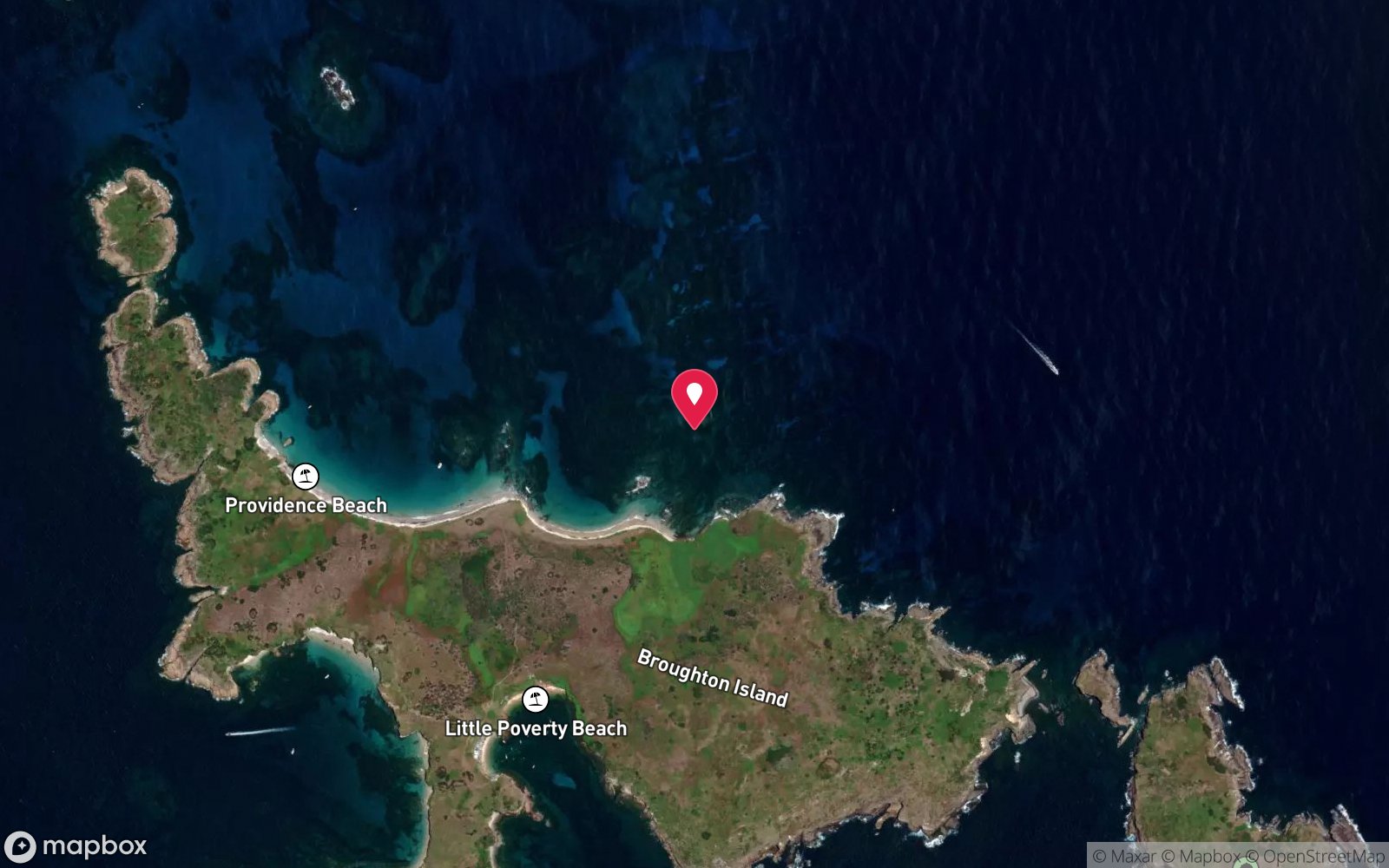
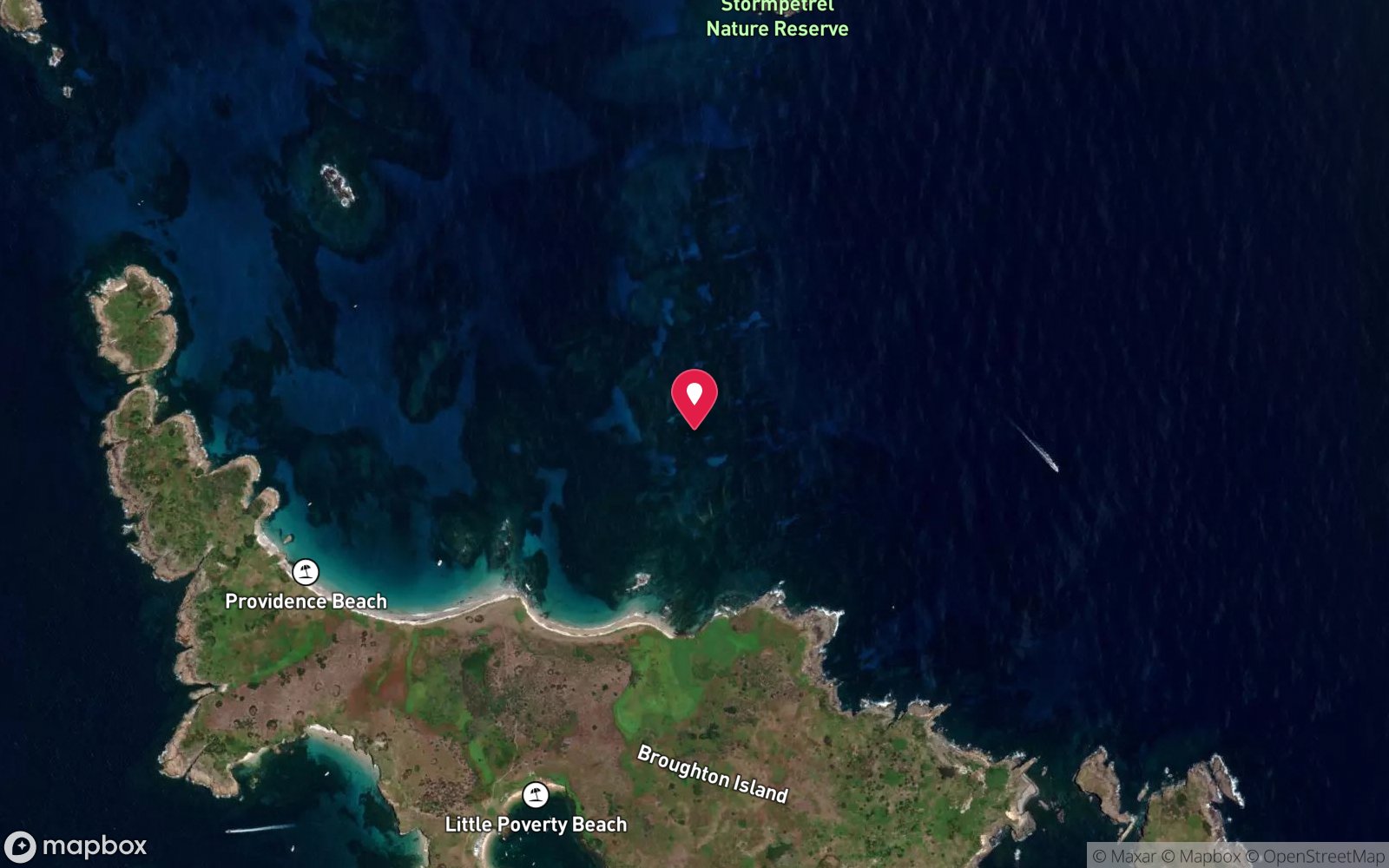
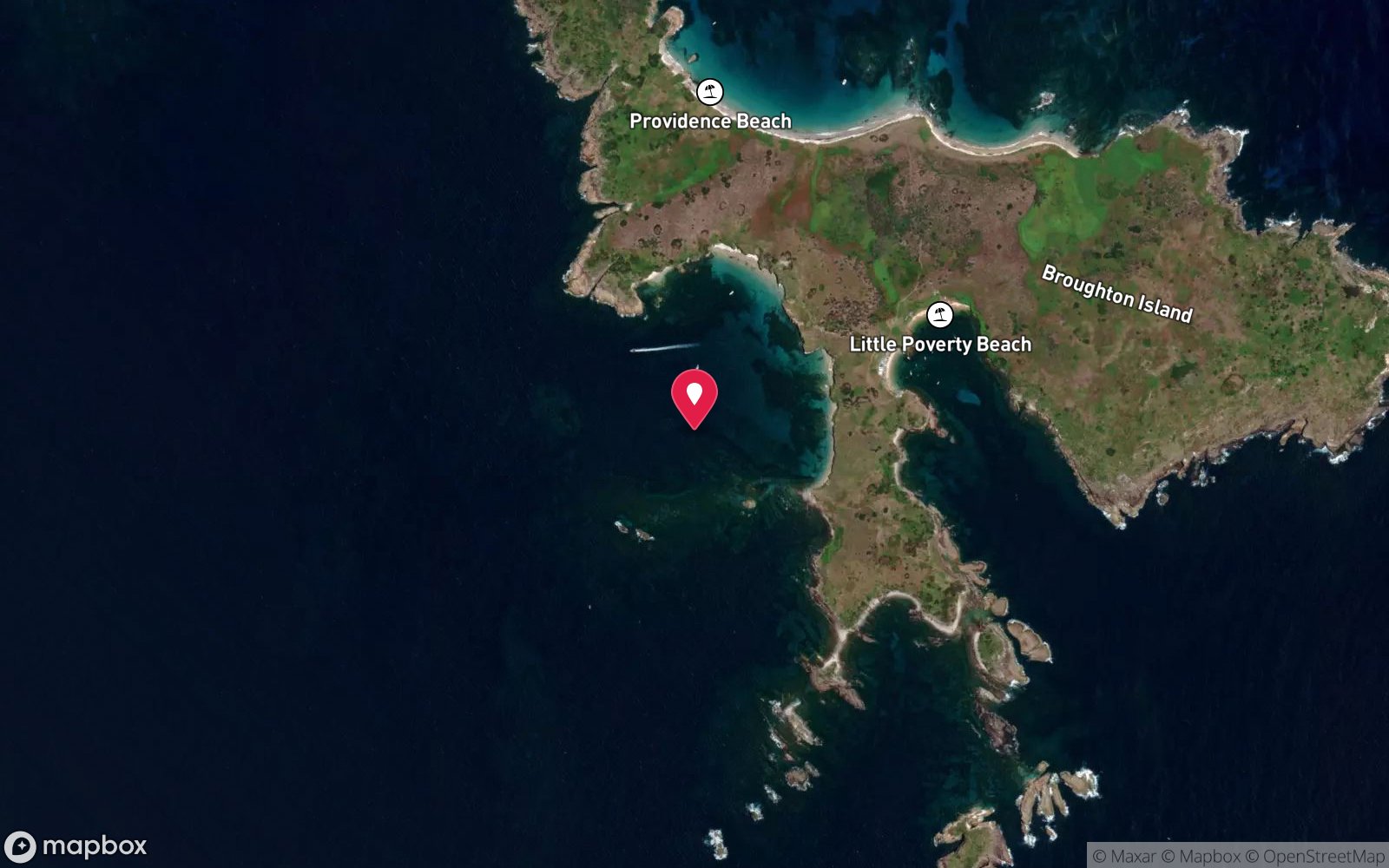
-32.61700, 152.31800
Approximate position — not for navigation.
Open in Google MapsPrimary source: mudgeediveandtravel.comMarine park & permits
Grey nurse shark critical habitat nearby — Code of Conduct applies
Nearest recompression chamber
Prince of Wales Hospital (Randwick, Sydney) — John Hunter Hospital Newcastle has no recompression chamber
Diving emergency: call 000, then DAN AP 1800 088 200.
Trip planner
Build a trip around Broughton Island – Looking Glass Wall →
A day-by-day plan for Port Stephens with this site locked in.
This guide is a planning aid. Conditions change daily — confirm with a local dive centre and dive within your training. Data & safety notes.
Dive profile
How this site rates
Scores are computed from the recorded data, not opinions. How?
At a glance
Broughton Island – Looking Glass Wall is a wall boat dive in Port Stephens, NSW, 15–40 m, suited to Deep/Advanced + experience divers, moderate current, about 50 minutes by boat.
Rated advanced because of depth to 40 m.
Why dive here
- A 40 m boulder wall beside the Looking Glass, with caves holding the rare eastern blue devil fish and dense sponge growth.
- Visibility often reaches 10-25 m.
Conditions to avoid
- Strong southerly or south-east swell and wind
- Afternoon north-easterlies
- Outgoing tide or run-off after rain (poor visibility)
About Broughton Island – Looking Glass Wall
Looking Glass Wall extends the famous swim-through feature next door into a genuine deep-wall dive, a boulder slope dropping from around fifteen metres down to forty metres and studded with caves and overhangs thick with colourful sponge growth. Where the Looking Glass itself is a relatively brief, shallow highlight, the wall gives divers with more depth experience and better air consumption a chance to spend a full dive exploring the same general area in greater depth and detail, and it holds one of the area's more sought-after rarities: a cave known to be used by the eastern blue devil fish, an unusual and strikingly patterned species that draws dedicated fish-spotters to seek it out specifically. The wall's boulder-and-cave structure supports a broad range of sponge and soft coral growth that provides both colour and habitat complexity, and divers exploring it can expect to encounter much of the same broader marine life recorded around the Looking Glass and Shark Gutters nearby, given the proximity and shared exposure to the same currents and nutrient-bearing water.
Because the site runs to a genuine 40 metres, it demands a properly planned multi-level profile and is not a site for divers pushing the limits of their training; a sensible approach uses the deeper wall as the first phase of the dive before working back up to shallower ground, potentially finishing at the Looking Glass itself if the itinerary and no-decompression limits allow. This is one of the better dives at Broughton Island for divers who want depth and structure over the more crowd-focused shark encounter at the adjoining passage.
Getting there & entry
A boulder slope and wall adjoining the Looking Glass, running from 15 m to 40 m, with caves and colourful sponge growth, including a cave known to hold the rare eastern blue devil fish.
Boats depart Nelson Bay marina and run approximately 20 km/45-60 minutes north-east to Broughton Island, weather and vessel dependent. There is no facility or dive shop on the island itself; all diving is via day-trip charter from Nelson Bay, typically with two dives per trip around the island's northern and western sides depending on conditions.
Entry: Giant stride from charter boat onto a mooring near the Looking Glass
Weather, swell & tides
Broughton Island sits fully exposed to ocean swell and is the first site cancelled when an easterly or north-easterly blow picks up; operators want well under 1.5 m swell and moderate wind to make the run worthwhile. The island's north side, where the grey nurse shark critical habitat sites (Looking Glass, Shark Gutters, North Rock) are found, gets some lee from a southerly, while other sides suit other wind directions, so skippers choose the exact site on the day. Visibility is best in autumn and winter, typically 10-25 m, and drops after rain from the mainland catchments.
Surge is common in the shallower features like Looking Glass and needs to be managed as a group.
Best season: Year-round, calm conditions preferred given the depth
If it's blown out
Sheltered or shore sites within 25 km that often work when Broughton Island – Looking Glass Wall doesn't.
- Halifax Park (Nelson Bay) · 18 km · Max 26 m
- Fly Point · 19 km · Max 22 m
- Little Beach (Nelson Bay) · 18 km · Max 20 m
- The Pipeline (Nelson Bay) · 20 km · Max 18 m
How the dive is usually run
Descend the boulder slope adjoining the Looking Glass and work down the wall from 15 m toward 40 m as depth allows, checking caves along the way for the rare eastern blue devil fish and other cryptic species, before ascending back up the slope to finish at the shallower Looking Glass feature if gas and time permit.
Marine life
- Eastern blue devil fish (rare, resident cave) →
- sponges and soft corals
- general reef fish
- occasional grey nurse sharks →
Linked species have their own page listing every site where they are recorded. All marine life →
Training required
The recreational limit. Operators expect a Deep Diver specialty or Advanced plus a log of similar dives, and most recommend nitrox.
This is a deep dive: plan gas, bottom time and a safety stop accordingly, and consider nitrox.
Courses that help here
- Enriched Air Nitrox – Longer no-decompression time at 25 m and deeper.
- Deep Diver – The site reaches 40 m.
- Cavern Diver – An overhead environment.
Depth tiers: 0–10 m easy · to 18 m Open Water · 18–30 m Advanced (25 m+ is a deep dive) · 30–40 m Deep specialty · 40 m+ technical. All courses
Hazards & warnings
Depth to 40 m requires advanced training and good air consumption; plan a multi-level profile to manage no-decompression limits.
Technical notes
Approaches recreational depth limits — plan gas and time conservatively; not for divers without genuine deep-diving experience.
Dive centres that go here
Let's Go Adventures (Nelson Bay) and Feet First Dive (Nelson Bay) both run daily boat trips to Broughton Island, weather permitting.
Operators recorded for Broughton Island – Looking Glass Wall
Feet First Dive
ProfiledNelson Bay · Port Stephens · NSW
A Nelson Bay SSI centre running Broughton Island boat dives and Port Stephens shore dives, with rebreather and Extended Range training.
feetfirstdive.com.au · (02) 4984 2092
Let's Go Adventures
Reported closedNelson Bay · Port Stephens · NSW
letsgoadventures.com.au is now a parked domain listed for sale.
Other dive centres in Port Stephens
Dive Newcastle
ProfiledBeresfield · Port Stephens · NSW
A Beresfield dive superstore teaching RAID courses, with air fills, servicing, rental and a large scuba, freediving and spearfishing range.
neptunesports.com.au · (02) 4966 4900
Grey Nurse Charters
ProfiledNelson Bay · Port Stephens · NSW
A PADI-registered dive boat running charters around Port Stephens, Newcastle and Swansea, with PADI courses to Divemaster and TecRec.
greynurse.com.au · 0408 633 793
Dive Swansea
ProfiledSwansea · Port Stephens · NSW
An SSI Instructor Training Center 60 metres from the Swansea Bridge shore dive, with boat trips to Moon Island and rebreather and Extended Range training.
diveswansea.com.au · (02) 4972 0940
Map
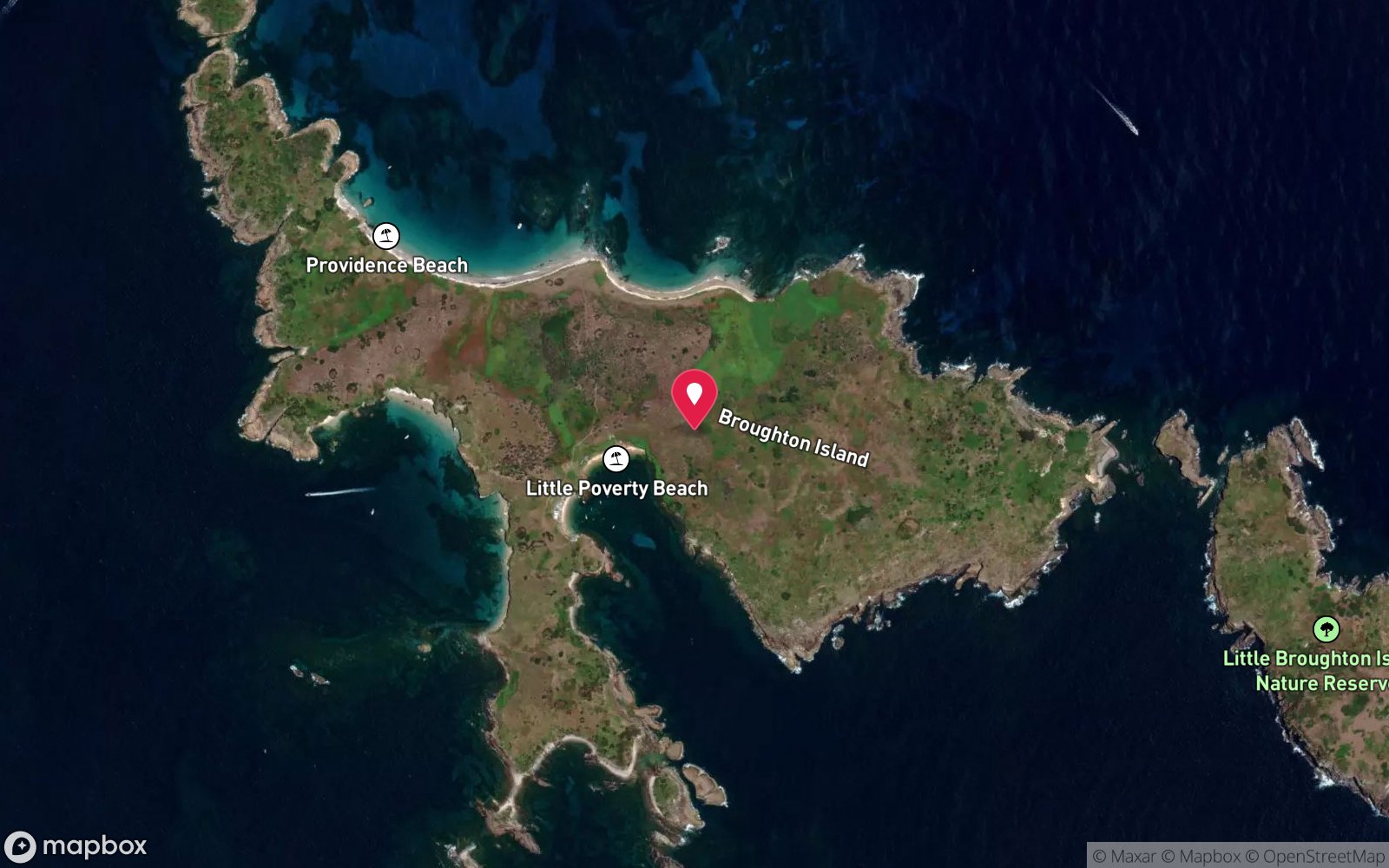
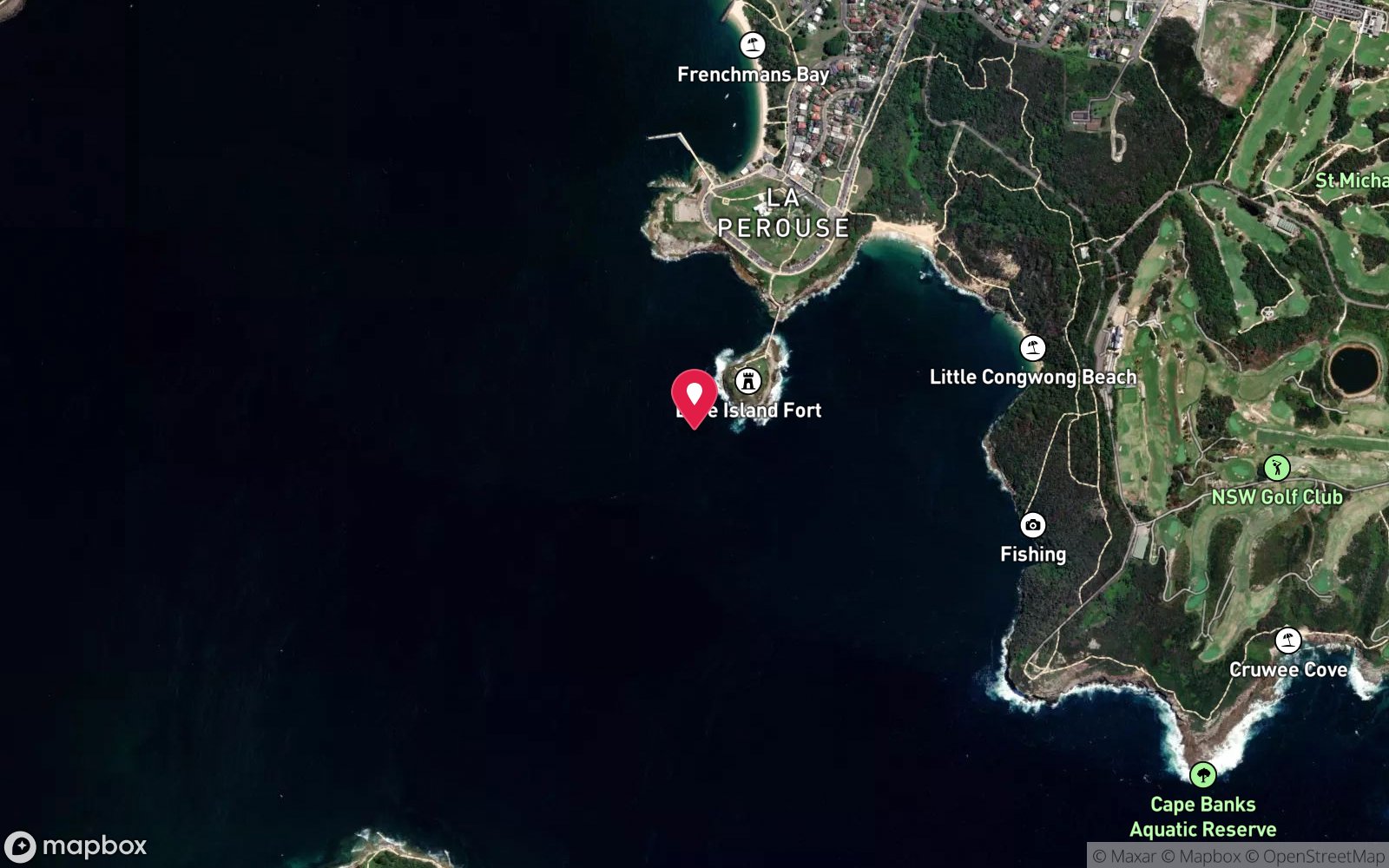
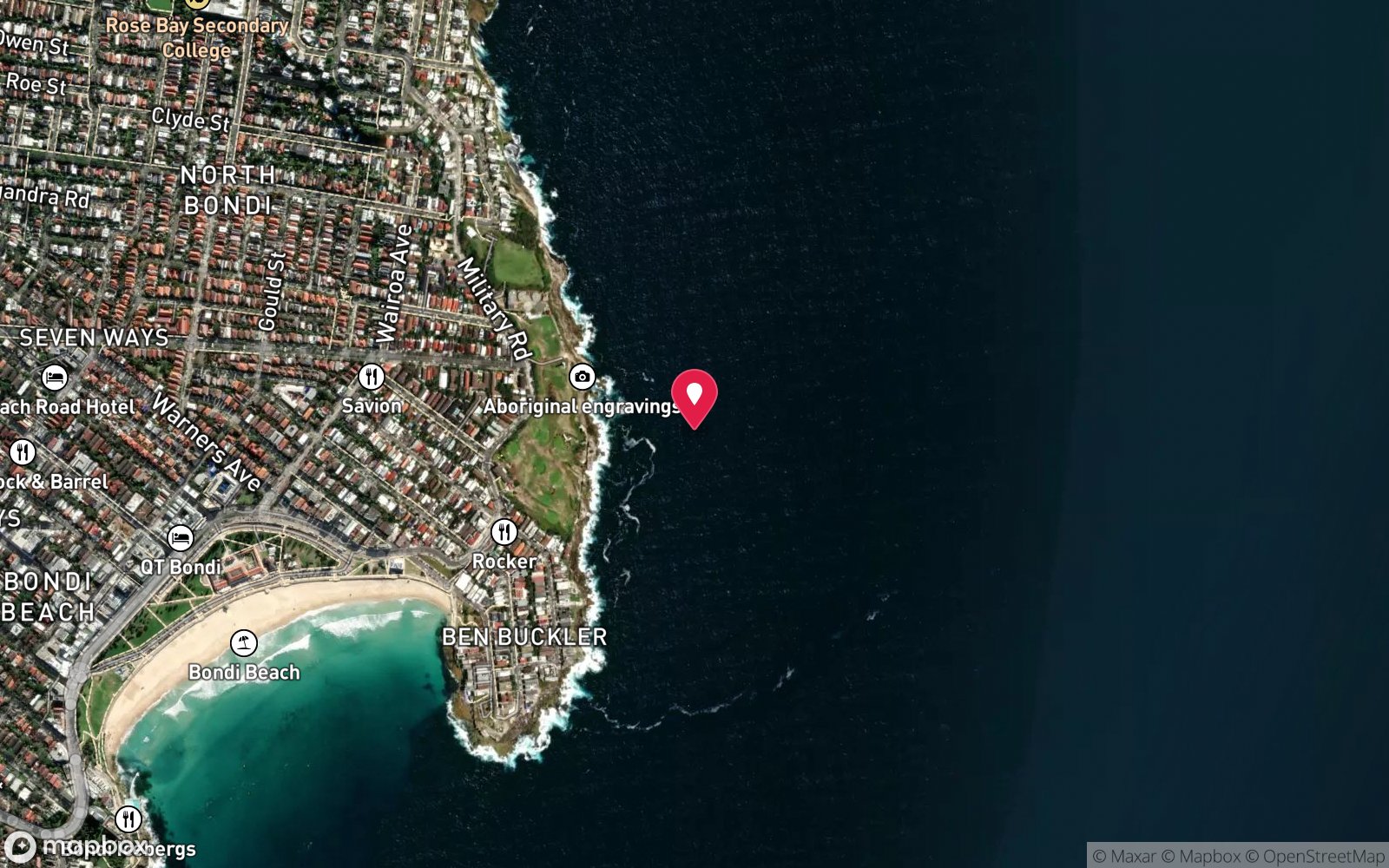
7 pinned sites. Pins marked approximate on their pages show the general area only; not for navigation.
Satellite views
Broughton Island – Looking Glass Wall: frequently asked questions
How deep is Broughton Island – Looking Glass Wall?
Broughton Island – Looking Glass Wall reaches a maximum depth of 40 m, with the shallowest part at about 15 m; most of the dive is spent around 25 m.
What certification do I need to dive Broughton Island – Looking Glass Wall?
Deep/Advanced + experience is the recommended minimum. This is a deep dive: plan gas, bottom time and a safety stop accordingly, and consider nitrox. Rated advanced because of depth to 40 m.
Can I shore dive Broughton Island – Looking Glass Wall?
No, it is reached by boat (about 50 minutes). A dive centre is required: boat access only.
When is the best time to dive Broughton Island – Looking Glass Wall?
Year-round, calm conditions preferred given the depth.
What marine life will I see at Broughton Island – Looking Glass Wall?
Regularly recorded: Eastern blue devil fish (rare, resident cave), sponges and soft corals, general reef fish, occasional grey nurse sharks.
What wetsuit do I need at Broughton Island – Looking Glass Wall?
3-5 mm steamer summer; 5-7 mm full suit or semi-dry winter.
How cold is the water at Broughton Island – Looking Glass Wall?
Typically 22-25 °C in summer and 17-20 °C in winter.
What are the main hazards at Broughton Island – Looking Glass Wall?
Depth to 40 m requires advanced training and good air consumption; plan a multi-level profile to manage no-decompression limits. See the hazards section above for the full list.
Where is the nearest recompression chamber to Broughton Island – Looking Glass Wall?
Prince of Wales Hospital (Randwick, Sydney) — John Hunter Hospital Newcastle has no recompression chamber. In an emergency call 000, then DAN Asia-Pacific on 1800 088 200.
Diving in Port Stephens
Port Stephens has two personalities. Inside the port, Fly Point and Halifax Park at Nelson Bay are world-class shore dives on the slack tide, with sponge gardens, frogfish, seahorses and huge schools of fish under a shipping channel. Outside, Broughton Island and Cabbage Tree Island have grey nurse shark gutters, caves and seals.
Getting there: Two and a half hours north of Sydney. Nelson Bay has several dive shops; Fly Point and Halifax have car parks and stair entries. Broughton Island is 40 minutes by boat.
Sources
- mudgeediveandtravel.com/nelson-bay---broughton-island.php
- diveplanit.com/dive-site/looking-glass-broughton-island
Data confidence: Medium · Being verified: GPS approximated adjacent to the Looking Glass; depth range from a single operator source.. Last updated September 2026. Know this site better? How to send a correction
Nearby dive sites
More wall dives in New South Wales
Explore more
This region