Dive slate · divesites.com.au · printed 8 Nov 2026
Cape Paterson (Bay Beach)
Bass Coast, Victoria · near Cape Paterson
| Depth | 2–10 m |
|---|---|
| Minimum level | Open Water |
| Difficulty | Beginner |
| Access | Shore |
| Entry | Walk in from Bay Beach beside the rock pool; steps from the Surf Beach Road car park |
| Current | Mild |
| Visibility | 5-12 m |
| Water | summer 17-20 °C, winter 11-14 °C |
| Suit | 7mm semi-dry with hood and gloves, or drysuit; drysuit preferred May-Nov |
| Best season | Year-round; late summer to autumn (Feb-May) gives the calmest seas, warmest water and best visibility |
| Bottom time | 50 min |
| Position | -38.67300, 145.61500 (approximate) |
| Permit | Outside Bunurong MNP (western boundary at Undertow Bay) – fishing regulations apply |
| Nearest chamber | The Alfred (Melbourne) |
| Emergency | 000 · DAN Asia-Pacific diving emergency 1800 088 200 |
Cape Paterson (Bay Beach)
Also known as Cape Paterson Bay Beach, Cape Paterson rock pool
A kelp-fringed bay behind a natural rock break at Cape Paterson – the Gippsland ocean coast's most sheltered shore dive, diveable even in southerly weather.
Near Cape Paterson · Bass Coast, Victoria
- Depth
- 2–10 m
- Minimum level
- Open Water
- Access
- Shore
- Boat ride
- Shore entry
- Water
- 17-20 °C
- Visibility
- 5-12 m
Cape Paterson (Bay Beach)2–10 m · Open Water · Shore
Dive factsDepths, conditions, location & safety
Season
Off-peak nowBest months: January, February, March, April, May, December.
Year-round; late summer to autumn (Feb-May) gives the calmest seas, warmest water and best visibility
- Best months
- Now (November)
Dive facts
- Depth
- 2–10 m
- Typical depth
- 5 m
- Certification
- Open Water
- Difficulty
- Beginner
- Depth tier
- Easy (0–10 m)
- Access
- Shore
- Offshore
- 0.1 km
- Dive centre needed
- No – independently diveable
- Shore / independent
- Yes
- Current
- Mild
- Visibility
- 5-12 m
- Water temp (summer)
- 17-20 °C
- Water temp (winter)
- 11-14 °C
- Water
- Temperate
- Bottom time
- 50 min
- Dive traffic
- Moderate (occasional charters/club dives)
- Night dive
- Possible
- Snorkel friendly
- Yes
Exposure suit
7mm semi-dry with hood and gloves, or drysuit; drysuit preferred May-Nov
Location
Cape Paterson · Bass Coast – Bunurong Coast
-38.67300, 145.61500
Approximate position — not for navigation.
Open in Google MapsPrimary source: melbourneplaygrounds.com.auMarine park & permits
Outside Bunurong MNP (western boundary at Undertow Bay) – fishing regulations apply
Nearest recompression chamber
The Alfred (Melbourne)
Diving emergency: call 000, then DAN AP 1800 088 200.
Trip planner
Build a trip around Cape Paterson (Bay Beach) →
A day-by-day plan for Bass Coast with this site locked in.
This guide is a planning aid. Conditions change daily — confirm with a local dive centre and dive within your training. Data & safety notes.
Dive profile
How this site rates
Scores are computed from the recorded data, not opinions. How?
At a glance
Cape Paterson (Bay Beach) is a shore / rock platform shore dive you can do independently in Bass Coast, VIC, 2–10 m, suited to Open Water divers.
Rated beginner: sheltered, shallow and manageable for a newly certified diver on a normal day, though note surge on the entry or in the shallows and cold water.
Why dive here
- A kelp-fringed bay behind a natural rock break at Cape Paterson – the Gippsland ocean coast's most sheltered shore dive, diveable even in southerly weather.
- Snorkel-friendly, so non-diving companions can join at the surface.
About Cape Paterson (Bay Beach)
Cape Paterson's Bay Beach is the most sheltered shore dive and snorkel on the Gippsland ocean coast, a small bay at the eastern end of the village enclosed by a natural rock break that, in the Bass Coast diving guide's words, prevents waves from entering, with kelp gardens inside and beyond it and a large sea-water rock pool built into the platform at its edge. It sits at the western end of the Bunurong Coastal Drive, immediately outside the marine national park's western boundary at Undertow Bay, and it is where families snorkel, schools train and new divers do their first ocean dives on this coast. Inside the break the bay floor is sand at 2–4 m with rock and kelp along its edges – wrasse, leatherjackets, zebrafish, sea stars, sea hares, crabs, abalone and cuttlefish are easily seen at snorkel depth – and through the gap the reef continues as sandstone shelves and gutters under kelp to about 10 m, with sweep, morwong, old wives, Port Jackson sharks and stingarees in the gutters, crayfish in the ledges and the marine park's invertebrate colour on the walls.
The sheltered aspect means it is often diveable in southerly winds when Eagles Nest, Shack Bay and Twin Reefs are unworkable, which makes it the reliable fallback for a Bunurong dive weekend, and its facilities – car park, toilets, a general store and cafe in the village and a caravan park – are the best on the coast. Its limitations are its modest depth and summer crowds, which stir the sand and reduce visibility. Cape Paterson Bay Beach suits beginners, snorkellers and training, and it gives every diver on this coast a place to get wet when the swell says no everywhere else.
Fishing rules apply here (outside the no-take park), and the rock pool itself is for swimming.
Getting there & entry
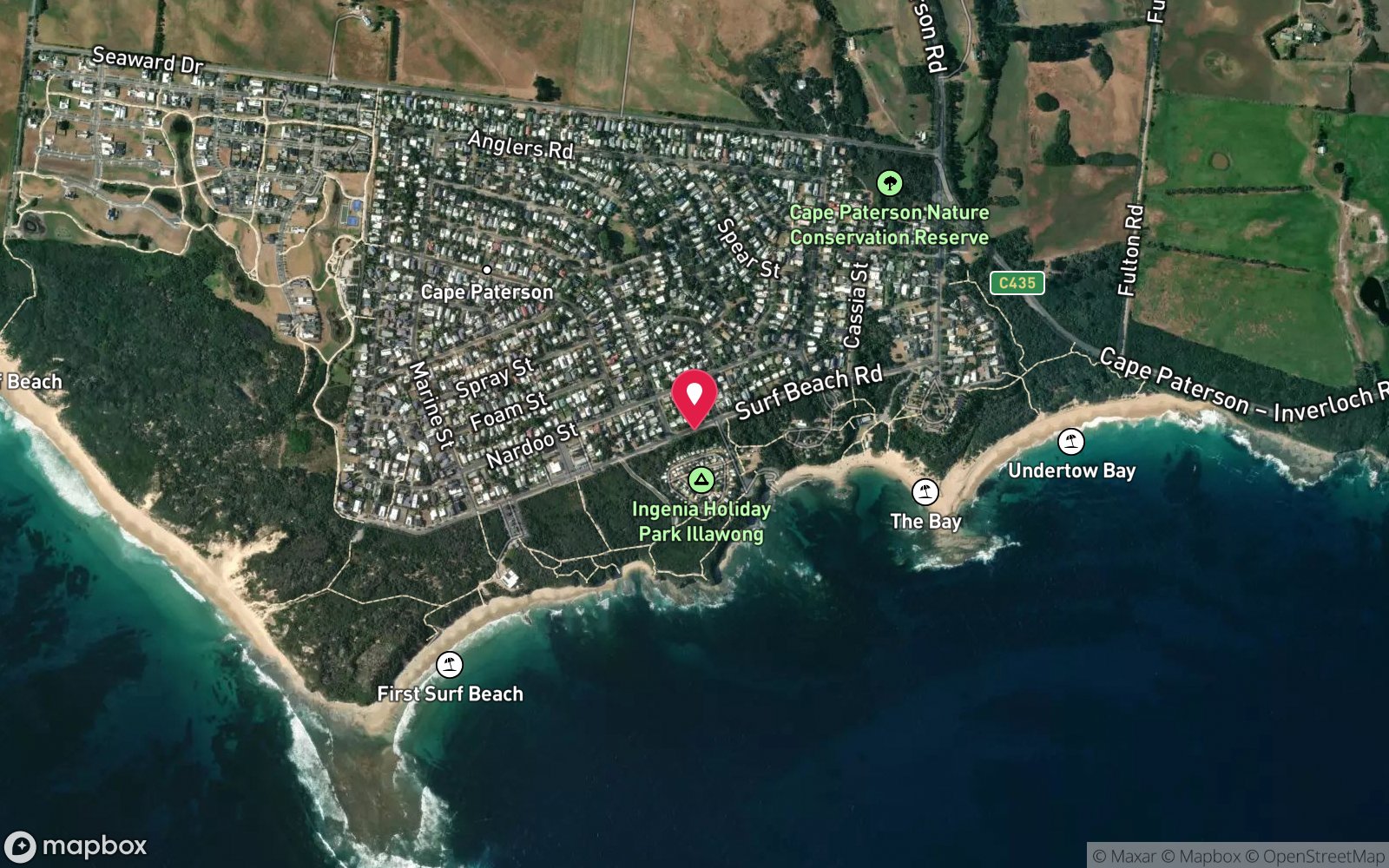
Sheltered bay beach and kelp reef behind a natural rock break at Cape Paterson, south of Wonthaggi, at the western end of the Bunurong Coastal Drive.
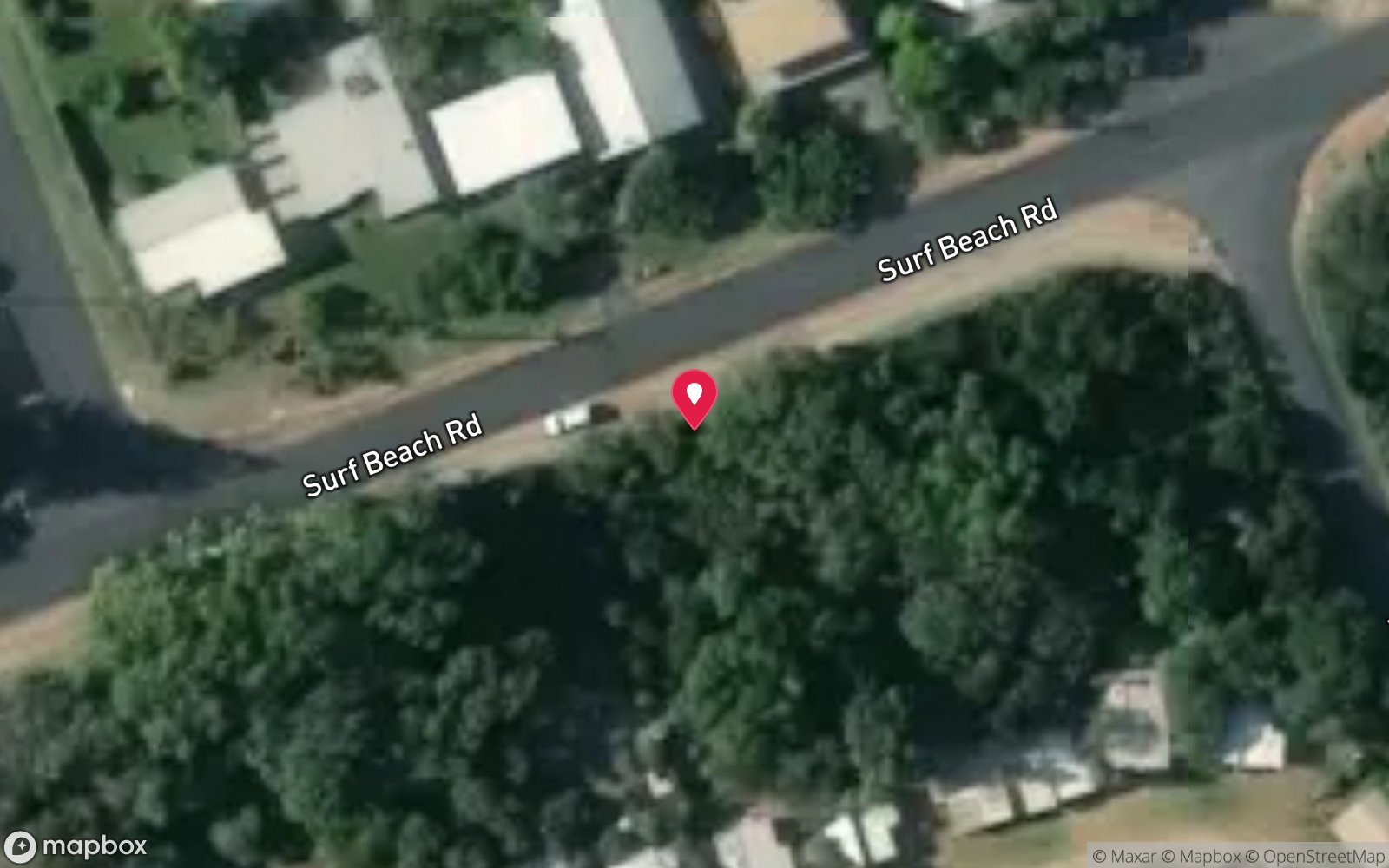
Cape Paterson is 135 km (1 hr 50 min) from Melbourne via the Bass Highway to Wonthaggi, then Cape Paterson Road south for 9 km. Bay Beach is at the eastern end of the village, reached from the car park at the end of Surf Beach Road/Bay Beach car park, with steps down to the sand – a 2–5 minute carry. Enter off the sand beside the sea-water rock pool and swim out through the gap in the natural rock break to the kelp reef beyond; exit onto the same beach.
The patrolled First Surf Beach is a few hundred metres west.
Entry: Walk in from Bay Beach beside the rock pool; steps from the Surf Beach Road car park
Facilities: Bay Beach car park with steps, public toilets, sea-water rock pool; general store, cafe and caravan park in Cape Paterson village; sites are dived by independent divers and Melbourne/Gippsland clubs (SEADS – South East Australian Dive Society, Dive La Trobe, VSAG). Nearest air fills in Melbourne's south-east or by arrangement in the Latrobe Valley.
Weather, swell & tides
More sheltered than anywhere else on this coast because a natural rock break across the mouth of the bay prevents most waves from entering – the Bass Coast guide notes it is best in southerly winds, when the surf beaches are blown out, though a northerly is also fine. Occasional rips form at the gap in the break in larger swell, and crowding by swimmers and snorkellers in summer reduces visibility. High tide gives the most water over the inner reef.
Year-round; a good winter site on calm days.
Best season: Year-round; late summer to autumn (Feb-May) gives the calmest seas, warmest water and best visibility
If it's blown out
Sheltered or shore sites within 25 km that often work when Cape Paterson (Bay Beach) doesn't.
- Shack Bay · 3 km · Max 12 m
- Harmers Haven · 4 km · Max 8 m
- The Caves (Bunurong) · 6 km · Max 8 m
- Flat Rocks (Inverloch) · 7 km · Max 10 m
How the dive is usually run
Enter off Bay Beach, cross the sandy floor of the bay at 2–4 m and pass through the gap in the rock break to the kelp reef outside, working along it with the rocks on one shoulder to 6–10 m. Turn at half gas or if swell increases at the gap, return through the gap and finish in the bay; snorkellers stay inside the break over the kelp and rock pool.
Marine life
- Wrasse
- leatherjackets
- zebrafish
- sweep
- morwong
- old wives
- Port Jackson sharks →
- stingarees
- southern rock lobster
- abalone
- cuttlefish →
- sea stars
- sea hares
- crabs
- kelp
Linked species have their own page listing every site where they are recorded. All marine life →
Training required
Shallow enough for snorkellers and for a first dive under supervision. Any certified diver can dive it.
Courses that help here
- Drysuit Diver – Cold water; locals dive dry for much of the year.
Depth tiers: 0–10 m easy · to 18 m Open Water · 18–30 m Advanced (25 m+ is a deep dive) · 30–40 m Deep specialty · 40 m+ technical. All courses
Hazards & warnings
Rips at the gap in the rock break in larger swell; crowds of swimmers and snorkellers in summer; surge on the outer reef; shallow; watch for boats using the bay in calm weather.
Dive centres that go here
No dive shop on the Bunurong coast; sites are dived by independent divers and Melbourne/Gippsland clubs (SEADS – South East Australian Dive Society, Dive La Trobe, VSAG). Nearest air fills in Melbourne's south-east or by arrangement in the Latrobe Valley.
Operators recorded for Cape Paterson (Bay Beach)
Scubabo Dive Victoria (Dive Victoria Group)
Named by sitesQueenscliff · Port Phillip Heads · VIC
Rebranded as Scubabo Dive Victoria, Queenscliff; dive.scubabo.com is live for 2026 with active charter bookings.
dive.scubabo.com · (03) 5258 1188
VSAG
Named by sitesWilsons Promontory · VIC
Victorian Sub-Aqua Group, a non-commercial dive club (est. 1954), not a shop or charter.
vsag.org.au
Dive La Trobe
Named by sitesBundoora · Wilsons Promontory · VIC
University dive club (est. 1968), not a shop; runs SDI courses.
divelatrobe.org.au
SEADS
Named by sitesBass Coast · VIC
No entity called SEADS found; the closest match is a South East Dive Facebook page at Cape Woolamai.
Map
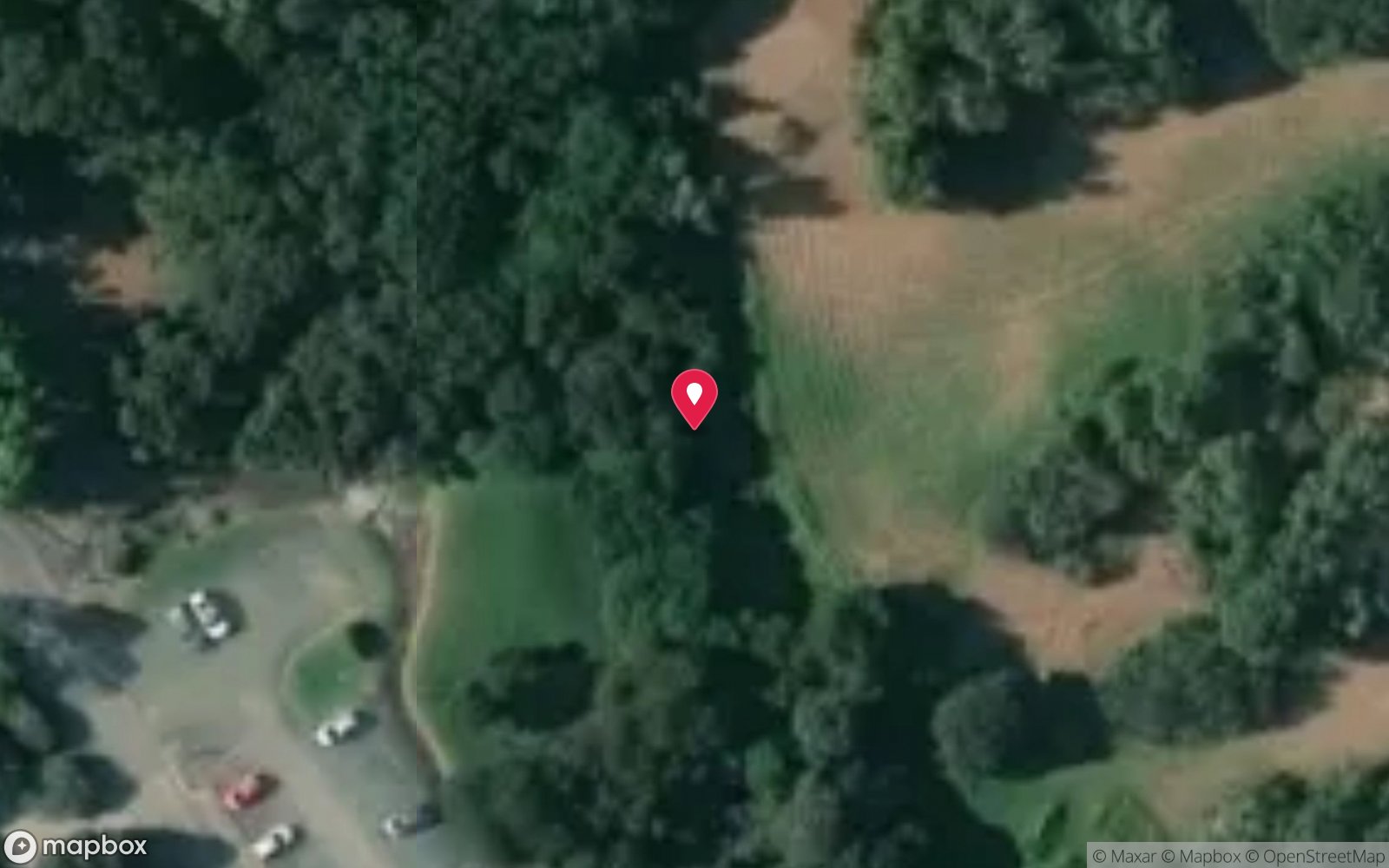
7 pinned sites. Pins marked approximate on their pages show the general area only; not for navigation.
Satellite views
Cape Paterson (Bay Beach): frequently asked questions
How deep is Cape Paterson (Bay Beach)?
Cape Paterson (Bay Beach) reaches a maximum depth of 10 m, with the shallowest part at about 2 m; most of the dive is spent around 5 m.
What certification do I need to dive Cape Paterson (Bay Beach)?
Open Water is the recommended minimum. Rated beginner: sheltered, shallow and manageable for a newly certified diver on a normal day, though note surge on the entry or in the shallows and cold water.
Can I shore dive Cape Paterson (Bay Beach)?
Yes. Cape Paterson (Bay Beach) is a shore dive that can be done independently: walk in from Bay Beach beside the rock pool; steps from the Surf Beach Road car park.
When is the best time to dive Cape Paterson (Bay Beach)?
Year-round; late summer to autumn (Feb-May) gives the calmest seas, warmest water and best visibility.
What marine life will I see at Cape Paterson (Bay Beach)?
Regularly recorded: Wrasse, leatherjackets, zebrafish, sweep, morwong, old wives, Port Jackson sharks, stingarees, southern rock lobster, abalone, cuttlefish, sea stars and more.
What wetsuit do I need at Cape Paterson (Bay Beach)?
7mm semi-dry with hood and gloves, or drysuit; drysuit preferred May-Nov.
How cold is the water at Cape Paterson (Bay Beach)?
Typically 17-20 °C in summer and 11-14 °C in winter.
What are the main hazards at Cape Paterson (Bay Beach)?
Rips at the gap in the rock break in larger swell; crowds of swimmers and snorkellers in summer; surge on the outer reef; shallow; watch for boats using the bay in calm weather. See the hazards section above for the full list.
Where is the nearest recompression chamber to Cape Paterson (Bay Beach)?
The Alfred (Melbourne). In an emergency call 000, then DAN Asia-Pacific on 1800 088 200.
Diving in Bass Coast
Between Phillip Island and the Prom, Inverloch, Cape Paterson and Kilcunda have shallow reef shore dives and the Bunurong Marine Park's rock pools and ledges, dived on calm days by locals.
Getting there: Two hours from Melbourne; shore entries.
Sources
- parks.vic.gov.au/places-to-see/parks/bunurong-marine-national-park
- parks.vic.gov.au/places-to-see/parks/yallock-bulluk-marine-and-coastal-park/attractions/cape-paterson---inverloch
- melbourneplaygrounds.com.au/bass-coast-diving-and-snorkelling-guide
Data confidence: Medium · Being verified: Coordinates approximate; depths estimated. Last updated September 2026. Know this site better? How to send a correction
Nearby dive sites
More shore dives in Victoria
Explore more
This region