Dive slate · divesites.com.au · printed 8 Nov 2026
Flat Rocks (Inverloch)
Bass Coast, Victoria · near Inverloch
| Depth | 2–10 m |
|---|---|
| Minimum level | Open Water |
| Difficulty | Intermediate |
| Access | Shore |
| Entry | Track from the Flat Rocks car park to the platform and beach; gully or beach entry at high tide |
| Current | Moderate |
| Visibility | 5-12 m |
| Water | summer 17-20 °C, winter 11-14 °C |
| Suit | 7mm semi-dry with hood and gloves, or drysuit; drysuit preferred May-Nov |
| Best season | Year-round; late summer to autumn (Feb-May) gives the calmest seas, warmest water and best visibility |
| Bottom time | 45 min |
| Position | -38.64800, 145.69000 (approximate) |
| Permit | Outside Bunurong MNP (boundary at Eagles Nest) – Yallock-Bulluk Marine and Coastal Park on land; fishing regulations apply |
| Nearest chamber | The Alfred (Melbourne) |
| Emergency | 000 · DAN Asia-Pacific diving emergency 1800 088 200 |
Flat Rocks (Inverloch)
Also known as Flat Rocks reef
A broad, low sandstone shelf with shallow gutters at the western end of Inverloch's beach; the town's nearest and gentlest reef snorkel and dive.
Near Inverloch · Bass Coast, Victoria
- Depth
- 2–10 m
- Minimum level
- Open Water
- Access
- Shore
- Boat ride
- Shore entry
- Water
- 17-20 °C
- Visibility
- 5-12 m
Flat Rocks (Inverloch)2–10 m · Open Water · Shore
Dive factsDepths, conditions, location & safety
Season
Off-peak nowBest months: January, February, March, April, May, December.
Year-round; late summer to autumn (Feb-May) gives the calmest seas, warmest water and best visibility
- Best months
- Now (November)
Dive facts
- Depth
- 2–10 m
- Typical depth
- 5 m
- Certification
- Open Water
- Difficulty
- Intermediate
- Depth tier
- Easy (0–10 m)
- Access
- Shore
- Offshore
- 0.2 km
- Dive centre needed
- No – independently diveable
- Shore / independent
- Yes
- Current
- Moderate
- Visibility
- 5-12 m
- Water temp (summer)
- 17-20 °C
- Water temp (winter)
- 11-14 °C
- Water
- Temperate
- Bottom time
- 45 min
- Dive traffic
- Moderate (occasional charters/club dives)
- Night dive
- Possible
- Snorkel friendly
- Yes
Exposure suit
7mm semi-dry with hood and gloves, or drysuit; drysuit preferred May-Nov
Location
Inverloch surf coast · Bass Coast – Bunurong Coast
-38.64800, 145.69000
Approximate position — not for navigation.
Open in Google MapsPrimary source: melbourneplaygrounds.com.auMarine park & permits
Outside Bunurong MNP (boundary at Eagles Nest) – Yallock-Bulluk Marine and Coastal Park on land; fishing regulations apply
Nearest recompression chamber
The Alfred (Melbourne)
Diving emergency: call 000, then DAN AP 1800 088 200.
Trip planner
Build a trip around Flat Rocks (Inverloch) →
A day-by-day plan for Bass Coast with this site locked in.
This guide is a planning aid. Conditions change daily — confirm with a local dive centre and dive within your training. Data & safety notes.
Dive profile
How this site rates
Scores are computed from the recorded data, not opinions. How?
At a glance
Flat Rocks (Inverloch) is a shore / rock platform shore dive you can do independently in Bass Coast, VIC, 2–10 m, suited to Open Water divers, moderate current.
Rated intermediate because of surge on the entry or in the shallows, cold water.
Why dive here
- A broad, low sandstone shelf with shallow gutters at the western end of Inverloch's beach; the town's nearest and gentlest reef snorkel and dive.
- Snorkel-friendly, so non-diving companions can join at the surface.
About Flat Rocks (Inverloch)
Flat Rocks is the long, low sandstone platform at the western end of Inverloch's ocean beach, named among the popular snorkelling areas of the Bunurong coast alongside Eagles Nest and Shack Bay, and the closest of the coast's rock-platform sites to the town. Parks Victoria lists it for exploring the shore and rock pools; for divers and snorkellers it offers, at high tide on a calm northerly morning, an easy reef in 2–10 m running out from the platform edge. The rock is the same layered Cretaceous sandstone as the rest of the coast, but here it lies flatter and lower, so the reef is a broad shelf cut by shallow gutters rather than the deep ledges of Twin Reefs, and the diving is correspondingly gentler: kelp and mixed algae on the shelf, sea stars, anemones, crabs, sea hares and nudibranchs in the gutters, blue-throat wrasse, zebrafish, sweep, leatherjackets and juvenile morwong over the reef, and stingarees and flathead on the sand between the platform fingers.
Port Jackson sharks and small crayfish use the few deeper ledges on the outer edge. Flat Rocks lies just outside the marine national park (which starts at Eagles Nest), so fishing and collecting are legal here, and the platform is popular with anglers and rock-poolers. Its value for divers is accessibility – a short drive from Inverloch, a short walk, and a reef that is diveable and snorkelable on days when the more exposed park sites are marginal – and it is a good place to learn the coast's high-tide, northerly-wind rhythm before tackling Eagles Nest or Twin Reefs.
The beach either side is a surf beach and unpatrolled at this end; rips run against the platform in any swell.
Getting there & entry
Extensive flat sandstone platform and reef at the western end of Inverloch's surf beach on the Bunurong Coastal Drive, between the Inverloch Surf Life Saving Club and The Caves.
From Inverloch take the Bunurong Coastal Drive west about 2.5 km to the Flat Rocks car park (signposted). A short track leads to the platform and the adjacent sand – a 5-minute carry. Enter through a gully in the platform or off the sand at its edge at high tide and swim out over the reef; exit the same way.
The Inverloch surf beach and SLSC are 1 km east with toilets and parking.
Entry: Track from the Flat Rocks car park to the platform and beach; gully or beach entry at high tide
Facilities: Flat Rocks car park; toilets and parking at Inverloch SLSC 1 km east; cafes and shops in Inverloch; sites are dived by independent divers and Melbourne/Gippsland clubs (SEADS – South East Australian Dive Society, Dive La Trobe, VSAG). Nearest air fills in Melbourne's south-east or by arrangement in the Latrobe Valley.
Weather, swell & tides
The Bunurong coast faces south-west into Bass Strait and is a surf coast; shore diving is only possible on a northerly or north-easterly wind with swell under about 1 m, at or near high tide for depth over the platforms, and preferably early in the morning. Parks Victoria warns of strong currents and undertows, large unexpected waves and sudden swell changes, so watch the forecast for the day, not just the morning. Visibility is best in autumn after settled weather and drops for days after a south-westerly blow.
Year-round in principle; autumn most reliable.
Best season: Year-round; late summer to autumn (Feb-May) gives the calmest seas, warmest water and best visibility
If it's blown out
Sheltered or shore sites within 25 km that often work when Flat Rocks (Inverloch) doesn't.
- The Caves (Bunurong) · 2 km · Max 8 m
- Shack Bay · 4 km · Max 12 m
- Cape Paterson (Bay Beach) · 7 km · Max 10 m
- Harmers Haven · 10 km · Max 8 m
How the dive is usually run
Enter at high tide, swim out over the platform edge and follow a gutter seaward to 6–10 m, working along the outer reef edge with the shore on one shoulder; turn at half gas and return along an inner gutter, exiting at the same point before the tide drops.
Marine life
- Blue-throat wrasse
- zebrafish
- sweep
- leatherjackets
- juvenile morwong
- Port Jackson sharks →
- small southern rock lobster
- sea stars
- anemones
- sea hares
- nudibranchs →
- crabs
- stingarees
- flathead
- kelp
Linked species have their own page listing every site where they are recorded. All marine life →
Training required
Shallow enough for snorkellers and for a first dive under supervision. Any certified diver can dive it.
Courses that help here
- Drysuit Diver – Cold water; locals dive dry for much of the year.
Depth tiers: 0–10 m easy · to 18 m Open Water · 18–30 m Advanced (25 m+ is a deep dive) · 30–40 m Deep specialty · 40 m+ technical. All courses
Hazards & warnings
Rips against the platform in any swell; surf beach – unpatrolled at this end; slippery platform; shallow surge; anglers' lines on the platform; dive at high tide on a northerly only.
Dive centres that go here
No dive shop on the Bunurong coast; sites are dived by independent divers and Melbourne/Gippsland clubs (SEADS – South East Australian Dive Society, Dive La Trobe, VSAG). Nearest air fills in Melbourne's south-east or by arrangement in the Latrobe Valley.
Operators recorded for Flat Rocks (Inverloch)
Scubabo Dive Victoria (Dive Victoria Group)
Named by sitesQueenscliff · Port Phillip Heads · VIC
Rebranded as Scubabo Dive Victoria, Queenscliff; dive.scubabo.com is live for 2026 with active charter bookings.
dive.scubabo.com · (03) 5258 1188
VSAG
Named by sitesWilsons Promontory · VIC
Victorian Sub-Aqua Group, a non-commercial dive club (est. 1954), not a shop or charter.
vsag.org.au
Dive La Trobe
Named by sitesBundoora · Wilsons Promontory · VIC
University dive club (est. 1968), not a shop; runs SDI courses.
divelatrobe.org.au
SEADS
Named by sitesBass Coast · VIC
No entity called SEADS found; the closest match is a South East Dive Facebook page at Cape Woolamai.
Map
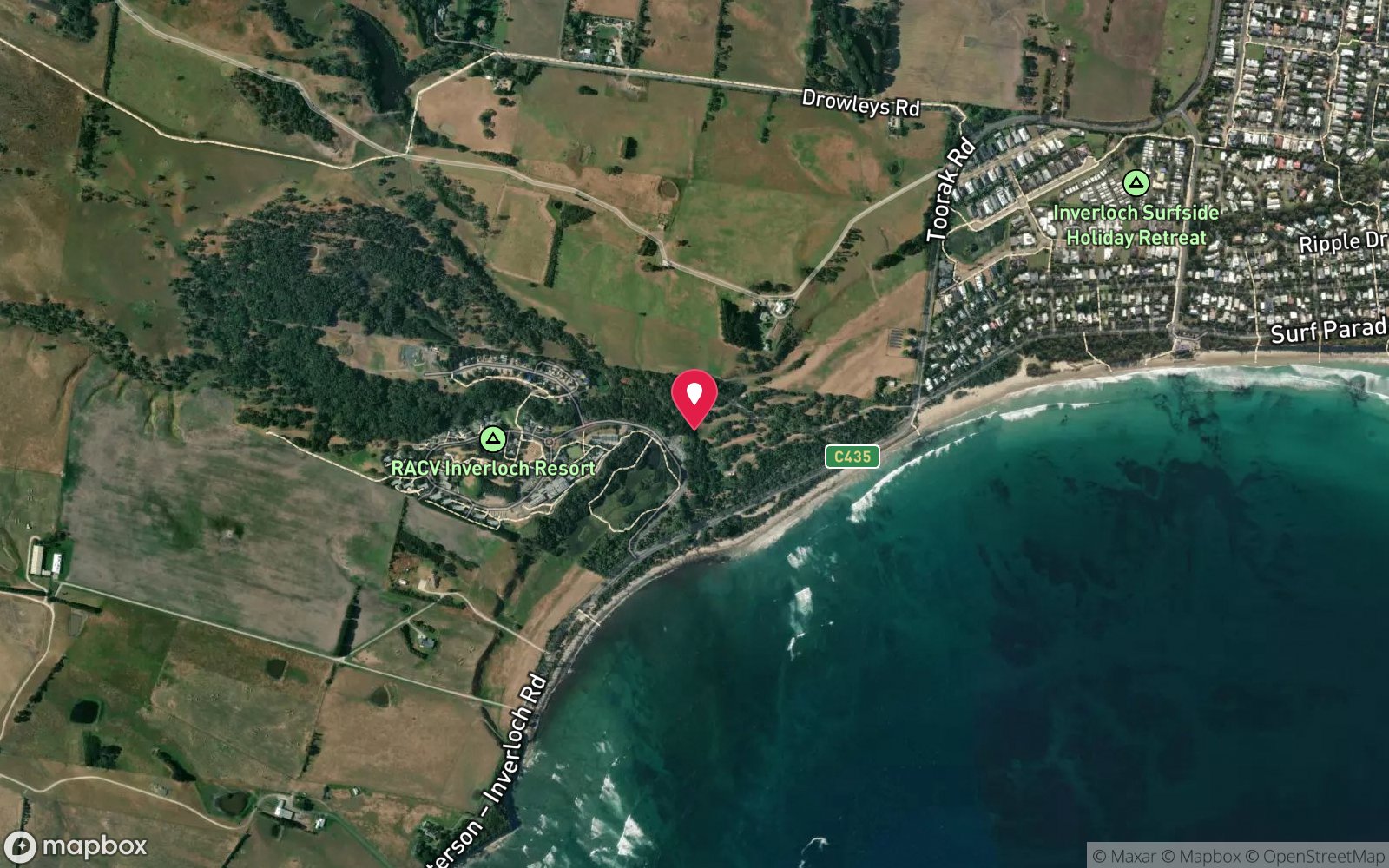
7 pinned sites. Pins marked approximate on their pages show the general area only; not for navigation.
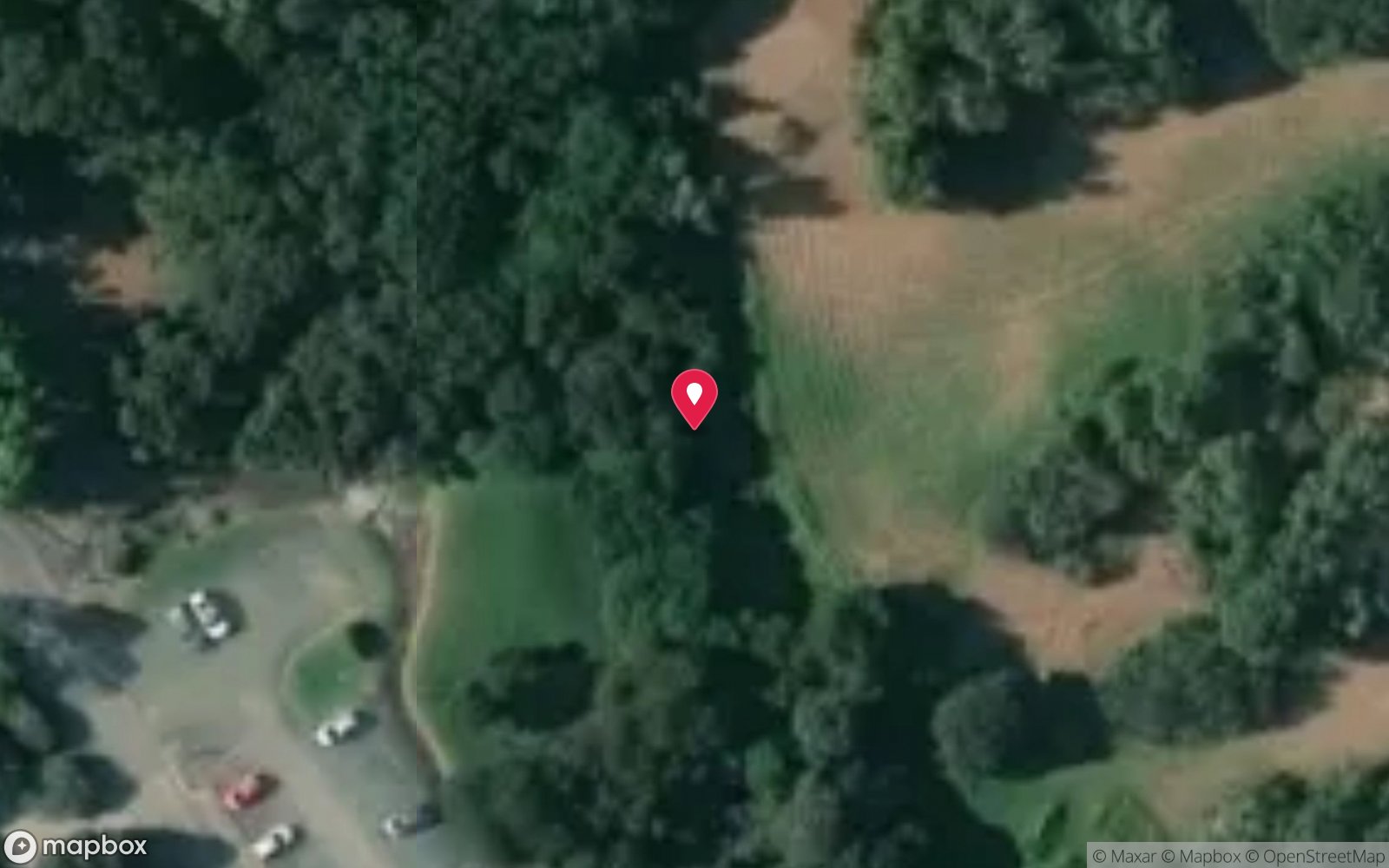
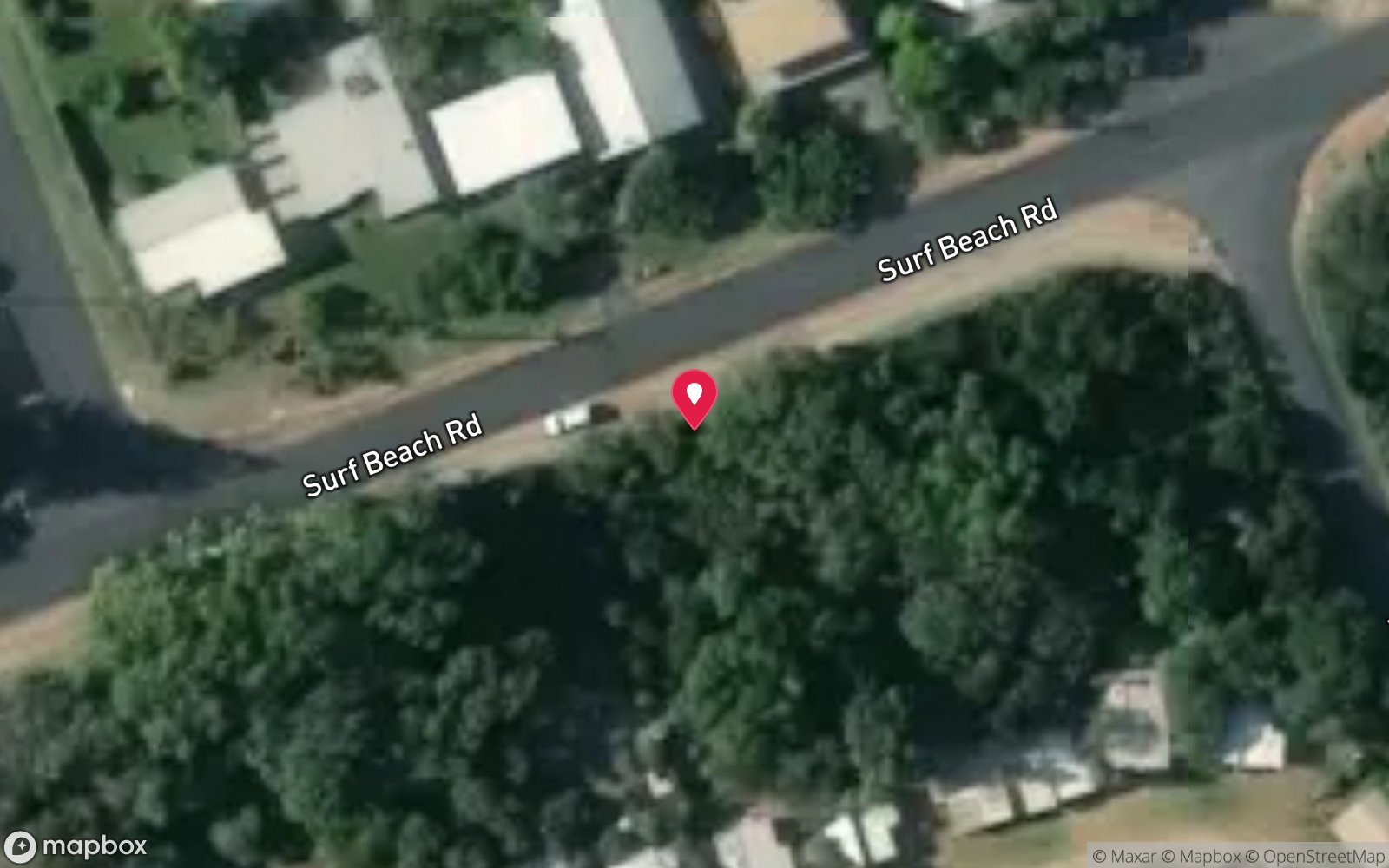
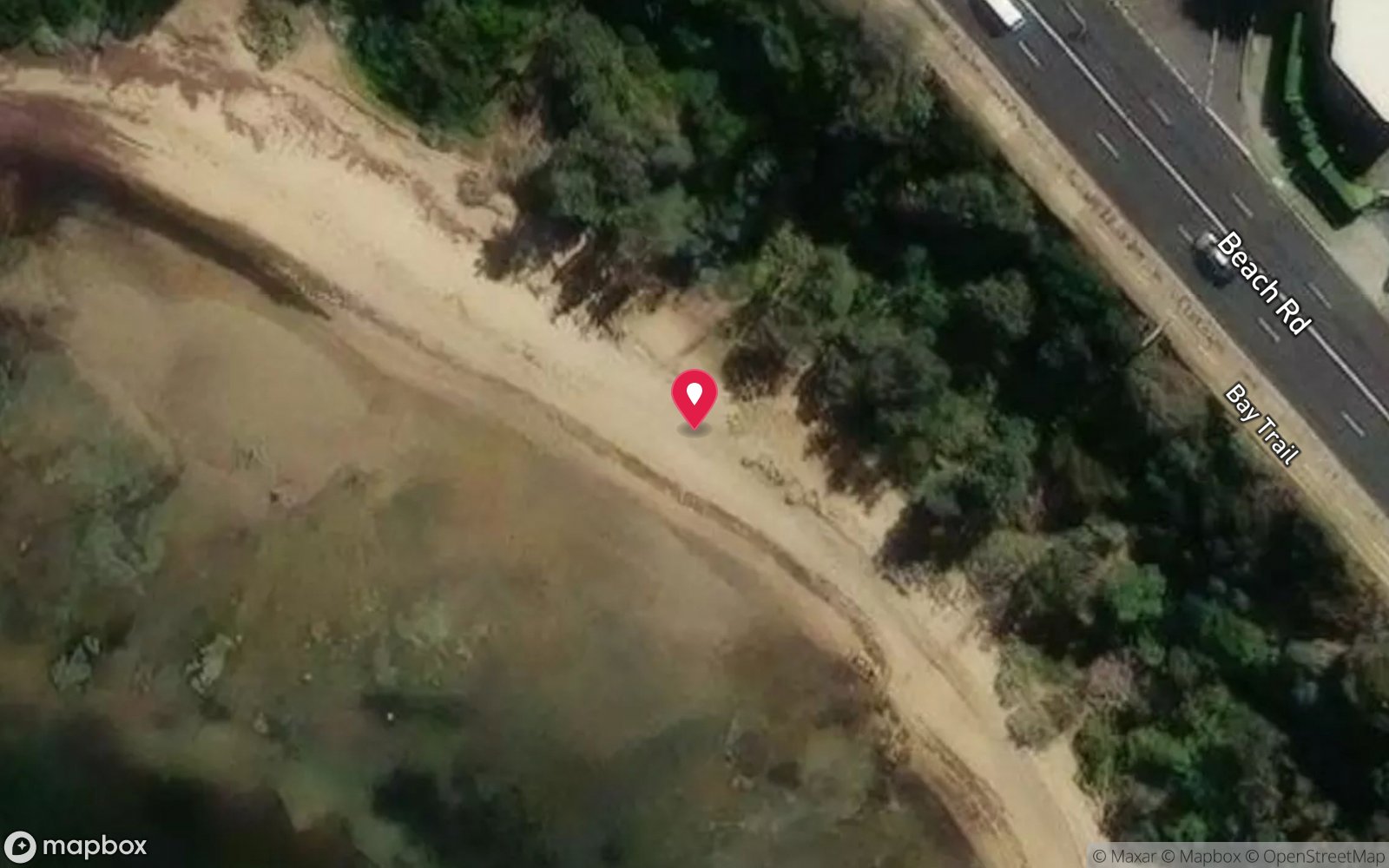
Satellite views
Flat Rocks (Inverloch): frequently asked questions
How deep is Flat Rocks (Inverloch)?
Flat Rocks (Inverloch) reaches a maximum depth of 10 m, with the shallowest part at about 2 m; most of the dive is spent around 5 m.
What certification do I need to dive Flat Rocks (Inverloch)?
Open Water is the recommended minimum. Rated intermediate because of surge on the entry or in the shallows, cold water.
Can I shore dive Flat Rocks (Inverloch)?
Yes. Flat Rocks (Inverloch) is a shore dive that can be done independently: track from the Flat Rocks car park to the platform and beach; gully or beach entry at high tide.
When is the best time to dive Flat Rocks (Inverloch)?
Year-round; late summer to autumn (Feb-May) gives the calmest seas, warmest water and best visibility.
What marine life will I see at Flat Rocks (Inverloch)?
Regularly recorded: Blue-throat wrasse, zebrafish, sweep, leatherjackets, juvenile morwong, Port Jackson sharks, small southern rock lobster, sea stars, anemones, sea hares, nudibranchs, crabs and more.
What wetsuit do I need at Flat Rocks (Inverloch)?
7mm semi-dry with hood and gloves, or drysuit; drysuit preferred May-Nov.
How cold is the water at Flat Rocks (Inverloch)?
Typically 17-20 °C in summer and 11-14 °C in winter.
What are the main hazards at Flat Rocks (Inverloch)?
Rips against the platform in any swell; surf beach – unpatrolled at this end; slippery platform; shallow surge; anglers' lines on the platform; dive at high tide on a northerly only. See the hazards section above for the full list.
Where is the nearest recompression chamber to Flat Rocks (Inverloch)?
The Alfred (Melbourne). In an emergency call 000, then DAN Asia-Pacific on 1800 088 200.
Diving in Bass Coast
Between Phillip Island and the Prom, Inverloch, Cape Paterson and Kilcunda have shallow reef shore dives and the Bunurong Marine Park's rock pools and ledges, dived on calm days by locals.
Getting there: Two hours from Melbourne; shore entries.
Sources
- parks.vic.gov.au/places-to-see/parks/bunurong-marine-national-park
- parks.vic.gov.au/places-to-see/parks/yallock-bulluk-marine-and-coastal-park/attractions/cape-paterson---inverloch
- melbourneplaygrounds.com.au/bass-coast-diving-and-snorkelling-guide
Data confidence: Low · Being verified: Coordinates approximate; depths and marine life inferred from adjacent sites. Last updated September 2026. Know this site better? How to send a correction
Nearby dive sites
More shore dives in Victoria
Explore more
This region
Similar dives