Dive slate · divesites.com.au · printed 9 Nov 2026
Dunk Island
Mission Beach & Cassowary Coast, Queensland · near Mission Beach
| Depth | 1–10 m |
|---|---|
| Minimum level | Snorkel/Any |
| Difficulty | Beginner |
| Access | Shore or Boat |
| Entry | Beach entry from Brammo Bay or Muggy Muggy Beach, or from a tour boat |
| Current | Mild |
| Visibility | 3-10 m |
| Water | summer 27-30 °C, winter 23-25 °C |
| Suit | 3 mm full wetsuit or shorty in summer (27-30 °C); 3-5 mm full wetsuit in winter (23-25 °C); full-length lycra or stinger suit strongly advised November-May and supplied free by most operators |
| Best season | Year-round. June-November gives the most reliable visibility and no box-jellyfish season, though the south-east trades can blow 20-25 knots in winter; September-December usually has the calmest seas; December-April is the warm, wet stinger and cyclone season |
| Bottom time | 45 min |
| Position | -17.94000, 146.15000 (approximate) |
| Permit | Great Barrier Reef Marine Park and World Heritage Area – check GBRMPA zoning; Family Islands National Park on land (camping permits required); seabird-breeding restrictions 1 October-31 March around some islets |
| Nearest chamber | Townsville University Hospital Hyperbaric Medicine Unit (Townsville) – Cairns Hospital has no recompression chamber; divers are evacuated by RFDS/air ambulance |
| Emergency | 000 · DAN Asia-Pacific diving emergency 1800 088 200 |
Dunk Island
Also known as Coonanglebah, Brammo Bay, Muggy Muggy Beach
An easy, scenic snorkel from national-park beaches 4 km off Mission Beach, with turtles and fringing coral.
Near Mission Beach · Mission Beach & Cassowary Coast, Queensland
- Depth
- 1–10 m
- Minimum level
- Snorkel/Any
- Access
- Shore or Boat
- Boat ride
- ~15 min
- Water
- 27-30 °C
- Visibility
- 3-10 m
Dunk Island1–10 m · Snorkel/Any · Shore
Dive factsDepths, conditions, location & safety
Season
In season nowBest months: January, February, March, April, June, July, August, September, October, November, December.
Year-round. June-November gives the most reliable visibility and no box-jellyfish season, though the south-east trades can blow 20-25 knots in winter; September-December usually has the calmest seas; December-April is the warm, wet stinger and cyclone season
- Best months
- Now (November)
- Stinger suit Nov–May
Dive facts
- Depth
- 1–10 m
- Typical depth
- 4 m
- Certification
- Snorkel/Any
- Difficulty
- Beginner
- Depth tier
- Easy (0–10 m)
- Access
- Shore or Boat
- Offshore
- 4 km
- Dive centre needed
- Recommended
- Shore / independent
- Possible (experienced only)
- Boat ride
- ~15 min
- Current
- Mild
- Visibility
- 3-10 m
- Water temp (summer)
- 27-30 °C
- Water temp (winter)
- 23-25 °C
- Water
- Tropical
- Bottom time
- 45 min
- Dive traffic
- Moderate (occasional charters/club dives)
- Night dive
- No
- Snorkel friendly
- Yes
Exposure suit
3 mm full wetsuit or shorty in summer (27-30 °C); 3-5 mm full wetsuit in winter (23-25 °C); full-length lycra or stinger suit strongly advised November-May and supplied free by most operators
Location
Family Islands · Cassowary Coast – Mission Beach, Innisfail & Hinchinbrook
-17.94000, 146.15000
Approximate position — not for navigation.
Open in Google MapsPrimary source: dunkisland.comMarine park & permits
Great Barrier Reef Marine Park and World Heritage Area – check GBRMPA zoning; Family Islands National Park on land (camping permits required); seabird-breeding restrictions 1 October-31 March around some islets
Nearest recompression chamber
Townsville University Hospital Hyperbaric Medicine Unit (Townsville) – Cairns Hospital has no recompression chamber; divers are evacuated by RFDS/air ambulance
Diving emergency: call 000, then DAN AP 1800 088 200.
Trip planner
Build a trip around Dunk Island →
A day-by-day plan for Mission Beach & Cassowary Coast with this site locked in.
This guide is a planning aid. Conditions change daily — confirm with a local dive centre and dive within your training. Data & safety notes.
Dive profile
How this site rates
Scores are computed from the recorded data, not opinions. How?
At a glance
Dunk Island is a island shore dive for experienced divers in Mission Beach & Cassowary Coast, QLD, 1–10 m, suitable for snorkellers and first-time divers, about 15 minutes by boat.
Rated beginner: sheltered, shallow and manageable for a newly certified diver on a normal day.
Why dive here
- An easy, scenic snorkel from national-park beaches 4 km off Mission Beach, with turtles and fringing coral.
- Snorkel-friendly, so non-diving companions can join at the surface.
Conditions to avoid
- Strong southerly or south-east swell and wind
- Outgoing tide or run-off after rain (poor visibility)
- Cyclone season (roughly December–April)
- Stinger season without a full suit (November–May)
About Dunk Island
Dunk Island, Coonanglebah to its Traditional Owners, is the largest of the Family Islands, a rainforest-covered continental island about 4 km off Mission Beach that is mostly national park. It was long known for its resort, which was wrecked by Cyclone Yasi in 2011, and today visitors come by water taxi for the day or to camp at Brammo Bay. Fringing reefs surround parts of the island, and its beaches, Brammo Bay, Muggy Muggy, Pallon and Coconut, provide access to corals, reef fish, sea turtles and occasionally dugongs.
It is primarily a snorkelling destination rather than a scuba site. The reefs are shallow inshore fringing reefs, and because the island is close to the mainland and near the Tully and Johnstone river outflows, visibility is usually modest, often 3-10 m and worse after rain. The coral is typical of inshore reefs, with robust hard corals, soft corals tolerant of turbid water, and mixed fish including parrotfish, damsels, butterflyfish and rabbitfish, and turtles feeding over seagrass and reef.
Local tour operators take visitors by boat to the best coral spots around the island, and some divers do shallow shore dives from the beaches, but there is no dive shop on the island and scuba gear must be brought across. The island's appeal lies in combining a snorkel with rainforest walks, birdlife and beaches, and in the non-stinger season from May to October the water is pleasant without a stinger suit. Serious divers should head to the outer reefs, 60-90 minutes further out.
Getting there & entry
Largest of the Family Islands, a national-park continental island about 4 km off Mission Beach, with fringing reefs snorkelled and shallow-dived from its beaches and by boat.
Dunk Island is about 4 km off Mission Beach. Water taxis and ferries run from Wongaling Beach and from the Clump Point jetty (about 10-20 minutes), landing on the beach or jetty at Brammo Bay, where the day-use area and camping ground are. Mission Beach is 1 hour 45 minutes' drive south of Cairns; park near the departure beach.
From Brammo Bay, Muggy Muggy Beach is a walk of about 1.5 km along the island track. Carrying scuba gear on the island is impractical for most, so the fringing reef is mainly snorkelled from the beaches, or dived from a local tour boat that visits the best coral spots around the island.
Entry: Beach entry from Brammo Bay or Muggy Muggy Beach, or from a tour boat
Facilities: Brammo Bay: jetty/landing, day-use area, toilets, camping ground (permit), walking tracks; no dive shop – nearest dive shop and fills in Mission Beach
Weather, swell & tides
The Mission Beach reefs are exposed to the south-east trade winds, which blow 15-25 knots for much of April-September and can cancel trips; the calmest months are usually September-December. Box jellyfish and Irukandji are present from about October-November to May, most dangerously close to the coast, so wear a full stinger suit. The cyclone season runs November-April, and Mission Beach has been hit hard by cyclones Larry (2006) and Yasi (2011).
Heavy wet-season rain and river flood plumes from the Tully and Johnstone rivers reduce visibility on the inner reefs. Dunk is close to the mainland, so visibility is usually only 3-10 m and poor after rain; the north-western beaches are sheltered in south-easterlies. The non-stinger season (roughly May-October) is the comfortable time to swim without a suit.
Best season: Year-round. June-November gives the most reliable visibility and no box-jellyfish season, though the south-east trades can blow 20-25 knots in winter; September-December usually has the calmest seas; December-April is the warm, wet stinger and cyclone season
How the dive is usually run
Snorkel or dive from the beach at mid to high tide: swim out over sand to the fringing coral at 2-5 m and follow the reef edge parallel to the shore, turning at half gas or when the reef ends, and return the same way.
Marine life
- Green turtles →
- dugongs (occasional) →
- parrotfish
- damselfish
- butterflyfish
- rabbitfish
- soft and hard corals
Linked species have their own page listing every site where they are recorded. All marine life →
Training required
Shallow enough for snorkellers and for a first dive under supervision. Any certified diver can dive it.
Courses that help here
- Peak Performance Buoyancy – Silt and low visibility punish poor trim.
Depth tiers: 0–10 m easy · to 18 m Open Water · 18–30 m Advanced (25 m+ is a deep dive) · 30–40 m Deep specialty · 40 m+ technical. All courses
Hazards & warnings
Marine stingers (box jellyfish, Irukandji) October-May – full stinger suit essential; estuarine crocodiles along the Mission Beach coast, creeks and islands – do not swim near river mouths or mangroves; surface chop and current on the outer reefs in trade winds; coral cuts; nearest recompression chamber is Townsville University Hospital (about 3 hours by road; evacuation by air); low visibility close to the mainland; boat and water-taxi traffic at Brammo Bay – tow a float
Dive centres that go here
Dunk Island water taxis and ferries from Mission Beach (daily); local snorkel and reef-tour boats visit coral spots around the island; no dedicated dive shop on the island
Operators recorded for Dunk Island
Map
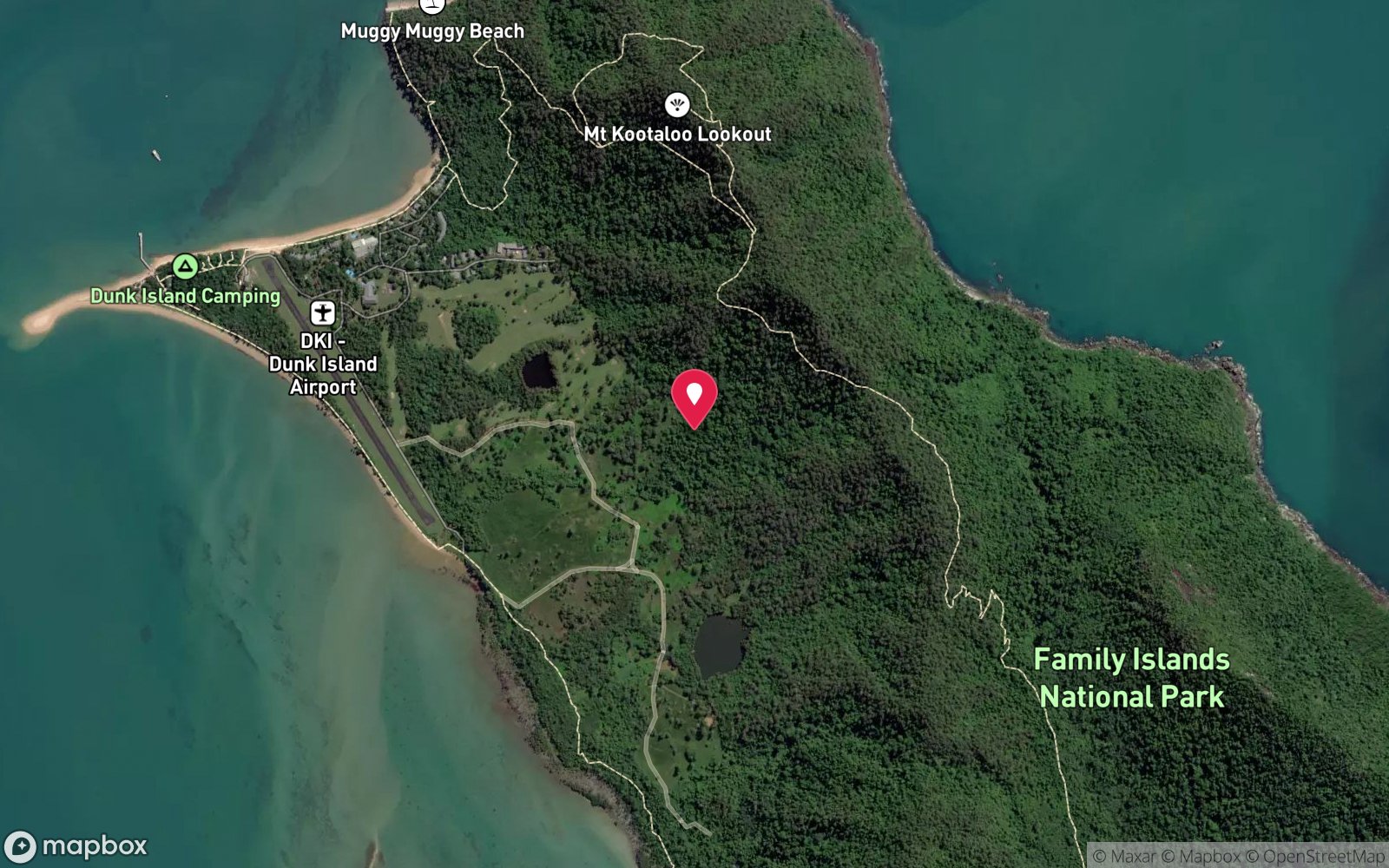
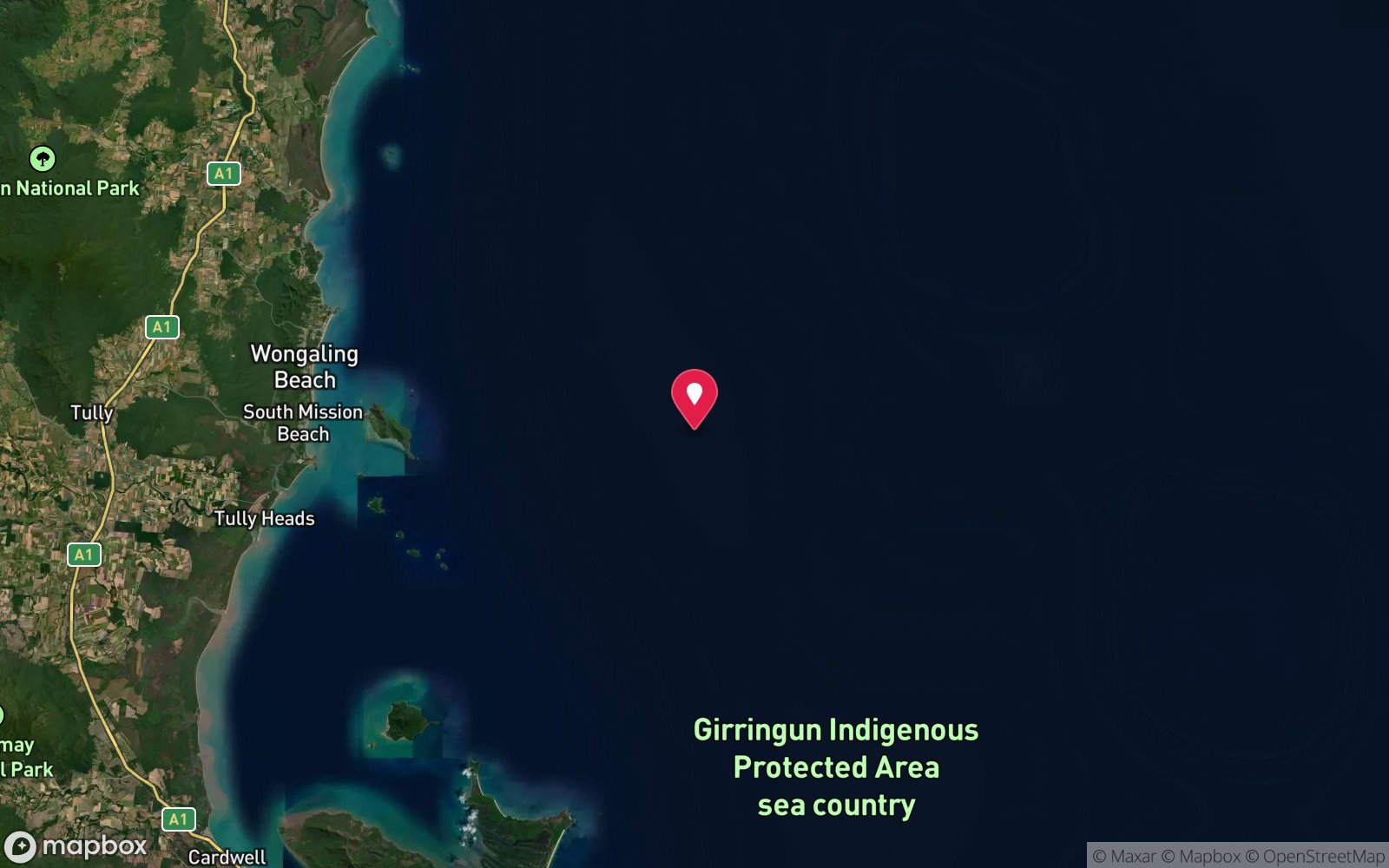
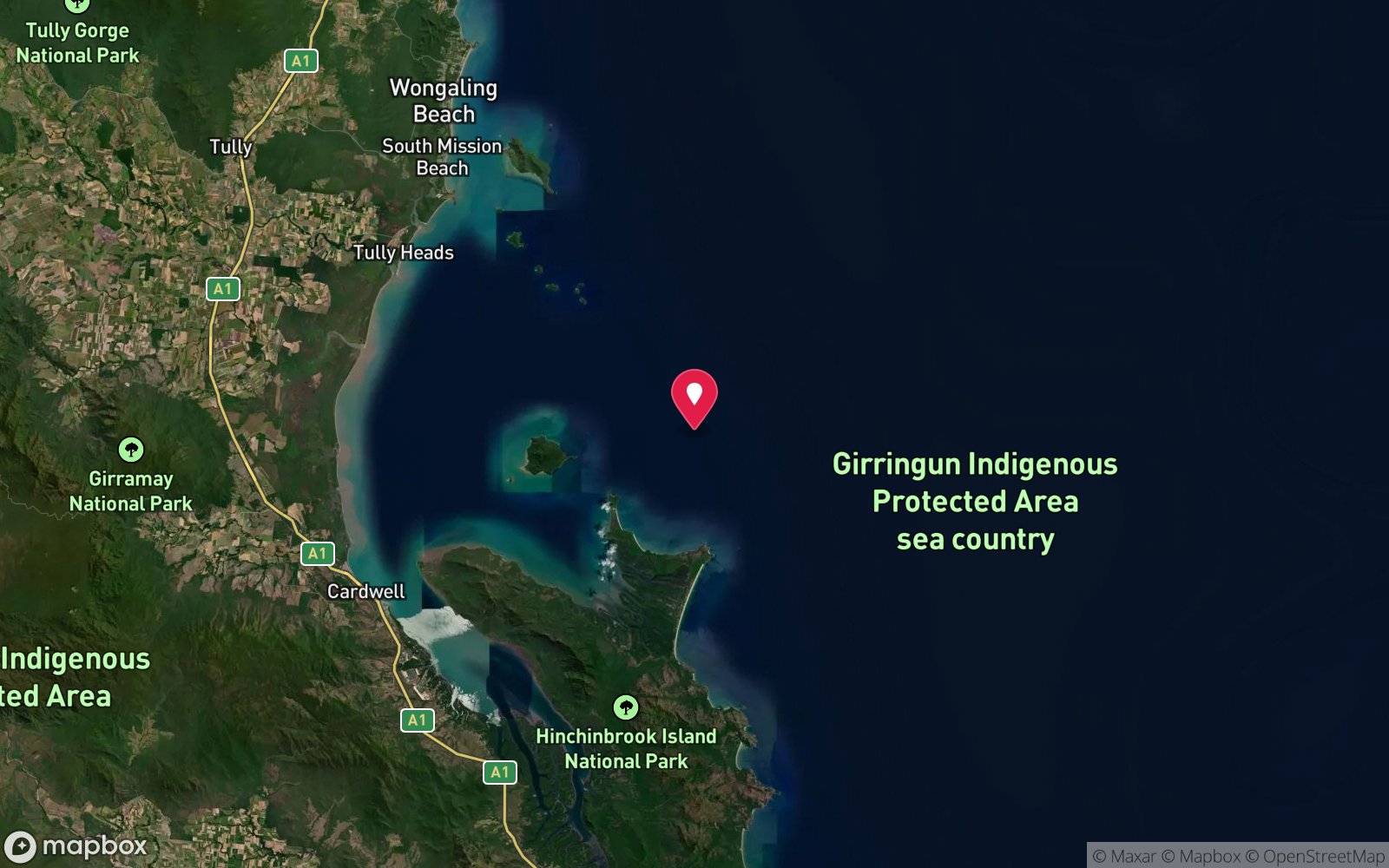
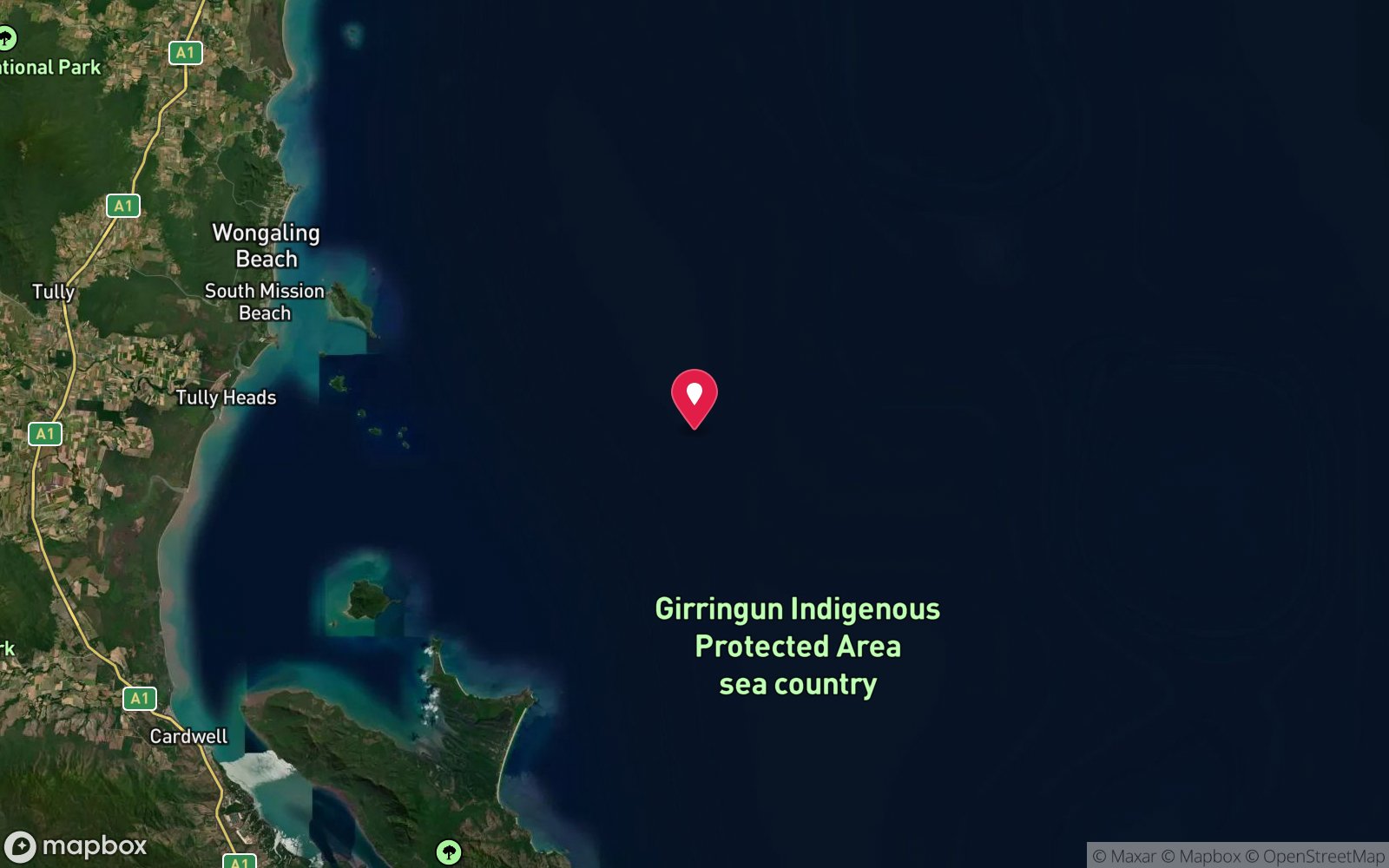
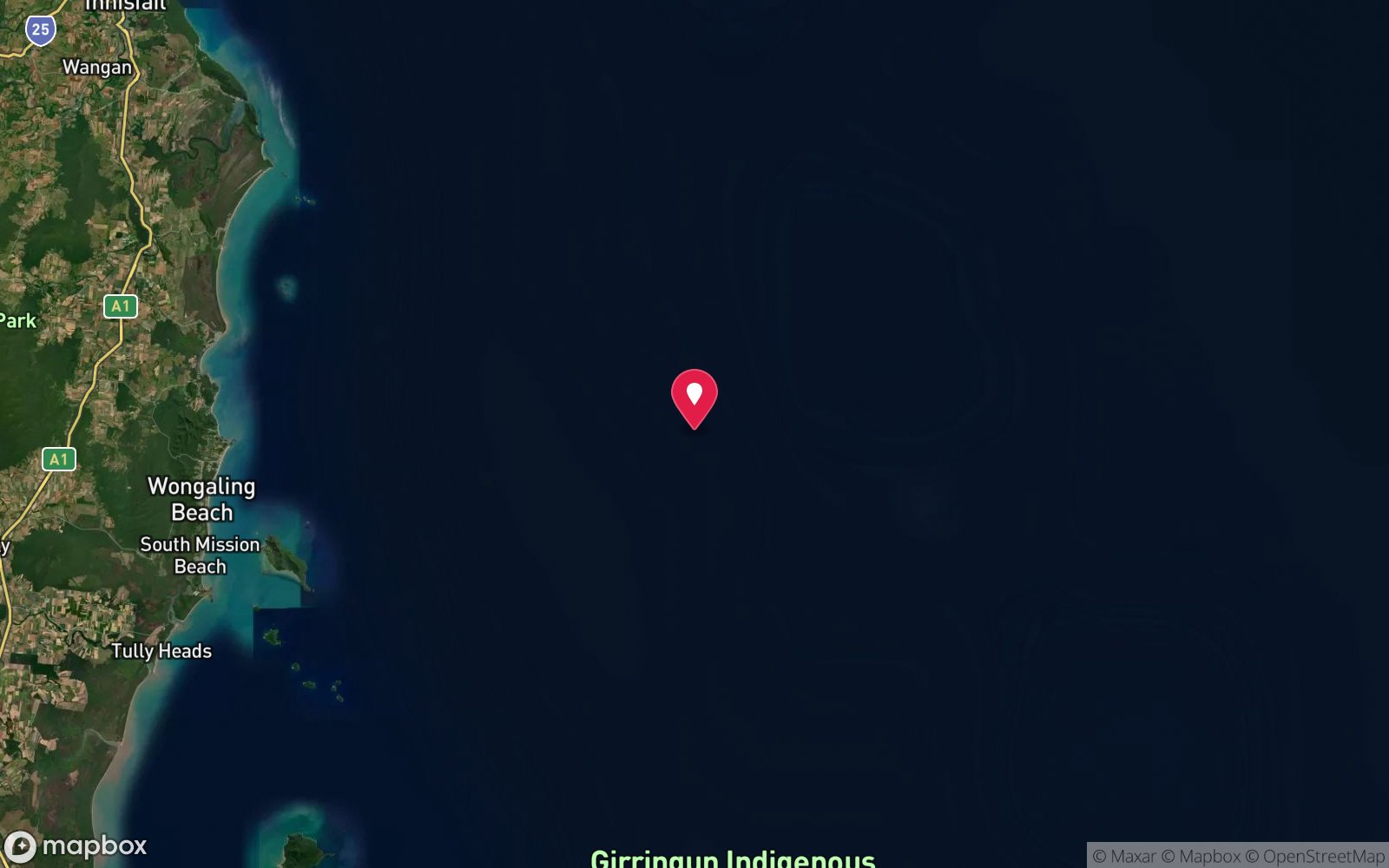
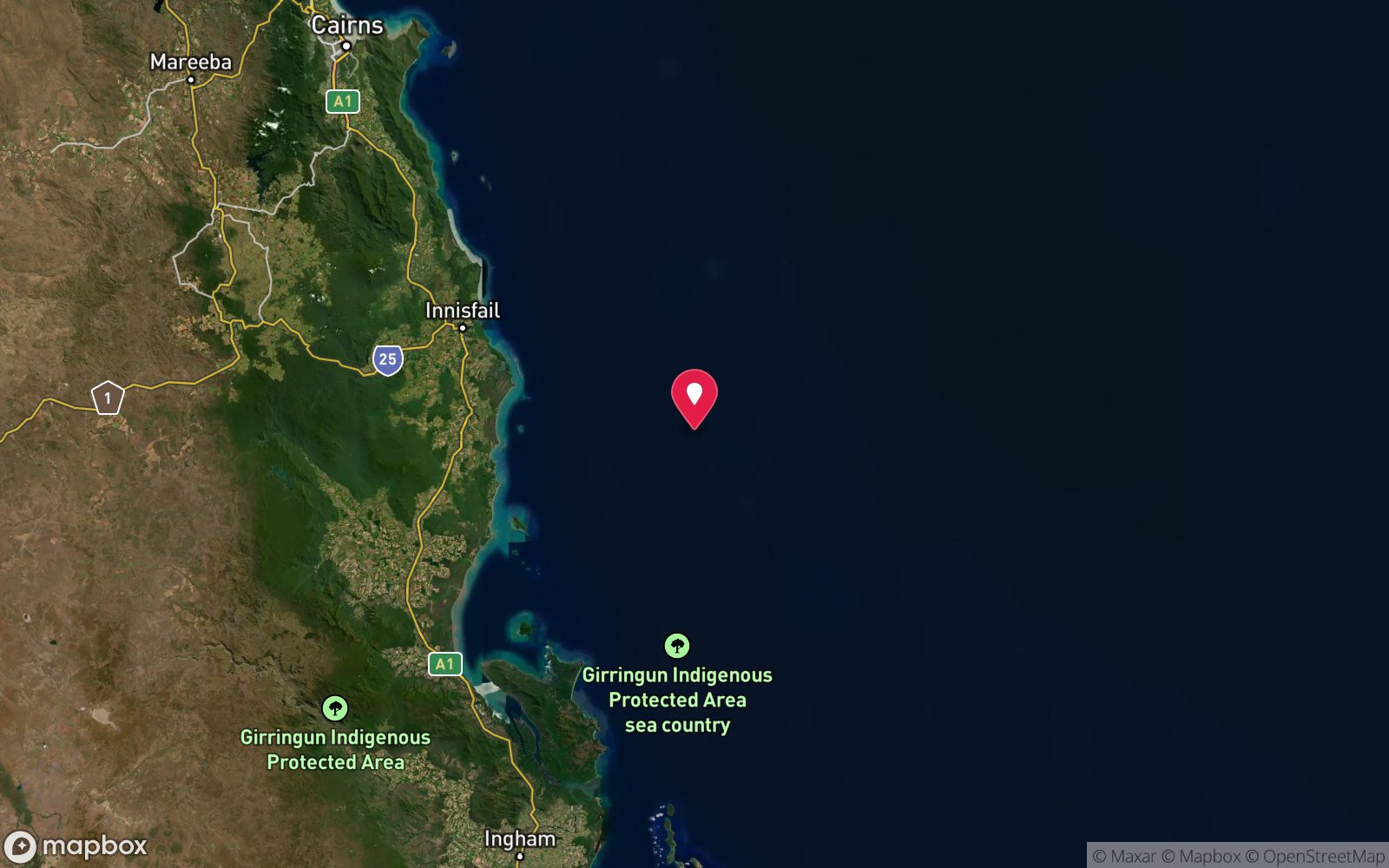
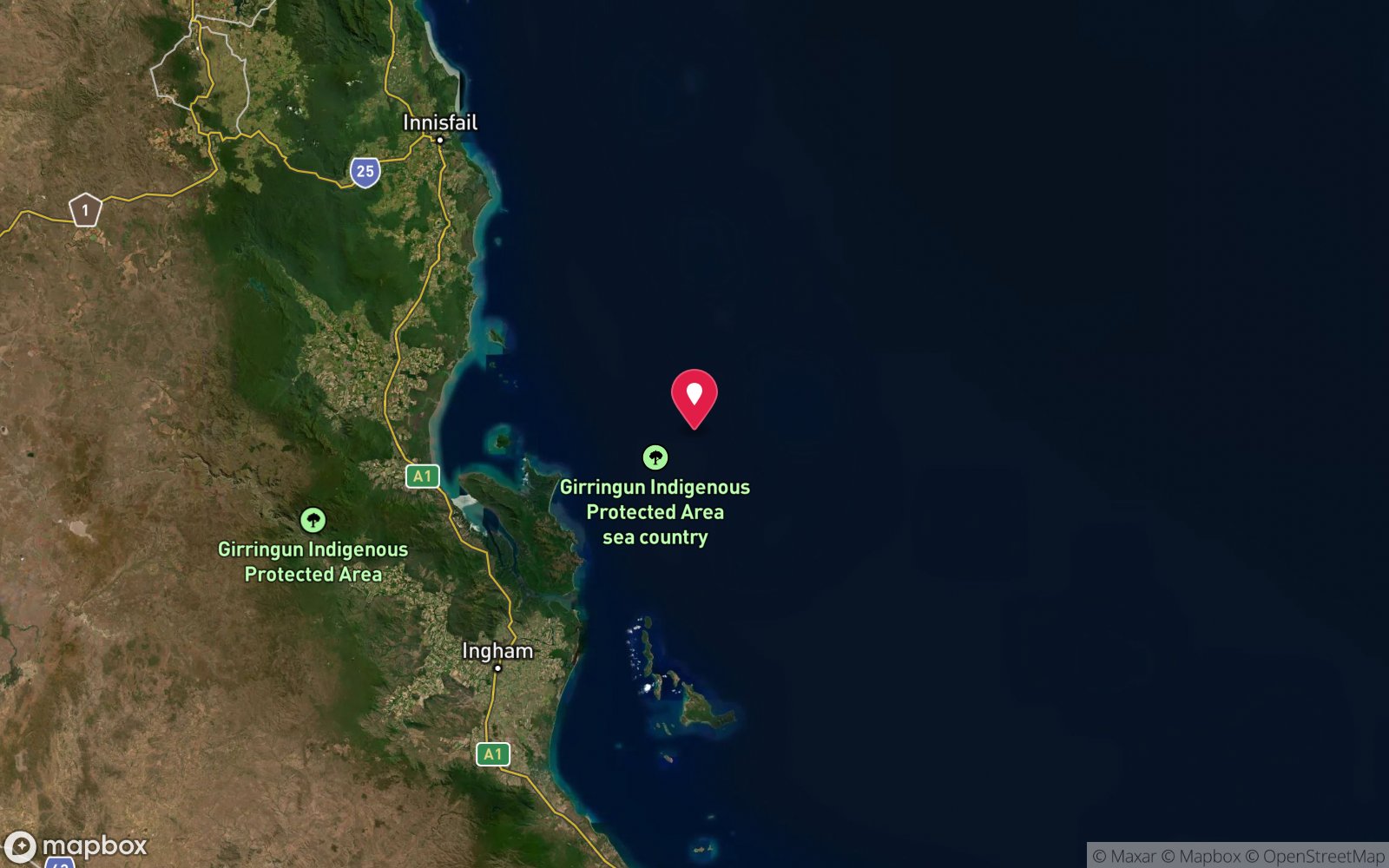
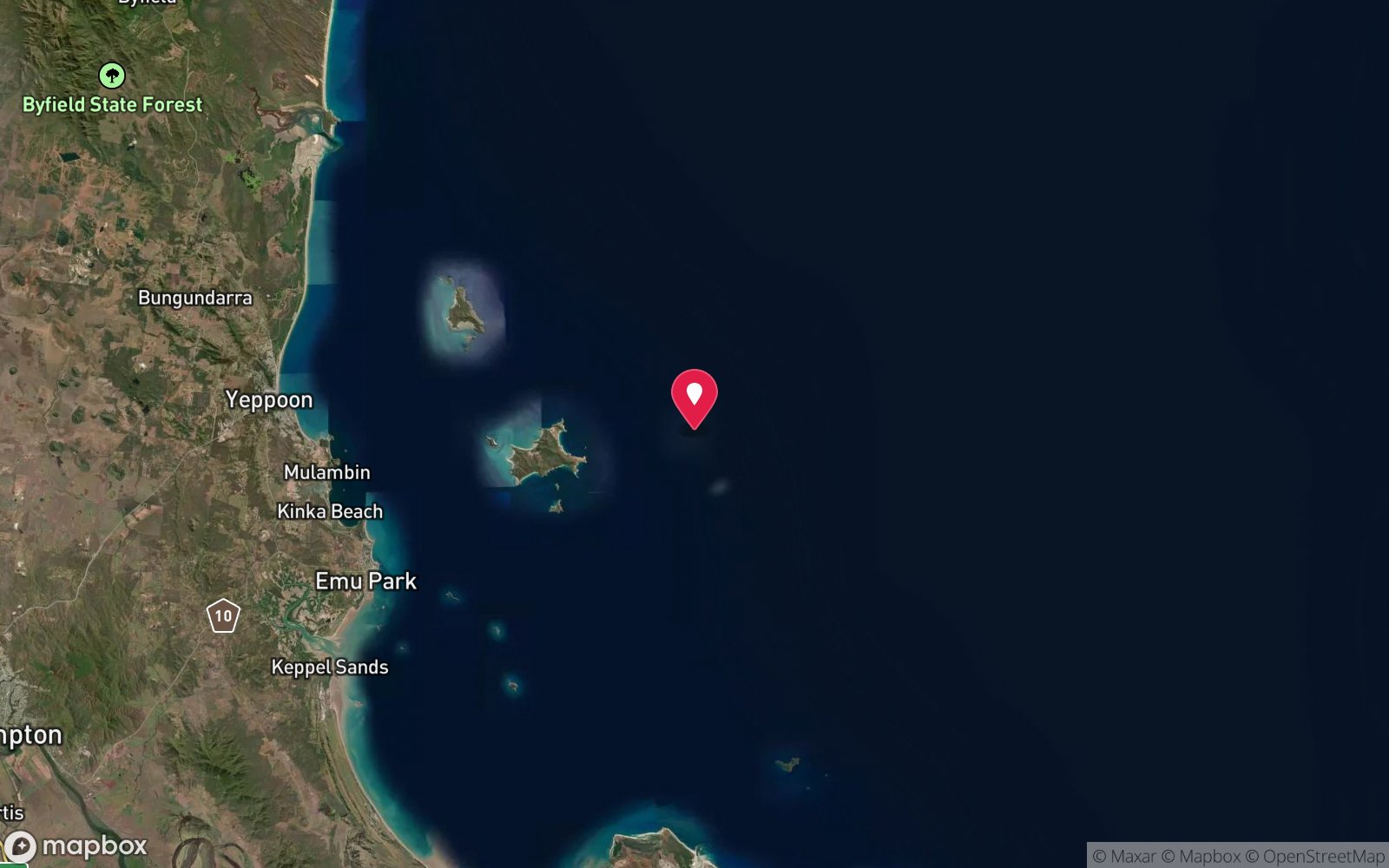
7 pinned sites. Pins marked approximate on their pages show the general area only; not for navigation.
Satellite views
Dunk Island: frequently asked questions
How deep is Dunk Island?
Dunk Island reaches a maximum depth of 10 m, with the shallowest part at about 1 m; most of the dive is spent around 4 m.
What certification do I need to dive Dunk Island?
No certification is needed to snorkel it, and it suits introductory dives. Rated beginner: sheltered, shallow and manageable for a newly certified diver on a normal day.
Can I shore dive Dunk Island?
Experienced divers do dive Dunk Island from the shore, but the entry or conditions make it unsuitable for newer divers without local guidance. Entry: Beach entry from Brammo Bay or Muggy Muggy Beach, or from a tour boat.
When is the best time to dive Dunk Island?
Year-round. June-November gives the most reliable visibility and no box-jellyfish season, though the south-east trades can blow 20-25 knots in winter; September-December usually has the calmest seas; December-April is the warm, wet stinger and cyclone season.
What marine life will I see at Dunk Island?
Regularly recorded: Green turtles, dugongs (occasional), parrotfish, damselfish, butterflyfish, rabbitfish, soft and hard corals.
What wetsuit do I need at Dunk Island?
3 mm full wetsuit or shorty in summer (27-30 °C); 3-5 mm full wetsuit in winter (23-25 °C); full-length lycra or stinger suit strongly advised November-May and supplied free by most operators.
How cold is the water at Dunk Island?
Typically 27-30 °C in summer and 23-25 °C in winter.
What are the main hazards at Dunk Island?
Marine stingers (box jellyfish, Irukandji) October-May – full stinger suit essential; estuarine crocodiles along the Mission Beach coast, creeks and islands – do not swim near river mouths or mangroves; surface chop and current on the outer reefs in trade winds; coral cuts; nearest recompression chamber is Townsville University Hospital (about 3 hours by road; evacuation by air); low visibility close to the mainland; boat and water-taxi traffic at Brammo Bay – tow a float. See the hazards section above for the full list.
Where is the nearest recompression chamber to Dunk Island?
Townsville University Hospital Hyperbaric Medicine Unit (Townsville) – Cairns Hospital has no recompression chamber; divers are evacuated by RFDS/air ambulance. In an emergency call 000, then DAN Asia-Pacific on 1800 088 200.
Diving in Mission Beach & Cassowary Coast
Mission Beach is the closest mainland point to the Great Barrier Reef, and day boats reach Beaver Reef, Eddy Reef and the Dunk Island fringing reefs in under an hour. The diving is quiet coral gardens and bommies with turtles and reef fish, without the Cairns crowds.
Getting there: Two hours south of Cairns. Small operators run reef trips from Mission Beach and Dunk Island.
All Mission Beach & Cassowary Coast dive sites and a suggested itinerary →
Sources
- dunkisland.com/dunk-island-beaches
- parks.qld.gov.au/parks/family-islands/things-to-do
- marinelife.org.au/?page_id=1623
Data confidence: Medium · Being verified: Coordinates approximate; walking distance to Muggy Muggy approximate. Last updated September 2026. Know this site better? How to send a correction
Nearby dive sites
More island dives in Queensland
Explore more
This region
Similar dives