Dive slate · divesites.com.au · printed 9 Nov 2026
Hobart Wharves
Hobart & Derwent, Tasmania · near Hobart
| Depth | 6–12 m |
|---|---|
| Minimum level | Advanced Open Water |
| Difficulty | Intermediate |
| Access | Shore or Boat |
| Entry | Entry from wharf ladders or by boat, with TasPorts permission |
| Current | Mild |
| Visibility | 1-5 m |
| Water | summer 14-18 °C, winter 9-12 °C |
| Suit | Drysuit strongly recommended year-round; 7 mm semi-dry or two-piece 7 mm wetsuit with hood and gloves is the minimum in summer |
| Best season | Late summer to autumn (February-May) for settled weather and best visibility; diveable year-round between fronts |
| Bottom time | 40 min |
| Position | -42.88400, 147.33600 (approximate) |
| Permit | TasPorts permission required to dive in the port; historic artefacts protected. |
| Nearest chamber | Royal Hobart Hospital Hyperbaric Medicine Unit (Hobart CBD); DAN emergency hotline 1800 088 200 |
| Emergency | 000 · DAN Asia-Pacific diving emergency 1800 088 200 |
Hobart Wharves
Also known as Sullivans Cove wharves, Hobart waterfront
Artefact-strewn mud under Hobart's historic wharves – a rarely permitted heritage dive.
Near Hobart · Hobart & Derwent, Tasmania
- Depth
- 6–12 m
- Minimum level
- Advanced Open Water
- Access
- Shore or Boat
- Boat ride
- —
- Water
- 14-18 °C
- Visibility
- 1-5 m
Hobart Wharves6–12 m · Advanced Open Water · Shore
Dive factsDepths, conditions, location & safety
Season
Off-peak nowBest months: January, February, March, April, May, December.
Late summer to autumn (February-May) for settled weather and best visibility; diveable year-round between fronts
- Best months
- Now (November)
Dive facts
- Depth
- 6–12 m
- Typical depth
- 9 m
- Certification
- Advanced Open Water
- Difficulty
- Intermediate
- Depth tier
- Open Water (10–18 m)
- Access
- Shore or Boat
- Dive centre needed
- Yes – permit/guide required
- Shore / independent
- No
- Current
- Mild
- Visibility
- 1-5 m
- Water temp (summer)
- 14-18 °C
- Water temp (winter)
- 9-12 °C
- Water
- Cold Temperate
- Bottom time
- 40 min
- Dive traffic
- Rarely dived (private boat/club only)
- Night dive
- No
- Snorkel friendly
- No
Exposure suit
Drysuit strongly recommended year-round; 7 mm semi-dry or two-piece 7 mm wetsuit with hood and gloves is the minimum in summer
Location
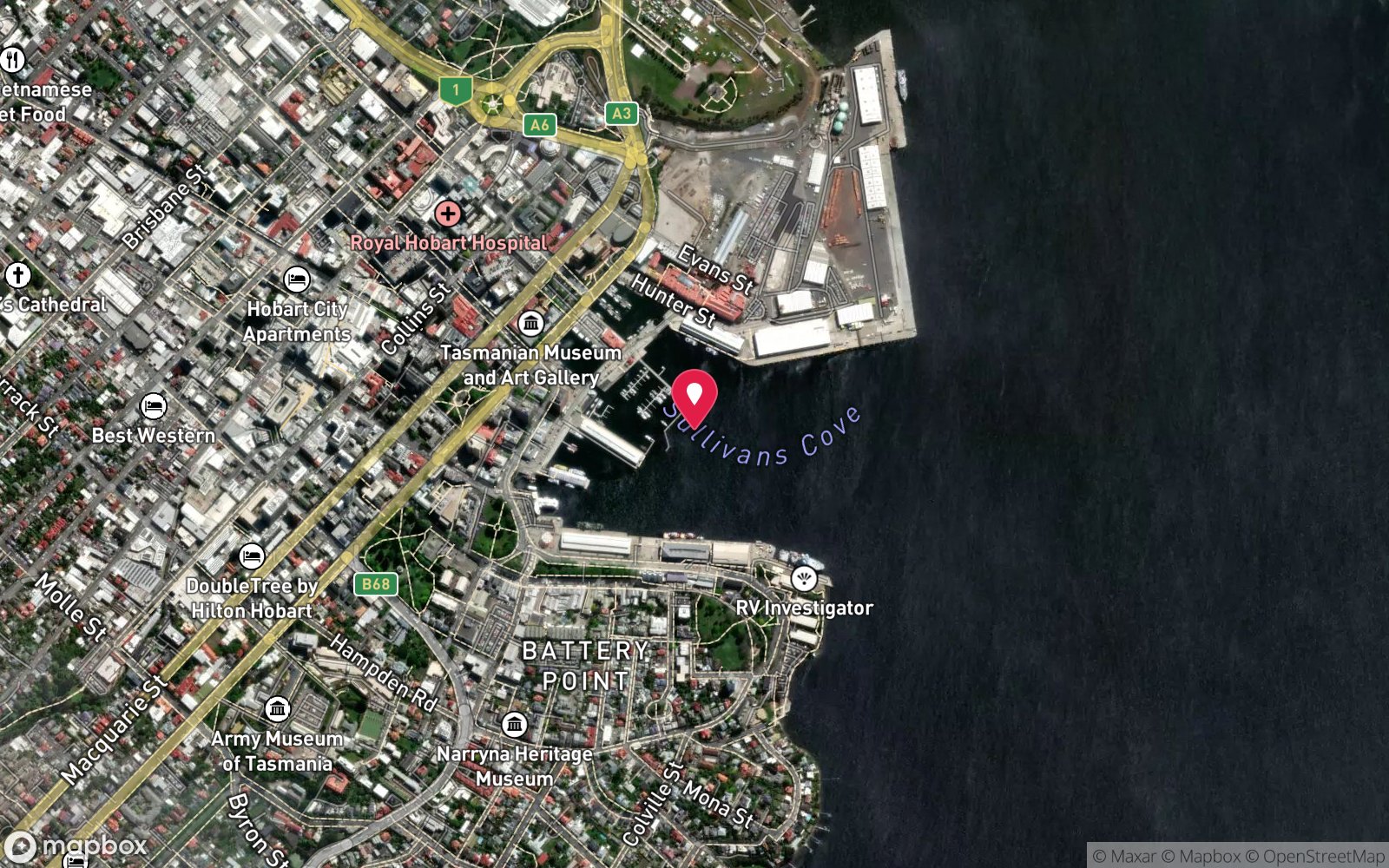
Sullivans Cove · Hobart & Derwent Estuary
-42.88400, 147.33600
Approximate position — not for navigation.
Open in Google MapsPrimary source: marinelife.org.auMarine park & permits
TasPorts permission required to dive in the port; historic artefacts protected.
Nearest recompression chamber
Royal Hobart Hospital Hyperbaric Medicine Unit (Hobart CBD); DAN emergency hotline 1800 088 200
Diving emergency: call 000, then DAN AP 1800 088 200.
Trip planner
Build a trip around Hobart Wharves →
A day-by-day plan for Hobart & Derwent with this site locked in.
This guide is a planning aid. Conditions change daily — confirm with a local dive centre and dive within your training. Data & safety notes.
Dive profile
How this site rates
Scores are computed from the recorded data, not opinions. How?
At a glance
Hobart Wharves is a jetty / pier boat dive in Hobart & Derwent, TAS, 6–12 m, suited to Advanced Open Water divers.
Rated intermediate because of an overhead environment, cold water.
Why dive here
- Artefact-strewn mud under Hobart's historic wharves – a rarely permitted heritage dive.
- Rarely dived: expect to have the site to yourself, and plan your own logistics.
Conditions to avoid
- Strong southerly or south-east swell and wind
- Strong northerlies
- Outgoing tide or run-off after rain (poor visibility)
About Hobart Wharves
Hobart's wharves at Sullivans Cove have been the heart of the port since the colony's earliest days, and the muddy seabed beneath them is littered with two centuries of dropped and discarded objects. The Marine Life Network guide describes depths of 6-12 m, a muddy bottom 'well flushed by the ocean tides', and marine life including school fish, sea stars and seahorses, along with the invasive Northern Pacific seastar (Asterias amurensis), which arrived in ballast water and is now abundant in the Derwent. The attraction for most who dive here is historical: bottles, ceramics and other artefacts from the port's long history lie in the mud, although these are protected and should not be removed.
The wharf pylons are encrusted with invertebrates and provide shelter for fish and seahorses. The practical obstacles are considerable. TasPorts permission is required; the port is busy with fishing boats, ferries, cruise ships and Antarctic vessels; and entry and exit are by wharf ladders, best at high tide with assistance.
Visibility is usually very low. For these reasons the wharves are dived rarely and only by authorised groups. It is included here for completeness and history rather than as a recommended recreational dive; those interested should approach local clubs, which occasionally organise authorised dives, and contact TasPorts well in advance.
The Maritime Museum of Tasmania, a short walk away, holds many objects recovered from Hobart's waters. Anyone who does obtain permission should plan the dive around the tide and vessel schedule, use a surface marker and attendant, and treat every object on the bottom as protected heritage material.
Getting there & entry
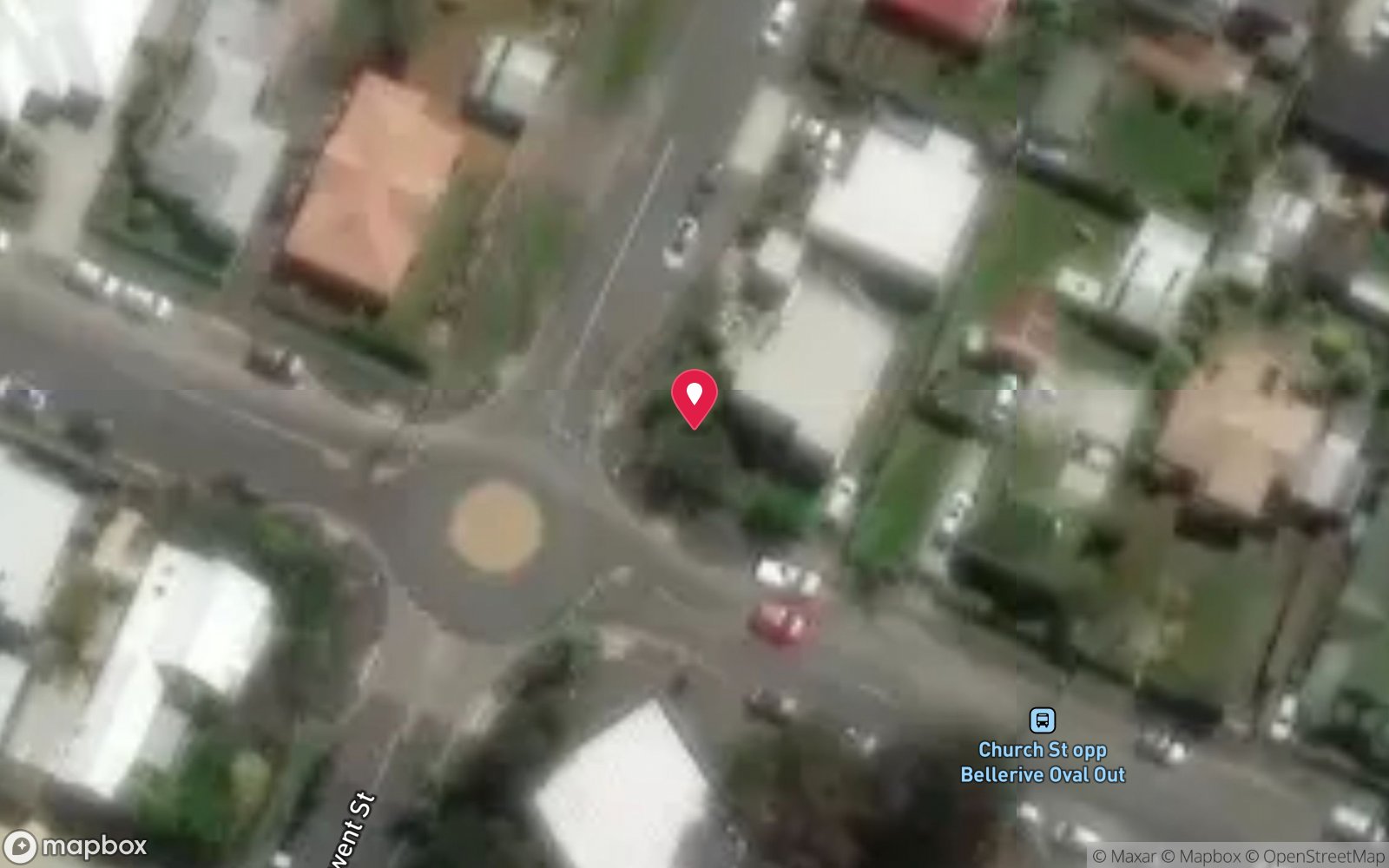
The working and historic wharves of Sullivans Cove in central Hobart, where a muddy bottom in 6-12 m is littered with artefacts.
The wharves are in the Hobart CBD at Sullivans Cove, with paid city parking nearby. The Marine Life Network guide stresses that diving requires permission from TasPorts, the port authority, and that entry is best at high water, with assistance needed to exit via ladders. Do not attempt without written permission and a surface support person; vessel movements, including Antarctic and cruise ships, ferries and fishing boats, make unauthorised diving dangerous and illegal.
Entry: Entry from wharf ladders or by boat, with TasPorts permission
Facilities: City parking, toilets, cafes; dive shops in Hobart.
Weather, swell & tides
The Derwent estuary is sheltered from ocean swell, but strong northerly or southerly winds blow along its length and raise a short, steep chop; the Marine Life Network notes the region can become very rough in gales, even in the river. Visibility is the limiting factor: it is usually low (1-5 m) and worst after rain, when the Derwent's tannin-stained, silty floodwater spreads through the estuary. Dive after a dry spell, on a high or flood tide that brings in clearer marine water.
There is a noticeable but generally mild tidal flow. Diving is possible year-round; winter water is cold (9-11 °C). The Marine Life Network notes the wharves are well flushed by ocean tides; choose high water for entry and exit.
Best season: Late summer to autumn (February-May) for settled weather and best visibility; diveable year-round between fronts
If it's blown out
Sheltered or shore sites within 25 km that often work when Hobart Wharves doesn't.
- Tinderbox Marine Reserve · 19 km · Max 12 m
- Kingston Beach (Handfish site) · 11 km · Max 8 m
- Blackmans Bay · 14 km · Max 12 m
- Sandy Bay & Battery Point (Handfish) · 2 km · Max 14 m
How the dive is usually run
With permission and a surface attendant, enter at high water from the ladder, descend to the mud at 8-12 m and search slowly along the wharf pylons for artefacts and seahorses. Exit on the same ladder with help.
Marine life
- Seahorses →
- schooling fish
- sea stars
- Northern Pacific seastar (invasive)
- encrusting invertebrates on pylons
Linked species have their own page listing every site where they are recorded. All marine life →
Training required
Within the 18 m limit of an entry-level certification.
Courses that help here
- Drysuit Diver – Cold water; locals dive dry for much of the year.
- Peak Performance Buoyancy – Silt and low visibility punish poor trim.
Depth tiers: 0–10 m easy · to 18 m Open Water · 18–30 m Advanced (25 m+ is a deep dive) · 30–40 m Deep specialty · 40 m+ technical. All courses
Hazards & warnings
TasPorts permission mandatory; heavy commercial vessel traffic; low visibility; ladder exits require assistance; overhead wharf structures; fishing line; do not remove artefacts; do not spread invasive seastars.
Technical notes
Authorised dives only; surface support and dive flag required; coordinate with TasPorts on vessel movements.
Dive centres that go here
No commercial operator; occasional authorised club, research or commercial diving only.
Operators recorded for Hobart Wharves
Other dive centres in Hobart & Derwent
Tasmania Tech and Dive Centre
ProfiledHobart & Derwent · TAS
The Tasmanian operation most clearly associated with technical diving services, spanning recreational and technical training with technical gas support.
Tasmanian Divers North
ListedLaunceston · Tasmania North & North-West · TAS
A northern Tasmanian operation serving the Bass Strait coastline and local diving community.
tasdivers.com.au · (03) 6229 1020
Tasmanian Divers South
ListedKingston · Hobart & Derwent · TAS
A southern Tasmanian operation serving the Hobart region and surrounding diving.
tasdivers.com.au · (03) 6229 1020
The Dive Shop Hobart
ListedHobart · Hobart & Derwent · TAS
A Hobart equipment and service business supporting local cold-water divers.
thediveshophobart.com.au · (03) 6234 3428
Underwater Adventures Tasmania
Reported closedBattery Point · Bruny Island & D'Entrecasteaux Channel · TAS
Reported permanently closed on Tripadvisor; last reviews 2013; formerly ran from Battery Point jetty (underwateradventures.com.au).
Map
7 pinned sites. Pins marked approximate on their pages show the general area only; not for navigation.
Satellite views
Hobart Wharves: frequently asked questions
How deep is Hobart Wharves?
Hobart Wharves reaches a maximum depth of 12 m, with the shallowest part at about 6 m; most of the dive is spent around 9 m.
What certification do I need to dive Hobart Wharves?
Advanced Open Water is the recommended minimum. Rated intermediate because of an overhead environment, cold water.
Can I shore dive Hobart Wharves?
No, it is reached by boat. A dive centre is required: permit/guide required.
When is the best time to dive Hobart Wharves?
Late summer to autumn (February-May) for settled weather and best visibility; diveable year-round between fronts.
What marine life will I see at Hobart Wharves?
Regularly recorded: Seahorses, schooling fish, sea stars, Northern Pacific seastar (invasive), encrusting invertebrates on pylons.
What wetsuit do I need at Hobart Wharves?
Drysuit strongly recommended year-round; 7 mm semi-dry or two-piece 7 mm wetsuit with hood and gloves is the minimum in summer.
How cold is the water at Hobart Wharves?
Typically 14-18 °C in summer and 9-12 °C in winter.
What are the main hazards at Hobart Wharves?
TasPorts permission mandatory; heavy commercial vessel traffic; low visibility; ladder exits require assistance; overhead wharf structures; fishing line; do not remove artefacts; do not spread invasive seastars. See the hazards section above for the full list.
Where is the nearest recompression chamber to Hobart Wharves?
Royal Hobart Hospital Hyperbaric Medicine Unit (Hobart CBD); DAN emergency hotline 1800 088 200. In an emergency call 000, then DAN Asia-Pacific on 1800 088 200.
Diving in Hobart & Derwent
Hobart has the Tinderbox Marine Reserve, with its snorkel trail, weedy seadragons and easy shore access, the Derwent's wrecks and the Alma dredge, the Blackmans Bay and Kingston reefs, and the Iron Pot at the river mouth. Water is 11–17 °C and visibility improves quickly downstream of the city.
Getting there: All within 30–40 minutes of the city with shore entries; Hobart dive shops run charters and hire drysuits.
Sources
Data confidence: Low · Being verified: Current TasPorts policy on recreational diving at the wharves should be confirmed.. Last updated September 2026. Know this site better? How to send a correction
Nearby dive sites
More jetty/pier dives in Tasmania
Explore more
This region
Similar dives