Dive slate · divesites.com.au · printed 9 Nov 2026
Sandy Bay & Battery Point (Handfish)
Hobart & Derwent, Tasmania · near Hobart
| Depth | 5–14 m |
|---|---|
| Minimum level | Open Water |
| Difficulty | Intermediate |
| Access | Shore |
| Entry | Walk-in from beaches or foreshore along Sandy Bay |
| Current | Mild |
| Visibility | 1-5 m |
| Water | summer 14-18 °C, winter 9-12 °C |
| Suit | Drysuit strongly recommended year-round; 7 mm semi-dry or two-piece 7 mm wetsuit with hood and gloves is the minimum in summer |
| Best season | Late summer to autumn (February-May) for settled weather and best visibility; diveable year-round between fronts |
| Bottom time | 50 min |
| Position | -42.90000, 147.34000 (approximate) |
| Permit | No permit to dive, but spotted handfish are protected under the EPBC Act and Tasmanian law; disturbing them or their habitat is an offence. |
| Nearest chamber | Royal Hobart Hospital Hyperbaric Medicine Unit (Hobart CBD); DAN emergency hotline 1800 088 200 |
| Emergency | 000 · DAN Asia-Pacific diving emergency 1800 088 200 |
Sandy Bay & Battery Point (Handfish)
Also known as Handfish – Sandy Bay, Long Beach Sandy Bay, Battery Point shore dive
A guided search for the critically endangered spotted handfish, a walking fish found almost nowhere else, in Hobart's own waterfront.
Near Hobart · Hobart & Derwent, Tasmania
- Depth
- 5–14 m
- Minimum level
- Open Water
- Access
- Shore
- Boat ride
- Shore entry
- Water
- 14-18 °C
- Visibility
- 1-5 m
Sandy Bay & Battery Point (Handfish)5–14 m · Open Water · Shore
Dive factsDepths, conditions, location & safety
Season
Off-peak nowBest months: January, February, March, April, May, December.
Late summer to autumn (February-May) for settled weather and best visibility; diveable year-round between fronts
- Best months
- Now (November)
Dive facts
- Depth
- 5–14 m
- Typical depth
- 10 m
- Certification
- Open Water
- Difficulty
- Intermediate
- Depth tier
- Open Water (10–18 m)
- Access
- Shore
- Dive centre needed
- Recommended
- Shore / independent
- Yes
- Current
- Mild
- Visibility
- 1-5 m
- Water temp (summer)
- 14-18 °C
- Water temp (winter)
- 9-12 °C
- Water
- Cold Temperate
- Bottom time
- 50 min
- Dive traffic
- Moderate (occasional charters/club dives)
- Night dive
- No
- Snorkel friendly
- No
Exposure suit
Drysuit strongly recommended year-round; 7 mm semi-dry or two-piece 7 mm wetsuit with hood and gloves is the minimum in summer
Location
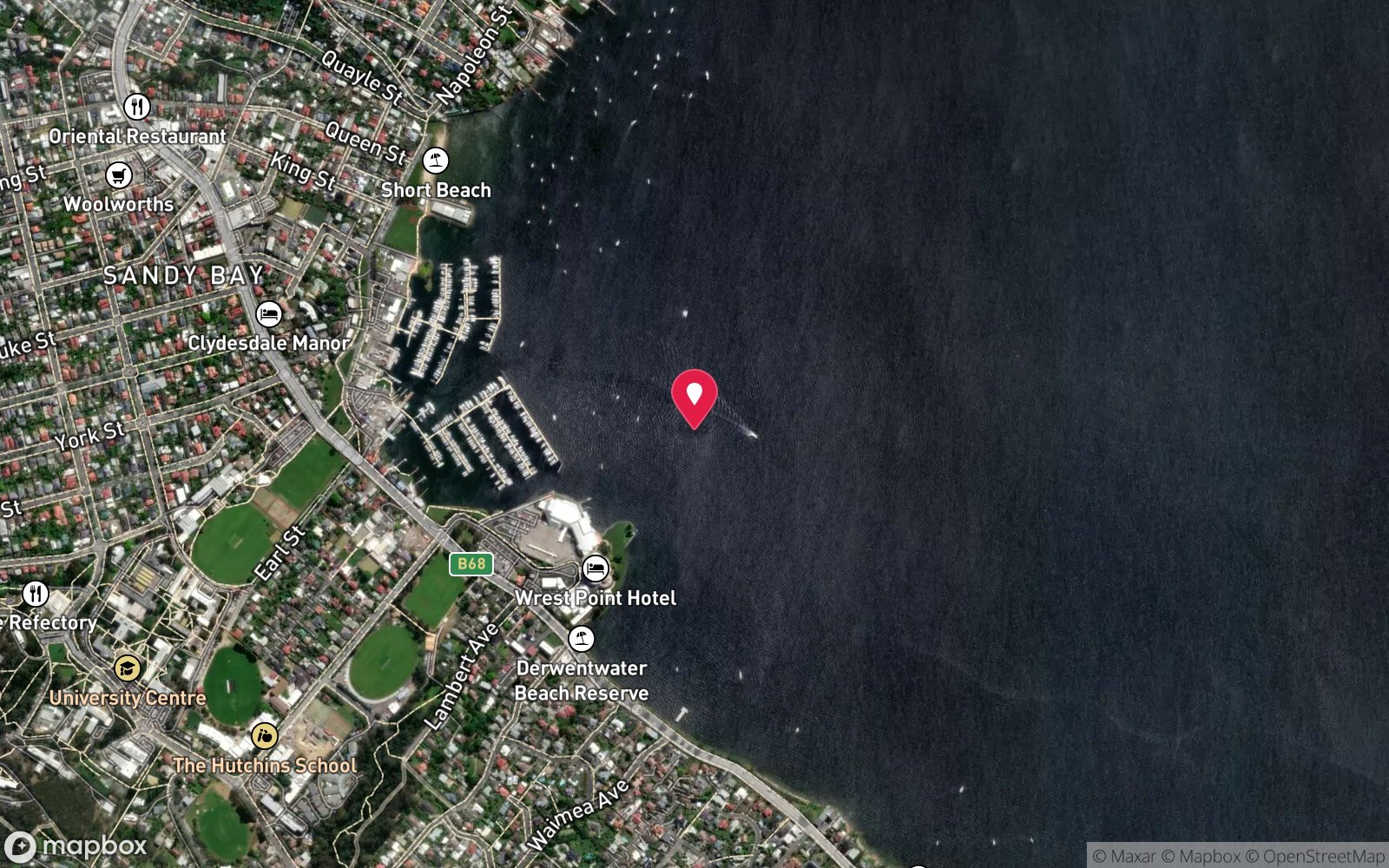
Sandy Bay – Battery Point · Hobart & Derwent Estuary
-42.90000, 147.34000
Approximate position — not for navigation.
Open in Google MapsPrimary source: godivetas.com.auMarine park & permits
No permit to dive, but spotted handfish are protected under the EPBC Act and Tasmanian law; disturbing them or their habitat is an offence.
Nearest recompression chamber
Royal Hobart Hospital Hyperbaric Medicine Unit (Hobart CBD); DAN emergency hotline 1800 088 200
Diving emergency: call 000, then DAN AP 1800 088 200.
Trip planner
Build a trip around Sandy Bay & Battery Point (Handfish) →
A day-by-day plan for Hobart & Derwent with this site locked in.
This guide is a planning aid. Conditions change daily — confirm with a local dive centre and dive within your training. Data & safety notes.
Dive profile
How this site rates
Scores are computed from the recorded data, not opinions. How?
At a glance
Sandy Bay & Battery Point (Handfish) is a muck / sand shore dive you can do independently in Hobart & Derwent, TAS, 5–14 m, suited to Open Water divers.
Rated intermediate because of boat traffic overhead, cold water.
Why dive here
- A guided search for the critically endangered spotted handfish, a walking fish found almost nowhere else, in Hobart's own waterfront.
Conditions to avoid
- Strong southerly or south-east swell and wind
- Strong northerlies
- Outgoing tide or run-off after rain (poor visibility)
About Sandy Bay & Battery Point (Handfish)
The shallow silty flats along Hobart's Sandy Bay and Battery Point foreshore are home to one of the rarest fish on Earth. The spotted handfish is a small anglerfish relative that walks across the seabed on hand-like fins. Once common along south-east Tasmania, it now survives in fewer than ten small colonies in the Derwent estuary, plus a population discovered in the D'Entrecasteaux Channel in 2015; the Derwent Estuary Program notes it was the first marine fish listed as endangered under the EPBC Act, and CSIRO notes it was the first marine fish listed as critically endangered on the IUCN Red List.
RACT's dive guide mentions shore diving along Sandy Bay and around to Battery Point as a chance to see one, and Go Dive Tasmania runs guided handfish dives in Sandy Bay at 5-14 m. The environment is not scenic in the conventional sense – silt, sand, scattered shells and debris, and the stalked ascidians known as sea tulips – and underwater photographers describe it as bitterly cold, with less than 2 m of visibility. The reward is the handfish itself, as well as stargazers, pipefish, sea pens and other sand-dwellers.
Handfish lay their eggs on sea tulips and other upright structures in September and October; the invasive Northern Pacific seastar has devastated sea tulips, and scallop dredging and swing moorings have also destroyed habitat. CSIRO and partners now plant artificial spawning habitat, run captive breeding and promote eco-moorings. Divers can help by never touching fish, eggs or spawning structures, keeping off the bottom, and reporting sightings.
This is a specialist dive for patient critter enthusiasts.
Getting there & entry
Silty sand and low reef along the Sandy Bay and Battery Point foreshore of Hobart, where the critically endangered spotted handfish can be found.
Sandy Bay and Battery Point are Hobart inner suburbs, 5-10 minutes from the CBD along Sandy Bay Road. Public beaches such as Long Beach and Nutgrove Beach have parking, toilets and easy walk-in entries. Go Dive Tasmania runs guided handfish shore dives in Sandy Bay (5-14 m); operators and researchers ask that precise locations not be published, so the best approach is to dive with a guide who knows the colonies and the rules.
Keep clear of marinas, moorings and the yacht-club areas.
Entry: Walk-in from beaches or foreshore along Sandy Bay
Facilities: Beach car parks with toilets along Sandy Bay; cafes; Hobart dive shops 5-10 minutes away.
Weather, swell & tides
The Derwent estuary is sheltered from ocean swell, but strong northerly or southerly winds blow along its length and raise a short, steep chop; the Marine Life Network notes the region can become very rough in gales, even in the river. Visibility is the limiting factor: it is usually low (1-5 m) and worst after rain, when the Derwent's tannin-stained, silty floodwater spreads through the estuary. Dive after a dry spell, on a high or flood tide that brings in clearer marine water.
There is a noticeable but generally mild tidal flow. Diving is possible year-round; winter water is cold (9-11 °C).
Best season: Late summer to autumn (February-May) for settled weather and best visibility; diveable year-round between fronts
If it's blown out
Sheltered or shore sites within 25 km that often work when Sandy Bay & Battery Point (Handfish) doesn't.
- Tinderbox Marine Reserve · 17 km · Max 12 m
- Kingston Beach (Handfish site) · 9 km · Max 8 m
- Blackmans Bay · 12 km · Max 12 m
- Hobart Wharves · 2 km · Max 12 m
How the dive is usually run
Enter with the guide, descend slowly to the silty sand at 8-12 m without stirring the bottom, and search slowly in a line along a depth contour. When a handfish is found, stop, settle a metre away, watch or photograph briefly without lights in its face, and move on without touching the bottom.
Marine life
- Spotted handfish (critically endangered)
- stalked ascidians (sea tulips)
- stargazers
- pipefish →
- sea pens
- flathead
- sea stars; invasive Northern Pacific seastar
Linked species have their own page listing every site where they are recorded. All marine life →
Training required
Within the 18 m limit of an entry-level certification.
Courses that help here
- Drysuit Diver – Cold water; locals dive dry for much of the year.
- Peak Performance Buoyancy – Silt and low visibility punish poor trim.
Depth tiers: 0–10 m easy · to 18 m Open Water · 18–30 m Advanced (25 m+ is a deep dive) · 30–40 m Deep specialty · 40 m+ technical. All courses
Hazards & warnings
Very low visibility; silt – excellent buoyancy essential; boat traffic near marinas and moorings; do not touch or disturb handfish, eggs, sea tulips or artificial spawning habitat; cold.
Dive centres that go here
Go Dive Tasmania – guided 'Handfish – Sandy Bay' shore dives (5-14 m, all certified divers); The Dive Shop Hobart – local knowledge; research dives by CSIRO/IMAS.
Operators recorded for Sandy Bay & Battery Point (Handfish)
Other dive centres in Hobart & Derwent
Tasmania Tech and Dive Centre
ProfiledHobart & Derwent · TAS
The Tasmanian operation most clearly associated with technical diving services, spanning recreational and technical training with technical gas support.
Tasmanian Divers North
ListedLaunceston · Tasmania North & North-West · TAS
A northern Tasmanian operation serving the Bass Strait coastline and local diving community.
tasdivers.com.au · (03) 6229 1020
Tasmanian Divers South
ListedKingston · Hobart & Derwent · TAS
A southern Tasmanian operation serving the Hobart region and surrounding diving.
tasdivers.com.au · (03) 6229 1020
The Dive Shop Hobart
ListedHobart · Hobart & Derwent · TAS
A Hobart equipment and service business supporting local cold-water divers.
thediveshophobart.com.au · (03) 6234 3428
Underwater Adventures Tasmania
Reported closedBattery Point · Bruny Island & D'Entrecasteaux Channel · TAS
Reported permanently closed on Tripadvisor; last reviews 2013; formerly ran from Battery Point jetty (underwateradventures.com.au).
Map
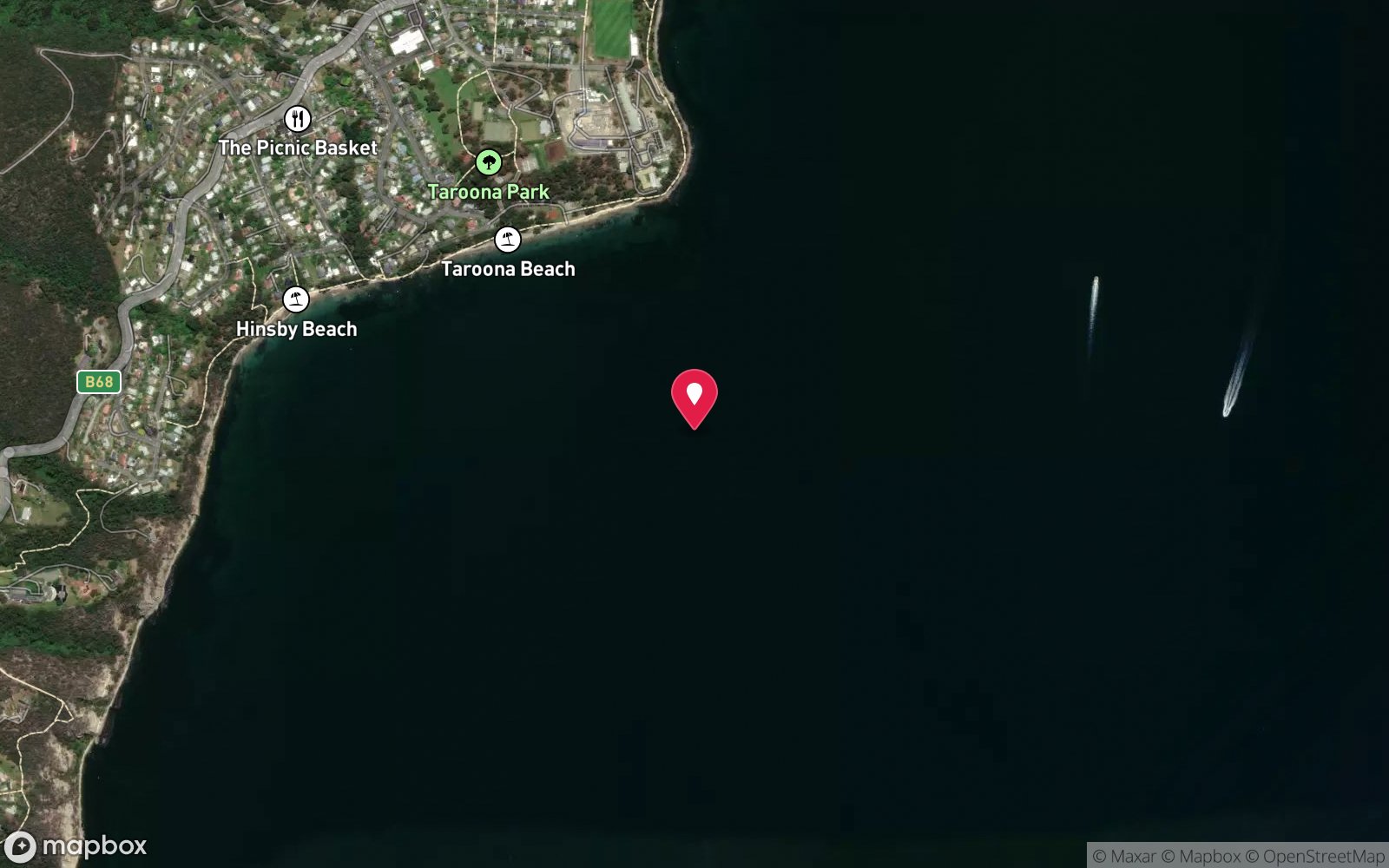
7 pinned sites. Pins marked approximate on their pages show the general area only; not for navigation.
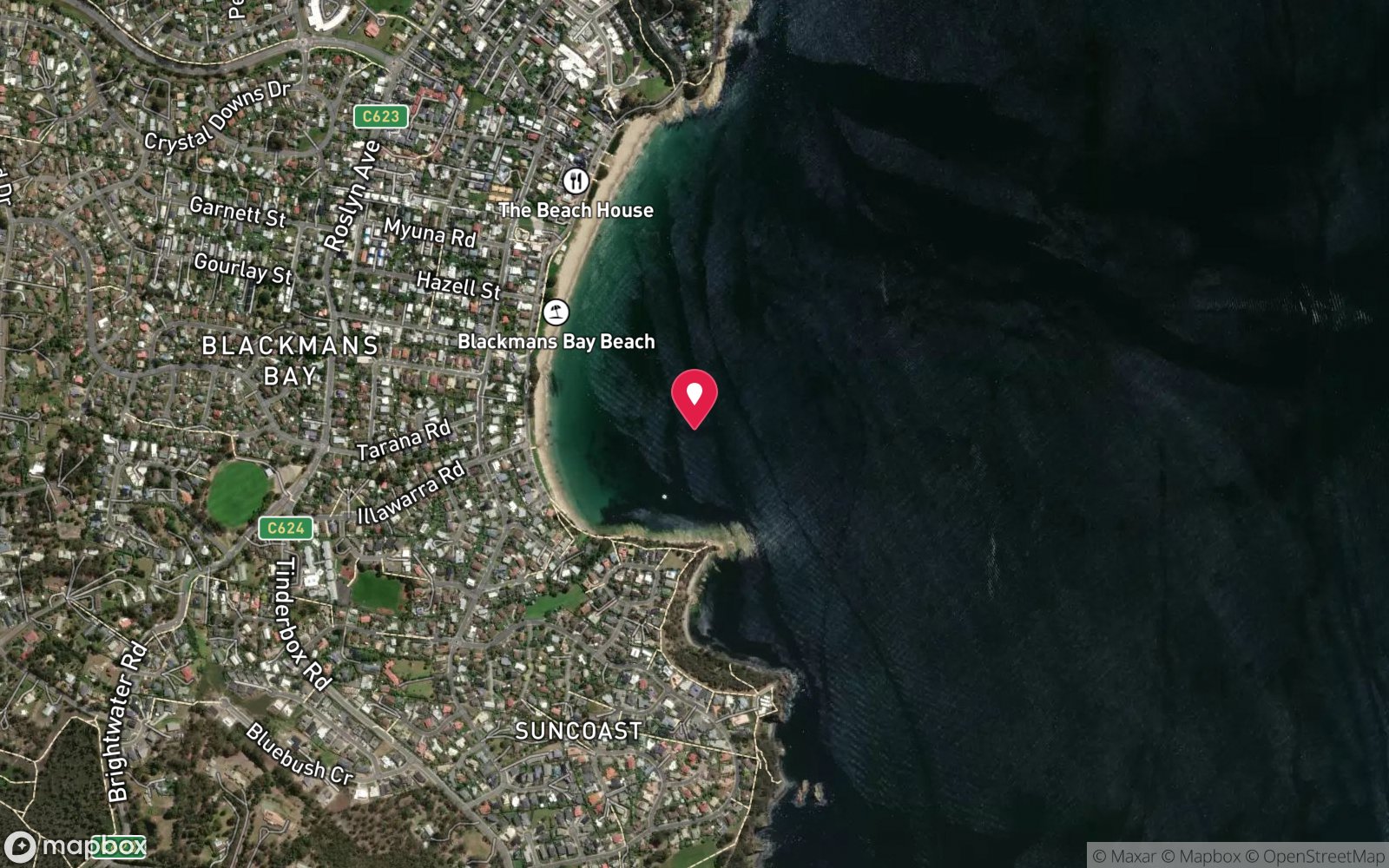
Satellite views
Sandy Bay & Battery Point (Handfish): frequently asked questions
How deep is Sandy Bay & Battery Point (Handfish)?
Sandy Bay & Battery Point (Handfish) reaches a maximum depth of 14 m, with the shallowest part at about 5 m; most of the dive is spent around 10 m.
What certification do I need to dive Sandy Bay & Battery Point (Handfish)?
Open Water is the recommended minimum. Rated intermediate because of boat traffic overhead, cold water.
Can I shore dive Sandy Bay & Battery Point (Handfish)?
Yes. Sandy Bay & Battery Point (Handfish) is a shore dive that can be done independently: walk-in from beaches or foreshore along Sandy Bay.
When is the best time to dive Sandy Bay & Battery Point (Handfish)?
Late summer to autumn (February-May) for settled weather and best visibility; diveable year-round between fronts.
What marine life will I see at Sandy Bay & Battery Point (Handfish)?
Regularly recorded: Spotted handfish (critically endangered), stalked ascidians (sea tulips), stargazers, pipefish, sea pens, flathead, sea stars; invasive Northern Pacific seastar.
What wetsuit do I need at Sandy Bay & Battery Point (Handfish)?
Drysuit strongly recommended year-round; 7 mm semi-dry or two-piece 7 mm wetsuit with hood and gloves is the minimum in summer.
How cold is the water at Sandy Bay & Battery Point (Handfish)?
Typically 14-18 °C in summer and 9-12 °C in winter.
What are the main hazards at Sandy Bay & Battery Point (Handfish)?
Very low visibility; silt – excellent buoyancy essential; boat traffic near marinas and moorings; do not touch or disturb handfish, eggs, sea tulips or artificial spawning habitat; cold. See the hazards section above for the full list.
Where is the nearest recompression chamber to Sandy Bay & Battery Point (Handfish)?
Royal Hobart Hospital Hyperbaric Medicine Unit (Hobart CBD); DAN emergency hotline 1800 088 200. In an emergency call 000, then DAN Asia-Pacific on 1800 088 200.
Diving in Hobart & Derwent
Hobart has the Tinderbox Marine Reserve, with its snorkel trail, weedy seadragons and easy shore access, the Derwent's wrecks and the Alma dredge, the Blackmans Bay and Kingston reefs, and the Iron Pot at the river mouth. Water is 11–17 °C and visibility improves quickly downstream of the city.
Getting there: All within 30–40 minutes of the city with shore entries; Hobart dive shops run charters and hire drysuits.
Sources
- godivetas.com.au/pages/dive-sites
- ract.com.au/membership/journeys/experiences/the-best-dive-spots-in-tassie
- derwentestuary.org.au/species/spotted-handfish
- csiro.au/en/research/animals/marine-life/spotted-handfish
- indopacificimages.com/diving-tasmania
- blog.padi.com/a-locals-guide-to-diving-the-apple-isle-in-tasmania
Data confidence: Medium · Being verified: Exact colony locations deliberately unpublished; coordinates represent the general Sandy Bay foreshore.. Last updated September 2026. Know this site better? How to send a correction
Nearby dive sites
More shore dives in Tasmania
Explore more
This region
Similar dives