Dive slate · divesites.com.au · printed 8 Nov 2026
Otago Hulk (Otago Bay)
Hobart & Derwent, Tasmania · near Otago Bay / Old Beach
| Depth | 0–3 m |
|---|---|
| Minimum level | Snorkel/Any |
| Difficulty | Beginner |
| Access | Shore |
| Entry | Wade or snorkel from the shore |
| Current | None |
| Visibility | 0-3 m |
| Water | summer 15-20 °C, winter 8-11 °C |
| Suit | Drysuit strongly recommended year-round; 7 mm semi-dry or two-piece 7 mm wetsuit with hood and gloves is the minimum in summer |
| Best season | Late summer to autumn (February-May) for settled weather and best visibility; diveable year-round between fronts |
| Bottom time | 30 min |
| Position | -42.79000, 147.28000 (approximate) |
| Permit | Historic hulk – protected; do not disturb or remove material. |
| Nearest chamber | Royal Hobart Hospital Hyperbaric Medicine Unit (Hobart CBD); DAN emergency hotline 1800 088 200 |
| Emergency | 000 · DAN Asia-Pacific diving emergency 1800 088 200 |
Otago Hulk (Otago Bay)
Also known as Barque Otago, Joseph Conrad's ship, Otago
Remains of the only ship Joseph Conrad ever commanded, visible in the shallows of the Derwent.
Near Otago Bay / Old Beach · Hobart & Derwent, Tasmania
- Depth
- 0–3 m
- Minimum level
- Snorkel/Any
- Access
- Shore
- Boat ride
- Shore entry
- Water
- 15-20 °C
- Visibility
- 0-3 m
Otago Hulk (Otago Bay)0–3 m · Snorkel/Any · Shore
Dive factsDepths, conditions, location & safety
Season
Off-peak nowBest months: January, February, March, April, May, December.
Late summer to autumn (February-May) for settled weather and best visibility; diveable year-round between fronts
- Best months
- Now (November)
Dive facts
- Depth
- 0–3 m
- Typical depth
- 1 m
- Certification
- Snorkel/Any
- Difficulty
- Beginner
- Depth tier
- Easy (0–10 m)
- Access
- Shore
- Dive centre needed
- No – independently diveable
- Shore / independent
- Yes
- Current
- None
- Visibility
- 0-3 m
- Water temp (summer)
- 15-20 °C
- Water temp (winter)
- 8-11 °C
- Water
- Cold Temperate
- Bottom time
- 30 min
- Dive traffic
- Rarely dived (private boat/club only)
- Night dive
- No
- Snorkel friendly
- Partial
Exposure suit
Drysuit strongly recommended year-round; 7 mm semi-dry or two-piece 7 mm wetsuit with hood and gloves is the minimum in summer
Location
Upper Derwent – eastern shore · Hobart & Derwent Estuary
-42.79000, 147.28000
Approximate position — not for navigation.
Open in Google MapsPrimary source: en.wikipedia.orgMarine park & permits
Historic hulk – protected; do not disturb or remove material.
Nearest recompression chamber
Royal Hobart Hospital Hyperbaric Medicine Unit (Hobart CBD); DAN emergency hotline 1800 088 200
Diving emergency: call 000, then DAN AP 1800 088 200.
Trip planner
Build a trip around Otago Hulk (Otago Bay) →
A day-by-day plan for Hobart & Derwent with this site locked in.
This guide is a planning aid. Conditions change daily — confirm with a local dive centre and dive within your training. Data & safety notes.
Dive profile
How this site rates
Scores are computed from the recorded data, not opinions. How?
At a glance
Otago Hulk (Otago Bay) is a wreck shore dive you can do independently in Hobart & Derwent, TAS, 0–3 m, suitable for snorkellers and first-time divers.
Rated beginner: sheltered, shallow and manageable for a newly certified diver on a normal day, though note cold water.
Why dive here
- Remains of the only ship Joseph Conrad ever commanded, visible in the shallows of the Derwent.
- Sunk in 1931 (Iron barque, 147 ft (45 m), 367 GRT (Glasgow, 1869)); protected as underwater cultural heritage, so look but do not touch.
- Rarely dived: expect to have the site to yourself, and plan your own logistics.
Conditions to avoid
- Strong southerly or south-east swell and wind
- Strong northerlies
- Outgoing tide or run-off after rain (poor visibility)
About Otago Hulk (Otago Bay)
The Otago was a three-masted iron barque of 367 GRT, 147 ft long, built by Alexander Stephen & Sons in Glasgow in 1869. Her fame comes from a single brief period: in 1888 a 30-year-old Joseph Conrad took command in Bangkok after her captain died, and sailed her until March 1889. It was the only command of his career, and the experience inspired his novella The Shadow-Line.
The ship was hulked in 1902, arrived in Hobart in 1905 as a coal hulk, and was sold for scrap in 1931. Her skeletal iron remains still poke out of the shallows of Otago Bay on the Derwent's eastern shore, and her companionway is displayed at the Maritime Museum of Tasmania. Underwater, there is little to see beyond rusting frames and plates in turbid, brackish water, with estuarine crabs and small fish around the structure.
The site is better regarded as a heritage visit than a dive: the frames are best viewed at low tide from the shore or a kayak, and a snorkel around the outside is possible on a calm day. There is no point bringing scuba gear. For literary and maritime history enthusiasts, standing beside the remains of Conrad's ship is a remarkable experience.
The remains are protected heritage and fragile; do not climb on them or remove anything. Combine a visit with the Maritime Museum in Hobart and the Tasman Bridge area to trace the river's maritime history. The hulk is a reminder of how many old sailing ships ended their days in Hobart as coal and storage hulks once steam took over, and of the Derwent's long role as a working port.
Wreck details
Iron barque, 147 ft (45 m), 367 GRT (Glasgow, 1869) · Sunk 1931 · Protected historic shipwreck
Era: early 20th century. Oldest wrecks · Wartime wrecks · Scuttled warships
Other wrecks of the same era
- SS Lintrose · Max 5 m · Hobart & Derwent
- SS Musgrave (Betsey Island) · Max 34 m · Hobart & Derwent
- SS Leura (Betsey Island) · Max 22 m · Hobart & Derwent
- SS Karitane (Squally Cove) · Depth not published · Kent Group
- Chofuku Maru · Max 10 m · Ningaloo – Coral Bay
- John Nimmo · Max 68 m · Port Phillip Heads
Getting there & entry
Skeletal remains of the iron barque Otago, Joseph Conrad's only command, in shallow water on the eastern shore of the Derwent at Otago Bay, north of Hobart.
Otago Bay is on the Derwent's eastern shore about 15 km north of the Hobart CBD: cross the Bowen Bridge or Tasman Bridge and follow the East Derwent Highway north towards Otago and Old Beach. Access to the foreshore is via local streets in Otago; the remains poke out of the shallows and are visible from the shore at low tide. Park considerately in residential streets and walk down to the water; respect private property.
There are no facilities at the site; the nearest toilets and shops are in Old Beach and Bridgewater.
Entry: Wade or snorkel from the shore
Facilities: Street parking only; facilities in Old Beach and Bridgewater; no dive services.
Weather, swell & tides
The upper Derwent at Otago Bay is sheltered from ocean swell but exposed to strong northerly and southerly winds blowing along the river, which raise a chop. The water is brackish and turbid, with visibility usually under 2 m and near zero after rain. Low tide exposes most of the hulk and is the best time to view it; calm, sunny days give the best light.
Best season: Late summer to autumn (February-May) for settled weather and best visibility; diveable year-round between fronts
If it's blown out
Sheltered or shore sites within 25 km that often work when Otago Hulk (Otago Bay) doesn't.
- Kingston Beach (Handfish site) · 22 km · Max 8 m
- Blackmans Bay · 24 km · Max 12 m
- Hobart Wharves · 11 km · Max 12 m
- Bellerive Beach · 12 km · Max 6 m
How the dive is usually run
Visit at low tide, view the exposed frames from the shore, then wade or snorkel slowly around the outside of the remains, keeping clear of sharp iron. No scuba is needed.
Marine life
- Estuarine crabs
- small fish
- mussels
- weed
Linked species have their own page listing every site where they are recorded. All marine life →
Training required
Shallow enough for snorkellers and for a first dive under supervision. Any certified diver can dive it.
Courses that help here
- Drysuit Diver – Cold water; locals dive dry for much of the year.
- Peak Performance Buoyancy – Silt and low visibility punish poor trim.
Depth tiers: 0–10 m easy · to 18 m Open Water · 18–30 m Advanced (25 m+ is a deep dive) · 30–40 m Deep specialty · 40 m+ technical. All courses
Hazards & warnings
Sharp corroded iron; soft mud; very low visibility; do not climb on the remains; private property ashore.
Dive centres that go here
No operator trips; visited by heritage enthusiasts, kayakers and snorkellers.
Other dive centres in Hobart & Derwent
Tasmania Tech and Dive Centre
ProfiledHobart & Derwent · TAS
The Tasmanian operation most clearly associated with technical diving services, spanning recreational and technical training with technical gas support.
Go Dive Tasmania
ListedHobart · Hobart & Derwent · TAS
A Tasmanian business providing training, equipment and service support for cold-water diving.
godivetas.com.au · (03) 6231 9749
Tasmanian Divers North
ListedLaunceston · Tasmania North & North-West · TAS
A northern Tasmanian operation serving the Bass Strait coastline and local diving community.
tasdivers.com.au · (03) 6229 1020
Tasmanian Divers South
ListedKingston · Hobart & Derwent · TAS
A southern Tasmanian operation serving the Hobart region and surrounding diving.
tasdivers.com.au · (03) 6229 1020
The Dive Shop Hobart
ListedHobart · Hobart & Derwent · TAS
A Hobart equipment and service business supporting local cold-water divers.
thediveshophobart.com.au · (03) 6234 3428
Underwater Adventures Tasmania
Reported closedBattery Point · Bruny Island & D'Entrecasteaux Channel · TAS
Reported permanently closed on Tripadvisor; last reviews 2013; formerly ran from Battery Point jetty (underwateradventures.com.au).
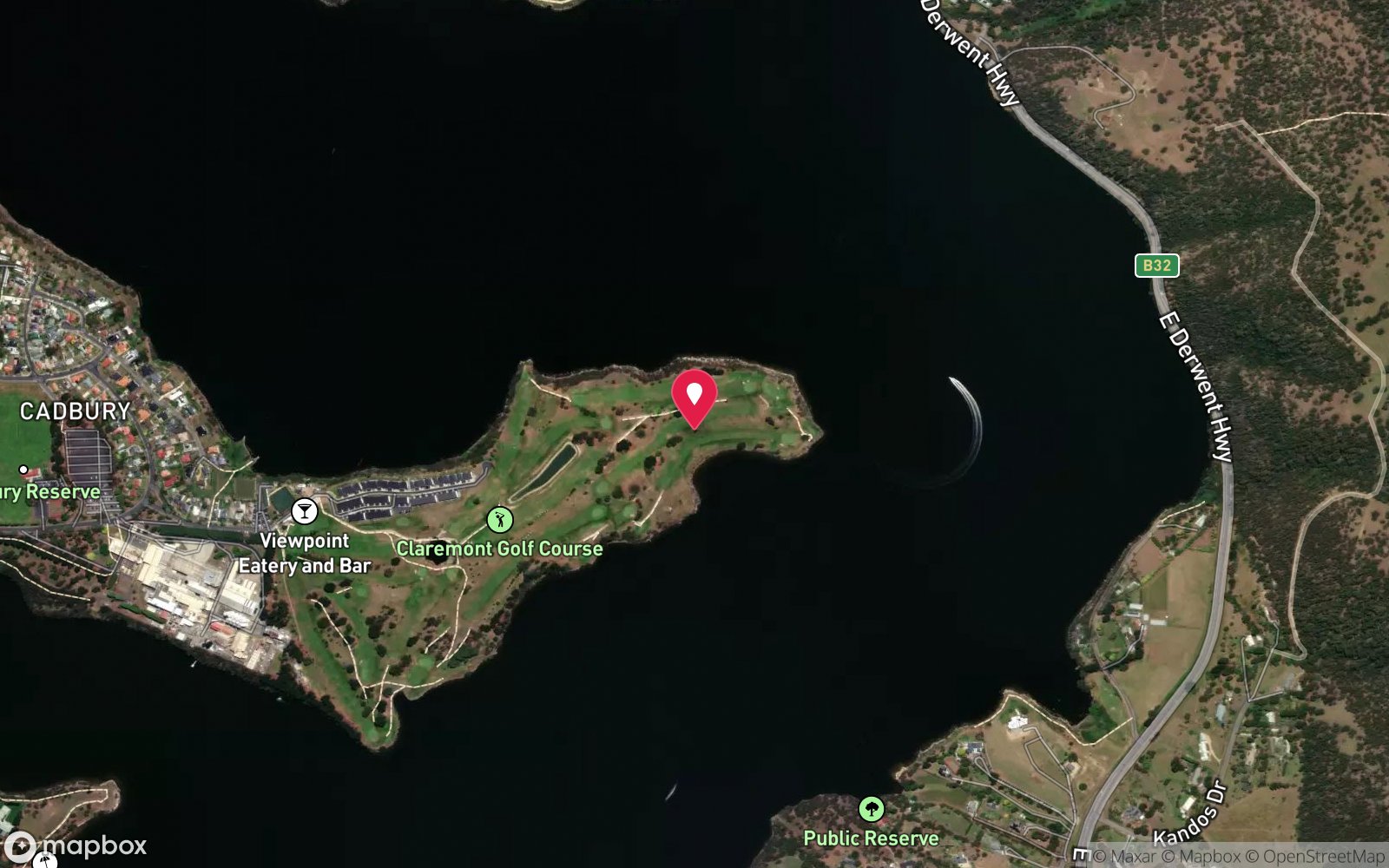
Map
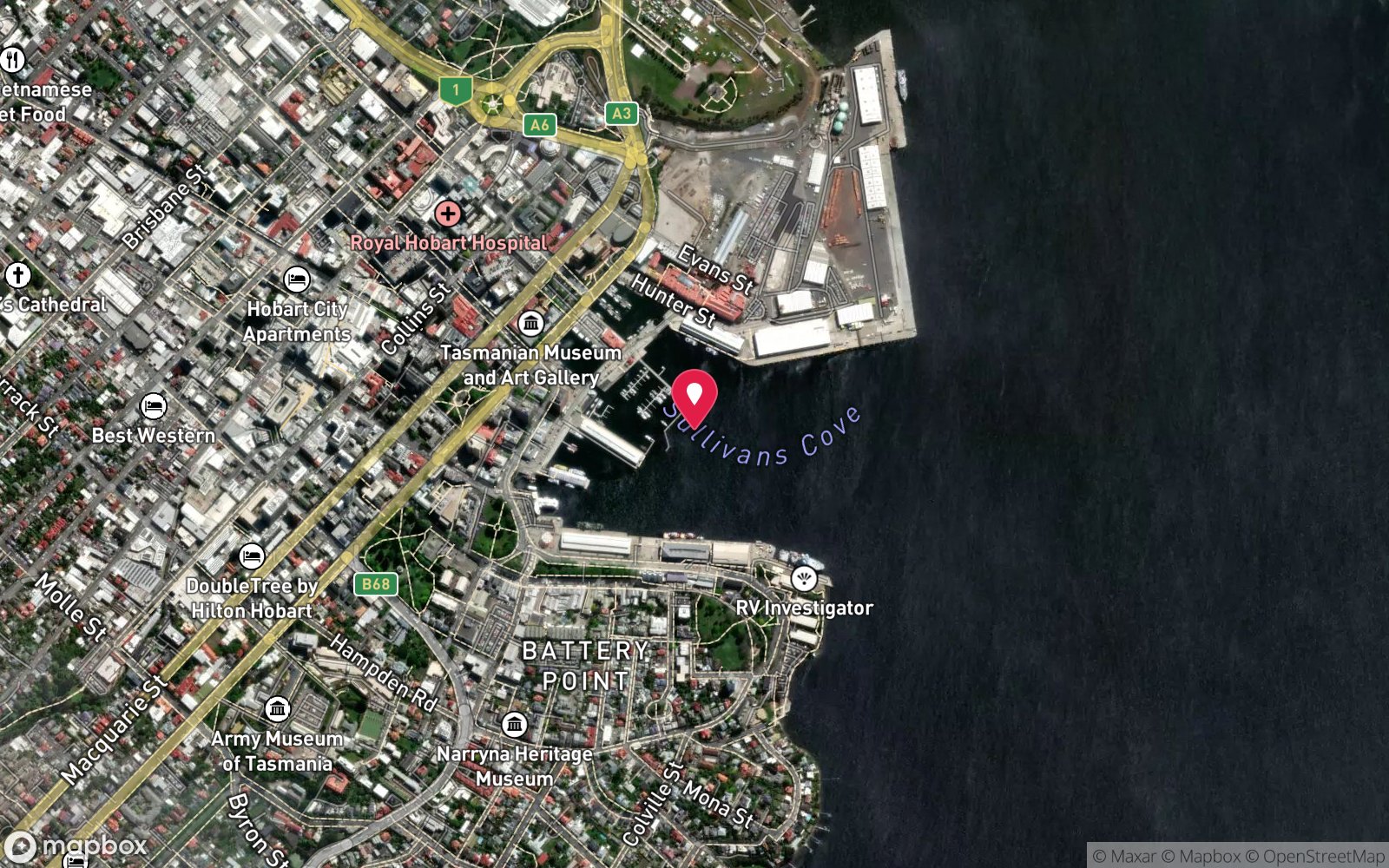
7 pinned sites. Pins marked approximate on their pages show the general area only; not for navigation.
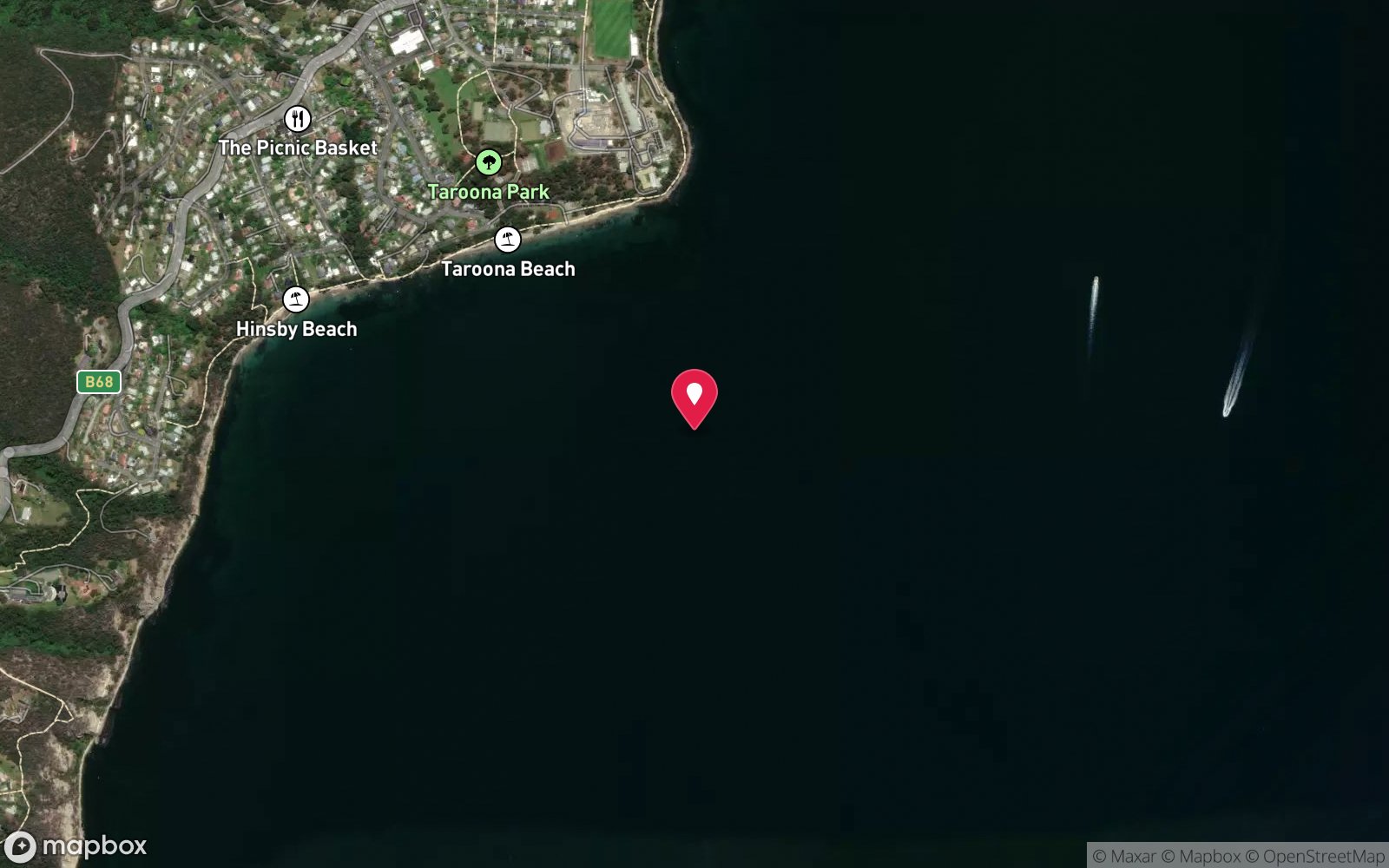
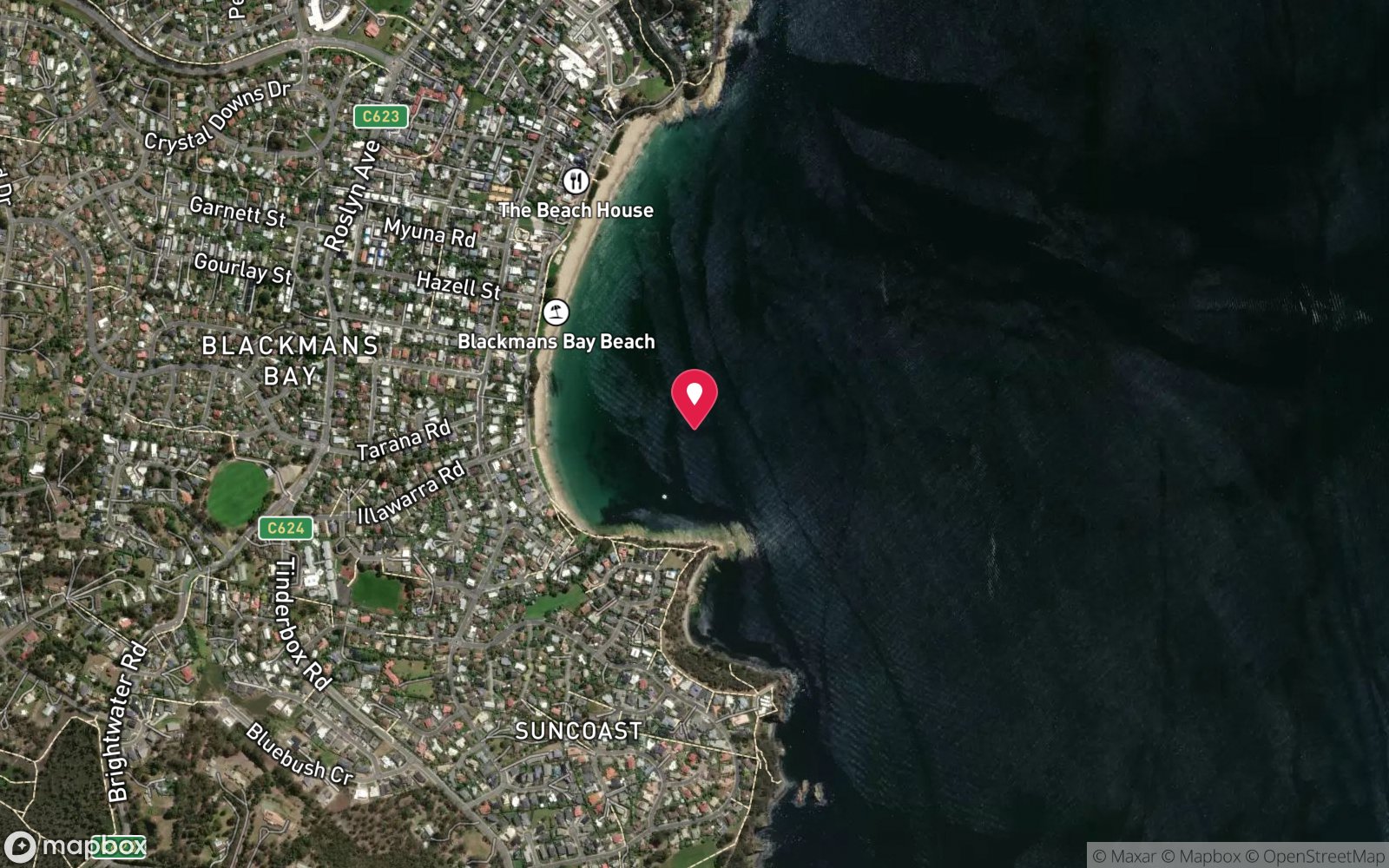
Satellite views
Otago Hulk (Otago Bay): frequently asked questions
How deep is Otago Hulk (Otago Bay)?
Otago Hulk (Otago Bay) reaches a maximum depth of 3 m, with the shallowest part at about 0 m; most of the dive is spent around 1 m.
What certification do I need to dive Otago Hulk (Otago Bay)?
No certification is needed to snorkel it, and it suits introductory dives. Rated beginner: sheltered, shallow and manageable for a newly certified diver on a normal day, though note cold water.
Can I shore dive Otago Hulk (Otago Bay)?
Yes. Otago Hulk (Otago Bay) is a shore dive that can be done independently: wade or snorkel from the shore.
When is the best time to dive Otago Hulk (Otago Bay)?
Late summer to autumn (February-May) for settled weather and best visibility; diveable year-round between fronts.
What marine life will I see at Otago Hulk (Otago Bay)?
Regularly recorded: Estuarine crabs, small fish, mussels, weed.
What wetsuit do I need at Otago Hulk (Otago Bay)?
Drysuit strongly recommended year-round; 7 mm semi-dry or two-piece 7 mm wetsuit with hood and gloves is the minimum in summer.
How cold is the water at Otago Hulk (Otago Bay)?
Typically 15-20 °C in summer and 8-11 °C in winter.
What are the main hazards at Otago Hulk (Otago Bay)?
Sharp corroded iron; soft mud; very low visibility; do not climb on the remains; private property ashore. See the hazards section above for the full list.
Where is the nearest recompression chamber to Otago Hulk (Otago Bay)?
Royal Hobart Hospital Hyperbaric Medicine Unit (Hobart CBD); DAN emergency hotline 1800 088 200. In an emergency call 000, then DAN Asia-Pacific on 1800 088 200.
Diving in Hobart & Derwent
Hobart has the Tinderbox Marine Reserve, with its snorkel trail, weedy seadragons and easy shore access, the Derwent's wrecks and the Alma dredge, the Blackmans Bay and Kingston reefs, and the Iron Pot at the river mouth. Water is 11–17 °C and visibility improves quickly downstream of the city.
Getting there: All within 30–40 minutes of the city with shore entries; Hobart dive shops run charters and hire drysuits.
Sources
Data confidence: High · Being verified: Coordinates approximate; wreck_year_sunk reflects the 1931 sale for scrap/abandonment.. Last updated September 2026. Know this site better? How to send a correction