Dive slate · divesites.com.au · printed 9 Nov 2026
Lagoon Pier
Melbourne & Port Phillip Bay, Victoria · near Port Melbourne (Melbourne)
| Depth | 1–4 m |
|---|---|
| Minimum level | Open Water |
| Difficulty | Beginner |
| Access | Shore |
| Entry | Walk in from the beach beside the pier; shallow sand entry |
| Current | None |
| Visibility | 2-6 m |
| Water | summer 18-21 °C, winter 10-13 °C |
| Suit | 7 mm wetsuit or semi-dry with hood and gloves in summer; drysuit or 7 mm semi-dry with hood in winter |
| Best season | Year-round; autumn (March-May) usually gives the calmest water and best visibility |
| Bottom time | 45 min |
| Position | -37.84491, 144.94023 (GPS) |
| Permit | None required |
| Nearest chamber | The Alfred Hospital Hyperbaric Service (Melbourne) |
| Emergency | 000 · DAN Asia-Pacific diving emergency 1800 088 200 |
Lagoon Pier
Also known as Lagoon Pier, Port Melbourne
Closest pier dive to the Melbourne CBD; an easy, very shallow snorkel or check-out dive with a lit pier for night dives.
Near Port Melbourne (Melbourne) · Melbourne & Port Phillip Bay, Victoria
- Depth
- 1–4 m
- Minimum level
- Open Water
- Access
- Shore
- Boat ride
- Shore entry
- Water
- 18-21 °C
- Visibility
- 2-6 m
Lagoon Pier1–4 m · Open Water · Shore
Dive factsDepths, conditions, location & safety
Season
Off-peak nowBest months: March, April, May.
Year-round; autumn (March-May) usually gives the calmest water and best visibility
- Best months
- Now (November)
Dive facts
- Depth
- 1–4 m
- Typical depth
- 3 m
- Certification
- Open Water
- Difficulty
- Beginner
- Depth tier
- Easy (0–10 m)
- Access
- Shore
- Offshore
- 0 km
- Dive centre needed
- No – independently diveable
- Shore / independent
- Yes
- Current
- None
- Visibility
- 2-6 m
- Water temp (summer)
- 18-21 °C
- Water temp (winter)
- 10-13 °C
- Water
- Temperate
- Bottom time
- 45 min
- Dive traffic
- Moderate (occasional charters/club dives)
- Night dive
- Yes
- Snorkel friendly
- Yes
Exposure suit
7 mm wetsuit or semi-dry with hood and gloves in summer; drysuit or 7 mm semi-dry with hood in winter
Location
Port Melbourne / Hobsons Bay · Melbourne Bayside – Port Phillip
-37.84491, 144.94023
Published GPS position.
Open in Google MapsPrimary source: scubadoctor.com.auMarine park & permits
None required
Nearest recompression chamber
The Alfred Hospital Hyperbaric Service (Melbourne)
Diving emergency: call 000, then DAN AP 1800 088 200.
Trip planner
Build a trip around Lagoon Pier →
A day-by-day plan for Melbourne & Port Phillip Bay with this site locked in.
This guide is a planning aid. Conditions change daily — confirm with a local dive centre and dive within your training. Data & safety notes.
Dive profile
How this site rates
Scores are computed from the recorded data, not opinions. How?
At a glance
Lagoon Pier is a jetty / pier shore dive you can do independently in Melbourne & Port Phillip Bay, VIC, 1–4 m, suited to Open Water divers.
Rated beginner: sheltered, shallow and manageable for a newly certified diver on a normal day, though note cold water.
Why dive here
- Closest pier dive to the Melbourne CBD; an easy, very shallow snorkel or check-out dive with a lit pier for night dives.
- Commonly dived at night, when octopus, cuttlefish and crustaceans are out.
- Snorkel-friendly, so non-diving companions can join at the surface.
Conditions to avoid
- Afternoon north-easterlies
- Strong westerlies
- Outgoing tide or run-off after rain (poor visibility)
- Any time other than slack water
About Lagoon Pier
Lagoon Pier is the northernmost of the Port Phillip pier dives and one of the closest pieces of diveable structure to the Melbourne CBD. Built in 1889 at the head of Hobsons Bay, it runs roughly 300 m out from the Port Melbourne beach and is unusual among the bay's piers for being narrow and slightly curved, which gives the dive a different feel from the broad, square timber decks at Brighton or Mordialloc. The name records a lagoon that once ran inland from here and was progressively filled by 1929; the adjacent land was the HMAS Lonsdale naval depot until the 1990s and is now apartments.
The pier is a public berthing pier, so small craft tie up along it for up to 48 hours. Underwater it is a shallow silt-and-sand dive. Depth is barely a metre at the beach and only reaches about 4 m at the outer end, so the whole dive is spent among the pylons.
The piles carry a modest growth of mussels, tubeworms, sea squirts and bryozoans, with the usual Port Phillip pier tenants: Tasmanian blennies in the crevices, southern cardinalfish, small leatherjackets, toadfish, decorator crabs and the occasional seahorse or pipefish on the weed beds beside the structure. Look under the odd piece of debris on the sand for octopus. Because the bottom is fine mud, visibility is easily wrecked by careless finning and is rarely more than a few metres even on a good day.
It is not a destination dive. Its value is as a quick, safe, very shallow site for checking new gear, running a first night dive, practising navigation, or snorkelling with children, and for divers living in the inner suburbs who want to get wet in half an hour rather than drive to the peninsula. Combine it with Kerferd Road Pier, a kilometre to the east, for a two-tank morning.
Getting there & entry
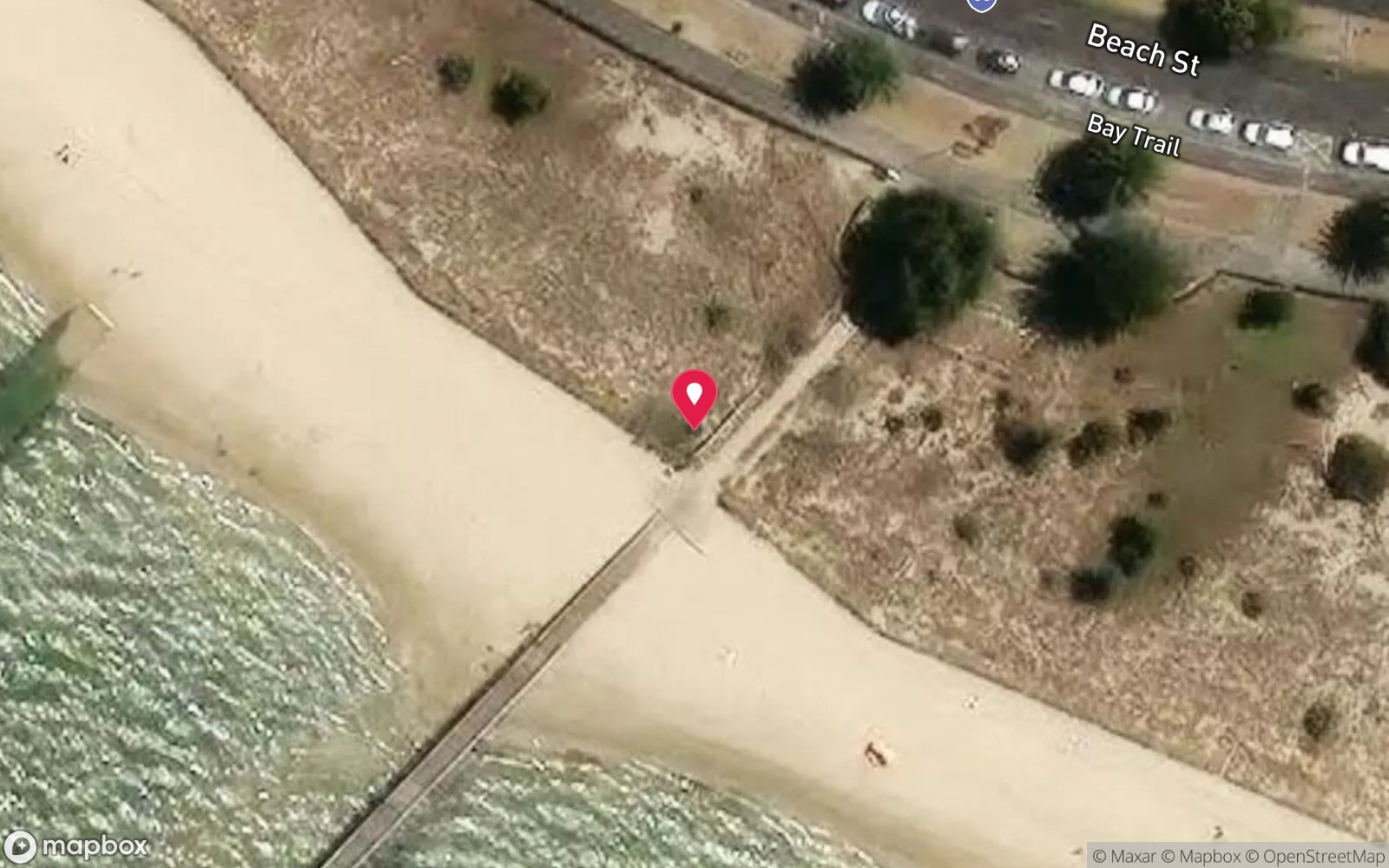
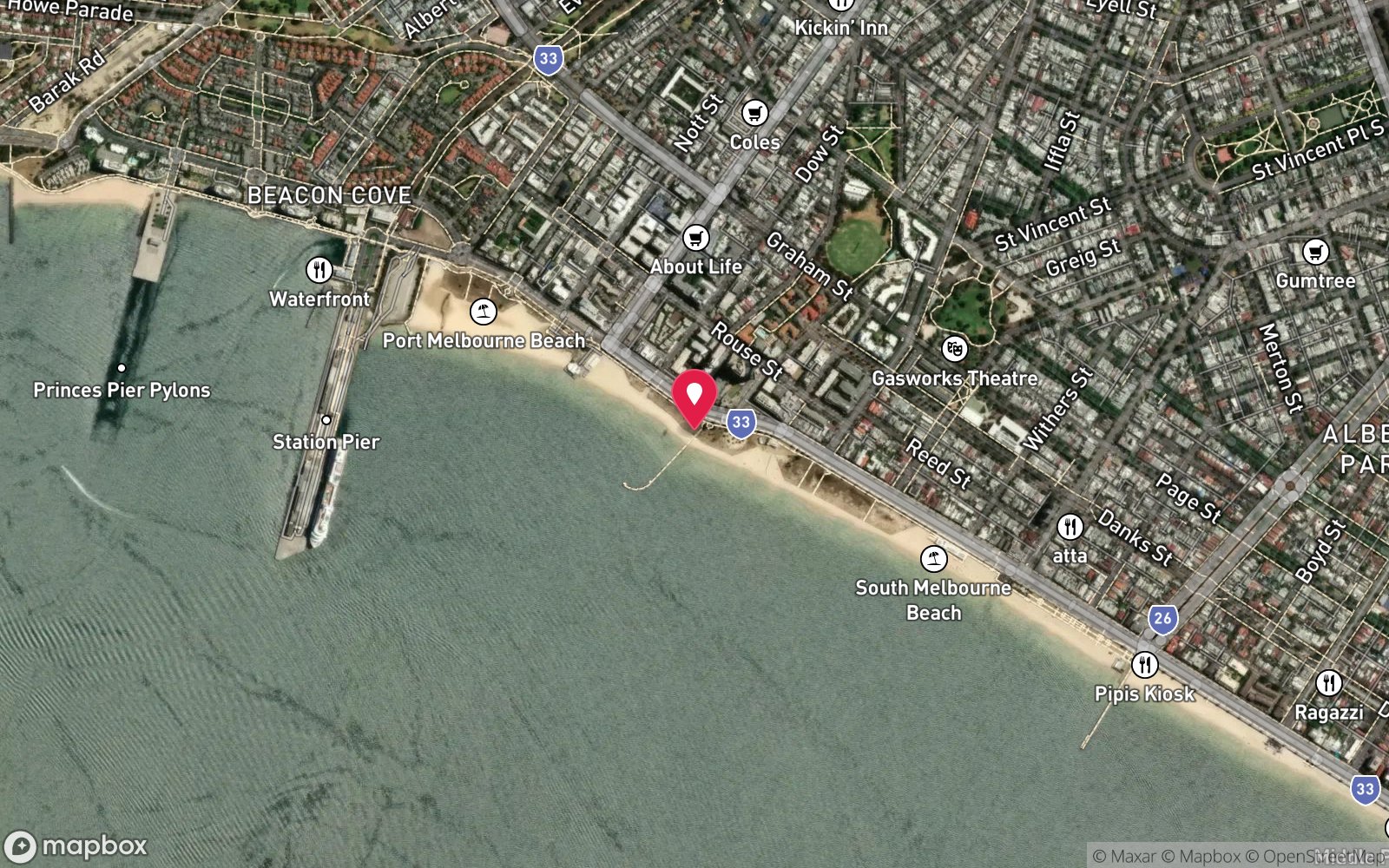
Narrow 300 m timber pier on the Port Melbourne foreshore off Beach Street, between the Port Melbourne Yacht Club and the Port Melbourne Life Saving Club, at the north-east corner of Port Phillip.
From Melbourne CBD take Clarendon Street or Bay Street south to Beach Street, Port Melbourne (about 15 minutes). Park in the car park off Beach Street opposite Esplanade East; it fills quickly on warm weekends and is metered. The pier is a short flat walk of under 100 m from the car park, and you can gear up at the car and walk down onto the sand.
Enter from the beach on either side of the pier (the south side is usually used) and swim out along the pylons. The water is very shallow for the first 50 m, so fin on the surface until it is deep enough to descend. Exit back up the beach.
The yacht club and life saving club both have kiosks.
Entry: Walk in from the beach beside the pier; shallow sand entry
Facilities: Metered car park off Beach Street; public toilets; yacht club and life saving club kiosks and change rooms; cafes along Bay Street; nearest air fills Dive Victoria Group or Scuba Culture
Weather, swell & tides
Lagoon Pier faces south-west into Hobsons Bay and picks up moderate wind chop in any strong southerly or south-westerly; it is blown out by anything over about 15 knots from the south quarter. It is at its best in northerly, north-easterly, north-westerly or westerly winds, or light south, south-west or east winds. Visibility is generally poor (2-4 m) because of the Yarra outflow and fine silt, and drops further for several days after heavy rain.
Dive on the top of the tide for the best depth and clarity; winter often gives the clearest water. There is no swell to speak of. Night dives are popular as the pier is lit and close to town.
Best season: Year-round; autumn (March-May) usually gives the calmest water and best visibility
If it's blown out
Sheltered or shore sites within 25 km that often work when Lagoon Pier doesn't.
- McGregor Rock, Quiet Corner · 17 km · Max 5 m
- Banksia Point, Ricketts Point · 17 km · Max 3 m
- Tea House Reef, Ricketts Point · 18 km · Max 5 m
- Ricketts Point Marine Sanctuary · 18 km · Max 8 m
How the dive is usually run
Enter from the beach on the south side, fin out on the surface to the third or fourth set of pylons, descend and work slowly out along one row of piles to the end (about 4 m), cross under the pier and return along the other side. Keep a metre off the bottom to avoid silting out. Turn at half your gas or 30 minutes and ascend in the shallows beside the beach; no safety stop is needed at these depths.
Marine life
- Seahorses (occasional) →
- pipefish →
- Tasmanian blennies
- southern cardinalfish
- leatherjackets
- toadfish
- decorator crabs
- octopus →
- sea stars
- mussels and ascidians on piles
Linked species have their own page listing every site where they are recorded. All marine life →
Training required
Shallow enough for snorkellers and for a first dive under supervision. Any certified diver can dive it.
Courses that help here
- Night Diver – Commonly dived at night.
- Drysuit Diver – Cold water; locals dive dry for much of the year.
- Peak Performance Buoyancy – Silt and low visibility punish poor trim.
Depth tiers: 0–10 m easy · to 18 m Open Water · 18–30 m Advanced (25 m+ is a deep dive) · 30–40 m Deep specialty · 40 m+ technical. All courses
Hazards & warnings
Very shallow (do not jump from the pier); fishing lines and hooks on the pylons; small boats berthing at the pier; silt reduces visibility quickly; poor visibility after rain; exit is the same beach either side of the pier
Dive centres that go here
No regular commercial operator – dived independently and by Melbourne dive clubs and shop social-dive programs (Scuba Culture, Aquability, Melbourne Diving Services run occasional shore-dive nights at bayside piers); Ricketts Point-based snorkel tours run separately.
Operators recorded for Lagoon Pier
Aquability
ListedMordialloc · Melbourne & Port Phillip Bay · VIC
A Victorian operation associated with technical diving training. Exact agency, course levels and gas support require verification.
aquability.com.au · (03) 9587 1811
Bay City Scuba
ListedEast Geelong · Melbourne & Port Phillip Bay · VIC
A Victorian business associated with recreational and technical training alongside equipment and gas services.
baycityscuba.com · (03) 5248 1488
Scuba Culture
ListedBurwood · Melbourne & Port Phillip Bay · VIC
A Melbourne business providing training and equipment support for local divers.
scubaculture.com.au · (03) 9808 0033
Scubabo Dive Victoria (Dive Victoria Group)
Named by sitesQueenscliff · Port Phillip Heads · VIC
Rebranded as Scubabo Dive Victoria, Queenscliff; dive.scubabo.com is live for 2026 with active charter bookings.
dive.scubabo.com · (03) 5258 1188
Melbourne Diving Services
Named by sitesPortsea · Melbourne & Port Phillip Bay · VIC
Only a directory listing in Portsea (updated 2024); no website, socials or recent reviews found.
Other dive centres in Melbourne & Port Phillip Bay
The Scuba Doctor
ProfiledRye · Melbourne & Port Phillip Bay · VIC
A Victorian equipment and service business with an extensive retail presence, located to serve both Melbourne and Mornington Peninsula divers.
scubadoctor.com.au · (03) 5985 3322
Diveline Scuba Centre
ListedFrankston · Melbourne & Port Phillip Bay · VIC
A Victorian business associated with technical training and gas support alongside recreational courses.
diveline.com.au · (03) 9783 7166
Divein2Scuba (Geelong Dive Centre)
ListedGeelong · Geelong & Bellarine · VIC
A Geelong business providing training, equipment and local diving support.
divein2scuba.com · (03) 5221 3342
Ocean Divers
ListedBentleigh East · Melbourne & Port Phillip Bay · VIC
A Victorian operation associated with recreational and technical training and access to Port Phillip diving.
oceandivers.com.au · (03) 9579 2600
Academy of Scuba
ListedRye · Melbourne & Port Phillip Bay · VIC
A Melbourne training business offering recreational courses with technical pathways.
academyofscuba.com.au · (03) 9889 9952
ADRENO Melbourne
ListedCheltenham · Melbourne & Port Phillip Bay · VIC
An equipment retailer with a spearfishing and freediving emphasis. Primarily retail rather than a training centre.
adreno.com.au/pages/contact-us-melbourne · (03) 9584 7228
Map
7 pinned sites. Pins marked approximate on their pages show the general area only; not for navigation.
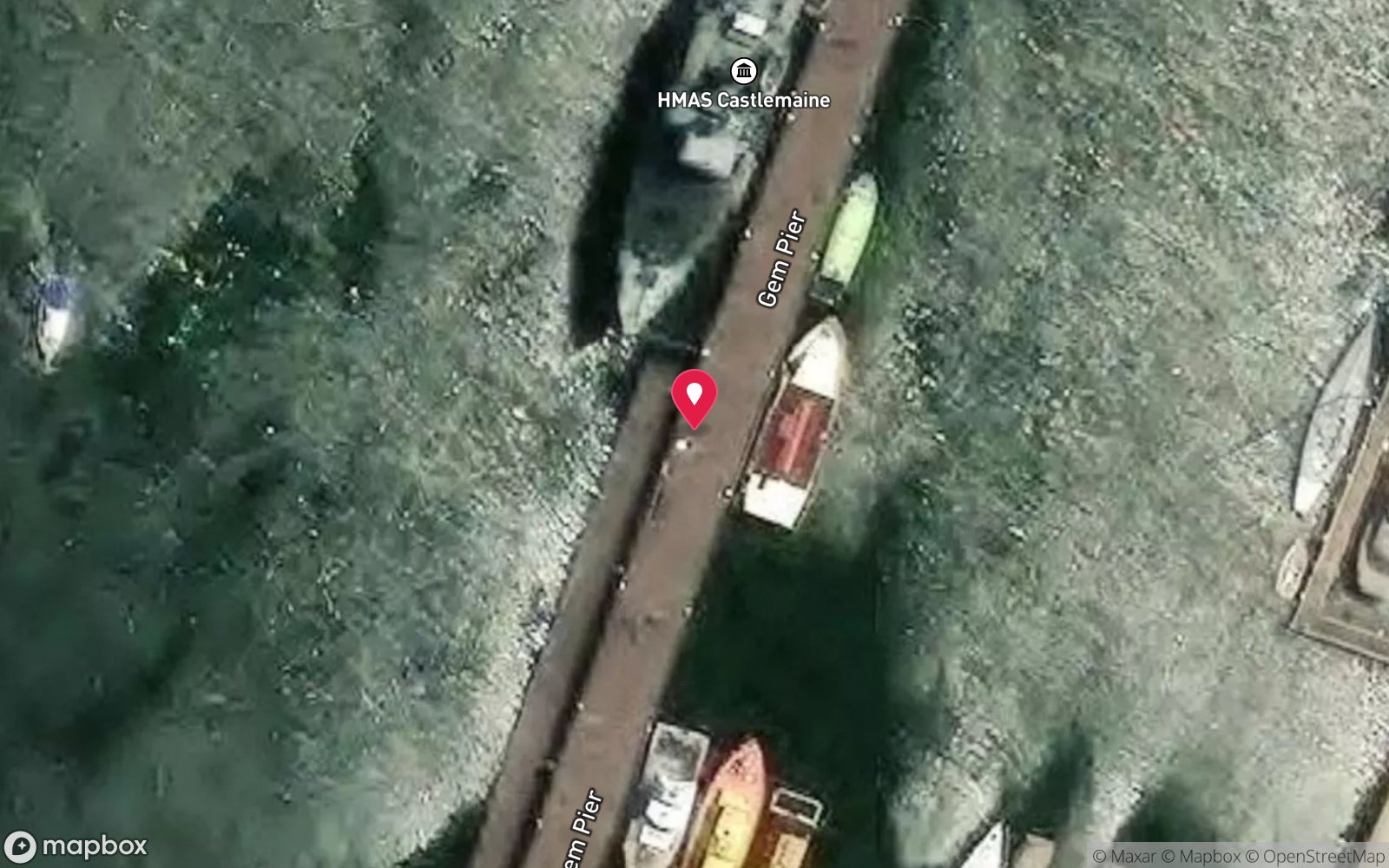
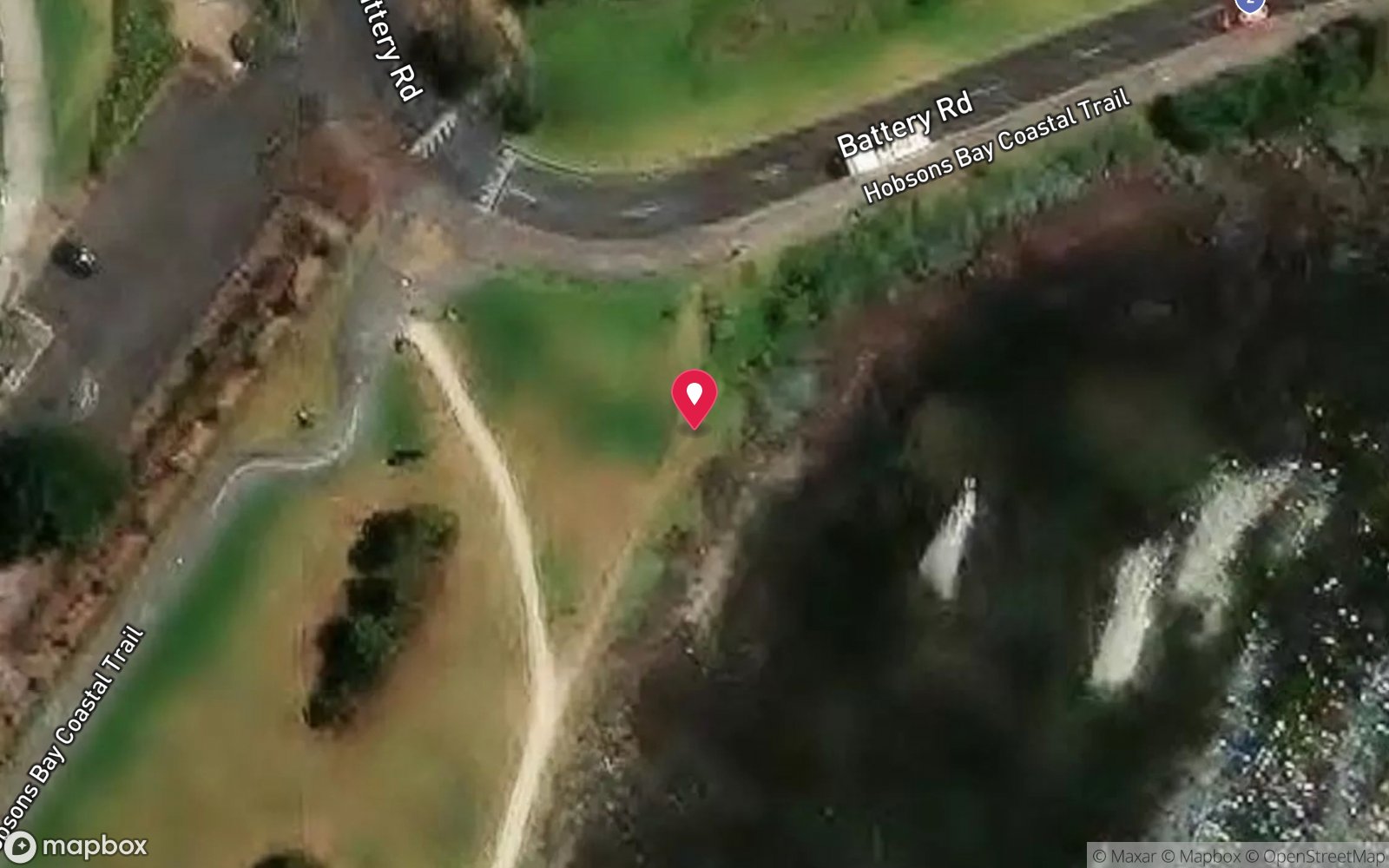
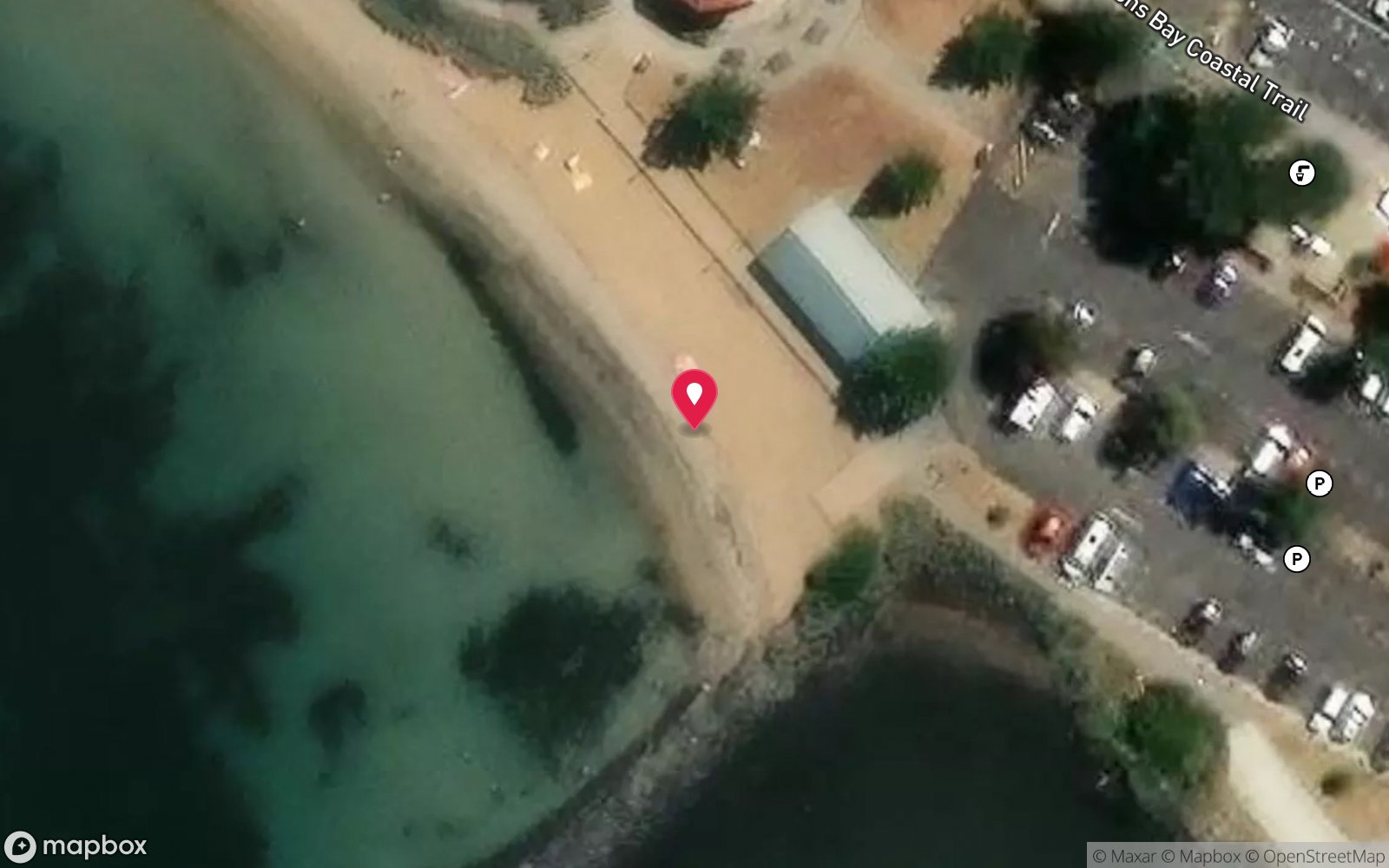
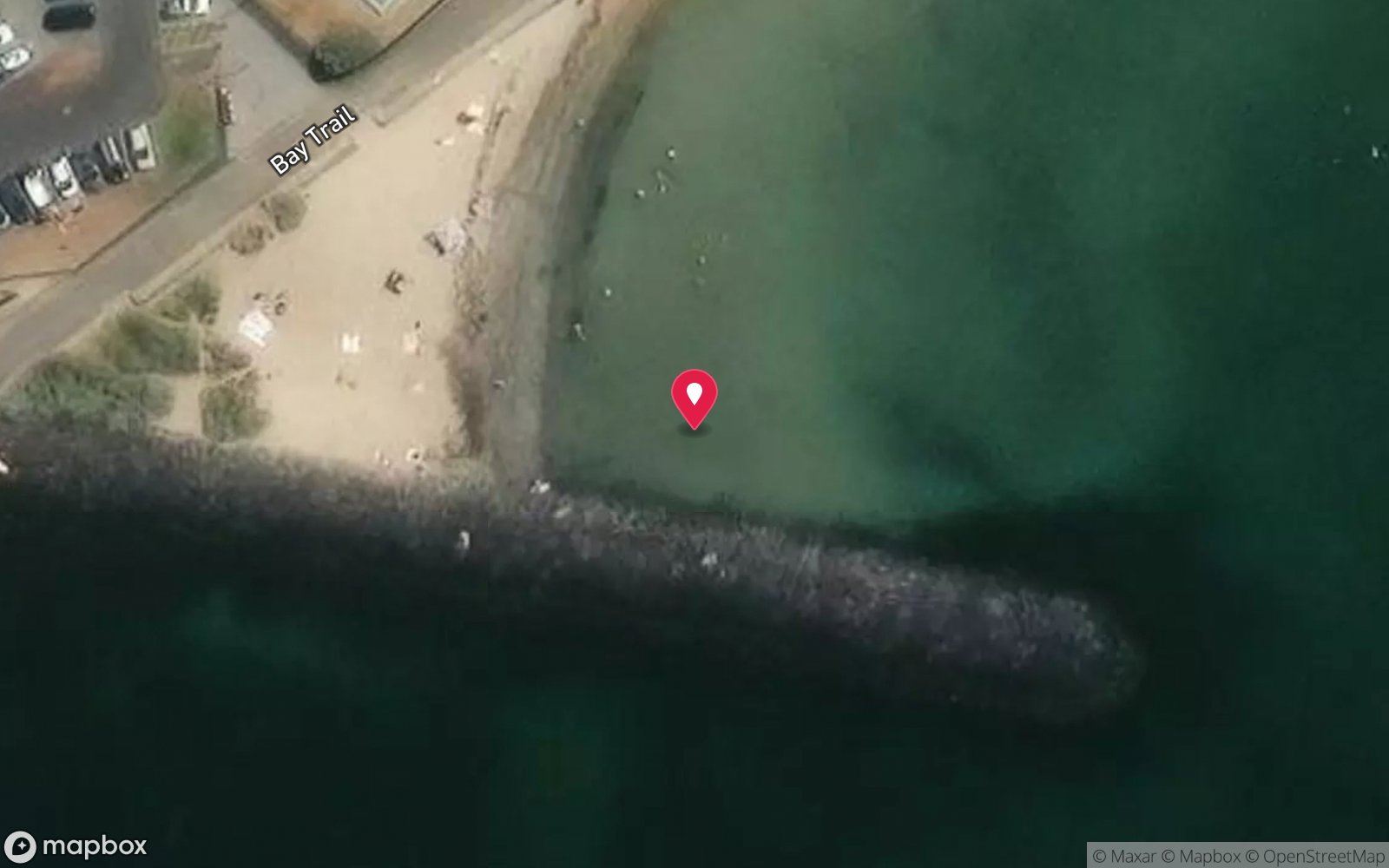
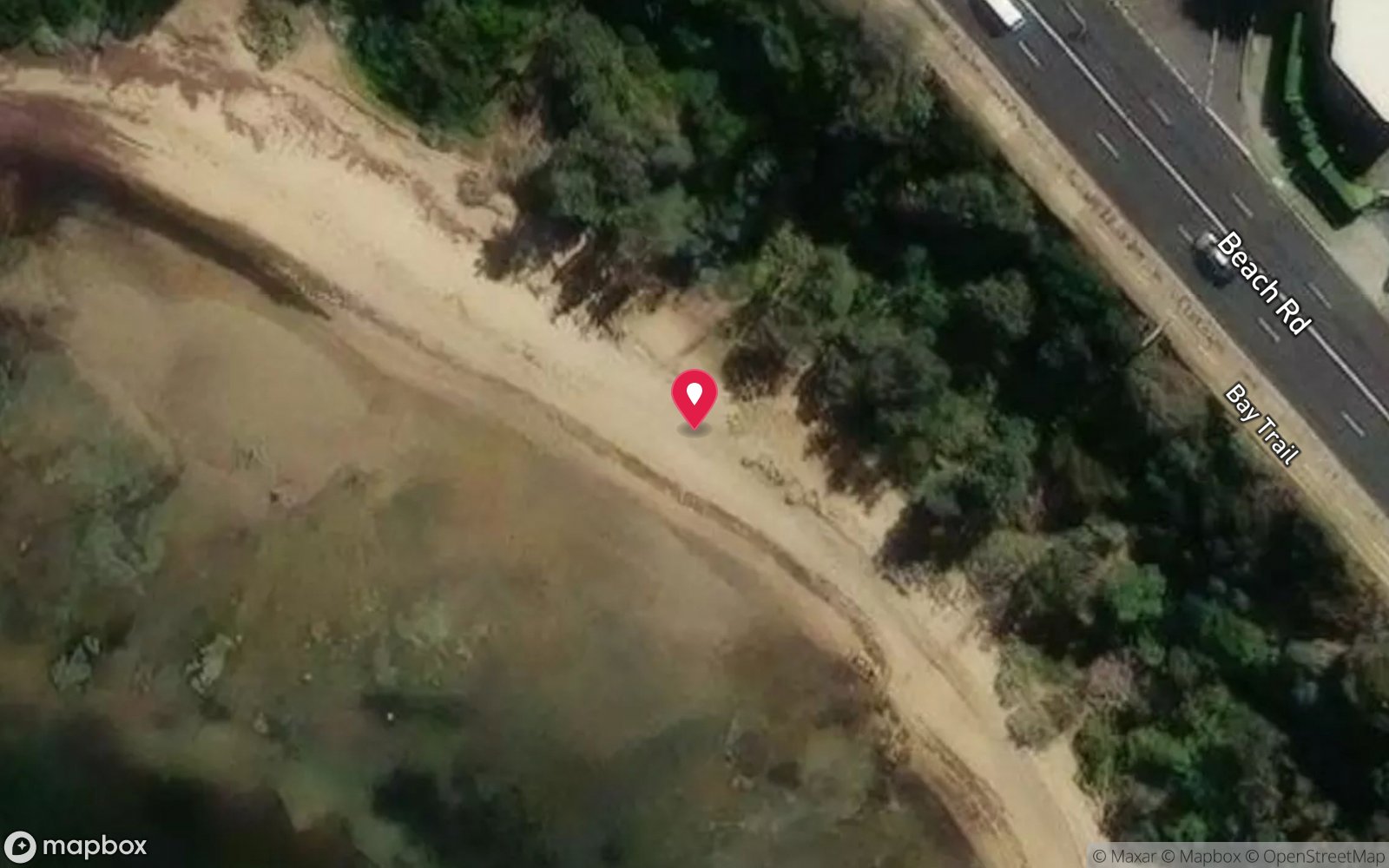
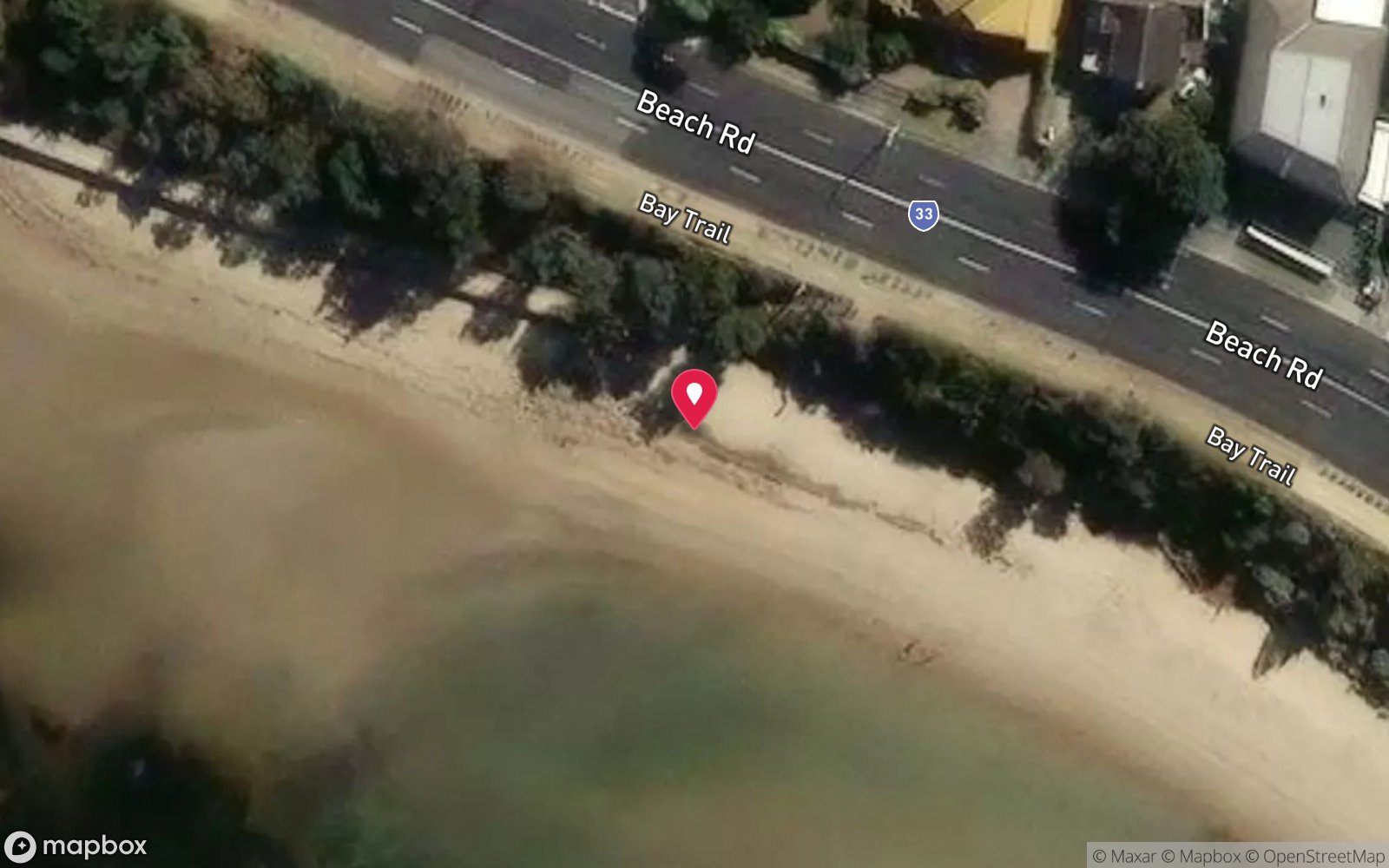
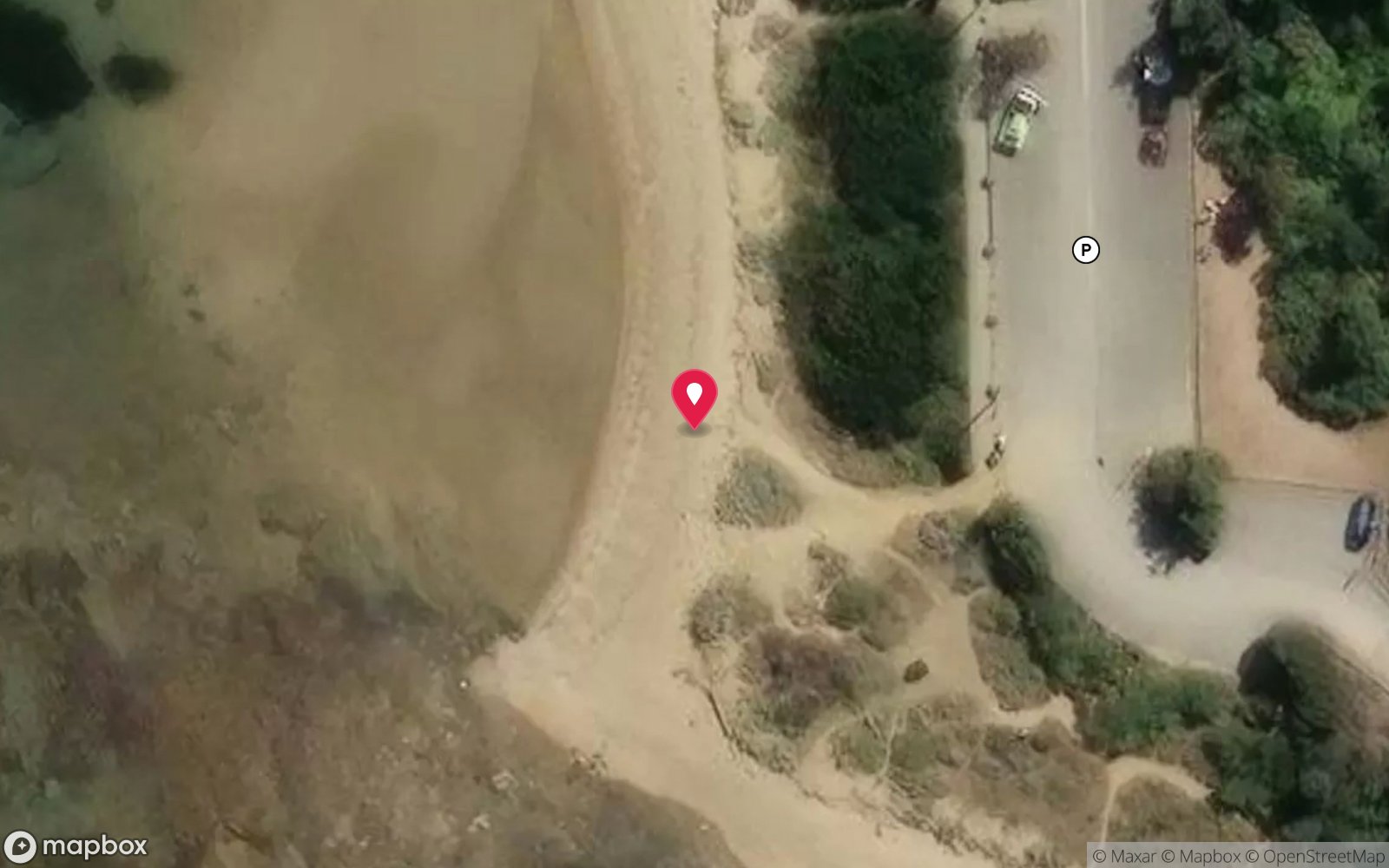
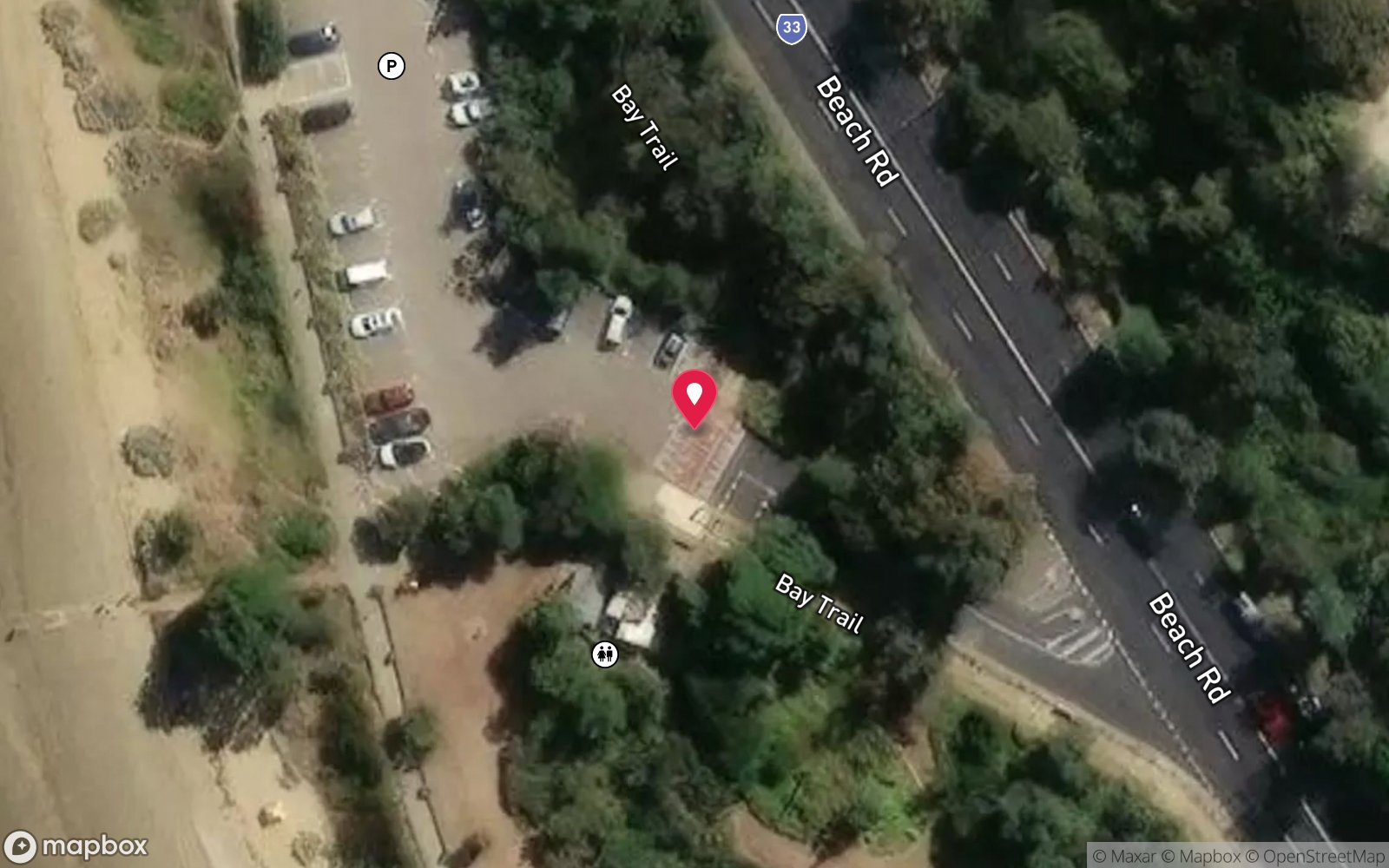
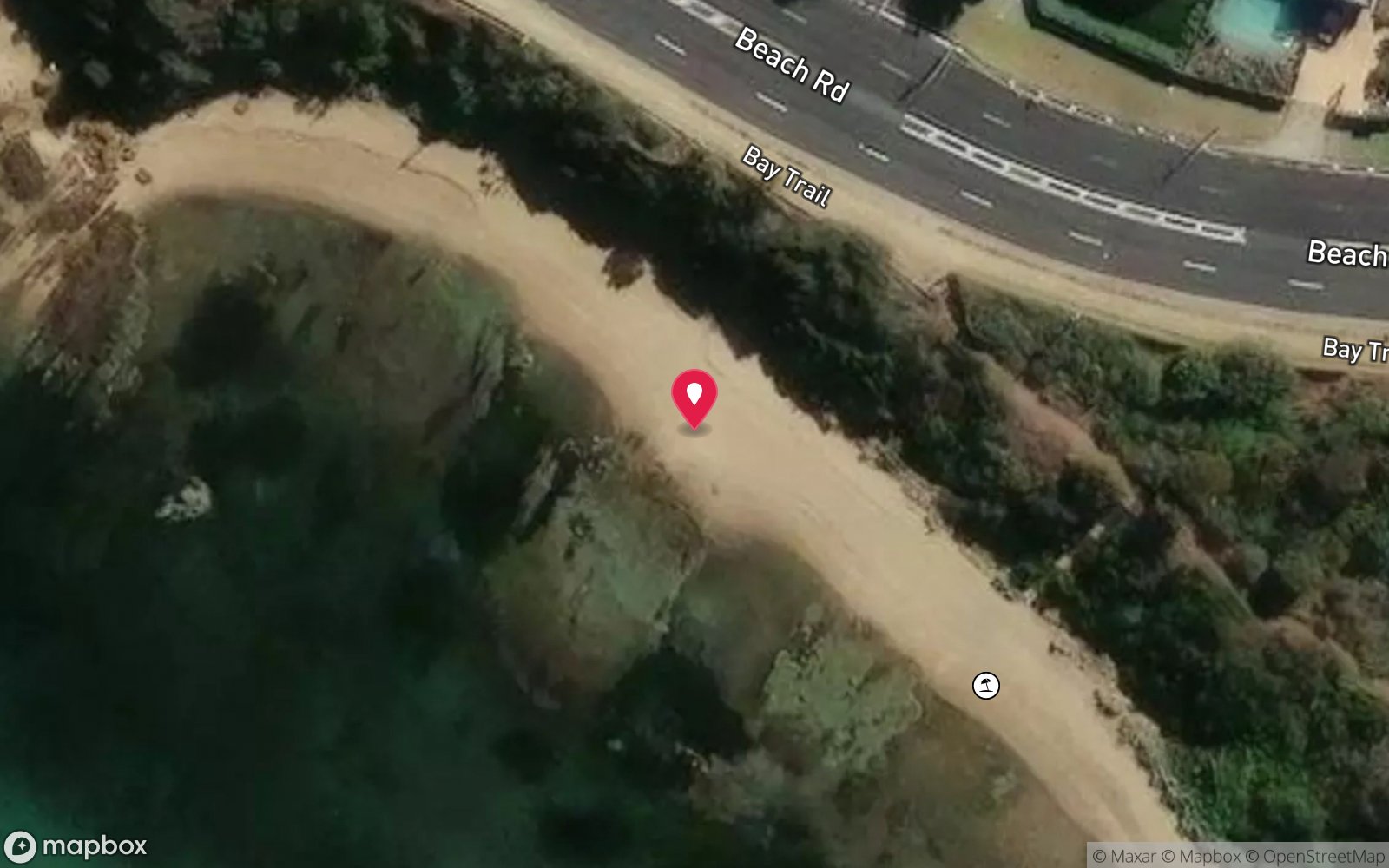
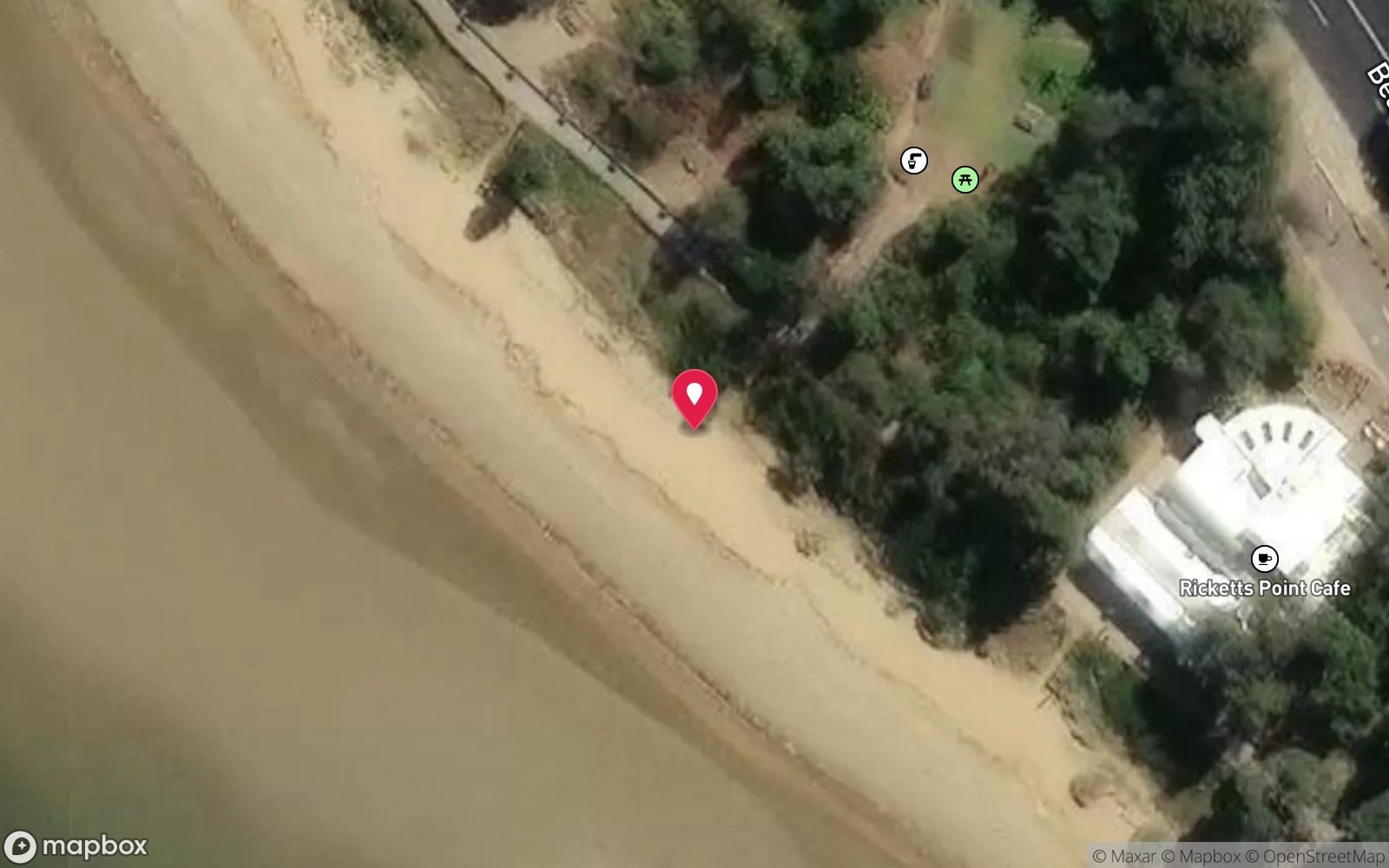
Satellite views
Lagoon Pier: frequently asked questions
How deep is Lagoon Pier?
Lagoon Pier reaches a maximum depth of 4 m, with the shallowest part at about 1 m; most of the dive is spent around 3 m.
What certification do I need to dive Lagoon Pier?
Open Water is the recommended minimum. Rated beginner: sheltered, shallow and manageable for a newly certified diver on a normal day, though note cold water.
Can I shore dive Lagoon Pier?
Yes. Lagoon Pier is a shore dive that can be done independently: walk in from the beach beside the pier; shallow sand entry.
When is the best time to dive Lagoon Pier?
Year-round; autumn (March-May) usually gives the calmest water and best visibility.
What marine life will I see at Lagoon Pier?
Regularly recorded: Seahorses (occasional), pipefish, Tasmanian blennies, southern cardinalfish, leatherjackets, toadfish, decorator crabs, octopus, sea stars, mussels and ascidians on piles.
What wetsuit do I need at Lagoon Pier?
7 mm wetsuit or semi-dry with hood and gloves in summer; drysuit or 7 mm semi-dry with hood in winter.
How cold is the water at Lagoon Pier?
Typically 18-21 °C in summer and 10-13 °C in winter.
What are the main hazards at Lagoon Pier?
Very shallow (do not jump from the pier); fishing lines and hooks on the pylons; small boats berthing at the pier; silt reduces visibility quickly; poor visibility after rain; exit is the same beach either side of the pier. See the hazards section above for the full list.
Can you night dive Lagoon Pier?
Yes, Lagoon Pier is commonly dived at night.
Diving in Melbourne & Port Phillip Bay
Melbourne's bayside suburbs, from Williamstown around to Frankston, have shallow, easy shore dives: Ricketts Point Marine Sanctuary, Black Rock, Half Moon Bay and the Cerberus wreck, Frankston pier, and the artificial reefs and scuttled boats off St Kilda and Mordialloc. Visibility is modest but the life, especially at night, is good.
Getting there: Suburban shore dives with parking; charters from St Kilda and Mordialloc for the bay wrecks.
All Melbourne & Port Phillip Bay dive sites and a suggested itinerary →
Sources
Data confidence: Medium · Being verified: Marine life list is generic Port Phillip pier fauna; confirm locally. Last updated September 2026. Know this site better? How to send a correction
Nearby dive sites
More shore dives in Victoria
Explore more
This region