Dive slate · divesites.com.au · printed 7 Nov 2026
Lake St Clair (Cynthia Bay)
Tasmania Freshwater & Caves, Tasmania · near Derwent Bridge
| Depth | 2–10 m |
|---|---|
| Minimum level | Open Water |
| Difficulty | Beginner |
| Access | Shore |
| Entry | Shore entry from the lake edge at Cynthia Bay |
| Current | None |
| Visibility | 5-10 m |
| Water | summer 12-16 °C, winter 4-7 °C |
| Suit | Drysuit recommended; 7 mm wetsuit with hood, gloves and boots minimum - colder than the sea, especially with spring snowmelt |
| Best season | Summer (December-March); spring snowmelt makes the water very cold |
| Bottom time | 40 min |
| Position | -42.11600, 146.17400 (approximate) |
| Permit | Cradle Mountain-Lake St Clair National Park - Parks Pass required; no collecting of wildlife. No specific diving permit known. |
| Nearest chamber | Royal Hobart Hospital Hyperbaric Medicine Unit (Hobart) - the only chamber in Tasmania; Launceston has none. DAN emergency hotline 1800 088 200 |
| Emergency | 000 · DAN Asia-Pacific diving emergency 1800 088 200 |
Lake St Clair (Cynthia Bay)
Also known as Cynthia Bay
Clear freshwater diving at Australia's deepest lake, with freshwater crayfish in the shallows.
Near Derwent Bridge · Tasmania Freshwater & Caves, Tasmania
- Depth
- 2–10 m
- Minimum level
- Open Water
- Access
- Shore
- Boat ride
- Shore entry
- Water
- 12-16 °C
- Visibility
- 5-10 m
Lake St Clair (Cynthia Bay)2–10 m · Open Water · Shore
Dive factsDepths, conditions, location & safety
Season
In season nowBest months: January, February, March, September, October, November, December.
Summer (December-March); spring snowmelt makes the water very cold
- Best months
- Now (November)
Dive facts
- Depth
- 2–10 m
- Typical depth
- 5 m
- Certification
- Open Water
- Difficulty
- Beginner
- Depth tier
- Easy (0–10 m)
- Access
- Shore
- Dive centre needed
- No – independently diveable
- Shore / independent
- Yes
- Current
- None
- Visibility
- 5-10 m
- Water temp (summer)
- 12-16 °C
- Water temp (winter)
- 4-7 °C
- Water
- Cold Freshwater
- Bottom time
- 40 min
- Dive traffic
- Rarely dived (private boat/club only)
- Night dive
- No
- Snorkel friendly
- Yes
Exposure suit
Drysuit recommended; 7 mm wetsuit with hood, gloves and boots minimum - colder than the sea, especially with spring snowmelt
Location
Cradle Mountain-Lake St Clair National Park · Tasmania - Freshwater & Caves
-42.11600, 146.17400
Approximate position — not for navigation.
Open in Google MapsPrimary source: marinelife.org.auMarine park & permits
Cradle Mountain-Lake St Clair National Park - Parks Pass required; no collecting of wildlife. No specific diving permit known.
Nearest recompression chamber
Royal Hobart Hospital Hyperbaric Medicine Unit (Hobart) - the only chamber in Tasmania; Launceston has none. DAN emergency hotline 1800 088 200
Diving emergency: call 000, then DAN AP 1800 088 200.
Trip planner
Build a trip around Lake St Clair (Cynthia Bay) →
A day-by-day plan for Tasmania Freshwater & Caves with this site locked in.
This guide is a planning aid. Conditions change daily — confirm with a local dive centre and dive within your training. Data & safety notes.
Dive profile
How this site rates
Scores are computed from the recorded data, not opinions. How?
At a glance
Lake St Clair (Cynthia Bay) is a freshwater lake / river shore dive you can do independently in Tasmania Freshwater & Caves, TAS, 2–10 m, suited to Open Water divers.
Rated beginner: sheltered, shallow and manageable for a newly certified diver on a normal day, though note cold water.
Why dive here
- Clear freshwater diving at Australia's deepest lake, with freshwater crayfish in the shallows.
- Snorkel-friendly, so non-diving companions can join at the surface.
- Rarely dived: expect to have the site to yourself, and plan your own logistics.
Conditions to avoid
- Outgoing tide or run-off after rain (poor visibility)
About Lake St Clair (Cynthia Bay)
Lake St Clair, the southern end of the Overland Track and Australia's deepest lake, is the exception to the usual rule that Tasmanian lakes are too tannin-stained to dive. The Marine Life Network guide rates Cynthia Bay 4.5 out of 10 as a welcome change from ocean dives and an alternative when the sea is too rough: light penetrates to about 10 m, below which the water becomes dark and lifeless, so the best diving is in the 5 m shallows among small weed growths.
The guide describes freshwater crayfish (lobster-like, 10-15 cm, with large but harmless pincers), small shrimps and minute underwater spiders, with trout staying out of sight and fishing lures snagged in submerged branches. It notes that animals must not be removed (this is a national park) and that the water is much colder than the ocean, especially with spring snowmelt.
Around the lake there is world-class bushwalking, a visitor centre, cafe and accommodation at Cynthia Bay. It suits divers looking for something different, and snorkellers in summer, and it can be combined with a day walk to Shadow Lake or along the lakeshore towards Echo Point. The nearest hyperbaric chamber is the Royal Hobart Hospital, two hours away, and diving at altitude (737 m) requires altitude-adjusted decompression planning.
The lake lies within the Tasmanian Wilderness World Heritage Area, and visitors should follow Parks and Wildlife Service guidance, including checking and cleaning gear to avoid spreading freshwater pests and diseases such as chytrid fungus and didymo between waterways. Rangers at the Cynthia Bay visitor centre can advise on any current restrictions on in-water activities.
Getting there & entry
Shallow freshwater diving at Cynthia Bay, Lake St Clair - Australia's deepest lake - in Cradle Mountain-Lake St Clair National Park, with unusually clear water for a Tasmanian lake.
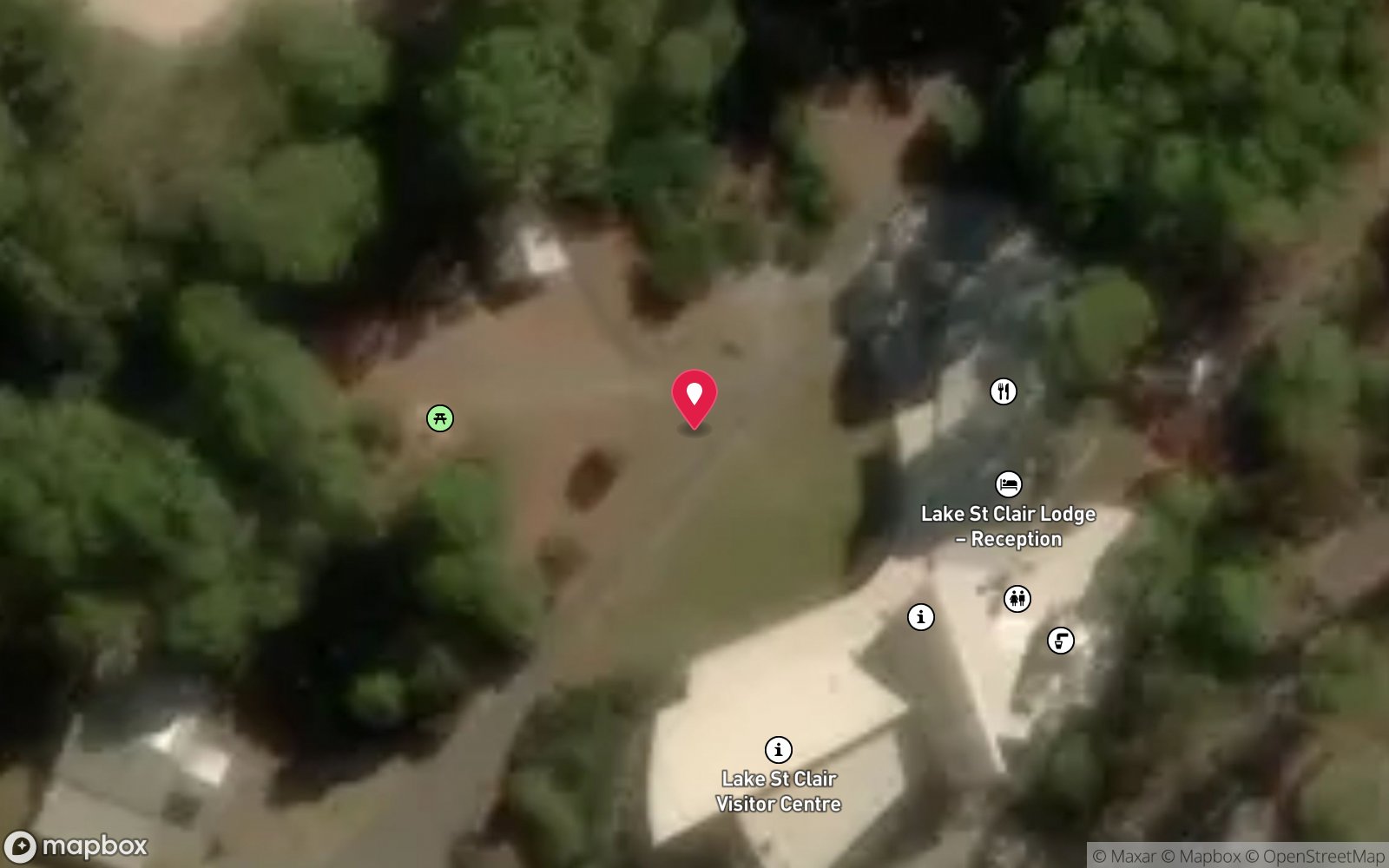
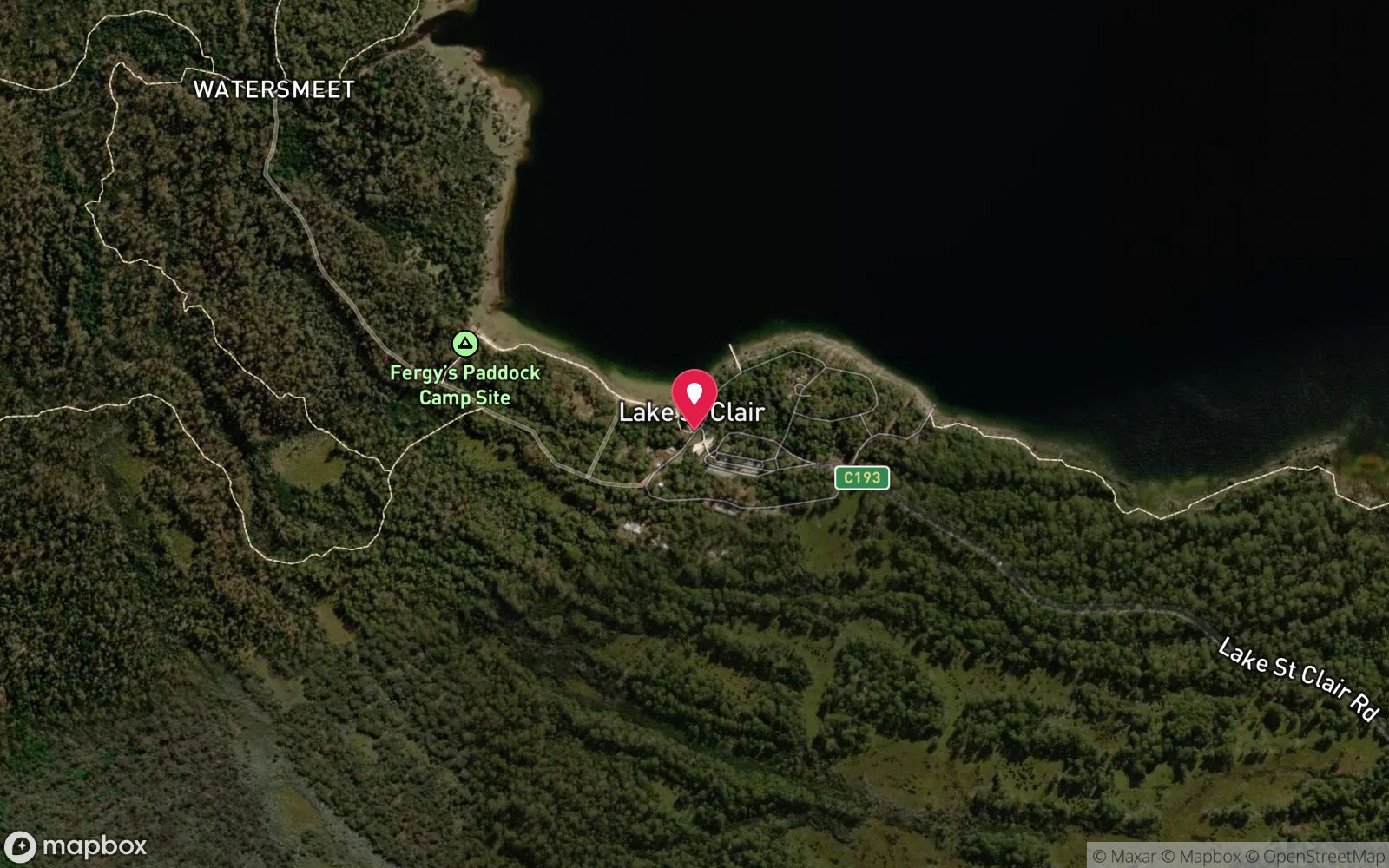
Cynthia Bay is at the southern end of Lake St Clair, 5 km from Derwent Bridge on the Lyell Highway, about 2 hours (175 km) from Hobart. Park at the visitor centre (Parks Pass required) and enter from the shore nearby; the carry is short. The Lyell Highway is winding and can have snow or ice in winter, so allow extra time and check road conditions.
Entry: Shore entry from the lake edge at Cynthia Bay
Facilities: Cynthia Bay: visitor centre, cafe, toilets, accommodation and campground. Derwent Bridge: hotel and fuel. No air fills.
Weather, swell & tides
Lake St Clair is at 737 m altitude in the Central Highlands; strong westerly winds whip up waves on the lake, and snow is possible in any month. Water is coldest in spring with snowmelt. Visibility is good for a Tasmanian lake (light to about 10 m) but deteriorates after heavy rain.
Calm summer mornings are best.
Best season: Summer (December-March); spring snowmelt makes the water very cold
How the dive is usually run
Stay in the 5 m shallows, where small weed growths and freshwater crayfish are found, and avoid the dark, lifeless deeper water. Return before getting chilled. Turn at a third of gas to allow for the swim back and a possibly harder exit, finish with a 3-minute safety stop at about 5 m if the depth allows, and exit where you entered unless an alternative exit has been checked beforehand.
Marine life
- Freshwater crayfish
- small shrimps
- aquatic spiders
- brown trout
- small weed growths
Linked species have their own page listing every site where they are recorded. All marine life →
Training required
Shallow enough for snorkellers and for a first dive under supervision. Any certified diver can dive it.
Courses that help here
- Drysuit Diver – Cold water; locals dive dry for much of the year.
Depth tiers: 0–10 m easy · to 18 m Open Water · 18–30 m Advanced (25 m+ is a deep dive) · 30–40 m Deep specialty · 40 m+ technical. All courses
Hazards & warnings
Very cold water; altitude (737 m) - use altitude tables/computer setting; submerged branches and fishing line; sudden weather changes; no removal of wildlife (national park).
Technical notes
Altitude diving at 737 m: set computer for altitude and allow time to equilibrate after driving up from the coast.
Dive centres that go here
No dive operator. Occasionally dived by Hobart and Launceston club members and independent divers as a freshwater novelty or bad-weather alternative; bring all gear and filled cylinders.
Operators recorded for Lake St Clair (Cynthia Bay)
Go Dive Tasmania
ListedHobart · Hobart & Derwent · TAS
A Tasmanian business providing training, equipment and service support for cold-water diving.
godivetas.com.au · (03) 6231 9749
Tasmanian Divers North
ListedLaunceston · Tasmania North & North-West · TAS
A northern Tasmanian operation serving the Bass Strait coastline and local diving community.
tasdivers.com.au · (03) 6229 1020
Map
7 pinned sites. Pins marked approximate on their pages show the general area only; not for navigation.
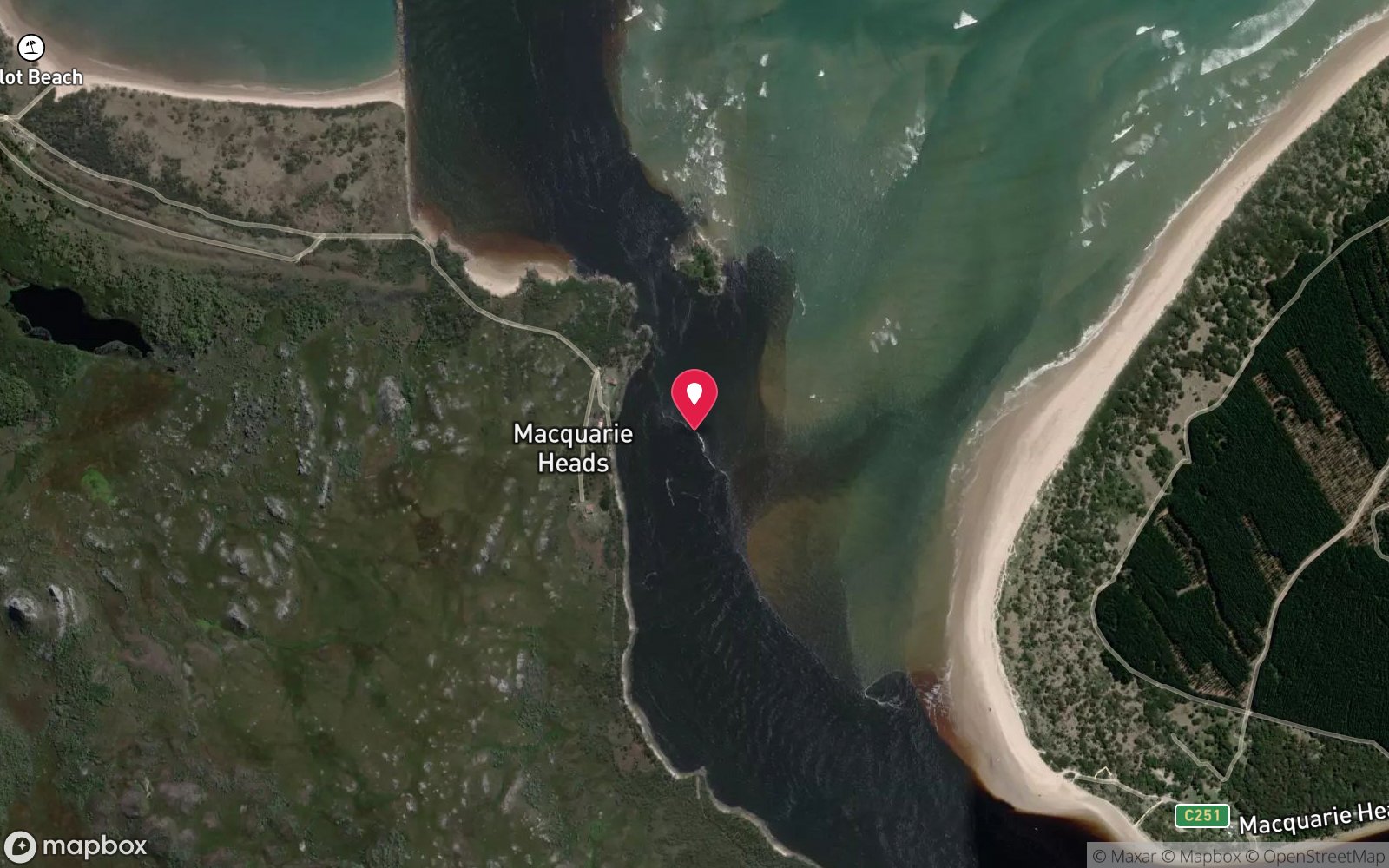
Satellite views
Lake St Clair (Cynthia Bay): frequently asked questions
How deep is Lake St Clair (Cynthia Bay)?
Lake St Clair (Cynthia Bay) reaches a maximum depth of 10 m, with the shallowest part at about 2 m; most of the dive is spent around 5 m.
What certification do I need to dive Lake St Clair (Cynthia Bay)?
Open Water is the recommended minimum. Rated beginner: sheltered, shallow and manageable for a newly certified diver on a normal day, though note cold water.
Can I shore dive Lake St Clair (Cynthia Bay)?
Yes. Lake St Clair (Cynthia Bay) is a shore dive that can be done independently: shore entry from the lake edge at Cynthia Bay.
When is the best time to dive Lake St Clair (Cynthia Bay)?
Summer (December-March); spring snowmelt makes the water very cold.
What marine life will I see at Lake St Clair (Cynthia Bay)?
Regularly recorded: Freshwater crayfish, small shrimps, aquatic spiders, brown trout, small weed growths.
What wetsuit do I need at Lake St Clair (Cynthia Bay)?
Drysuit recommended; 7 mm wetsuit with hood, gloves and boots minimum - colder than the sea, especially with spring snowmelt.
How cold is the water at Lake St Clair (Cynthia Bay)?
Typically 12-16 °C in summer and 4-7 °C in winter.
What are the main hazards at Lake St Clair (Cynthia Bay)?
Very cold water; altitude (737 m) - use altitude tables/computer setting; submerged branches and fishing line; sudden weather changes; no removal of wildlife (national park). See the hazards section above for the full list.
Where is the nearest recompression chamber to Lake St Clair (Cynthia Bay)?
Royal Hobart Hospital Hyperbaric Medicine Unit (Hobart) - the only chamber in Tasmania; Launceston has none. DAN emergency hotline 1800 088 200. In an emergency call 000, then DAN Asia-Pacific on 1800 088 200.
Diving in Tasmania Freshwater & Caves
Tasmania's freshwater diving is niche: Lake St Clair and a few limestone springs and caves in the Mole Creek and Junee areas, dived by cave-trained locals.
Getting there: Central highlands and the north; private arrangements.
All Tasmania Freshwater & Caves dive sites and a suggested itinerary →
Sources
Data confidence: Low · Being verified: Diving rules in the national park should be confirmed with Parks; coordinates approximate.. Last updated September 2026. Know this site better? How to send a correction
Nearby dive sites
More shore dives in Tasmania
Explore more
This region