Dive slate · divesites.com.au · printed 8 Nov 2026
Pig Rock
Christmas Island, External Territories · near Flying Fish Cove (The Settlement)
| Depth | 10–22 m |
|---|---|
| Minimum level | Advanced Open Water |
| Difficulty | Advanced |
| Access | Boat |
| Entry | Giant stride or back roll from dive boat |
| Current | Variable/Tidal |
| Visibility | 25-40 m |
| Water | summer 28-29 °C, winter 26-27 °C |
| Suit | 3 mm full wetsuit (many dive in a 3 mm shorty or rash vest); 5 mm for multiple long dives or cave dives |
| Best season | August–November on calm, low-swell days; whale sharks Nov–Apr; avoid NW monsoon swell Dec–Apr |
| Bottom time | 45 min |
| Position | -10.50500, 105.54000 (approximate) |
| Permit | Christmas Island Marine Park (Australian Marine Parks, proclaimed March 2022): inshore waters are Habitat Protection Zone (yellow) – diving, snorkelling and recreational fishing allowed, no seabed-disturbing activities; the no-take National Park Zone starts about 12 nautical miles offshore. Christmas Island National Park also extends 50 m seaward of low-water mark along about 46 km of coast. No permit required for recreational diving; do not collect or disturb marine life. |
| Nearest chamber | Fiona Stanley Hospital (Perth) – approx. 2,600 km away; there is no recompression chamber on Christmas Island. Stabilisation at Christmas Island Hospital, then aeromedical evacuation to Perth (many hours) |
| Emergency | 000 · DAN Asia-Pacific diving emergency 1800 088 200 |
Pig Rock
Towering gorgonian fans on dramatic west-coast reef structures – a wide-angle photographer's site.
Near Flying Fish Cove (The Settlement) · Christmas Island, External Territories
- Depth
- 10–22 m
- Minimum level
- Advanced Open Water
- Access
- Boat
- Boat ride
- ~55 min
- Water
- 28-29 °C
- Visibility
- 25-40 m
Pig Rock10–22 m · Advanced Open Water
Dive factsDepths, conditions, location & safety
Season
In season nowBest months: January, February, March, April, August, September, October, November, December.
August–November on calm, low-swell days; whale sharks Nov–Apr; avoid NW monsoon swell Dec–Apr
- Best months
- Now (November)
- Stinger suit Nov–May
Dive facts
- Depth
- 10–22 m
- Typical depth
- 18 m
- Certification
- Advanced Open Water
- Difficulty
- Advanced
- Depth tier
- Advanced Open Water (18–30 m)
- Access
- Boat
- Offshore
- 0.1 km
- Dive centre needed
- Yes – boat access only
- Shore / independent
- No
- Boat ride
- ~55 min
- Current
- Variable/Tidal
- Visibility
- 25-40 m
- Water temp (summer)
- 28-29 °C
- Water temp (winter)
- 26-27 °C
- Water
- Tropical
- Bottom time
- 45 min
- Dive traffic
- Moderate (occasional charters/club dives)
- Night dive
- Possible
- Snorkel friendly
- No
Exposure suit
3 mm full wetsuit (many dive in a 3 mm shorty or rash vest); 5 mm for multiple long dives or cave dives
Location
West coast – Egeria Point · Christmas Island (Indian Ocean)
-10.50500, 105.54000
Approximate position — not for navigation.
Open in Google MapsPrimary source: extradivers.com.auMarine park & permits
Christmas Island Marine Park (Australian Marine Parks, proclaimed March 2022): inshore waters are Habitat Protection Zone (yellow) – diving, snorkelling and recreational fishing allowed, no seabed-disturbing activities; the no-take National Park Zone starts about 12 nautical miles offshore. Christmas Island National Park also extends 50 m seaward of low-water mark along about 46 km of coast. No permit required for recreational diving; do not collect or disturb marine life.
Nearest recompression chamber
Fiona Stanley Hospital (Perth) – approx. 2,600 km away; there is no recompression chamber on Christmas Island. Stabilisation at Christmas Island Hospital, then aeromedical evacuation to Perth (many hours)
Diving emergency: call 000, then DAN AP 1800 088 200.
Trip planner
Build a trip around Pig Rock →
A day-by-day plan for Christmas Island with this site locked in.
This guide is a planning aid. Conditions change daily — confirm with a local dive centre and dive within your training. Data & safety notes.
Dive profile
How this site rates
Scores are computed from the recorded data, not opinions. How?
At a glance
Pig Rock is a reef boat dive in Christmas Island, Australia's external territories, 10–22 m, suited to Advanced Open Water divers, variable/tidal current, about 55 minutes by boat.
Rated advanced because of depth beyond 18 m, tidal current that must be timed.
Why dive here
- Towering gorgonian fans on dramatic west-coast reef structures – a wide-angle photographer's site.
- A photographer's site: bring a macro lens or a wide-angle depending on the season.
- Visibility often reaches 25-40 m.
Conditions to avoid
- Strong southerly or south-east swell and wind
- Cyclone season (roughly December–April)
About Pig Rock
Pig Rock sits on the west coast next to Egeria Point, a long boat ride from Flying Fish Cove and one of the least-dived parts of the island. Extra Divers describe it as famous for its towering gorgonian fans and dramatic reef structures with deep drop-offs, and single it out as a site for underwater photographers.
The topography is rugged: buttresses, ridges and heads of reef rise from the slope, with gullies between them, before the edge falls away steeply. The gorgonians are the headline – big, fan-shaped sea fans growing out from the drop-off into the current, their size a reflection of the nutrient-rich water that sweeps along the exposed west coast. Around them the reef is covered in hard corals, sponges and whips, and the fish life includes large tropical species: groupers, snapper, sweetlips, trevally, Napoleon (Maori) wrasse and schools of fusiliers and surgeonfish. Reef sharks patrol the drop-off, and the proximity of Egeria Point – rated one of the island's best shark dives – means grey reef and silvertip sharks are possible.
Graded intermediate to advanced by Extra Divers, Pig Rock needs calm seas for the long run south and good buoyancy around the fragile fans. Currents on the west coast can be stronger and less predictable than on the north. The water here is often exceptionally clear, making it ideal for wide-angle photography of fans against the blue.
It suits experienced divers and photographers, and is usually paired with Egeria Point on the same trip. Few groups reach it in a season, so the reef shows almost no sign of diver damage.
Getting there & entry
Dramatic reef structures and deep drop-offs with towering gorgonian fans on the west coast, next to Egeria Point.
Fly from Perth (about 4 hours, two to three flights a week, some via Cocos Islands) and hire a car – there is no public transport. Both dive centres are in The Settlement and launch their boats from the jetty/boat ramp at Flying Fish Cove, normally at about 8 am for a two-dive morning trip. From the cove the boat runs west along the north coast and then south down the west coast along the coast for roughly about 50–55 minutes to Pig Rock.
There is no land access to the dive, and the vertical sea cliffs mean no exit other than the boat. Operators choose sites on the morning according to swell and wind.
Entry: Giant stride or back roll from dive boat
Facilities: Departs Flying Fish Cove jetty/ramp.
Weather, swell & tides
On the exposed west coast, a long run from Flying Fish Cove, so it is only dived on calm days. The site is sheltered from the south-east trades (roughly May–November) but wide open to north-westerly monsoon swell (December–April) and to long-period south-west groundswell generated in the Southern Ocean, which wraps around Egeria Point. Operators generally need less than about 1–1.5 m of swell and light winds to make the trip; the calmest spell is usually August–November.
The west coast has a reputation for stronger and less predictable currents than the north, and for the clearest water on the island (often 40 m+). Visibility can drop during red crab spawning (Oct–Jan). Cyclone season is November–April.
Best season: August–November on calm, low-swell days; whale sharks Nov–Apr; avoid NW monsoon swell Dec–Apr
If it's blown out
Sheltered or shore sites within 25 km that often work when Pig Rock doesn't.
- Flying Fish Cove · 17 km · Max 25 m
- The Sandpatch · 17 km · Max 18 m
- Admin Wall · 17 km · Max 30 m
- Dolly Beach · 16 km · Max 10 m
How the dive is usually run
Descend onto the reef structure at about 12 m, head to the drop-off where the big gorgonians are at 18–22 m, and work along with the current. Ascend over the reef structures for the second half and deploy a DSMB for the safety stop.
Marine life
- Giant gorgonian sea fans
- hard corals
- sponges
- whips
- groupers
- snapper
- sweetlips
- trevally
- Napoleon (Maori) wrasse
- fusiliers
- grey reef and whitetip sharks →
Linked species have their own page listing every site where they are recorded. All marine life →
Training required
Beyond 18 m an Advanced certification (which includes a deep dive to 30 m) is the accepted minimum. Anything past 25 m is a deep dive in practice.
Depth tiers: 0–10 m easy · to 18 m Open Water · 18–30 m Advanced (25 m+ is a deep dive) · 30–40 m Deep specialty · 40 m+ technical. All courses
Hazards & warnings
Currents can be strong and unpredictable; drop-off – watch depth; remote with a long boat ride; exposed to south-west groundswell; fragile fans – mind fins.
Dive centres that go here
Extra Divers Christmas Island – dives Pig Rock and neighbouring Egeria Point on calm west-coast days; CI Wet'n'Dry Adventures – occasional.
Operators recorded for Pig Rock
Extra Divers Christmas Island
ListedFlying Fish Cove · Christmas Island · WA
The main dive operation on Christmas Island, servicing the island's wall and drop-off diving.
extradivers-worldwide.com/en/extra-divers-christmas-island
CI Wet'n'Dry Adventures
Named by sitesChristmas Island · Christmas Island · External Territory
Trades as Christmas Island Wet'n'Dry Adventures / Dive Christmas Island; family business since 1994.
divingchristmas.com · 0439 215 290
Other dive centres in Christmas Island
Map
7 pinned sites. Pins marked approximate on their pages show the general area only; not for navigation.
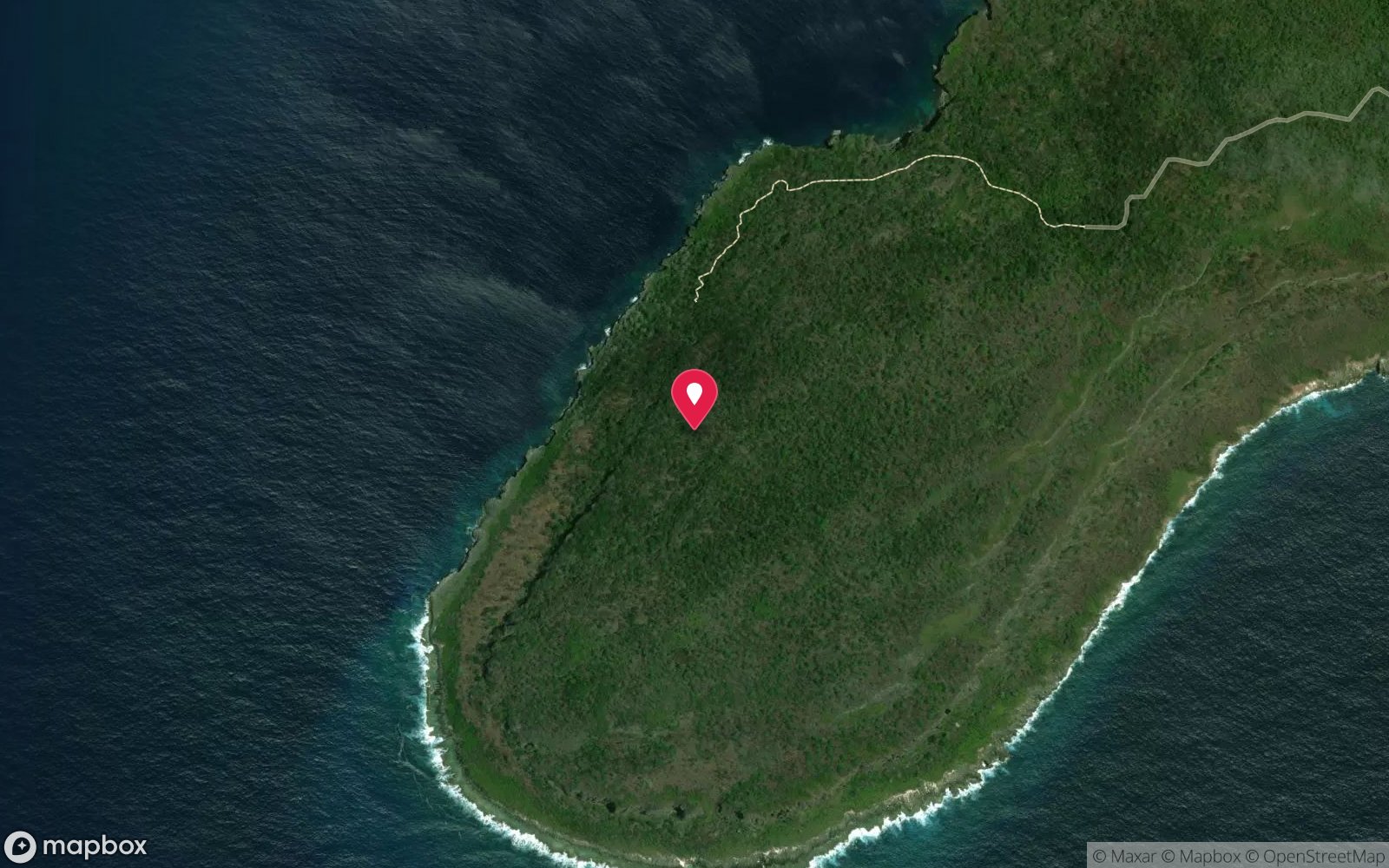
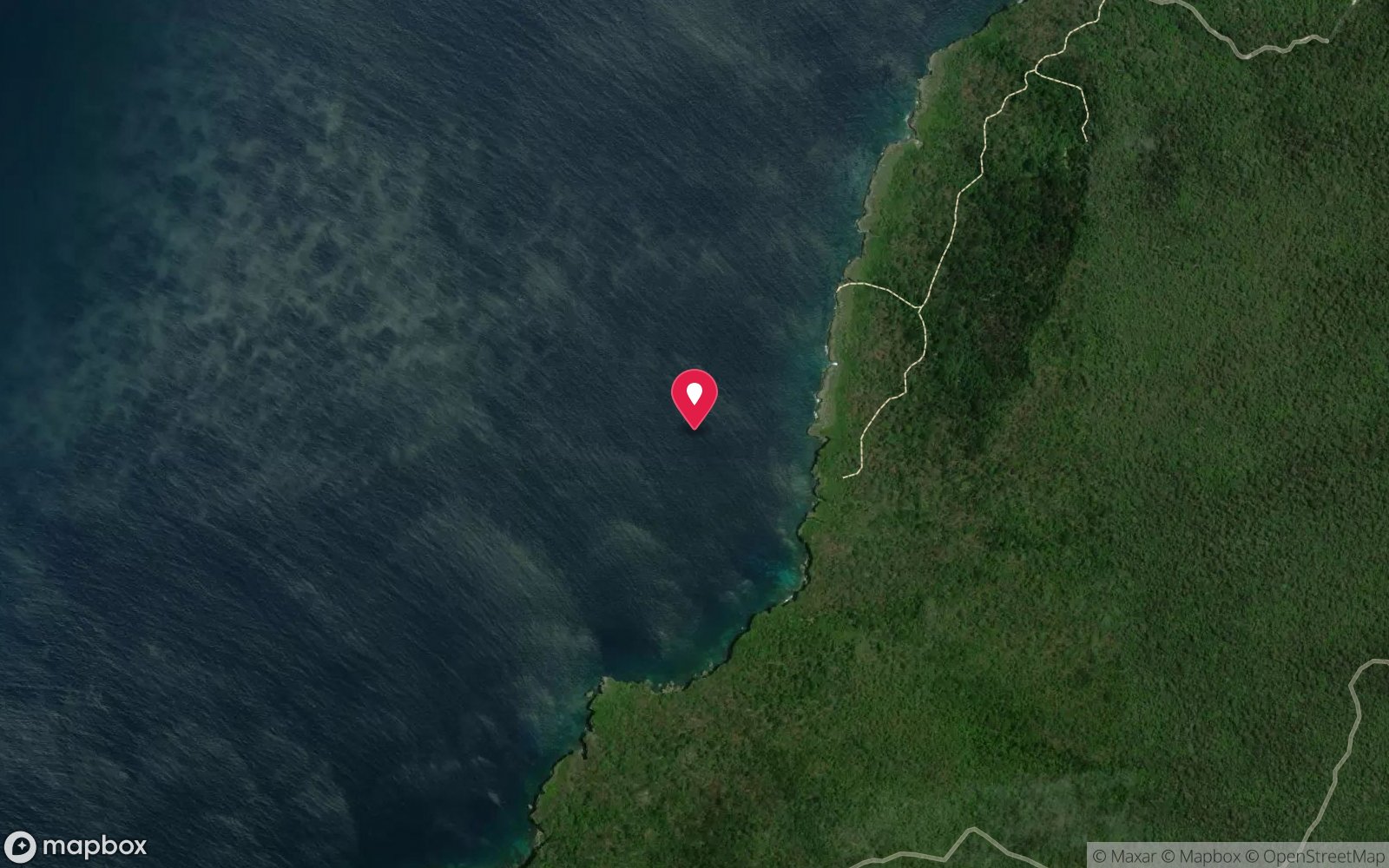
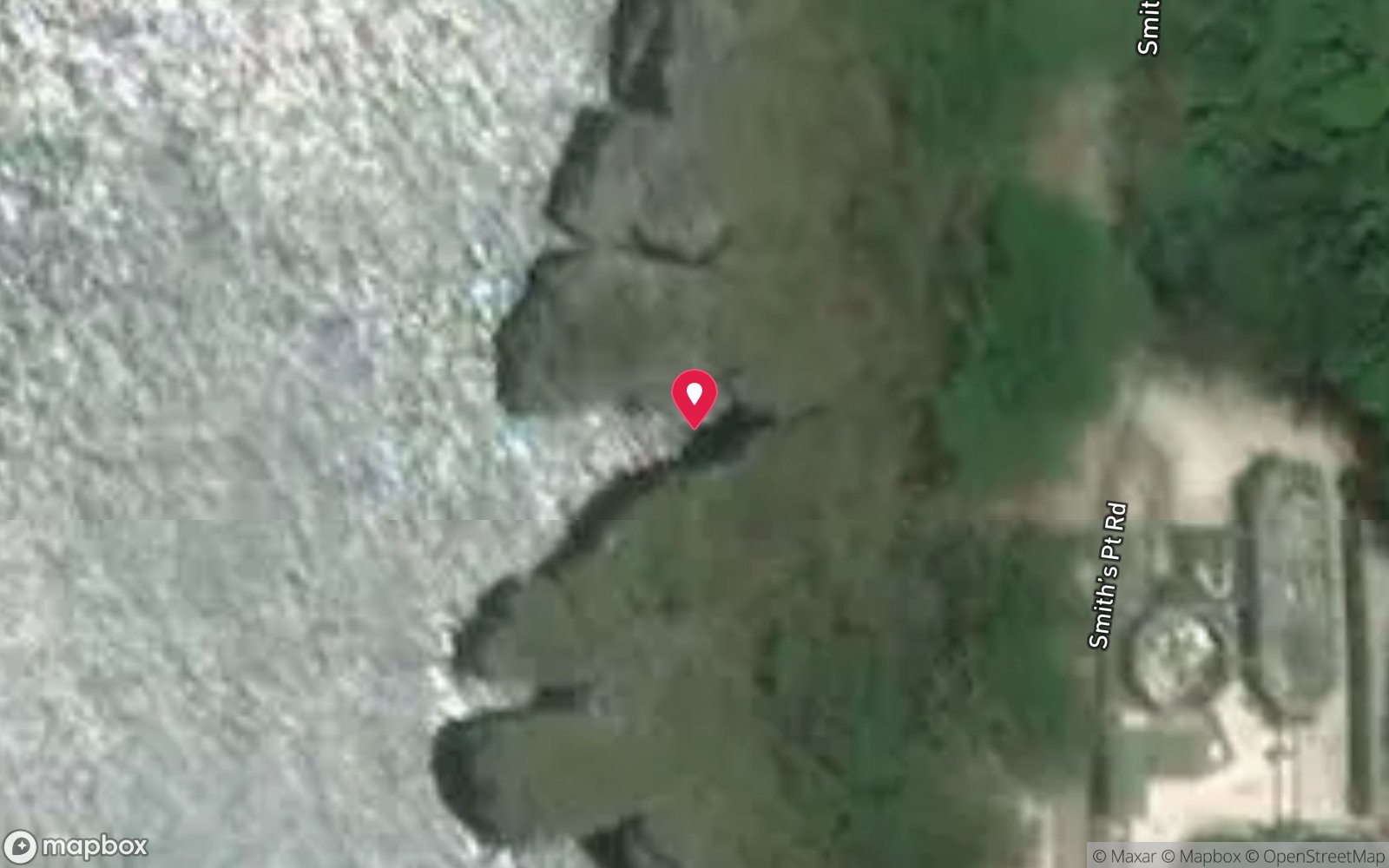
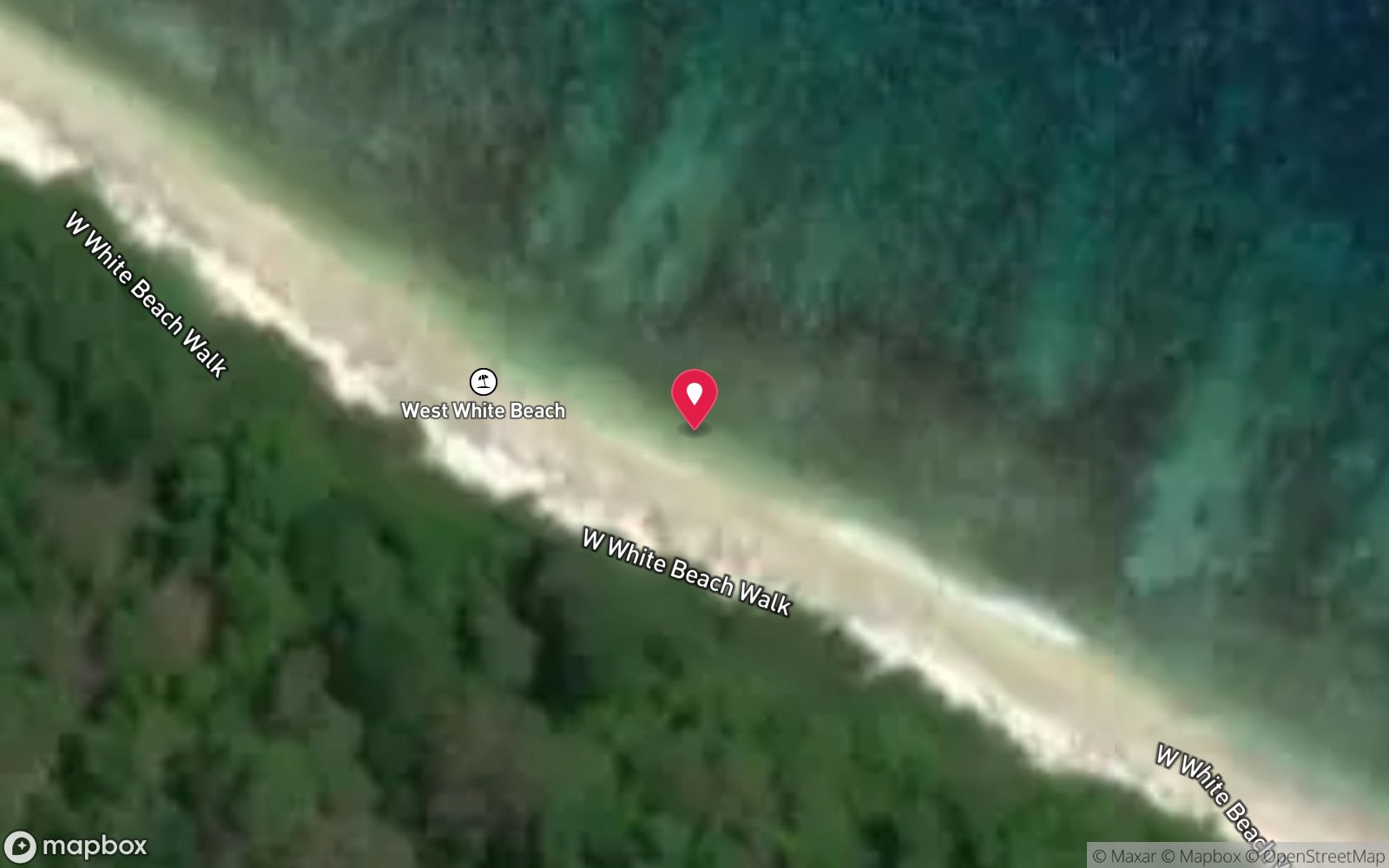
Satellite views
Pig Rock: frequently asked questions
How deep is Pig Rock?
Pig Rock reaches a maximum depth of 22 m, with the shallowest part at about 10 m; most of the dive is spent around 18 m.
What certification do I need to dive Pig Rock?
Advanced Open Water is the recommended minimum. Rated advanced because of depth beyond 18 m, tidal current that must be timed.
Can I shore dive Pig Rock?
No, it is reached by boat (about 55 minutes). A dive centre is required: boat access only.
When is the best time to dive Pig Rock?
August–November on calm, low-swell days; whale sharks Nov–Apr; avoid NW monsoon swell Dec–Apr.
What marine life will I see at Pig Rock?
Regularly recorded: Giant gorgonian sea fans, hard corals, sponges, whips, groupers, snapper, sweetlips, trevally, Napoleon (Maori) wrasse, fusiliers, grey reef and whitetip sharks.
What wetsuit do I need at Pig Rock?
3 mm full wetsuit (many dive in a 3 mm shorty or rash vest); 5 mm for multiple long dives or cave dives.
How cold is the water at Pig Rock?
Typically 28-29 °C in summer and 26-27 °C in winter.
What are the main hazards at Pig Rock?
Currents can be strong and unpredictable; drop-off – watch depth; remote with a long boat ride; exposed to south-west groundswell; fragile fans – mind fins. See the hazards section above for the full list.
Where is the nearest recompression chamber to Pig Rock?
Fiona Stanley Hospital (Perth) – approx. 2,600 km away; there is no recompression chamber on Christmas Island. Stabilisation at Christmas Island Hospital, then aeromedical evacuation to Perth (many hours). In an emergency call 000, then DAN Asia-Pacific on 1800 088 200.
Diving in Christmas Island
Christmas Island is the top of a volcanic seamount, so the fringing reef gives way to a wall within 20–50 m of the shore and keeps falling to 500 m. The diving is drift and wall diving in exceptional visibility, with sea caves such as Thundercliff, the endemic dragon moray, grey reef and silvertip sharks, spinner dolphins and, from November to January, whale sharks that arrive to feed on red crab spawn.
Getting there: Fly from Perth (about four hours) with a single dive operator based at Flying Fish Cove. Shore entries are possible at Flying Fish Cove and a few north-coast sites when the sea is flat.
Sources
Data confidence: Medium · Being verified: Coordinates approximate (adjacent to Egeria Point).. Last updated September 2026. Know this site better? How to send a correction
Nearby dive sites
More reef dives in External Territories
Explore more