Dive slate · divesites.com.au · printed 9 Nov 2026
Rottnest Ships' Graveyard
Rottnest Island, Western Australia · near Rottnest Island (Thomson Bay settlement)
| Depth | 46–200 m |
|---|---|
| Minimum level | Technical (decompression) |
| Difficulty | Expert/Technical |
| Access | Boat (day trip) |
| Entry | Back roll from private/club boat onto a shot line |
| Current | Variable/Tidal |
| Visibility | 15-30 m |
| Water | summer 20-23 °C, winter 18-19 °C |
| Suit | Drysuit or thick semi-dry for long decompression; hood and gloves |
| Best season | Summer and autumn flat spells |
| Bottom time | 20 min |
| Position | -32.06000, 115.25000 (approximate) |
| Permit | Rottnest ships' graveyard (Commonwealth/State historic shipwreck protection for older hulks); outside Rottnest Island Reserve boundary |
| Nearest chamber | Fiona Stanley Hospital Hyperbaric Medicine Unit (Murdoch, Perth) |
| Emergency | 000 · DAN Asia-Pacific diving emergency 1800 088 200 |
Rottnest Ships' Graveyard
Also known as Rottnest ship graveyard, Ships Graveyard, deepwater graveyard
Dozens of deliberately scuttled vessels, mostly unseen, in 46-200 m - Perth's frontier for technical wreck exploration.
Near Rottnest Island (Thomson Bay settlement) · Rottnest Island, Western Australia
- Depth
- 46–200 m
- Minimum level
- Technical (decompression)
- Access
- Boat (day trip)
- Boat ride
- ~75 min
- Water
- 20-23 °C
- Visibility
- 15-30 m
Rottnest Ships' Graveyard46–200 m · Technical (decompression)
Dive factsDepths, conditions, location & safety
Season
Off-peak nowBest months: January, February, March, April, May, December.
Dive facts
- Depth
- 46–200 m
- Typical depth
- 65 m
- Certification
- Technical (decompression)
- Difficulty
- Expert/Technical
- Depth tier
- Technical (40 m +)
- Access
- Boat (day trip)
- Offshore
- 12 km
- Dive centre needed
- Yes – boat access only
- Shore / independent
- No
- Boat ride
- ~75 min
- Current
- Variable/Tidal
- Visibility
- 15-30 m
- Water temp (summer)
- 20-23 °C
- Water temp (winter)
- 18-19 °C
- Water
- Temperate
- Bottom time
- 20 min
- Dive traffic
- Remote/expedition only
- Night dive
- No
- Snorkel friendly
- No
Exposure suit
Drysuit or thick semi-dry for long decompression; hood and gloves
Location
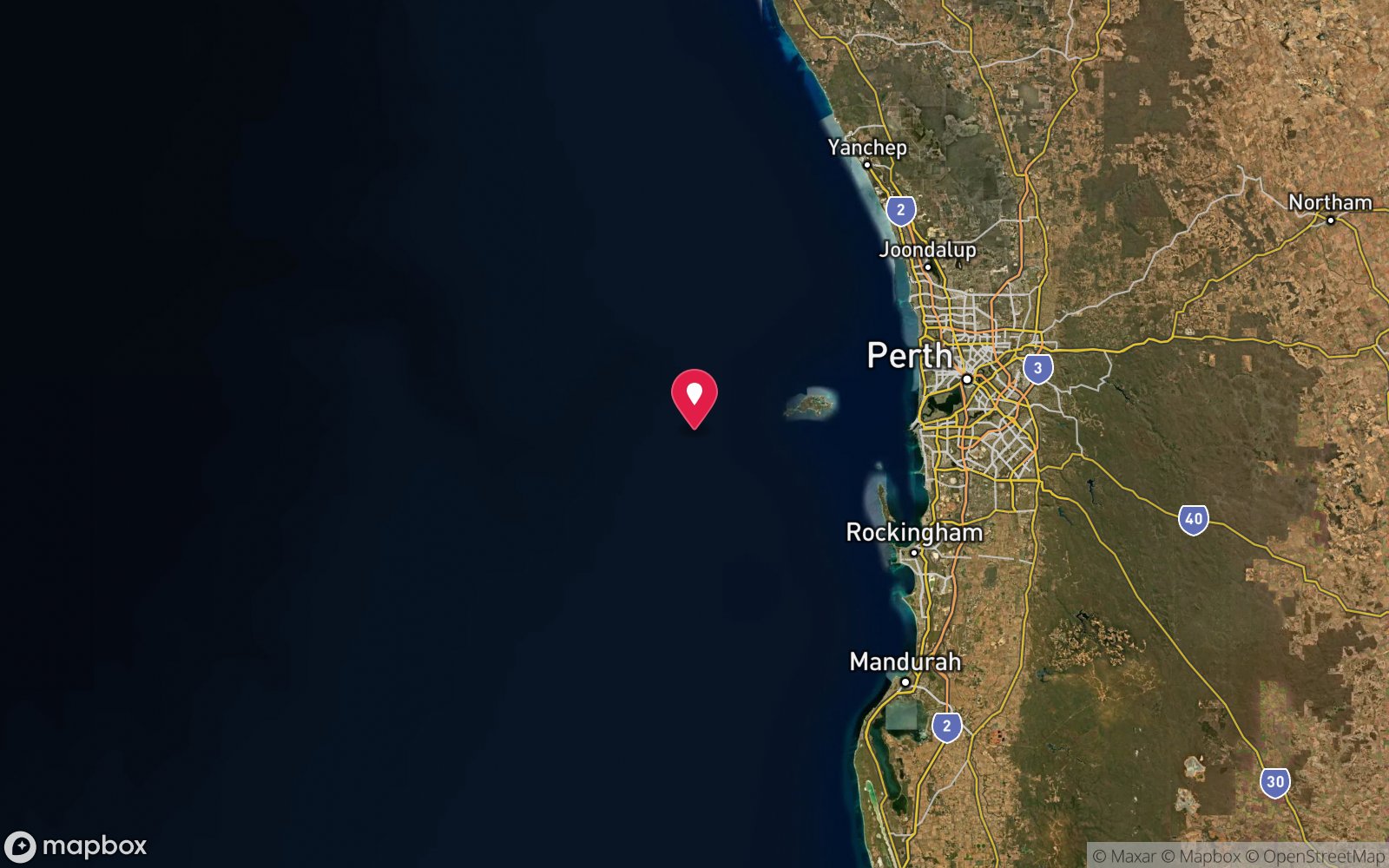
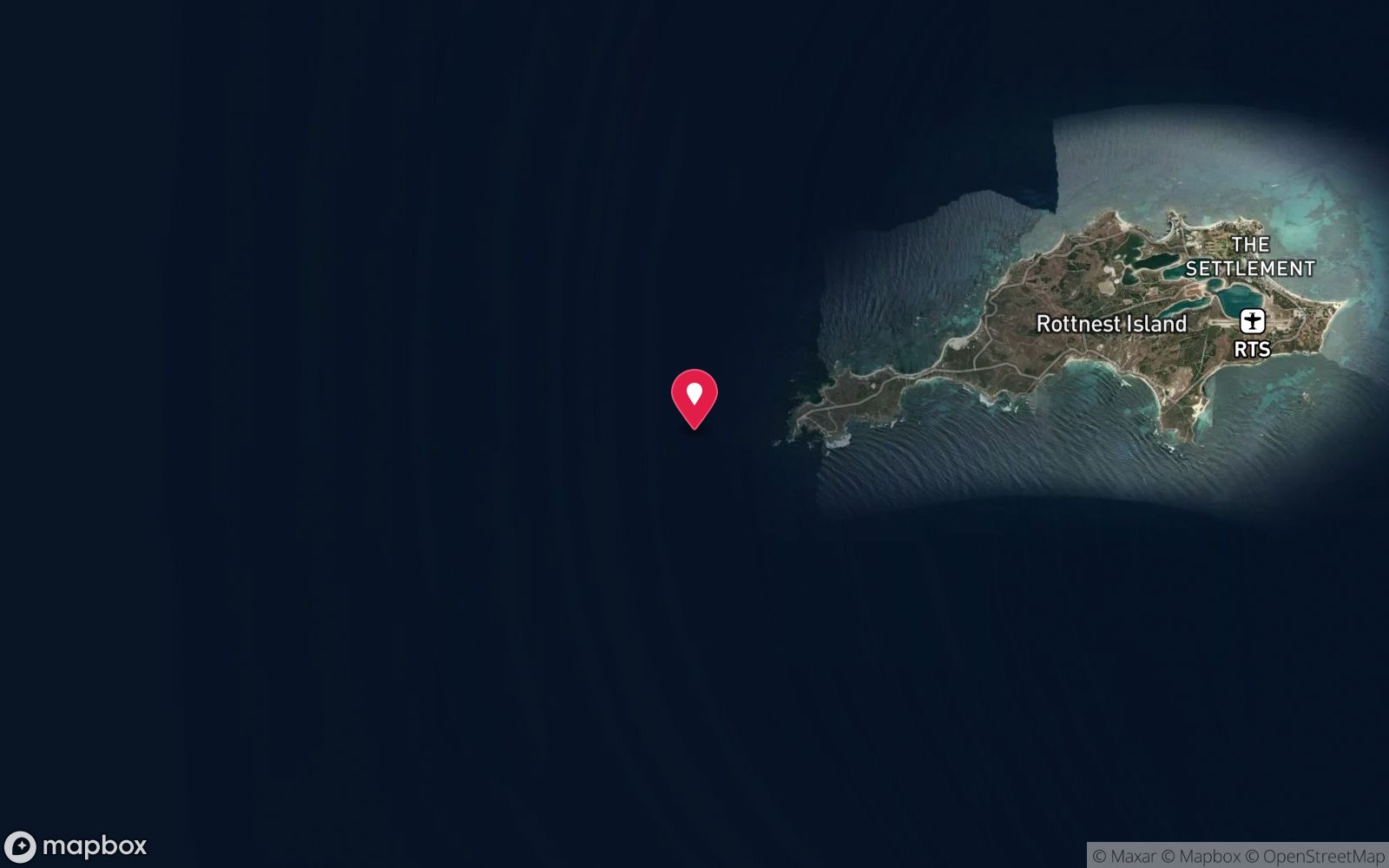
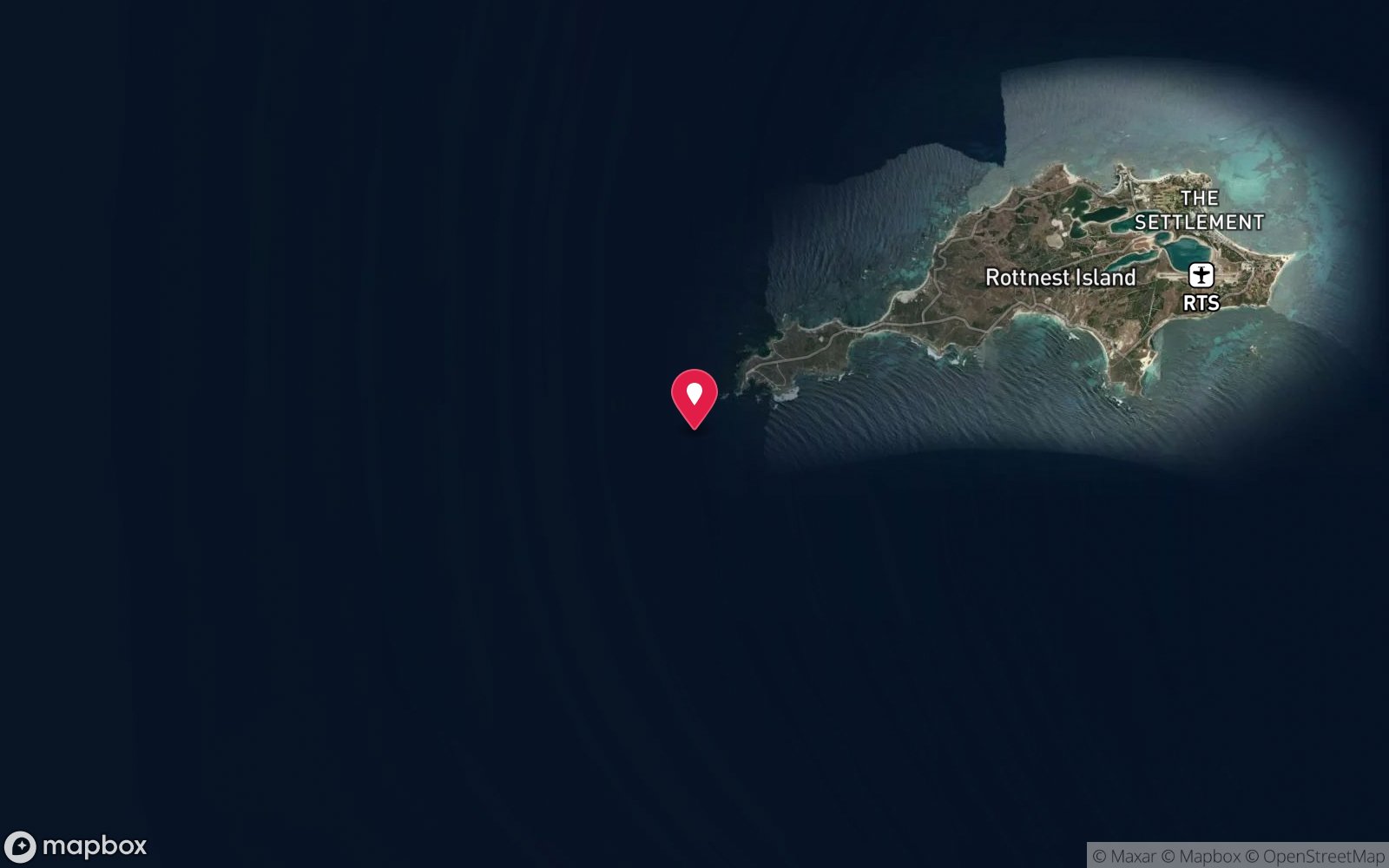
Ships' Graveyard (south-west of Rottnest) · Rottnest Island (Wadjemup)
-32.06000, 115.25000
Approximate position — not for navigation.
Open in Google MapsDive site map (external) →Primary source: wrecksploration.auMarine park & permits
Rottnest ships' graveyard (Commonwealth/State historic shipwreck protection for older hulks); outside Rottnest Island Reserve boundary
Nearest recompression chamber
Fiona Stanley Hospital Hyperbaric Medicine Unit (Murdoch, Perth)
Diving emergency: call 000, then DAN AP 1800 088 200.
Trip planner
Build a trip around Rottnest Ships' Graveyard →
A day-by-day plan for Rottnest Island with this site locked in.
This guide is a planning aid. Conditions change daily — confirm with a local dive centre and dive within your training. Data & safety notes.
Dive profile
How this site rates
Scores are computed from the recorded data, not opinions. How?
At a glance
Rottnest Ships' Graveyard is a wreck boat dive in Rottnest Island, WA, 46–200 m, suited to Technical (decompression) divers, variable/tidal current, about 75 minutes by boat.
Rated expert/technical because of depth to 200 m, tidal current that must be timed, boat traffic overhead, cold water.
Why dive here
- Dozens of deliberately scuttled vessels, mostly unseen, in 46-200 m - Perth's frontier for technical wreck exploration.
- Rarely dived: expect to have the site to yourself, and plan your own logistics.
- Visibility often reaches 15-30 m.
About Rottnest Ships' Graveyard
For more than 80 years the waters off the west end of Rottnest were Western Australia's official dumping ground for unwanted ships. Wikipedia and the WA Museum describe an area about 11 km across where at least 47 historically significant vessels are known to have been sunk since 1910 - old sailing-ship hulks used as coal barges, obsolete steamers, tugs, whale chasers, naval vessels and more. The seabed across the area ranges from about 50 m to 200 m, placing most of the wrecks beyond recreational reach.
Only a handful have been dived. WreckSploration has surveyed and 3D-modelled several, including the Thornliebank (46 m), the 'Clipper' (believed to be the Maranda, 65 m), the whale chaser Kos VII (82 m), the minesweeper HMAS Junee (83 m), the SS Cape Otway (85 m) and the iron ship Sesa (90 m); it also located the Dutch submarine K XI in 2025 in about 40 m on the edge of the area (listed separately in the Perth region). The UWA Underwater Club reports diving a 58 m 'shallow wreck' and the 65 m Clipper. HMAS Derwent, sister ship of HMAS Swan, was sunk in the graveyard on 21 December 1994 about 12 nm west of Rottnest after weapons-effects trials that left her too damaged to prepare as a dive wreck; she lies in deep water and is not a dive site.
This is exploratory technical diving: trimix, long decompression, open water, no moorings and complete self-reliance. The reward is intact hulls that very few people have ever seen.
Wreck details
47+ vessels scuttled 1910-1990s (hulks, steamers, naval vessels)
Getting there & entry
Designated scuttling ground about 11 km in diameter south-west and west of Rottnest where at least 47 vessels were deliberately sunk from 1910 to the 1990s, in depths from about 46 m to 200 m.
The graveyard lies well offshore to the south-west and west of Rottnest, roughly 30-40 km from Fremantle. There are no moorings or public marks; teams run from Fremantle or Woodman Point in capable private or club boats (UWA Underwater Club, WreckSploration) with accurate GPS positions and sounders, drop a shot line onto the wreck and dive with surface support. Allow 1-1.5 hours each way.
This is not a commercial charter destination.
Entry: Back roll from private/club boat onto a shot line
Facilities: Launch at Fremantle Fishing Boat Harbour or Woodman Point; fills (including trimix) through Perth technical dive centres.
Weather, swell & tides
Open ocean with no shelter: dive only in low swell and light winds, typically calm summer and autumn mornings before the south-westerly sea breeze. Currents can be strong at depth and on decompression; drifting deco under a DSMB with a chase boat is normal. Blue water visibility is usually good.
Best season: Summer and autumn flat spells
If it's blown out
Sheltered or shore sites within 25 km that often work when Rottnest Ships' Graveyard doesn't.
- Little Armstrong Bay · 25 km · Max 5 m
- Salmon Bay · 25 km · Max 5 m
- Rocky Bay · 22 km · Max 5 m
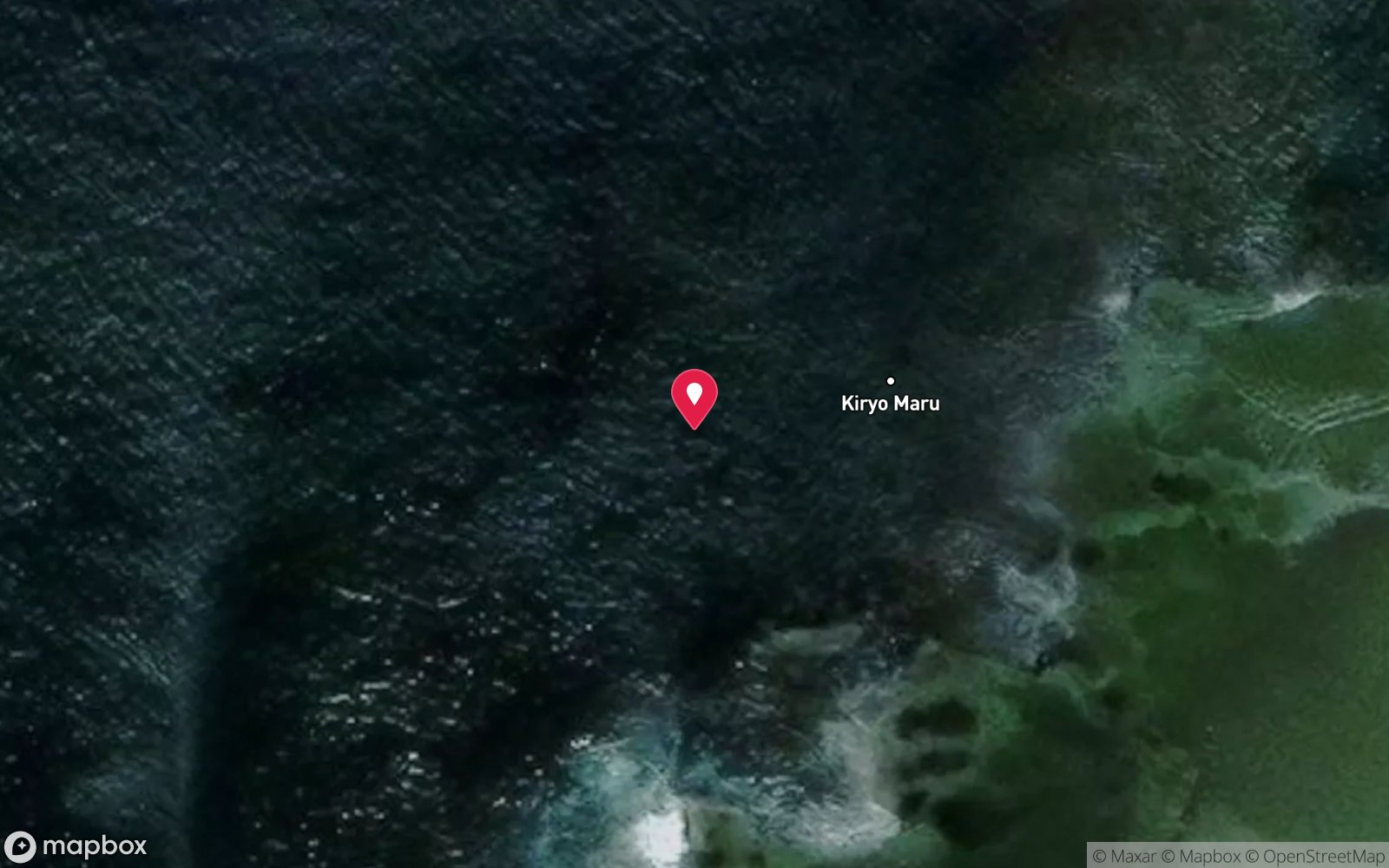
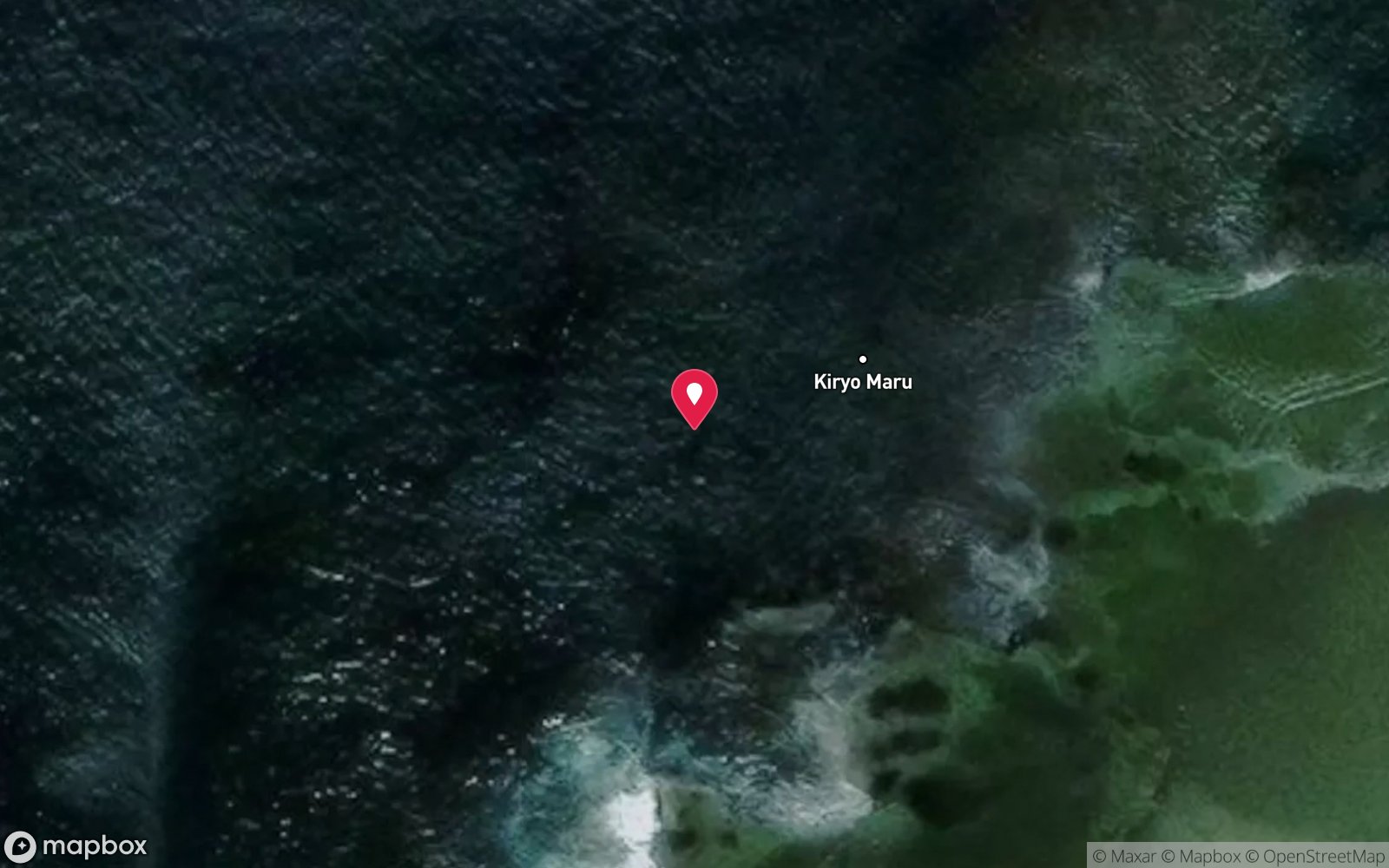
- Kiryo Maru I Wreck · 19 km · Max 9 m
How the dive is usually run
Shot the target wreck, descend on the line to the deck, conduct a planned survey or tour for a limited bottom time, then ascend the shot or drift under a DSMB for staged decompression on planned gases. Agree a turn pressure before descending (half gas, or a third where current is likely), carry a DSMB, and make a 3-minute safety stop at 5 m.
Marine life
- Pelagic schools (samson fish, yellowtail kingfish, trevally)
- dhufish
- pink snapper
- deep-water sponges and gorgonians on hulls
Linked species have their own page listing every site where they are recorded. All marine life →
Training required
Beyond recreational limits: decompression, mixed gas or full cave/wreck training is required.
Courses that help here
- Enriched Air Nitrox – Longer no-decompression time at 25 m and deeper.
- Drysuit Diver – Cold water; locals dive dry for much of the year.
Depth tiers: 0–10 m easy · to 18 m Open Water · 18–30 m Advanced (25 m+ is a deep dive) · 30–40 m Deep specialty · 40 m+ technical. All courses
Hazards & warnings
Extreme depth; decompression obligation; open-ocean currents; no moorings; remote; shipping traffic; wrecks older than 75 years are protected.
Technical notes
Trimix and staged decompression required for most wrecks (Thornliebank at 46 m is borderline air/nitrox-deep territory; 65-90 m wrecks require normoxic or hypoxic trimix). Rebreathers commonly used. Drift deco under DSMB with dedicated chase boat.
Obtain positions from WA Museum/WreckSploration; do not disturb protected hulks.
Dive centres that go here
No commercial operator. Explored by technical diving teams - UWA Underwater Club (the only Perth club diving the area, per its site list) and the WreckSploration / Maritime Discovery Group team, which has surveyed and modelled several wrecks.
Operators recorded for Rottnest Ships' Graveyard
UWA Underwater Club
Named by sitesCrawley · Rottnest Island · WA
University of Western Australia dive club (operating since 1968); club, not a shop.
uwauc.org.au
WreckSploration
Named by sitesRottnest Island · WA
Site moved to wrecksploration.au and is active (updated March 2026), but it is a deep-wreck exploration team rather than a bookable public charter.
wrecksploration.au
Other dive centres in Rottnest Island
Perth Scuba
ProfiledCanning Vale · Perth · WA
One of the most fully documented operations in Western Australia, covering recreational, professional, technical and freediving training alongside substantial equipment facilities.
perthscuba.com · (08) 9455 4448
Dolphin Scuba Diving
ProfiledWelshpool · Perth · WA
A Perth business providing training, equipment and service support.
dolphinscuba.com.au · (08) 9353 2488
ADRENO Perth
ListedO'Connor · Perth · WA
An equipment retailer with a spearfishing and freediving emphasis. Primarily retail rather than a training centre.
adreno.com.au/pages/contact-us-perth · (08) 6424 8480
Dive Imports
ListedMt Hawthorn · Perth · WA
A Perth equipment business. Retail range, servicing and training availability require verification.
diveimports.com · (08) 9443 1657
Dolphin Dive Fremantle
ListedSouth Fremantle · Perth · WA
A Fremantle operation serving local divers, with proximity to Rottnest Island departures.
dolphindive.com.au
Perth Diving Academy
ListedHillarys · Perth · WA
A Perth training business serving the metropolitan recreational market.
perthdiving.com.au · (08) 9448 6343
Map
7 pinned sites. Pins marked approximate on their pages show the general area only; not for navigation.
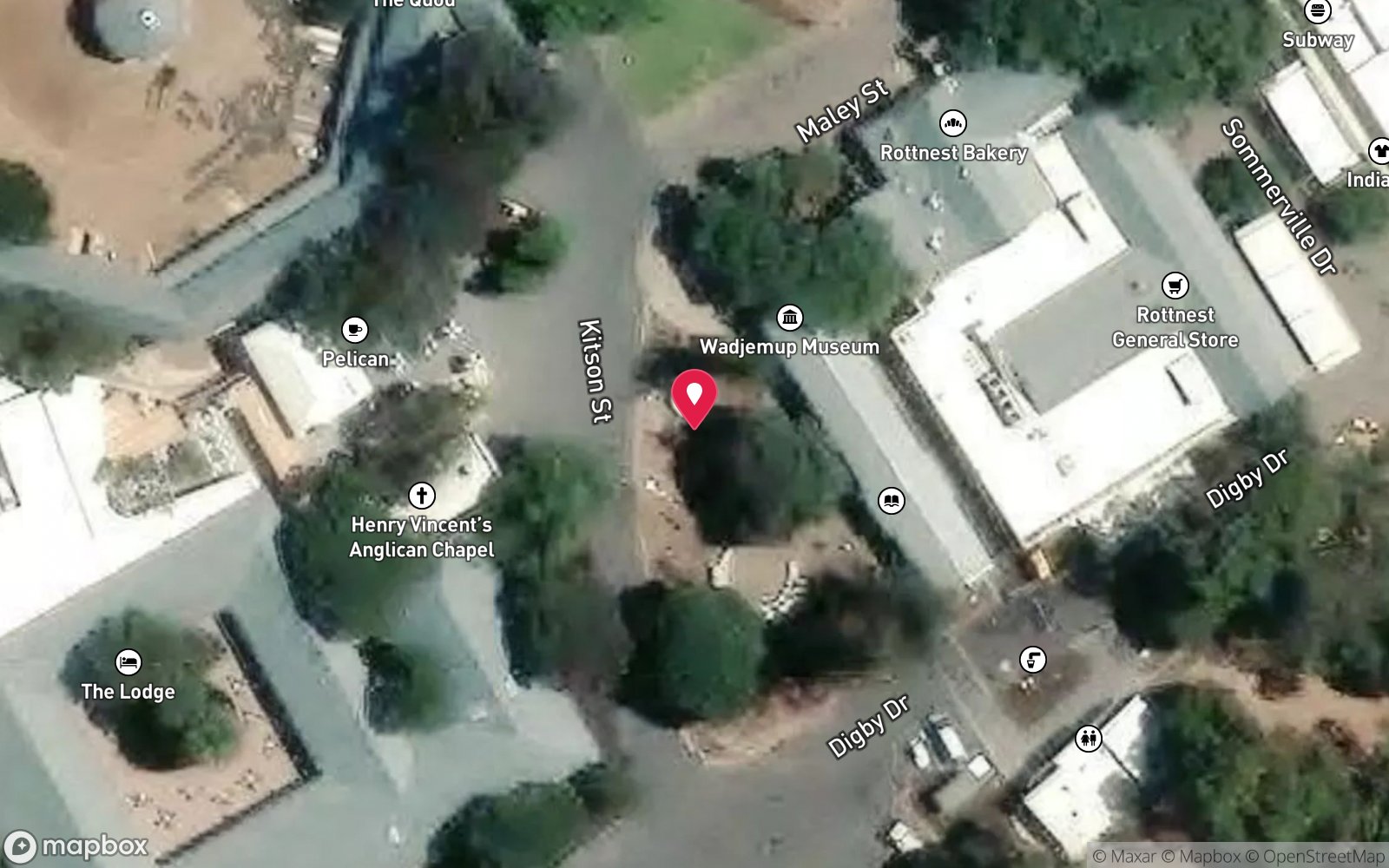
Satellite views
Rottnest Ships' Graveyard: frequently asked questions
How deep is Rottnest Ships' Graveyard?
Rottnest Ships' Graveyard reaches a maximum depth of 200 m, with the shallowest part at about 46 m; most of the dive is spent around 65 m.
What certification do I need to dive Rottnest Ships' Graveyard?
Technical (decompression) is the recommended minimum. Rated expert/technical because of depth to 200 m, tidal current that must be timed, boat traffic overhead, cold water.
Can I shore dive Rottnest Ships' Graveyard?
No, it is reached by boat (about 75 minutes). A dive centre is required: boat access only.
When is the best time to dive Rottnest Ships' Graveyard?
Summer and autumn flat spells.
What marine life will I see at Rottnest Ships' Graveyard?
Regularly recorded: Pelagic schools (samson fish, yellowtail kingfish, trevally), dhufish, pink snapper, deep-water sponges and gorgonians on hulls.
What wetsuit do I need at Rottnest Ships' Graveyard?
Drysuit or thick semi-dry for long decompression; hood and gloves.
How cold is the water at Rottnest Ships' Graveyard?
Typically 20-23 °C in summer and 18-19 °C in winter.
What are the main hazards at Rottnest Ships' Graveyard?
Extreme depth; decompression obligation; open-ocean currents; no moorings; remote; shipping traffic; wrecks older than 75 years are protected. See the hazards section above for the full list.
Where is the nearest recompression chamber to Rottnest Ships' Graveyard?
Fiona Stanley Hospital Hyperbaric Medicine Unit (Murdoch, Perth). In an emergency call 000, then DAN Asia-Pacific on 1800 088 200.
Diving in Rottnest Island
Rottnest, 20 km off Fremantle, has more than 50 dive sites, the most shipwrecks on the WA coast (the Rottnest Wreck Trail and the deep Ships' Graveyard beyond) and coral growing at the southern limit of its range. Limestone caves, swim-throughs and ledges at Crystal Palace, Roe Reef and the Shark Cave are the classics; the West End has seals and pelagics.
Getting there: Ferries from Fremantle, Perth and Hillarys; charter boats from Fremantle run day trips. Several bays can be dived from the shore by bike-and-fin.
Sources
- wrecksploration.au/projects
- en.wikipedia.org/wiki/Rottnest_ship_graveyard
- museum.wa.gov.au/maritime-archaeology-db/sites/default/files/no._148_graveyard.pdf
- uwauc.org.au/come-diving-with-us/our-dive-sites
- en.wikipedia.org/wiki/HMAS_Derwent_(DE_49)
- museum.wa.gov.au/maritime-archaeology-db/wrecks/derwent-hmas
- thescubadirectory.com/divesiteprofile/Rottnest-Ships-Graveyard-Perth-Australia-Dive-Site
Data confidence: Medium · Being verified: Centre coordinate approximate; v1 depth of 32-42 m for shallowest wrecks corrected to 46 m+ from WreckSploration data.. Last updated September 2026. Know this site better? How to send a correction
Nearby dive sites
More wrecks in Western Australia
Explore more
This region