Dive slate · divesites.com.au · printed 8 Nov 2026
Uribes Wreck
Rottnest Island, Western Australia · near Rottnest Island (Thomson Bay settlement)
| Depth | 1–4 m |
|---|---|
| Minimum level | Snorkel/Any |
| Difficulty | Beginner |
| Access | Shore |
| Entry | Walk-in from the beach beside the Natural Jetty rocks |
| Current | None |
| Visibility | 3-10 m |
| Water | summer 21-24 °C, winter 17-19 °C |
| Suit | 5 mm full wetsuit in summer and autumn; 7 mm or 5 mm with hood and vest in winter and spring |
| Best season | Late summer and autumn (February-May) for calm easterly mornings and the warmest water; winter gives clear water between fronts |
| Bottom time | 40 min |
| Position | -32.00272, 115.55753 (GPS) |
| Permit | Rottnest Island Reserve; protected historic shipwreck |
| Nearest chamber | Fiona Stanley Hospital Hyperbaric Medicine Unit (Murdoch, Perth) |
| Emergency | 000 · DAN Asia-Pacific diving emergency 1800 088 200 |
Uribes Wreck
Also known as Uribes (1942), Natural Jetty wreck, Phillip Rock wreck
A 1942 schooner filled with sand in 2.5-4 m just metres from the beach - Rottnest's easiest wreck snorkel.
Near Rottnest Island (Thomson Bay settlement) · Rottnest Island, Western Australia
- Depth
- 1–4 m
- Minimum level
- Snorkel/Any
- Access
- Shore
- Boat ride
- Shore entry
- Water
- 21-24 °C
- Visibility
- 3-10 m
Uribes Wreck1–4 m · Snorkel/Any · Shore
Dive factsDepths, conditions, location & safety
Season
Off-peak nowBest months: January, February, March, April, May, June, July, August, December.
Late summer and autumn (February-May) for calm easterly mornings and the warmest water; winter gives clear water between fronts
- Best months
- Now (November)
Dive facts
- Depth
- 1–4 m
- Typical depth
- 2.5 m
- Certification
- Snorkel/Any
- Difficulty
- Beginner
- Depth tier
- Easy (0–10 m)
- Access
- Shore
- Offshore
- 0.02 km
- Dive centre needed
- No – independently diveable
- Shore / independent
- Yes
- Current
- None
- Visibility
- 3-10 m
- Water temp (summer)
- 21-24 °C
- Water temp (winter)
- 17-19 °C
- Water
- Temperate
- Bottom time
- 40 min
- Dive traffic
- Very popular (dived daily)
- Night dive
- Possible
- Snorkel friendly
- Yes
Exposure suit
5 mm full wetsuit in summer and autumn; 7 mm or 5 mm with hood and vest in winter and spring
Location
Thomson Bay - Natural Jetty / Phillip Point · Rottnest Island (Wadjemup)
-32.00272, 115.55753
Published GPS position.
Open in Google MapsDive site map (external) →Primary source: divingwawrecks.comMarine park & permits
Rottnest Island Reserve; protected historic shipwreck
Nearest recompression chamber
Fiona Stanley Hospital Hyperbaric Medicine Unit (Murdoch, Perth)
Diving emergency: call 000, then DAN AP 1800 088 200.
Trip planner
Build a trip around Uribes Wreck →
A day-by-day plan for Rottnest Island with this site locked in.
This guide is a planning aid. Conditions change daily — confirm with a local dive centre and dive within your training. Data & safety notes.
Dive profile
How this site rates
Scores are computed from the recorded data, not opinions. How?
At a glance
Uribes Wreck is a wreck shore dive you can do independently in Rottnest Island, WA, 1–4 m, suitable for snorkellers and first-time divers.
Rated beginner: sheltered, shallow and manageable for a newly certified diver on a normal day.
Why dive here
- A 1942 schooner filled with sand in 2.5-4 m just metres from the beach - Rottnest's easiest wreck snorkel.
- Sunk in 1942; protected as underwater cultural heritage, so look but do not touch.
- Snorkel-friendly, so non-diving companions can join at the surface.
Conditions to avoid
- Strong southerly or south-east swell and wind
- Afternoon north-easterlies
- Strong northerlies
About Uribes Wreck
The Uribes is one of only two Rottnest wrecks that the WA Museum recommends to snorkellers, and it is probably the easiest historic wreck in Western Australia to visit. She was a 37 m auxiliary schooner of about 118 tons, built in 1868 at Stockton-on-Tees in England, with a steel or iron hull by the time of her loss. In mid-1942 she was loading machinery and ammunition from the Oliver Hill gun battery - military stores and two motor vehicles according to the Museum - when her motors failed as she left Thomson Bay near Phillip Rock. Her anchors dragged and she drifted onto the shore at the base of the Natural Jetty, where she quickly sank and filled with sand.
The sand has preserved her: machinery and parts of the hull are still well defined in 2.5-4 m of water, just metres off the beach, and on a calm day the outline is visible from shore. Small reef fish, wrasse and juvenile bream use the wreck as shelter, and the adjoining limestone of the Natural Jetty adds reef life to the swim.
It is a perfect site for families, first-time snorkellers and anyone doing the Rottnest wreck trail by bike, and a gentle scuba dive for a check-out or a relaxed hour. Visibility is modest compared with the offshore sites because of the sand bottom and swimmers. Like all Rottnest wrecks it is protected; look but do not touch or remove anything. The wreck is also a popular night snorkel for island visitors staying in the settlement.
Wreck details
Auxiliary schooner (steel/iron hull; built 1868), 37 m, about 118 tons · Sunk 1942 · Protected historic shipwreck
Era: Second World War. Oldest wrecks · Wartime wrecks · Scuttled warships
Other wrecks of the same era
- Town Beach Flying Boat Wrecks (low-tide walk) · Max 1 m · Broome & Kimberley
- Roebuck Bay Flying Boat Wrecks (deep-water Catalinas) · Max 14 m · Broome & Kimberley
- ALC40 & Gay Dragon Wrecks (Bicton) · Max 8.5 m · Perth
- Shark Hopper Barge (Henrietta Rocks) · Max 4 m · Rottnest Island
- HNLMS K XI Submarine Wreck · Max 38 m · Rottnest Island
- Ahwina Tug Wreck (Gull Rock) · Max 3 m · Albany & Great Southern
Getting there & entry
Sand-filled auxiliary schooner lying in 2.5-4 m at the base of the Natural Jetty near Phillip Point on the south side of Thomson Bay, a few metres from shore.
Catch the ferry from Fremantle or Perth to Thomson Bay. From the main settlement cycle or walk south-east along the bay (about 1.5 km) towards Phillip Point; the site is near Island Explorer bus Stop 4. The wreck lies a few metres off the beach at the base of the rocky Natural Jetty and is easily seen from shore on calm days.
Leave bikes at the track head, walk down to the sand and enter from the beach; snorkellers need only a few kicks. Scuba divers must bring cylinders from Perth as there are no fills on the island.
Entry: Walk-in from the beach beside the Natural Jetty rocks
Facilities: Bike parking at the track head; toilets and cafes in the Thomson Bay settlement (1.5 km); snorkel hire from Pedal & Flipper and other outlets; no scuba air on Rottnest.
Weather, swell & tides
Usually protected from swell inside Thomson Bay, but the WA Museum warns it is only safe when wind and waves are not blowing onshore: strong northerly and north-easterly winds push chop onto this beach and reduce visibility. Best on calm summer mornings with south-easterly or southerly winds. Summer afternoons bring crowds of swimmers and boats.
Best season: Late summer and autumn (February-May) for calm easterly mornings and the warmest water; winter gives clear water between fronts
If it's blown out
Sheltered or shore sites within 25 km that often work when Uribes Wreck doesn't.
- The Basin · 2 km · Max 4 m
- SS Macedon Wreck · 2 km · Max 7 m
- Rottnest Wreck Trail · 2 km · Max 10 m
- Denton Holme Wreck · 2 km · Max 7 m
How the dive is usually run
Enter from the beach, fin a few metres to the wreck and circle it slowly at the surface or at 2-3 m, looking at the exposed machinery and hull frames; extend along the Natural Jetty rocks for reef fish before returning to the beach.
Marine life
- Western king wrasse
- juvenile buffalo bream
- sergeant baker
- blennies
- stingarees on the sand
- octopus →
- seagrass fauna
Linked species have their own page listing every site where they are recorded. All marine life →
Training required
Shallow enough for snorkellers and for a first dive under supervision. Any certified diver can dive it.
Depth tiers: 0–10 m easy · to 18 m Open Water · 18–30 m Advanced (25 m+ is a deep dive) · 30–40 m Deep specialty · 40 m+ technical. All courses
Hazards & warnings
Onshore northerly winds make entry rough and visibility poor; boats and swimmers in summer; sharp metal; very shallow - no need for scuba weights beyond minimum; protected wreck.
Dive centres that go here
No operator needed; a self-guided snorkel on the Rottnest Wreck Trail. Rottnest snorkel tours and hire outlets (Pedal & Flipper) point visitors to it.
Operators recorded for Uribes Wreck
Perth Scuba
ProfiledCanning Vale · Perth · WA
One of the most fully documented operations in Western Australia, covering recreational, professional, technical and freediving training alongside substantial equipment facilities.
perthscuba.com · (08) 9455 4448
Bucket List Diver
Named by sitesFremantle · Perth · WA
bucketlistdiver.com · (08) 9200 4447
Pedal & Flipper
Named by sitesRottnest Island · Rottnest Island · WA
Bike and snorkel gear hire run by the Rottnest Island Authority; not a dive shop.
rottnestisland.com/see-do/hire/pedal-flipper-hire · (08) 9292 5105
Rottnest Snorkel tours
Named by sitesRottnest Island · Rottnest Island · WA
Guided snorkel tours departing Fremantle and Thomson Bay; not a dive shop.
rottnestsnorkel.com.au · 0499 523 166
Other dive centres in Rottnest Island
Dolphin Scuba Diving
ProfiledWelshpool · Perth · WA
A Perth business providing training, equipment and service support.
dolphinscuba.com.au · (08) 9353 2488
ADRENO Perth
ListedO'Connor · Perth · WA
An equipment retailer with a spearfishing and freediving emphasis. Primarily retail rather than a training centre.
adreno.com.au/pages/contact-us-perth · (08) 6424 8480
Dive Imports
ListedMt Hawthorn · Perth · WA
A Perth equipment business. Retail range, servicing and training availability require verification.
diveimports.com · (08) 9443 1657
Dolphin Dive Fremantle
ListedSouth Fremantle · Perth · WA
A Fremantle operation serving local divers, with proximity to Rottnest Island departures.
dolphindive.com.au
Perth Diving Academy
ListedHillarys · Perth · WA
A Perth training business serving the metropolitan recreational market.
perthdiving.com.au · (08) 9448 6343
Spear West
ListedPerth · WA
A Perth spearfishing and freediving business. This serves a different customer from a conventional scuba centre.
spearwest.com.au · 0411 063 351
Map
7 pinned sites. Pins marked approximate on their pages show the general area only; not for navigation.
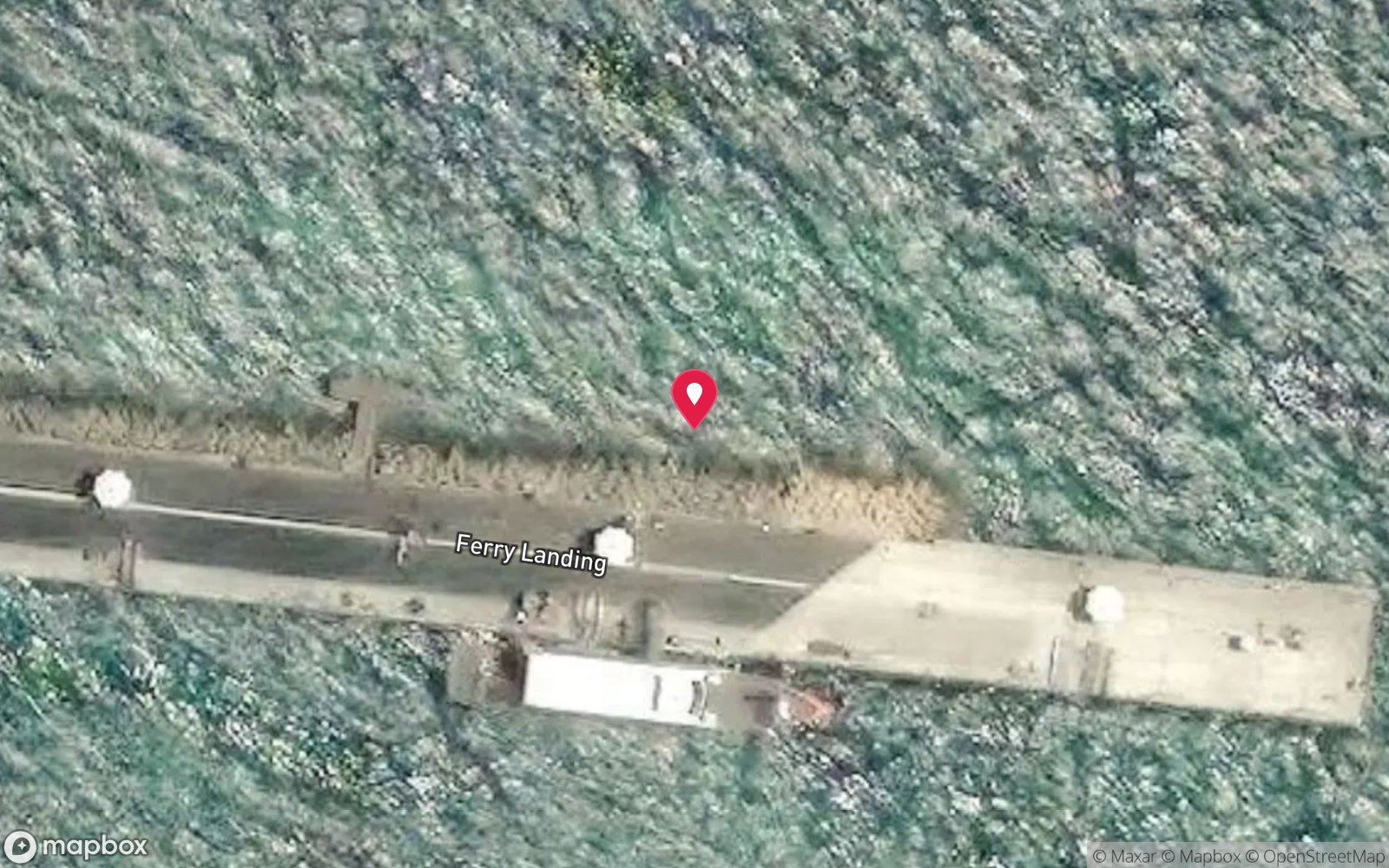
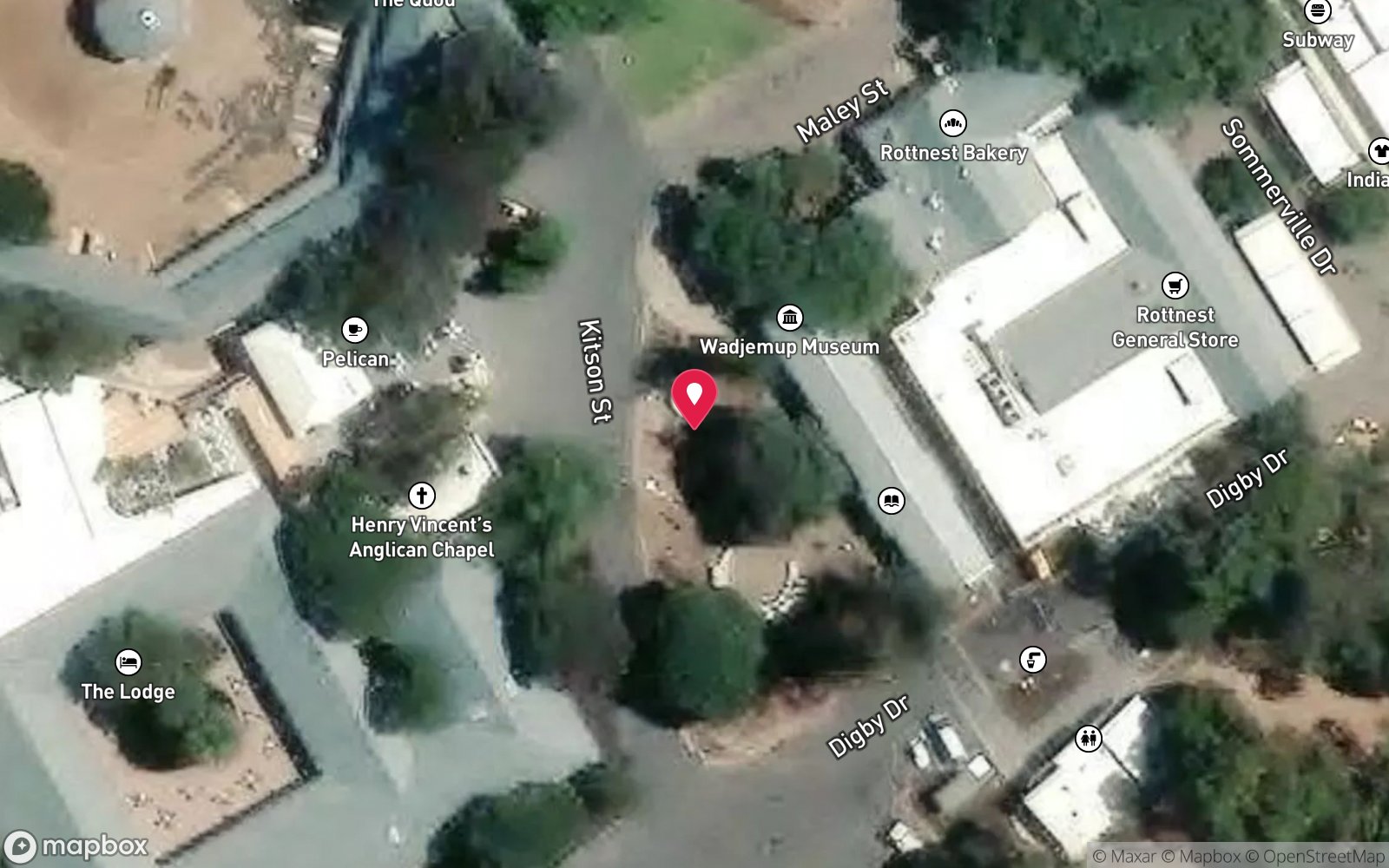
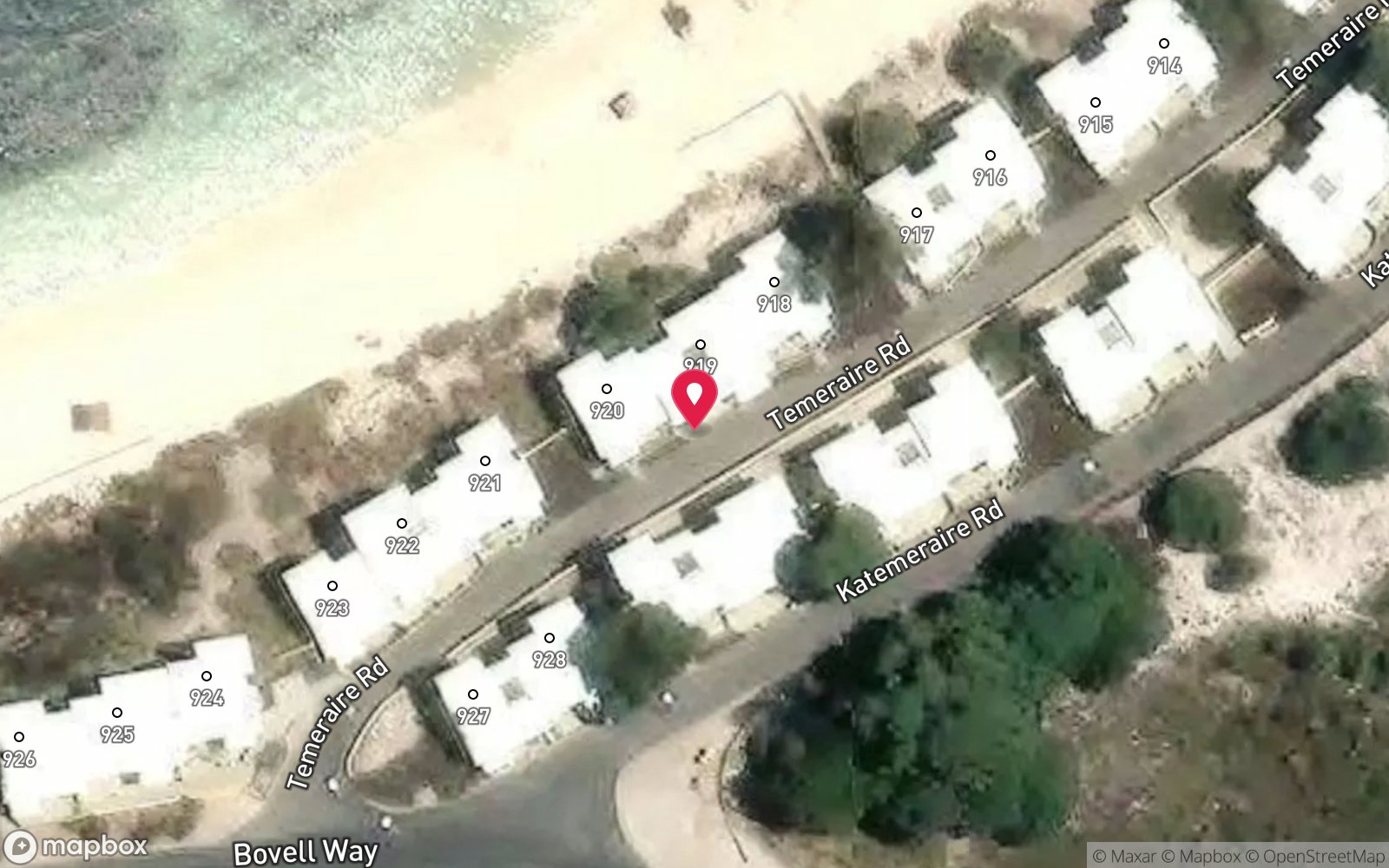
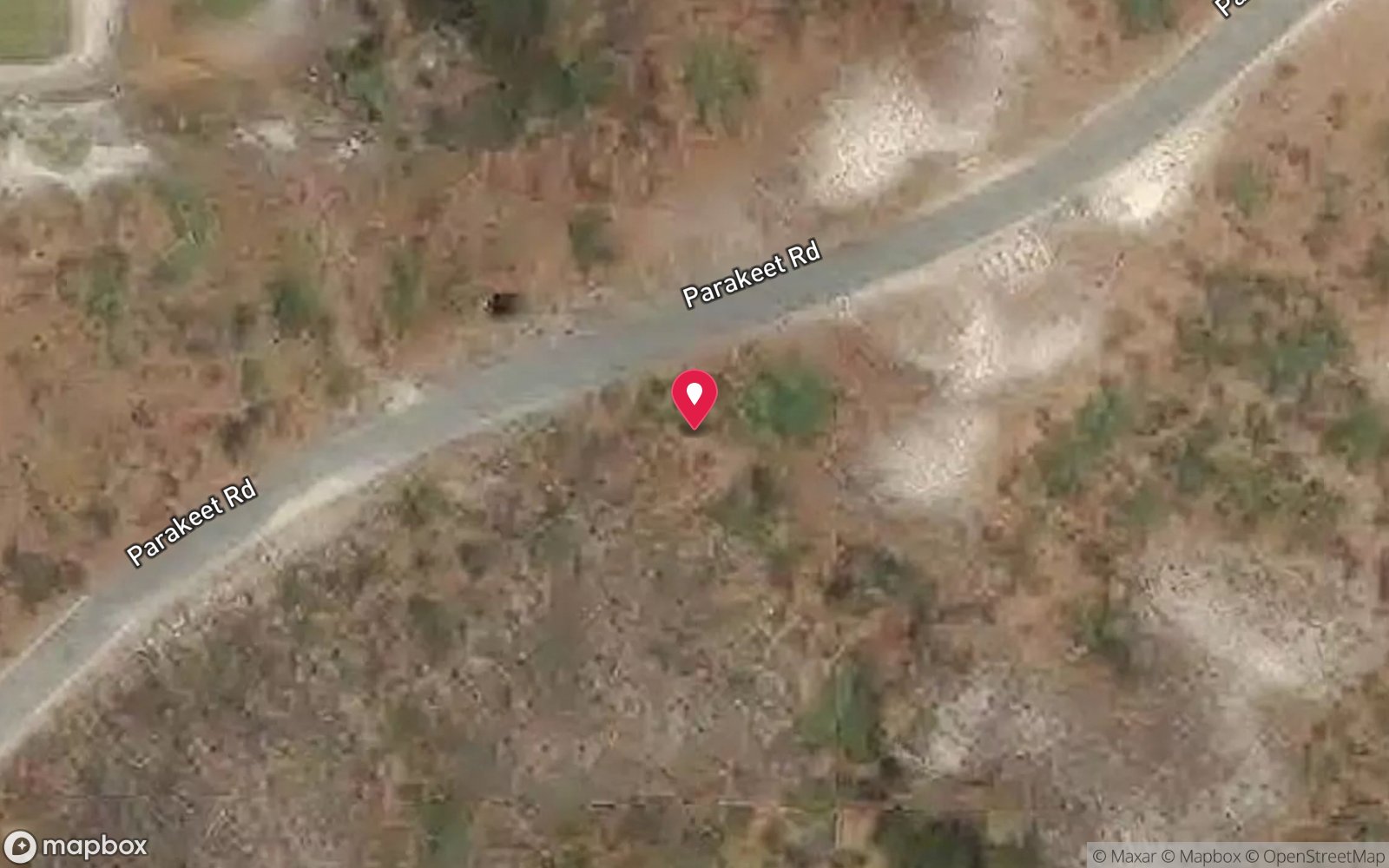
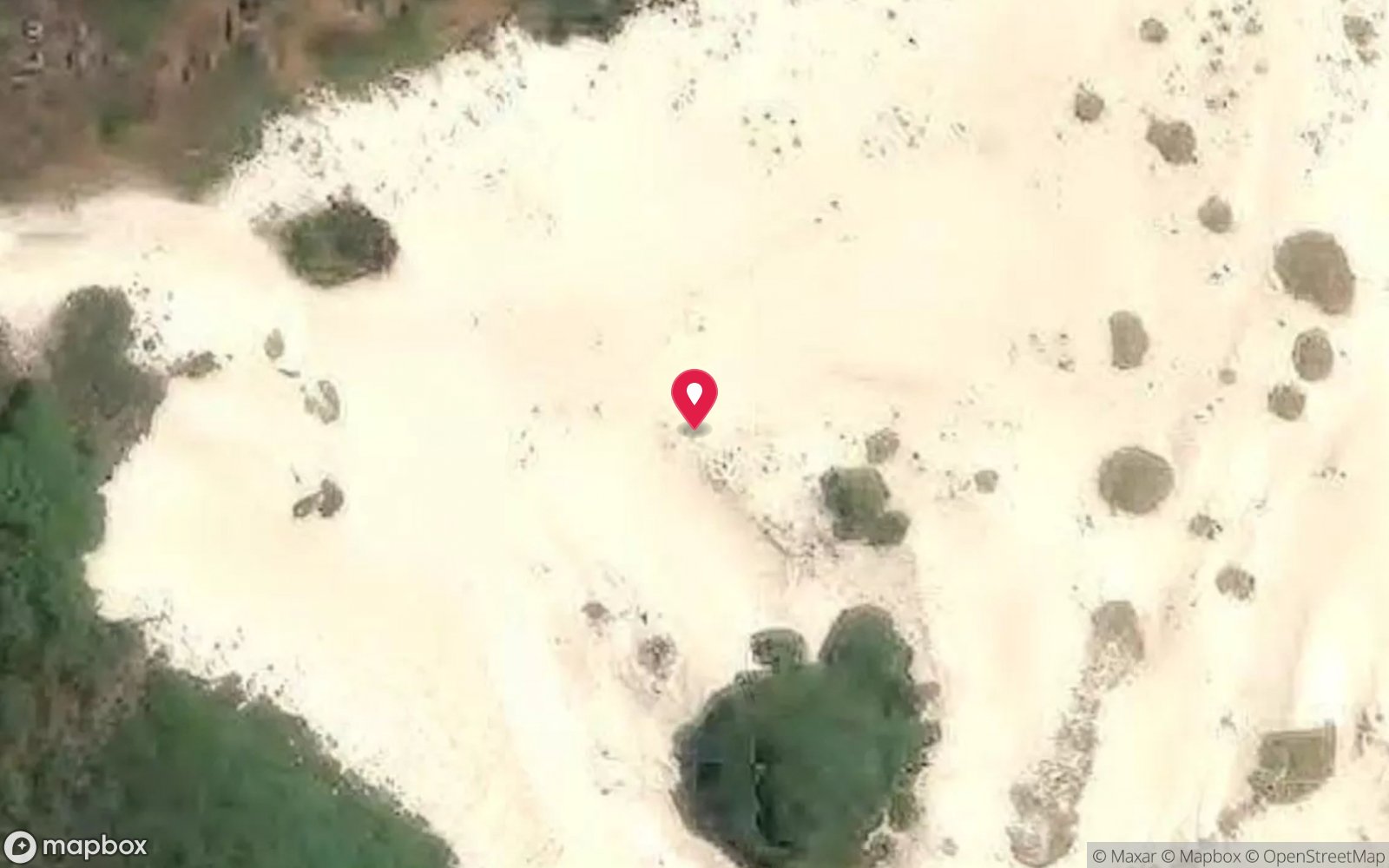
Satellite views
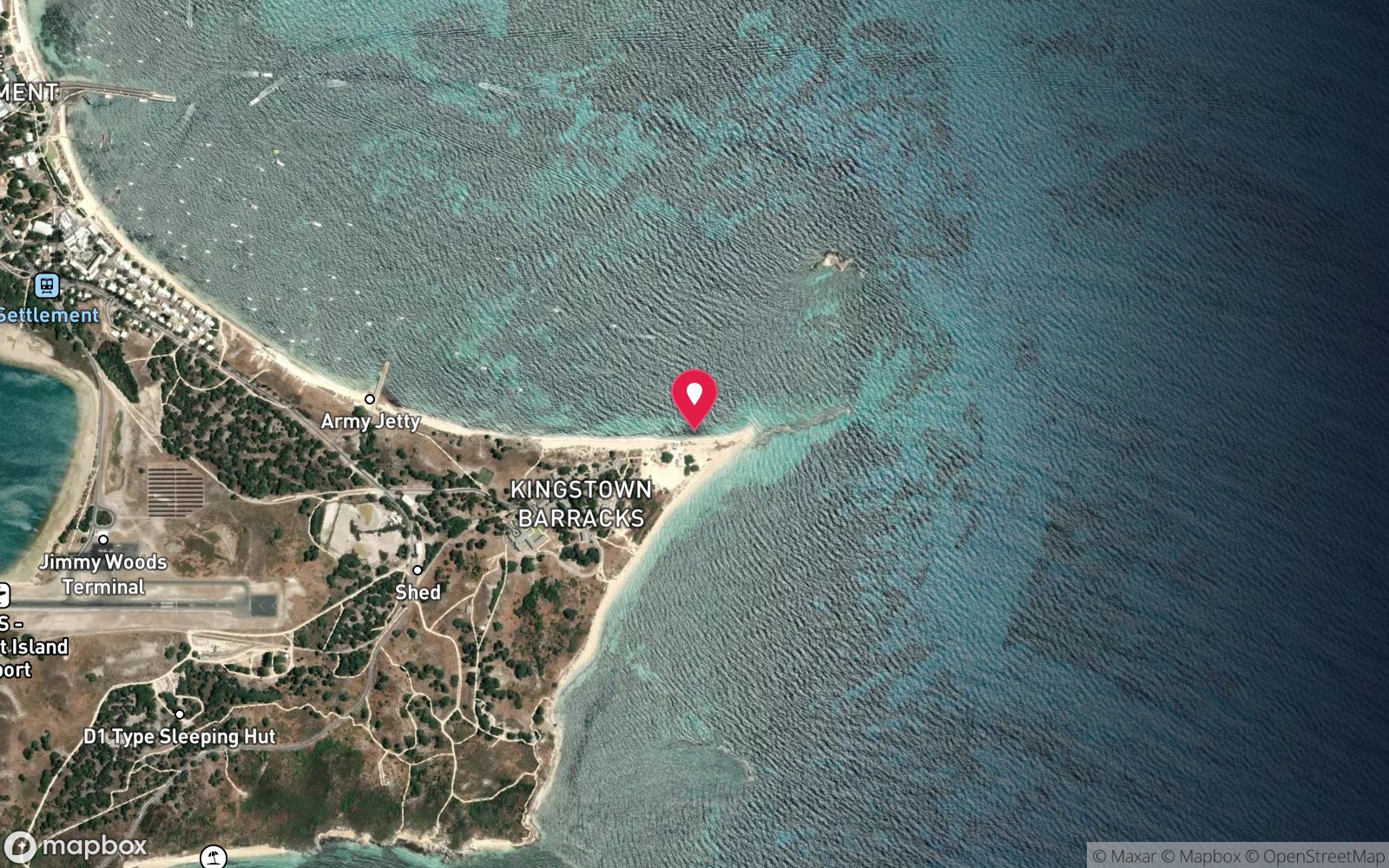
Uribes Wreck: frequently asked questions
How deep is Uribes Wreck?
Uribes Wreck reaches a maximum depth of 4 m, with the shallowest part at about 1 m; most of the dive is spent around 2.5 m.
What certification do I need to dive Uribes Wreck?
No certification is needed to snorkel it, and it suits introductory dives. Rated beginner: sheltered, shallow and manageable for a newly certified diver on a normal day.
Can I shore dive Uribes Wreck?
Yes. Uribes Wreck is a shore dive that can be done independently: walk-in from the beach beside the Natural Jetty rocks.
When is the best time to dive Uribes Wreck?
Late summer and autumn (February-May) for calm easterly mornings and the warmest water; winter gives clear water between fronts.
What marine life will I see at Uribes Wreck?
Regularly recorded: Western king wrasse, juvenile buffalo bream, sergeant baker, blennies, stingarees on the sand, octopus, seagrass fauna.
What wetsuit do I need at Uribes Wreck?
5 mm full wetsuit in summer and autumn; 7 mm or 5 mm with hood and vest in winter and spring.
How cold is the water at Uribes Wreck?
Typically 21-24 °C in summer and 17-19 °C in winter.
What are the main hazards at Uribes Wreck?
Onshore northerly winds make entry rough and visibility poor; boats and swimmers in summer; sharp metal; very shallow - no need for scuba weights beyond minimum; protected wreck. See the hazards section above for the full list.
Where is the nearest recompression chamber to Uribes Wreck?
Fiona Stanley Hospital Hyperbaric Medicine Unit (Murdoch, Perth). In an emergency call 000, then DAN Asia-Pacific on 1800 088 200.
Diving in Rottnest Island
Rottnest, 20 km off Fremantle, has more than 50 dive sites, the most shipwrecks on the WA coast (the Rottnest Wreck Trail and the deep Ships' Graveyard beyond) and coral growing at the southern limit of its range. Limestone caves, swim-throughs and ledges at Crystal Palace, Roe Reef and the Shark Cave are the classics; the West End has seals and pelagics.
Getting there: Ferries from Fremantle, Perth and Hillarys; charter boats from Fremantle run day trips. Several bays can be dived from the shore by bike-and-fin.
Sources
- divingwawrecks.com/rottnest-north
- museum.wa.gov.au/sites/default/files/Rottnest.pdf
- marinelife.org.au/?page_id=177
- rottnestisland.com/see-do/beaches-water-activities/shipwrecks
- rottnestisland.com/see-do/beaches-water-activities/snorkelling-diving
Data confidence: High · Being verified: Tonnage varies by source (118 t divingwawrecks, 117.59 t WA Museum, 188 t marinelife.org.au, 250 t Wikipedia); hull construction described as steel (divingwawrecks) vs wooden (Wikipedia).. Last updated September 2026. Know this site better? How to send a correction
Nearby dive sites
More wrecks in Western Australia
Explore more
This region
Similar dives