Dive slate · divesites.com.au · printed 8 Nov 2026
Ahwina Tug Wreck (Gull Rock)
Albany & Great Southern, Western Australia · near Albany
| Depth | 0.5–3 m |
|---|---|
| Minimum level | Snorkel/Any |
| Difficulty | Beginner |
| Access | Shore |
| Entry | Beach entry from Gull Rock Beach |
| Current | None |
| Visibility | 5-15 m |
| Water | summer 19-21 °C, winter 14-16 °C |
| Suit | 5-7 mm wetsuit (3 mm is enough for a short summer snorkel) |
| Best season | Summer and autumn (December-May) on calm days with light northerly or westerly winds |
| Bottom time | 40 min |
| Position | -35.01440, 118.00430 (GPS) |
| Permit | None; historic shipwreck – do not disturb. |
| Nearest chamber | Fiona Stanley Hospital Hyperbaric Medicine Unit (Murdoch, Perth) – aeromedical evacuation from Albany |
| Emergency | 000 · DAN Asia-Pacific diving emergency 1800 088 200 |
Ahwina Tug Wreck (Gull Rock)
Also known as Ahwina wreck, Awhina, Boiler Bay wreck
A 1936 tug boiler breaking the surface 50 m off a sheltered beach – Albany's easiest wreck snorkel.
Near Albany · Albany & Great Southern, Western Australia
- Depth
- 0.5–3 m
- Minimum level
- Snorkel/Any
- Access
- Shore
- Boat ride
- Shore entry
- Water
- 19-21 °C
- Visibility
- 5-15 m
Ahwina Tug Wreck (Gull Rock)0.5–3 m · Snorkel/Any · Shore
Dive factsDepths, conditions, location & safety
Season
Off-peak nowBest months: January, February, March, April, May, December.
Summer and autumn (December-May) on calm days with light northerly or westerly winds
- Best months
- Now (November)
Dive facts
- Depth
- 0.5–3 m
- Typical depth
- 2 m
- Certification
- Snorkel/Any
- Difficulty
- Beginner
- Depth tier
- Easy (0–10 m)
- Access
- Shore
- Offshore
- 0.05 km
- Dive centre needed
- No – independently diveable
- Shore / independent
- Yes
- Current
- None
- Visibility
- 5-15 m
- Water temp (summer)
- 19-21 °C
- Water temp (winter)
- 14-16 °C
- Water
- Temperate
- Bottom time
- 40 min
- Dive traffic
- Moderate (occasional charters/club dives)
- Night dive
- Possible
- Snorkel friendly
- Yes
Exposure suit
5-7 mm wetsuit (3 mm is enough for a short summer snorkel)
Location
King George Sound – Gull Rock / Ledge Bay · Great Southern – Albany
-35.01440, 118.00430
Published GPS position.
Open in Google MapsPrimary source: divingwawrecks.comMarine park & permits
None; historic shipwreck – do not disturb.
Nearest recompression chamber
Fiona Stanley Hospital Hyperbaric Medicine Unit (Murdoch, Perth) – aeromedical evacuation from Albany
Diving emergency: call 000, then DAN AP 1800 088 200.
Trip planner
Build a trip around Ahwina Tug Wreck (Gull Rock) →
A day-by-day plan for Albany & Great Southern with this site locked in.
This guide is a planning aid. Conditions change daily — confirm with a local dive centre and dive within your training. Data & safety notes.
Dive profile
How this site rates
Scores are computed from the recorded data, not opinions. How?
At a glance
Ahwina Tug Wreck (Gull Rock) is a wreck shore dive you can do independently in Albany & Great Southern, WA, 0.5–3 m, suitable for snorkellers and first-time divers.
Rated beginner: sheltered, shallow and manageable for a newly certified diver on a normal day, though note surge on the entry or in the shallows and boat traffic overhead.
Why dive here
- A 1936 tug boiler breaking the surface 50 m off a sheltered beach – Albany's easiest wreck snorkel.
- Sunk in 1936 (Wooden steam tug, under 20 m); protected as underwater cultural heritage, so look but do not touch.
- Snorkel-friendly, so non-diving companions can join at the surface.
Conditions to avoid
- Strong southerly or south-east swell and wind
- Outgoing tide or run-off after rain (poor visibility)
About Ahwina Tug Wreck (Gull Rock)
The Ahwina is the easiest wreck in the Albany area to reach – a short swim off a sheltered beach – and one of the most charming shallow snorkels on the south coast. The vessel was a wooden-hulled tug with a long working career in Australian and New Zealand waters. In 1936, while being stripped of fittings, she foundered alongside the Albany town jetty; she was refloated, towed around to Gull Rock on the northern shore of King George Sound, set alight and scuttled in shallow water.
Today the remains lie on white sand in about 2 m of water roughly 50 m off Gull Rock Beach. The ship's boiler stands up from the seabed and is visible from the beach, with the burnt iron remains of the hull fittings scattered around it. The timber hull has long since burnt and rotted away, but the ironwork gives the site structure and has become a small artificial reef, attracting schools of juvenile fish, wrasse, old wives, leatherjackets and blue swimmer crabs, with seagrass meadows nearby holding cuttlefish, squid and flathead.
The water here is usually very clear over the white sand and the shallow depth makes it an ideal family snorkel, a first wreck for young divers, or a relaxing macro dive for photographers looking at the growth on the boiler. It is not a destination for experienced divers on its own, but it pairs well with a visit to nearby Ledge Point, and the beach is one of the more sheltered on the sound.
The local area is sometimes called Boiler Bay after the wreck. Divers should remember that the remains are protected historic material: look but do not remove anything.
Wreck details
Wooden steam tug, under 20 m · Sunk 1936 · Protected historic shipwreck
Era: early 20th century. Oldest wrecks · Wartime wrecks · Scuttled warships
Other wrecks of the same era
- Stragglers Unidentified Dredge · Max 19 m · Perth
- Shark Hopper Barge (Henrietta Rocks) · Max 4 m · Rottnest Island
- Peak Island & Toba Wreck · Max 15 m · Margaret River & Augusta
- The Clipper (Maranda, Graveyard Site 06) · Max 65 m · Rottnest Island
- Chofuku Maru · Max 10 m · Ningaloo – Coral Bay
- Uribes Wreck · Max 4 m · Rottnest Island
Getting there & entry
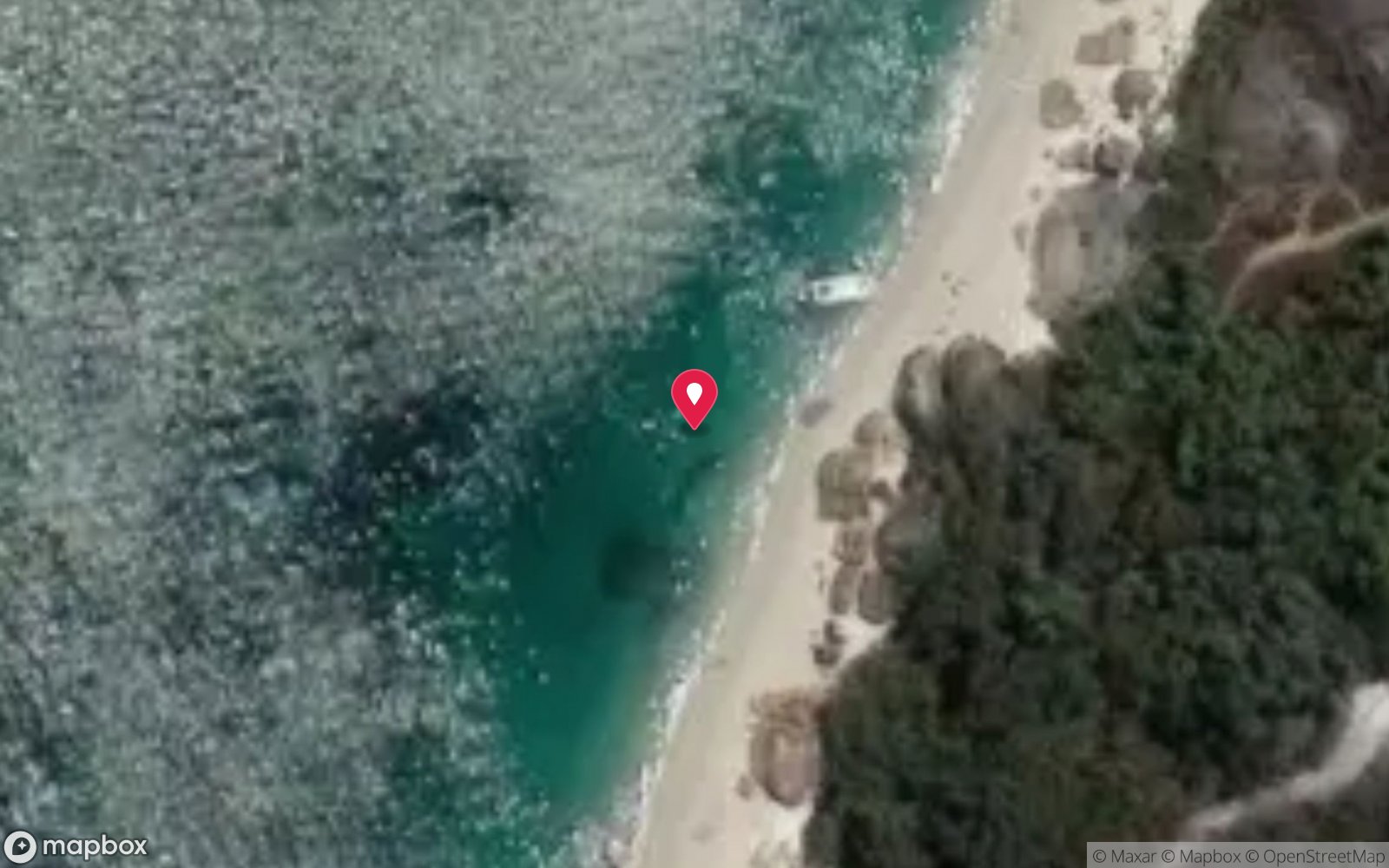
Burnt remains and boiler of a wooden tug scuttled in 1936, visible above water about 50 m off Gull Rock Beach on the northern shore of King George Sound.
From Albany drive north-east on Lower King Road, then turn right onto Nanarup Road and right onto Ledge Point Road (about 12 km, 15 minutes from the CBD); follow the signs to the Gull Rock Beach car park. The gravel car park is just behind the beach. Walk a few metres down to the sand; the boiler of the Ahwina is visible about 50 m offshore, slightly west of the car park, so the swim is short and shallow.
By boat the site is about 3 nautical miles east of Emu Point.
Entry: Beach entry from Gull Rock Beach
Facilities: Gravel car park at Gull Rock Beach; no toilets or showers at the beach (nearest facilities at Emu Point or Nanarup); air fills and gear hire at South Coast Diving Supplies, Albany.
Weather, swell & tides
Gull Rock Beach faces south into King George Sound and is sheltered from Southern Ocean swell by Michaelmas and Breaksea Islands, so the water is usually calm and clear. Strong southerly and south-easterly winds push a short chop onto the beach and stir up the sand, reducing visibility. Summer afternoon south-easterly sea breezes can make the water choppy – mornings are best.
There is no significant current. After heavy rain, run-off can cloud the water briefly.
Best season: Summer and autumn (December-May) on calm days with light northerly or westerly winds
If it's blown out
Sheltered or shore sites within 25 km that often work when Ahwina Tug Wreck (Gull Rock) doesn't.
- Athena Wreck (Ledge Point) · 2 km · Max 3 m
- Middleton Beach & Ellen Cove · 8 km · Max 5 m
- Mistaken Island · 8 km · Max 12 m
- Frenchman Bay & Whaling Cove · 10 km · Max 8 m
How the dive is usually run
Enter from the beach west of the car park and fin straight to the boiler, which breaks the surface. Circle the scattered ironwork and burnt frames on the sand, then explore the surrounding seagrass and rock edges before returning to the beach. Snorkellers can see everything from the surface.
Marine life
- Juvenile fish schools
- wrasse
- old wives
- leatherjackets
- blue swimmer crabs
- cuttlefish →
- squid →
- flathead
- seagrass
Linked species have their own page listing every site where they are recorded. All marine life →
Training required
Shallow enough for snorkellers and for a first dive under supervision. Any certified diver can dive it.
Depth tiers: 0–10 m easy · to 18 m Open Water · 18–30 m Advanced (25 m+ is a deep dive) · 30–40 m Deep specialty · 40 m+ technical. All courses
Hazards & warnings
Shallow ironwork – sharp edges and surge in any swell; boat traffic offshore; do not remove material (protected historic wreck); nearest exit is the beach.
Dive centres that go here
No operator – independent snorkel or shore dive. Popular with families and snorkellers in summer.
Operators recorded for Ahwina Tug Wreck (Gull Rock)
Other dive centres in Albany & Great Southern
Perth Scuba
ProfiledCanning Vale · Perth · WA
One of the most fully documented operations in Western Australia, covering recreational, professional, technical and freediving training alongside substantial equipment facilities.
perthscuba.com · (08) 9455 4448
Bremer Bay Dive
Named by sitesBremer Bay · Albany & Great Southern · WA
Website live but last updated 2018 (1 Wellstead Rd, PADI since 1994); last TripAdvisor review March 2022 with no closure notice; Instagram as Bremer Bay Dive and Sports.
bremerbaydive.com · 0427 374 440
Geographe Maritime Charters
Named by sitesBusselton · Albany & Great Southern · WA
Site now advertises whale watching and private charters from Busselton/Dunsborough with no diving; last review 2019.
geographemaritime.com.au · 0439 626 383
Naturaliste Charters
Named by sitesDunsborough · Albany & Great Southern · WA
Whale-watching/eco charter (orca tours from Bremer Bay, whale tours from Augusta), not a dive shop.
naturalistecharters.com.au · (08) 9750 5500
Map
7 pinned sites. Pins marked approximate on their pages show the general area only; not for navigation.
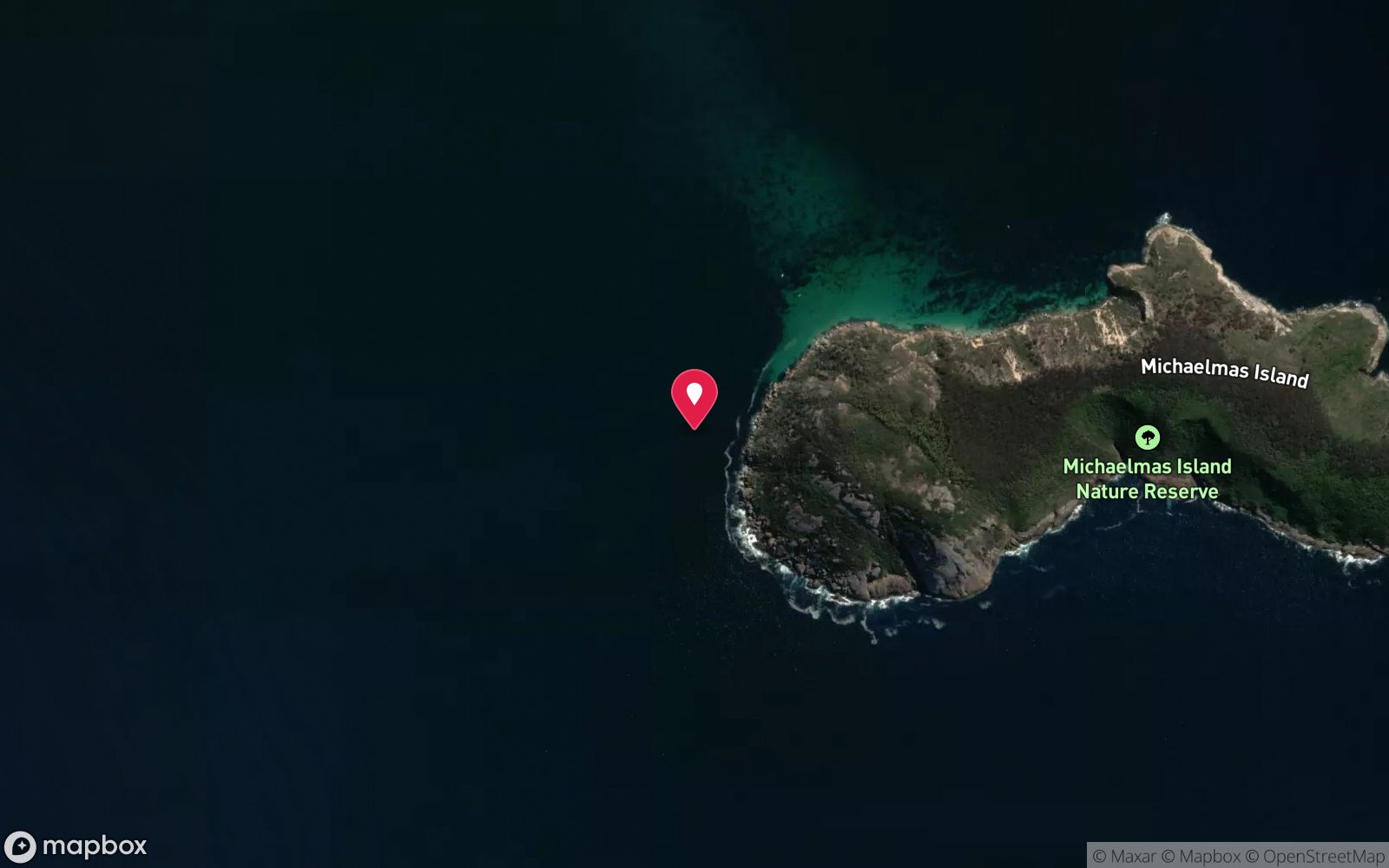
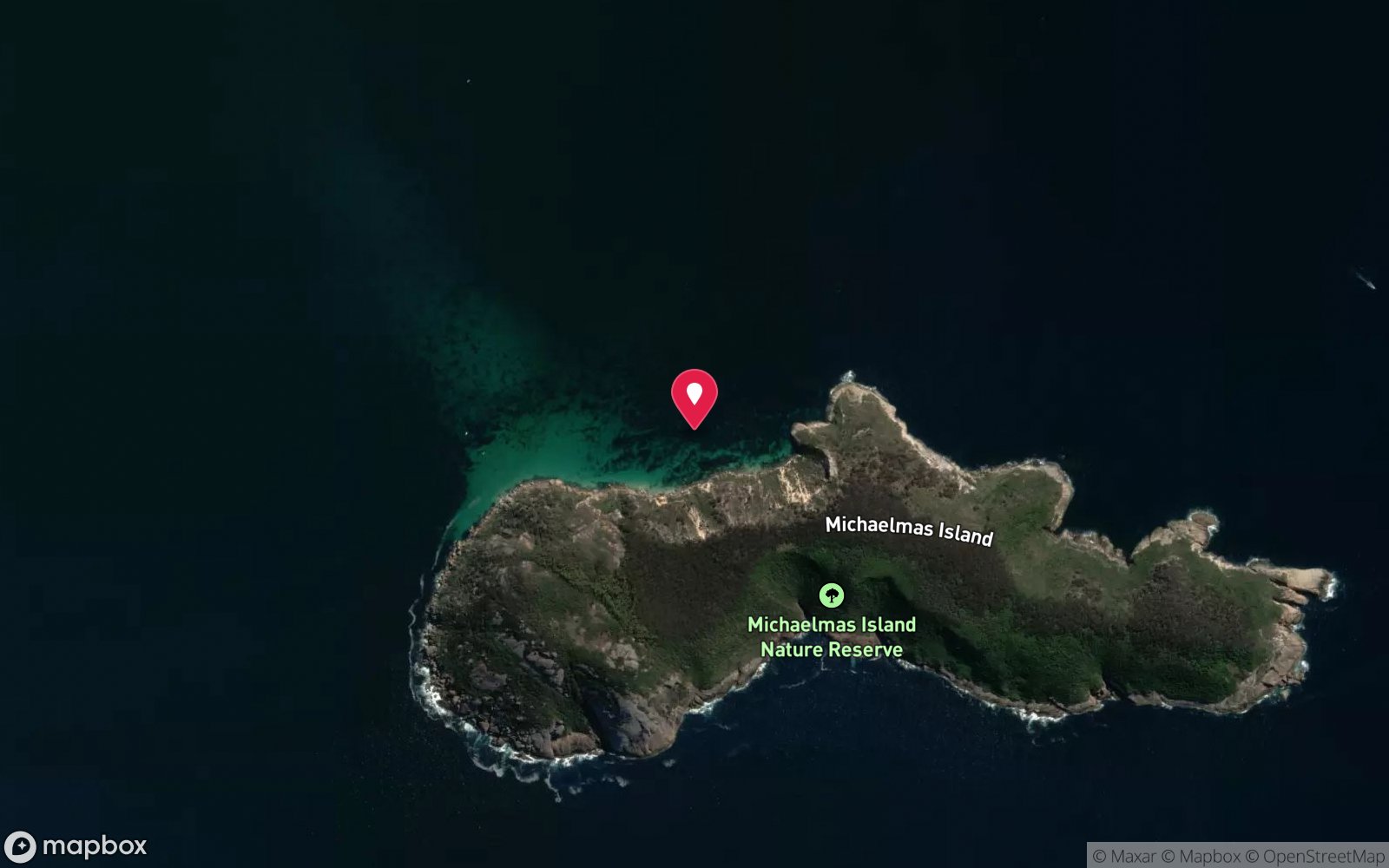
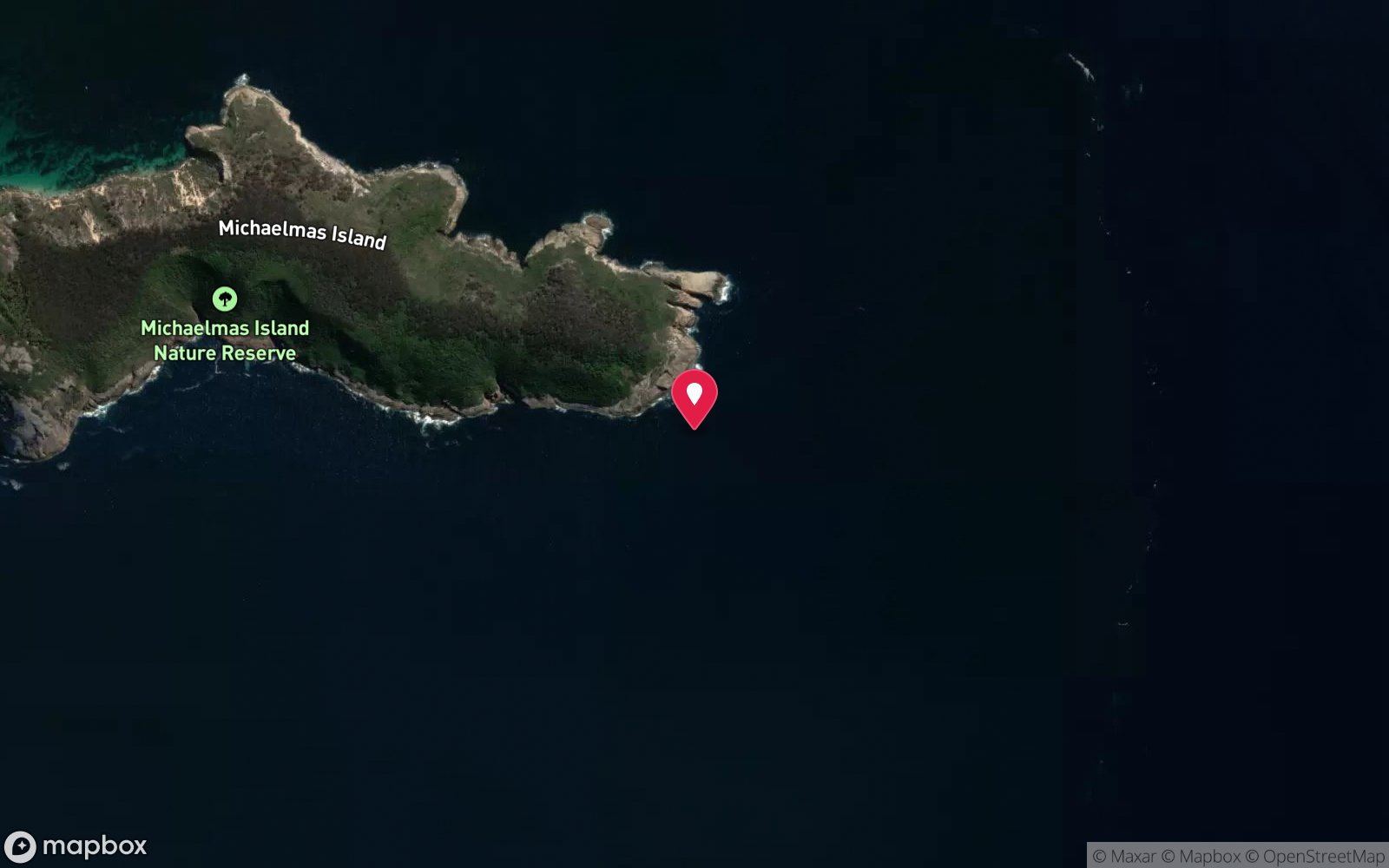
Satellite views
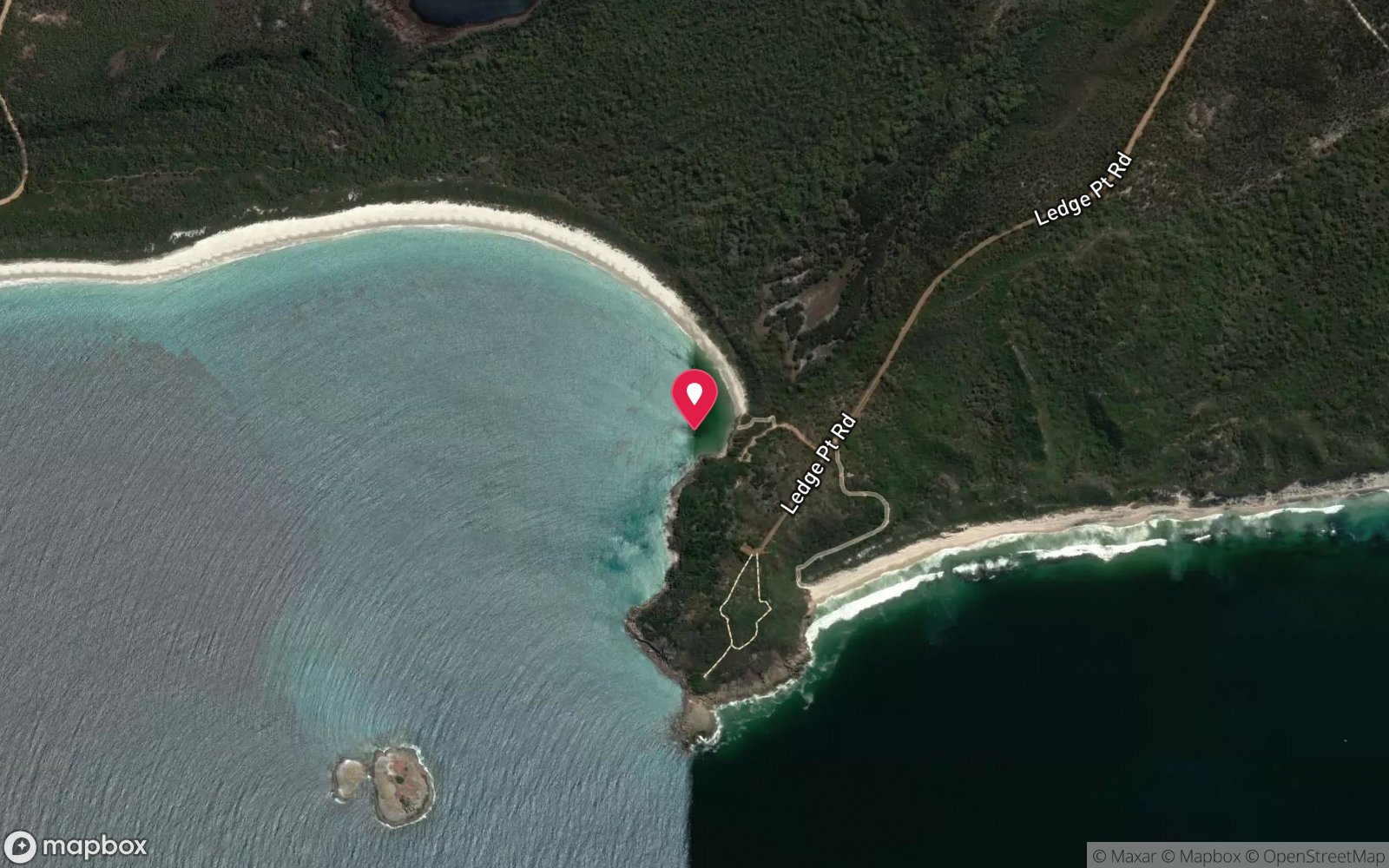
Ahwina Tug Wreck (Gull Rock): frequently asked questions
How deep is Ahwina Tug Wreck (Gull Rock)?
Ahwina Tug Wreck (Gull Rock) reaches a maximum depth of 3 m, with the shallowest part at about 0.5 m; most of the dive is spent around 2 m.
What certification do I need to dive Ahwina Tug Wreck (Gull Rock)?
No certification is needed to snorkel it, and it suits introductory dives. Rated beginner: sheltered, shallow and manageable for a newly certified diver on a normal day, though note surge on the entry or in the shallows and boat traffic overhead.
Can I shore dive Ahwina Tug Wreck (Gull Rock)?
Yes. Ahwina Tug Wreck (Gull Rock) is a shore dive that can be done independently: beach entry from Gull Rock Beach.
When is the best time to dive Ahwina Tug Wreck (Gull Rock)?
Summer and autumn (December-May) on calm days with light northerly or westerly winds.
What marine life will I see at Ahwina Tug Wreck (Gull Rock)?
Regularly recorded: Juvenile fish schools, wrasse, old wives, leatherjackets, blue swimmer crabs, cuttlefish, squid, flathead, seagrass.
What wetsuit do I need at Ahwina Tug Wreck (Gull Rock)?
5-7 mm wetsuit (3 mm is enough for a short summer snorkel).
How cold is the water at Ahwina Tug Wreck (Gull Rock)?
Typically 19-21 °C in summer and 14-16 °C in winter.
What are the main hazards at Ahwina Tug Wreck (Gull Rock)?
Shallow ironwork – sharp edges and surge in any swell; boat traffic offshore; do not remove material (protected historic wreck); nearest exit is the beach. See the hazards section above for the full list.
Where is the nearest recompression chamber to Ahwina Tug Wreck (Gull Rock)?
Fiona Stanley Hospital Hyperbaric Medicine Unit (Murdoch, Perth) – aeromedical evacuation from Albany. In an emergency call 000, then DAN Asia-Pacific on 1800 088 200.
Diving in Albany & Great Southern
Albany has the HMAS Perth, a 133 m destroyer scuttled in King George Sound in 2001, the Cheynes III whale chaser wreck, and the granite islands and kelp reefs of Michaelmas and Breaksea islands with sea lions, leafy seadragons and clear cold water. Bremer Bay and Denmark add more shore and boat sites.
Getting there: Five hours south of Perth or a short flight. One or two dive operators run charters from Albany; Frenchman Bay and Whaling Station are shore dives.
All Albany & Great Southern dive sites and a suggested itinerary →
Sources
Data confidence: High. Last updated September 2026. Know this site better? How to send a correction
Nearby dive sites
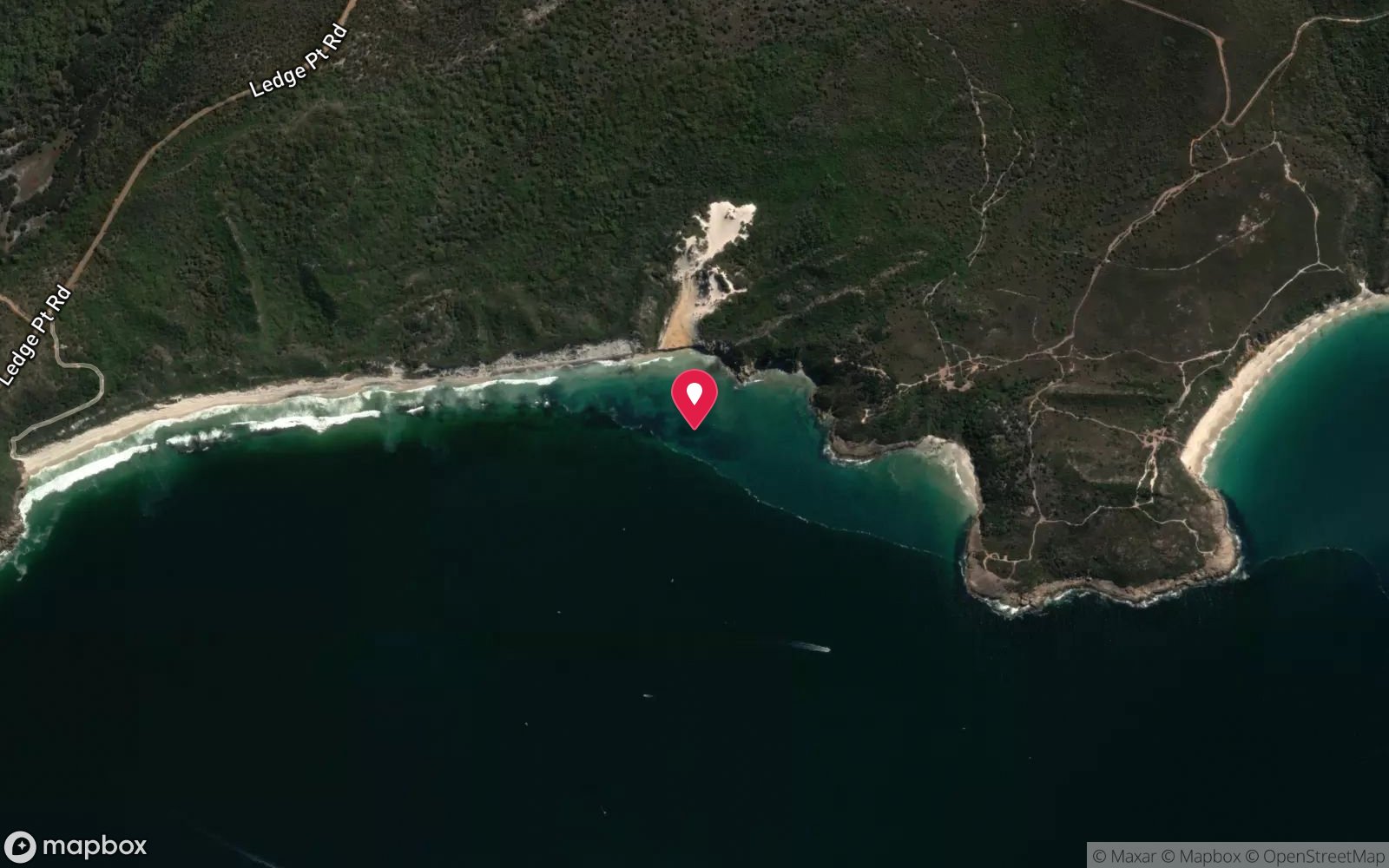
More wrecks in Western Australia
Explore more
This region
Similar dives