Dive slate · divesites.com.au · printed 7 Nov 2026
Sandshoe Reef (Swain Reefs)
Swain Reefs, Queensland · near Gladstone / Yeppoon (Rosslyn Bay) / Mackay
| Depth | 10–30 m |
|---|---|
| Minimum level | Advanced Open Water |
| Difficulty | Intermediate |
| Access | Boat (multi-day/liveaboard) |
| Entry | Giant stride from the liveaboard or back-roll from a tender |
| Current | Moderate |
| Visibility | 20-40 m |
| Water | summer 26-29 °C, winter 21-23 °C |
| Suit | 3 mm full suit year-round (5 mm for multiple dives per day in winter) |
| Best season | September-December and March-May for the lightest winds; winter trade winds (June-August) often too strong for the crossing; cyclone season November-April |
| Bottom time | 40 min |
| Position | not published |
| Permit | Great Barrier Reef Marine Park – Swain Reefs mix Marine National Park (Green), Conservation Park and Habitat Protection zones; Swain Reefs National Park cays are closed to landing (Bacchi, Bell, Bylund, Frigate, Gannet, Price, Thomas year-round; Distant and Riptide 1 Oct-1 Apr) |
| Nearest chamber | Townsville University Hospital (Townsville) – requires aeromedical evacuation from a remote reef; Mackay Base Hospital for stabilisation |
| Emergency | 000 · DAN Asia-Pacific diving emergency 1800 088 200 |
Sandshoe Reef (Swain Reefs)
Also known as Sandshoe Reef, Sinker Reef
Invertebrate-rich coral gardens full of flatworms, nudibranchs and sea stars.
Near Gladstone / Yeppoon (Rosslyn Bay) / Mackay · Swain Reefs, Queensland
- Depth
- 10–30 m
- Minimum level
- Advanced Open Water
- Access
- Boat (multi-day/liveaboard)
- Boat ride
- ~780 min
- Water
- 26-29 °C
- Visibility
- 20-40 m
Sandshoe Reef (Swain Reefs)10–30 m · Advanced Open Water
Dive factsDepths, conditions, location & safety
Season
In season nowBest months: year-round.
September-December and March-May for the lightest winds; winter trade winds (June-August) often too strong for the crossing; cyclone season November-April
- Best months
- Now (November)
- Stinger suit Nov–May
Dive facts
- Depth
- 10–30 m
- Typical depth
- 15 m
- Certification
- Advanced Open Water
- Difficulty
- Intermediate
- Depth tier
- Advanced Open Water (18–30 m)
- Access
- Boat (multi-day/liveaboard)
- Offshore
- 220 km
- Dive centre needed
- Yes – boat access only
- Shore / independent
- No
- Boat ride
- ~780 min
- Current
- Moderate
- Visibility
- 20-40 m
- Water temp (summer)
- 26-29 °C
- Water temp (winter)
- 21-23 °C
- Water
- Tropical
- Bottom time
- 40 min
- Dive traffic
- Remote/expedition only
- Night dive
- Possible
- Snorkel friendly
- Yes
Exposure suit
3 mm full suit year-round (5 mm for multiple dives per day in winter)
Location
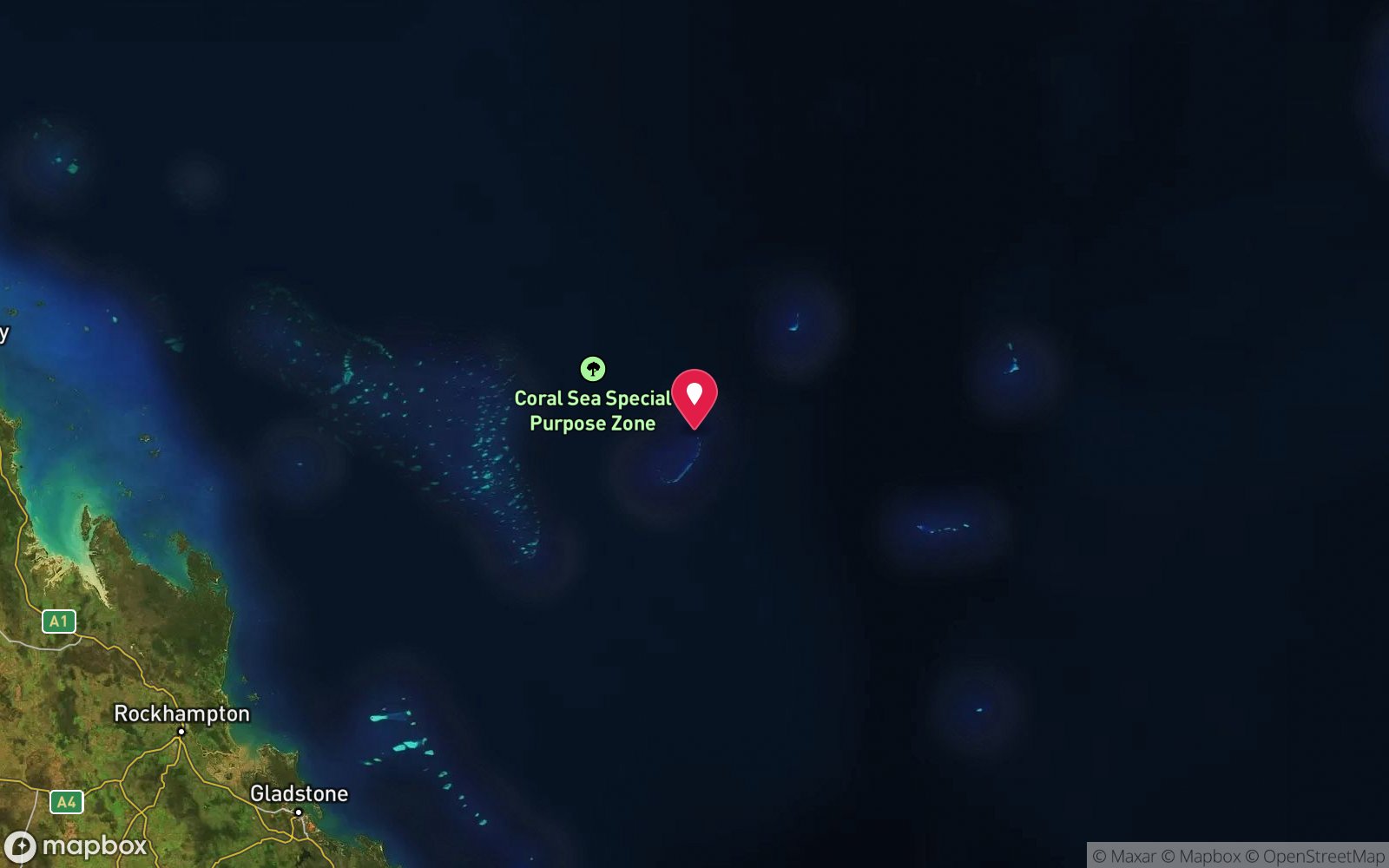
Swain Reefs · Swain Reefs & Pompey Complex
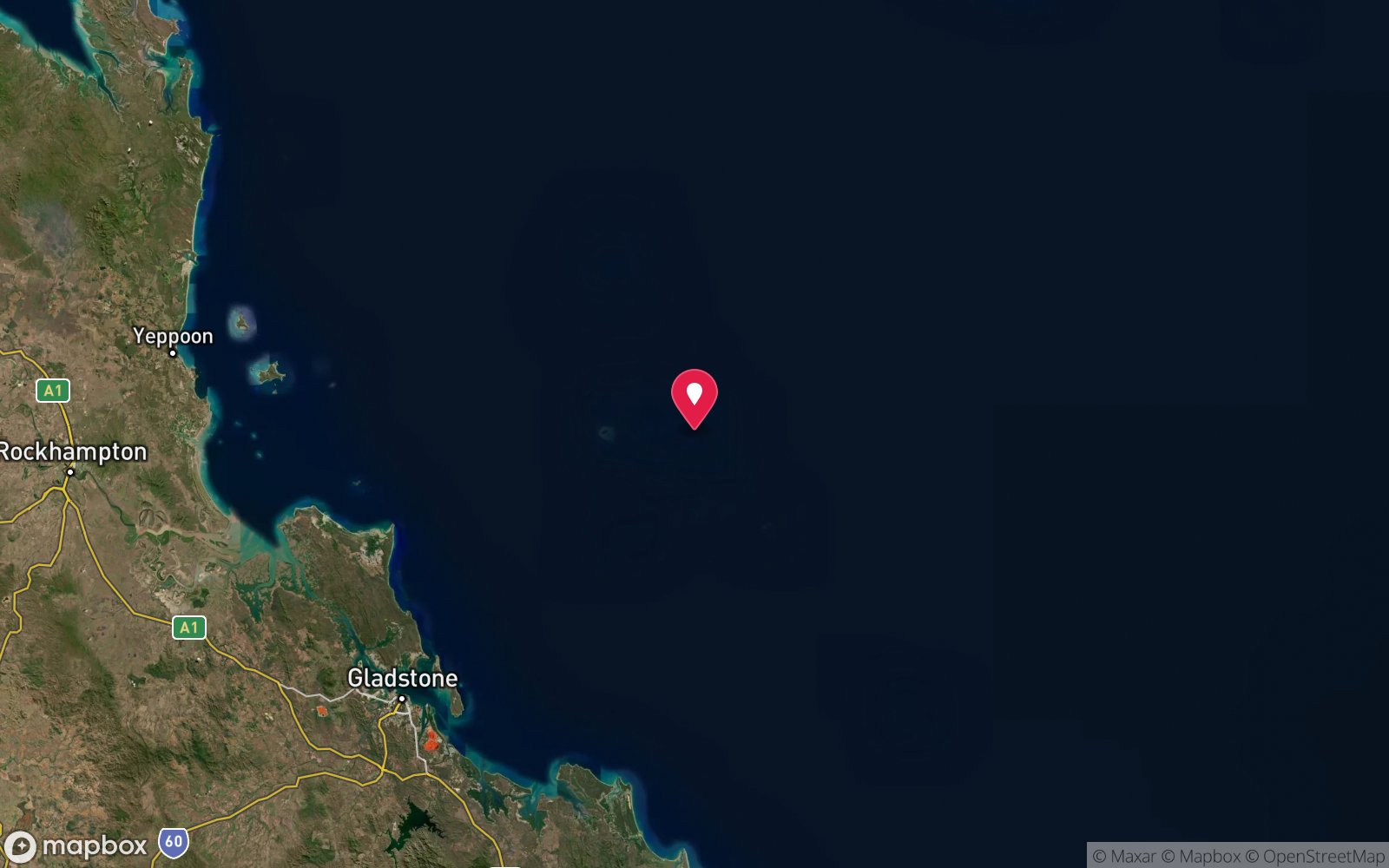
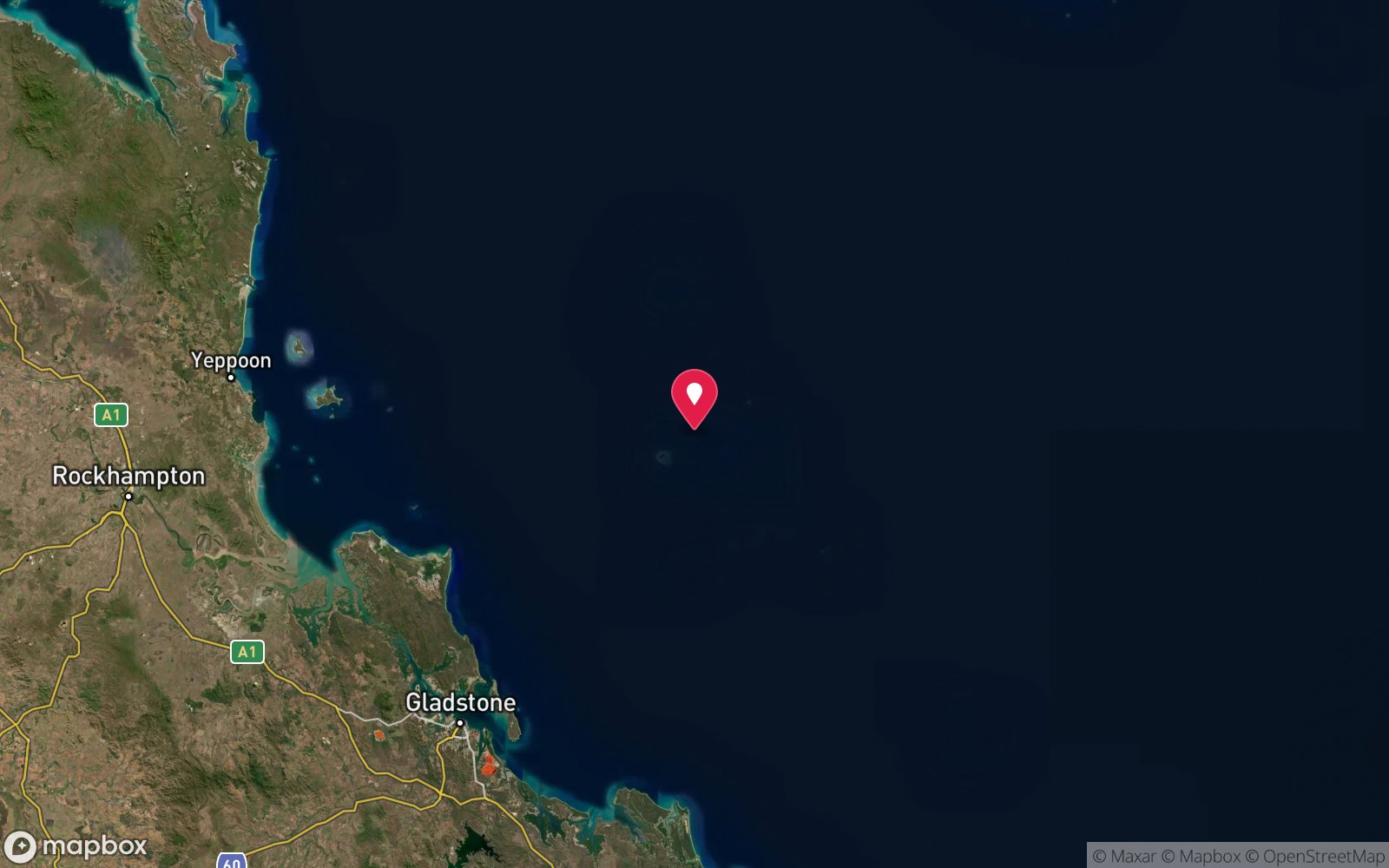
No published coordinates. The map above shows the general area, estimated from the Swain Reefs region centre.
Primary source: marinelife.org.auMarine park & permits
Great Barrier Reef Marine Park – Swain Reefs mix Marine National Park (Green), Conservation Park and Habitat Protection zones; Swain Reefs National Park cays are closed to landing (Bacchi, Bell, Bylund, Frigate, Gannet, Price, Thomas year-round; Distant and Riptide 1 Oct-1 Apr)
Nearest recompression chamber
Townsville University Hospital (Townsville) – requires aeromedical evacuation from a remote reef; Mackay Base Hospital for stabilisation
Diving emergency: call 000, then DAN AP 1800 088 200.
Trip planner
Build a trip around Sandshoe Reef (Swain Reefs) →
A day-by-day plan for Swain Reefs with this site locked in.
This guide is a planning aid. Conditions change daily — confirm with a local dive centre and dive within your training. Data & safety notes.
Dive profile
How this site rates
Scores are computed from the recorded data, not opinions. How?
At a glance
Sandshoe Reef (Swain Reefs) is a reef liveaboard-only site in Swain Reefs, QLD, 10–30 m, suited to Advanced Open Water divers, moderate current, about 780 minutes by boat.
Rated intermediate because of depth beyond 18 m.
Why dive here
- Invertebrate-rich coral gardens full of flatworms, nudibranchs and sea stars.
- Snorkel-friendly, so non-diving companions can join at the surface.
- Rarely dived: expect to have the site to yourself, and plan your own logistics.
- Visibility often reaches 20-40 m.
Conditions to avoid
- Strong southerly or south-east swell and wind
- Any time other than slack water
- Cyclone season (roughly December–April)
About Sandshoe Reef (Swain Reefs)
The Swains are the most remote reefs of the southern Great Barrier Reef: around 1,000 reefs spread across the outer shelf, separated by channels 30-80 m deep, with the continental slope dropping to about 1,000 m just offshore. Diving is by liveaboard or private yacht only, and divers must be self-sufficient, with no assistance nearby. Sandshoe Reef, in the southern Swains, is described by the Marine Life Network as having extensive coral gardens packed with fish and exotic marine invertebrates, including flatworms, nudibranchs and sea stars, at 10-30 m.
It is a site for divers who enjoy slow, close-up exploration. Anemonefish, filefish and triggerfish are among the fish recorded, and the reef supports the high numbers of trout, sweetlips and emperor that make the Swains famous among fishers. Cruising divers who visited the southern Swains in 2023 reported exceptional fish numbers (trout, sweetlips, emperors, mackerel and crayfish) but noted that many southern reefs showed damage from a severe crown-of-thorns starfish outbreak in previous years, with Taiwan and Hook reefs recovering best, so coral condition varies from reef to reef.
Sandshoe was one of the reefs anchored at on that trip. The site suits Open Water divers with some experience, and macro photographers in particular. It was grouped with Sinker Reef in the earlier database pass; the two are separate reefs and are now listed individually.
The Swains lie within the Great Barrier Reef Marine Park under a mix of zones, and the nine vegetated cays of Swain Reefs National Park are among Queensland's most important seabird breeding sites and significant for endangered loggerhead turtles; most are closed to landing year-round. Anchor only on sand, check the zoning map before fishing, and carry oxygen, a satellite communicator and a detailed evacuation plan, since aeromedical retrieval to Mackay and a chamber in Townsville takes many hours.
Getting there & entry
Southern Swains reef with extensive coral gardens (10-30 m) packed with fish and exotic invertebrates such as flatworms, nudibranchs and sea stars.
The Swain Reefs are the most remote part of the southern Great Barrier Reef, roughly 200-250 km offshore. Liveaboards depart Gladstone Marina or Rosslyn Bay Harbour (Yeppoon) in the evening and steam overnight across the 50-mile-wide Capricorn Channel, a passage of 12-15 hours in good weather; trips run 6-10 nights. Private yachts should carry detailed charts (reefs are separated by 30-80 m deep channels) and plan for no outside assistance.
Once in the Swains, liveaboards move between reefs by day and anchor in the lee of a reef or cay at night; this site is visited as part of a multi-day itinerary.
Entry: Giant stride from the liveaboard or back-roll from a tender
Weather, swell & tides
The Swains are fully exposed. South-east trade winds of 20-30 knots, common June-August, make the Capricorn Channel crossing rough and restrict diving to the lee (north-western) sides of reefs; charter operators generally shelter behind reefs at anchor in 20-25 knots. Best windows are the calm spells of September-December and March-May.
Cyclones can reach the area November-April. Tidal currents run hard through the channels between reefs, so outer-edge sites are dived as drifts near slack water; lagoon and lee sites work in most tides.
Best season: September-December and March-May for the lightest winds; winter trade winds (June-August) often too strong for the crossing; cyclone season November-April
How the dive is usually run
Descend onto the coral gardens at 10-15 m and make a slow loop, searching for flatworms and nudibranchs, dropping deeper only if the guide plans it. Return to the anchor or surface under an SMB.
Marine life
- Flatworms
- nudibranchs →
- sea stars
- anemonefish
- filefish
- triggerfish
- coral trout
- sweetlips
- emperors
Linked species have their own page listing every site where they are recorded. All marine life →
Training required
Beyond 18 m an Advanced certification (which includes a deep dive to 30 m) is the accepted minimum. Anything past 25 m is a deep dive in practice.
Open Water divers can dive the shallower section (typical depth 15 m); the full site to 30 m needs Advanced Open Water. Operators often quote Open Water. At more than 25 m this counts as a deep dive: watch no-decompression limits and gas.
Operators' own listing: Open Water.
Courses that help here
- Enriched Air Nitrox – Longer no-decompression time at 25 m and deeper.
Depth tiers: 0–10 m easy · to 18 m Open Water · 18–30 m Advanced (25 m+ is a deep dive) · 30–40 m Deep specialty · 40 m+ technical. All courses
Hazards & warnings
Remote; current; coral condition variable after COTS outbreaks.
Dive centres that go here
No day operator. Kanimbla Charters runs 7- and 10-day dive and fishing charters to the Swains aboard a 25 m catamaran (all tanks and weights supplied); Eastern Voyager runs 6-7 night trips from Gladstone mainly for fishing, snorkelling and spearfishing. Most diving here is from private yachts and occasional expedition charters.
Operators recorded for Sandshoe Reef (Swain Reefs)
Eastern Voyager
Named by sitesGladstone · Swain Reefs · QLD
Extended fishing and dive charter vessel departing Gladstone to the Swain Reefs.
easternvoyager.com.au · 0436 640 197
Kanimbla Charters
Named by sitesGladstone · Swain Reefs · QLD
Official site live with a booking form for 7–10 day Swains and Coral Sea charters ex-Gladstone for certified divers; Facebook page active.
kanimblacharters.net.au · 0429 159 233
General area
No position has been published for Sandshoe Reef (Swain Reefs). The circle shows where it is likely to be, worked out from the Swain Reefs region centre. Ask a local operator for the exact site.
Dashed circle: general area (about 40 km), from the Swain Reefs region centre. 6 pinned sites. Pins marked approximate on their pages show the general area only; not for navigation.
Sandshoe Reef (Swain Reefs): frequently asked questions
How deep is Sandshoe Reef (Swain Reefs)?
Sandshoe Reef (Swain Reefs) reaches a maximum depth of 30 m, with the shallowest part at about 10 m; most of the dive is spent around 15 m.
What certification do I need to dive Sandshoe Reef (Swain Reefs)?
Advanced Open Water is the recommended minimum. Open Water divers can dive the shallower section (typical depth 15 m); the full site to 30 m needs Advanced Open Water. Operators often quote Open Water. At more than 25 m this counts as a deep dive: watch no-decompression limits and gas. Rated intermediate because of depth beyond 18 m.
Can I shore dive Sandshoe Reef (Swain Reefs)?
No, it is reached by boat (about 780 minutes). A dive centre is required: boat access only.
When is the best time to dive Sandshoe Reef (Swain Reefs)?
September-December and March-May for the lightest winds; winter trade winds (June-August) often too strong for the crossing; cyclone season November-April.
What marine life will I see at Sandshoe Reef (Swain Reefs)?
Regularly recorded: Flatworms, nudibranchs, sea stars, anemonefish, filefish, triggerfish, coral trout, sweetlips, emperors.
What wetsuit do I need at Sandshoe Reef (Swain Reefs)?
3 mm full suit year-round (5 mm for multiple dives per day in winter).
How cold is the water at Sandshoe Reef (Swain Reefs)?
Typically 26-29 °C in summer and 21-23 °C in winter.
What are the main hazards at Sandshoe Reef (Swain Reefs)?
Remote; current; coral condition variable after COTS outbreaks. See the hazards section above for the full list.
Where is the nearest recompression chamber to Sandshoe Reef (Swain Reefs)?
Townsville University Hospital (Townsville) – requires aeromedical evacuation from a remote reef; Mackay Base Hospital for stabilisation. In an emergency call 000, then DAN Asia-Pacific on 1800 088 200.
Diving in Swain Reefs
The Swains are a maze of several hundred reefs on the outer edge of the southern Great Barrier Reef, 150–250 km off Gladstone and Mackay, visited by a few liveaboards and fishing charters. Walls, drop-offs, sharks and coral that sees almost no divers.
Getting there: Multi-day liveaboard from Gladstone, Yeppoon or Mackay.
Sources
- marinelife.org.au/?page_id=1648
- kanimblacharters.net.au/charter-options
- easternvoyager.com.au/destinations/swain-reefs
- parks.qld.gov.au/__data/assets/pdf_file/0027/166446/swain-reefs.pdf
Data confidence: Low · Being verified: Position not published; coordinates omitted. Operator site names may differ.. Last updated September 2026. Know this site better? How to send a correction
Nearby dive sites
More reef dives in Queensland
Explore more