Dive slate · divesites.com.au · printed 7 Nov 2026
Turtle Cave (Holmes Reef)
Coral Sea, External Territories · near Cairns (liveaboard)
| Depth | 5–26 m |
|---|---|
| Minimum level | Advanced Open Water |
| Difficulty | Beginner |
| Access | Boat (multi-day/liveaboard) |
| Entry | Giant stride from liveaboard dive deck; descend mooring or line |
| Current | Mild |
| Visibility | 20-40 m |
| Water | summer 28-29 °C, winter 24-26 °C |
| Suit | 3 mm full wetsuit or lycra Nov–Apr (27–29°C); 5 mm full wetsuit Jun–Sep (23–25°C); full-length lycra or stinger suit recommended Nov–May |
| Best season | Year-round when weather allows; Sep–Dec usually calmest and clearest (visibility can exceed 40 m); Jun–Aug stronger SE trades make the open-ocean crossing rough; Dec–Apr cyclone season |
| Bottom time | 55 min |
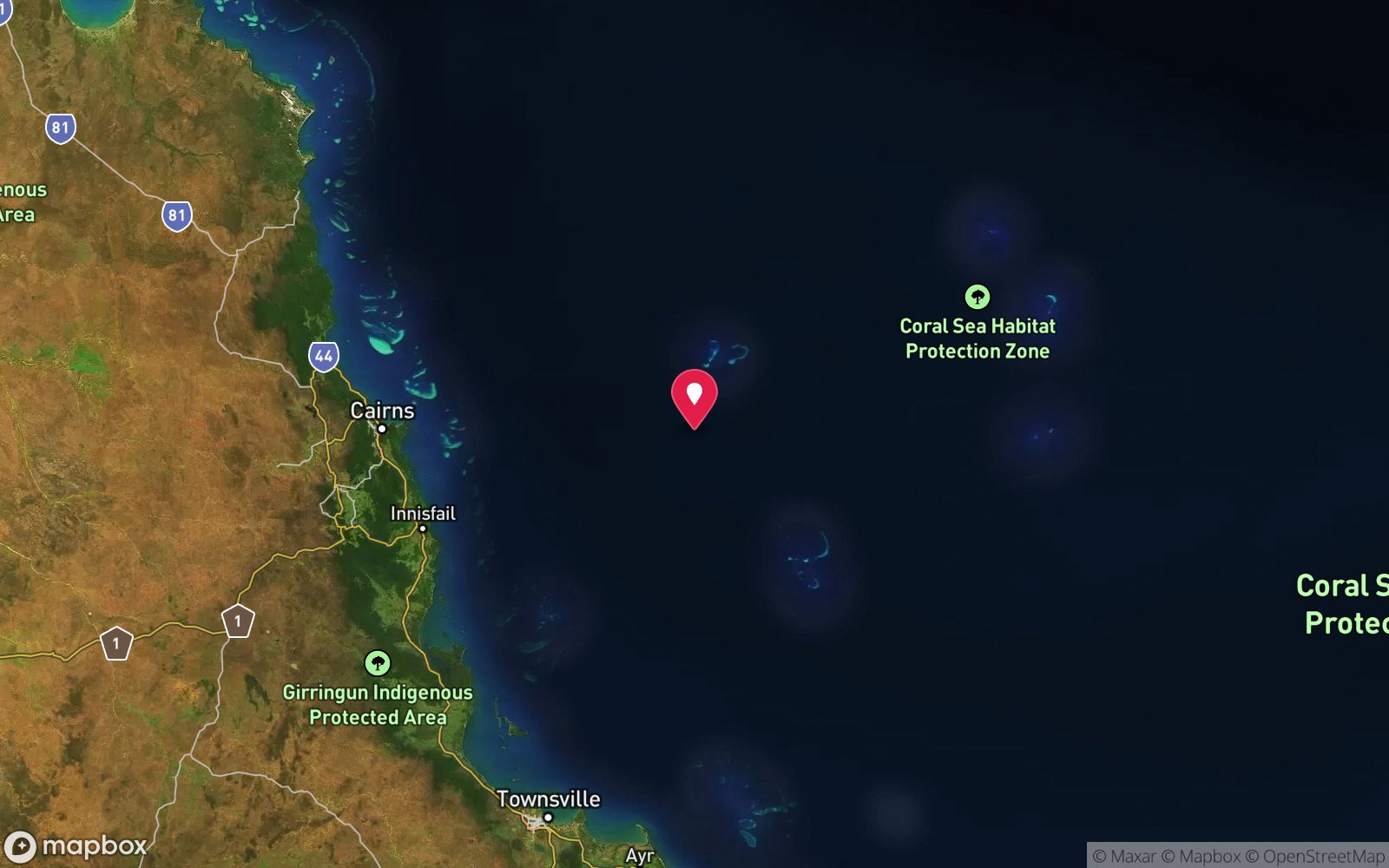
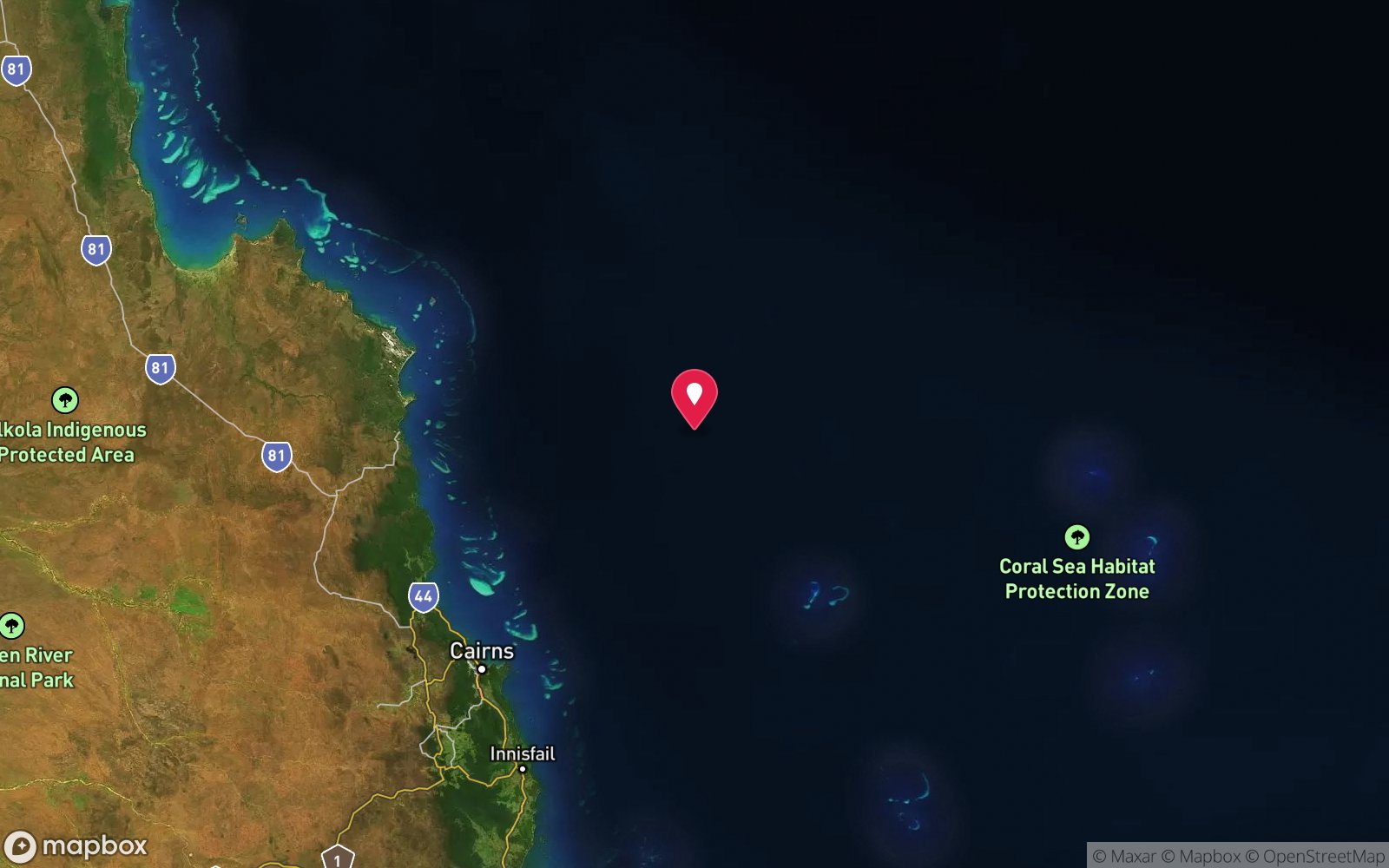
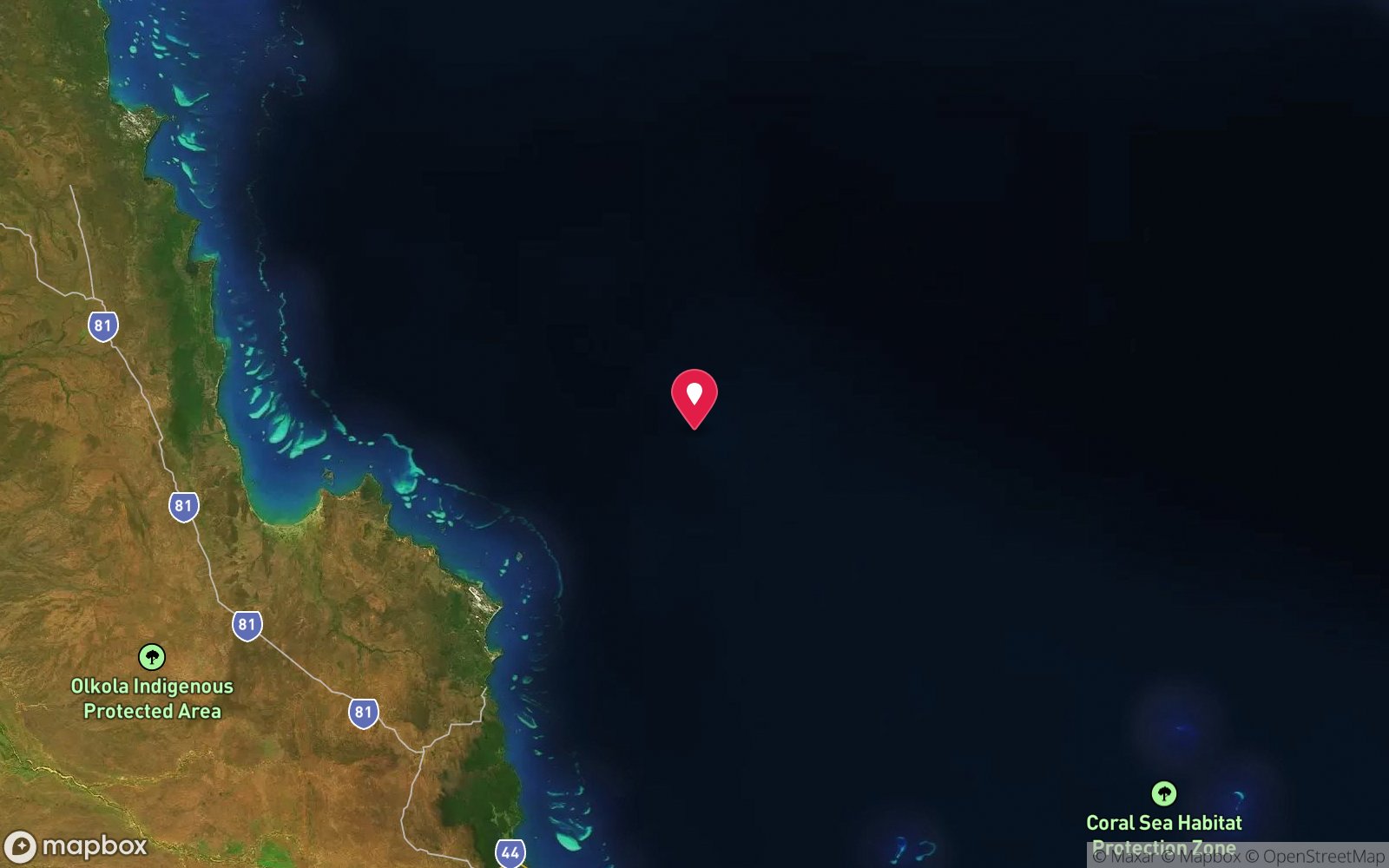
| Position | -16.51000, 147.79000 (approximate) |
| Permit | Coral Sea Marine Park (Parks Australia). Scuba/snorkel tourism in all zones requires Parks Australia authorisation (held by the operator); recreational fishing is prohibited in National Park Zones. Holmes Reefs are zoned Habitat Protection Zone (Reefs) (IUCN IV) under the Coral Sea Marine Park Management Plan 2018 – recreational fishing is allowed, so expect occasional fishing vessels. |
| Nearest chamber | Townsville University Hospital hyperbaric unit (Townsville) – aeromedical evacuation only after the vessel steams back toward the coast; several hours to more than a day away; liveaboards carry oxygen and satellite communications |
| Emergency | 000 · DAN Asia-Pacific diving emergency 1800 088 200 |
Turtle Cave (Holmes Reef)
Also known as Turtle, Turtle Graveyard
Shallow bommies on sand at the Holmes overnight mooring – excellent visibility by day and a superb night dive.
Near Cairns (liveaboard) · Coral Sea, External Territories
- Depth
- 5–26 m
- Minimum level
- Advanced Open Water
- Access
- Boat (multi-day/liveaboard)
- Boat ride
- —
- Water
- 28-29 °C
- Visibility
- 20-40 m
Turtle Cave (Holmes Reef)5–26 m · Advanced Open Water
Dive factsDepths, conditions, location & safety
Season
In season nowBest months: January, February, March, April, June, July, August, September, October, November, December.
Year-round when weather allows; Sep–Dec usually calmest and clearest (visibility can exceed 40 m); Jun–Aug stronger SE trades make the open-ocean crossing rough; Dec–Apr cyclone season
- Best months
- Now (November)
- Stinger suit Nov–May
Dive facts
- Depth
- 5–26 m
- Typical depth
- 12 m
- Certification
- Advanced Open Water
- Difficulty
- Beginner
- Depth tier
- Advanced Open Water (18–30 m)
- Access
- Boat (multi-day/liveaboard)
- Offshore
- 240 km
- Dive centre needed
- Yes – boat access only
- Shore / independent
- No
- Current
- Mild
- Visibility
- 20-40 m
- Water temp (summer)
- 28-29 °C
- Water temp (winter)
- 24-26 °C
- Water
- Tropical
- Bottom time
- 55 min
- Dive traffic
- Moderate (occasional charters/club dives)
- Night dive
- Yes
- Snorkel friendly
- Partial
Exposure suit
3 mm full wetsuit or lycra Nov–Apr (27–29°C); 5 mm full wetsuit Jun–Sep (23–25°C); full-length lycra or stinger suit recommended Nov–May
Location
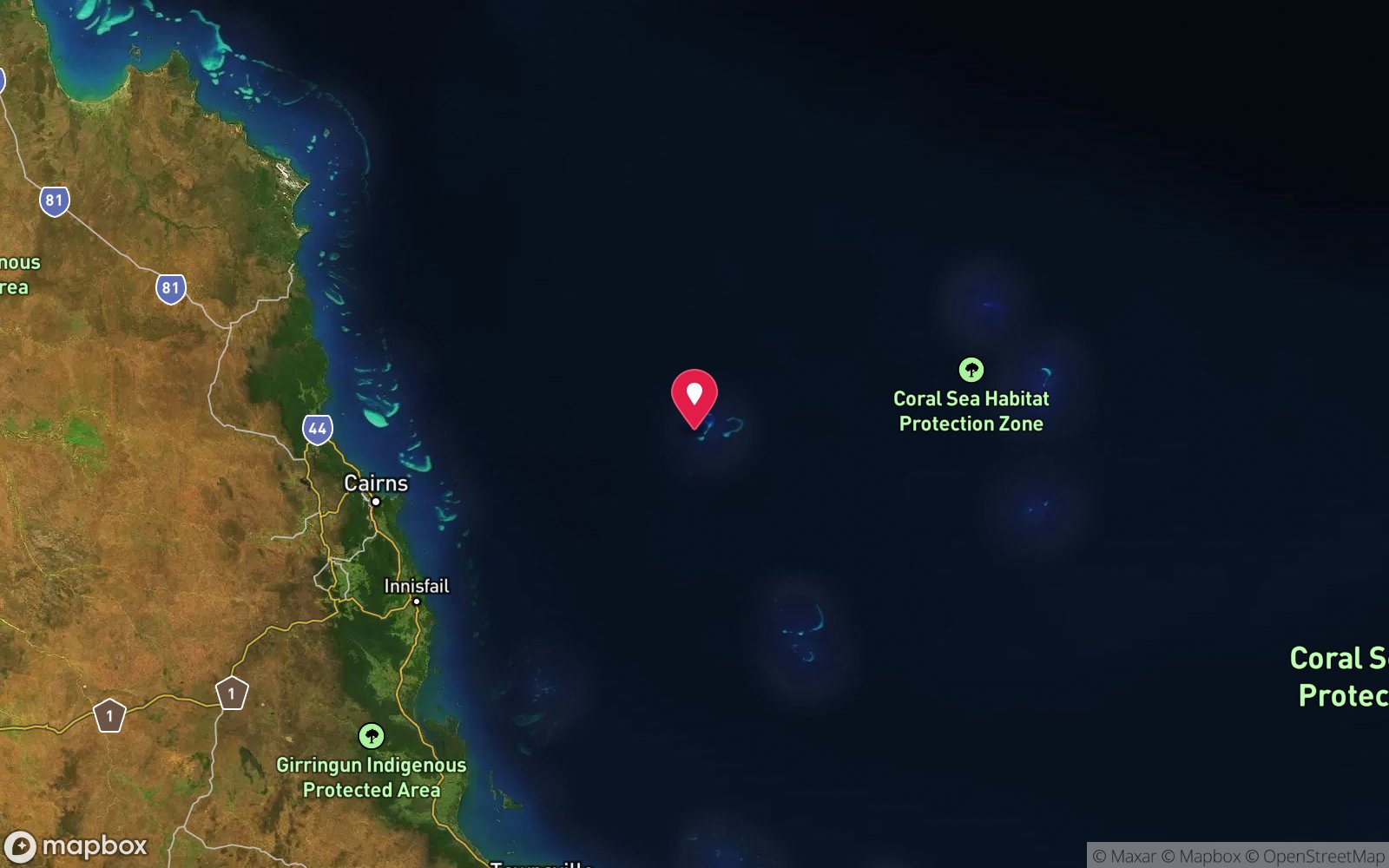
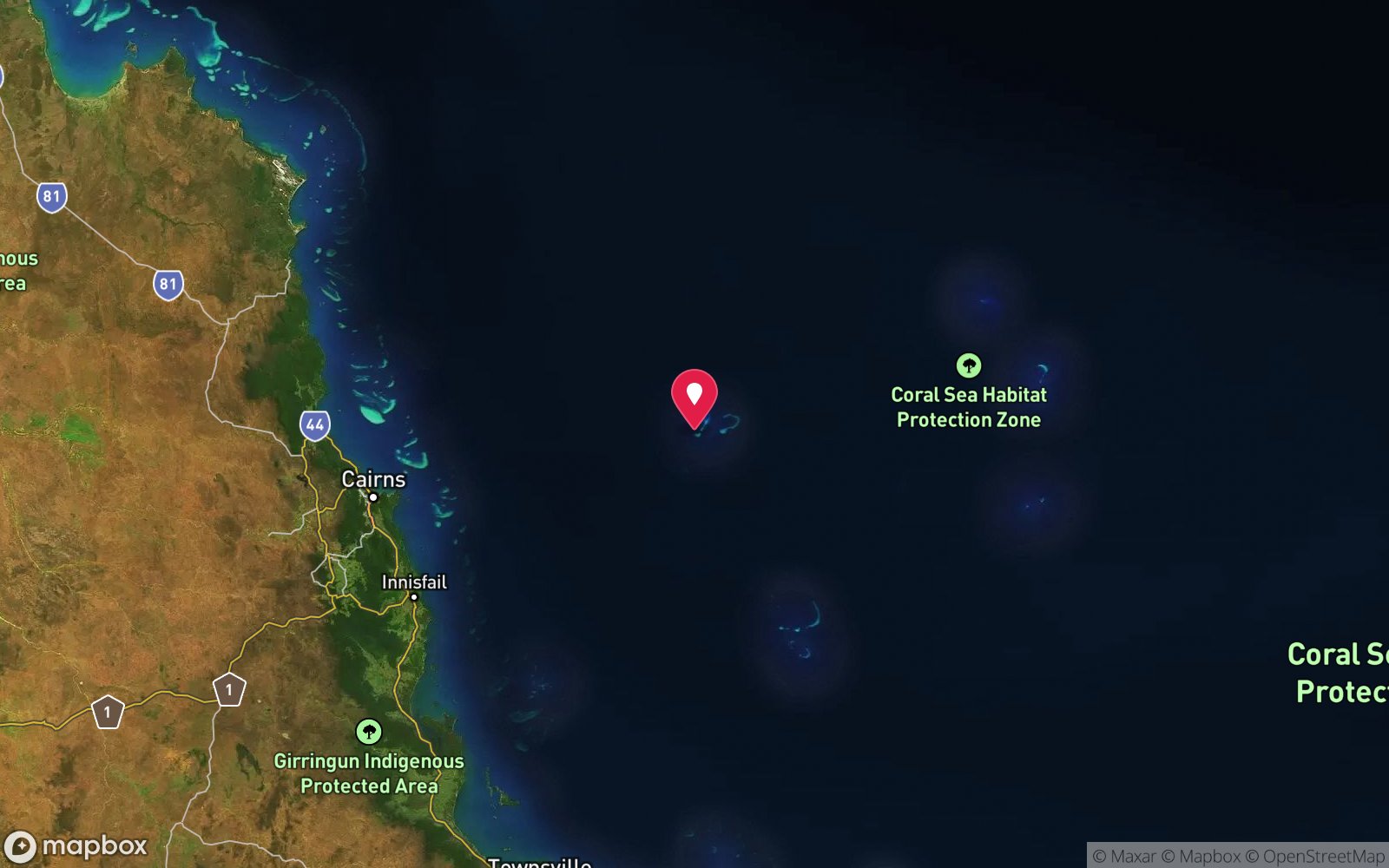
Holmes Reef · Coral Sea – Holmes Reef
-16.51000, 147.79000
Approximate position — not for navigation.
Open in Google MapsDive site map (external) →Primary source: dive-the-world.comMarine park & permits
Coral Sea Marine Park (Parks Australia). Scuba/snorkel tourism in all zones requires Parks Australia authorisation (held by the operator); recreational fishing is prohibited in National Park Zones. Holmes Reefs are zoned Habitat Protection Zone (Reefs) (IUCN IV) under the Coral Sea Marine Park Management Plan 2018 – recreational fishing is allowed, so expect occasional fishing vessels.
Nearest recompression chamber
Townsville University Hospital hyperbaric unit (Townsville) – aeromedical evacuation only after the vessel steams back toward the coast; several hours to more than a day away; liveaboards carry oxygen and satellite communications
Diving emergency: call 000, then DAN AP 1800 088 200.
Trip planner
Build a trip around Turtle Cave (Holmes Reef) →
A day-by-day plan for Coral Sea with this site locked in.
This guide is a planning aid. Conditions change daily — confirm with a local dive centre and dive within your training. Data & safety notes.
Dive profile
How this site rates
Scores are computed from the recorded data, not opinions. How?
At a glance
Turtle Cave (Holmes Reef) is a reef liveaboard-only site in Coral Sea, Australia's external territories, 5–26 m, suited to Advanced Open Water divers.
Rated beginner: sheltered, shallow and manageable for a newly certified diver on a normal day, though note depth beyond 18 m.
Why dive here
- Shallow bommies on sand at the Holmes overnight mooring – excellent visibility by day and a superb night dive.
- Commonly dived at night, when octopus, cuttlefish and crustaceans are out.
- Visibility often reaches 20-40 m.
About Turtle Cave (Holmes Reef)
Marinelife.org.au describes a flat sandy area at about 10 m with small bommies, beside a wall with numerous caves reaching 26 m. Dive the World describes a series of shallow bommies on the reef edge with a sandy floor, where excellent visibility is common, and says it is popular for night diving.
The layout is easy. The sand at 10 m makes a natural gathering area beneath the boat, and the bommies scattered across it are small enough to circle in a few minutes each. The wall and caves offer a deeper option for those who want it. Because it is shallow and sheltered, the site is ideal for photographers, who can take their time with the macro life on the bommies.
Dive the World lists garden eels on the sand, whitetip reef sharks, potato cod and turtles, with cleaner shrimps, Saron shrimps and bumblebee squat lobsters on the bommies. The name suggests turtles are regular visitors, possibly resting in the caves.
Turtle suits divers of every level. It is one of the few sites at Holmes that newer divers can enjoy without the depth and current of the walls, and it is the natural choice for a night dive on a Holmes itinerary.
Getting there & entry
A series of shallow bommies on a flat sandy area at about 10 m on the reef edge of Holmes Reef, beside a wall with caves; used as an overnight mooring.
Liveaboard only. Mike Ball's Spoilsport includes Holmes Reef on its 7-night Coral Sea exploratory (Cairns return), the 7-night Yongala & Coral Sea expedition (Townsville to Cairns) and the 10-night Coral Sea Odyssey; the overnight crossing from Cairns is about 240 km of open ocean. Holmes is normally allocated a day on these itineraries.
Turtle is used as an overnight mooring at Holmes, so it is dived in the afternoon and again at night straight from the liveaboard.
Entry: Giant stride from liveaboard dive deck; descend mooring or line
Weather, swell & tides
Holmes Reef is a pair of isolated Coral Sea atolls about 240–250 km east of Cairns with no land for shelter. Dive the World calls it a fair-weather destination: SE trades over about 20 knots (common June–August) make the crossing and surface conditions rough, although the lagoons and western sides offer some protection. Currents are normally gentle but can be strong in the channels and on the ridges, especially on a falling tide.
September–December usually has the calmest seas and 20–40 m visibility; December–April is cyclone season.
Best season: Year-round when weather allows; Sep–Dec usually calmest and clearest (visibility can exceed 40 m); Jun–Aug stronger SE trades make the open-ocean crossing rough; Dec–Apr cyclone season
How the dive is usually run
Descend to the sand at about 10 m, visit the bommies looking for cleaner shrimps and squat lobsters, then follow the wall with caves toward 20–26 m before returning over the sand to the mooring. At night, stay near the bommies and look for flashlight fish.
Marine life
- Turtles →
- whitetip reef sharks →
- potato cod →
- garden eels
- cleaner shrimps
- Saron shrimps
- bumblebee squat lobsters
- flashlight fish (night)
Linked species have their own page listing every site where they are recorded. All marine life →
Training required
Beyond 18 m an Advanced certification (which includes a deep dive to 30 m) is the accepted minimum. Anything past 25 m is a deep dive in practice.
Open Water divers can dive the shallower section (typical depth 12 m); the full site to 26 m needs Advanced Open Water. Operators often quote Open Water. At more than 25 m this counts as a deep dive: watch no-decompression limits and gas.
Operators' own listing: Open Water.
Courses that help here
- Enriched Air Nitrox – Longer no-decompression time at 25 m and deeper.
- Cavern Diver – An overhead environment.
- Night Diver – Commonly dived at night.
Depth tiers: 0–10 m easy · to 18 m Open Water · 18–30 m Advanced (25 m+ is a deep dive) · 30–40 m Deep specialty · 40 m+ technical. All courses
Hazards & warnings
Caves on the wall – enter only with visible exits; night diving – stay close to the boat; remote – hours to days from medical help.
Dive centres that go here
Coral Sea liveaboards visiting Holmes Reef (Mike Ball Dive Expeditions) – overnight mooring, afternoon and night dives.
Operators recorded for Turtle Cave (Holmes Reef)
Other dive centres in Coral Sea
Spirit of Freedom
ListedCairns · Cairns · QLD
An expedition liveaboard associated with Ribbon Reefs, Osprey Reef and Coral Sea itineraries.
spiritoffreedom.com.au · (07) 4047 9150
Passions of Paradise
ListedCairns · Cairns · QLD
A Cairns sailing catamaran day trip combining reef diving and snorkelling.
passions.com.au · (07) 4041 1600
Divers Den
ListedCairns · Cairns · QLD
A Cairns operation running both day-boat and liveaboard products alongside a training business and retail presence.
diversden.com.au · (07) 4046 7333
Down Under Cruise & Dive
ListedCairns · Cairns · QLD
A Cairns day-boat operator offering reef diving, snorkelling and introductory diving.
downundercruiseanddive.com.au · (07) 4052 8300
Reef Encounter
ListedCairns · Cairns · QLD
A Cairns-based liveaboard vessel offering multi-day reef stays with day-boat transfers.
reefencounter.com.au · (07) 4037 2700
Pro Dive Cairns
ListedCairns · Cairns · QLD
A long-established Cairns operation best known for multi-day liveaboard certification trips that combine Open Water training with outer Great Barrier Reef diving.
prodivecairns.com · (07) 4031 5255
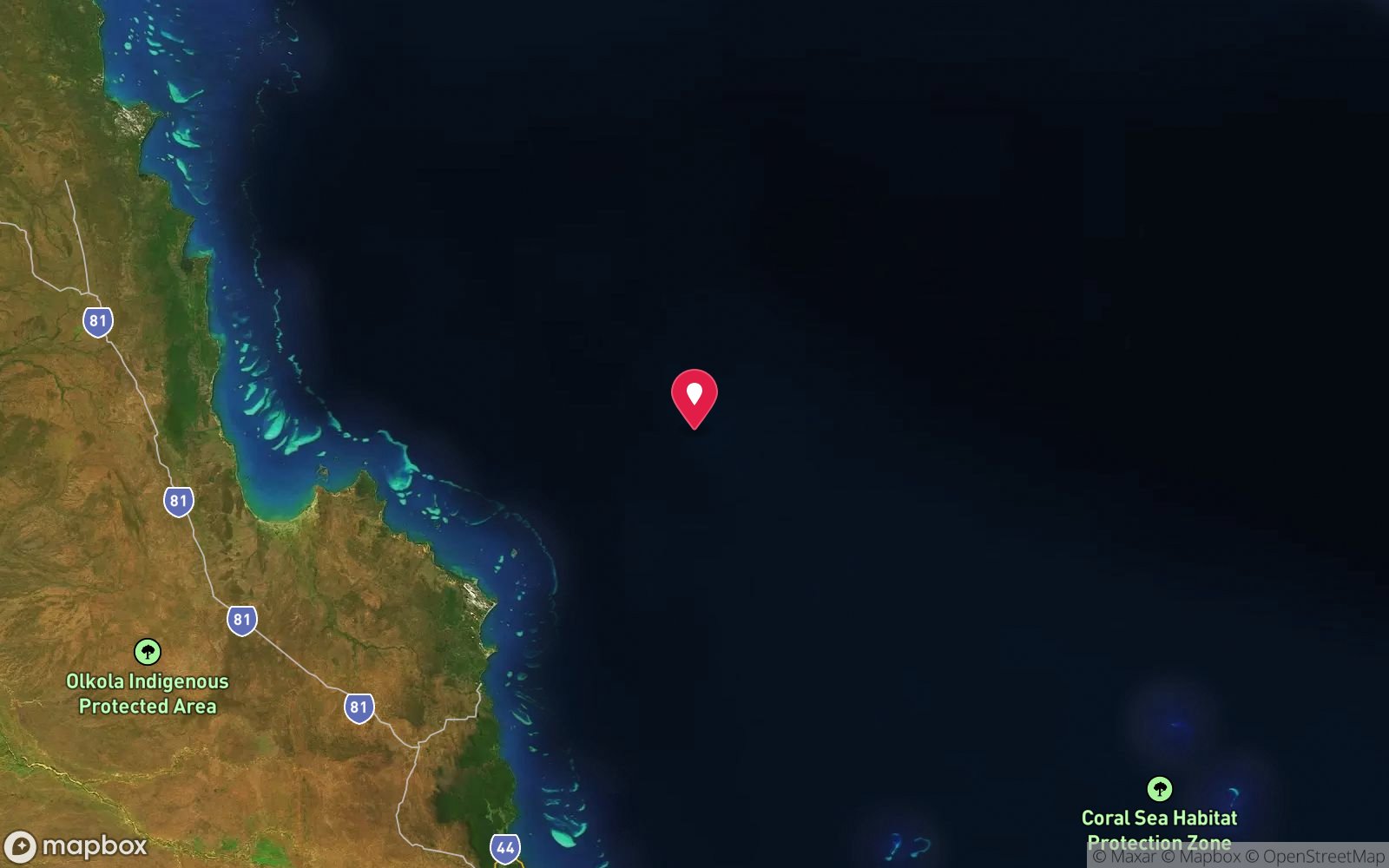
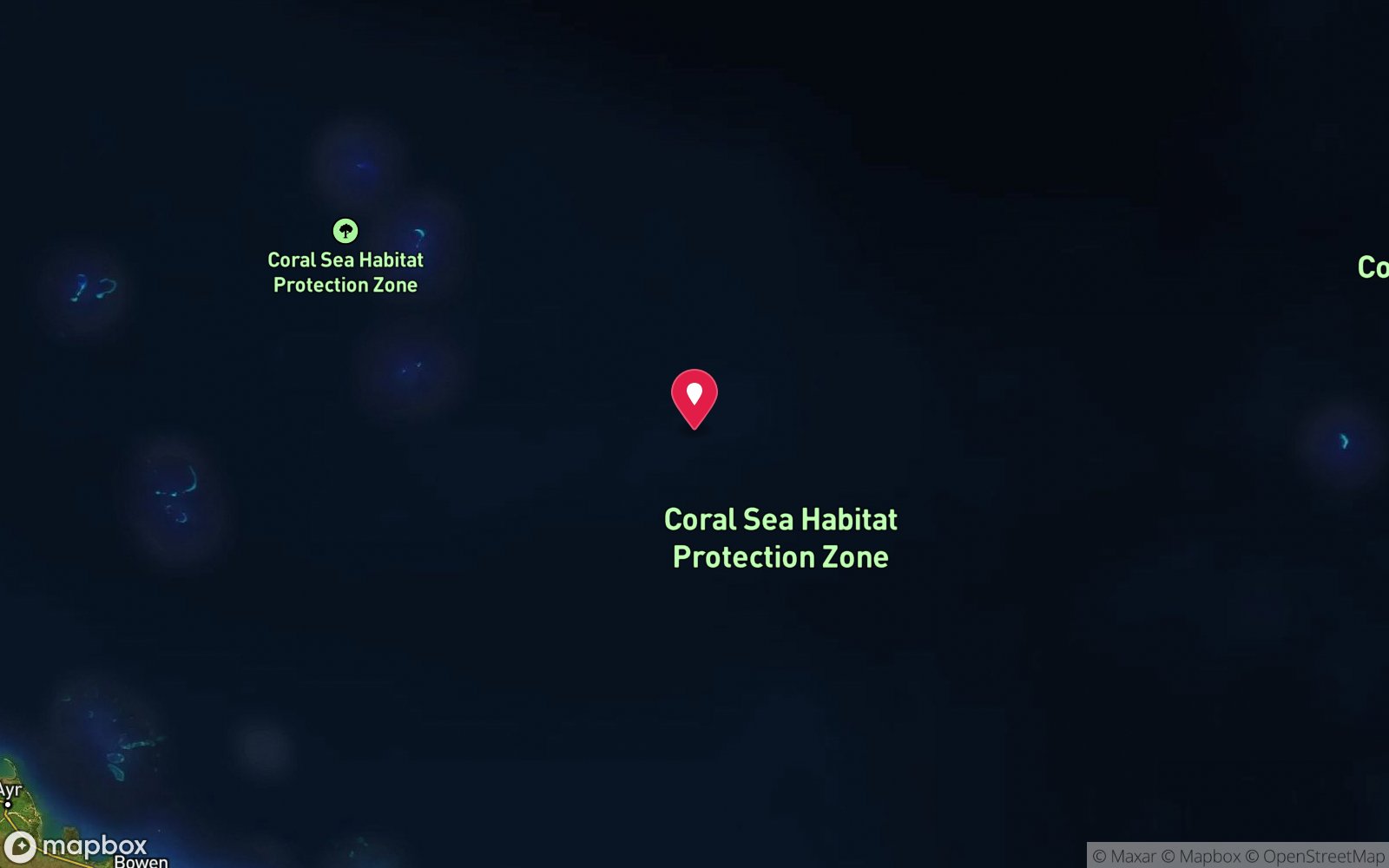
Map
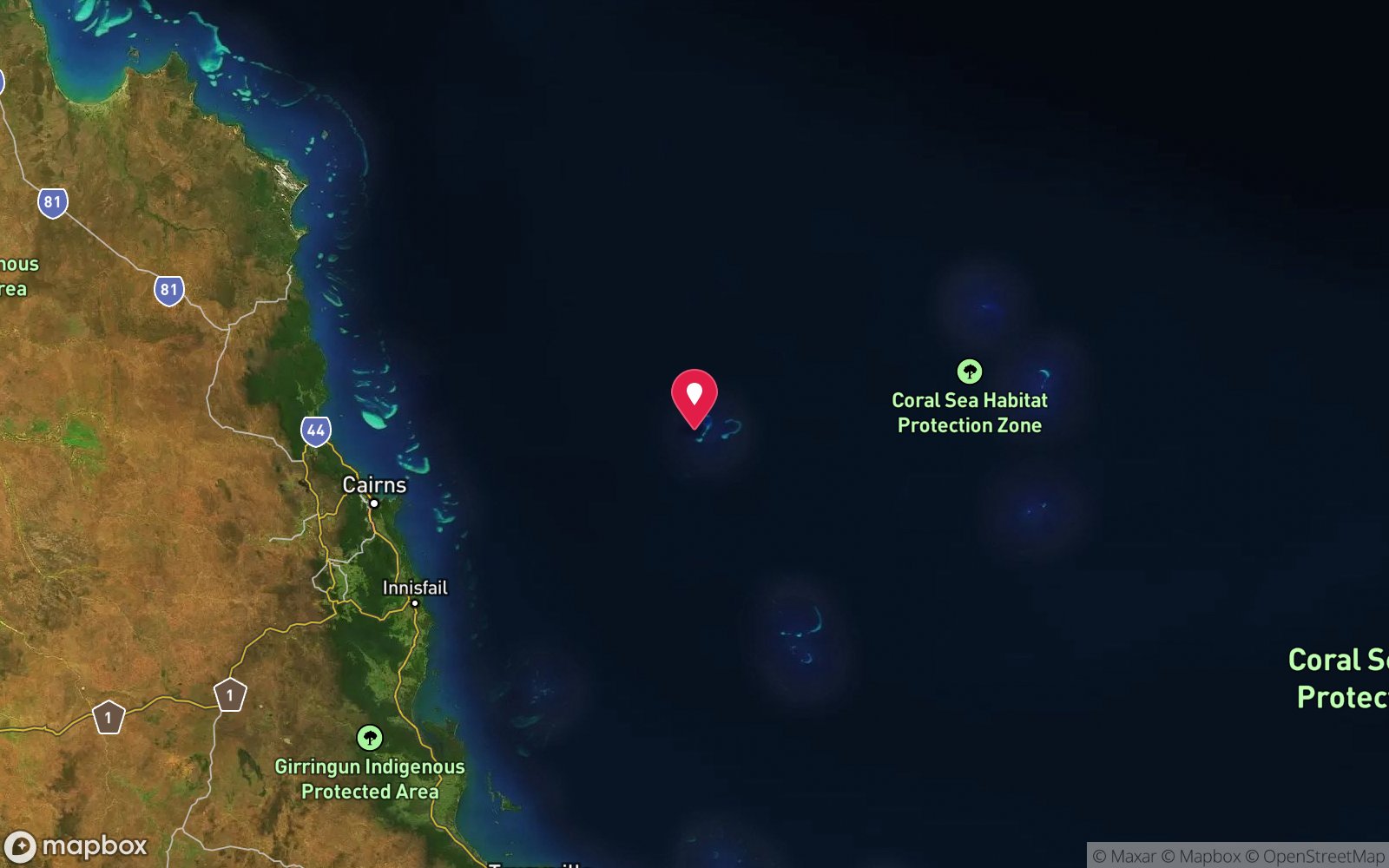
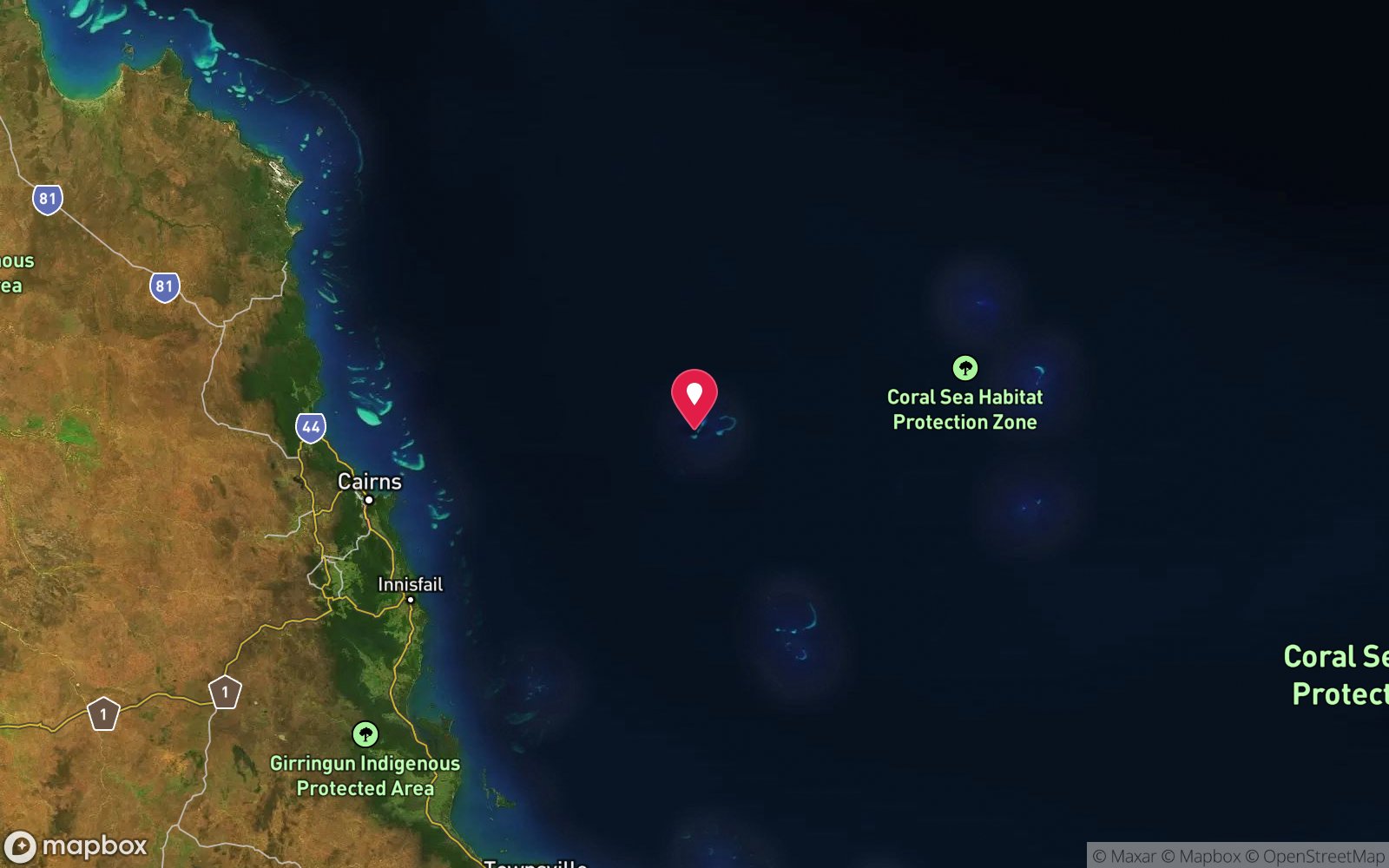
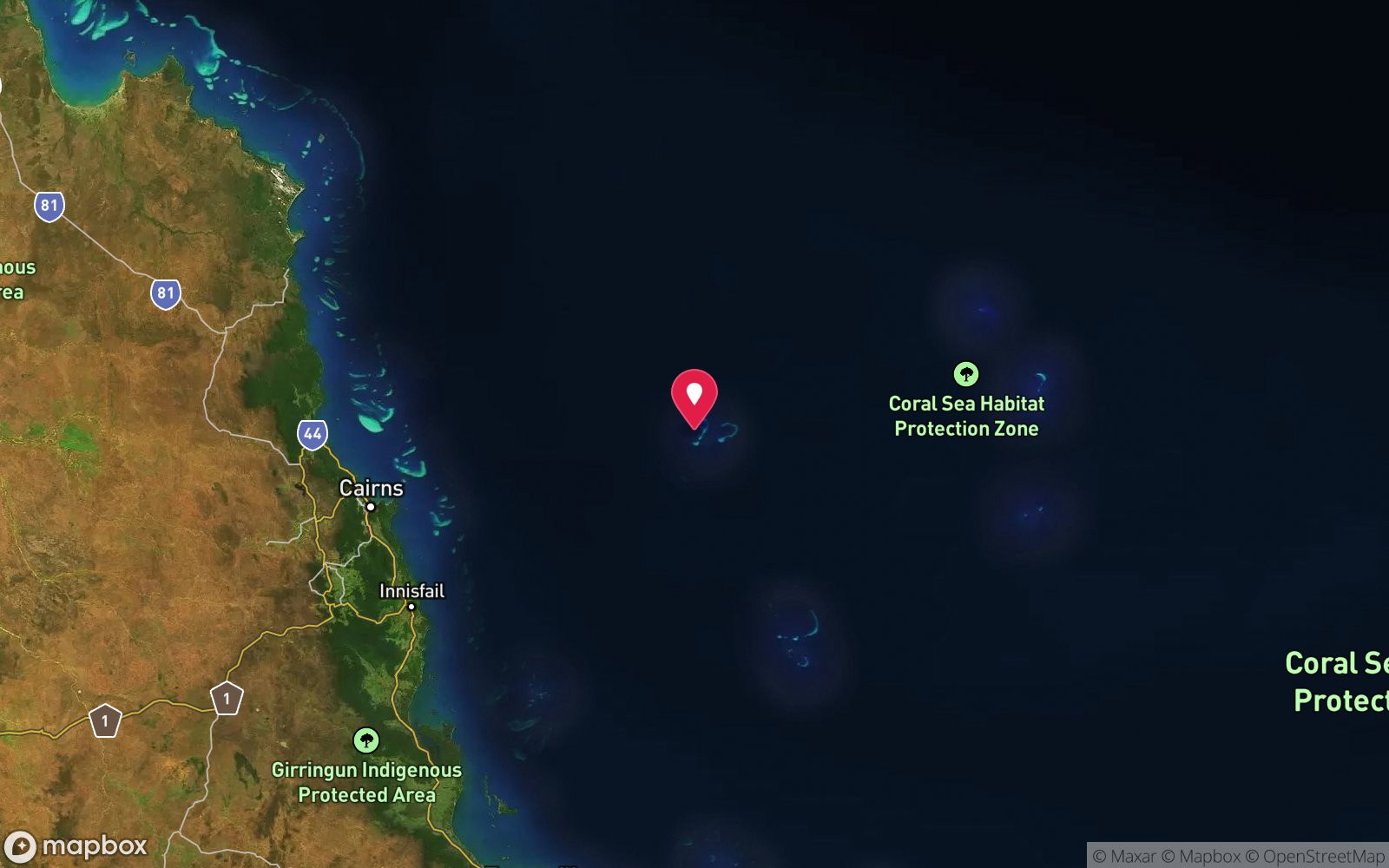
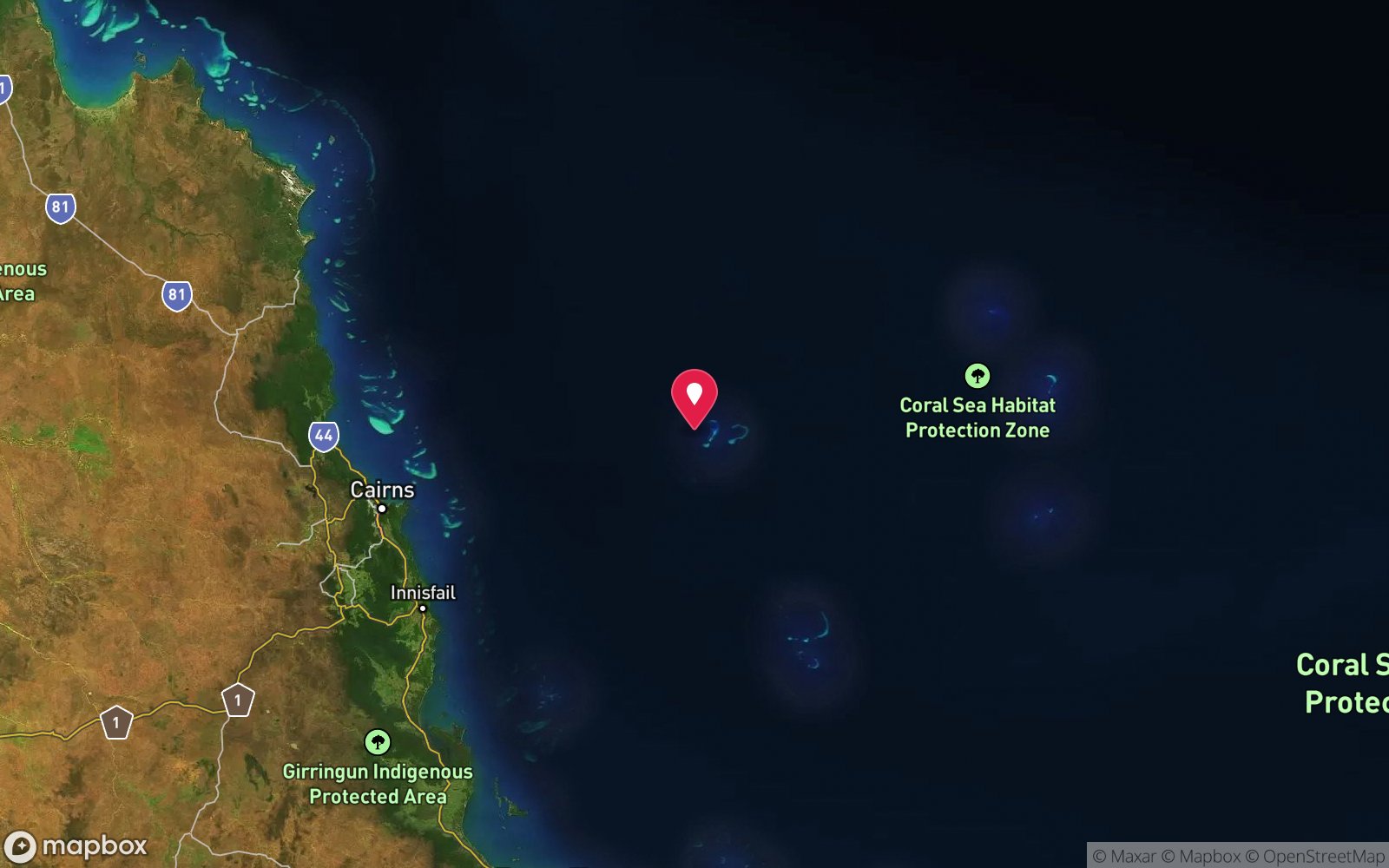
7 pinned sites. Pins marked approximate on their pages show the general area only; not for navigation.
Satellite views
Turtle Cave (Holmes Reef): frequently asked questions
How deep is Turtle Cave (Holmes Reef)?
Turtle Cave (Holmes Reef) reaches a maximum depth of 26 m, with the shallowest part at about 5 m; most of the dive is spent around 12 m.
What certification do I need to dive Turtle Cave (Holmes Reef)?
Advanced Open Water is the recommended minimum. Open Water divers can dive the shallower section (typical depth 12 m); the full site to 26 m needs Advanced Open Water. Operators often quote Open Water. At more than 25 m this counts as a deep dive: watch no-decompression limits and gas. Rated beginner: sheltered, shallow and manageable for a newly certified diver on a normal day, though note depth beyond 18 m.
Can I shore dive Turtle Cave (Holmes Reef)?
No, it is reached by boat. A dive centre is required: boat access only.
When is the best time to dive Turtle Cave (Holmes Reef)?
Year-round when weather allows; Sep–Dec usually calmest and clearest (visibility can exceed 40 m); Jun–Aug stronger SE trades make the open-ocean crossing rough; Dec–Apr cyclone season.
What marine life will I see at Turtle Cave (Holmes Reef)?
Regularly recorded: Turtles, whitetip reef sharks, potato cod, garden eels, cleaner shrimps, Saron shrimps, bumblebee squat lobsters, flashlight fish (night).
What wetsuit do I need at Turtle Cave (Holmes Reef)?
3 mm full wetsuit or lycra Nov–Apr (27–29°C); 5 mm full wetsuit Jun–Sep (23–25°C); full-length lycra or stinger suit recommended Nov–May.
How cold is the water at Turtle Cave (Holmes Reef)?
Typically 28-29 °C in summer and 24-26 °C in winter.
What are the main hazards at Turtle Cave (Holmes Reef)?
Caves on the wall – enter only with visible exits; night diving – stay close to the boat; remote – hours to days from medical help. See the hazards section above for the full list.
Can you night dive Turtle Cave (Holmes Reef)?
Yes, Turtle Cave (Holmes Reef) is commonly dived at night.
Diving in Coral Sea
Beyond the outer Great Barrier Reef the continental shelf drops away and a scatter of isolated oceanic reefs rises from 1,000 m or more of water. Osprey, Bougainville, Holmes, Flinders and Lihou reefs have vertical walls, 40 m-plus visibility, and shark populations that were never fished down. North Horn at Osprey is the best-known shark dive in Australia; the southern reefs are visited by a handful of boats a year.
Getting there: Liveaboard only, 4–7 nights from Cairns or Port Douglas for Osprey and the northern reefs; expedition trips from Cairns or Townsville for Flinders and Lihou. Overnight crossings of open sea are part of the deal.
Sources
- dive-the-world.com/diving-sites-australia-great-barrier-reef-holmes-reef.php
- marinelife.org.au/?page_id=1642
- australianmarineparks.gov.au/static/4d947e0e5d19f1b0efa5163e439539d1/amp-document-fnl-mp-2018-cs-map-holmes-reefs.pdf
Data confidence: Medium · Being verified: Coordinates approximate; flashlight-fish claim from v1 not reconfirmed.. Last updated September 2026. Know this site better? How to send a correction
Nearby dive sites
More reef dives in External Territories
Explore more
This region
Marine life