Dive slate · divesites.com.au · printed 7 Nov 2026
Wallis Lake estuary diving
Forster & Seal Rocks, New South Wales · near Forster/Tuncurry
| Depth | 1–8 m |
|---|---|
| Minimum level | Open Water |
| Difficulty | Beginner |
| Access | Shore or Boat |
| Entry | Wade entry from a lake foreshore, or small boat launch from one of several public ramps around the lake |
| Current | None |
| Visibility | 1-5 m |
| Water | summer 22-25 °C, winter 17-20 °C |
| Suit | 3-5 mm steamer summer; 5-7 mm full suit or semi-dry winter |
| Best season | Year-round for training; check local scallop/shellfish season and size/bag limits before collecting anything |
| Bottom time | 30 min |
| Position | -32.20000, 152.47000 (approximate) |
| Permit | NSW DPI Fisheries rules apply to any shellfish/scallop collection — check current seasons and limits |
| Nearest chamber | Prince of Wales Hospital (Randwick, Sydney) — John Hunter Hospital Newcastle has no recompression chamber |
| Emergency | 000 · DAN Asia-Pacific diving emergency 1800 088 200 |
Wallis Lake estuary diving
Also known as Wallis Lake
A sheltered coastal lake used informally for training dives and recreational shellfish/scallop diving rather than scenic diving.
Near Forster/Tuncurry · Forster & Seal Rocks, New South Wales
- Depth
- 1–8 m
- Minimum level
- Open Water
- Access
- Shore or Boat
- Boat ride
- Shore entry
- Water
- 22-25 °C
- Visibility
- 1-5 m
Wallis Lake estuary diving1–8 m · Open Water · Shore
Dive factsDepths, conditions, location & safety
Season
In season nowBest months: year-round.
Year-round for training; check local scallop/shellfish season and size/bag limits before collecting anything
- Best months
- Now (November)
- Stinger suit Nov–May
Dive facts
- Depth
- 1–8 m
- Typical depth
- 3 m
- Certification
- Open Water
- Difficulty
- Beginner
- Depth tier
- Easy (0–10 m)
- Access
- Shore or Boat
- Offshore
- 0 km
- Dive centre needed
- No – independently diveable
- Shore / independent
- Yes
- Current
- None
- Visibility
- 1-5 m
- Water temp (summer)
- 22-25 °C
- Water temp (winter)
- 17-20 °C
- Water
- Subtropical
- Bottom time
- 30 min
- Dive traffic
- Rarely dived (private boat/club only)
- Night dive
- Possible
- Snorkel friendly
- Partial
Exposure suit
3-5 mm steamer summer; 5-7 mm full suit or semi-dry winter
Location
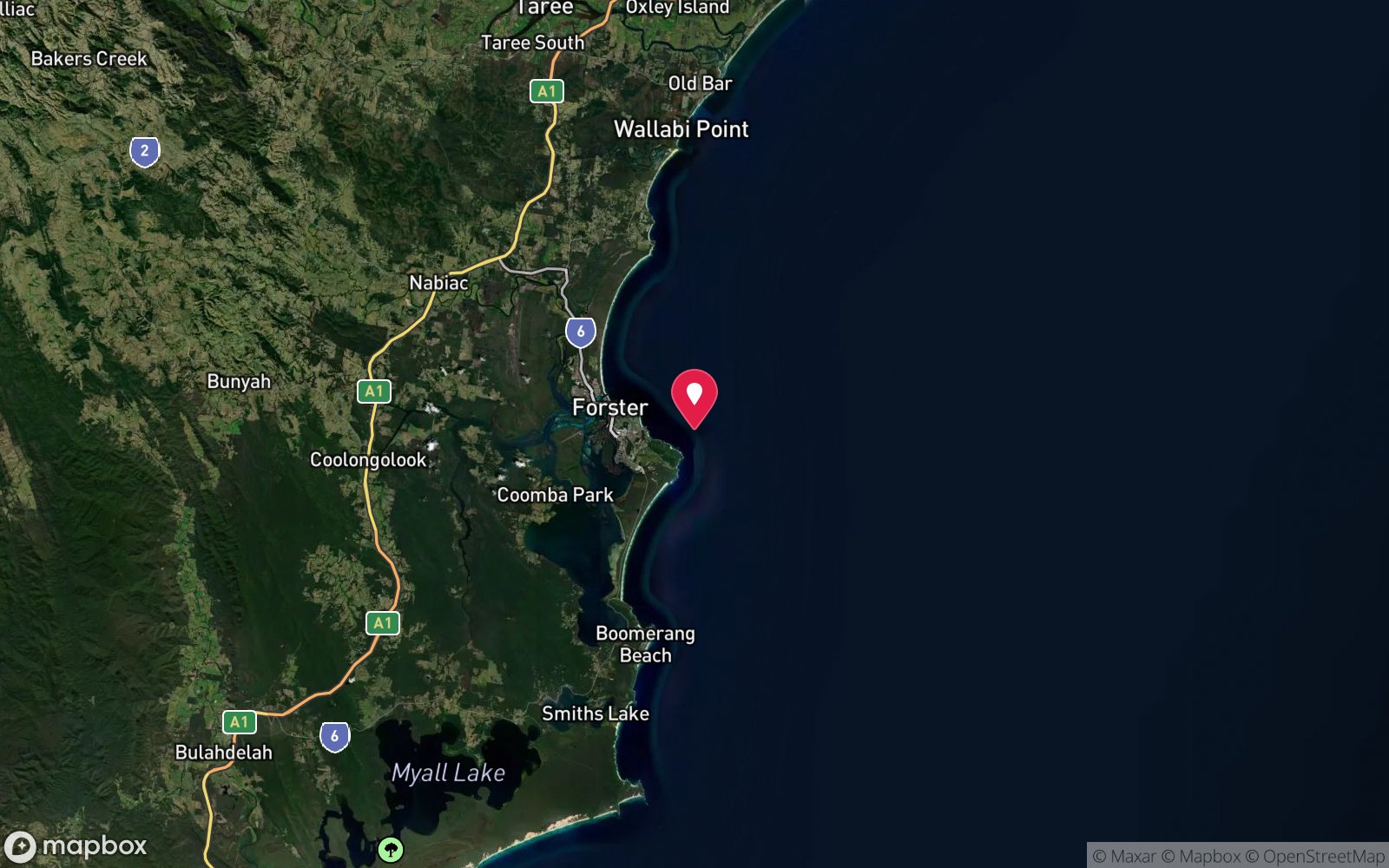
Forster/Tuncurry · NSW Mid North Coast — Forster/Tuncurry & Seal Rocks
-32.20000, 152.47000
Approximate position — not for navigation.
Open in Google MapsMarine park & permits
NSW DPI Fisheries rules apply to any shellfish/scallop collection — check current seasons and limits
Nearest recompression chamber
Prince of Wales Hospital (Randwick, Sydney) — John Hunter Hospital Newcastle has no recompression chamber
Diving emergency: call 000, then DAN AP 1800 088 200.
Trip planner
Build a trip around Wallis Lake estuary diving →
A day-by-day plan for Forster & Seal Rocks with this site locked in.
This guide is a planning aid. Conditions change daily — confirm with a local dive centre and dive within your training. Data & safety notes.
Dive profile
How this site rates
Scores are computed from the recorded data, not opinions. How?
At a glance
Wallis Lake estuary diving is a freshwater lake / river shore dive you can do independently in Forster & Seal Rocks, NSW, 1–8 m, suited to Open Water divers.
Rated beginner: sheltered, shallow and manageable for a newly certified diver on a normal day, though note boat traffic overhead.
Why dive here
- A sheltered coastal lake used informally for training dives and recreational shellfish/scallop diving rather than scenic diving.
- Rarely dived: expect to have the site to yourself, and plan your own logistics.
About Wallis Lake estuary diving
Wallis Lake is the large coastal lake and estuary system behind Forster and Tuncurry, and while it is not a scuba diving destination in any conventional sense, it does see occasional informal use — mainly for sheltered, current-free training dives when ocean conditions rule out the coastal sites, and for recreational scallop and shellfish diving where local regulations and seasons permit. The lake's water is characteristically murky, stained by tannins from surrounding wetland catchments and stirred by a soft silty bottom, so visibility is typically limited to just a few metres at best, making it a poor choice for anyone hoping for a scenic reef-style dive. What the lake does offer is complete shelter from ocean swell and current, a genuine advantage for basic skills practice, confined-water-style training in slightly more realistic conditions than a pool, or simply getting in the water on a day when the coast is unworkable.
Divers interested in scalloping or shellfish collecting should check current NSW DPI Fisheries rules on seasons, size and bag limits before taking anything, since these can change and enforcement is active in popular estuary systems like this one. Overall, Wallis Lake is included here for completeness given its prominence in the local landscape and its occasional recreational diving use, but it should not be mistaken for one of the region's scenic dive destinations — visiting divers are much better served by Forster Dive Centre's ocean and Seal Rocks trips for a genuine diving experience. Anyone tempted to treat it as a scenic dive destination in its own right will likely be disappointed compared with what the coast just outside the lake entrance offers.
Getting there & entry
A large coastal lake and estuary system behind Forster/Tuncurry, occasionally used for sheltered, low-visibility training dives and shellfish/scallop diving rather than as a scenic destination.
Wallis Lake has numerous public access points and boat ramps around Forster, Tuncurry, Coomba Park and Green Point; a wade-in entry is possible from several foreshore reserves, or a small boat can reach deeper sections of the lake for scalloping or shell collecting dives. No commercial dive charter runs dedicated Wallis Lake trips; this is an independent/private activity.
Entry: Wade entry from a lake foreshore, or small boat launch from one of several public ramps around the lake
Facilities: Multiple public boat ramps and foreshore reserves around Forster, Tuncurry, Coomba Park and Green Point.
Weather, swell & tides
Completely sheltered from ocean swell, making it diveable in virtually any weather, but visibility is characteristically poor — often just one to five metres — due to the lake's silty, estuarine bottom and tannin-stained water from surrounding wetlands. Best after a dry spell when less sediment is being washed in from the catchment.
Best season: Year-round for training; check local scallop/shellfish season and size/bag limits before collecting anything
If it's blown out
Sheltered or shore sites within 25 km that often work when Wallis Lake estuary diving doesn't.
- Bennett's Head Bommie · 6 km · Max 10 m
How the dive is usually run
Enter from a foreshore reserve or small boat and explore the shallow, silty lake bed slowly, using a compass or line for navigation given the very limited visibility; treat this primarily as a training or shellfish-collecting exercise rather than a scenic dive.
Marine life
- Estuarine fish
- scallops and shellfish (where legally collectable)
- general silty-bottom invertebrates
Linked species have their own page listing every site where they are recorded. All marine life →
Training required
Shallow enough for snorkellers and for a first dive under supervision. Any certified diver can dive it.
Courses that help here
- Underwater Navigation – Navigation is part of the dive plan.
- Peak Performance Buoyancy – Silt and low visibility punish poor trim.
Depth tiers: 0–10 m easy · to 18 m Open Water · 18–30 m Advanced (25 m+ is a deep dive) · 30–40 m Deep specialty · 40 m+ technical. All courses
Hazards & warnings
Very poor visibility is normal; boat traffic on the lake; check current fisheries rules before collecting any shellfish or scallops.
Dive centres that go here
No commercial dive operator runs trips on Wallis Lake; dived informally, mainly for training in a sheltered, current-free environment or for recreational shellfish/scallop collecting where permitted.
Other dive centres in Forster & Seal Rocks
All dive centres in New South Wales →
Operators mentioned: No dedicated local operator — informal/private diving only
Map
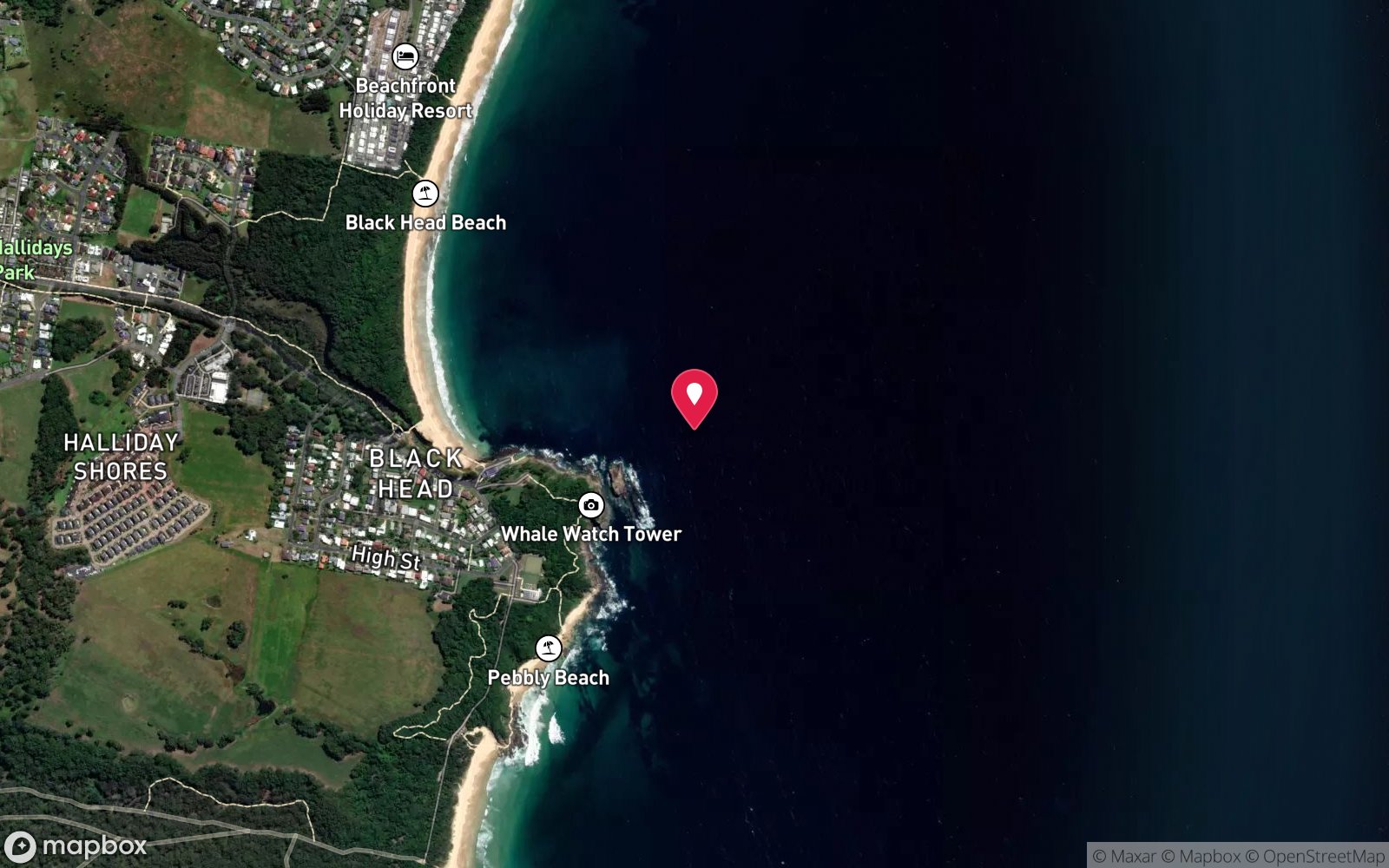
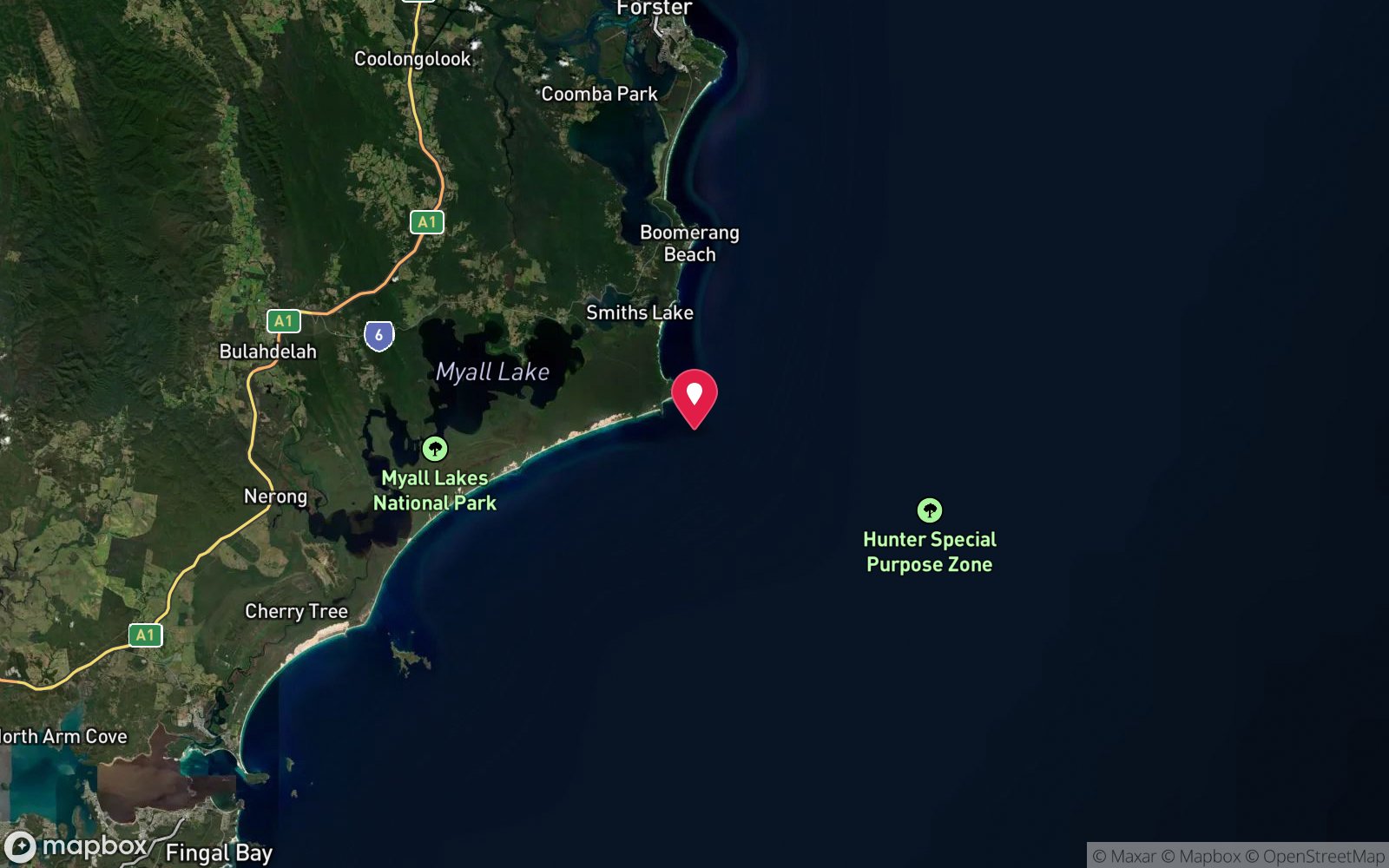
7 pinned sites. Pins marked approximate on their pages show the general area only; not for navigation.
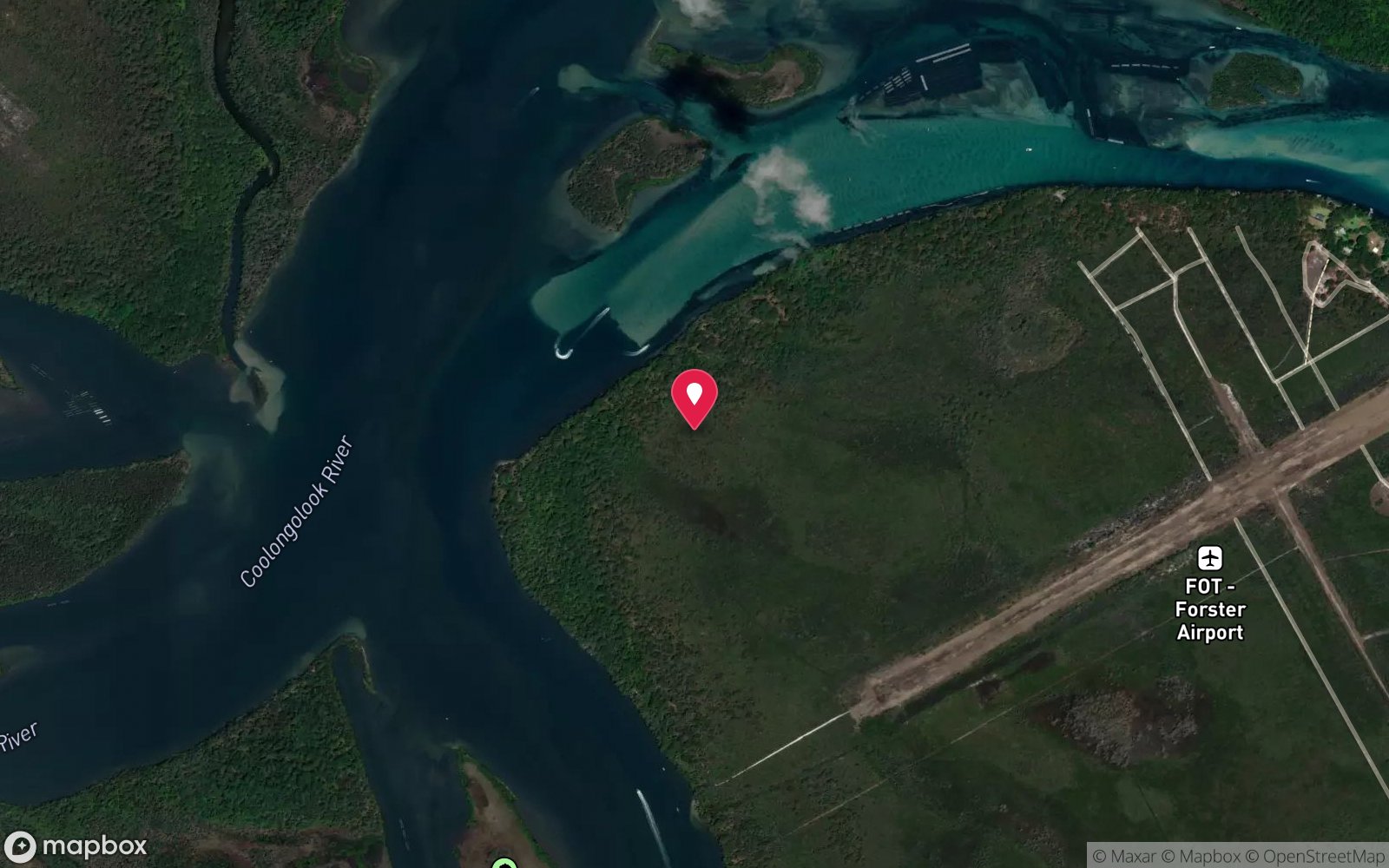
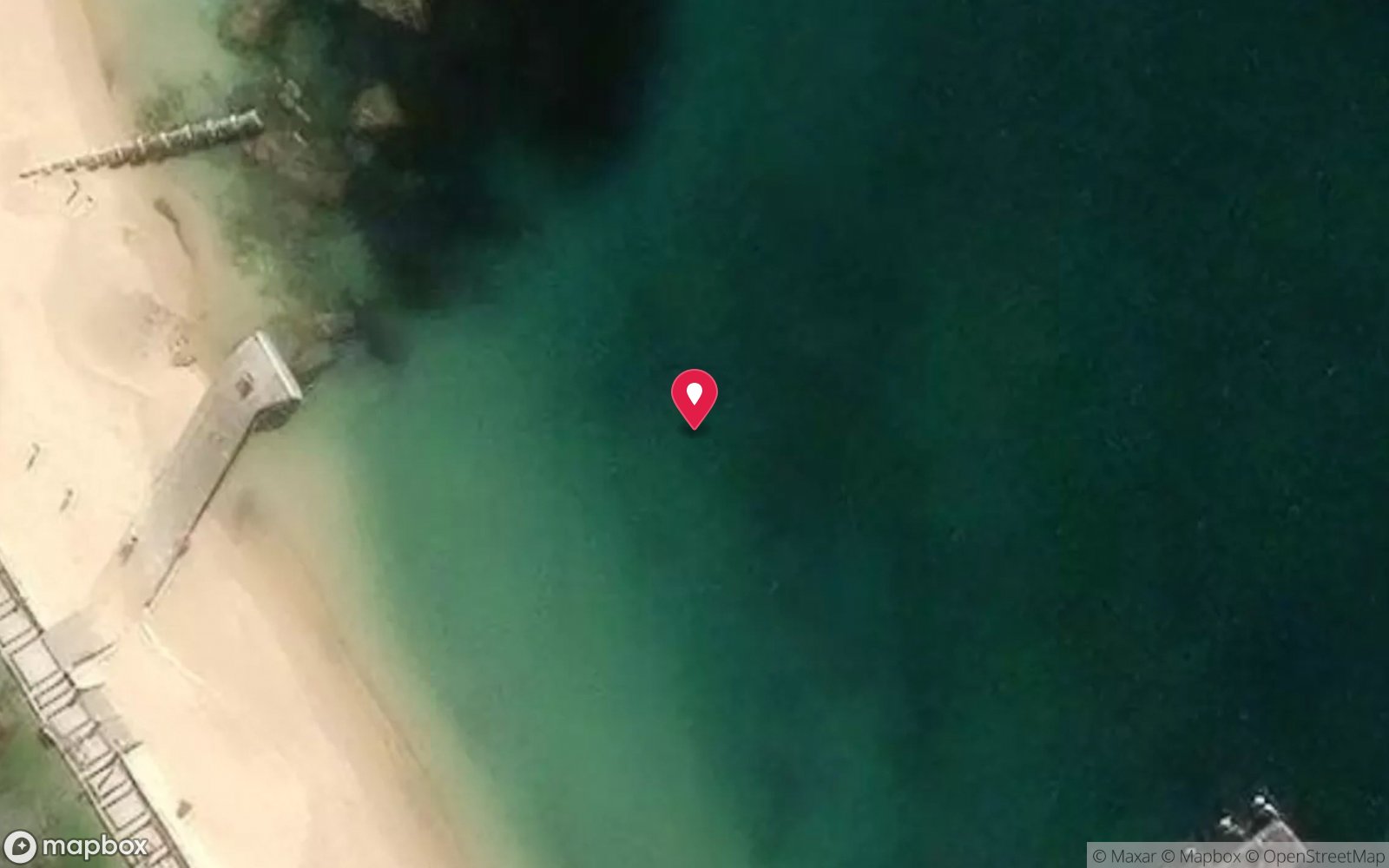
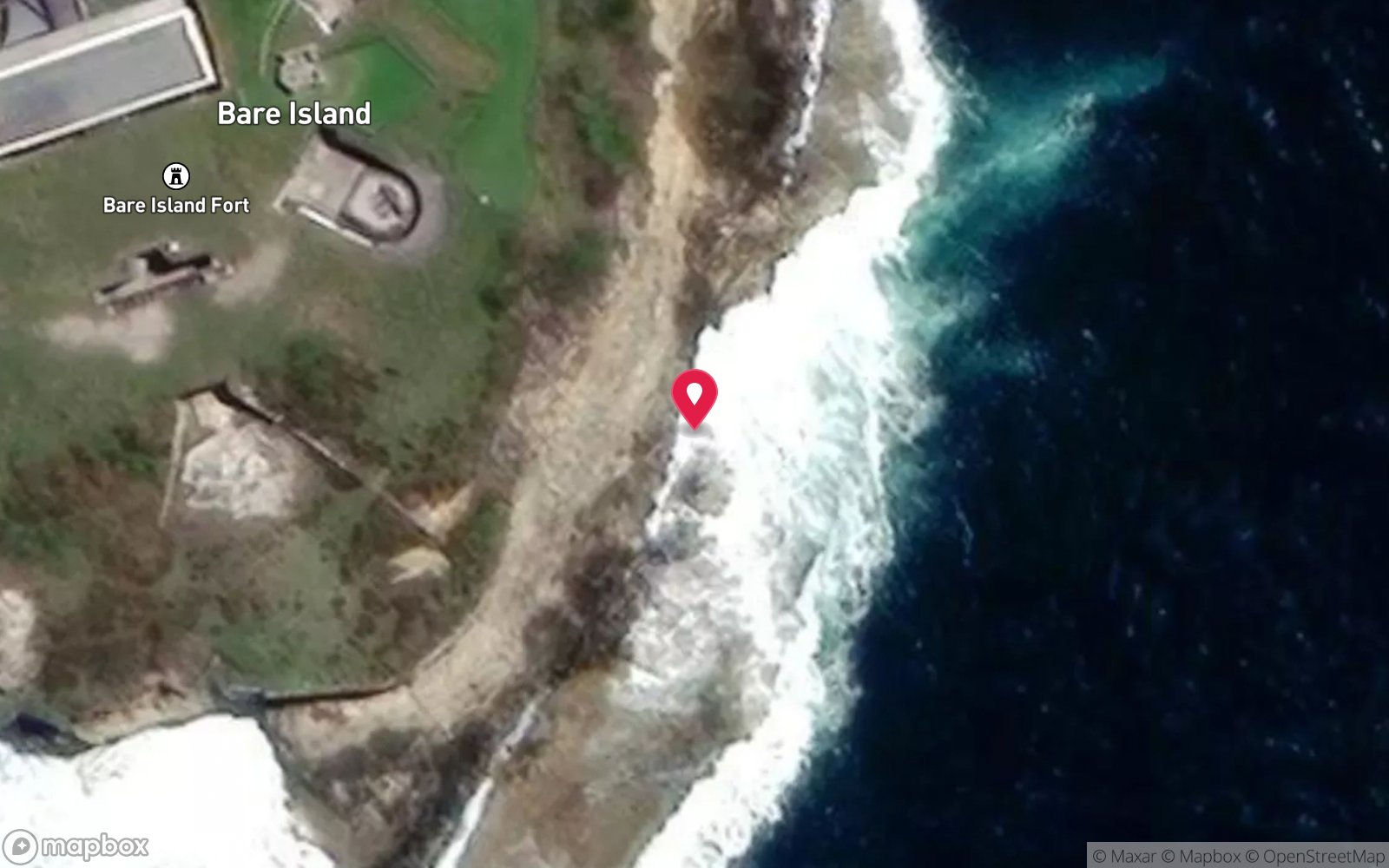
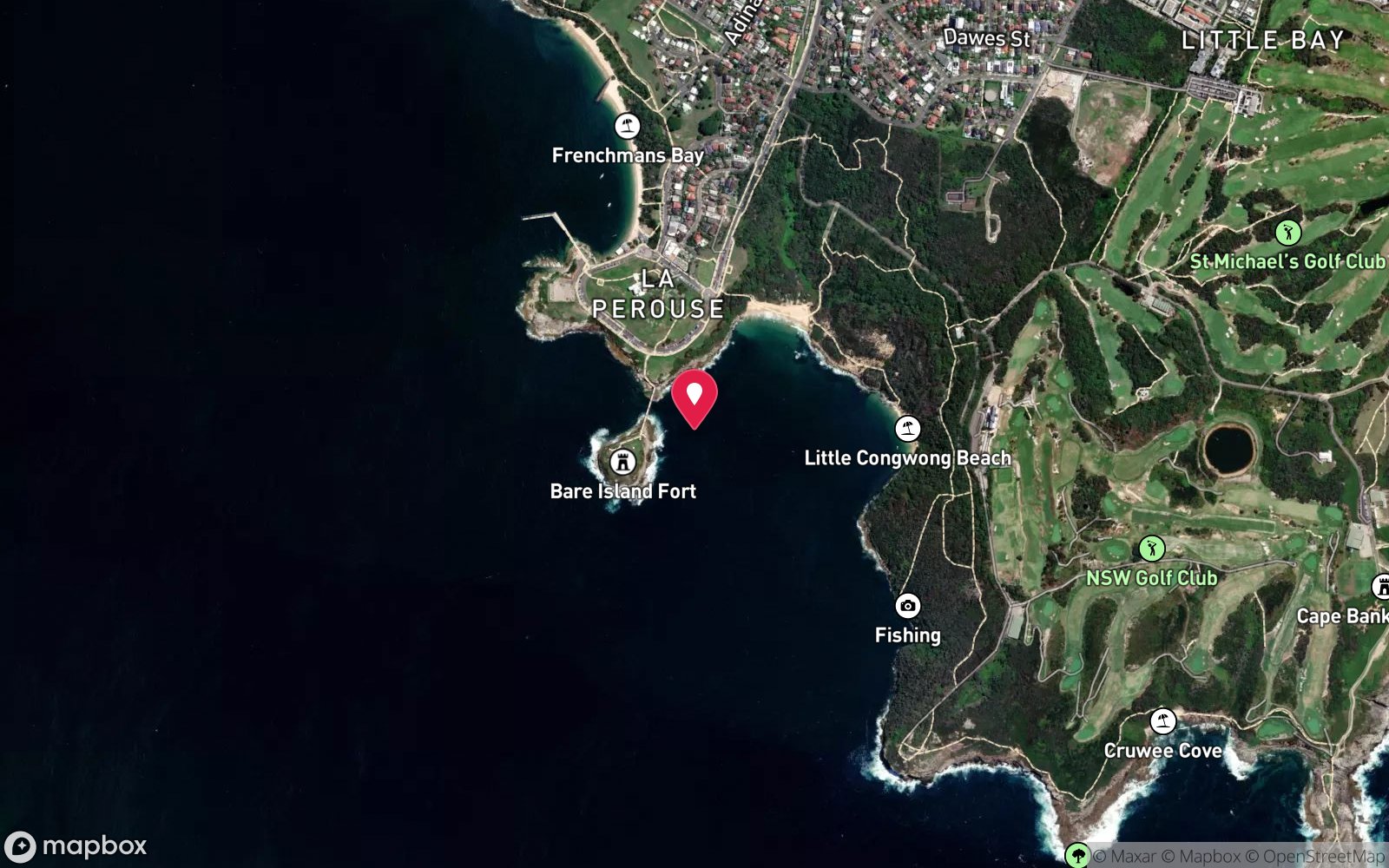
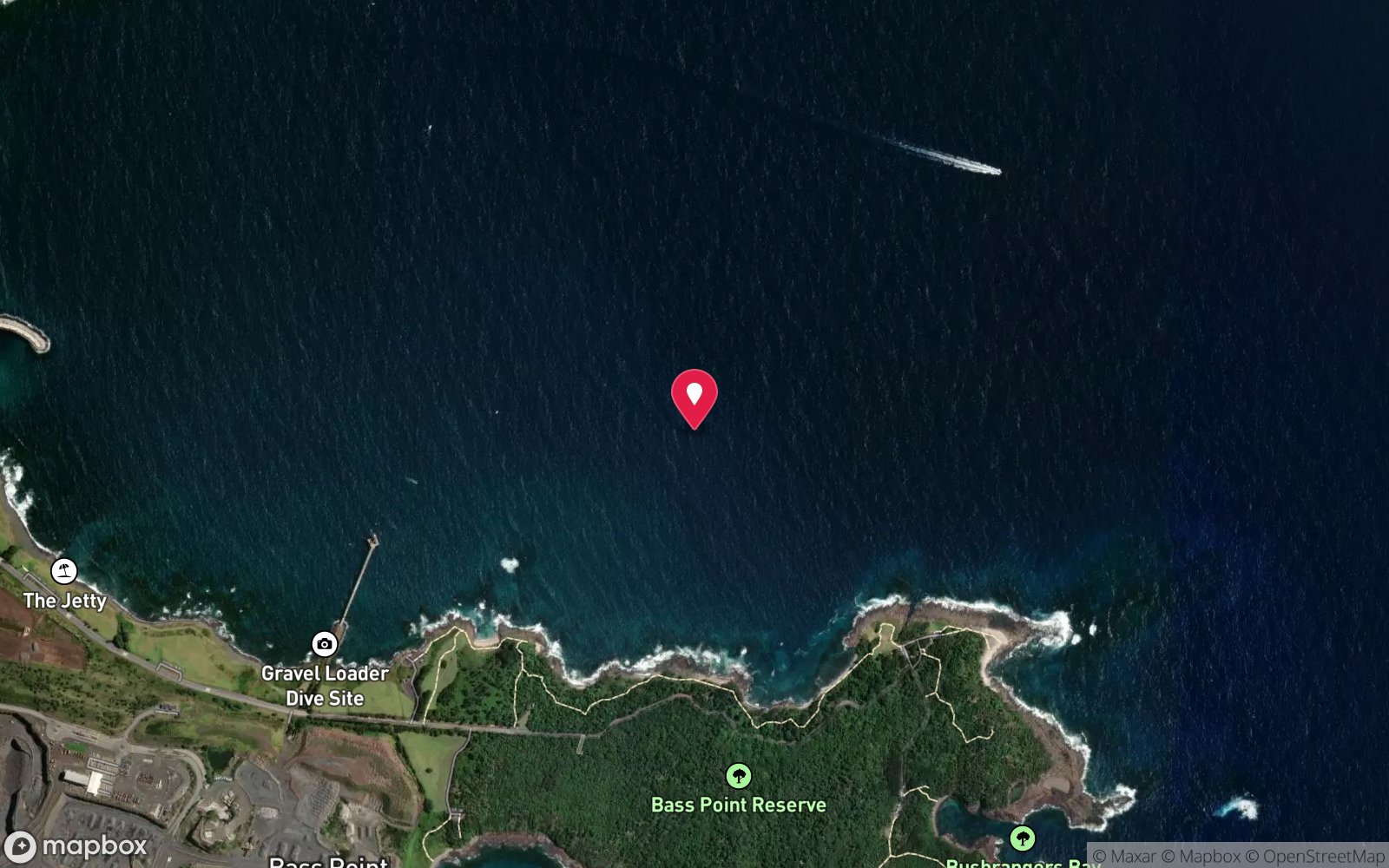
Satellite views
Wallis Lake estuary diving: frequently asked questions
How deep is Wallis Lake estuary diving?
Wallis Lake estuary diving reaches a maximum depth of 8 m, with the shallowest part at about 1 m; most of the dive is spent around 3 m.
What certification do I need to dive Wallis Lake estuary diving?
Open Water is the recommended minimum. Rated beginner: sheltered, shallow and manageable for a newly certified diver on a normal day, though note boat traffic overhead.
Can I shore dive Wallis Lake estuary diving?
Yes. Wallis Lake estuary diving is a shore dive that can be done independently: wade entry from a lake foreshore, or small boat launch from one of several public ramps around the lake.
When is the best time to dive Wallis Lake estuary diving?
Year-round for training; check local scallop/shellfish season and size/bag limits before collecting anything.
What marine life will I see at Wallis Lake estuary diving?
Regularly recorded: Estuarine fish, scallops and shellfish (where legally collectable), general silty-bottom invertebrates.
What wetsuit do I need at Wallis Lake estuary diving?
3-5 mm steamer summer; 5-7 mm full suit or semi-dry winter.
How cold is the water at Wallis Lake estuary diving?
Typically 22-25 °C in summer and 17-20 °C in winter.
What are the main hazards at Wallis Lake estuary diving?
Very poor visibility is normal; boat traffic on the lake; check current fisheries rules before collecting any shellfish or scallops. See the hazards section above for the full list.
Where is the nearest recompression chamber to Wallis Lake estuary diving?
Prince of Wales Hospital (Randwick, Sydney) — John Hunter Hospital Newcastle has no recompression chamber. In an emergency call 000, then DAN Asia-Pacific on 1800 088 200.
Diving in Forster & Seal Rocks
Forster is one of the best places in the world to dive with grey nurse sharks. The Pinnacles, Latitude Rock and the Big Seal at Seal Rocks hold aggregations of 20–60 sharks in season, and Seal Rocks' gutters are within a few hundred metres of a beach launch. The SS Satara, a 1910 steamer in 44 m, and the Pinnacle's own wrecks add deep options.
Getting there: Three and a half hours north of Sydney. Forster charters run the Pinnacles and Latitude Rock; Seal Rocks is a beach launch or a longer boat trip. Shore dives at Forster's Bennetts Head and the Tuncurry breakwall.
All Forster & Seal Rocks dive sites and a suggested itinerary →
Nearby dive sites
More shore dives in New South Wales
Explore more
This region