Dive slate · divesites.com.au · printed 7 Nov 2026
Wilson Spit Shellfish Reef
Geelong & Bellarine, Victoria · near Geelong / Portarlington
| Depth | 8–9 m |
|---|---|
| Minimum level | Open Water |
| Difficulty | Beginner |
| Access | Boat |
| Entry | Giant stride or back roll from a small boat |
| Current | None |
| Visibility | 2-6 m |
| Water | summer 18-21 °C, winter 10-13 °C |
| Suit | 7 mm wetsuit or semi-dry with hood and gloves in summer; drysuit or 7 mm semi-dry with hood in winter |
| Best season | Year-round; autumn (March-May) usually gives the calmest water and best visibility |
| Bottom time | 40 min |
| Position | -38.11931, 144.50516 (GPS) |
| Permit | None required |
| Nearest chamber | The Alfred Hospital Hyperbaric Service (Melbourne) |
| Emergency | 000 · DAN Asia-Pacific diving emergency 1800 088 200 |
Wilson Spit Shellfish Reef
Also known as Wilson Spit reefs, Wilson Spit shellfish restoration reefs
Nine patches of restored native oyster and mussel reef in 9 m off Wilson Spit; a compass-hopping dive through Port Phillip's shellfish comeback.
Near Geelong / Portarlington · Geelong & Bellarine, Victoria
- Depth
- 8–9 m
- Minimum level
- Open Water
- Access
- Boat
- Boat ride
- ~25 min
- Water
- 18-21 °C
- Visibility
- 2-6 m
Wilson Spit Shellfish Reef8–9 m · Open Water
Dive factsDepths, conditions, location & safety
Season
Off-peak nowBest months: March, April, May.
Year-round; autumn (March-May) usually gives the calmest water and best visibility
- Best months
- Now (November)
Dive facts
- Depth
- 8–9 m
- Typical depth
- 9 m
- Certification
- Open Water
- Difficulty
- Beginner
- Depth tier
- Easy (0–10 m)
- Access
- Boat
- Offshore
- 5 km
- Dive centre needed
- Yes – boat access only
- Shore / independent
- No
- Boat ride
- ~25 min
- Current
- None
- Visibility
- 2-6 m
- Water temp (summer)
- 18-21 °C
- Water temp (winter)
- 10-13 °C
- Water
- Temperate
- Bottom time
- 40 min
- Dive traffic
- Rarely dived (private boat/club only)
- Night dive
- Possible
- Snorkel friendly
- No
Exposure suit
7 mm wetsuit or semi-dry with hood and gloves in summer; drysuit or 7 mm semi-dry with hood in winter
Location
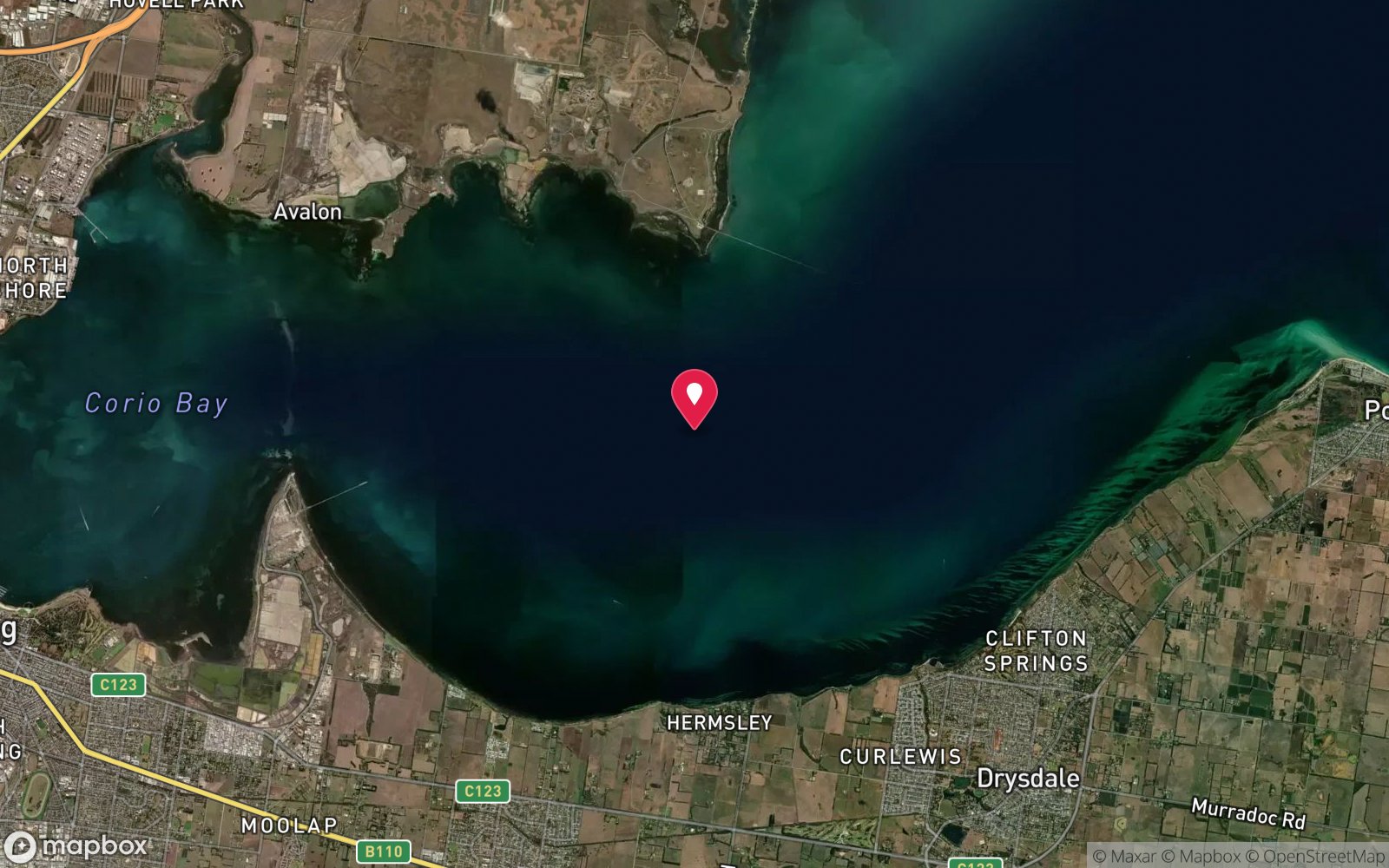
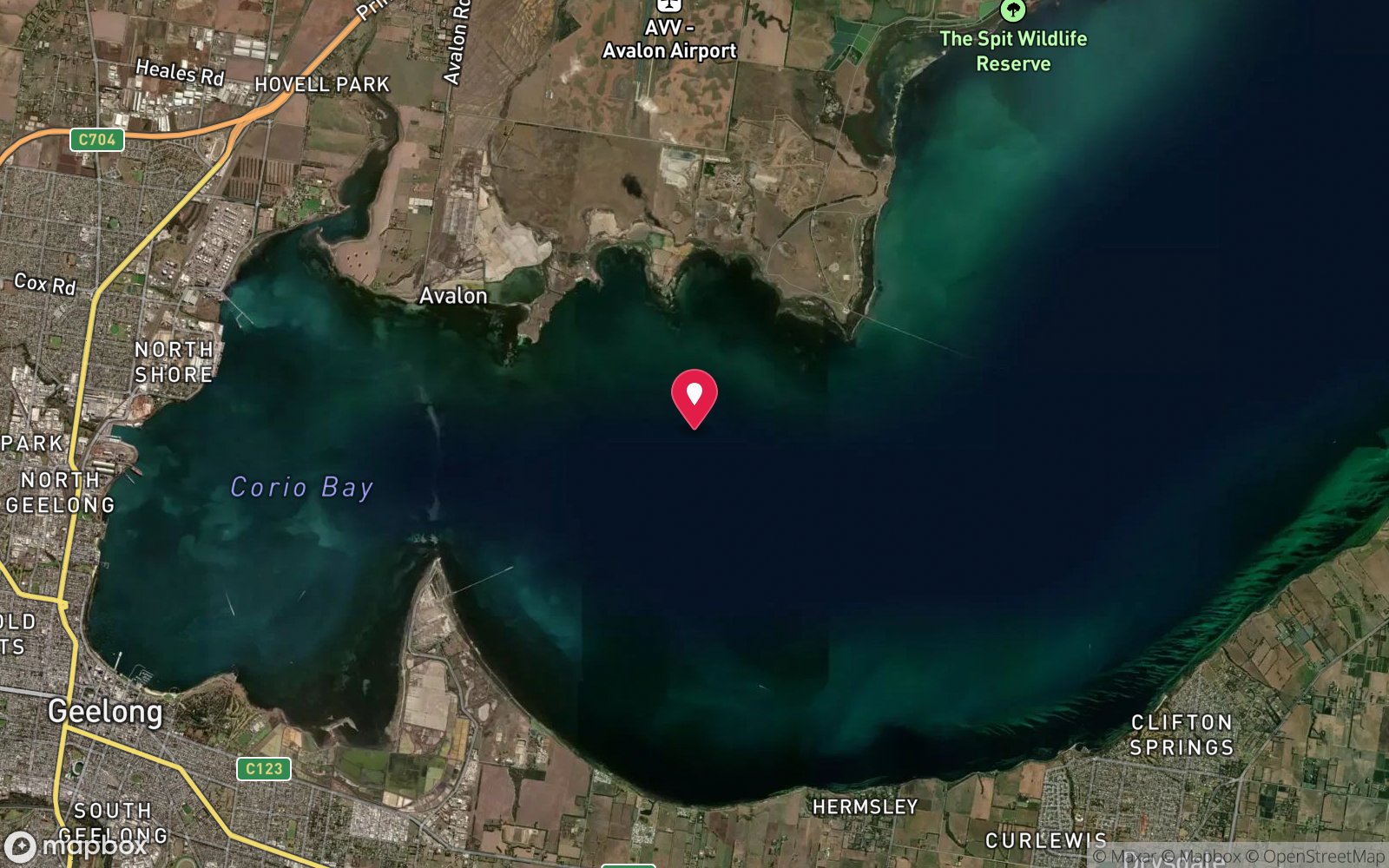
Corio Bay Outer Harbour · Geelong – Corio Bay
-38.11931, 144.50516
Published GPS position.
Open in Google MapsPrimary source: scubadoctor.com.auMarine park & permits
None required
Nearest recompression chamber
The Alfred Hospital Hyperbaric Service (Melbourne)
Diving emergency: call 000, then DAN AP 1800 088 200.
Trip planner
Build a trip around Wilson Spit Shellfish Reef →
A day-by-day plan for Geelong & Bellarine with this site locked in.
This guide is a planning aid. Conditions change daily — confirm with a local dive centre and dive within your training. Data & safety notes.
Dive profile
How this site rates
Scores are computed from the recorded data, not opinions. How?
At a glance
Wilson Spit Shellfish Reef is a artificial reef boat dive in Geelong & Bellarine, VIC, 8–9 m, suited to Open Water divers, about 25 minutes by boat.
Rated beginner: sheltered, shallow and manageable for a newly certified diver on a normal day, though note boat traffic overhead and cold water.
Why dive here
- Nine patches of restored native oyster and mussel reef in 9 m off Wilson Spit; a compass-hopping dive through Port Phillip's shellfish comeback.
- Rarely dived: expect to have the site to yourself, and plan your own logistics.
About Wilson Spit Shellfish Reef
The Wilson Spit reefs are nine small patches of restored shellfish reef laid on the mud of Corio Bay's outer harbour as part of the same Port Phillip shellfish restoration program that built Moolap Reef 3 km to the west. Each patch is a mound of limestone rubble and recycled shell seeded with hatchery-grown native flat oysters and blue mussels, sitting in 8-9 m of water south of the shipping channel off the Wilson Spit shoal. Individually they are small, a few tens of metres across; together they form a scattered archipelago of hard structure that a diver can hop between on a compass bearing.
The point of diving them is ecological rather than scenic. Native shellfish reefs were once the dominant habitat of the bay floor and were dredged to extinction by 1900; watching them come back, with oysters spatting onto the shell, mussels clumping on the rubble and the whole mound greening over with ascidians, sponges, hydroids and algae, is a rare thing to see underwater. Fish move in quickly: snapper, leatherjackets, wrasse, gobies and blennies use the rubble, cuttlefish lay eggs in it in spring, and flathead, rays and the introduced Northern Pacific seastar work the surrounding mud.
The reefs are unmarked, unlit and rarely dived except by monitoring teams and the occasional Geelong club boat; they are also fished, so a flag, care with line and a clear view of the shipping channel matter. They are a good flat, shallow second dive after Moolap Reef for a small boat out of Limeburners Point or Point Richards on a still winter morning, and a reminder that some of the most important work in the bay is happening on featureless mud.
Getting there & entry
Cluster of nine small restored shellfish reefs on the floor of Corio Bay's outer harbour off Wilson Spit, south of the shipping channel and 3 km east of Moolap Reef, in 8-9 m.
Launch at Limeburners Point (Geelong), Point Richards (Portarlington) or the northern-shore ramps at Avalon Beach and Geelong Grammar lagoon and run 15-30 minutes to the position. The nine reef patches lie within a few hundred metres of each other between about 38 07.13 S and 38 07.20 S, 144 30.22 E and 144 30.40 E; reef 7 is the usual mark. They are unmarked on the surface, so use a sounder, anchor on mud beside a patch and descend the line.
Not reachable from shore. Note The Scuba Doctor's page mislabels the region as Western Port; the site is in Corio Bay.
Entry: Giant stride or back roll from a small boat
Facilities: Limeburners Point (Geelong), Point Richards (Portarlington), Avalon Beach and Geelong Grammar lagoon boat ramps
Weather, swell & tides
Exposed open-harbour water with no lee: light winds only. Best on the high tide in winter after dry weather; the Barwon and Hovells Creek plumes and wind chop reduce visibility, which is typically 2-5 m over the mud. No swell.
The Corio Bay shipping channel runs just north of the reefs and the Wilson Spit itself is a shoal; anchor well clear of both.
Best season: Year-round; autumn (March-May) usually gives the calmest water and best visibility
If it's blown out
Sheltered or shore sites within 25 km that often work when Wilson Spit Shellfish Reef doesn't.
- PS Ozone · 18 km · Max 4 m
- St Leonards Pier · 20 km · Max 6 m
- Queenscliff Pier · 22 km · Max 8 m
- Popes Eye Anchor Farm · 24 km · Max 11 m
How the dive is usually run
Descend the anchor line to 8-9 m at one reef patch, circle it looking for oysters, mussels and the fish sheltering in the rubble, then follow a compass bearing to the next patch a few tens of metres away and back, returning to the line at half gas and ascending with a stop at 5 m.
Marine life
- Native flat oysters
- blue mussels
- ascidians
- sponges
- hydroids
- snapper
- leatherjackets
- wrasse
- gobies
- blennies
- cuttlefish →
- flathead
- rays
- Northern Pacific seastar (introduced)
Linked species have their own page listing every site where they are recorded. All marine life →
Training required
Shallow enough for snorkellers and for a first dive under supervision. Any certified diver can dive it.
Courses that help here
- Drysuit Diver – Cold water; locals dive dry for much of the year.
- Underwater Navigation – Navigation is part of the dive plan.
- Peak Performance Buoyancy – Silt and low visibility punish poor trim.
Depth tiers: 0–10 m easy · to 18 m Open Water · 18–30 m Advanced (25 m+ is a deep dive) · 30–40 m Deep specialty · 40 m+ technical. All courses
Hazards & warnings
Unmarked; adjacent shipping channel and Wilson Spit shoal; fishing line; no shelter; poor visibility; do not take or disturb shellfish
Dive centres that go here
No regular operator – private boats, Bay City Scuba club boat and shellfish-restoration monitoring divers.
Operators recorded for Wilson Spit Shellfish Reef
The Scuba Doctor
ProfiledRye · Melbourne & Port Phillip Bay · VIC
A Victorian equipment and service business with an extensive retail presence, located to serve both Melbourne and Mornington Peninsula divers.
scubadoctor.com.au · (03) 5985 3322
Bay City Scuba
ListedEast Geelong · Melbourne & Port Phillip Bay · VIC
A Victorian business associated with recreational and technical training alongside equipment and gas services.
baycityscuba.com · (03) 5248 1488
Scubabo Dive Victoria (Dive Victoria Group)
Named by sitesQueenscliff · Port Phillip Heads · VIC
Rebranded as Scubabo Dive Victoria, Queenscliff; dive.scubabo.com is live for 2026 with active charter bookings.
dive.scubabo.com · (03) 5258 1188
Other dive centres in Geelong & Bellarine
Scubabo Dive Victoria (Queenscliff)
ListedQueenscliff · Geelong & Bellarine · VIC
A Queenscliff operation, strategically located for access toward Port Phillip Heads.
dive.scubabo.com · (03) 5258 1188
Divein2Scuba (Geelong Dive Centre)
ListedGeelong · Geelong & Bellarine · VIC
A Geelong business providing training, equipment and local diving support.
divein2scuba.com · (03) 5221 3342
Australian Diving Instruction
ListedNorlane · Geelong & Bellarine · VIC
A Geelong-region operation associated with technical training and access toward Port Phillip Heads.
adigeelong.com · (03) 9016 9003
Map
7 pinned sites. Pins marked approximate on their pages show the general area only; not for navigation.
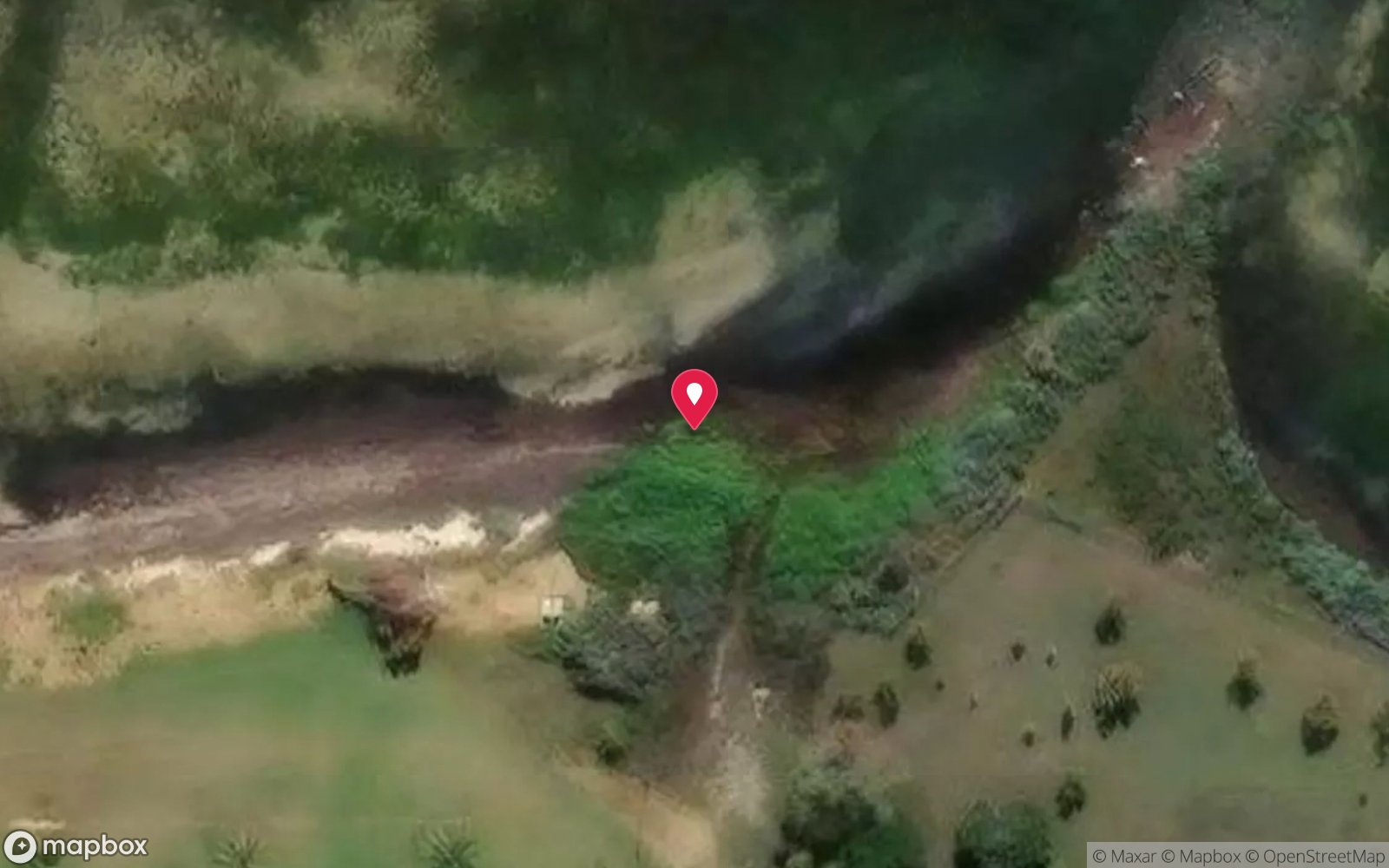
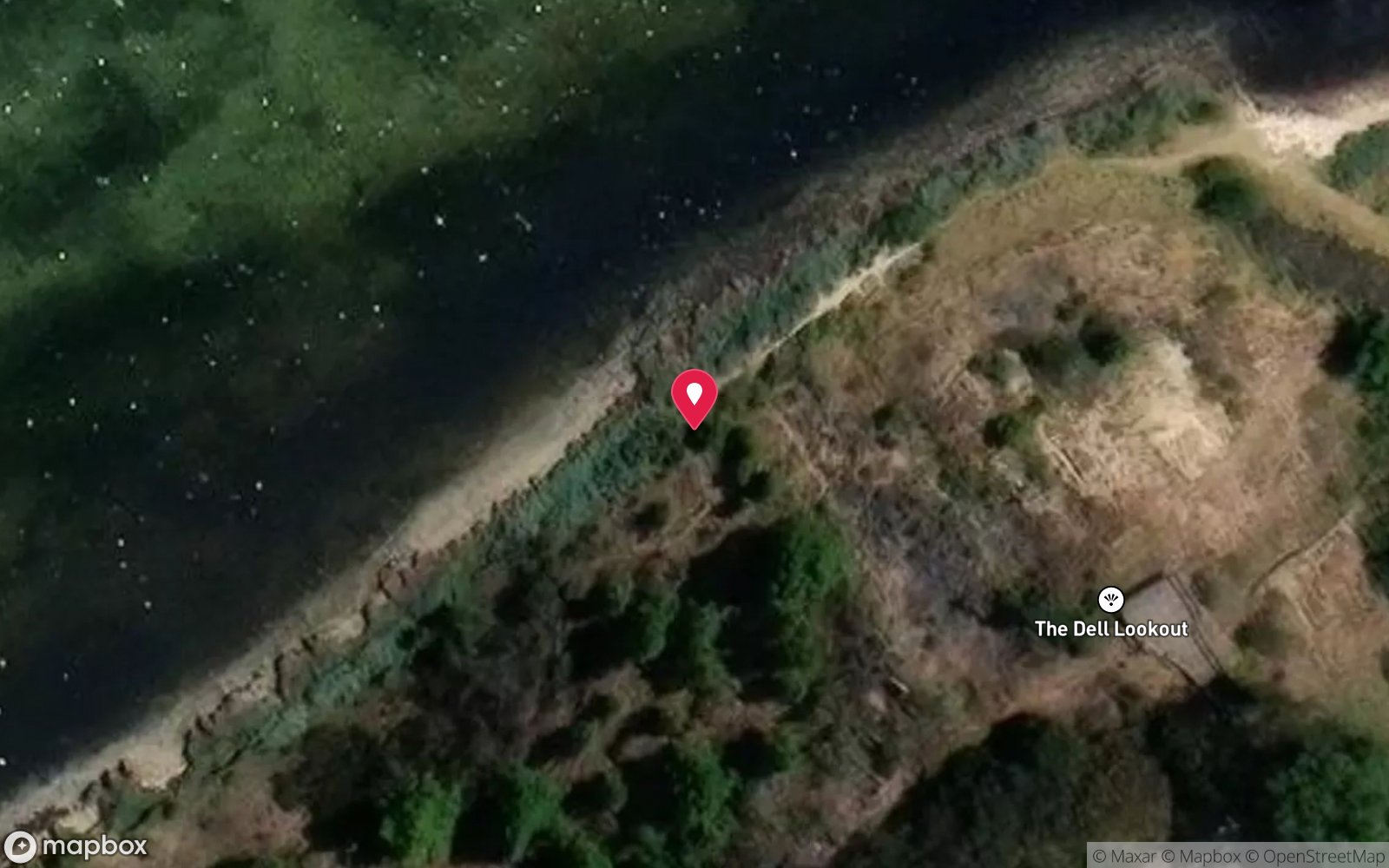
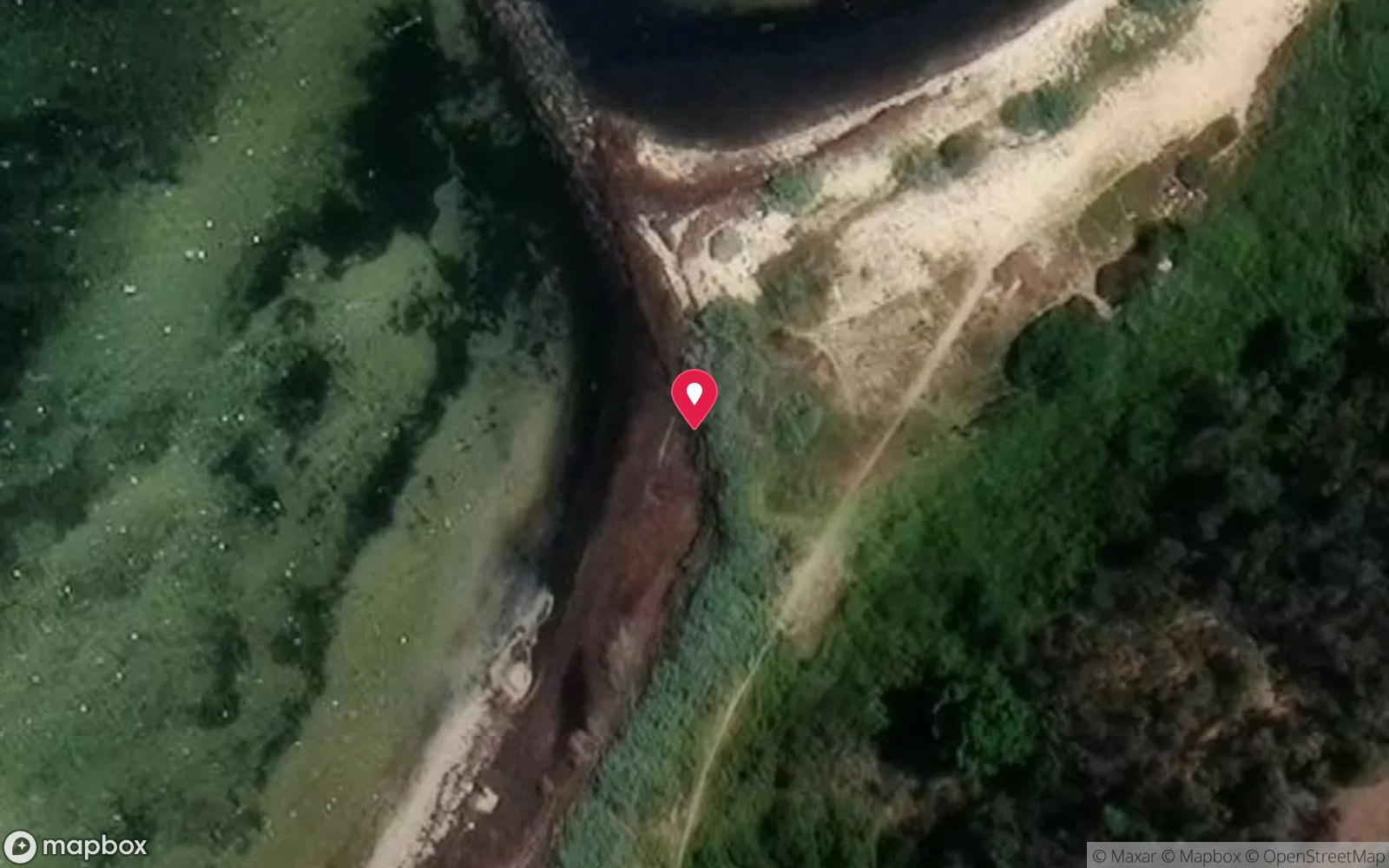
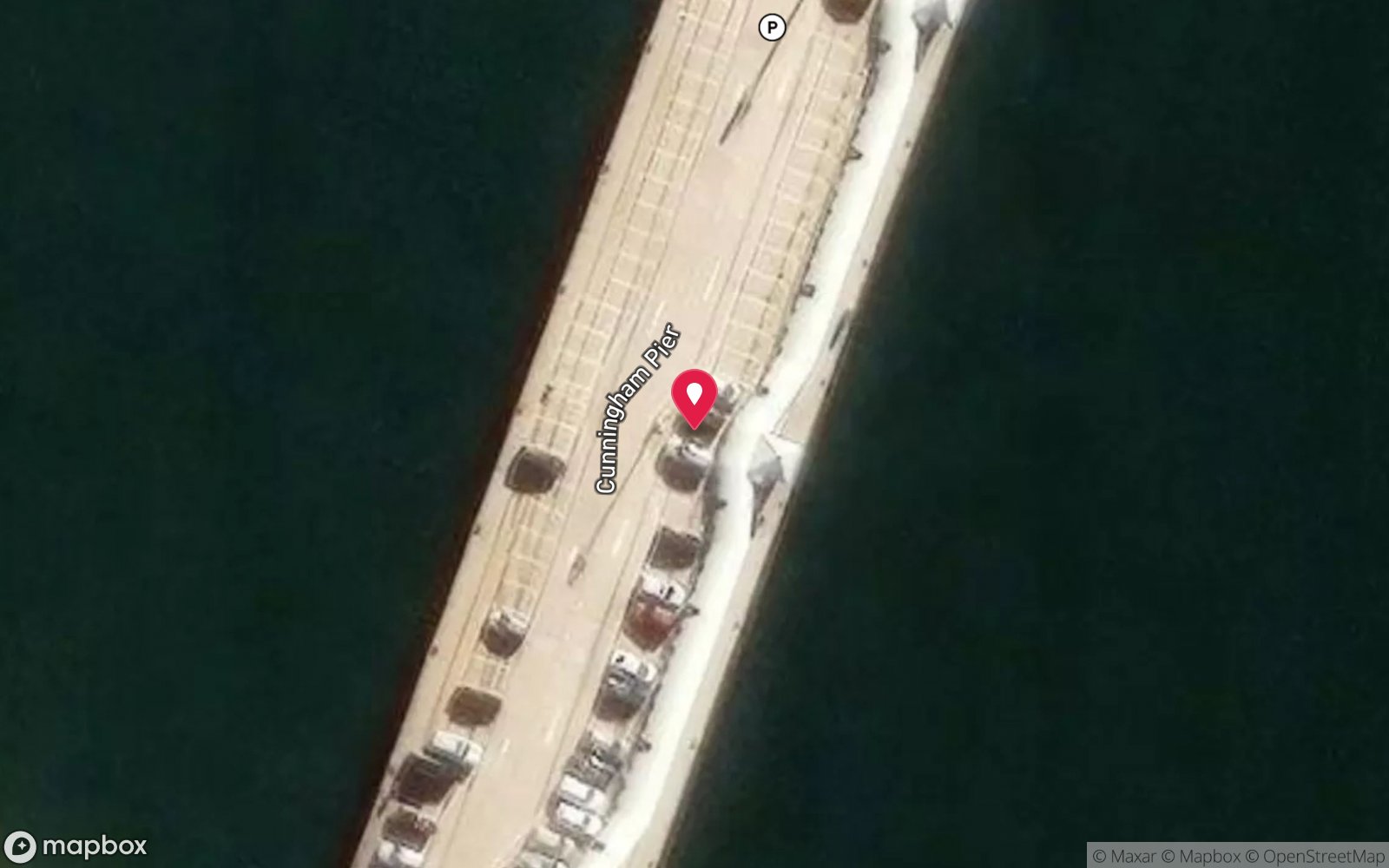
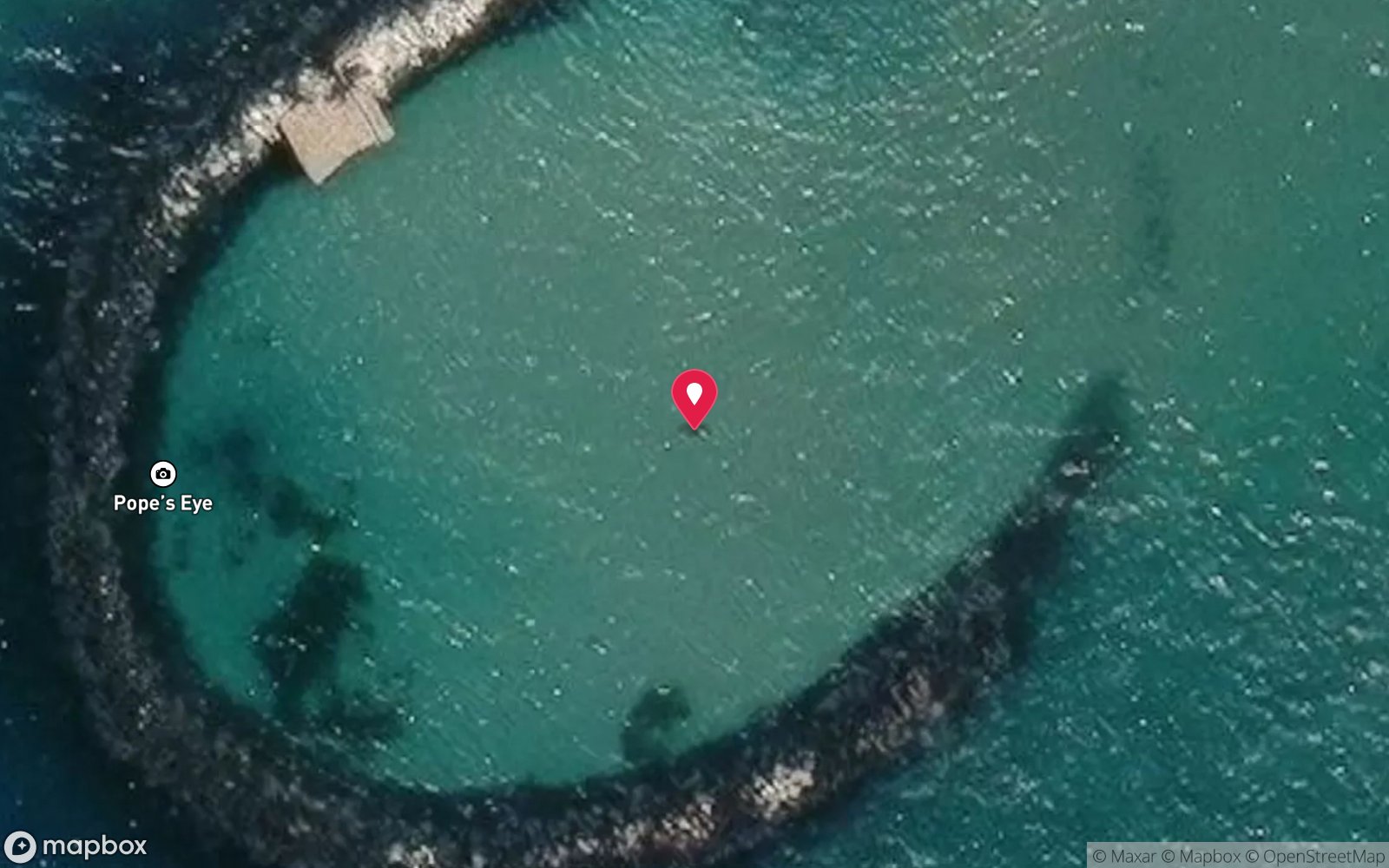
Satellite views
Wilson Spit Shellfish Reef: frequently asked questions
How deep is Wilson Spit Shellfish Reef?
Wilson Spit Shellfish Reef reaches a maximum depth of 9 m, with the shallowest part at about 8 m; most of the dive is spent around 9 m.
What certification do I need to dive Wilson Spit Shellfish Reef?
Open Water is the recommended minimum. Rated beginner: sheltered, shallow and manageable for a newly certified diver on a normal day, though note boat traffic overhead and cold water.
Can I shore dive Wilson Spit Shellfish Reef?
No, it is reached by boat (about 25 minutes). A dive centre is required: boat access only.
When is the best time to dive Wilson Spit Shellfish Reef?
Year-round; autumn (March-May) usually gives the calmest water and best visibility.
What marine life will I see at Wilson Spit Shellfish Reef?
Regularly recorded: Native flat oysters, blue mussels, ascidians, sponges, hydroids, snapper, leatherjackets, wrasse, gobies, blennies, cuttlefish, flathead and more.
What wetsuit do I need at Wilson Spit Shellfish Reef?
7 mm wetsuit or semi-dry with hood and gloves in summer; drysuit or 7 mm semi-dry with hood in winter.
How cold is the water at Wilson Spit Shellfish Reef?
Typically 18-21 °C in summer and 10-13 °C in winter.
What are the main hazards at Wilson Spit Shellfish Reef?
Unmarked; adjacent shipping channel and Wilson Spit shoal; fishing line; no shelter; poor visibility; do not take or disturb shellfish. See the hazards section above for the full list.
Where is the nearest recompression chamber to Wilson Spit Shellfish Reef?
The Alfred Hospital Hyperbaric Service (Melbourne). In an emergency call 000, then DAN Asia-Pacific on 1800 088 200.
Diving in Geelong & Bellarine
The Bellarine side of Port Phillip has Queenscliff and the Heads charters on its doorstep, plus gentler shore diving at Portarlington, St Leonards and Clifton Springs piers, Point Lonsdale's reefs and the Ozone paddle steamer wreck off Indented Head.
Getting there: An hour from Melbourne. Pier shore dives with parking; charters from Queenscliff.
All Geelong & Bellarine dive sites and a suggested itinerary →
Sources
- scubadoctor.com.au/divesite.htm?site=Wilson-Spit-Shellfish-Reef
- scubadoctor.com.au/divesite.htm?site=Moolap-Reef
Data confidence: Medium. Last updated September 2026. Know this site better? How to send a correction
Nearby dive sites
More artificial reef dives in Victoria
Explore more