Dive slate · divesites.com.au · printed 9 Nov 2026
Blue Lagoon (Lizard Island)
Ribbon Reefs & Lizard Island, Queensland · near Lizard Island (resort/airstrip); Cooktown mainland
| Depth | 0.5–5 m |
|---|---|
| Minimum level | Snorkel/Any |
| Difficulty | Beginner |
| Access | Shore |
| Entry | Beach entry at the end of the Blue Lagoon walking track |
| Current | Mild |
| Visibility | 5-15 m |
| Water | summer 28-30 °C, winter 23-25 °C |
| Suit | 3 mm full wetsuit or stinger suit plus shorty in summer; 5 mm full suit in winter (June–August); full-length lycra/stinger suit essential November–May |
| Best season | September–December for lighter winds and best visibility; June–July for dwarf minke whales on the ribbon reefs; avoid peak trade-wind days (June–August) for outer-reef crossings |
| Bottom time | 45 min |
| Position | not published |
| Permit | Great Barrier Reef Marine Park – Lizard Island waters are largely Marine National Park (Green) zone; camping permit required from Queensland Parks for Watsons Bay; motorised watersports prohibited around the island. |
| Nearest chamber | Townsville University Hospital (Townsville) |
| Emergency | 000 · DAN Asia-Pacific diving emergency 1800 088 200 |
Blue Lagoon (Lizard Island)
Calm, shallow lagoon with layered coral, reached by a short walking track.
Near Lizard Island (resort/airstrip); Cooktown mainland · Ribbon Reefs & Lizard Island, Queensland
- Depth
- 0.5–5 m
- Minimum level
- Snorkel/Any
- Access
- Shore
- Boat ride
- Shore entry
- Water
- 28-30 °C
- Visibility
- 5-15 m
Blue Lagoon (Lizard Island)0.5–5 m · Snorkel/Any · Shore
Dive factsDepths, conditions, location & safety
Season
In season nowBest months: June, July, August, September, October, November, December.
September–December for lighter winds and best visibility; June–July for dwarf minke whales on the ribbon reefs; avoid peak trade-wind days (June–August) for outer-reef crossings
- Best months
- Now (November)
- Stinger suit Nov–May
Dive facts
- Depth
- 0.5–5 m
- Typical depth
- 2 m
- Certification
- Snorkel/Any
- Difficulty
- Beginner
- Depth tier
- Easy (0–10 m)
- Access
- Shore
- Offshore
- 0 km
- Dive centre needed
- No – independently diveable
- Shore / independent
- Yes
- Current
- Mild
- Visibility
- 5-15 m
- Water temp (summer)
- 28-30 °C
- Water temp (winter)
- 23-25 °C
- Water
- Tropical
- Bottom time
- 45 min
- Dive traffic
- Moderate (occasional charters/club dives)
- Night dive
- No
- Snorkel friendly
- Yes
Exposure suit
3 mm full wetsuit or stinger suit plus shorty in summer; 5 mm full suit in winter (June–August); full-length lycra/stinger suit essential November–May
Location
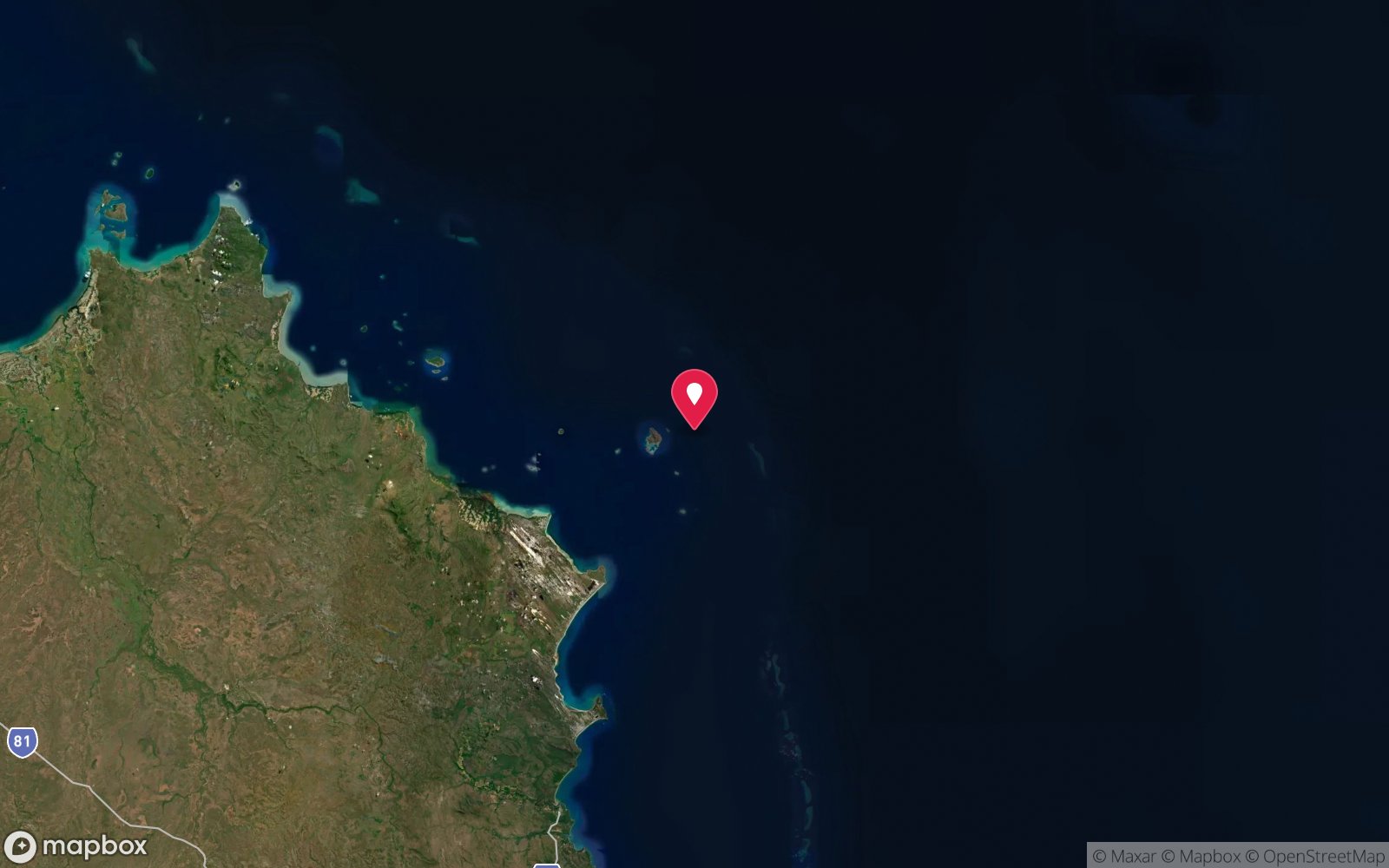
Lizard Island – Blue Lagoon · Lizard Island & Northern Great Barrier Reef
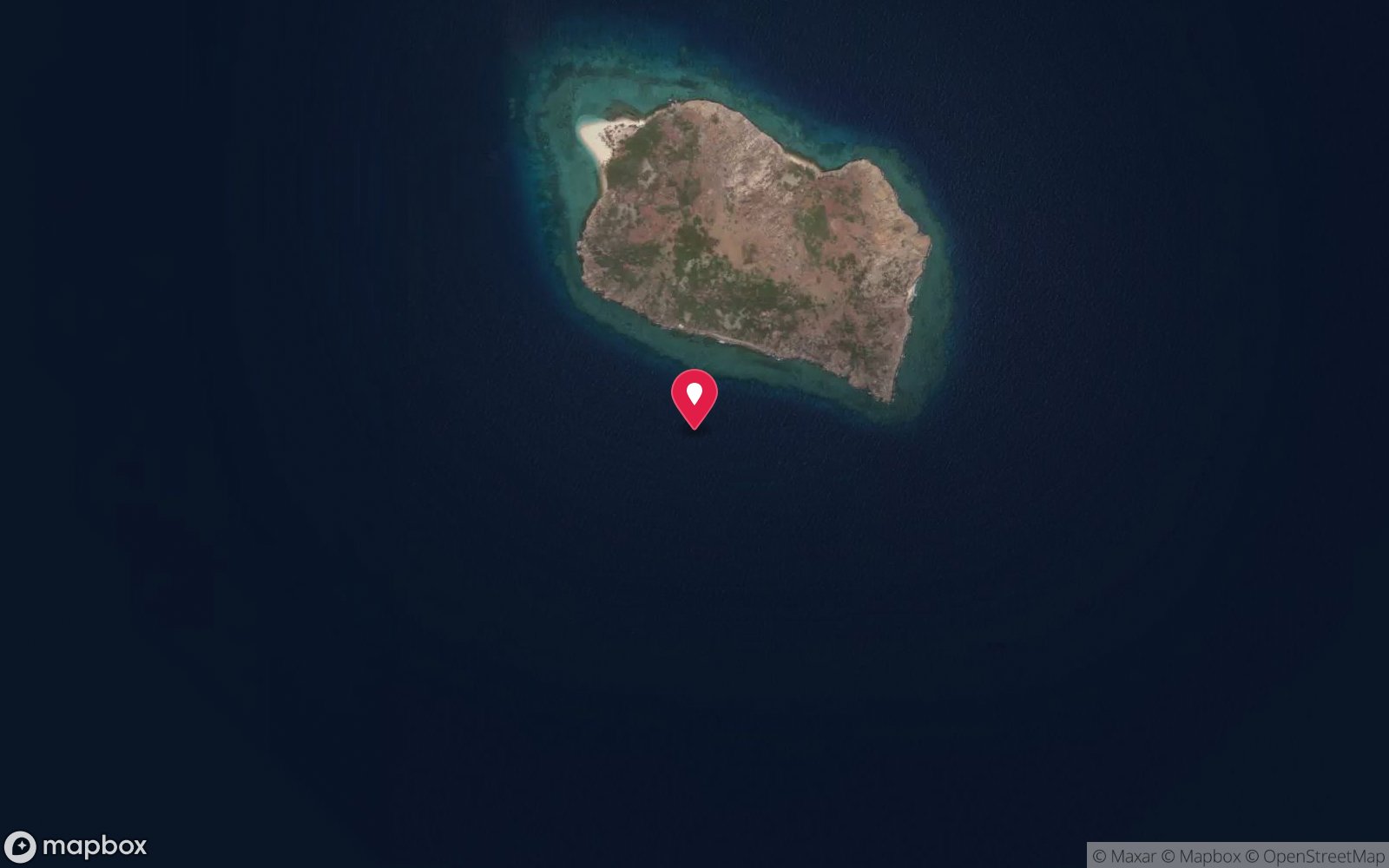
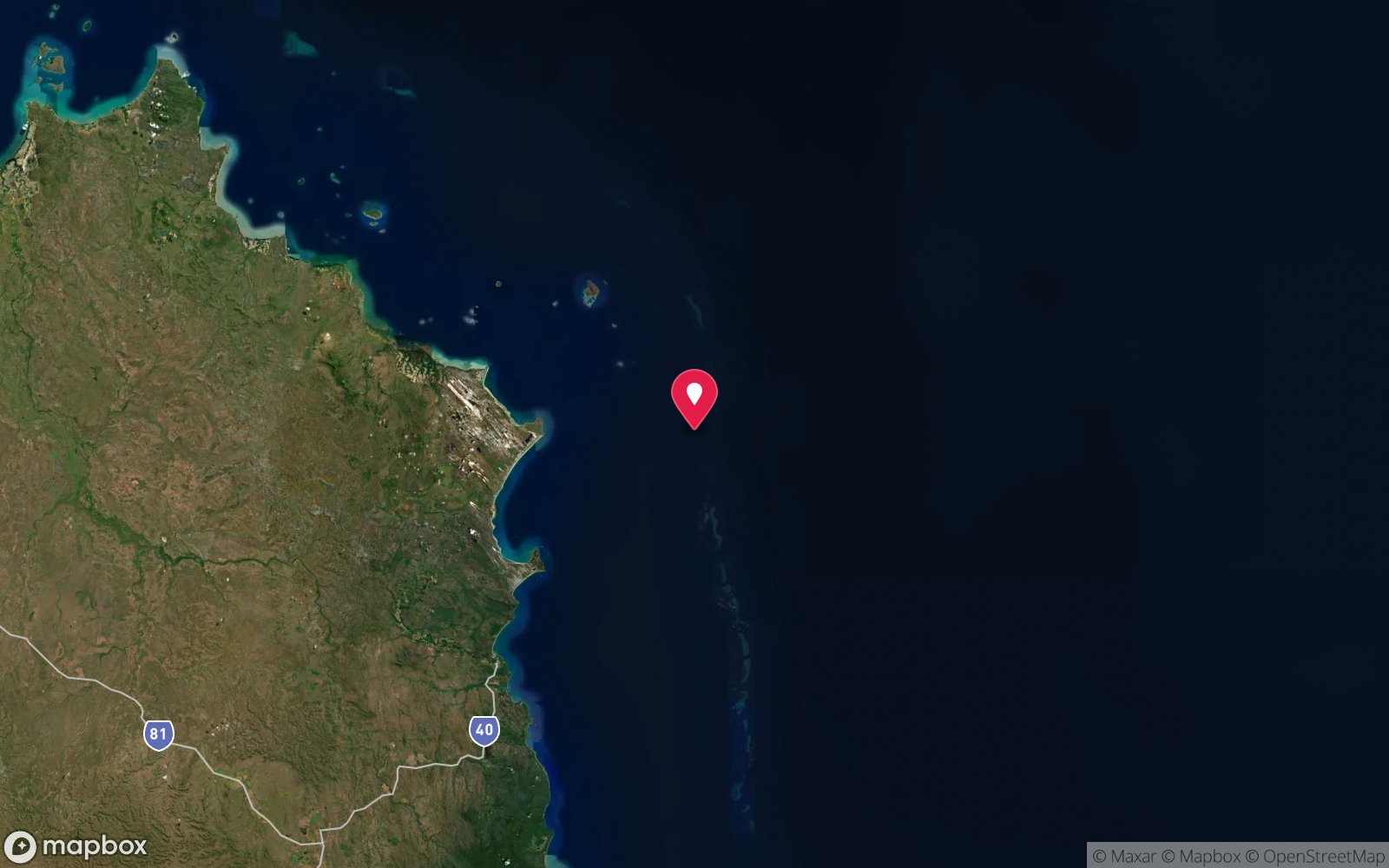
No published coordinates. The map above shows the general area, estimated from other documented sites near Lizard Island ; Cooktown Mainland.
Primary source: parks.qld.gov.auMarine park & permits
Great Barrier Reef Marine Park – Lizard Island waters are largely Marine National Park (Green) zone; camping permit required from Queensland Parks for Watsons Bay; motorised watersports prohibited around the island.
Nearest recompression chamber
Townsville University Hospital (Townsville)
Diving emergency: call 000, then DAN AP 1800 088 200.
Trip planner
Build a trip around Blue Lagoon (Lizard Island) →
A day-by-day plan for Ribbon Reefs & Lizard Island with this site locked in.
This guide is a planning aid. Conditions change daily — confirm with a local dive centre and dive within your training. Data & safety notes.
Dive profile
How this site rates
Scores are computed from the recorded data, not opinions. How?
At a glance
Blue Lagoon (Lizard Island) is a reef shore dive you can do independently in Ribbon Reefs & Lizard Island, QLD, 0.5–5 m, suitable for snorkellers and first-time divers.
Rated beginner: sheltered, shallow and manageable for a newly certified diver on a normal day.
Why dive here
- Calm, shallow lagoon with layered coral, reached by a short walking track.
- Snorkel-friendly, so non-diving companions can join at the surface.
Conditions to avoid
- Strong southerly or south-east swell and wind
- Cyclone season (roughly December–April)
- Stinger season without a full suit (November–May)
About Blue Lagoon (Lizard Island)
The Blue Lagoon on Lizard Island is a shallow, sheltered body of water that Queensland Parks describes as offering layered coral formations and sandy patches – one of the two primary snorkelling destinations the park highlights, alongside the Clam Gardens. It is reached on foot by the Blue Lagoon walking track, which Spirit of Freedom's island guide lists as 455 m return and about 40 minutes. The lagoon is protected from waves by the surrounding islands and reef, so the water is usually calm.
Coral grows in layers – tiers of plate and branching corals – separated by patches of white sand that give the lagoon its blue colour. Reef fish shelter among the corals, and turtles, rays and small reef sharks may wander in. Giant clams also occur in the lagoon area.
The shallow depth makes the Blue Lagoon ideal for snorkellers, including families. Scuba divers would find it too shallow for a conventional dive, but it is suitable for a relaxed shore snorkel. As with other Lizard Island sites, tidal state matters: at low tide parts of the lagoon may be very shallow, so plan for mid to high tide.
Queensland Parks warns visitors to be aware of wind and currents, and to ask at the resort's watersports centre if in doubt. Stingers and crocodiles are also possible. Depths and exact coordinates are not published.
The Blue Lagoon is a quieter alternative to Watsons Bay and a good spot for those who enjoy combining a short walk with a snorkel. Its name is shared with sites at Agincourt, Opal and Thetford reefs, so be specific when discussing it with operators.
Getting there & entry
A shallow, sheltered lagoon on Lizard Island enclosed by the island and its neighbouring islets, with layered coral and sandy patches.
Lizard Island lies about 27 km off the Cape York coast and roughly 240 km north of Cairns. Most visitors fly: resort guests take the scheduled light-aircraft transfer from Cairns (about 1 hour) to the island airstrip, and campers can charter flights or arrive by private boat. There is no public ferry.
The dive and snorkel sites are reached by the Lizard Island Resort dive centre's boats (reserved for resort guests) or by liveaboards – Spirit of Freedom uses Lizard as the fly-in/fly-out changeover point for its 3- and 4-night trips, and Mike Ball's Spoilsport visits on Cairns-based expeditions. Campers at Watsons Bay must carry gear about 1.2 km from the airstrip and bring all supplies.
Entry: Beach entry at the end of the Blue Lagoon walking track
Facilities: Lizard Island Resort (guests only) – dive centre, gear hire, air fills; Queensland Parks camping ground at Watsons Bay with toilets, picnic tables and a hand-pumped freshwater supply; no shop or fuel for visitors.
Weather, swell & tides
Lizard Island sits in the path of the south-east trade winds, which blow strongly (often 20–30 knots) from about April to September. The island's western and northern bays (Watsons Bay, Mermaid Cove, Anchor Bay) are sheltered, but open-water crossings to the outer ribbon reefs (Cod Hole, Dynamite Passage, No Name) can be rough and are cancelled in strong winds. October–December usually brings lighter winds and the clearest water; the wet season (December–April) brings northerly winds, storms, cyclone risk and marine stingers (November–May).
Tides are significant – shallow bay snorkelling (e.g. Clam Gardens) is best around high tide. Visibility around the island is typically 10–20 m; the outer ribbon reefs often exceed 25 m.
Best season: September–December for lighter winds and best visibility; June–July for dwarf minke whales on the ribbon reefs; avoid peak trade-wind days (June–August) for outer-reef crossings
How the dive is usually run
Walk the Blue Lagoon track (455 m return), enter from the beach near high tide and snorkel over the layered coral and sand patches in 1–3 m, staying inside the lagoon and away from any channels where the tide runs.
Marine life
- Plate and branching corals
- reef fish
- giant clams
- turtles →
- rays
- small reef sharks →
Linked species have their own page listing every site where they are recorded. All marine life →
Training required
Shallow enough for snorkellers and for a first dive under supervision. Any certified diver can dive it.
Depth tiers: 0–10 m easy · to 18 m Open Water · 18–30 m Advanced (25 m+ is a deep dive) · 30–40 m Deep specialty · 40 m+ technical. All courses
Hazards & warnings
Marine stingers (box jellyfish and Irukandji) are present November–May – wear a full-length stinger suit; Estuarine crocodiles can turn up anywhere in croc country, including Lizard Island's bays (Queensland Parks warning) – be croc-wise, avoid dusk/night swims near the shore and report sightings; very shallow at low tide; tidal currents in channels – check with the resort watersports centre if unsure.
Dive centres that go here
No operator required – reached on foot by the Blue Lagoon track from the resort/airstrip area; resort guests may also be taken by boat.
Operators recorded for Blue Lagoon (Lizard Island)
Mike Ball Dive Expeditions
ListedCairns · Cairns · QLD
A long-running expedition liveaboard operation associated with Ribbon Reefs and Coral Sea itineraries, including minke whale season trips.
mikeball.com · (07) 4053 0500
Spirit of Freedom
ListedCairns · Cairns · QLD
An expedition liveaboard associated with Ribbon Reefs, Osprey Reef and Coral Sea itineraries.
spiritoffreedom.com.au · (07) 4047 9150
Lizard Island Resort
Named by sitesLizard Island · Ribbon Reefs & Lizard Island · QLD
Luxury resort (Delaware North); resort phone (07) 4043 1999.
lizardisland.com.au · 1800 867 169
Other dive centres in Ribbon Reefs & Lizard Island
Passions of Paradise
ListedCairns · Cairns · QLD
A Cairns sailing catamaran day trip combining reef diving and snorkelling.
passions.com.au · (07) 4041 1600
Divers Den
ListedCairns · Cairns · QLD
A Cairns operation running both day-boat and liveaboard products alongside a training business and retail presence.
diversden.com.au · (07) 4046 7333
Down Under Cruise & Dive
ListedCairns · Cairns · QLD
A Cairns day-boat operator offering reef diving, snorkelling and introductory diving.
downundercruiseanddive.com.au · (07) 4052 8300
Reef Encounter
ListedCairns · Cairns · QLD
A Cairns-based liveaboard vessel offering multi-day reef stays with day-boat transfers.
reefencounter.com.au · (07) 4037 2700
Pro Dive Cairns
ListedCairns · Cairns · QLD
A long-established Cairns operation best known for multi-day liveaboard certification trips that combine Open Water training with outer Great Barrier Reef diving.
prodivecairns.com · (07) 4031 5255
Ocean Free & Ocean Freedom
ListedCairns · Cairns · QLD
Small-vessel Cairns day trips, positioned around lower passenger numbers than the large reef catamarans.
oceanfree.com.au · (07) 4052 1111
General area
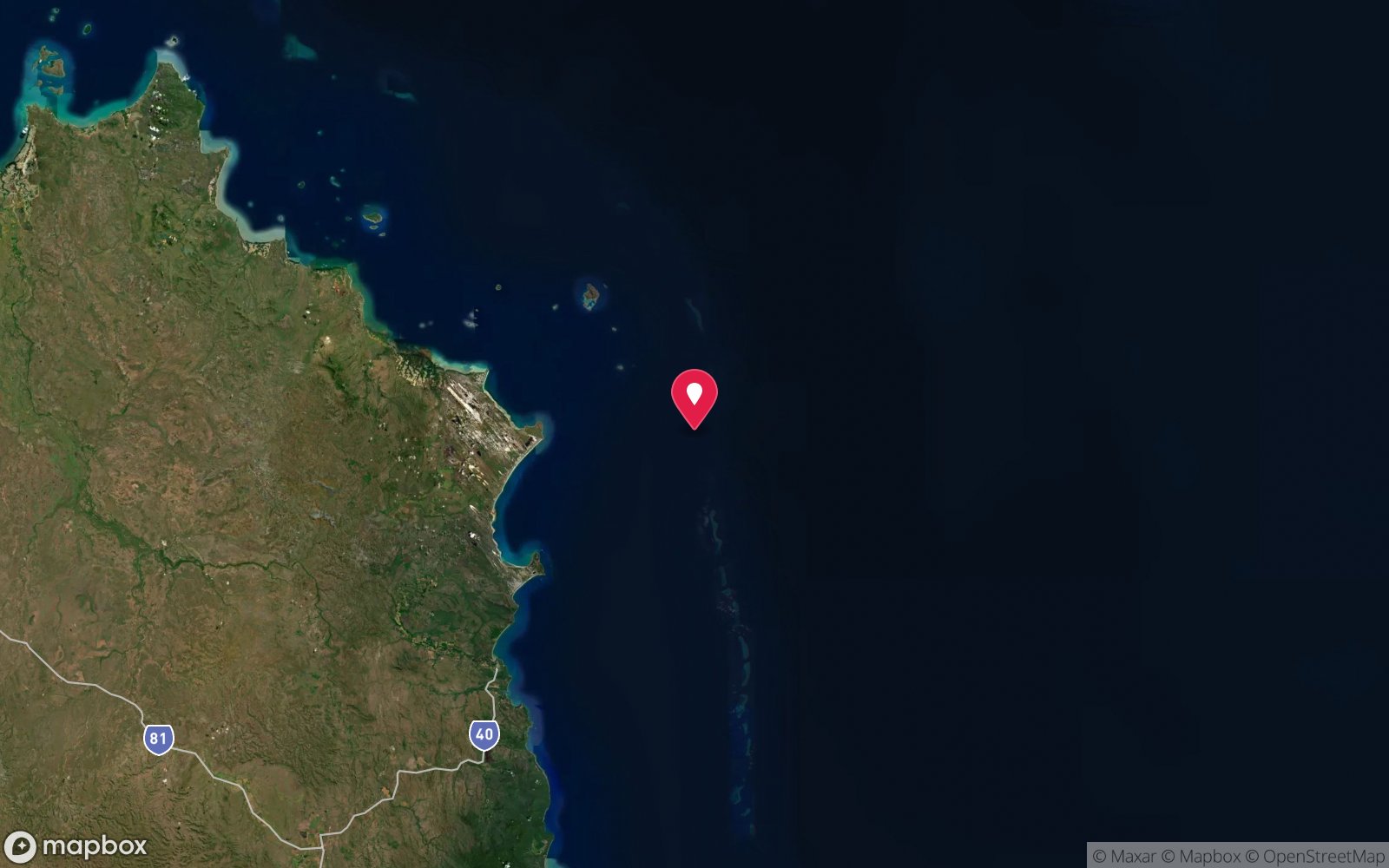
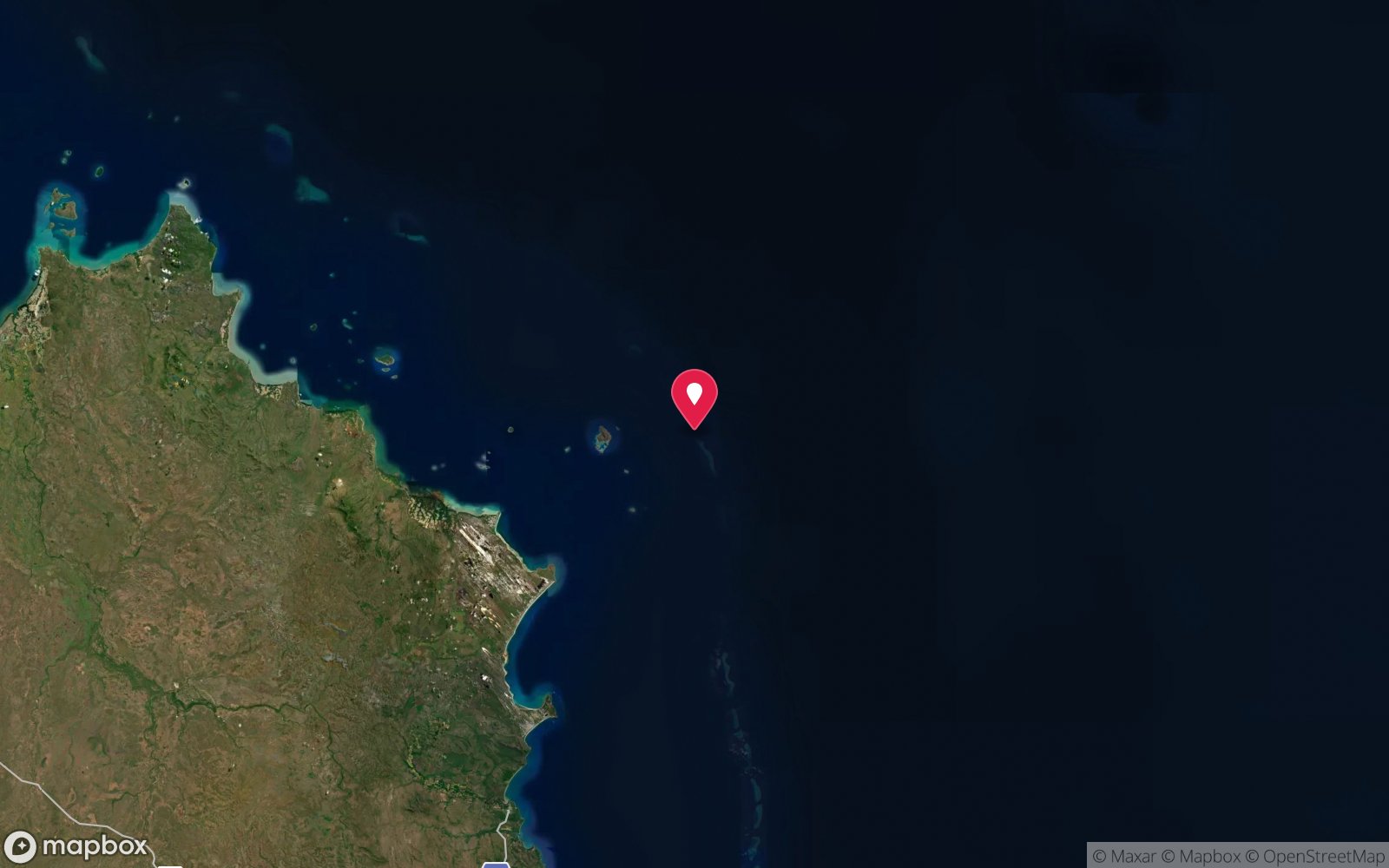
No position has been published for Blue Lagoon (Lizard Island). The circle shows where it is likely to be, worked out from other documented sites near Lizard Island ; Cooktown Mainland. Ask a local operator for the exact site.
Dashed circle: general area (about 12 km), from other documented sites near Lizard Island ; Cooktown Mainland. 6 pinned sites. Pins marked approximate on their pages show the general area only; not for navigation.
Blue Lagoon (Lizard Island): frequently asked questions
How deep is Blue Lagoon (Lizard Island)?
Blue Lagoon (Lizard Island) reaches a maximum depth of 5 m, with the shallowest part at about 0.5 m; most of the dive is spent around 2 m.
What certification do I need to dive Blue Lagoon (Lizard Island)?
No certification is needed to snorkel it, and it suits introductory dives. Rated beginner: sheltered, shallow and manageable for a newly certified diver on a normal day.
Can I shore dive Blue Lagoon (Lizard Island)?
Yes. Blue Lagoon (Lizard Island) is a shore dive that can be done independently: beach entry at the end of the Blue Lagoon walking track.
When is the best time to dive Blue Lagoon (Lizard Island)?
September–December for lighter winds and best visibility; June–July for dwarf minke whales on the ribbon reefs; avoid peak trade-wind days (June–August) for outer-reef crossings.
What marine life will I see at Blue Lagoon (Lizard Island)?
Regularly recorded: Plate and branching corals, reef fish, giant clams, turtles, rays, small reef sharks.
What wetsuit do I need at Blue Lagoon (Lizard Island)?
3 mm full wetsuit or stinger suit plus shorty in summer; 5 mm full suit in winter (June–August); full-length lycra/stinger suit essential November–May.
How cold is the water at Blue Lagoon (Lizard Island)?
Typically 28-30 °C in summer and 23-25 °C in winter.
What are the main hazards at Blue Lagoon (Lizard Island)?
Marine stingers (box jellyfish and Irukandji) are present November–May – wear a full-length stinger suit; Estuarine crocodiles can turn up anywhere in croc country, including Lizard Island's bays (Queensland Parks warning) – be croc-wise, avoid dusk/night swims near the shore and report sightings; very shallow at low tide; tidal currents in channels – check with the resort watersports centre if unsure. See the hazards section above for the full list.
Where is the nearest recompression chamber to Blue Lagoon (Lizard Island)?
Townsville University Hospital (Townsville). In an emergency call 000, then DAN Asia-Pacific on 1800 088 200.
Diving in Ribbon Reefs & Lizard Island
The Ribbon Reefs are ten long, narrow reefs on the edge of the shelf north of Cairns, reached by liveaboard. They hold the Great Barrier Reef's most famous sites: the Cod Hole and its potato cod, Steve's Bommie's single fish-covered pinnacle, Pixie Pinnacle, the Lighthouse Bommie and Challenger Bay, with dwarf minke whales joining divers in June and July. Lizard Island, a national park with a research station and a resort, sits at the northern end.
Getting there: Three- to seven-night liveaboards from Cairns and Port Douglas, often with a low-level flight back from Lizard Island. Lizard Island resort guests can dive locally.
All Ribbon Reefs & Lizard Island dive sites and a suggested itinerary →
Sources
Data confidence: Medium · Being verified: Depths and coordinates not published.. Last updated September 2026. Know this site better? How to send a correction
Nearby dive sites
More shore dives in Queensland
Explore more
This region