Dive slate · divesites.com.au · printed 9 Nov 2026
East Woody Island
East Arnhem Land & Gove, Northern Territory · near Nhulunbuy
| Depth | Depth not published |
|---|---|
| Minimum level | Snorkel/Any |
| Difficulty | Intermediate |
| Access | Shore or Boat |
| Entry | Wade from the sand spit or beach; or boat from Melville Bay |
| Current | Variable/Tidal |
| Visibility | 2-10 m |
| Water | summer 29-31 °C, winter 24-26 °C |
| Suit | 3 mm wetsuit or full lycra; full-length stinger suit October-May |
| Best season | April-November for calm mornings and clearest water; the Gulf side is often diveable in the wet season but inshore sites lose visibility after rain |
| Bottom time | 45 min |
| Position | -12.16139, 136.75111 (GPS) |
| Permit | Dhimurru On-Country Pass required (Dhamitjinya is a listed Dhimurru recreation area). |
| Nearest chamber | Royal Darwin Hospital hyperbaric medicine unit (Tiwi, Darwin) – aeromedical evacuation from Gove District Hospital (Nhulunbuy) |
| Emergency | 000 · DAN Asia-Pacific diving emergency 1800 088 200 |
East Woody Island
Also known as Dhamitjinya
The easiest shore-access island near Nhulunbuy, joined to the mainland by a sand spit – a short snorkel option for calm dry-season days.
Near Nhulunbuy · East Arnhem Land & Gove, Northern Territory
- Depth
- Depth not published
- Minimum level
- Snorkel/Any
- Access
- Shore or Boat
- Boat ride
- —
- Water
- 29-31 °C
- Visibility
- 2-10 m
East Woody IslandDepth not published · Snorkel/Any · Shore
Dive factsDepths, conditions, location & safety
Season
In season nowBest months: year-round.
April-November for calm mornings and clearest water; the Gulf side is often diveable in the wet season but inshore sites lose visibility after rain
- Best months
- Now (November)
- Stinger suit Nov–May
Dive facts
- Depth
- Depth not published
- Typical depth
- 4 m
- Certification
- Snorkel/Any
- Difficulty
- Intermediate
- Access
- Shore or Boat
- Dive centre needed
- No – independently diveable
- Shore / independent
- Possible (experienced only)
- Current
- Variable/Tidal
- Visibility
- 2-10 m
- Water temp (summer)
- 29-31 °C
- Water temp (winter)
- 24-26 °C
- Water
- Tropical
- Bottom time
- 45 min
- Dive traffic
- Rarely dived (private boat/club only)
- Night dive
- No
- Snorkel friendly
- Partial
Exposure suit
3 mm wetsuit or full lycra; full-length stinger suit October-May
Location
Nhulunbuy coast · Gove Peninsula / East Arnhem Land
-12.16139, 136.75111
Published GPS position.
Open in Google MapsPrimary source: en.wikipedia.orgMarine park & permits
Dhimurru On-Country Pass required (Dhamitjinya is a listed Dhimurru recreation area).
Nearest recompression chamber
Royal Darwin Hospital hyperbaric medicine unit (Tiwi, Darwin) – aeromedical evacuation from Gove District Hospital (Nhulunbuy)
Diving emergency: call 000, then DAN AP 1800 088 200.
Trip planner
Build a trip around East Woody Island →
A day-by-day plan for East Arnhem Land & Gove with this site locked in.
This guide is a planning aid. Conditions change daily — confirm with a local dive centre and dive within your training. Data & safety notes.
Dive profile
How this site rates
Scores are computed from the recorded data, not opinions. How?
At a glance
East Woody Island is a island shore dive for experienced divers in East Arnhem Land & Gove, NT, suitable for snorkellers and first-time divers, variable/tidal current.
Rated intermediate because of tidal current that must be timed.
Why dive here
- The easiest shore-access island near Nhulunbuy, joined to the mainland by a sand spit – a short snorkel option for calm dry-season days.
- Rarely dived: expect to have the site to yourself, and plan your own logistics.
Conditions to avoid
- Strong southerly or south-east swell and wind
- Outgoing tide or run-off after rain (poor visibility)
- Any time other than slack water
- Cyclone season (roughly December–April)
- Stinger season without a full suit (November–May)
About East Woody Island
East Woody Island – Dhamitjinya in Yolŋu Matha – is a small, uninhabited island just north of Nhulunbuy, joined to the mainland by a sand spit. It is one of the recreation sites managed by Dhimurru Aboriginal Corporation and is a favourite place for Nhulunbuy residents to walk, fish and picnic.
It is included here as the most accessible shore-based marine site near town rather than as an established dive. No dive-specific description has been published. From the coast's geography, expect rocky shore and boulders around the island grading to sand and patches of coral and seagrass in shallow water, with reef fish such as damselfish, wrasse, parrotfish and small cod among the rocks, and turtles and rays over the sand.
The big caveat is safety. Local tourism guidance for Nhulunbuy is blunt: do not swim in rivers, creeks or at beaches, because saltwater crocodiles and box jellyfish are both present. Any snorkel or shore dive at East Woody Island should only be considered in the dry season (outside peak stinger months), in clear water, with a lookout on shore and a quick exit plan.
For visiting divers the island's value is mostly as a scenic, easily reached coastal spot for a short look at shallow marine life while waiting for boat weather. Serious diving around Gove is done offshore at Bremer, Bromby and the other islands. Dhimurru permits must be carried. The spit and surrounding shallows are also a popular fishing spot, so watch for anglers' lines around the rocks.
Getting there & entry
Small island connected to the mainland by a sand spit just north of Nhulunbuy (12°09'41"S 136°45'04"E), within the Dhimurru recreation area.
East Woody Island (Dhamitjinya) is a few minutes' drive from Nhulunbuy along the coast road to the East Woody beach area; the island is joined to the mainland by a sand spit that can be walked at lower tides. A Dhimurru On-Country Pass is required. Park at the beach access, carry gear across the sand and enter from the spit or rocks.
Boats can also reach the island from the Gove Boat Club ramp.
Entry: Wade from the sand spit or beach; or boat from Melville Bay
Facilities: Parking at the beach access; no facilities on the island. Nhulunbuy services a few minutes away.
Weather, swell & tides
The Gove Peninsula sits at the north-west corner of the Gulf of Carpentaria, and tidal ranges here are much smaller than at Darwin (roughly 2–3 m), so diving is less tide-bound – but slack water still matters at channel and point sites. From April to September the south-east trade wind blows hard (often 15–25 knots), making the exposed east-facing coast and offshore islands rough by late morning; early starts and sites in the lee of islands are the norm. The build-up and early wet (October–December) bring glassy calm days and the best visibility.
In the wet season (December–March) the Gulf side is often still diveable, but inshore sites lose visibility after rain, cyclones are possible and box jellyfish are present.
Best season: April-November for calm mornings and clearest water; the Gulf side is often diveable in the wet season but inshore sites lose visibility after rain
If it's blown out
Sheltered or shore sites within 25 km that often work when East Woody Island doesn't.
- Gove Town Wharf · 9 km · Max 16 m
How the dive is usually run
Only in calm, clear conditions outside stinger season: enter from the spit on a rising tide, snorkel or dive the rocky fringe of the island at 2–6 m keeping close to shore, and exit where you entered. Always dive with a spotter on shore watching for crocodiles.
Marine life
- Reef fish (damselfish, wrasse, parrotfish)
- small cod
- turtles →
- rays
- seagrass
- patch corals (inferred – unverified)
Linked species have their own page listing every site where they are recorded. All marine life →
Training required
Depth tiers: 0–10 m easy · to 18 m Open Water · 18–30 m Advanced (25 m+ is a deep dive) · 30–40 m Deep specialty · 40 m+ technical. All courses
Hazards & warnings
Saltwater crocodiles – local advice is not to swim at Gove beaches; have a shore lookout and minimise time in the water. Box jellyfish and Irukandji (highest risk October–May). Tidal currents around the spit.
Remote from the chamber.
Dive centres that go here
Gove Diving & Fishing Charters (Nhulunbuy, ph 08 8987 3445) has provided air fills, gear hire, courses and boat trips to the offshore islands; confirm current operation before travelling. Otherwise private boats from the Gove Boat Club ramp, and local residents' informal dive groups.
Operators recorded for East Woody Island
Map
7 pinned sites. Pins marked approximate on their pages show the general area only; not for navigation.
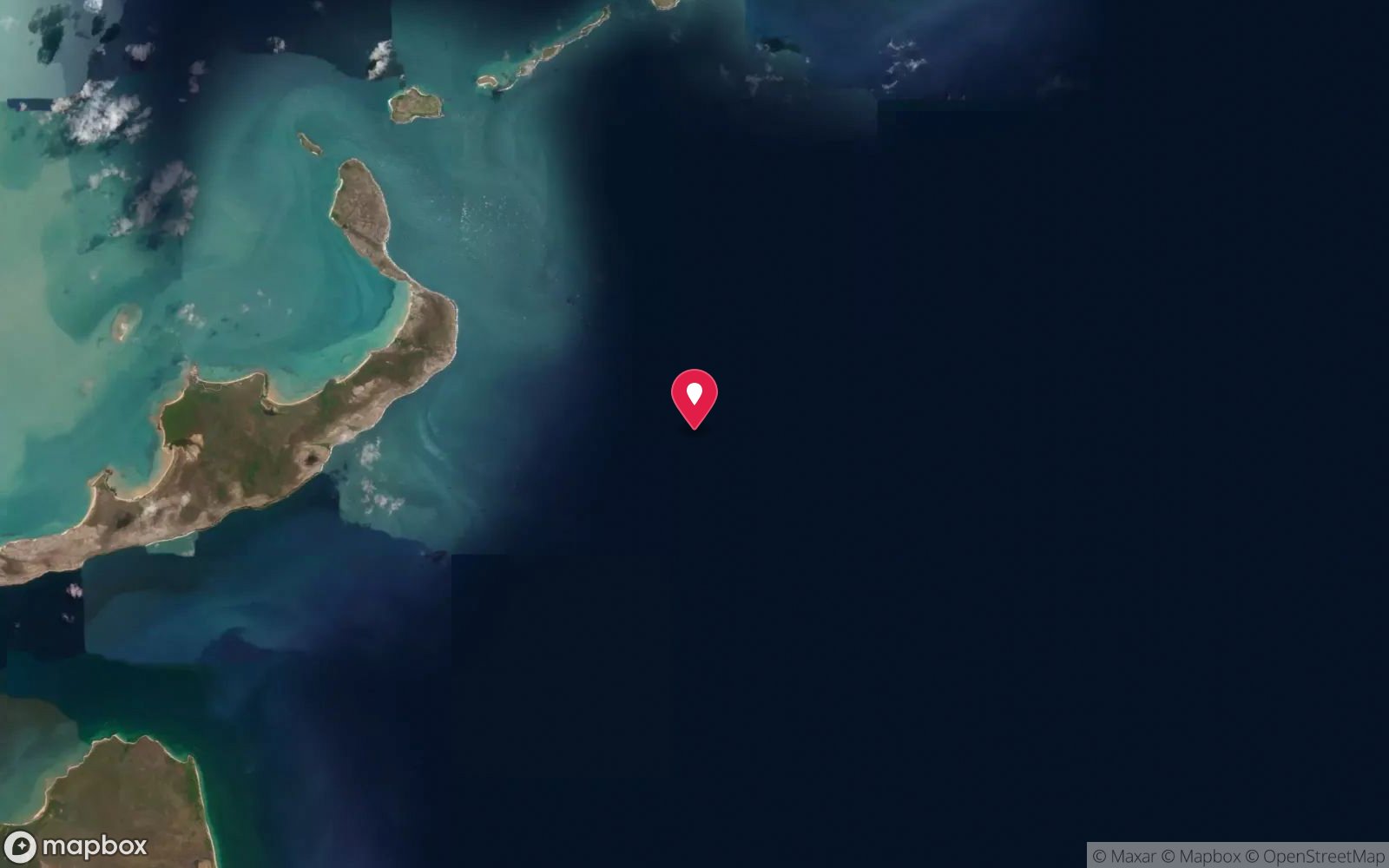
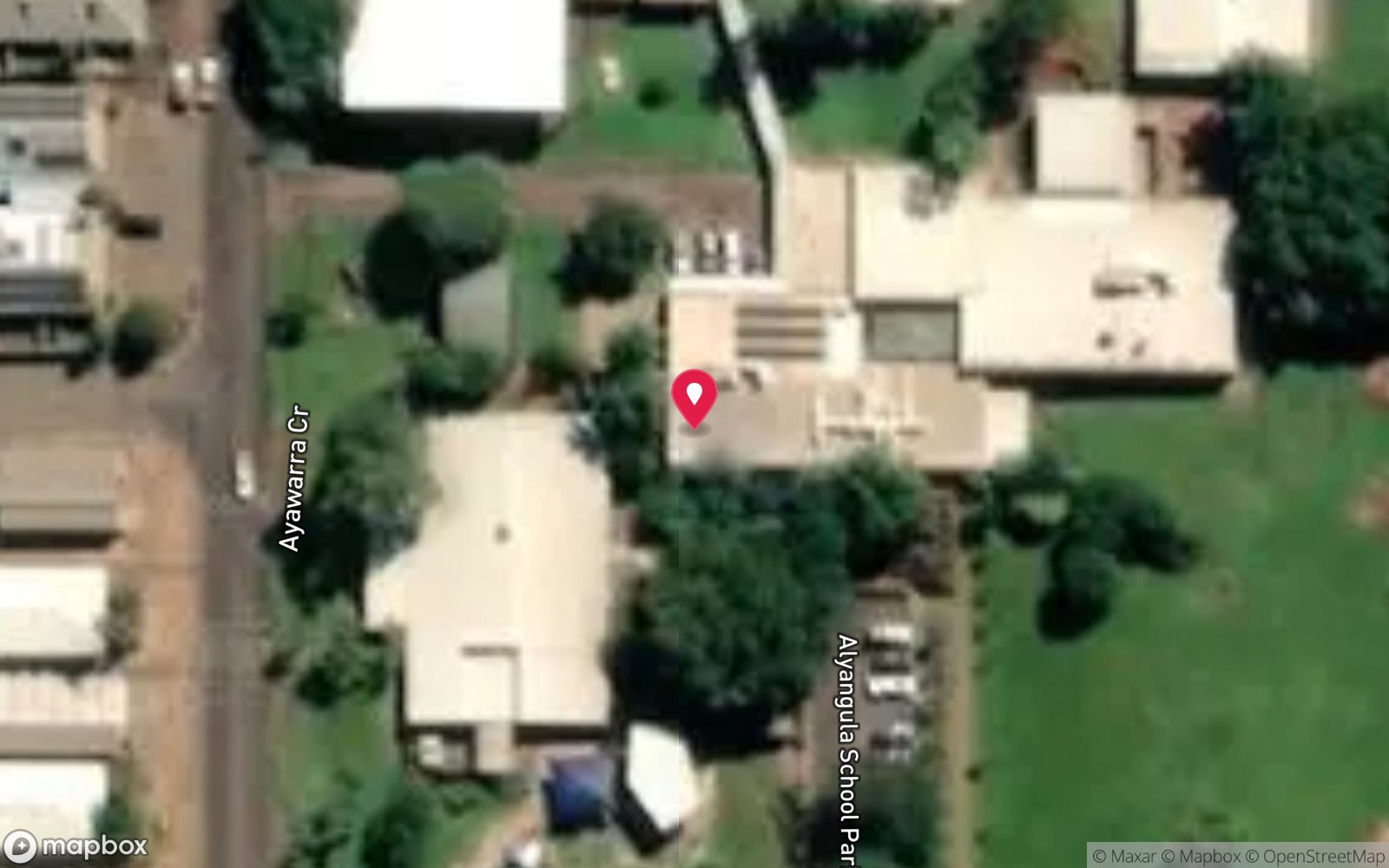
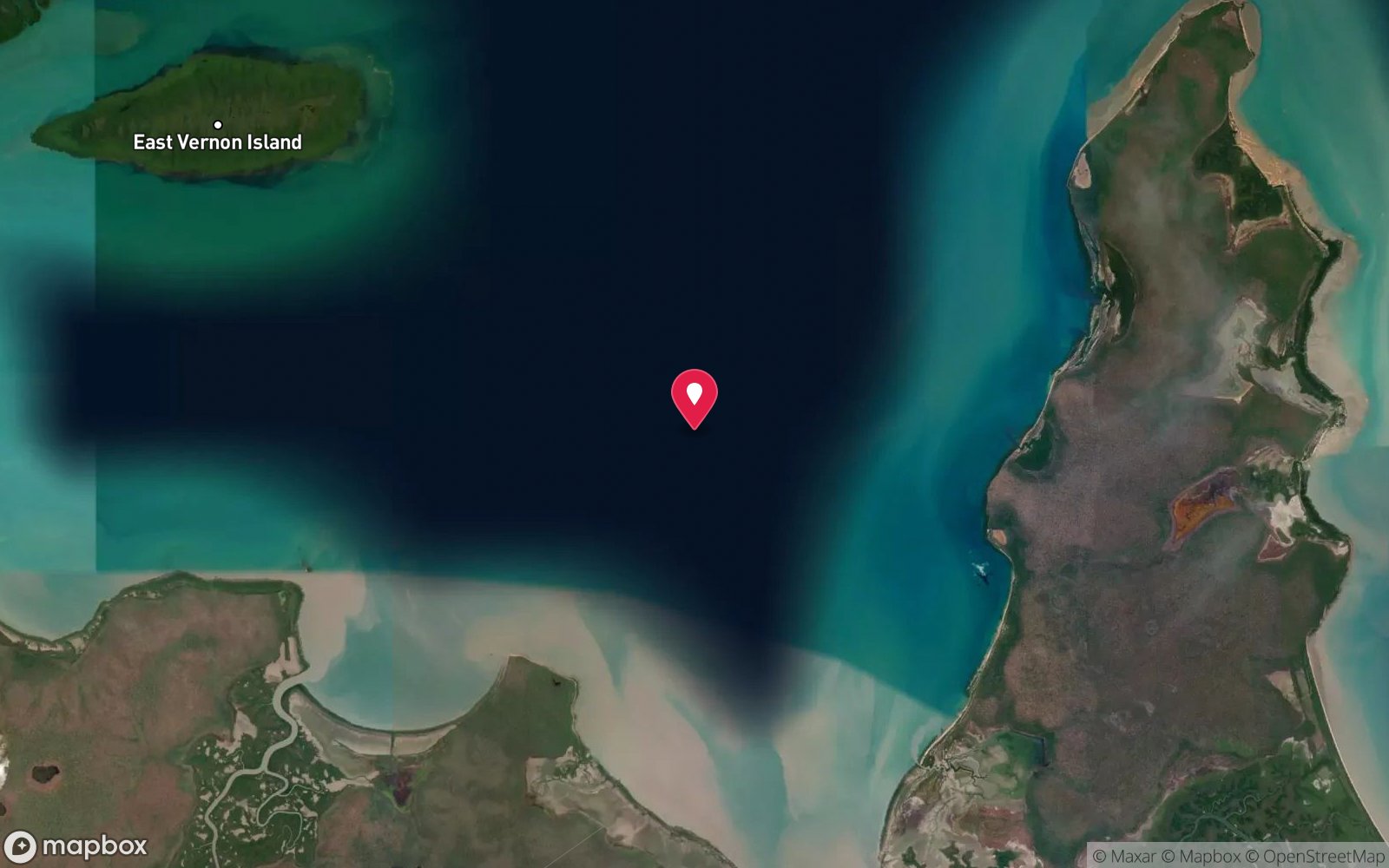
Satellite views
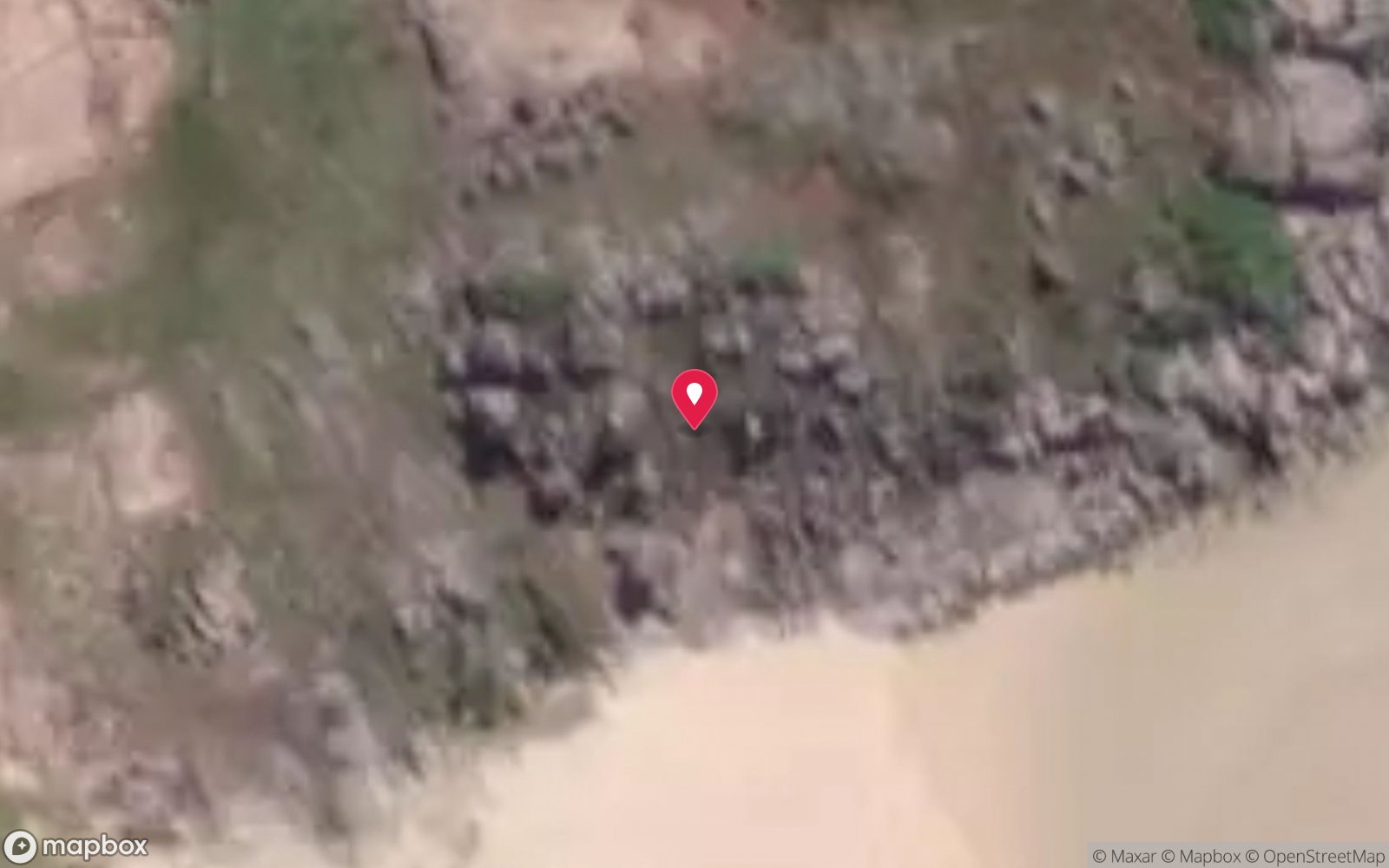
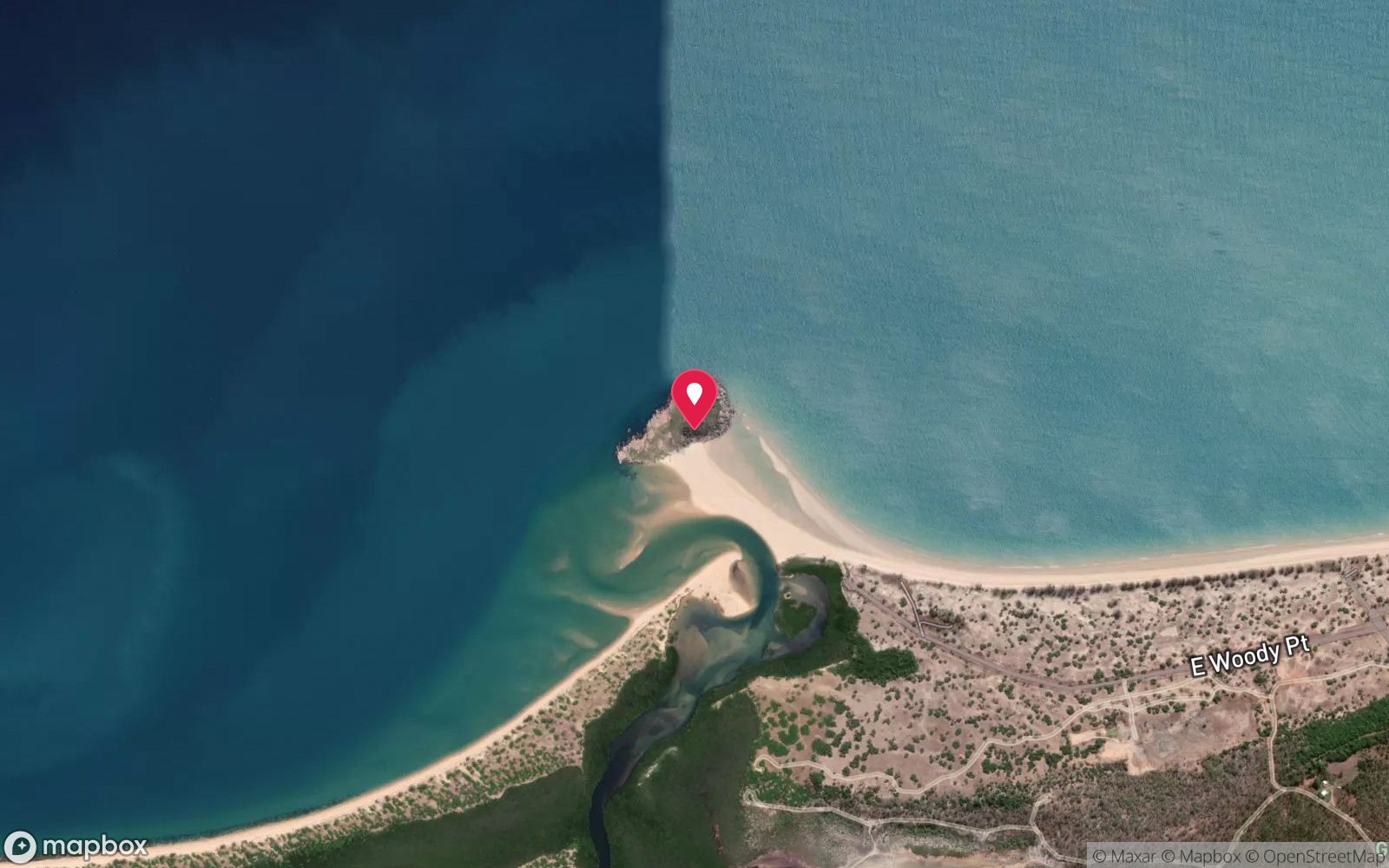
East Woody Island: frequently asked questions
What certification do I need to dive East Woody Island?
No certification is needed to snorkel it, and it suits introductory dives. Rated intermediate because of tidal current that must be timed.
Can I shore dive East Woody Island?
Experienced divers do dive East Woody Island from the shore, but the entry or conditions make it unsuitable for newer divers without local guidance. Entry: Wade from the sand spit or beach; or boat from Melville Bay.
When is the best time to dive East Woody Island?
April-November for calm mornings and clearest water; the Gulf side is often diveable in the wet season but inshore sites lose visibility after rain.
What marine life will I see at East Woody Island?
Regularly recorded: Reef fish (damselfish, wrasse, parrotfish), small cod, turtles, rays, seagrass, patch corals (inferred – unverified).
What wetsuit do I need at East Woody Island?
3 mm wetsuit or full lycra; full-length stinger suit October-May.
How cold is the water at East Woody Island?
Typically 29-31 °C in summer and 24-26 °C in winter.
What are the main hazards at East Woody Island?
Saltwater crocodiles – local advice is not to swim at Gove beaches; have a shore lookout and minimise time in the water. See the hazards section above for the full list.
Where is the nearest recompression chamber to East Woody Island?
Royal Darwin Hospital hyperbaric medicine unit (Tiwi, Darwin) – aeromedical evacuation from Gove District Hospital (Nhulunbuy). In an emergency call 000, then DAN Asia-Pacific on 1800 088 200.
Diving in East Arnhem Land & Gove
The Gove Peninsula at the top of Arnhem Land has fringing coral reefs, WWII aircraft wrecks and clear Gulf of Carpentaria water dived by the local club and a few visitors. Permits from the Northern Land Council are required to travel on Aboriginal land.
Getting there: Fly to Nhulunbuy from Darwin or Cairns. Diving is arranged through the local club or by private boat.
All East Arnhem Land & Gove dive sites and a suggested itinerary →
Sources
- en.wikipedia.org/wiki/East_Woody_Island
- ncl.net.au/visitors/permits-information
- aussiemob.com/nhulunbuy
Data confidence: Low · Being verified: No dive/snorkel reports found; underwater description inferred from geography. Swimming generally discouraged locally.. Last updated September 2026. Know this site better? How to send a correction
Nearby dive sites
More island dives in Northern Territory
Explore more