Dive slate · divesites.com.au · printed 7 Nov 2026
Greta Beach
Christmas Island, External Territories · near Flying Fish Cove (The Settlement)
| Depth | 0–8 m |
|---|---|
| Minimum level | Snorkel/Any |
| Difficulty | Beginner |
| Access | Shore |
| Entry | Walk-in from the beach into the ocean pool inside the reef |
| Current | Mild |
| Visibility | 25-40 m |
| Water | summer 28-29 °C, winter 26-27 °C |
| Suit | 3 mm full wetsuit (many dive in a 3 mm shorty or rash vest); 5 mm for multiple long dives or cave dives |
| Best season | December–March calm spells when the north coast is swell-affected; any light-wind day in the dry season |
| Position | -10.49200, 105.69300 (approximate) |
| Permit | Christmas Island Marine Park (Australian Marine Parks, proclaimed March 2022): inshore waters are Habitat Protection Zone (yellow) – diving, snorkelling and recreational fishing allowed, no seabed-disturbing activities; the no-take National Park Zone starts about 12 nautical miles offshore. Christmas Island National Park also extends 50 m seaward of low-water mark along about 46 km of coast. No permit required for recreational diving; do not collect or disturb marine life. This site's shoreline lies within Christmas Island National Park. |
| Nearest chamber | Fiona Stanley Hospital (Perth) – approx. 2,600 km away; there is no recompression chamber on Christmas Island. Stabilisation at Christmas Island Hospital, then aeromedical evacuation to Perth (many hours) |
| Emergency | 000 · DAN Asia-Pacific diving emergency 1800 088 200 |
Greta Beach
Also known as Greta
A sheltered ocean pool below a steep staircase, with nesting turtles and one of the best red crab spawning spectacles.
Near Flying Fish Cove (The Settlement) · Christmas Island, External Territories
- Depth
- 0–8 m
- Minimum level
- Snorkel/Any
- Access
- Shore
- Boat ride
- —
- Water
- 28-29 °C
- Visibility
- 25-40 m
Greta Beach0–8 m · Snorkel/Any · Shore
Dive factsDepths, conditions, location & safety
Season
Off-peak nowBest months: January, February, March, May, June, July, August, September, October, December.
December–March calm spells when the north coast is swell-affected; any light-wind day in the dry season
- Best months
- Now (November)
- Stinger suit Nov–May
Dive facts
- Depth
- 0–8 m
- Typical depth
- 3 m
- Certification
- Snorkel/Any
- Difficulty
- Beginner
- Depth tier
- Easy (0–10 m)
- Access
- Shore
- Offshore
- 0 km
- Dive centre needed
- No – independently diveable
- Shore / independent
- Possible (experienced only)
- Current
- Mild
- Visibility
- 25-40 m
- Water temp (summer)
- 28-29 °C
- Water temp (winter)
- 26-27 °C
- Water
- Tropical
- Dive traffic
- Rarely dived (private boat/club only)
- Night dive
- No
- Snorkel friendly
- Yes
Exposure suit
3 mm full wetsuit (many dive in a 3 mm shorty or rash vest); 5 mm for multiple long dives or cave dives
Location
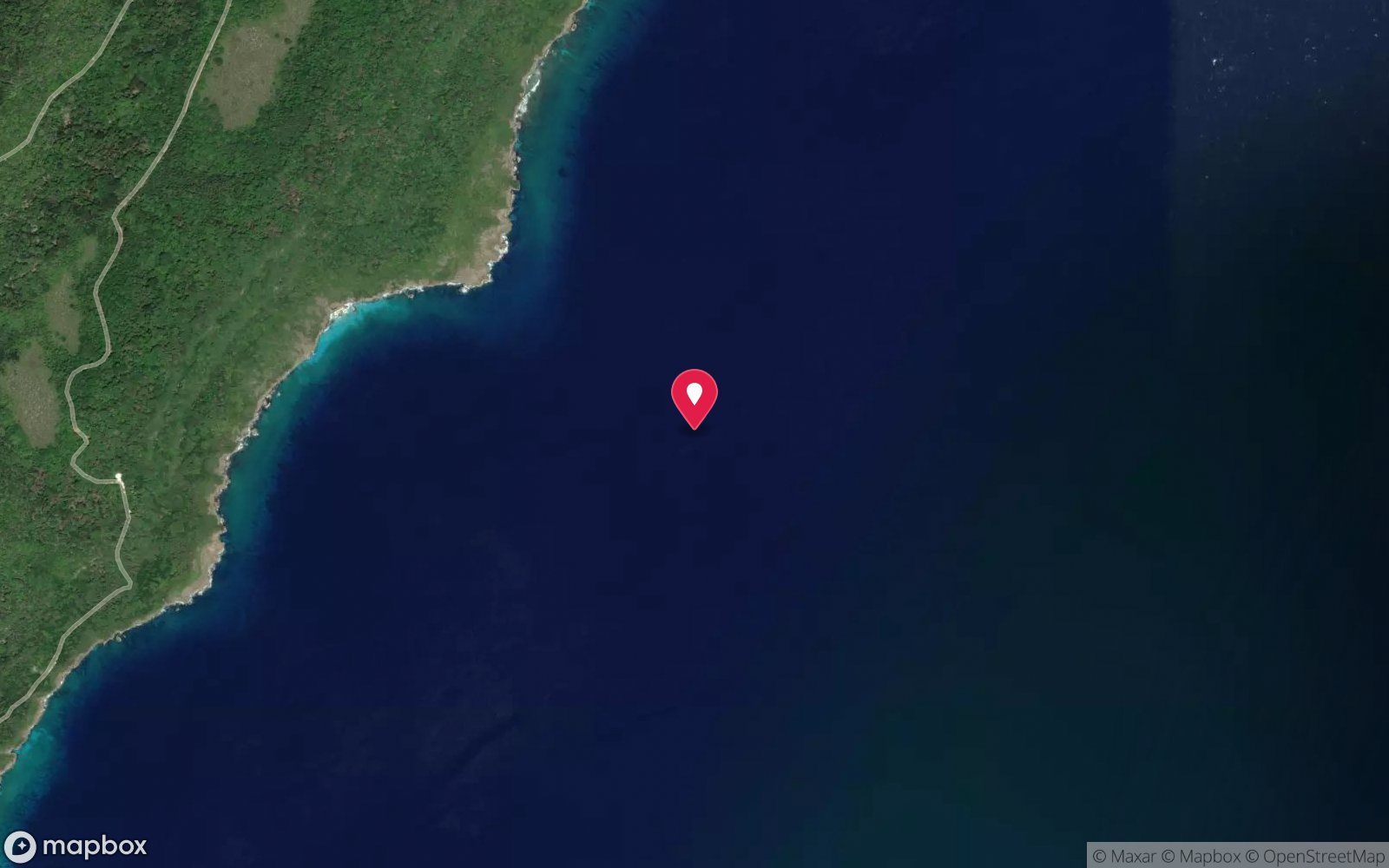
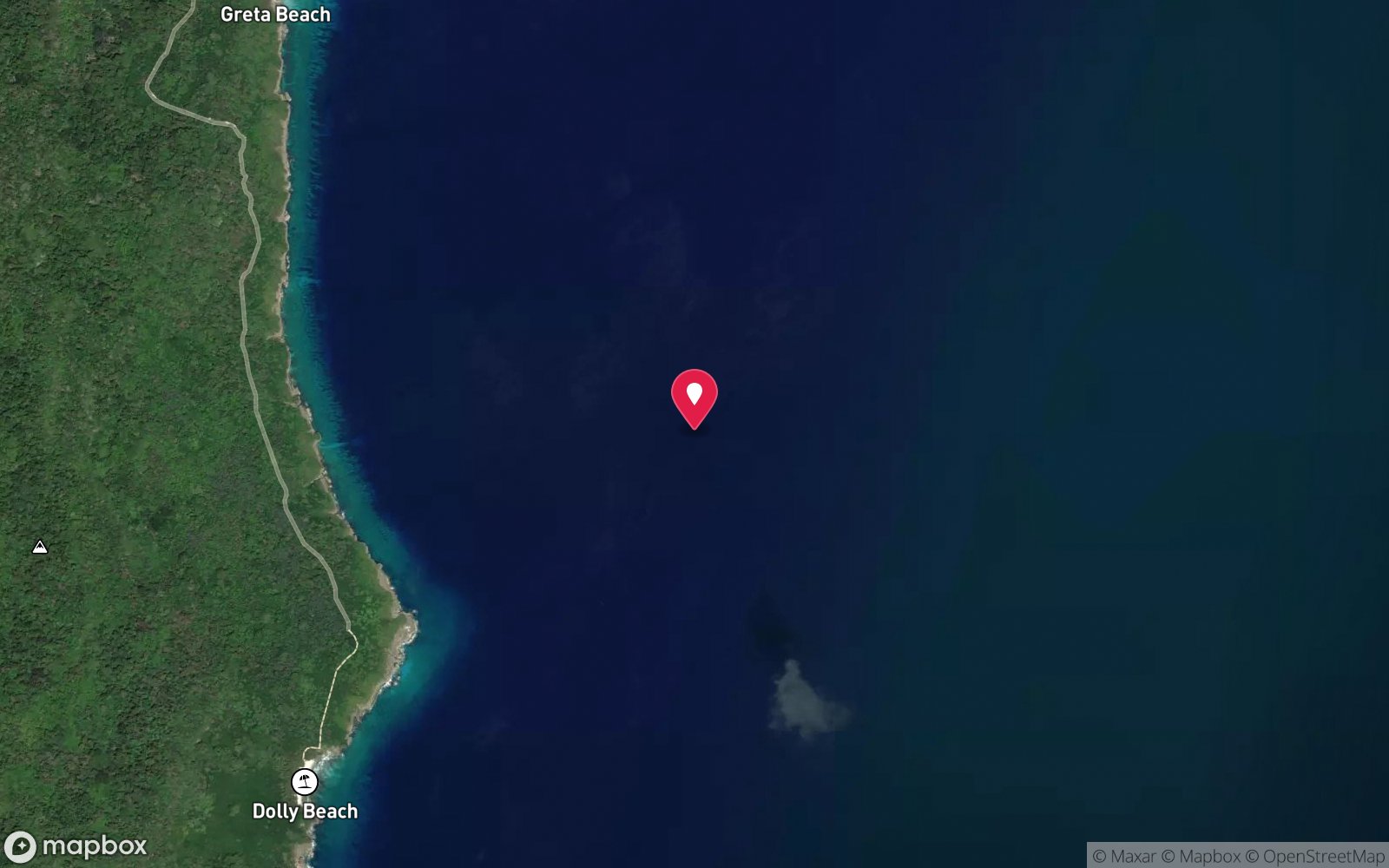
East coast – Greta and Dolly Beaches · Christmas Island (Indian Ocean)
-10.49200, 105.69300
Approximate position — not for navigation.
Open in Google MapsPrimary source: christmas.net.auMarine park & permits
Christmas Island Marine Park (Australian Marine Parks, proclaimed March 2022): inshore waters are Habitat Protection Zone (yellow) – diving, snorkelling and recreational fishing allowed, no seabed-disturbing activities; the no-take National Park Zone starts about 12 nautical miles offshore. Christmas Island National Park also extends 50 m seaward of low-water mark along about 46 km of coast. No permit required for recreational diving; do not collect or disturb marine life. This site's shoreline lies within Christmas Island National Park.
Nearest recompression chamber
Fiona Stanley Hospital (Perth) – approx. 2,600 km away; there is no recompression chamber on Christmas Island. Stabilisation at Christmas Island Hospital, then aeromedical evacuation to Perth (many hours)
Diving emergency: call 000, then DAN AP 1800 088 200.
Trip planner
Build a trip around Greta Beach →
A day-by-day plan for Christmas Island with this site locked in.
This guide is a planning aid. Conditions change daily — confirm with a local dive centre and dive within your training. Data & safety notes.
Dive profile
How this site rates
Scores are computed from the recorded data, not opinions. How?
At a glance
Greta Beach is a shore / rock platform shore dive for experienced divers in Christmas Island, Australia's external territories, 0–8 m, suitable for snorkellers and first-time divers.
Rated beginner: sheltered, shallow and manageable for a newly certified diver on a normal day.
Why dive here
- A sheltered ocean pool below a steep staircase, with nesting turtles and one of the best red crab spawning spectacles.
- Snorkel-friendly, so non-diving companions can join at the surface.
- Rarely dived: expect to have the site to yourself, and plan your own logistics.
- Visibility often reaches 25-40 m.
Conditions to avoid
- Strong southerly or south-east swell and wind
- Outgoing tide or run-off after rain (poor visibility)
About Greta Beach
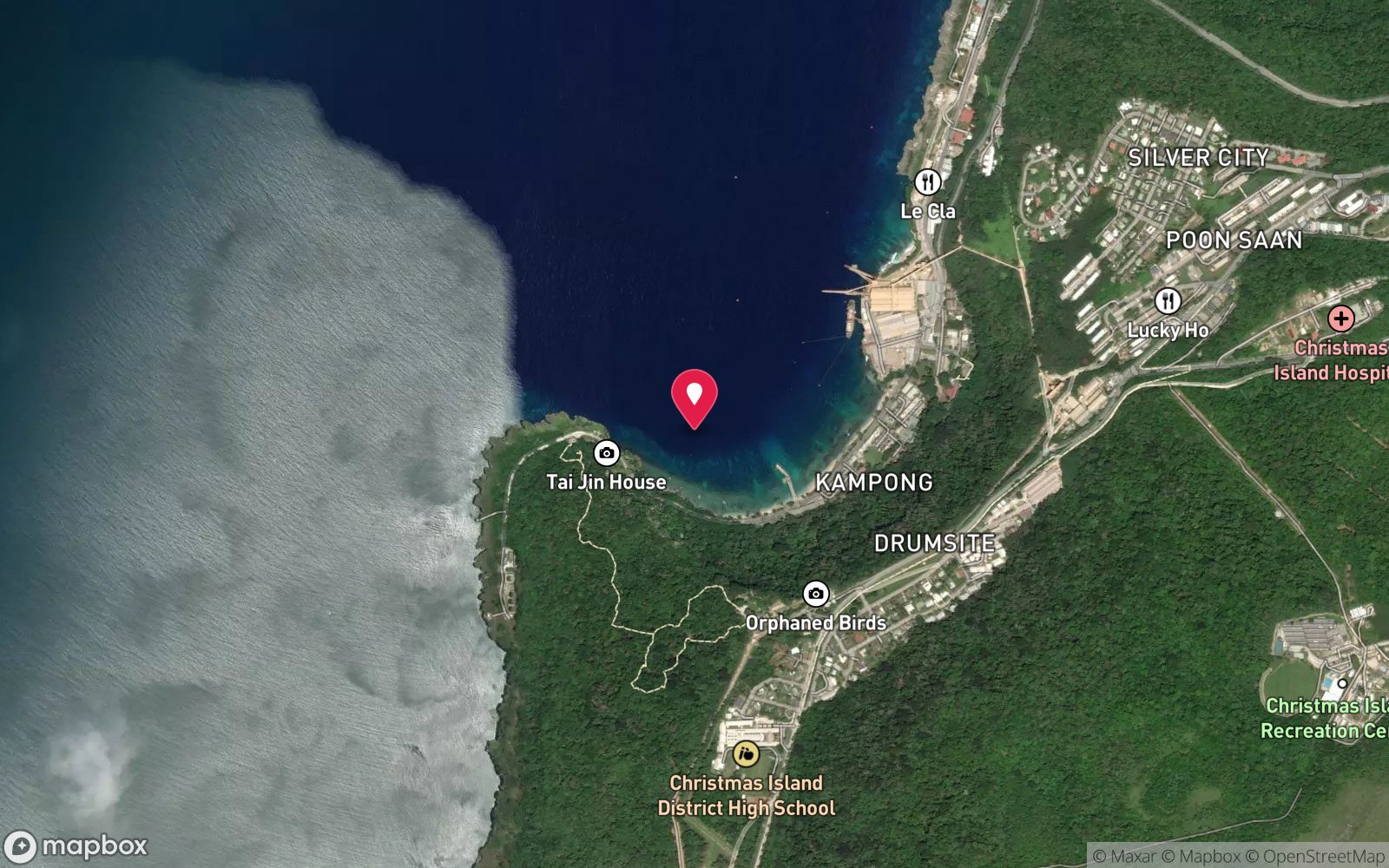
Greta Beach is a secluded east-coast beach reached by a walk of about 300 m from the car park and a steep staircase down the cliff. The Tourism Association describes a dreamy ocean pool inside the reef, with turtle nesting all year and red crab spawning during the migration; Parks Australia lists it as one of the easiest places to watch the spawning. It is also a collection point in the island's fight against ocean plastic, which washes up on the east-coast beaches from South-East Asia.
For snorkellers, the sheltered pool behind the reef offers shallow, clear water with coral and small reef fish – damsels, wrasse, surgeonfish, butterflyfish and parrotfish – and the chance of turtles, which nest on the beach and feed on the reef. It is best on calm days, as the east coast bears the brunt of the south-east trade winds for much of the year.
Greta is not a dive site on either operator's list, and the steep access rules out carrying scuba gear; it is included as a named coastal site that visiting divers and snorkellers often seek out. The open reef beyond the pool is exposed to surf and currents.
The beach's greatest spectacle is the red crab spawning. Between October and January, after the first wet-season rains, millions of red crabs migrate from the forest to the coast, and females release their eggs into the sea before dawn on the receding high tide during the last quarter of the moon. The larvae that hatch are a feast for fish, mantas and whale sharks. Suits snorkellers, wildlife watchers and photographers.
Getting there & entry
East-coast beach reached by a 300 m walk and steep staircase, with a sheltered ocean pool inside the reef; turtle nesting and red crab spawning site.
Fly from Perth (about 4 hours, two to three flights a week, some via Cocos Islands) and hire a car – there is no public transport. Drive from The Settlement up to the plateau via Murray Road/Lam Lok Loh, then out along the east-side roads (sealed to the airport and resort area; some beach roads are 4WD only – check the Parks Australia access report). Greta Beach is on the east coast south of the airport.
From the car park, walk about 300 m and then descend a steep staircase to the beach. The walk and stairs make carrying scuba gear impractical – it is a snorkel and swim site. Take water and reef shoes.
Entry: Walk-in from the beach into the ocean pool inside the reef
Facilities: Car park only; no toilets, water or shade infrastructure at the beach. Beach clean-up collection point.
Weather, swell & tides
On the east coast, which takes the full force of the south-east trade winds from roughly April/May to November, when 15–25 knot winds and wind swell usually make it rough and undiveable by boat. It becomes the fallback coast in the wet season (December–March): when the north-west monsoon swell closes the north coast, the east side is often sheltered and calm. Dive it on light-wind days or during the monsoon.
Beyond the fringing reef currents can be strong and the reef edge is washed by surge whenever there is any easterly swell. Visibility is typically 20–30 m and drops after rain and during red crab spawning (Oct–Jan), when Ethel and Greta Beaches are spawning sites.
Best season: December–March calm spells when the north coast is swell-affected; any light-wind day in the dry season
If it's blown out
Sheltered or shore sites within 25 km that often work when Greta Beach doesn't.
- Flying Fish Cove · 8 km · Max 25 m
- The Sandpatch · 8 km · Max 18 m
- Admin Wall · 8 km · Max 30 m
- Dolly Beach · 2 km · Max 10 m
How the dive is usually run
Snorkel inside the ocean pool at mid to high tide in calm conditions, staying well inside the reef edge. Avoid the surf zone and the open reef beyond.
Marine life
- Green and hawksbill turtles (nesting and feeding) →
- damsels
- wrasse
- surgeonfish
- butterflyfish
- parrotfish
- coral; red crab spawning Oct–Jan
Linked species have their own page listing every site where they are recorded. All marine life →
Training required
Shallow enough for snorkellers and for a first dive under supervision. Any certified diver can dive it.
Depth tiers: 0–10 m easy · to 18 m Open Water · 18–30 m Advanced (25 m+ is a deep dive) · 30–40 m Deep specialty · 40 m+ technical. All courses
Hazards & warnings
Steep staircase access; surf and currents beyond the reef; exposed to south-east trade swell; do not disturb nesting turtles or hatchlings; road closures possible during the crab migration; no facilities.
Dive centres that go here
No dive operator – self-guided snorkelling and swimming. Parks Australia runs beach clean-ups and turtle monitoring here.
Other dive centres in Christmas Island
Extra Divers Christmas Island
ListedFlying Fish Cove · Christmas Island · WA
The main dive operation on Christmas Island, servicing the island's wall and drop-off diving.
extradivers-worldwide.com/en/extra-divers-christmas-island
CI Wet'n'Dry Adventures
Named by sitesChristmas Island · Christmas Island · External Territory
Trades as Christmas Island Wet'n'Dry Adventures / Dive Christmas Island; family business since 1994.
divingchristmas.com · 0439 215 290
Freedive Christmas Island
Named by sitesChristmas Island · Christmas Island · External Territory
Freediving and snorkel tours; website not fetchable (robots), details from freedivingcentre.com listing.
freedivechristmasisland.com
Map
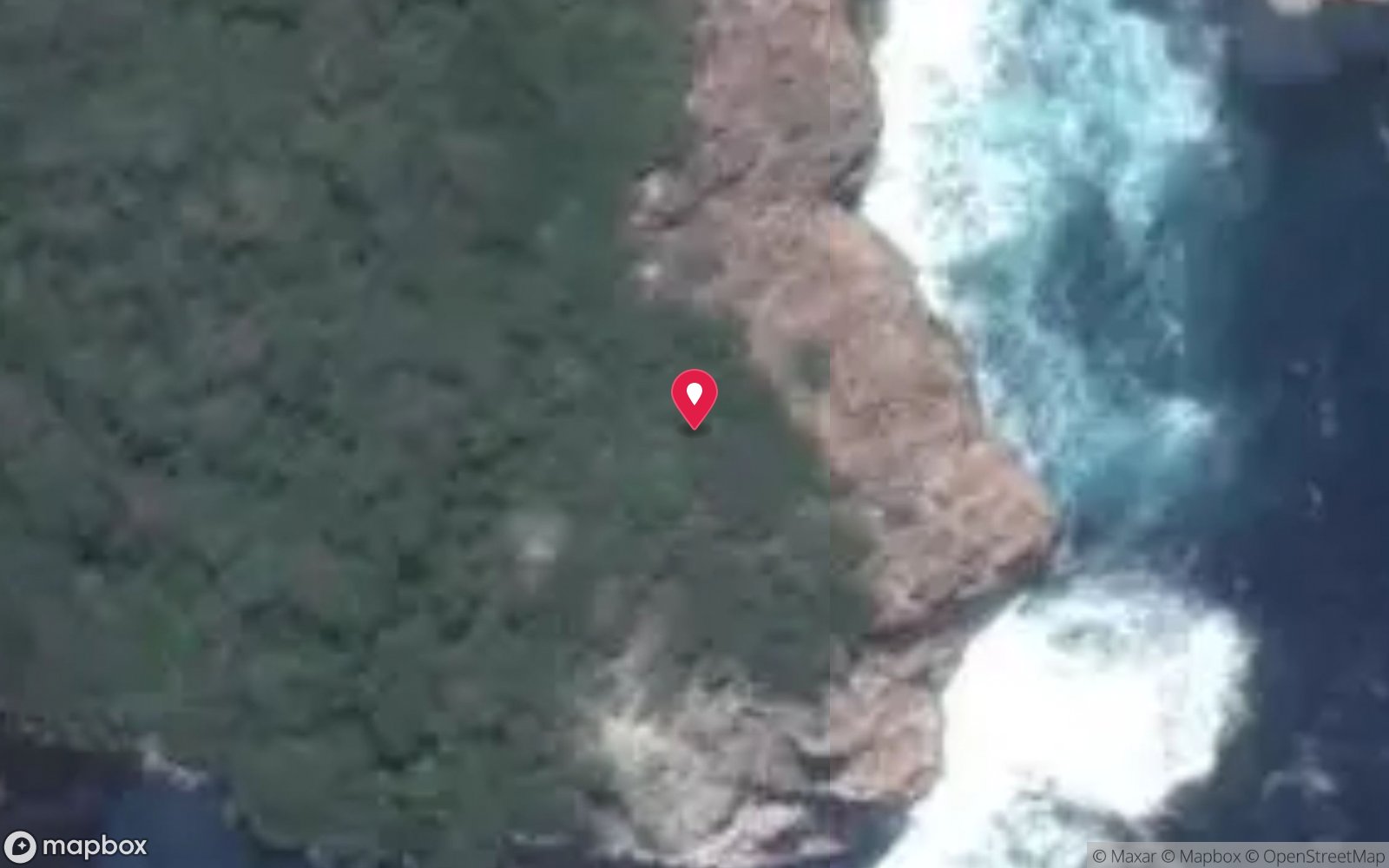
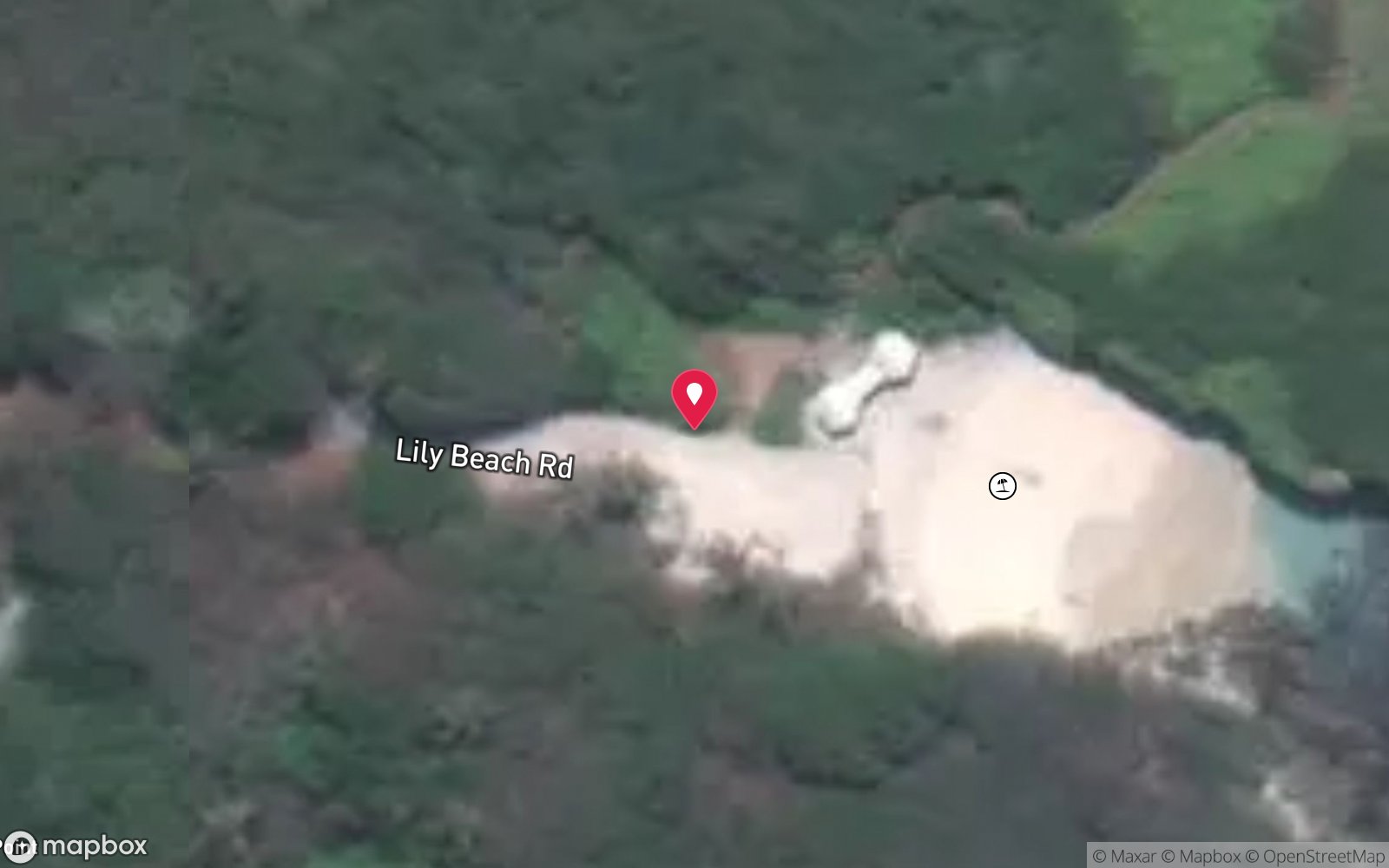
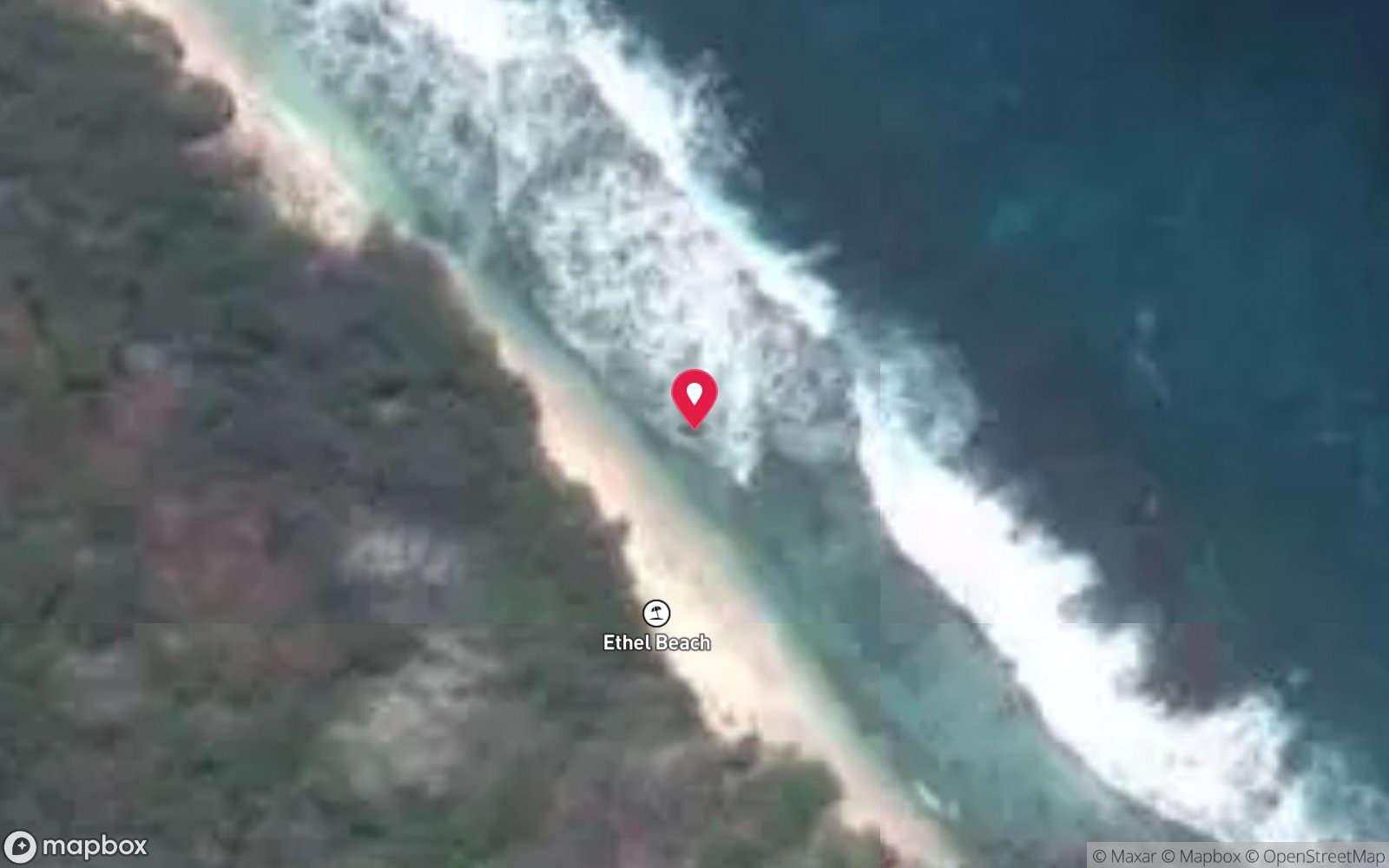
7 pinned sites. Pins marked approximate on their pages show the general area only; not for navigation.
Satellite views
Greta Beach: frequently asked questions
How deep is Greta Beach?
Greta Beach reaches a maximum depth of 8 m, with the shallowest part at about 0 m; most of the dive is spent around 3 m.
What certification do I need to dive Greta Beach?
No certification is needed to snorkel it, and it suits introductory dives. Rated beginner: sheltered, shallow and manageable for a newly certified diver on a normal day.
Can I shore dive Greta Beach?
Experienced divers do dive Greta Beach from the shore, but the entry or conditions make it unsuitable for newer divers without local guidance. Entry: Walk-in from the beach into the ocean pool inside the reef.
When is the best time to dive Greta Beach?
December–March calm spells when the north coast is swell-affected; any light-wind day in the dry season.
What marine life will I see at Greta Beach?
Regularly recorded: Green and hawksbill turtles (nesting and feeding), damsels, wrasse, surgeonfish, butterflyfish, parrotfish, coral; red crab spawning Oct–Jan.
What wetsuit do I need at Greta Beach?
3 mm full wetsuit (many dive in a 3 mm shorty or rash vest); 5 mm for multiple long dives or cave dives.
How cold is the water at Greta Beach?
Typically 28-29 °C in summer and 26-27 °C in winter.
What are the main hazards at Greta Beach?
Steep staircase access; surf and currents beyond the reef; exposed to south-east trade swell; do not disturb nesting turtles or hatchlings; road closures possible during the crab migration; no facilities. See the hazards section above for the full list.
Where is the nearest recompression chamber to Greta Beach?
Fiona Stanley Hospital (Perth) – approx. 2,600 km away; there is no recompression chamber on Christmas Island. Stabilisation at Christmas Island Hospital, then aeromedical evacuation to Perth (many hours). In an emergency call 000, then DAN Asia-Pacific on 1800 088 200.
Diving in Christmas Island
Christmas Island is the top of a volcanic seamount, so the fringing reef gives way to a wall within 20–50 m of the shore and keeps falling to 500 m. The diving is drift and wall diving in exceptional visibility, with sea caves such as Thundercliff, the endemic dragon moray, grey reef and silvertip sharks, spinner dolphins and, from November to January, whale sharks that arrive to feed on red crab spawn.
Getting there: Fly from Perth (about four hours) with a single dive operator based at Flying Fish Cove. Shore entries are possible at Flying Fish Cove and a few north-coast sites when the sea is flat.
Sources
- christmas.net.au/explore/beaches-christmas-island
- christmasislandnationalpark.gov.au/discover/highlights/red-crab-migration
Data confidence: Low · Being verified: Snorkel spot, not a dive site; coordinates approximate – confirm position.. Last updated September 2026. Know this site better? How to send a correction
Nearby dive sites
More shore/rock platform dives in External Territories
Explore more
This region
Marine life