Dive slate · divesites.com.au · printed 8 Nov 2026
Pulu Maraya
Cocos (Keeling) Islands, External Territories · near West Island
| Depth | 0.5–5 m |
|---|---|
| Minimum level | Snorkel/Any |
| Difficulty | Beginner |
| Access | Shore |
| Entry | Reef walk and wade from Scout Park, then snorkel around the island |
| Current | Variable/Tidal |
| Visibility | 20-40 m |
| Water | summer 28-29 °C, winter 26-27 °C |
| Suit | 3 mm wetsuit or rash vest year-round |
| Best season | Year-round at low to mid tide; calmest November–April |
| Position | -12.16000, 96.83000 (approximate) |
| Permit | Cocos (Keeling) Islands Marine Park – Habitat Protection (yellow) zone; no permit needed for snorkelling |
| Nearest chamber | Fiona Stanley Hospital (Perth) – about 2,700 km away via aeromedical evacuation; there is no recompression chamber on Cocos or Christmas Island |
| Emergency | 000 · DAN Asia-Pacific diving emergency 1800 088 200 |
Pulu Maraya
Also known as Scout Park to Pulu Maraya, Scout Park Beach snorkel
Walk across the reef flat from Scout Park and drift around a palm-covered islet with clams, turtles, octopus and baby blacktips.
Near West Island · Cocos (Keeling) Islands, External Territories
- Depth
- 0.5–5 m
- Minimum level
- Snorkel/Any
- Access
- Shore
- Boat ride
- Shore entry
- Water
- 28-29 °C
- Visibility
- 20-40 m
Pulu Maraya0.5–5 m · Snorkel/Any · Shore
Dive factsDepths, conditions, location & safety
Season
In season nowBest months: January, February, March, April, November, December.
Year-round at low to mid tide; calmest November–April
- Best months
- Now (November)
- Stinger suit Nov–May
Dive facts
- Depth
- 0.5–5 m
- Typical depth
- 2 m
- Certification
- Snorkel/Any
- Difficulty
- Beginner
- Depth tier
- Easy (0–10 m)
- Access
- Shore
- Dive centre needed
- No – independently diveable
- Shore / independent
- Yes
- Current
- Variable/Tidal
- Visibility
- 20-40 m
- Water temp (summer)
- 28-29 °C
- Water temp (winter)
- 26-27 °C
- Water
- Tropical
- Dive traffic
- Popular (weekly charters)
- Night dive
- No
- Snorkel friendly
- Yes
Exposure suit
3 mm wetsuit or rash vest year-round
Location
West Island – lagoon side · Cocos (Keeling) Islands – Indian Ocean
-12.16000, 96.83000
Approximate position — not for navigation.
Open in Google MapsPrimary source: cocoskeelingislands.com.auMarine park & permits
Cocos (Keeling) Islands Marine Park – Habitat Protection (yellow) zone; no permit needed for snorkelling
Nearest recompression chamber
Fiona Stanley Hospital (Perth) – about 2,700 km away via aeromedical evacuation; there is no recompression chamber on Cocos or Christmas Island
Diving emergency: call 000, then DAN AP 1800 088 200.
Trip planner
Build a trip around Pulu Maraya →
A day-by-day plan for Cocos (Keeling) Islands with this site locked in.
This guide is a planning aid. Conditions change daily — confirm with a local dive centre and dive within your training. Data & safety notes.
Dive profile
How this site rates
Scores are computed from the recorded data, not opinions. How?
At a glance
Pulu Maraya is a shore / rock platform shore dive you can do independently in Cocos (Keeling) Islands, Australia's external territories, 0.5–5 m, suitable for snorkellers and first-time divers, variable/tidal current.
Rated beginner: sheltered, shallow and manageable for a newly certified diver on a normal day, though note tidal current that must be timed.
Why dive here
- Walk across the reef flat from Scout Park and drift around a palm-covered islet with clams, turtles, octopus and baby blacktips.
- Snorkel-friendly, so non-diving companions can join at the surface.
- Visibility often reaches 20-40 m.
Conditions to avoid
- Outgoing tide or run-off after rain (poor visibility)
About Pulu Maraya
Pulu Maraya is the best independent snorkel on West Island, the island where visitors stay, and needs nothing more than a bike and a mask. The official Cocos snorkelling guide describes a short reef walk from Scout Park across to Pulu Maraya at low to mid tide, where snorkellers find giant clams, rock cods, butterflyfish, angelfish and parrotfish, with turtles often seen. The tourism site's snorkelling feature describes a drift snorkel around the island, with puffers and a resident octopus.
Juvenile blacktip reef sharks patrol the shallows of the West Island lagoon, and small schools of fish shelter in the coral around the island's edge. The island is small, covered in coconut palms, and surrounded by coral patches in shallow water; the channel between Scout Park and the island carries a tidal flow, so the usual technique is to enter up-current and let the water carry you around. It is a relaxed, family-friendly snorkel that can be done repeatedly across a stay, at different tides and times of day.
Cocosday Tours also runs motorised canoe safaris to Pulu Maraya with snorkelling and paddle boards included, a good option for those who want company or a picnic. Because it is on the lagoon side, the water is warm and generally calm, but in strong trade winds the lagoon can be choppy. Reef shoes are essential for the walk across the reef flat, and care is needed not to trample coral: walk on sand and rubble channels wherever possible.
The tidal timing is the main thing to get right – check the tide chart, go on a falling or low tide, and return before the flat floods.
Getting there & entry
Small island off Scout Park on the lagoon side of West Island, reached by a short reef walk or wade across the channel at low to mid tide.
From the West Island settlement, drive or cycle along the main road to Scout Park on the lagoon side of the island and park by the beach. At low to mid tide, walk across the reef flat and the short channel from Scout Park to Pulu Maraya in reef shoes, carrying fins and mask. Snorkel around the island, drifting with the tidal stream, and return the same way before the tide rises too far.
Snorkel gear can be hired from the visitor centre on West Island. Cocosday Tours also runs motorised canoe safaris to Pulu Maraya.
Entry: Reef walk and wade from Scout Park, then snorkel around the island
Facilities: Scout Park: parking and picnic area; no toilets confirmed. Snorkel hire at the West Island visitor centre; shops and cafes in the West Island settlement.
Weather, swell & tides
Lagoon snorkelling is possible year-round, but the south-east trades (April/May–October, often 15–25 knots) chop the lagoon, stir up sand and make swimming harder; the doldrum season (November–April) usually brings glassy conditions and the clearest water. Tides matter more than swell inside the lagoon: shallow flats can become too shallow at low water, and tidal streams run through channels between islands. Heavy tropical showers are brief and have little effect on visibility because there is no river run-off.
Pulu Maraya is tide-dependent: the official guide recommends low to mid tide for the reef walk; at high tide the channel is deeper and the tidal stream stronger. The lagoon side of West Island is sheltered from ocean swell but exposed to south-east chop in the trades.
Best season: Year-round at low to mid tide; calmest November–April
If it's blown out
Sheltered or shore sites within 25 km that often work when Pulu Maraya doesn't.
- The Rip (Direction Island) · 10 km · Max 8 m
- Phaeton Wreck · 8 km · Max 6 m
- Broccoli Patch · 9 km · Max 10 m
- Catalina JX435 Wreck · 7 km · Max 6 m
How the dive is usually run
Walk across at low to mid tide, enter on the up-current side of Pulu Maraya and drift slowly around the island with the tidal stream, looking into the coral for clams, rock cods and octopus. Exit where you started and walk back before the tide floods the reef flat.
Marine life
- Giant clams
- rock cods
- butterflyfish
- angelfish
- parrotfish
- puffers
- octopus →
- green turtles →
- juvenile blacktip reef sharks →
Linked species have their own page listing every site where they are recorded. All marine life →
Training required
Shallow enough for snorkellers and for a first dive under supervision. Any certified diver can dive it.
Courses that help here
- Drift Diver – Current is a feature of the dive.
Depth tiers: 0–10 m easy · to 18 m Open Water · 18–30 m Advanced (25 m+ is a deep dive) · 30–40 m Deep specialty · 40 m+ technical. All courses
Hazards & warnings
Tide-dependent – cross at low to mid tide and return before the flat floods; tidal stream in the channel. Reef shoes essential; stonefish possible on reef flats. Sunburn.
No facilities on the island.
Dive centres that go here
Self-guided from Scout Park. Cocosday Tours runs motorised canoe safaris with snorkelling and picnics at Pulu Maraya.
Operators recorded for Pulu Maraya
Cocos Dive
ListedWest Island · Cocos (Keeling) Islands · WA
The main dive operation in the Cocos Keeling Islands, servicing atoll and outer reef diving.
cocosdive.com · 0498 080 187
Cocosday Tours
Named by sitesWest Island · Cocos (Keeling) Islands · External Territory
Boat tours, fishing, motorised canoe tours and boat hire; not a scuba dive shop.
cocosislandsboatandfishing.com · (08) 9162 7741
Other dive centres in Cocos (Keeling) Islands
Map
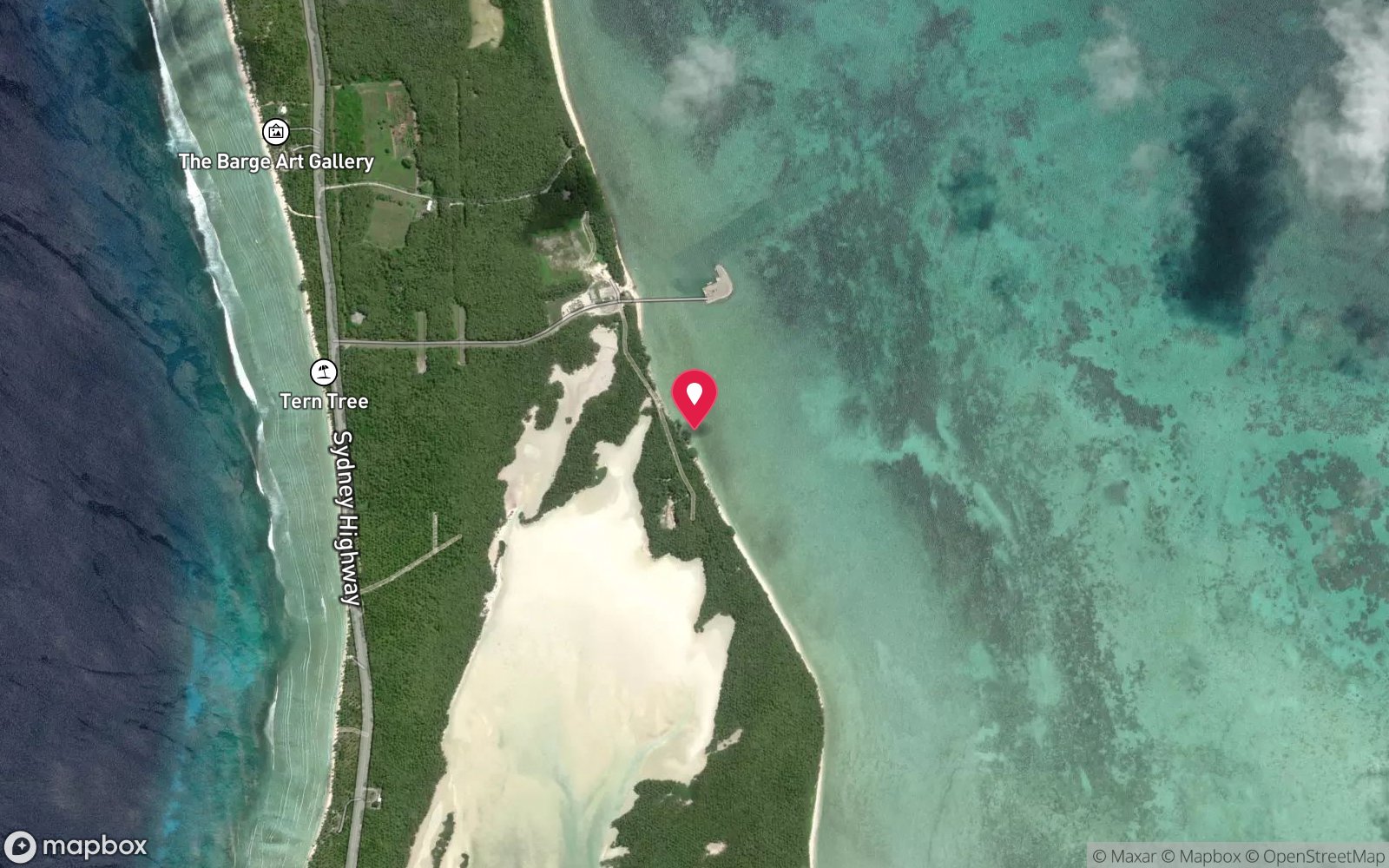
7 pinned sites. Pins marked approximate on their pages show the general area only; not for navigation.
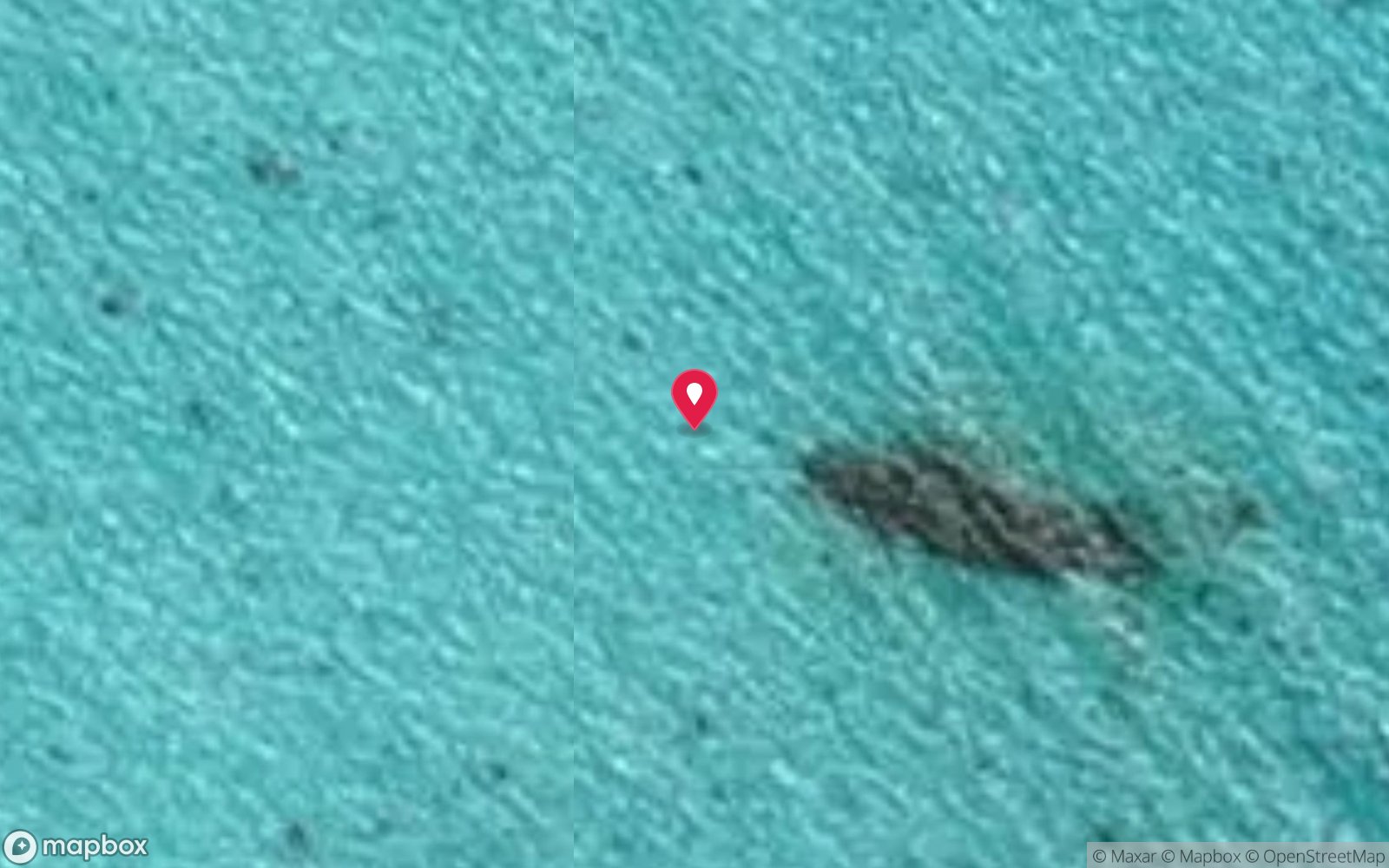
Satellite views
Pulu Maraya: frequently asked questions
How deep is Pulu Maraya?
Pulu Maraya reaches a maximum depth of 5 m, with the shallowest part at about 0.5 m; most of the dive is spent around 2 m.
What certification do I need to dive Pulu Maraya?
No certification is needed to snorkel it, and it suits introductory dives. Rated beginner: sheltered, shallow and manageable for a newly certified diver on a normal day, though note tidal current that must be timed.
Can I shore dive Pulu Maraya?
Yes. Pulu Maraya is a shore dive that can be done independently: reef walk and wade from Scout Park, then snorkel around the island.
When is the best time to dive Pulu Maraya?
Year-round at low to mid tide; calmest November–April.
What marine life will I see at Pulu Maraya?
Regularly recorded: Giant clams, rock cods, butterflyfish, angelfish, parrotfish, puffers, octopus, green turtles, juvenile blacktip reef sharks.
What wetsuit do I need at Pulu Maraya?
3 mm wetsuit or rash vest year-round.
How cold is the water at Pulu Maraya?
Typically 28-29 °C in summer and 26-27 °C in winter.
What are the main hazards at Pulu Maraya?
Tide-dependent – cross at low to mid tide and return before the flat floods; tidal stream in the channel. See the hazards section above for the full list.
Where is the nearest recompression chamber to Pulu Maraya?
Fiona Stanley Hospital (Perth) – about 2,700 km away via aeromedical evacuation; there is no recompression chamber on Cocos or Christmas Island. In an emergency call 000, then DAN Asia-Pacific on 1800 088 200.
Diving in Cocos (Keeling) Islands
Cocos is a true coral atoll 2,750 km north-west of Perth, with 27 islands around a shallow turquoise lagoon and an outer reef that drops to deep water. Manta rays feed in the channels, green turtles are everywhere, dolphins visit the boats, and the outer walls hold grey reef sharks, tuna and huge schools of fusiliers. Two sites, the Cabbage Patch and the Rip, are among the best drift dives in the Indian Ocean.
Getting there: Fly from Perth via Christmas Island. One operator on West Island runs boat dives on the outer reef and lagoon; some lagoon sites can be reached by kayak or a long swim.
All Cocos (Keeling) Islands dive sites and a suggested itinerary →
Sources
- cocoskeelingislands.com.au/things-to-do/see-do/activities/snorkelling
- cocoskeelingislands.com.au/travel-tips/snorkelling-the-cocos-islands
- westernaustralia.com/en/plan-my-trip/planning-tools/travel-stories/cocos-keeling-islands-a-tropical-aquatic-dream
- australiantraveller.com/territories/cocos-keeling-islands/things-to-do-in-cocos-keeling-islands
Data confidence: Medium · Being verified: Coordinates approximate; facilities at Scout Park not confirmed.. Last updated September 2026. Know this site better? How to send a correction
Nearby dive sites
More shore dives in External Territories
Explore more
This region
Similar dives
Marine life