Dive slate · divesites.com.au · printed 8 Nov 2026
Jimmy's Cave (Seal Rocks)
Forster & Seal Rocks, New South Wales · near Seal Rocks
| Depth | 33–34 m |
|---|---|
| Minimum level | Cave/Cavern certification |
| Difficulty | Advanced |
| Access | Boat |
| Entry | Giant stride from charter boat onto a mooring, swim to the cave entrance |
| Current | Mild |
| Visibility | 15-30 m |
| Water | summer 22-25 °C, winter 17-20 °C |
| Suit | 3-5 mm steamer summer; 5-7 mm full suit or semi-dry winter |
| Best season | Calm, low-current conditions preferred for cave entry |
| Bottom time | 25 min |
| Position | not published |
| Permit | None required |
| Nearest chamber | Prince of Wales Hospital (Randwick, Sydney) — John Hunter Hospital Newcastle has no recompression chamber |
| Emergency | 000 · DAN Asia-Pacific diving emergency 1800 088 200 |
Jimmy's Cave (Seal Rocks)
Also known as Jimmy's Cave
A deep cave system with a dramatic inner chamber, the 'ballroom', packed with ladder-finned pomfret.
Near Seal Rocks · Forster & Seal Rocks, New South Wales
- Depth
- 33–34 m
- Minimum level
- Cave/Cavern certification
- Access
- Boat
- Boat ride
- ~15 min
- Water
- 22-25 °C
- Visibility
- 15-30 m
Jimmy's Cave (Seal Rocks)33–34 m · Cave/Cavern certification
Dive factsDepths, conditions, location & safety
Season
In season nowBest months: year-round.
Calm, low-current conditions preferred for cave entry
- Best months
- Now (November)
- Stinger suit Nov–May
Dive facts
- Depth
- 33–34 m
- Typical depth
- 33 m
- Certification
- Cave/Cavern certification
- Difficulty
- Advanced
- Depth tier
- Deep / Advanced + experience (30–40 m)
- Access
- Boat
- Offshore
- 1 km
- Dive centre needed
- Yes – boat access only
- Shore / independent
- No
- Boat ride
- ~15 min
- Current
- Mild
- Visibility
- 15-30 m
- Water temp (summer)
- 22-25 °C
- Water temp (winter)
- 17-20 °C
- Water
- Subtropical
- Bottom time
- 25 min
- Dive traffic
- Moderate (occasional charters/club dives)
- Night dive
- No
- Snorkel friendly
- No
Exposure suit
3-5 mm steamer summer; 5-7 mm full suit or semi-dry winter
Location
Seal Rocks · NSW Mid North Coast — Forster/Tuncurry & Seal Rocks
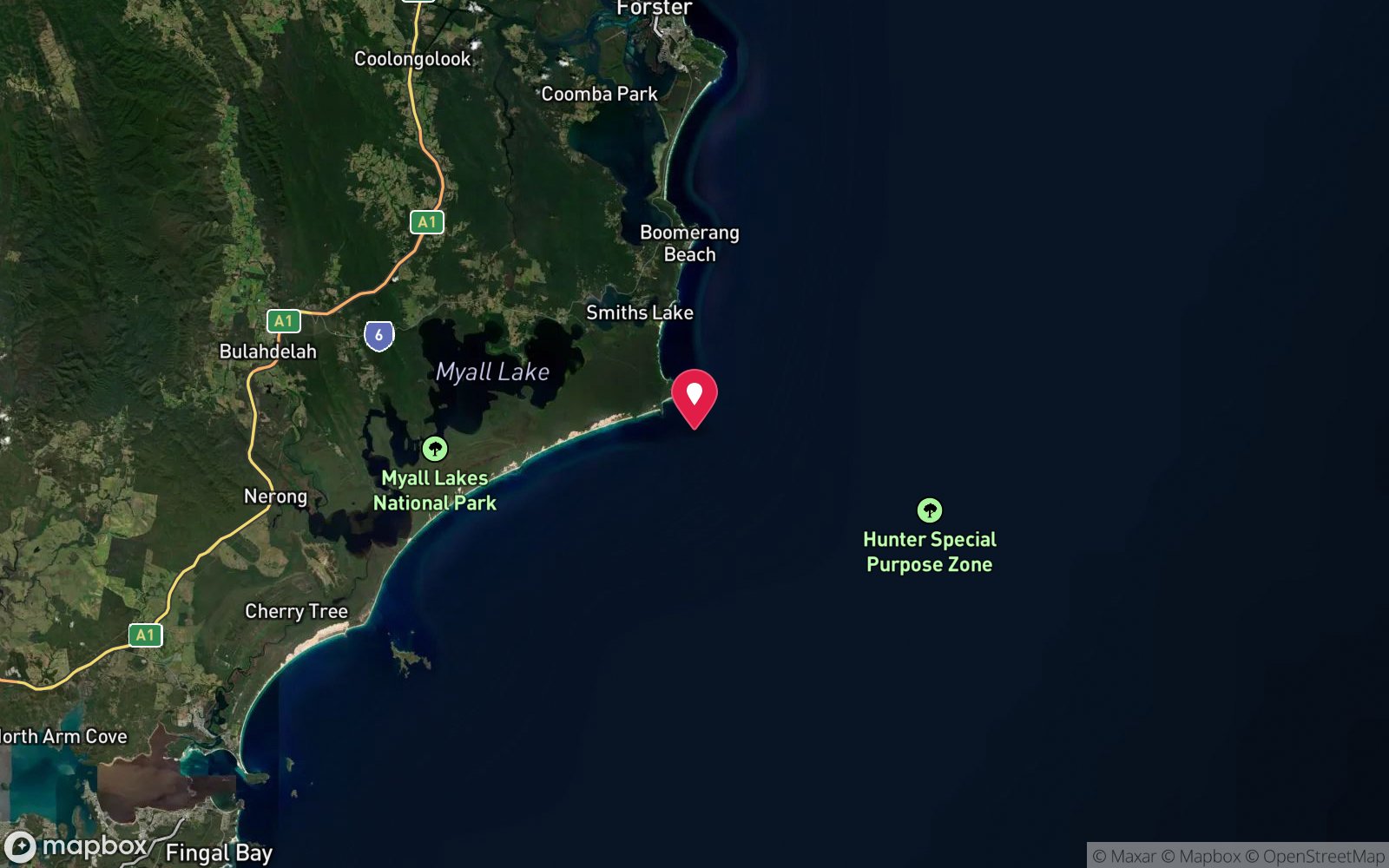
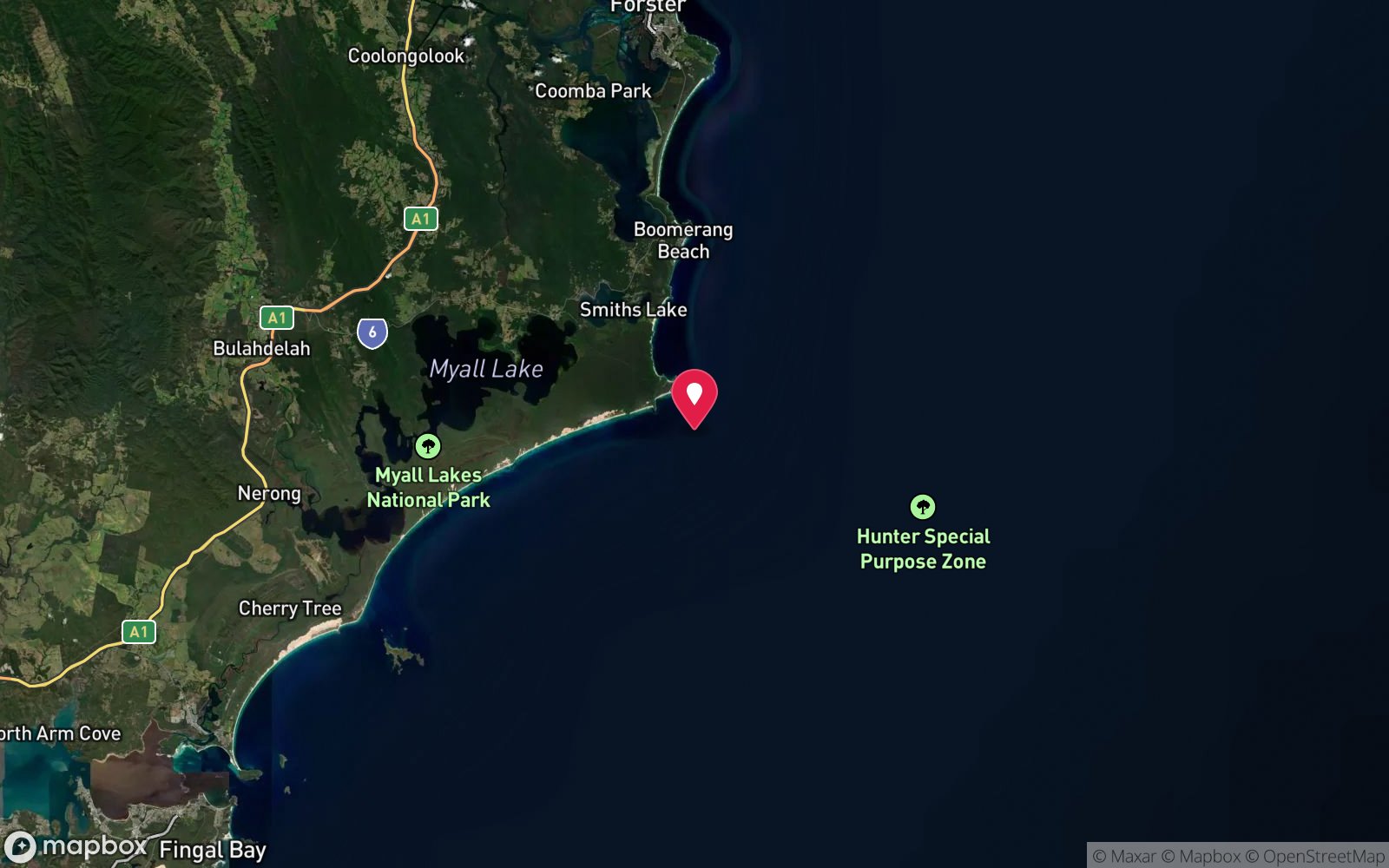
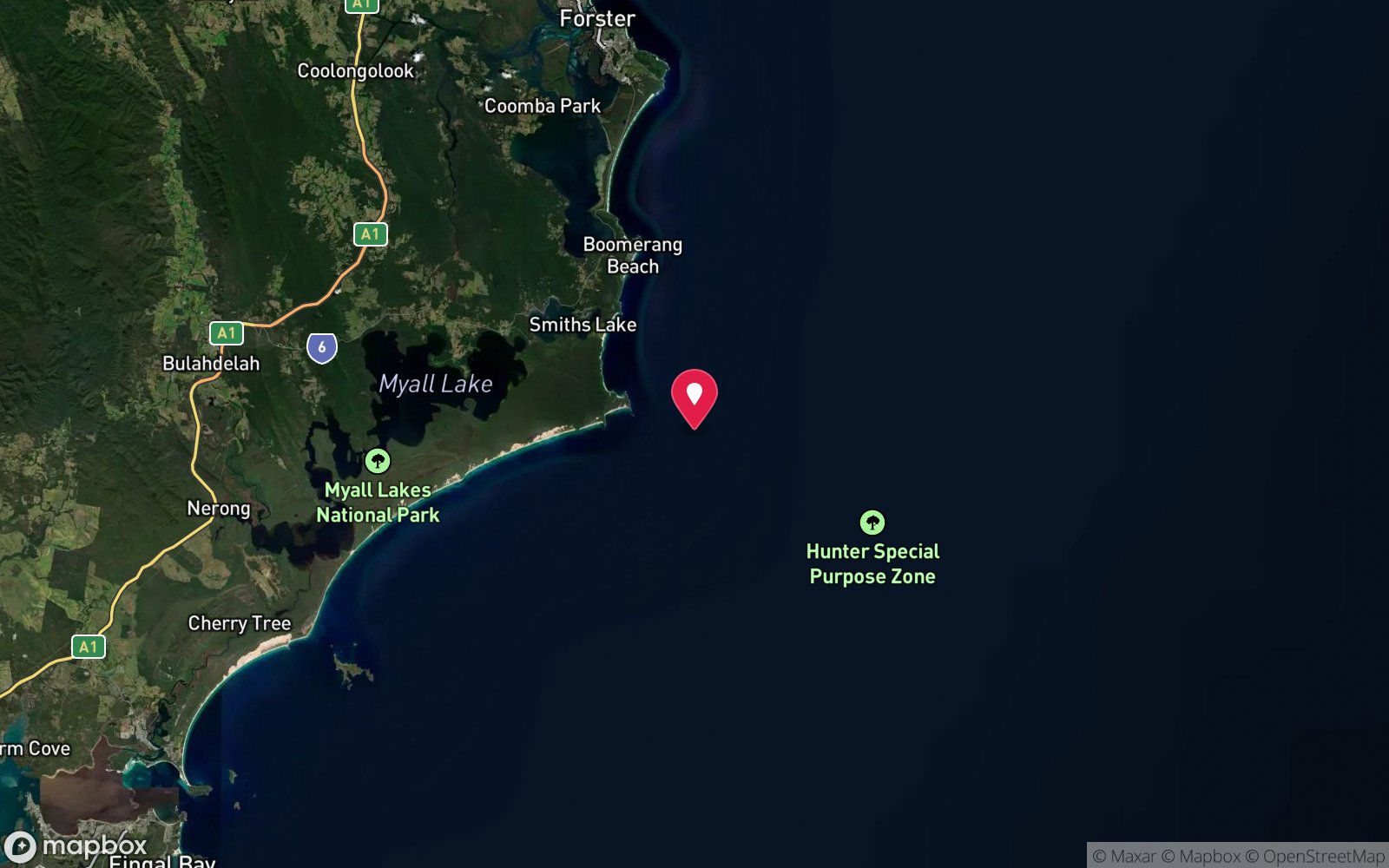
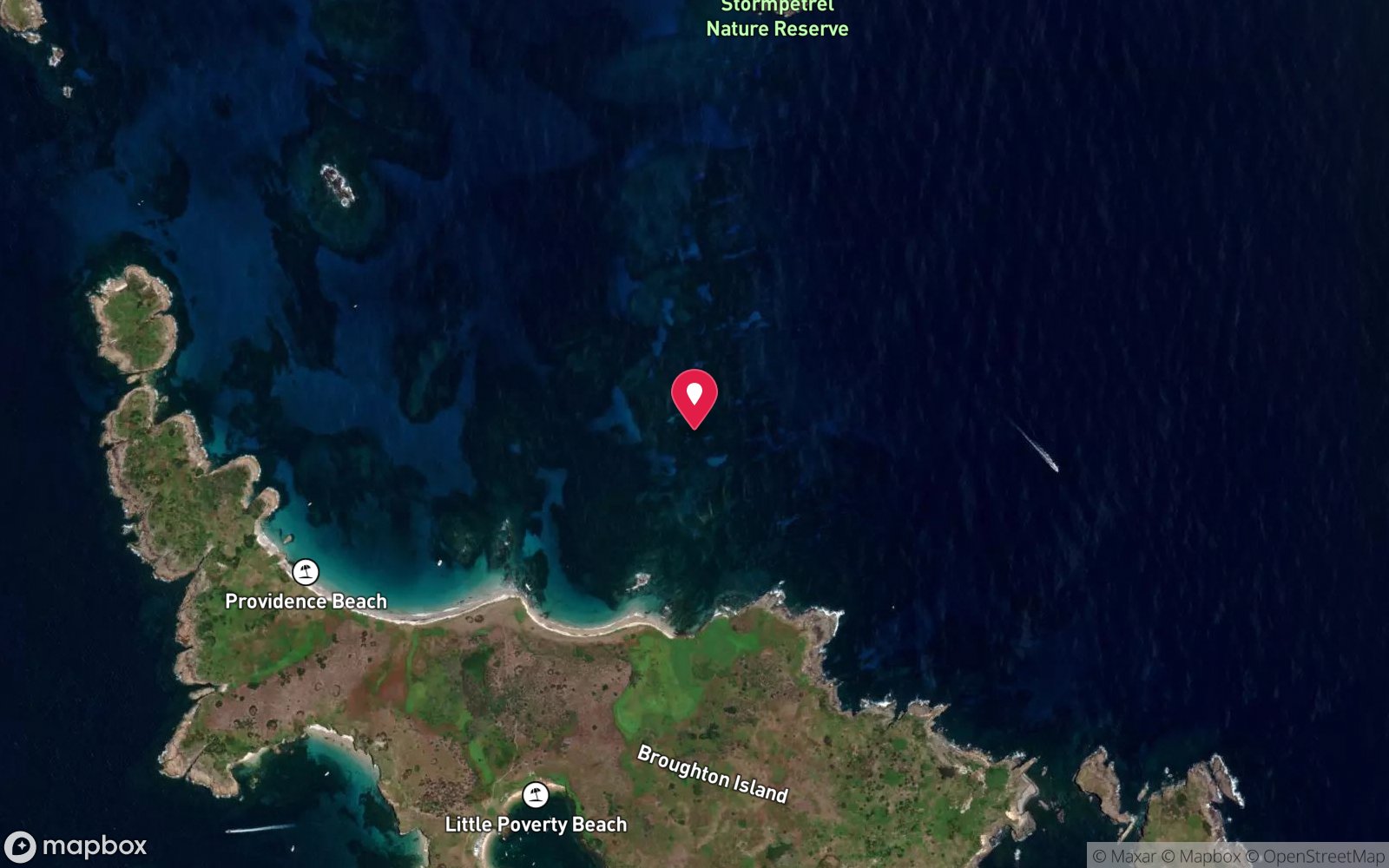
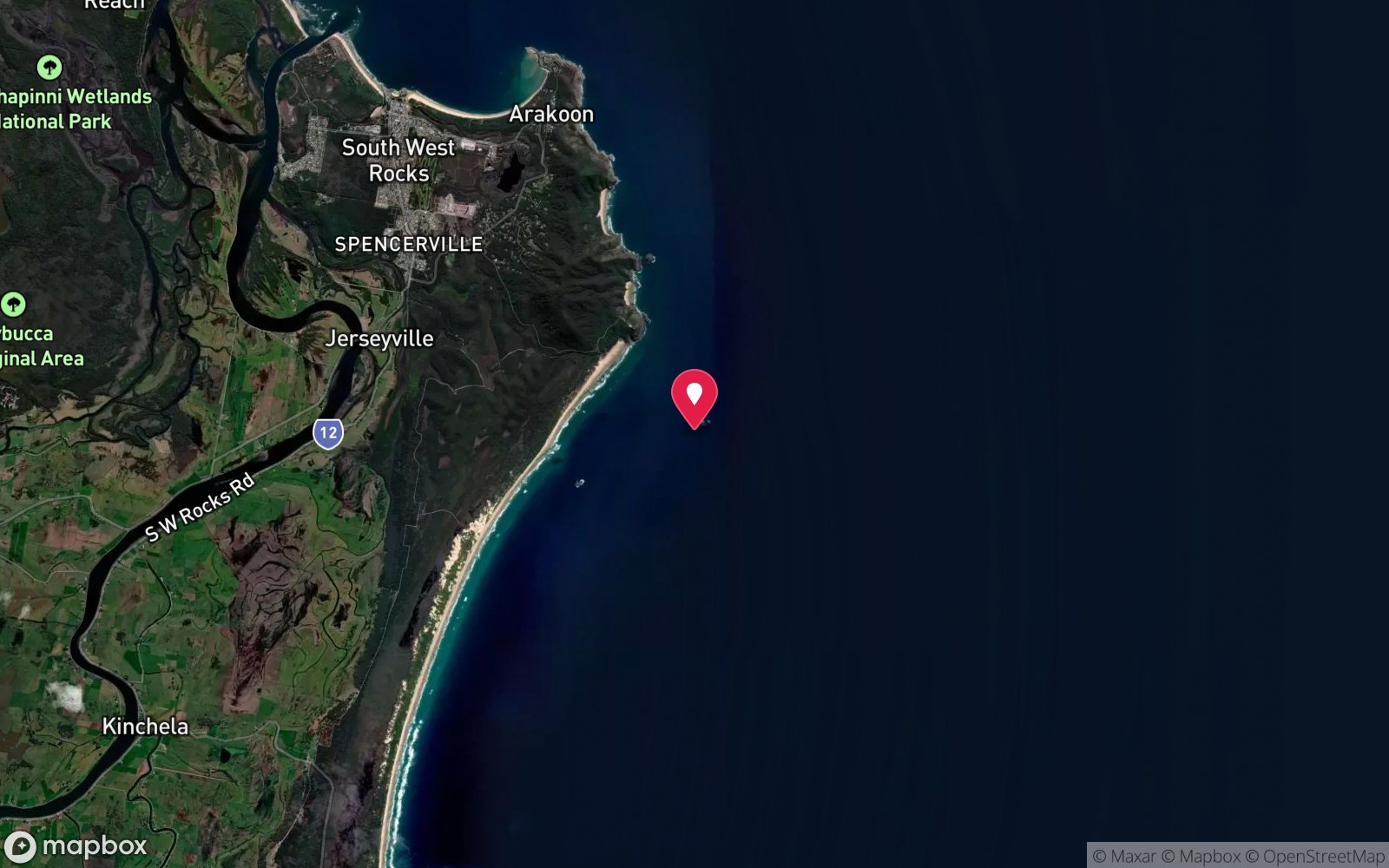
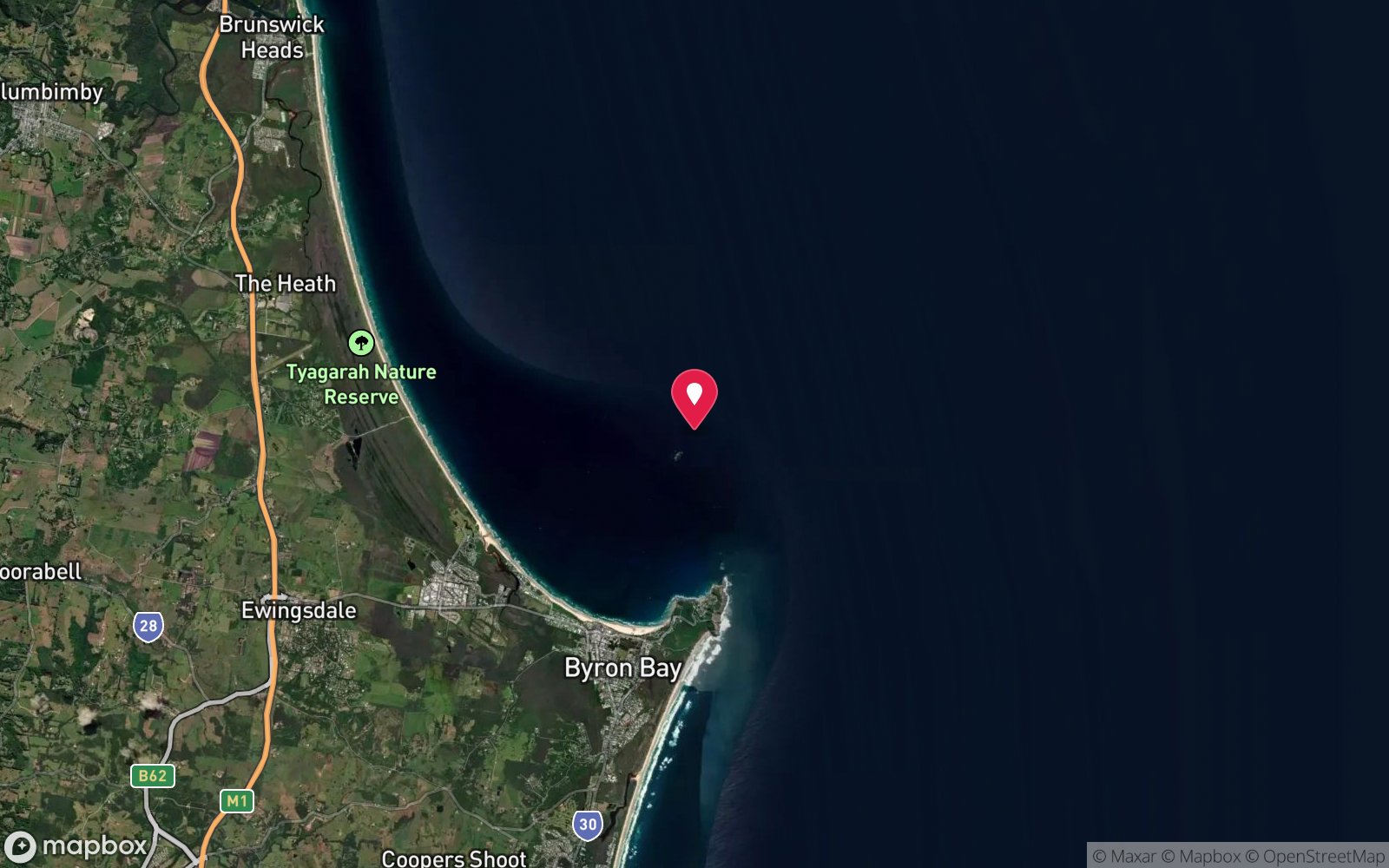
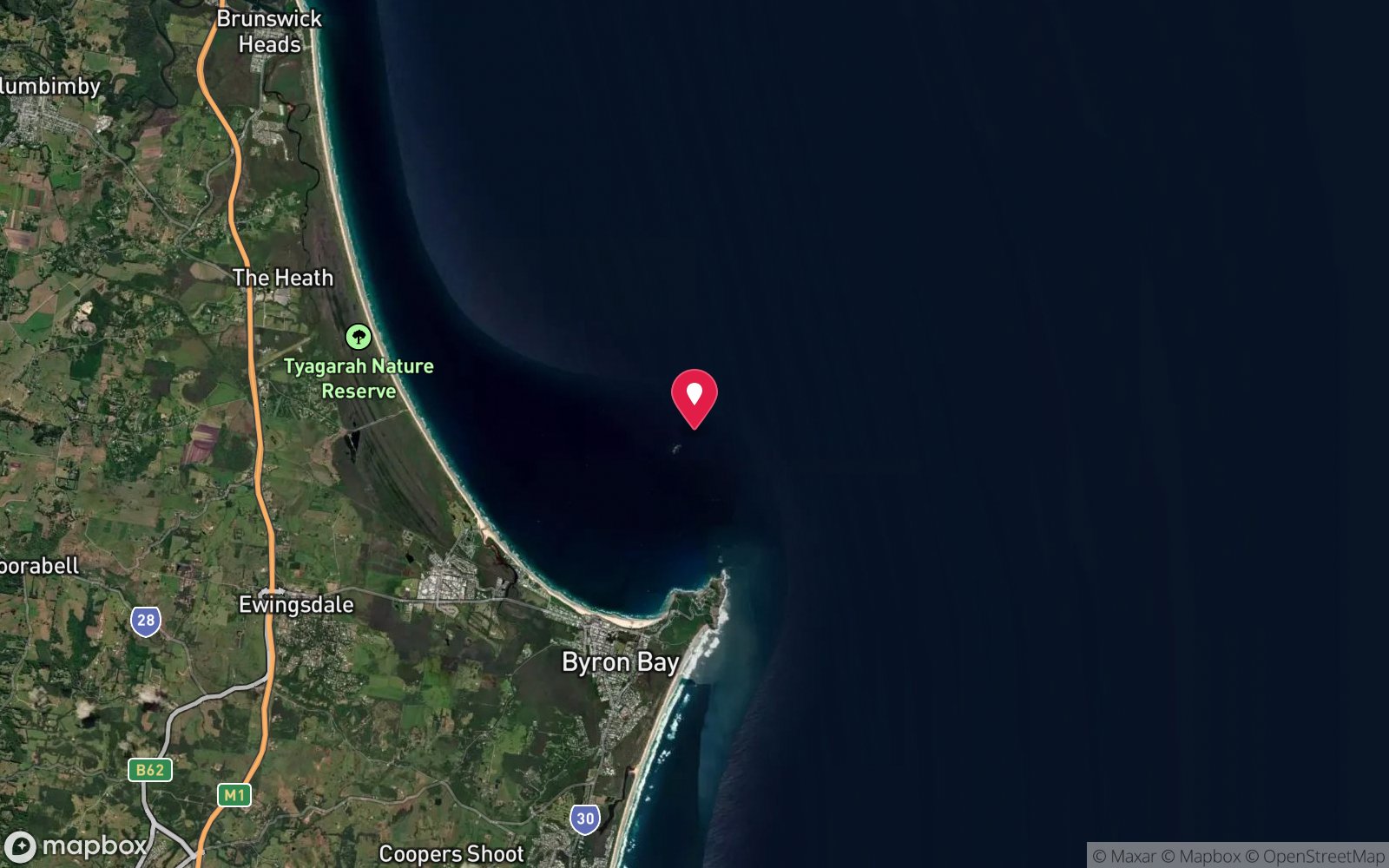
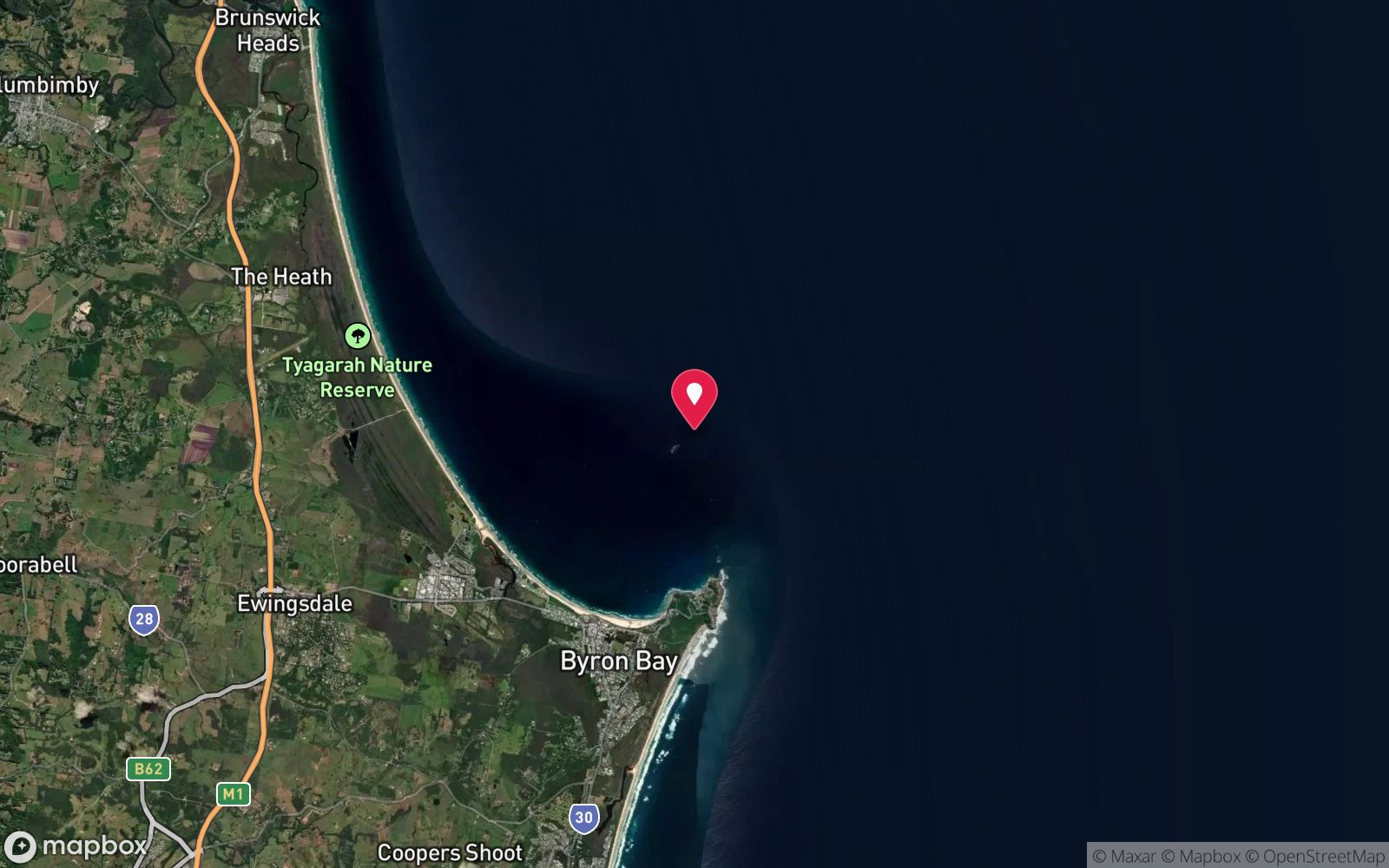
No published coordinates. The map above shows the general area, estimated from other documented sites near Seal Rocks.
Primary source: mudgeediveandtravel.comMarine park & permits
None required
Nearest recompression chamber
Prince of Wales Hospital (Randwick, Sydney) — John Hunter Hospital Newcastle has no recompression chamber
Diving emergency: call 000, then DAN AP 1800 088 200.
Trip planner
Build a trip around Jimmy's Cave (Seal Rocks) →
A day-by-day plan for Forster & Seal Rocks with this site locked in.
This guide is a planning aid. Conditions change daily — confirm with a local dive centre and dive within your training. Data & safety notes.
Dive profile
How this site rates
Scores are computed from the recorded data, not opinions. How?
At a glance
Jimmy's Cave (Seal Rocks) is a cave / cavern boat dive in Forster & Seal Rocks, NSW, 33–34 m, suited to Cave/Cavern certification divers, about 15 minutes by boat.
Rated advanced because of depth to 34 m, an overhead environment.
Why dive here
- A deep cave system with a dramatic inner chamber, the 'ballroom', packed with ladder-finned pomfret.
- Visibility often reaches 15-30 m.
About Jimmy's Cave (Seal Rocks)
Jimmy's Cave is one of several dedicated cave and cavern features that make Seal Rocks' underwater topography distinctive among mid-north-coast dive sites, sitting at a genuinely deep 33 to 34 metres and requiring torches to appreciate fully. The cave's signature feature is a large inner chamber nicknamed 'the ballroom', spacious enough to hold a group of divers comfortably and typically filled with a dense, swirling mass of ladder-finned pomfret that gives the space a dramatic, almost theatrical quality when lit up by dive torches. Spider lobsters are a reliable find in the cave's crevices and ledges, adding a macro-interest layer to what is otherwise primarily a topography and fish-life dive.
Given its depth, Jimmy's Cave sits at the edge of standard recreational limits and inside an overhead environment, so it is recommended only for divers with cave or cavern training or, at minimum, very close supervision from an experienced local guide familiar with the cave's layout and any hazards. The site is usually dived alongside the neighbouring Interlinked Caves and Labyrinth system as part of a broader Seal Rocks cave-diving excursion, since all three sit in a similar area and depth range. This cluster of caves is a major reason Seal Rocks stands out from otherwise broadly similar mid-north-coast reef and pinnacle sites, offering genuine cavern topography rather than just open reef, and it rewards divers with the training and experience to explore it properly and safely.
Bring a reliable primary and backup light, since the ballroom's full effect and the spider lobsters in the surrounding cracks are easy to miss without good illumination at this depth.
Getting there & entry
A cave system at Seal Rocks reaching 33-34 m, home to spider lobsters and a large inner chamber known as 'the ballroom' filled with ladder-finned pomfret.
Boats for the Seal Rocks sites either run the longer distance down from Forster/Tuncurry (about 45-60 minutes) or launch locally from the small boat ramp at Seal Rocks village itself, near Sugarloaf Point, cutting the run to Big and Little Seal Rock down to 10-20 minutes. Seal Rocks is a small, remote settlement reached via Lakes Way/Mungo Brush Road through Myall Lakes National Park; there is no dedicated dive shop in the village itself, so most Seal Rocks charter diving is booked through Forster Dive Centre, with divers sometimes meeting the boat locally rather than travelling from Forster.
Entry: Giant stride from charter boat onto a mooring, swim to the cave entrance
Weather, swell & tides
Seal Rocks sits on an exposed headland with Sugarloaf Point taking the full force of easterly and south-easterly swell — trips are cancelled in anything beyond about 1.5 m swell, and the site is often diveable when more sheltered locations further north are blown out, or vice versa, so conditions should always be checked specifically for Seal Rocks rather than assumed from Forster. Visibility is typically 15-30 m and can be excellent in settled autumn and winter weather; it drops after the Myall Lakes and Wallis Lake systems discharge following heavy rain. Grey nurse sharks are present at almost any time of year here, with numbers varying seasonally, and the wrecks (Satara, Catterthun) require calm, low-current conditions for safe deep/technical diving.
Best season: Calm, low-current conditions preferred for cave entry
How the dive is usually run
Descend to the cave entrance at around 33 m with torches on, enter carefully to avoid disturbing the substrate, and make for the ballroom chamber where ladder-finned pomfret gather in numbers; check crevices along the way for spider lobsters, then retrace the route out the same entrance.
Marine life
- Ladder-finned pomfret (dense schools in the 'ballroom' chamber)
- spider lobsters
- general cave-dwelling invertebrates
Linked species have their own page listing every site where they are recorded. All marine life →
Training required
The recreational limit. Operators expect a Deep Diver specialty or Advanced plus a log of similar dives, and most recommend nitrox.
This is a deep dive: plan gas, bottom time and a safety stop accordingly, and consider nitrox.
Courses that help here
- Enriched Air Nitrox – Longer no-decompression time at 25 m and deeper.
- Deep Diver – The site reaches 34 m.
- Cavern Diver – An overhead environment.
- Peak Performance Buoyancy – Silt and low visibility punish poor trim.
Depth tiers: 0–10 m easy · to 18 m Open Water · 18–30 m Advanced (25 m+ is a deep dive) · 30–40 m Deep specialty · 40 m+ technical. All courses
Hazards & warnings
Deep overhead environment at 33-34 m — cave/cavern training or an experienced guide required; torches essential; silt-out risk if buoyancy is poor.
Technical notes
Recommended for cave/cavern-certified divers or under close guide supervision; deep dive at the edge of recreational limits — plan gas and no-decompression time conservatively.
Dive centres that go here
Forster Dive Centre (Tuncurry) — regular boat trips to Seal Rocks, year-round, weather permitting.
Operators recorded for Jimmy's Cave (Seal Rocks)
General area
No position has been published for Jimmy's Cave (Seal Rocks). The circle shows where it is likely to be, worked out from other documented sites near Seal Rocks. Ask a local operator for the exact site.
Dashed circle: general area (about 4 km), from other documented sites near Seal Rocks. 6 pinned sites. Pins marked approximate on their pages show the general area only; not for navigation.
Jimmy's Cave (Seal Rocks): frequently asked questions
How deep is Jimmy's Cave (Seal Rocks)?
Jimmy's Cave (Seal Rocks) reaches a maximum depth of 34 m, with the shallowest part at about 33 m; most of the dive is spent around 33 m.
What certification do I need to dive Jimmy's Cave (Seal Rocks)?
Cave/Cavern certification is the recommended minimum. This is a deep dive: plan gas, bottom time and a safety stop accordingly, and consider nitrox. Rated advanced because of depth to 34 m, an overhead environment.
Can I shore dive Jimmy's Cave (Seal Rocks)?
No, it is reached by boat (about 15 minutes). A dive centre is required: boat access only.
When is the best time to dive Jimmy's Cave (Seal Rocks)?
Calm, low-current conditions preferred for cave entry.
What marine life will I see at Jimmy's Cave (Seal Rocks)?
Regularly recorded: Ladder-finned pomfret (dense schools in the 'ballroom' chamber), spider lobsters, general cave-dwelling invertebrates.
What wetsuit do I need at Jimmy's Cave (Seal Rocks)?
3-5 mm steamer summer; 5-7 mm full suit or semi-dry winter.
How cold is the water at Jimmy's Cave (Seal Rocks)?
Typically 22-25 °C in summer and 17-20 °C in winter.
What are the main hazards at Jimmy's Cave (Seal Rocks)?
Deep overhead environment at 33-34 m — cave/cavern training or an experienced guide required; torches essential; silt-out risk if buoyancy is poor. See the hazards section above for the full list.
Where is the nearest recompression chamber to Jimmy's Cave (Seal Rocks)?
Prince of Wales Hospital (Randwick, Sydney) — John Hunter Hospital Newcastle has no recompression chamber. In an emergency call 000, then DAN Asia-Pacific on 1800 088 200.
Diving in Forster & Seal Rocks
Forster is one of the best places in the world to dive with grey nurse sharks. The Pinnacles, Latitude Rock and the Big Seal at Seal Rocks hold aggregations of 20–60 sharks in season, and Seal Rocks' gutters are within a few hundred metres of a beach launch. The SS Satara, a 1910 steamer in 44 m, and the Pinnacle's own wrecks add deep options.
Getting there: Three and a half hours north of Sydney. Forster charters run the Pinnacles and Latitude Rock; Seal Rocks is a beach launch or a longer boat trip. Shore dives at Forster's Bennetts Head and the Tuncurry breakwall.
All Forster & Seal Rocks dive sites and a suggested itinerary →
Sources
Data confidence: Medium · Being verified: GPS unavailable; depth and feature detail from a single operator source.. Last updated September 2026. Know this site better? How to send a correction