Dive slate · divesites.com.au · printed 8 Nov 2026
SS Satara wreck
Forster & Seal Rocks, New South Wales · near Seal Rocks
| Depth | 38–44 m |
|---|---|
| Minimum level | Wreck specialty recommended |
| Difficulty | Expert/Technical |
| Access | Boat |
| Entry | Giant stride from charter boat onto a shot line |
| Current | Mild |
| Visibility | 15-30 m |
| Water | summer 22-25 °C, winter 17-20 °C |
| Suit | 3-5 mm steamer summer; 5-7 mm full suit or semi-dry winter |
| Best season | Calm, low-current windows, typically autumn/winter |
| Bottom time | 30 min |
| Position | -32.46000, 152.59000 (approximate) |
| Permit | Protected under the Underwater Cultural Heritage Act 2018 — no interference with the wreck |
| Nearest chamber | Prince of Wales Hospital (Randwick, Sydney) — John Hunter Hospital Newcastle has no recompression chamber |
| Emergency | 000 · DAN Asia-Pacific diving emergency 1800 088 200 |
SS Satara wreck
Also known as Satara
The east coast's largest wreck dive — a 125 m 1910 steamship loss, now a protected heritage wreck at 38-44 m with an intact bow and penetrable collapsed midships.
Near Seal Rocks · Forster & Seal Rocks, New South Wales
- Depth
- 38–44 m
- Minimum level
- Wreck specialty recommended
- Access
- Boat
- Boat ride
- ~20 min
- Water
- 22-25 °C
- Visibility
- 15-30 m
SS Satara wreck38–44 m · Wreck specialty recommended
Dive factsDepths, conditions, location & safety
Season
Off-peak nowBest months: March, April, May, June, July, August.
Calm, low-current windows, typically autumn/winter
- Best months
- Now (November)
- Stinger suit Nov–May
Dive facts
- Depth
- 38–44 m
- Typical depth
- 41 m
- Certification
- Wreck specialty recommended
- Difficulty
- Expert/Technical
- Depth tier
- Technical (40 m +)
- Access
- Boat
- Offshore
- 2 km
- Dive centre needed
- Yes – boat access only
- Shore / independent
- No
- Boat ride
- ~20 min
- Current
- Mild
- Visibility
- 15-30 m
- Water temp (summer)
- 22-25 °C
- Water temp (winter)
- 17-20 °C
- Water
- Subtropical
- Bottom time
- 30 min
- Dive traffic
- Popular (weekly charters)
- Night dive
- No
- Snorkel friendly
- No
Exposure suit
3-5 mm steamer summer; 5-7 mm full suit or semi-dry winter
Location
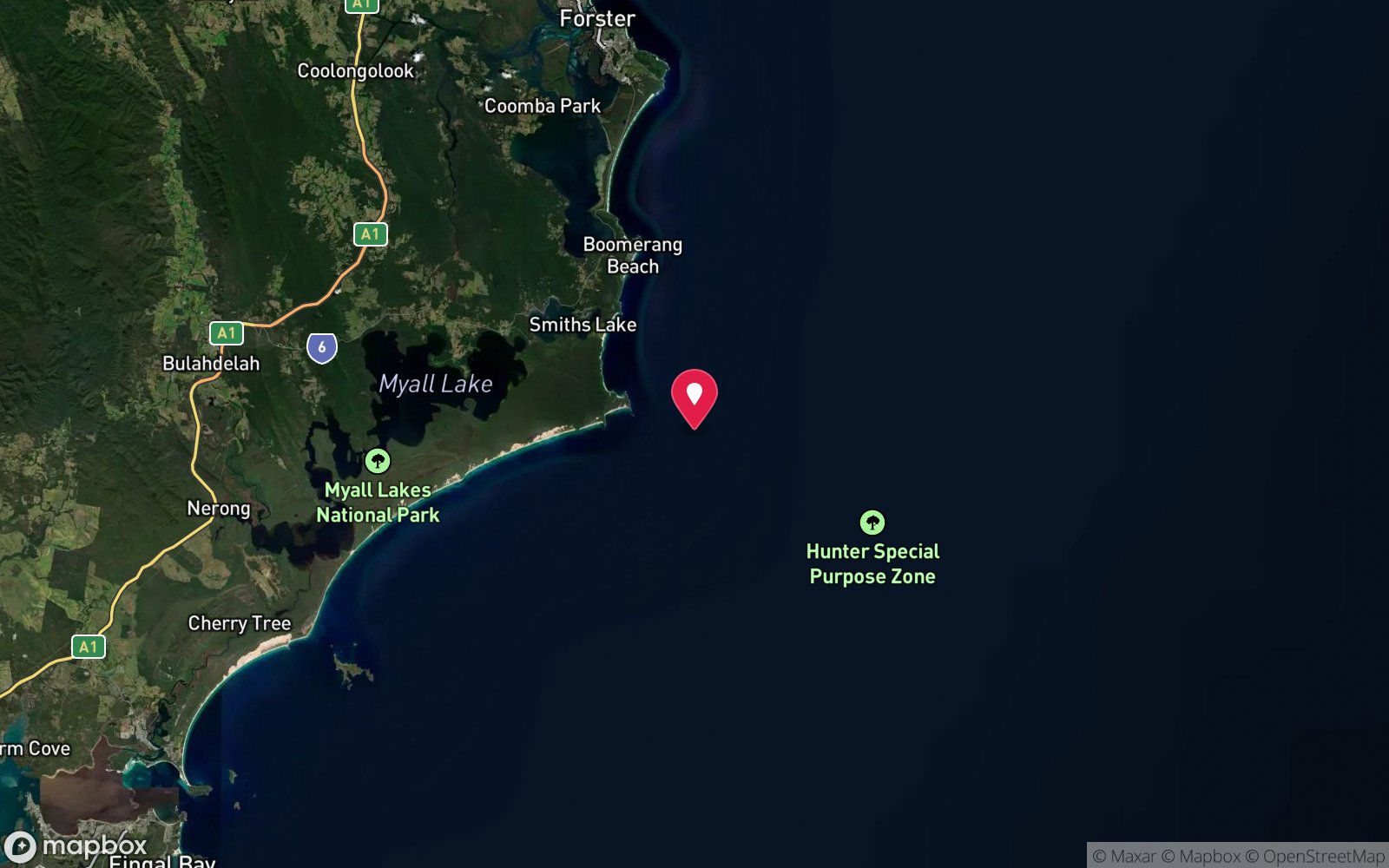
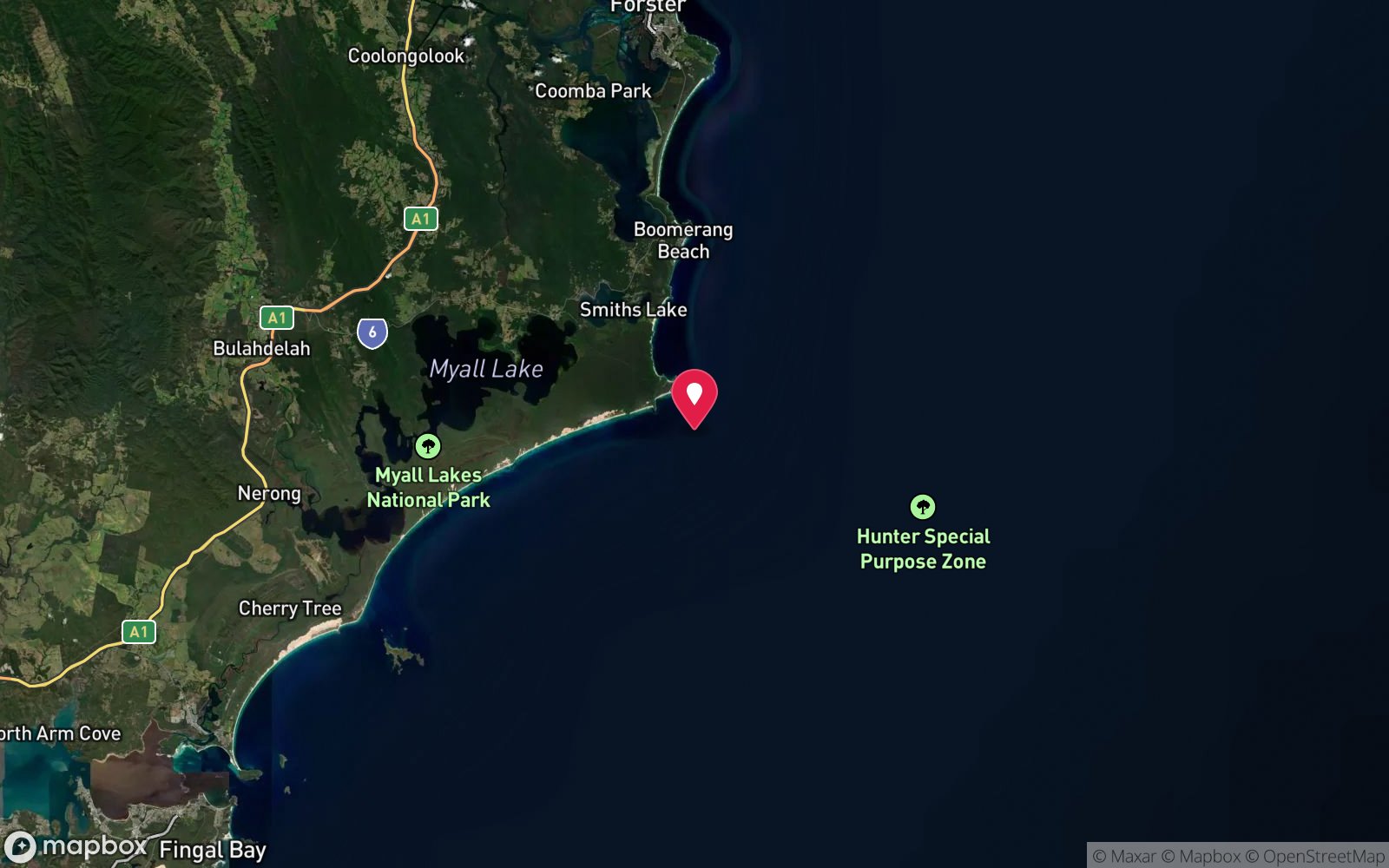
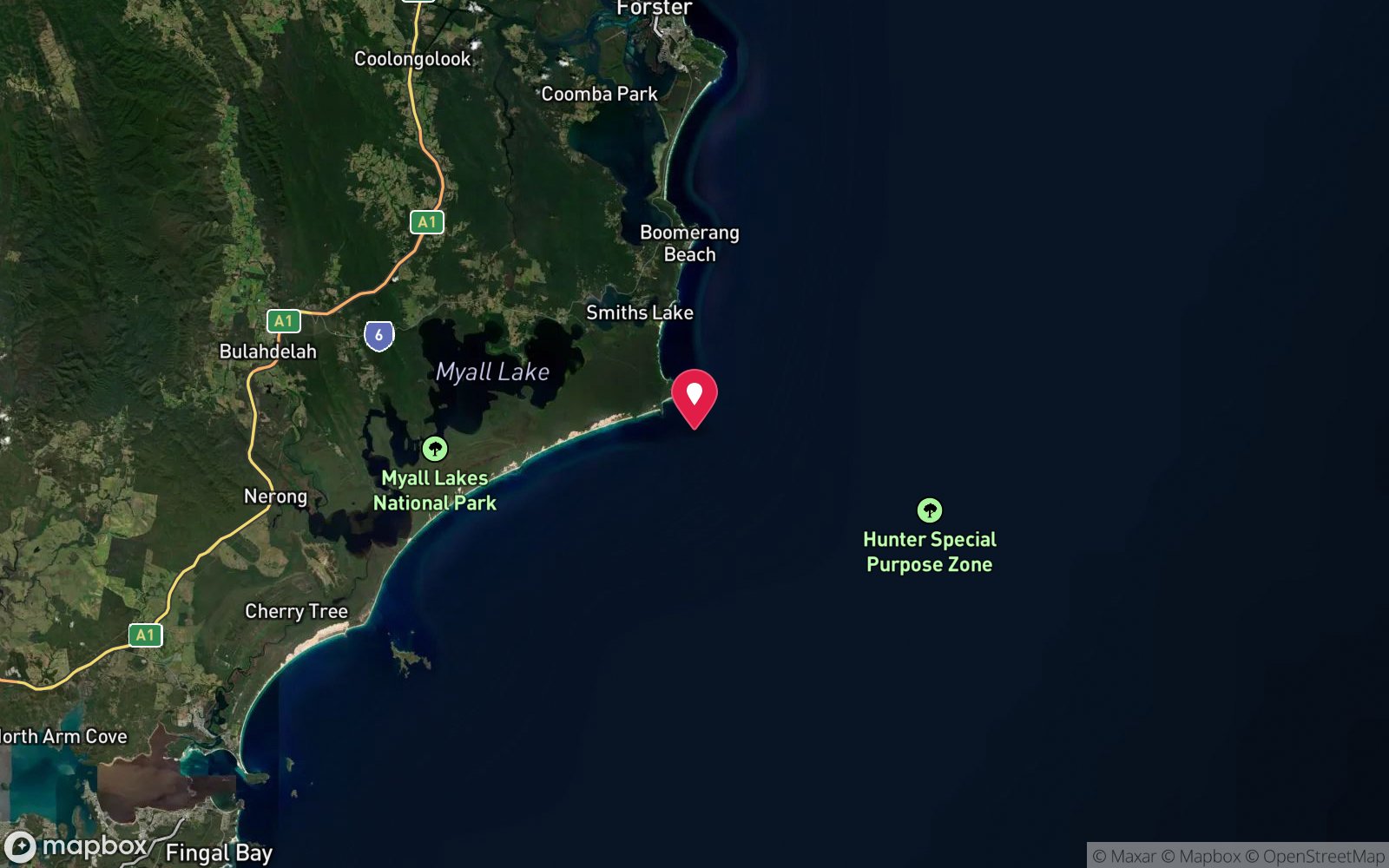
Seal Rocks — Treachery Head · NSW Mid North Coast — Forster/Tuncurry & Seal Rocks
-32.46000, 152.59000
Approximate position — not for navigation.
Open in Google MapsPrimary source: environment.nsw.gov.auMarine park & permits
Protected under the Underwater Cultural Heritage Act 2018 — no interference with the wreck
Nearest recompression chamber
Prince of Wales Hospital (Randwick, Sydney) — John Hunter Hospital Newcastle has no recompression chamber
Diving emergency: call 000, then DAN AP 1800 088 200.
Trip planner
Build a trip around SS Satara wreck →
A day-by-day plan for Forster & Seal Rocks with this site locked in.
This guide is a planning aid. Conditions change daily — confirm with a local dive centre and dive within your training. Data & safety notes.
Dive profile
How this site rates
Scores are computed from the recorded data, not opinions. How?
At a glance
SS Satara wreck is a wreck boat dive in Forster & Seal Rocks, NSW, 38–44 m, suited to Wreck specialty recommended divers, about 20 minutes by boat.
Rated expert/technical because of depth to 44 m, wreck penetration options that need training.
Why dive here
- The east coast's largest wreck dive — a 125 m 1910 steamship loss, now a protected heritage wreck at 38-44 m with an intact bow and penetrable collapsed midships.
- Sunk in 1910 (Steamship, 124-125 m, 5,272 gross tons); protected as underwater cultural heritage, so look but do not touch.
- Visibility often reaches 15-30 m.
About SS Satara wreck
The SS Satara is described locally as the east coast's largest wreck dive, a 5,272-ton, roughly 125-metre steamship built in 1901 by Denny Brothers at Dumbarton, Scotland, and operated by the British India Steam Navigation Company on runs between Sydney, Newcastle, Gladstone, Singapore and Calcutta. On 20 August 1910, under Captain Hugill, she struck the Edith Breaker while navigating Seal Rocks' inner channel at quarter past midnight, was fatally holed and sank in just twenty minutes accompanied by a large explosion; of 89 people aboard, remarkably only two died, with two passing steamships, the Orara and the Dorrigo, rescuing the survivors from lifeboats, the last five including the captain recovered by the Dorrigo. The wreck went unlocated for decades before eventually being found and is now protected under the Underwater Cultural Heritage Act 2018.
Today the Satara rests at 38 to 44 metres on a sandy bottom scattered with rock formations, with her bow relatively intact and hiding a number of artefacts, while the sides amidships and aft have largely collapsed, offering limited but real penetration opportunities for suitably trained divers. Given the wreck's genuine scale, a minimum of 30 minutes is needed just to circumnavigate the hull, and the site is considered a technical dive exceeding straightforward recreational limits, with light current typical at depth but noticeably stronger current possible in the upper water column during the ascent and safety stop. As one of the most significant and well-preserved historic wrecks on the NSW coast, both for its scale and its dramatic loss, the Satara draws technically qualified wreck divers specifically to Seal Rocks, and is usually paired on a trip with a look at Big Seal Rock's shallower grey nurse shark gutters given the proximity of the two sites.
Wreck details
Steamship, 124-125 m, 5,272 gross tons · Sunk 1910 · Protected historic shipwreck
Era: early 20th century. Oldest wrecks · Wartime wrecks · Scuttled warships
Other wrecks of the same era
- TSS Currajong wreck · Max 27 m · Sydney Harbour
- SS Macleay wreck · Max 42 m · Port Stephens
- SS New Guinea · Max 10 m · Eden & Green Cape
- SS Advance wreck (Catherine Hill Bay) · Max 49 m · Newcastle & Lake Macquarie
- Itata wreck (Salt Pan Creek) · Max 10 m · Sydney Harbour
- Swansea Coal Loader / SS Wallarah remains · Max 11 m · Newcastle & Lake Macquarie
Getting there & entry
A 5,272-ton British India Steam Navigation Company steamship, 124-125 m long, that struck Edith Breaker and sank in 20 minutes on 20 August 1910 near Treachery Head, Seal Rocks; now a major deep wreck dive at 38-44 m.
Boats for the Seal Rocks sites either run the longer distance down from Forster/Tuncurry (about 45-60 minutes) or launch locally from the small boat ramp at Seal Rocks village itself, near Sugarloaf Point, cutting the run to Big and Little Seal Rock down to 10-20 minutes. Seal Rocks is a small, remote settlement reached via Lakes Way/Mungo Brush Road through Myall Lakes National Park; there is no dedicated dive shop in the village itself, so most Seal Rocks charter diving is booked through Forster Dive Centre, with divers sometimes meeting the boat locally rather than travelling from Forster.
Entry: Giant stride from charter boat onto a shot line
Weather, swell & tides
Seal Rocks sits on an exposed headland with Sugarloaf Point taking the full force of easterly and south-easterly swell — trips are cancelled in anything beyond about 1.5 m swell, and the site is often diveable when more sheltered locations further north are blown out, or vice versa, so conditions should always be checked specifically for Seal Rocks rather than assumed from Forster. Visibility is typically 15-30 m and can be excellent in settled autumn and winter weather; it drops after the Myall Lakes and Wallis Lake systems discharge following heavy rain. Grey nurse sharks are present at almost any time of year here, with numbers varying seasonally, and the wrecks (Satara, Catterthun) require calm, low-current conditions for safe deep/technical diving.
Best season: Calm, low-current windows, typically autumn/winter
If it's blown out
Sheltered or shore sites within 25 km that often work when SS Satara wreck doesn't.
- Sugarloaf Bay / Boat Beach (Seal Rocks shore) · 6 km · Max 10 m
How the dive is usually run
Descend the shot line onto the bow, which is the most intact section and holds a number of interesting artefacts, then work aft along the collapsed sides where limited penetration is possible, allowing a minimum of 30 minutes to complete a circumnavigation of this large wreck before ascending for a staged safety stop given the depth.
Marine life
- Fish typical of a deep wreck habitat — schooling species around the structure
- encrusting sponges and invertebrates on the hull
Linked species have their own page listing every site where they are recorded. All marine life →
Training required
Beyond recreational limits: decompression, mixed gas or full cave/wreck training is required.
Courses that help here
- Enriched Air Nitrox – Longer no-decompression time at 25 m and deeper.
- Wreck Diver – The wreck has penetration options.
- Underwater Navigation – Navigation is part of the dive plan.
Depth tiers: 0–10 m easy · to 18 m Open Water · 18–30 m Advanced (25 m+ is a deep dive) · 30–40 m Deep specialty · 40 m+ technical. All courses
Hazards & warnings
Technical depth (38-44 m) exceeding recreational limits; stronger current in the upper water column than at the wreck itself; limited penetration only for trained wreck divers; protected heritage site — no removal of artefacts.
Technical notes
Effectively a technical/deep-air or nitrox-extended dive depending on training and agency limits; plan staged decompression or strict no-decompression management; wreck specialty training strongly recommended given the scale and penetration opportunities.
Dive centres that go here
Forster Dive Centre (Tuncurry) — regular boat trips to Seal Rocks, year-round, weather permitting.
Operators recorded for SS Satara wreck
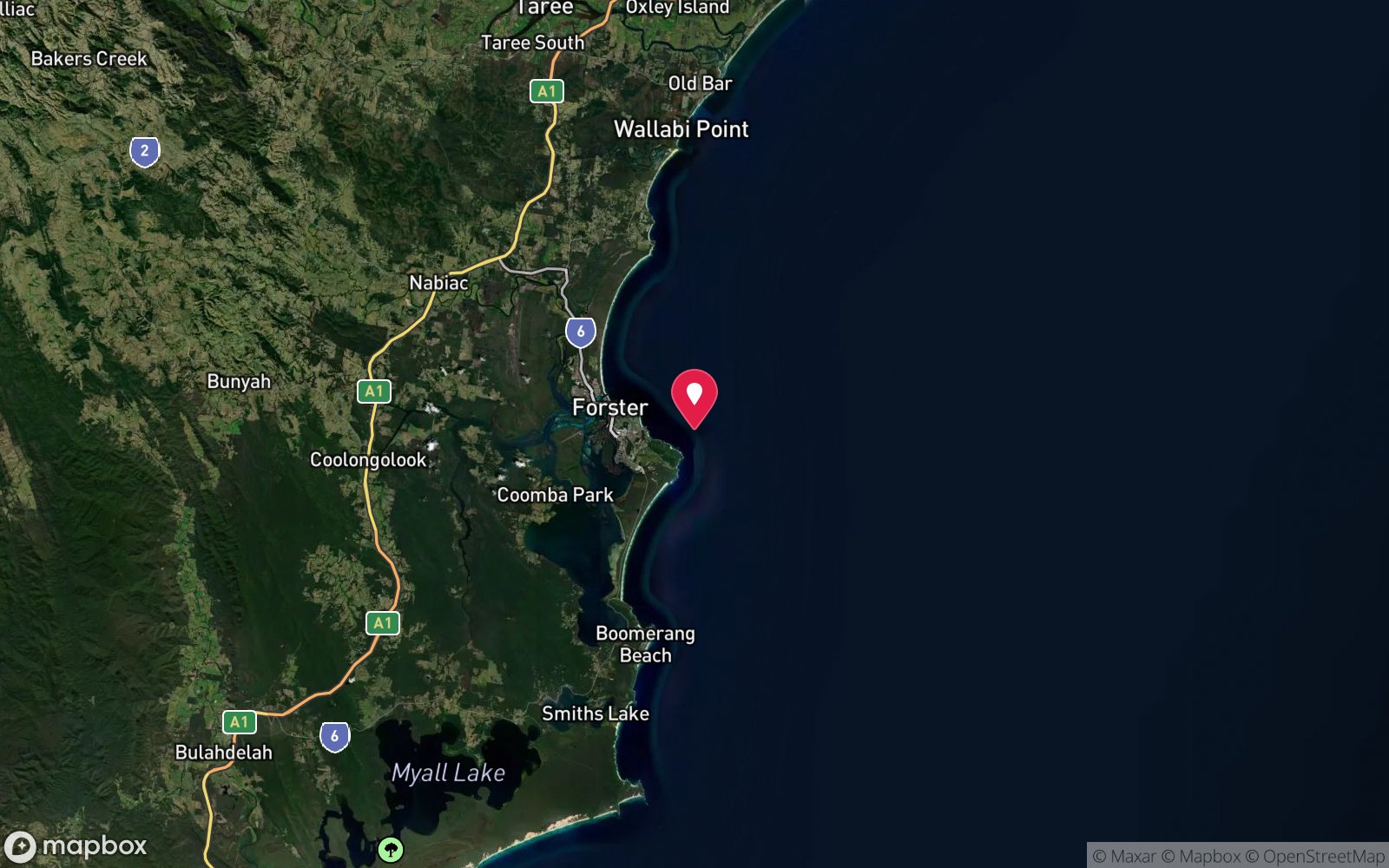
Map
7 pinned sites. Pins marked approximate on their pages show the general area only; not for navigation.
Satellite views
SS Satara wreck: frequently asked questions
How deep is SS Satara wreck?
SS Satara wreck reaches a maximum depth of 44 m, with the shallowest part at about 38 m; most of the dive is spent around 41 m.
What certification do I need to dive SS Satara wreck?
Wreck specialty recommended is the recommended minimum. Rated expert/technical because of depth to 44 m, wreck penetration options that need training.
Can I shore dive SS Satara wreck?
No, it is reached by boat (about 20 minutes). A dive centre is required: boat access only.
When is the best time to dive SS Satara wreck?
Calm, low-current windows, typically autumn/winter.
What marine life will I see at SS Satara wreck?
Regularly recorded: Fish typical of a deep wreck habitat — schooling species around the structure, encrusting sponges and invertebrates on the hull.
What wetsuit do I need at SS Satara wreck?
3-5 mm steamer summer; 5-7 mm full suit or semi-dry winter.
How cold is the water at SS Satara wreck?
Typically 22-25 °C in summer and 17-20 °C in winter.
What are the main hazards at SS Satara wreck?
Technical depth (38-44 m) exceeding recreational limits; stronger current in the upper water column than at the wreck itself; limited penetration only for trained wreck divers; protected heritage site — no removal of artefacts. See the hazards section above for the full list.
Where is the nearest recompression chamber to SS Satara wreck?
Prince of Wales Hospital (Randwick, Sydney) — John Hunter Hospital Newcastle has no recompression chamber. In an emergency call 000, then DAN Asia-Pacific on 1800 088 200.
Diving in Forster & Seal Rocks
Forster is one of the best places in the world to dive with grey nurse sharks. The Pinnacles, Latitude Rock and the Big Seal at Seal Rocks hold aggregations of 20–60 sharks in season, and Seal Rocks' gutters are within a few hundred metres of a beach launch. The SS Satara, a 1910 steamer in 44 m, and the Pinnacle's own wrecks add deep options.
Getting there: Three and a half hours north of Sydney. Forster charters run the Pinnacles and Latitude Rock; Seal Rocks is a beach launch or a longer boat trip. Shore dives at Forster's Bennetts Head and the Tuncurry breakwall.
All Forster & Seal Rocks dive sites and a suggested itinerary →
Sources
Nearby dive sites
More wrecks in New South Wales
Explore more