Dive slate · divesites.com.au · printed 8 Nov 2026
Itata wreck (Salt Pan Creek)
Sydney Harbour, New South Wales · near Castlecrag / Castle Cove
| Depth | 2–10 m |
|---|---|
| Minimum level | Open Water |
| Difficulty | Beginner |
| Access | Boat |
| Entry | Giant stride or roll from a small boat alongside the hull |
| Current | None |
| Visibility | 0-3 m |
| Water | summer 21-24 °C, winter 15-18 °C |
| Suit | 5 mm full suit in summer; 7 mm semi-dry or drysuit May–October |
| Best season | Dry spells in winter; never after rain |
| Bottom time | 30 min |
| Position | -33.81510, 151.22470 (approximate) |
| Permit | None required |
| Nearest chamber | Prince of Wales Hospital (Randwick, Sydney) |
| Emergency | 000 · DAN Asia-Pacific diving emergency 1800 088 200 |
Itata wreck (Salt Pan Creek)
Also known as Itata, Wreck Bay Middle Harbour
The burnt-out iron hull of an 1883 barque abandoned in a mangrove-lined Middle Harbour creek – Sydney's zero-visibility training wreck.
Near Castlecrag / Castle Cove · Sydney Harbour, New South Wales
- Depth
- 2–10 m
- Minimum level
- Open Water
- Access
- Boat
- Boat ride
- ~15 min
- Water
- 21-24 °C
- Visibility
- 0-3 m
Itata wreck (Salt Pan Creek)2–10 m · Open Water
Dive factsDepths, conditions, location & safety
Season
Off-peak nowBest months: May, June, July, August, September, October.
Dive facts
- Depth
- 2–10 m
- Typical depth
- 6 m
- Certification
- Open Water
- Difficulty
- Beginner
- Depth tier
- Easy (0–10 m)
- Access
- Boat
- Offshore
- 0 km
- Dive centre needed
- Recommended
- Shore / independent
- No
- Boat ride
- ~15 min
- Current
- None
- Visibility
- 0-3 m
- Water temp (summer)
- 21-24 °C
- Water temp (winter)
- 15-18 °C
- Water
- Temperate
- Bottom time
- 30 min
- Dive traffic
- Rarely dived (private boat/club only)
- Night dive
- No
- Snorkel friendly
- No
Exposure suit
5 mm full suit in summer; 7 mm semi-dry or drysuit May–October
Location
Middle Harbour – Salt Pan Creek · Sydney – Harbour
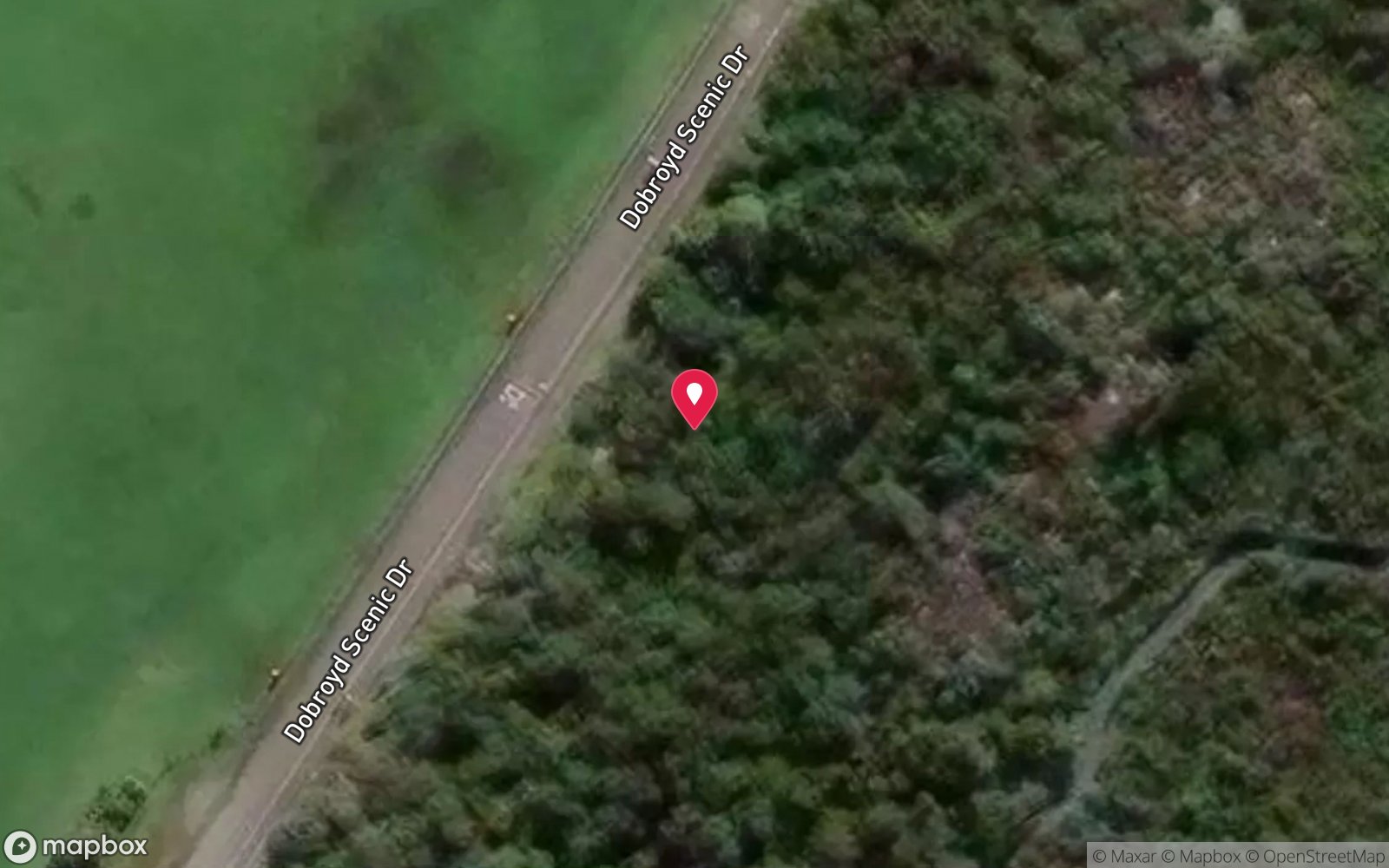
-33.81510, 151.22470
Approximate position — not for navigation.
Open in Google MapsPrimary source: dive.hemnet.com.auMarine park & permits
None required
Nearest recompression chamber
Prince of Wales Hospital (Randwick, Sydney)
Diving emergency: call 000, then DAN AP 1800 088 200.
Trip planner
Build a trip around Itata wreck (Salt Pan Creek) →
A day-by-day plan for Sydney Harbour with this site locked in.
This guide is a planning aid. Conditions change daily — confirm with a local dive centre and dive within your training. Data & safety notes.
Dive profile
How this site rates
Scores are computed from the recorded data, not opinions. How?
At a glance
Itata wreck (Salt Pan Creek) is a wreck boat dive in Sydney Harbour, NSW, 2–10 m, suited to Open Water divers, about 15 minutes by boat.
Rated beginner: sheltered, shallow and manageable for a newly certified diver on a normal day, though note boat traffic overhead and wreck penetration options that need training and cold water.
Why dive here
- The burnt-out iron hull of an 1883 barque abandoned in a mangrove-lined Middle Harbour creek – Sydney's zero-visibility training wreck.
- Sunk in 1906 (Iron three-masted barque (hulk), 62 m, 950 tons); protected as underwater cultural heritage, so look but do not touch.
- Rarely dived: expect to have the site to yourself, and plan your own logistics.
Conditions to avoid
- Outgoing tide or run-off after rain (poor visibility)
About Itata wreck (Salt Pan Creek)
The Itata is the only substantial shipwreck in Middle Harbour and one of the strangest dive sites in Sydney. She was a three-masted iron barque of 950 tons, 62 m long, built by R. and J. Evans at Liverpool in 1883 for the Newark Shipping Company.
On 12 January 1906, loading coal at Newcastle, a cargo of nitrate in one of her holds caught fire; a series of explosions blew planking and debris high into the air, brought down her masts and left the iron hull gutted and twisted. Towed to Sydney and judged too badly damaged even for use as a coal hulk, she was run into the head of Salt Pan Creek off Middle Harbour and abandoned, giving the little bay its local name of Wreck Bay. What remains is the lower iron shell of the ship lying in shallow, silty water surrounded by mangroves and bushland, part of it awash at low tide, the rest in 2–10 m.
There is no superstructure and no fittings to speak of; the interest is in the ribs and plating of a Victorian iron sailing ship and in the fact that it is there at all, a mile from suburban Castlecrag. Sydney Dive Charters lists it plainly: 'great for training dives in limited visibility'. Divers use it to practise wreck-specialty skills, line-laying, and the kind of zero-visibility buddy contact that harbour diving occasionally demands.
Marine life is sparse in the silt but not absent – bream, mullet, toadfish, small crabs and the occasional seahorse on the plating – and the mangrove edge is rich in juvenile fish. It is not a dive for scenery or for beginners without a guide, and the Abyss blog's account of a Chilean warship sunk in a 1917 collision at 30 m is fiction; the hulk is British, burnt, and shallow. The Itata suits instructors, wreck and maritime-history enthusiasts, and anyone collecting Sydney's odd corners; the wreck is protected and must not be disturbed.
Wreck details
Iron three-masted barque (hulk), 62 m, 950 tons · Sunk 1906 · Protected historic shipwreck
Era: early 20th century. Oldest wrecks · Wartime wrecks · Scuttled warships
Other wrecks of the same era
- Adolphe wreck (Stockton Breakwall) · Max 8 m · Newcastle & Lake Macquarie
- SS Advance wreck (Catherine Hill Bay) · Max 49 m · Newcastle & Lake Macquarie
- SS Oakland wreck · Max 27 m · Port Stephens
- SS Shamrock wreck (Catherine Hill Bay) · Max 6 m · Newcastle & Lake Macquarie
- SS Satara wreck · Max 44 m · Forster & Seal Rocks
- SS Kelloe wreck · Max 51 m · Sydney South & Botany Bay
Getting there & entry
Gutted iron hull of the 1883 barque Itata, burnt out at Newcastle in 1906 and abandoned in Salt Pan Creek (Wreck Bay), an arm of Middle Harbour; shallow, silty, used for zero-visibility and wreck-training dives.
Middle Harbour, in Salt Pan Creek (locally 'Wreck Bay') between Castlecrag and Castle Cove, upstream of the Spit Bridge and Sugarloaf Bay. Reached by small boat from the Roseville Bridge ramp (10 minutes downstream) or from the Spit/Clontarf (20 minutes upstream, through the Spit Bridge opening if the mast height requires it). Sydney Dive Charters lists it as a 10 m training site.
There is no practical shore access through the bushland reserve. Anchor clear of the hull and remain within the bay, which is a no-wash zone.
Entry: Giant stride or roll from a small boat alongside the hull
Weather, swell & tides
Completely sheltered from swell and most wind, so it is diveable in any weather – the limiting factor is visibility, which is nil after rain and rarely more than 2–3 m even in a dry winter, because the creek is fed by suburban stormwater and has a deep silt bottom. Tidal flow is slight; a flood tide brings the cleanest water. It is best treated as a deliberate low-visibility exercise rather than a sightseeing dive.
Best season: Dry spells in winter; never after rain
If it's blown out
Sheltered or shore sites within 25 km that often work when Itata wreck (Salt Pan Creek) doesn't.
- Balmoral Baths · 3 km · Max 5 m
- Chowder Bay / Clifton Gardens · 4 km · Max 10 m
- Fairlight · 5 km · Max 12 m
- Manly Cove (Oceanworld nets) · 6 km · Max 6 m
How the dive is usually run
Descend beside the hull on a line, follow the plating by touch and torch around the outside of the iron shell at 4–8 m, practise line-laying and buddy contact in the poor visibility, and return up the same line. No penetration; the interior is silted and the plating fragile.
Marine life
- Bream
- mullet
- toadfish
- crabs
- occasional seahorses and pipefish on the plating →
- juvenile fish along the mangrove edge
Linked species have their own page listing every site where they are recorded. All marine life →
Training required
Shallow enough for snorkellers and for a first dive under supervision. Any certified diver can dive it.
Courses that help here
- Wreck Diver – The wreck has penetration options.
- Drysuit Diver – Cold water; locals dive dry for much of the year.
- Peak Performance Buoyancy – Silt and low visibility punish poor trim.
Depth tiers: 0–10 m easy · to 18 m Open Water · 18–30 m Advanced (25 m+ is a deep dive) · 30–40 m Deep specialty · 40 m+ technical. All courses
Hazards & warnings
Very poor to nil visibility; deep silt; fragile, sharp iron plating – no penetration; entanglement in fishing line; small-boat traffic in the creek; protected historic wreck.
Dive centres that go here
Sydney Dive Charters – occasional wreck-specialty and limited-visibility training dives ('great for training dives in limited visibility'); otherwise private boats and clubs.
Operators recorded for Itata wreck (Salt Pan Creek)
Frog Dive Sydney
ProfiledGladesville · Sydney South & Botany Bay · NSW
A Willoughby PADI 5 Star IDC founded in 1985, teaching recreational through Trimix and rebreather courses with PADI, SDI and TDI, and testing cylinders in-store.
frogdive.com.au · (02) 9958 5699
Sydney Dive Charters
Named by sitesRose Bay · Sydney Northern Beaches · NSW
Charter boat; departs Rose Bay, Little Manly, Careel Bay and Cronulla wharves.
sydneydivecharters.com.au · 0417 417 295
Other dive centres in Sydney Harbour
Abyss Scuba Diving
ProfiledRamsgate · Sydney South & Botany Bay · NSW
A Sydney operation associated with training across recreational and technical levels, boat diving and equipment services.
abyss.com.au · +61 2 9583 9662
Pro Dive Sydney
ProfiledSt Peters · Sydney South & Botany Bay · NSW
Pro Dive's inner-Sydney training centre at Alexandria, close to Camp Cove, Clovelly, Gordons Bay and Bare Island, with courses to Divemaster, hire and servicing.
prodive.com.au · (02) 9665 6333
Dive Centre Manly
ProfiledManly · Sydney South & Botany Bay · NSW
A Northern Beaches operation with a long-standing presence at Shelly Beach, offering recreational training, boat diving and technical pathways.
divesydney.com.au · (02) 9977 4355
Pro Dive Brookvale
ProfiledBrookvale · Sydney South & Botany Bay · NSW
Pro Dive's Northern Beaches centre at Brookvale, running the 43-foot dive boat Sea Life V alongside courses, hire, air fills and servicing.
prodive.com.au · (02) 9977 5966
Dive Centre Bondi
ProfiledBondi · Sydney South & Botany Bay · NSW
An Eastern Suburbs PADI 5 Star IDC on Bondi Road teaching through Instructor and technical levels, with air, Nitrox and Trimix fills and manufacturer-approved servicing.
divebondi.com.au · +61 2 9369 3855
ADRENO Sydney
ProfiledAlexandria · Sydney South & Botany Bay · NSW
The Sydney branch of Adreno, an 850-square-metre spearfishing, freediving and scuba store in Alexandria that also runs SSI scuba courses.
adreno.com.au · (02) 9669 6214
Map
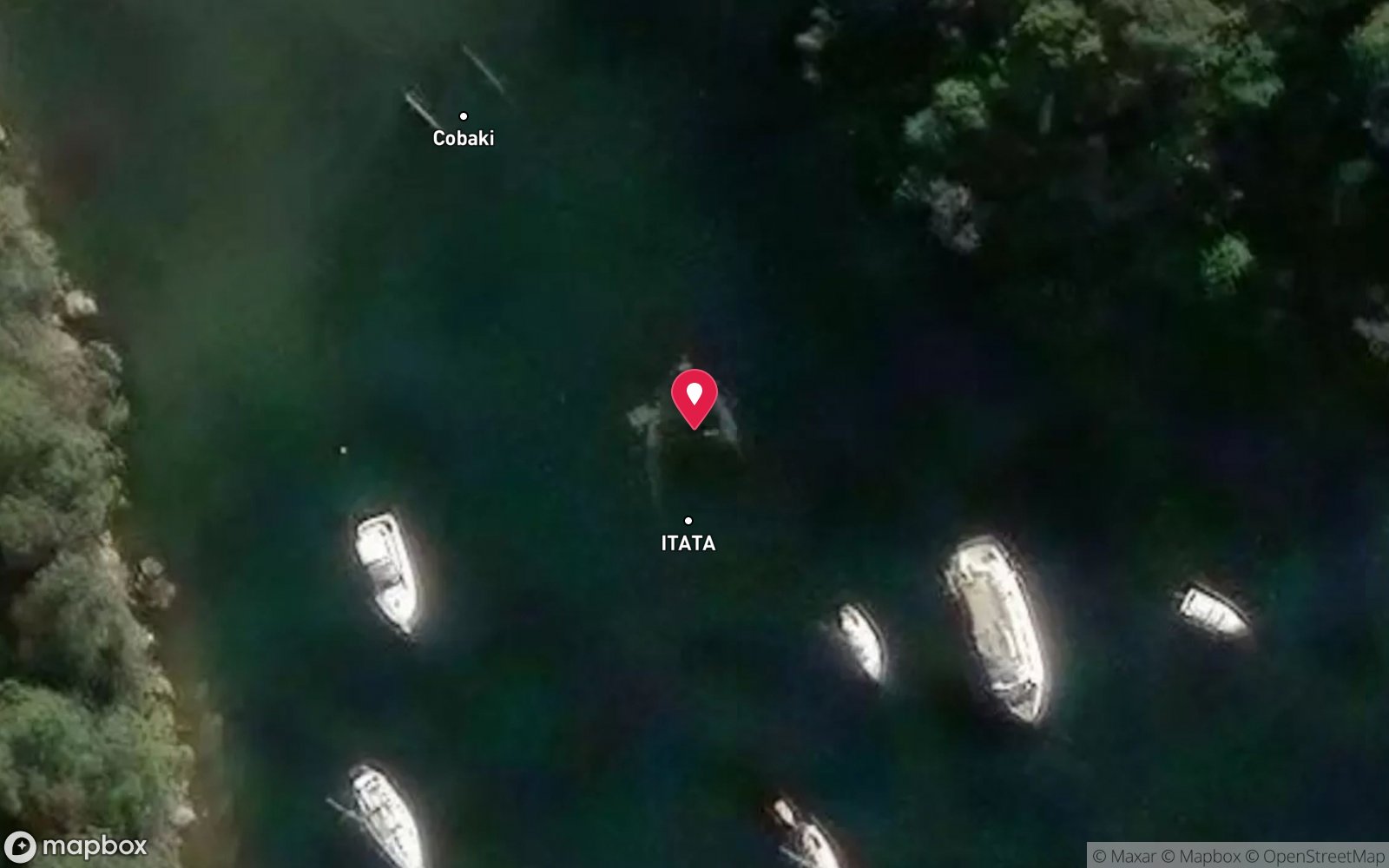
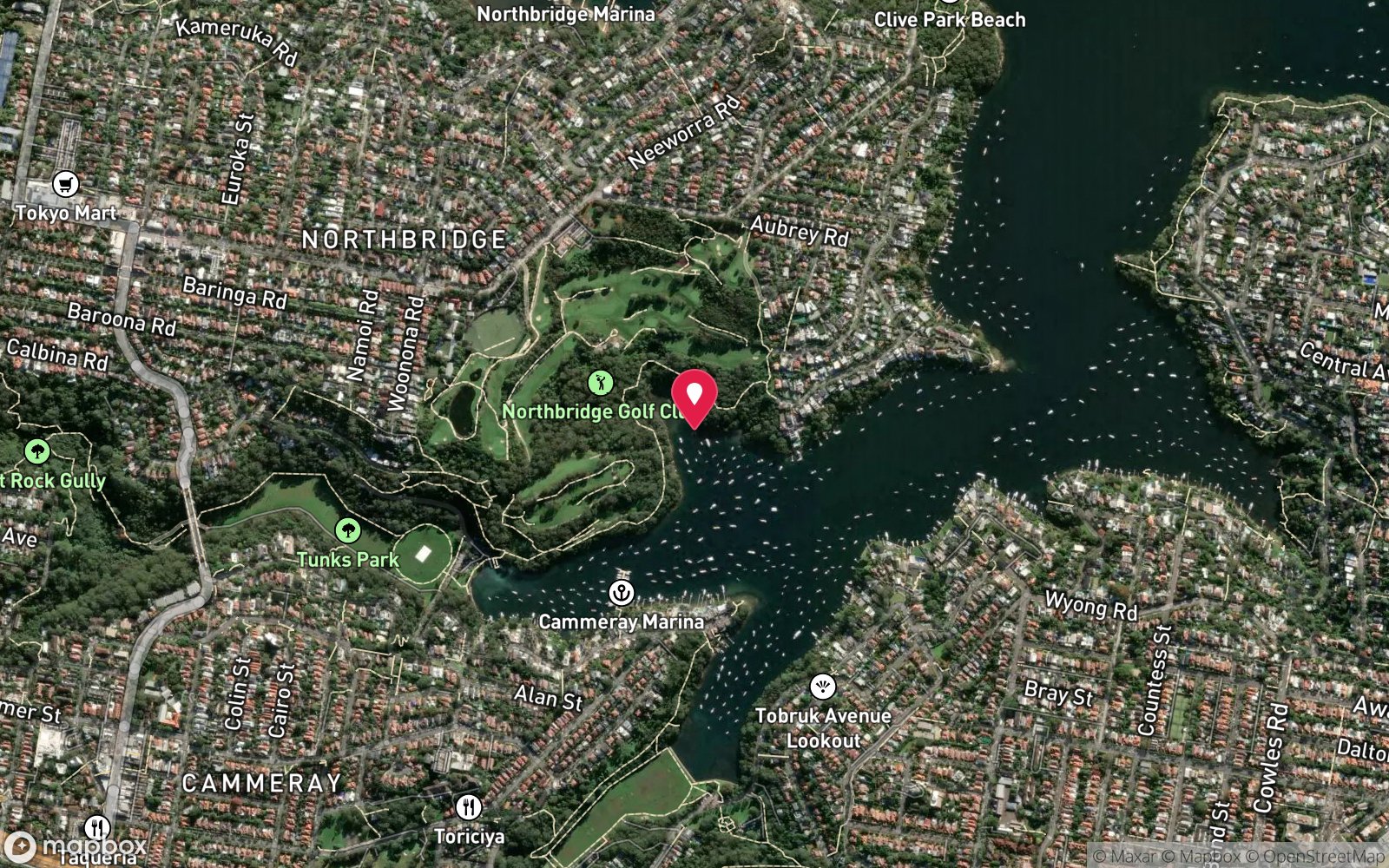
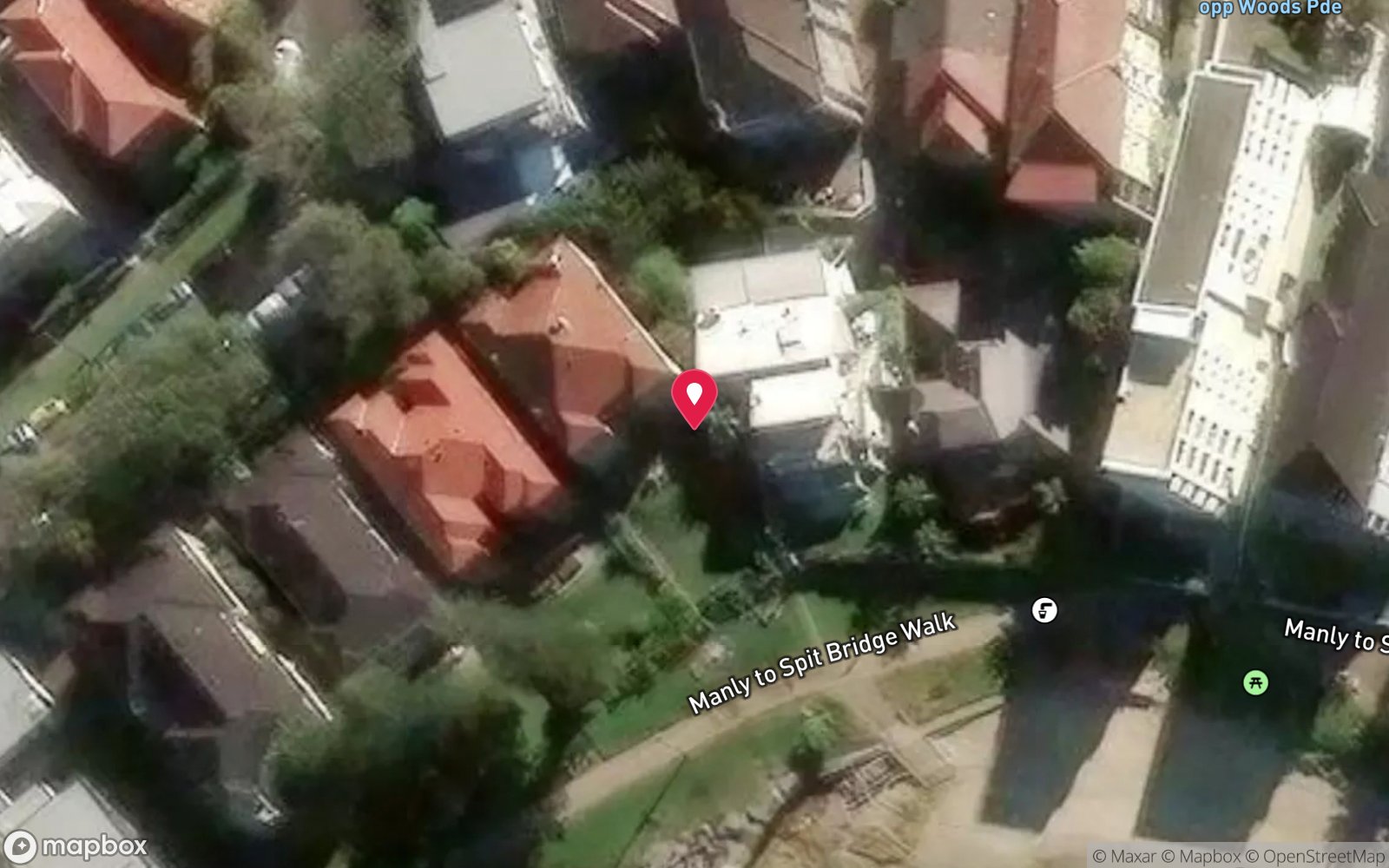
7 pinned sites. Pins marked approximate on their pages show the general area only; not for navigation.
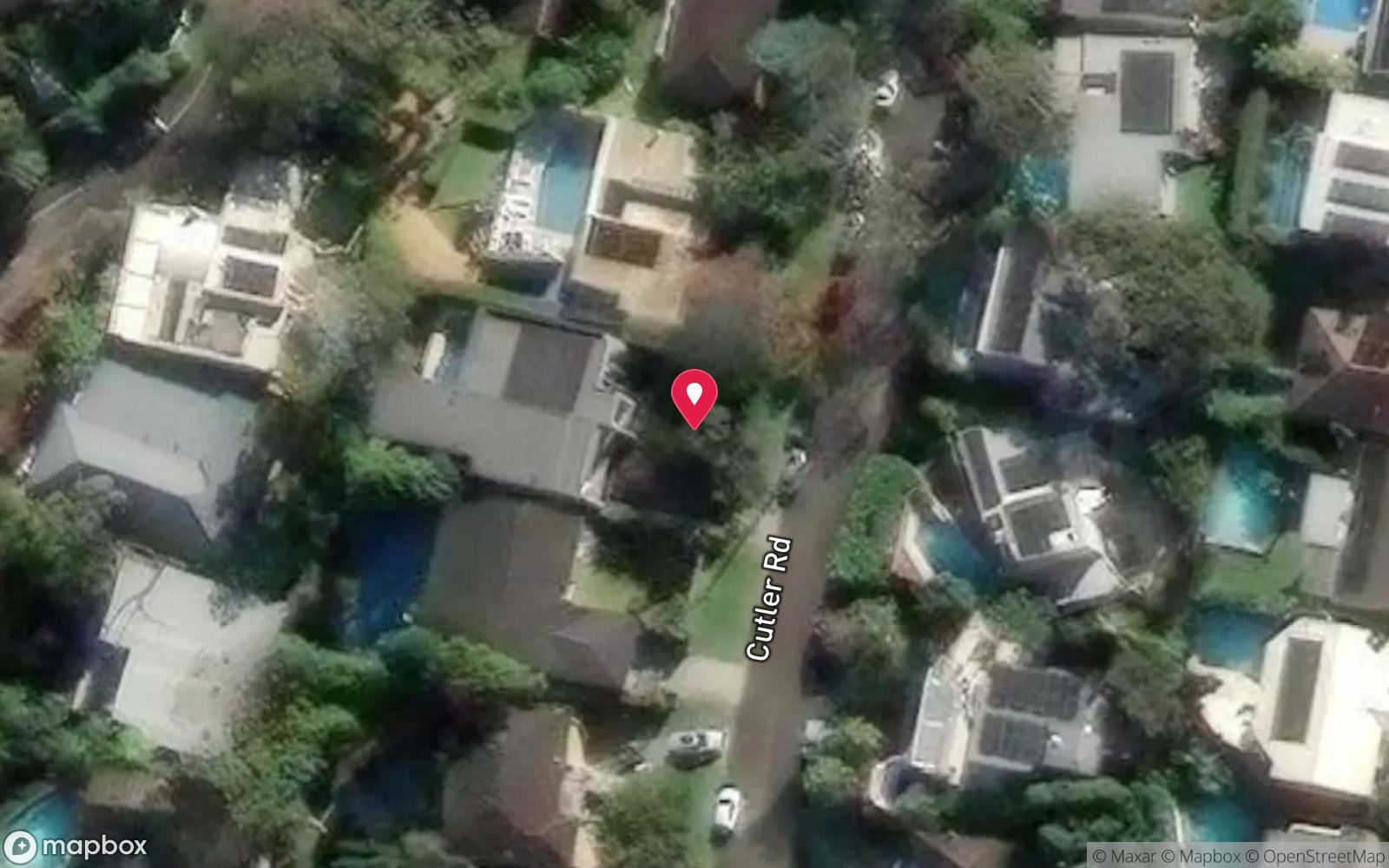
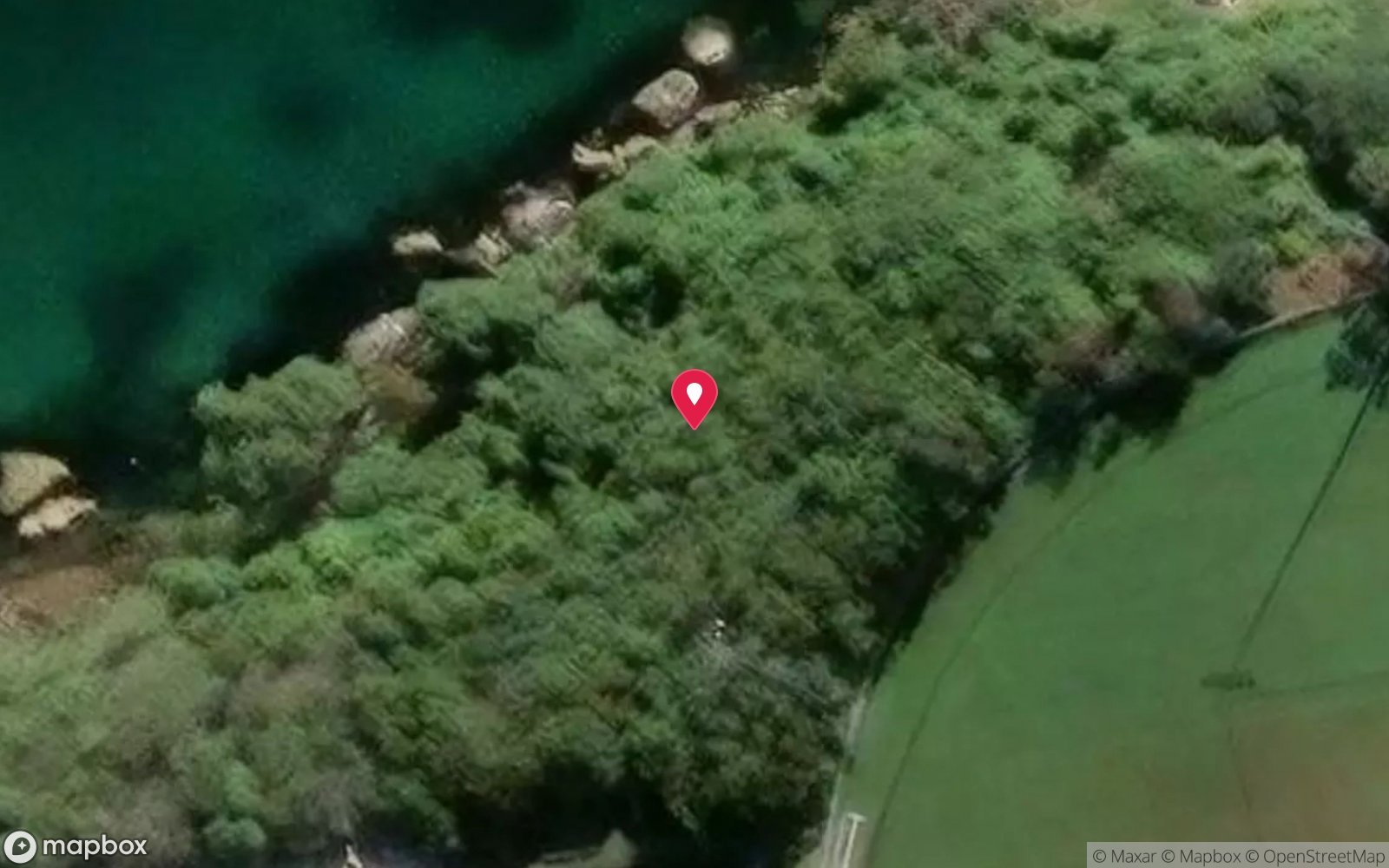
Satellite views
Itata wreck (Salt Pan Creek): frequently asked questions
How deep is Itata wreck (Salt Pan Creek)?
Itata wreck (Salt Pan Creek) reaches a maximum depth of 10 m, with the shallowest part at about 2 m; most of the dive is spent around 6 m.
What certification do I need to dive Itata wreck (Salt Pan Creek)?
Open Water is the recommended minimum. Rated beginner: sheltered, shallow and manageable for a newly certified diver on a normal day, though note boat traffic overhead and wreck penetration options that need training and cold water.
Can I shore dive Itata wreck (Salt Pan Creek)?
No, it is reached by boat (about 15 minutes).
When is the best time to dive Itata wreck (Salt Pan Creek)?
Dry spells in winter; never after rain.
What marine life will I see at Itata wreck (Salt Pan Creek)?
Regularly recorded: Bream, mullet, toadfish, crabs, occasional seahorses and pipefish on the plating, juvenile fish along the mangrove edge.
What wetsuit do I need at Itata wreck (Salt Pan Creek)?
5 mm full suit in summer; 7 mm semi-dry or drysuit May–October.
How cold is the water at Itata wreck (Salt Pan Creek)?
Typically 21-24 °C in summer and 15-18 °C in winter.
What are the main hazards at Itata wreck (Salt Pan Creek)?
Very poor to nil visibility; deep silt; fragile, sharp iron plating – no penetration; entanglement in fishing line; small-boat traffic in the creek; protected historic wreck. See the hazards section above for the full list.
Where is the nearest recompression chamber to Itata wreck (Salt Pan Creek)?
Prince of Wales Hospital (Randwick, Sydney). In an emergency call 000, then DAN Asia-Pacific on 1800 088 200.
Diving in Sydney Harbour
Sydney Harbour has more marine species than the entire Mediterranean, and most of its dive sites are gentle shore dives inside the heads. Clifton Gardens (Chowder Bay) is the city's night-dive institution, with seahorses, pygmy pipehorses, frogfish and octopus under the wharf; Camp Cove, Fairlight and the Fairy Bower reef are easy day dives, and North Head's outside reefs are for experienced divers on calm days.
Getting there: All sites are within the city with public transport, parking and easy entries. Boat dives to the Harbour reefs and wrecks leave from Rose Bay and Mosman.
Sources
- dive.hemnet.com.au/wrecks/itata.htm
- en.wikipedia.org/wiki/Itata_(1883)
- sydneydivecharters.com.au/boat-dive-sites-sydney
- michaelmcfadyenscuba.info/viewpage.php?page_id=6
Data confidence: Medium · Being verified: Depth from Sydney Dive Charters (10 m); exact hull position approximate.. Last updated September 2026. Know this site better? How to send a correction
Nearby dive sites
More wrecks in New South Wales
Explore more
This region
Similar dives